Originally published December 17, 2023. Updated November 2026.
Hero: Photo by Jonathan Borba / Pexels / Pexels License. (Stock photo, illustrative.)
A destination wedding is a local wedding plus a business trip, and the business trip is where the profit or the pain lives. This guide treats destination work as an operations problem: pricing the travel days as well as the wedding day, defining scope before quoting, verifying your own permission to work, crossing borders with gear, protecting the files on the road, and counting the real margin before you say yes. It draws on published guides from working destination photographers and on official sources for the rules, and where one photographer’s habit appears it is labeled as theirs. Nothing here is a promise that destination work pays well; it is a checklist for making it deliberate.
Price the Whole Trip, Not the Wedding Day
Travel days consume working days without producing photographs. Photographer Carla Ten Eyck makes the point in ShootProof’s destination guide: every day away is a day not earning at home, so a multi-day event with travel on both sides has to be priced for the full span, or staying home and booking local work can be the smarter business move. Count the travel days, the recovery day, the editing days afterward, and the admin hours the booking consumed, before you decide the fee is healthy.
Lodging carries schedule risk as well as price. ShootProof’s guide quotes photographer Brandon Russell booking at least three nights for a destination wedding, the night before, the night of, and the night after, with two nights before for international work, to reduce the chance that a flight delay disrupts wedding coverage. The guide’s accommodation checklist adds the operational questions: a safe or secure storage for gear, check-in and check-out times that fit the shoot schedule, and a location near the venue. Each of these is a line in the trip’s true cost.
The calendar is part of the cost. Photographer Hannah Rosser describes her own habit of leaving buffer between weddings in different locations and flying out two days before the first shooting day, to allow time for delays before wedding coverage. That is one photographer’s schedule, but the underlying cost applies to the format itself: buffer days are unbooked days, and they belong in the price or in a conscious decision to absorb them.
Define Scope Before You Quote
Scope questions multiply with distance. Does the booking include the rehearsal dinner, a next-day session, the travel days themselves? ShootProof’s guide describes three ways photographers structure destination pricing: a flat pre-priced package that includes travel, an itemized arrangement where the client reimburses actual travel costs, and a combination of the two. Treat that as one guide’s taxonomy rather than a standard, and pick the structure you can administer cleanly; then write it down with the precision the guide recommends, where an itemized clause names the specific room, nights, and dates rather than the word hotel.
Rangefinder’s logistics guide adds the contract mechanics: give the travel fee its own clause, detail what it covers, and repeat it as line items on the invoice so nothing hides in legalese. The same guide is candid about discounts: absorbing some travel cost to reach a bucket-list location is a legitimate choice when it is entirely yours and you feel good about it, and a bad one when it drifts in unexamined. Make the decision on purpose, in writing, before signing.
Verify Your Own Permission to Work
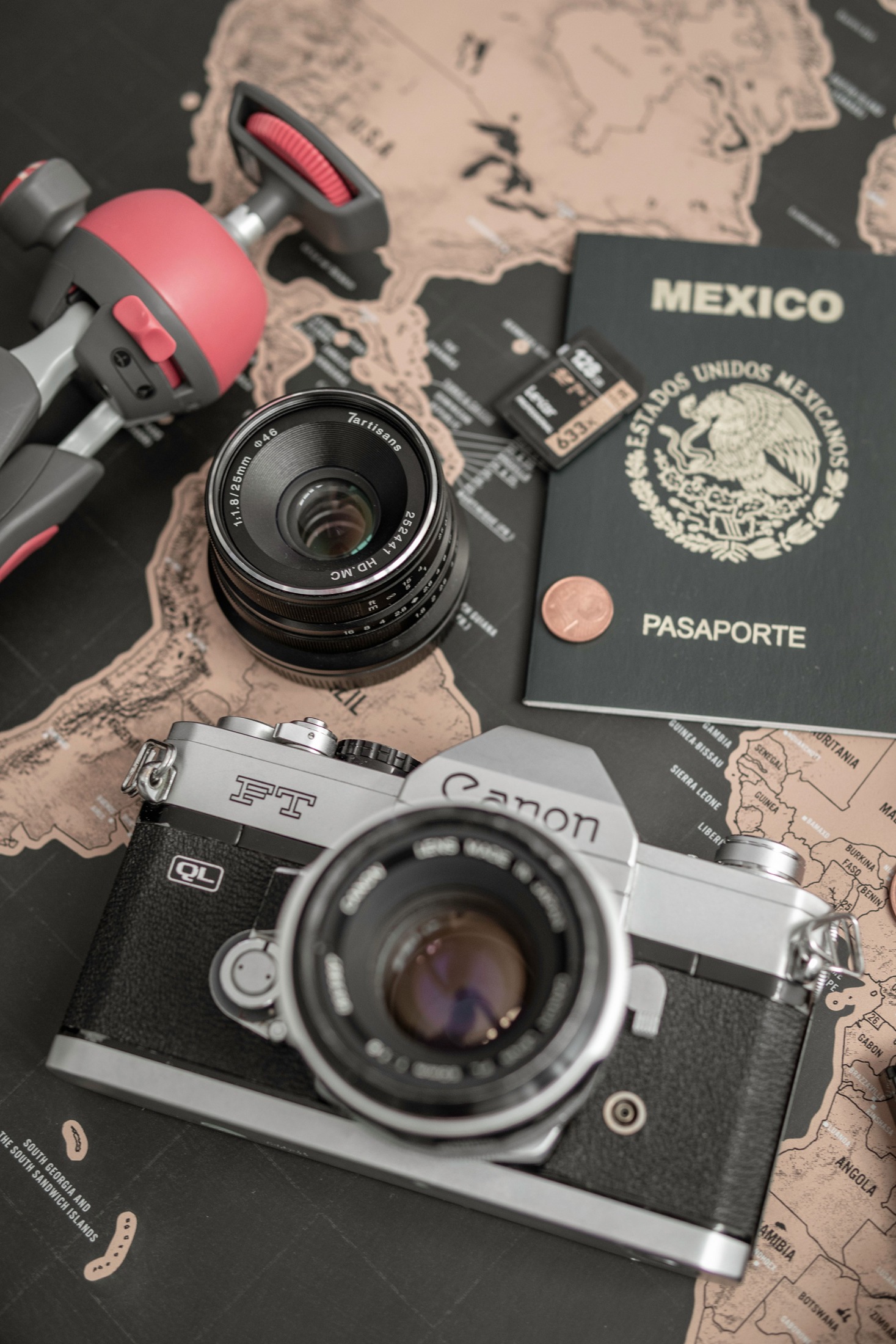
A risky assumption in destination work is that someone else’s experience settles your paperwork. Rangefinder’s guide is blunt: secondhand information about access and permits is secondhand, and the reliable move is to contact the destination country’s consulate and ask directly whether your passport needs a visa or a temporary work permit for paid photography. Rules turn on your citizenship, your destination, and the exact work, so verify your own case rather than borrowing a colleague’s answer.
The United Kingdom shows how specific these rules get. On GOV.UK’s business visitor page, a Standard Visitor may do certain business activities only when not paid by a UK-based organisation or client, and other paid or unpaid work needs a work visa. A separate permitted paid engagement route exists for pre-arranged engagements with a written invitation from a UK-based client, where the visitor must show expertise in their profession; the guidance’s examples of professional creative artists include photographers. The engagement must be relevant to the visitor’s expertise and main job at home and take place in the first month. These pages do not establish that a particular paid wedding assignment qualifies. They illustrate the detail to verify for your own job, and do not transfer to other countries.
 Save
Cross Borders with a Paper Trail
Gear leaving and re-entering your home country is a customs question, and one concrete tool exists for US-based photographers: CBP’s certificate of registration (Form 4457). Before departure, you present the equipment at a CBP office, an officer verifies it against the form, and the completed certificate supports re-importation of the same registered articles on return. The same CBP page notes that foreign repairs or alterations to your articles are dutiable and must be declared on re-entry, whether or not they were done free of charge.
Destination-side rules need their own check. Rangefinder’s account of researching equipment restrictions for a trip is useful for its method rather than as a current rule for another photographer. Consult the destination’s official customs guidance using the equipment list you actually carry, close to your travel date. Ask whether professional camera equipment needs temporary-import paperwork, a deposit, or a separate process from personal belongings. Keep serial numbers and proof of ownership with your records, but do not confuse evidence for US re-entry with clearance to bring equipment into another country.
Venue and Local Permission Are Separate Gates
A consulate’s answer does not bind the venue. Rangefinder’s guide describes resort properties that employ in-house photographers and may pass a fee to the couple when an outside photographer works the property, with the local manager as the practical authority regardless of what a consulate says. Ask the venue’s coordinator or manager about outside-vendor rules early, and keep any email answers printed with your travel documents, as the guide suggests.
Local relationships are the operating system for all of this. ShootProof’s guide lists the wedding planner, your attorney or accountant, and other destination photographers as the three resources for working out foreign requirements, and Ten Eyck’s account there credits planners and organizers with walking her through local forms and customs on different trips. Build those contacts before you need them at a border.
 Save
Insurance, Health, and the Worst Day
Travel adds failure modes that local weddings do not have, and the guides treat insurance as the answer to several of them. ShootProof’s guide recommends travel insurance for medical care and evacuation abroad, and points out that your embassy can help with physician recommendations, a lost passport, or worse; Rosser’s guide adds gear insurance against theft or damage on the road. For the business-coverage side at home and abroad, our guide to wedding photography insurance and venue checks walks through the questions to ask insurers and venues.
Rosser’s guide also makes the case for contract protections that anticipate the human failures: her own account of waking ill on the morning of an elopement abroad is her argument for cancellation and contingency clauses that work in a foreign country, covering permits, weather, and travel disruption. Whatever template you use, ShootProof’s guide recommends a lawyer review your destination contract before signatures, especially after any revisions.
Flights, Batteries, and Bags
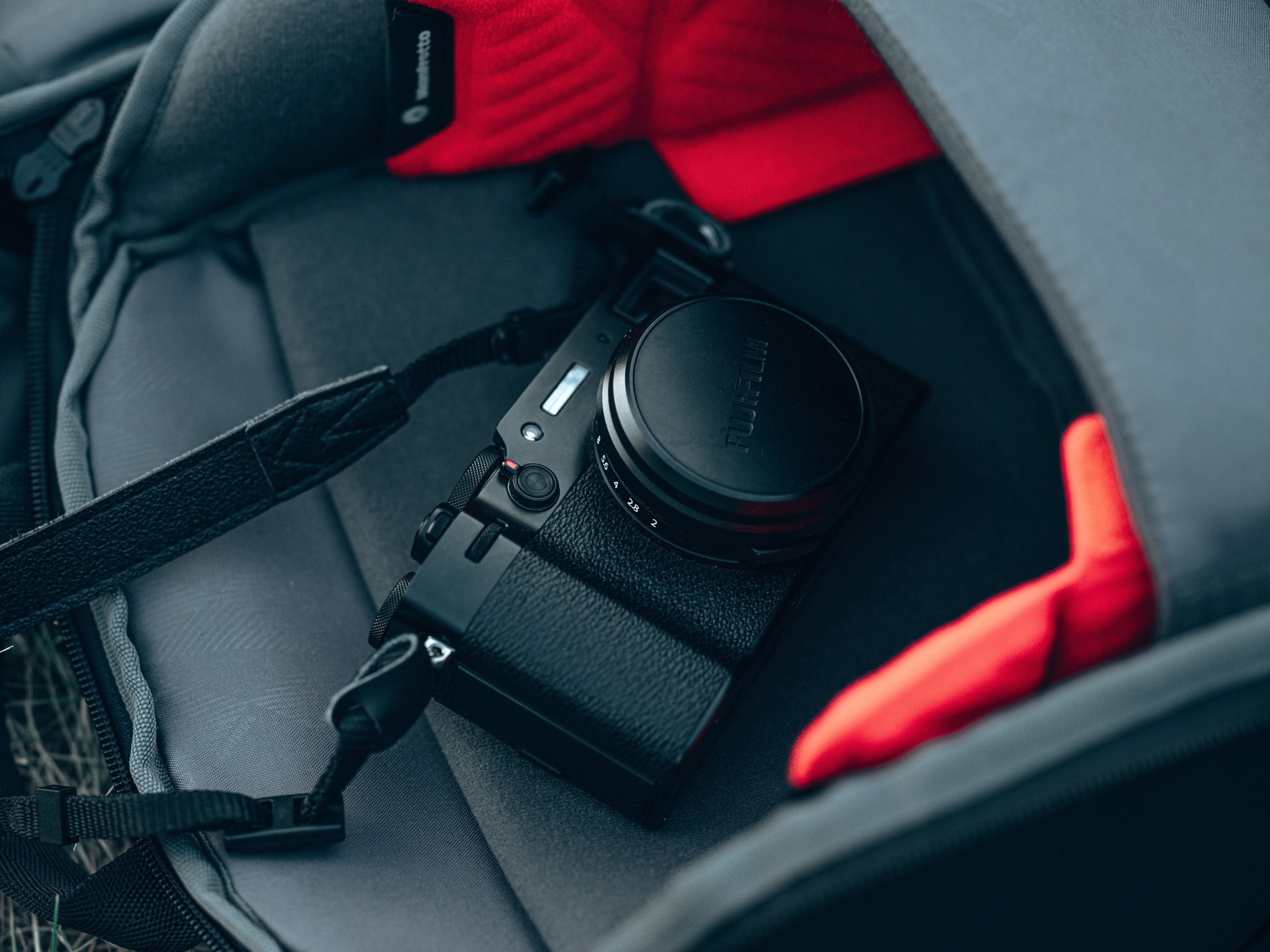
The Rangefinder and Rosser guides give the same physical instruction: cameras and lenses travel in the cabin with you, not in checked luggage, and Rosser adds the habits behind it, boarding early enough that your carry-on is not gate-checked and never leaving gear in a car. Rangefinder’s version adds a practical touch worth copying: at least one wedding-ready outfit in your carry-on in case checked luggage goes missing.
Connectivity and power are the quiet logistics. ShootProof’s guide suggests checking your carrier for the destination’s data options and packing plug adaptors and a portable charger, and it quotes Russell downloading cached maps before travel so navigation works without a data connection. The same guide recommends keeping multiple ways to reach the couple after landing, a hotel number or an email address, in case their phone stops working abroad. Include the cost of data, power and local communication in your travel plan instead of leaving them to chance.
Batteries have their own regulations, and they are specific. The FAA’s PackSafe lithium battery page requires spare lithium batteries and power banks in carry-on baggage only, with terminals protected against short circuit, and if your carry-on is checked at the gate the spares come out and stay with you in the cabin. The standard limit for rechargeable lithium ion batteries is 100 watt-hours each; with airline approval, passengers may carry up to two larger spares in the 101-160 Wh range, and airlines may impose stricter limits of their own, so check your carrier before you pack.
 Save
Protect the Files on the Road
File discipline matters more away from home, because ceremony moments cannot be repeated on demand and the trip has an end date. Rosser’s guide keeps cards and cash on her person rather than in bags that leave her sight, and Rangefinder’s checklist pairs a backup camera with backup cards and plenty of batteries. Build the day’s end routine around the same redundancy you use at home: copy the cards to two separate storage devices, keep the copies in different places, and verify the copies open before any card goes back into rotation.
If you shoot film, airport screening becomes a planning item rather than a surprise. Rosser describes requesting a hand check for film at security, finishing the loaded roll first, and accepting that some airports will decline and send film through the scanner anyway; her own rule of thumb is to limit how many times a roll passes through. That is one traveling film photographer’s practice, included so digital shooters know why their film-shooting colleagues arrive at the checkpoint early.
Want to go further? The ShutYourAperture Academy’s The Wedding Day offers a focused place to continue studying wedding photography.
Count the Margin Before You Say Yes
The margin question deserves arithmetic, not vibes. List every cost the trip creates: travel, lodging, food, local transport, the unbooked buffer days, the editing and admin days after you return, insurance, permits, and any local assistant or second photographer you hire. ShootProof’s guide notes that local weddings sometimes call for help and destination ones are no different; if the couple will not fund traveling a second shooter, hiring someone local to the destination is the guide’s suggested alternative.
Where you sleep can move the margin both ways. ShootProof’s guide observes that the pricier city-center hotel, or the resort where the couple stays, can repay itself in transportation savings and convenience, a judgment to make per trip rather than a rule. The same arithmetic applies to flat-rate packages priced for high season, which the guide recommends so that a peak-season booking does not quietly consume the fee.
Then apply the test Ten Eyck articulates in the same guide: the fee needs to compensate the travel days as well as the event days, or the trip can lose to simply staying home. Her other boundary is equally operational: she describes covering a large, complex event abroad alone and resolving never to do that again, returning to a similar booking later with a second photographer. Scope beyond your capacity is a margin problem too, because the shortfall is paid in quality and recovery.
 Save
Make the Travel Work Pay Twice
Destination trips can feed the portfolio and the referral network when you plan for it, and ShootProof’s guide collects individual examples. Photographer Dawn Piebenga describes proposing an extra shoot day to clients at a location that inspires her, or booking another session in the same town while she is there. Photographer Natalie Jackson describes arranging styled shoots in new places to connect with local vendors who may recommend her later. These are two photographers’ growth habits, not a formula; the transferable part is the intention.
The portfolio side rewards the same deliberateness. ShootProof’s guide warns that a far-flung booking can still happen entirely inside a ballroom that could be anywhere, and its advice is to plan in advance for frames that use the place you traveled to. If portfolio growth is part of why you accepted the trip, schedule the scouting and the extra session the way you schedule the wedding itself, or the ballroom is what you will bring home.
Reliable work can support repeat relationships. Ten Eyck’s repeat booking with the same planner is the guide’s own example of that possibility, not evidence of a predictable referral return. Treat each destination trip as a chance to leave that impression with the coordinator, the venue manager, and the local vendors, because they are the people future couples at that destination will ask.
Do you need a work visa to photograph a destination wedding?
It depends on your citizenship, the destination, and the exact work, so verify your own case with the destination country’s consulate rather than relying on secondhand accounts. The UK illustrates how specific the rules get: GOV.UK’s guidance allows certain business activities as a Standard Visitor only when you are not paid by a UK-based client, while a pre-arranged paid engagement has its own permitted route with a written invitation and proof of expertise, and its creative-artist examples include photographers. The engagement must relate to your expertise and main job at home and happen in the first month. This does not establish that your paid wedding assignment qualifies; ask the official source about your exact work. Other countries’ rules differ.
How should travel costs appear in a destination wedding contract?
Rangefinder’s logistics guide recommends giving the travel fee its own contract clause that details exactly what it covers, then repeating each item as a line on the invoice. ShootProof’s guide describes three structures photographers use: a flat package that includes travel, itemized reimbursement of actual costs, or a combination. Whichever you choose, the guides agree on precision: name the specific accommodations, nights, and dates rather than a generic hotel line.
Can you fly with camera batteries and gear?
The Rangefinder and Rosser guides advise keeping cameras and lenses in the cabin, not in checked luggage. Batteries have specific rules on the FAA’s PackSafe page: spare lithium batteries and power banks travel in carry-on baggage only, terminals protected against short circuit, and if a carry-on is gate-checked the spares stay with you in the cabin. The standard rechargeable limit is 100 watt-hours each; up to two larger spares in the 101-160 Wh range need airline approval, and airlines can be stricter, so confirm with your carrier before packing.
What is CBP Form 4457 and do you need one?
It is a US Customs and Border Protection certificate of registration for dutiable personal articles. Before departure, you bring the equipment to a CBP office, an officer verifies it against the form, and the completed certificate supports re-importing the same registered items when you return. CBP also notes that foreign repairs or alterations to your articles are dutiable and must be declared on re-entry, even if done free of charge. Check whether your destination has its own temporary-import process for professional equipment as well.
Should the photographer or the client book the travel?
Practices differ, so put the arrangement in the contract. ShootProof’s guide quotes photographer Natalie Jackson saying she books travel in her own name on her own card to control arrival time and lodging, with rare exceptions, while the guide’s combination pricing model accommodates clients who want to contribute miles or vouchers. If a client books any part of your travel, the guide suggests agreeing comfort and safety standards in advance so the arrangements support the job.
How do you protect wedding files while traveling?
Keep memory cards on your person rather than in bags that leave your sight, a habit Hannah Rosser describes for travel days. At the end of each shooting day, copy cards to two separate storage devices, keep the copies in different places, and verify the copies open before reusing any card. Rangefinder’s checklist adds the hardware side: a backup camera, backup cards, and spare batteries packed per your airline’s requirements.
When should you turn down a destination wedding inquiry?
When the margin or the scope does not survive honest arithmetic. Count travel, lodging, buffer days, editing and admin days, insurance, permits, and local help against the fee; ShootProof’s guide quotes Carla Ten Eyck’s test that the fee must compensate the travel days or local work may win. Decline or renegotiate when the scope exceeds what you can cover, and if you discount for a dream location, Rangefinder’s guide advises making that choice explicitly and entirely yours, not by drift.
A carry option for destination assignments
A black Peak Design Slide Lite camera strap, model SLL-BK-3, is one carry option for the photographer on a destination assignment. Check the camera attachment points and full camera-and-lens weight before buying. Follow the attachment instructions and inspect the anchors. A strap does not attract bookings, set your prices or build a destination wedding business. Compare the current retailer specifications; no hands-on test, price or stock promise is being made here.
Compare Peak Design Slide Lite Camera Strap Black SLL-BK-3 on Amazon Check Peak Design Slide Lite Camera Strap Black SLL-BK-3 at B&H
Affiliate disclosure: We may earn a commission from qualifying purchases through these gear links at no extra cost to you. As an Amazon Associate, Shut Your Aperture earns from qualifying purchases.