
Original date December 17, 2023. Updated November 2026.
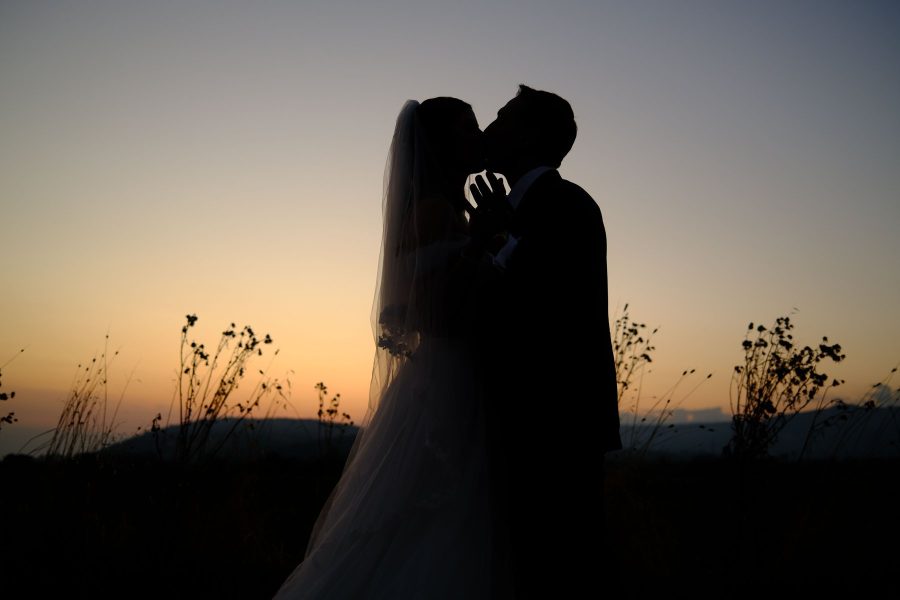
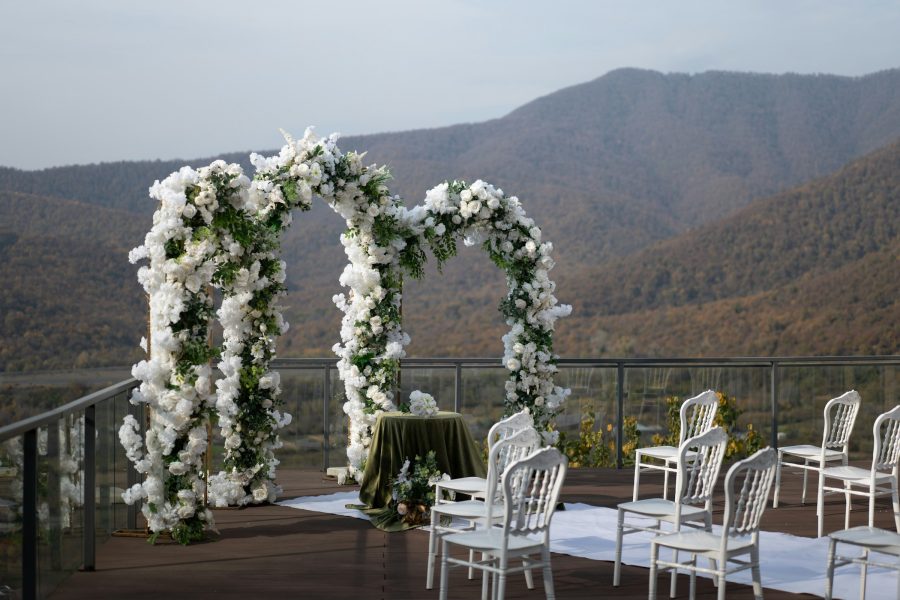
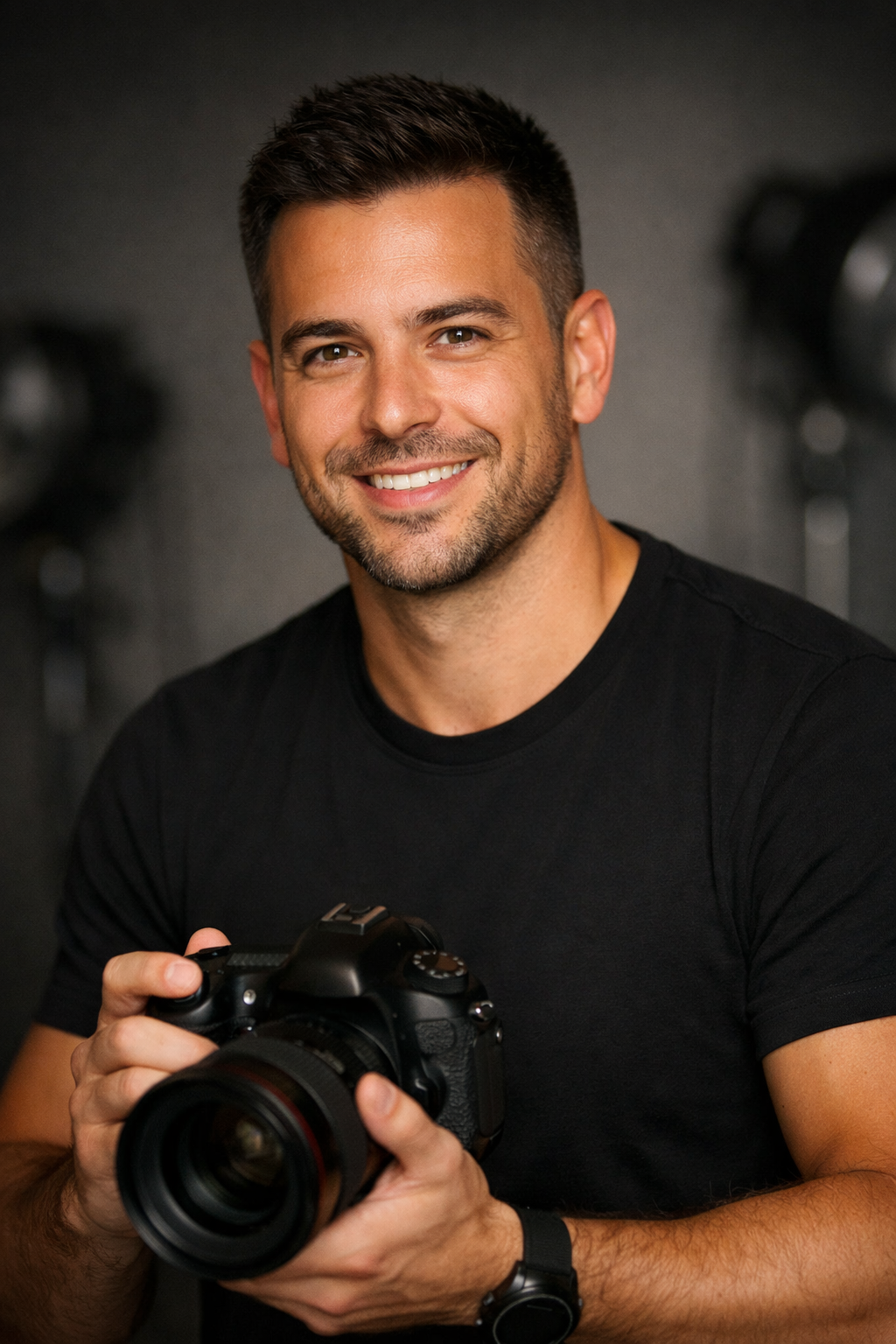
Photo by ADENIUSO Gomes / Pexels / Pexels License. (Stock photo, illustrative.)
The stock photographs illustrate wedding details, settings and equipment. They are not the author’s client work or evidence of a wedding discussed here. No endorsement by a person or brand shown is implied.
Wedding photography can fit a real budget, but the savings come from deliberate trade-offs, not from a style label or a lucky find. This guide is for couples weighing those trade-offs: how to set coverage priorities, how to compare packages on equal terms, how to vet a photographer past the highlight reel, what a second photographer or a drone actually changes, where guest photos help, and which contract questions protect you. Nothing here is a promised discount, and no price or portfolio proves skill on its own. The goal is a smaller number of better-informed decisions, with the terms you agree on captured in writing.
What Affordable Actually Means
Affordable is a property of the trade-offs you choose, not of a photographer’s price tag alone. A lower quote can reflect less coverage, fewer deliverables, a different retouching model, or a newer business, and each of those is a legitimate choice when you pick it knowingly. The same lower quote is a problem when the missing piece surfaces after the wedding. So treat every price as a question: which specific components produce this number, and which of them matter to you?
Keep the definition of affordable anchored to the day itself rather than to the market. A price that fits your budget and delivers the coverage and terms you chose is affordable for you, whatever other weddings cost. Online averages, survey figures, and other couples’ invoices describe someone else’s priorities and someone else’s market, and they transfer poorly. Your worksheet, built from your own quotes against your own priorities, is the only comparison that describes your decision.
Two habits keep the search honest. First, decide your priorities before you look at prices, because a package can only be a good fit against a list of things you actually want. Second, keep the comparison in writing: a simple worksheet with one column per photographer and one row per component turns a vague feeling about value into something you can check. The sections below supply the rows.
Set Coverage Priorities Before You Shop
Coverage length is one dial you can discuss. Decide which parts of the day truly need a professional: the preparations, the ceremony, the formal portraits, the speeches, the dancing. A ceremony-only booking and a preparations-to-dancing booking are different products at different prices, and neither is the correct default. Ask whether the photographer offers shorter coverage or a custom timeline rather than assuming the advertised full-day package is the only choice. Write down the ceremony time, travel between locations, portrait window and reception priorities before asking for a quote. A shorter booking only helps if it can cover the events you care about without requiring the photographer to be in two places at once. Discuss what falls outside that window and how overtime would be approved, rather than hoping those moments fit.
Priorities also include the moments that cannot be moved. If the ceremony and the first dance are non-negotiable and the getting-ready window is optional, say so early; a photographer can then propose coverage shaped around your list instead of a generic day. The earlier this conversation happens, the more accurately each quote reflects the same wedding, which is what makes quotes comparable at all.
 Save
Compare Packages with a Worksheet
Package names tell you nothing comparable, so compare components instead. For each photographer, record the coverage hours, the number of edited images, the retouching model, the delivery format, and the delivery window. Then record the edges: whether an album or album credit is included and when it expires, how travel and accommodation are billed, how tax is handled, and what overtime costs if the day runs long. Two quotes only become comparable when every row is filled for both.
Retouching and delivery terms deserve their own rows, because published packages show they vary in ways that change what you receive. DP Photography LLC’s Curated Coverage page, for example, describes a model where the couple selects which images receive professional retouching, with a fixed selection window and the remainder delivered with lighter editing. Another may retouch its full gallery selection on its own schedule, or keep an online gallery live for a limited period. None of these models is wrong; each is a trade-off between price, control, and waiting. Ask which model each quote uses, and how long your gallery stays available for download.
Vet with Full Galleries, Not Highlights
A highlight reel shows a photographer’s best frames; a full gallery shows what a whole wedding looked like in their hands, in light similar to yours. Zola’s documentary style guide suggests asking directly: can I see a full gallery of a single wedding? The reason it gives is practical: a handful of strong images is achievable by many, while consistent candid work through the unglamorous middle of a day is the harder test. Ask for a wedding shot in conditions like your venue, a dark reception hall if yours is dark, a midday ceremony if yours is at midday.
The same guide adds two more questions worth borrowing: how do you handle family portraits, and are you comfortable using flash? The first tells you how the formal images your family expects will run inside a candid-leaning day; the second matters when the reception look you want depends on flash technique. Notice what neither question does: it does not ask the portfolio or the price to prove skill. Galleries and answers are evidence you weigh; they are not promises about your own day.
 Save
Style Choices Are Not Savings Shortcuts
It is tempting to read a style as a budget lever, and the assumption needs checking in both directions. Candid, documentary-looking coverage is not inherently less expensive: Zola’s guide argues the opposite, that capturing a split-second glance across a crowded room demands better equipment, faster reflexes, and experience anticipating moments before they happen. An effortless look is a skilled product, and its price reflects the skill, not the absence of posing. Where the style is ascendant, attribute that to its chroniclers: Zola’s guide describes documentary-style photography as firmly in favor in its 2026 survey reporting. That is a source-specific trend signal, not a measure of what your photographer charges or a reason to choose a look you do not enjoy.
The same caution applies to any style pitched as a bargain. A label tells you how the photographer works, while the quote tells you what the work costs; the two are related only through the components in your worksheet. If a style you love comes in above budget, the honest levers are coverage length, deliverable scope, and timing, not a switch to a style someone calls less expensive.
 Save
One Photographer or Two
A second photographer is a coverage decision, not a fashion. The question is whether your day contains moments that happen at the same time in different places: both partners preparing in separate locations, a processional where you want both the entrance and the reaction, a large venue where one person cannot be at both ends. Where simultaneous moments matter to you, a second photographer can cover more of them, subject to the timeline and assigned positions; where the day is compact and sequential, one photographer may cover it well.
If you do book a second photographer, treat the arrangement as part of the contract conversation rather than an assumption. Ask who the second shooter is, whether their images are edited to match the lead’s gallery, and how their files are backed up on the day. The answer binds the extra cost to specific coverage, which is what makes the decision a trade-off you chose rather than a tier you drifted into.
Frame it as a logistics question when you ask. Describe your timeline and ask each photographer whether they would recommend a second shooter for it, and why. Their reasoning tells you more than the presence or absence of the option on a price list, and it keeps the decision tied to your day rather than to a package tier.
Drones Are Specialist Work, Not a Savings Trick
Aerial images are an add-on with their own constraints, not a budget substitute for coverage. In the United States, flights over people have specific conditions: the FAA’s operations over people overview explains that routine operations over people are permitted only under defined categories, with aircraft weight and design limits, Remote ID requirements for sustained flight over open-air assemblies, and a duty on the remote pilot to keep non-participants safe or terminate the flight. Venue permission alone does not settle whether a flight is lawful; operator certification, airspace, weather, and the specific operation all matter.
So treat drone coverage as a question of whether, not of how much less. If you want aerials, ask a photographer whether they fly themselves or bring a specialist, what certification applies, and what conditions at your venue would ground the flight. A plan for grounded weather is part of the answer. What you should not expect is a drone that replaces hours of coverage at a lower price; it adds a perspective, at its own cost, when conditions allow.
Guest Photos and DIY: Helpful Extras, Not Coverage
Guest photos can add something real: the view from the tables, the friends who relax for a phone camera, the moments that happen while the hired photographer is elsewhere. What they cannot do is promise reliable, complete coverage of a one-time event. Phones come out late, batteries die, and no guest is responsible for your priority list. Enjoy guest photos as a supplement, and keep the professional responsible for the frames you would be sorry to lose.
The same honesty applies to doing parts of it yourself. Practicing portraits together before the wedding, learning your camera’s behavior, and planning a few self-directed frames can produce images you treasure. But a DIY plan is not a substitute for a professional’s coverage of the ceremony itself, where you are otherwise occupied being married. If budget pushes you toward DIY for some pieces, choose the pieces that can fail safely: an engagement-style portrait session, a casual day-after shoot, rather than the vows.
Want to go further? The ShutYourAperture Academy’s The Wedding Day is built to help you capture love, story and chaos in a single day.
Contract Questions That Protect a Budget
The contract is where affordable stays affordable, because surprises cost more than clarity. THEWED’s couple’s guide to wedding photography contracts, drawing on interviews with attorney Leah Weinberg and working photographers, lists the clauses to read before signing: payment schedule, coverage hours, deliverables and their timelines, image rights, usage rules, editing approach, and what happens on cancellation or rescheduling. Weinberg’s advice is plain: make sure you understand something before you sign it, and an attorney can review the contract with you if anything concerns you. The actual contract controls; guides like this one only supply the questions.
Ownership surprises couples, so ask early. THEWED’s guide explains that photographers interviewed for it retain copyright in their images, with couples receiving personal-use rights that should be stated in the contract, and Weinberg notes that negotiating a transfer comes at a steep price. Ask what your personal-use rights include: sharing on social media, printing for your home, and whether crediting is expected. If you want a use beyond those, get it written into the contract before signing rather than assuming it is covered.
Ask about editing, cancellation, and raw files in the same sitting. Editing approaches vary, and THEWED’s guide notes that additional retouching may carry additional fees depending on complexity. The same guide describes cancellation terms as typically involving a retainer, with rescheduling handled differently from photographer to photographer, so ask for both scenarios in writing. It also notes that raw files are not part of most standard packages; if you believe you will want them, raise it during booking and expect the answer to be a contract term. For the venue-requirement side of booking, our guide to wedding photography insurance and venue checks covers what venues ask of photographers.
 Save
Putting the Budget Together
Assemble the decision in the order that protects you. Set coverage priorities; collect quotes against the same priorities; fill the comparison worksheet so packages align; vet the shortlist with full galleries in comparable light; then read the contract for the photographer you prefer. Each step removes a way for the final bill or the final gallery to surprise you.
Keep one margin for the unexpected. Weddings run late, weather changes plans, and the overtime row of your worksheet stops being theoretical at exactly the wrong moment. Knowing the overtime rate, the latest feasible end of coverage, and the cost of an extra hour before the day begins turns a stressful negotiation on the dance floor into a decision you already made.
Where savings are possible, they come from that alignment: shorter real coverage instead of assumed full-day coverage, deliverables you will use instead of a default bundle, an album ordered later if the terms allow it, a weekday or off-peak date if the photographer prices by demand. None of these is a promised discount; each is a question to ask and, when the answer is yes, a term to capture in writing. That is the durable version of chic on a budget: the wedding covered the way you chose, at a price you understood.
Is candid or documentary wedding photography less expensive than posed coverage?
Not inherently. Zola’s documentary style guide argues the opposite: an effortless, unposed look demands anticipation, fast reflexes, and suitable equipment, so its price reflects the skill involved rather than the absence of posing. Style labels describe how a photographer works, while quotes describe what the work costs. Compare packages on coverage hours and deliverables rather than assuming a style saves money.
Is a second wedding photographer worth the cost?
It depends on whether your timeline holds moments that happen at the same time in different places: both partners preparing separately, an entrance and a reaction you both want, a venue one person cannot cover end to end. Where simultaneous moments matter, a second photographer can cover more of them, subject to the timeline and assigned positions; where the day is compact and sequential, one may suffice. Describe your timeline and ask each photographer whether they would add a second shooter for it, and why.
Are drone wedding photos an affordable upgrade?
Drones are an optional specialist add-on, not a savings route. In the US, the FAA sets conditions for flights over people, including aircraft categories and rules for open-air assemblies. Night flights have separate training and lighting requirements. The pilot must check the rules for the actual aircraft and operation and protect bystanders. Venue permission alone does not settle legality; operator certification, airspace, and weather all matter. Ask who flies, under what certification, and what grounds the flight.
Can guest photos replace a professional wedding photographer?
Guest photos make a good supplement and a risky plan. They capture perspectives a hired photographer cannot be everywhere for, but no guest is responsible for your priority list, and phones, batteries, and timing all fail casually. Keep professional coverage for the moments you cannot redo, and treat guest images as bonus material you will be glad to have rather than coverage you depend on.
What should a wedding photography contract cover?
THEWED’s couple’s guide, drawing on attorney Leah Weinberg and working photographers, lists the essentials: payment schedule, coverage hours, deliverables and delivery timelines, image rights and usage rules, editing approach, cancellation and rescheduling terms, and the raw-file question. The actual contract controls, and anything unclear is worth clarifying before signing; an attorney can review it with you if you have concerns.
Do you own your wedding photos?
According to THEWED’s guide, the photographers and attorney it interviewed describe the photographer retaining copyright in the images, with the couple receiving personal-use rights that the contract should spell out. Ask what your rights include: personal sharing, printing, and whether credit is expected. Uses beyond those, and any transfer of ownership, need to be written into the agreement before you sign.
How do you compare two wedding photography packages fairly?
Build a small worksheet with one column per photographer and one row per component: coverage hours, number of edited images, retouching model and selection window, delivery format and window, gallery expiry, download and print terms, travel, tax, overtime, and album terms including expiry. Published packages show these rows genuinely differ between studios. Two prices are only comparable once every row is filled for both, and any promised saving belongs in the contract.
Optional support for a planned DIY portrait
If you are planning a DIY wedding portrait, a Peak Design Aluminum Travel Tripod is one support option. Check the camera-and-lens weight, plate fit and working height before buying. Check the locks and keep paths clear. A tripod does not lower a photographer’s price, replace their work or freeze moving people. Compare the current retailer specifications; no hands-on test, price or stock promise is being made here.
Affiliate disclosure: We may earn a commission from qualifying purchases through these gear links at no extra cost to you.