Original date December 17, 2023. Updated November 2026.
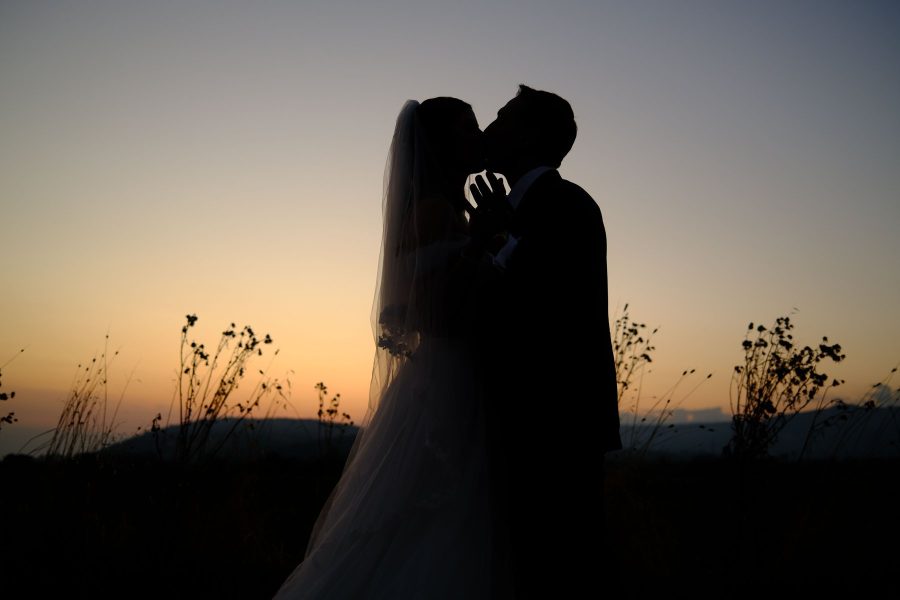
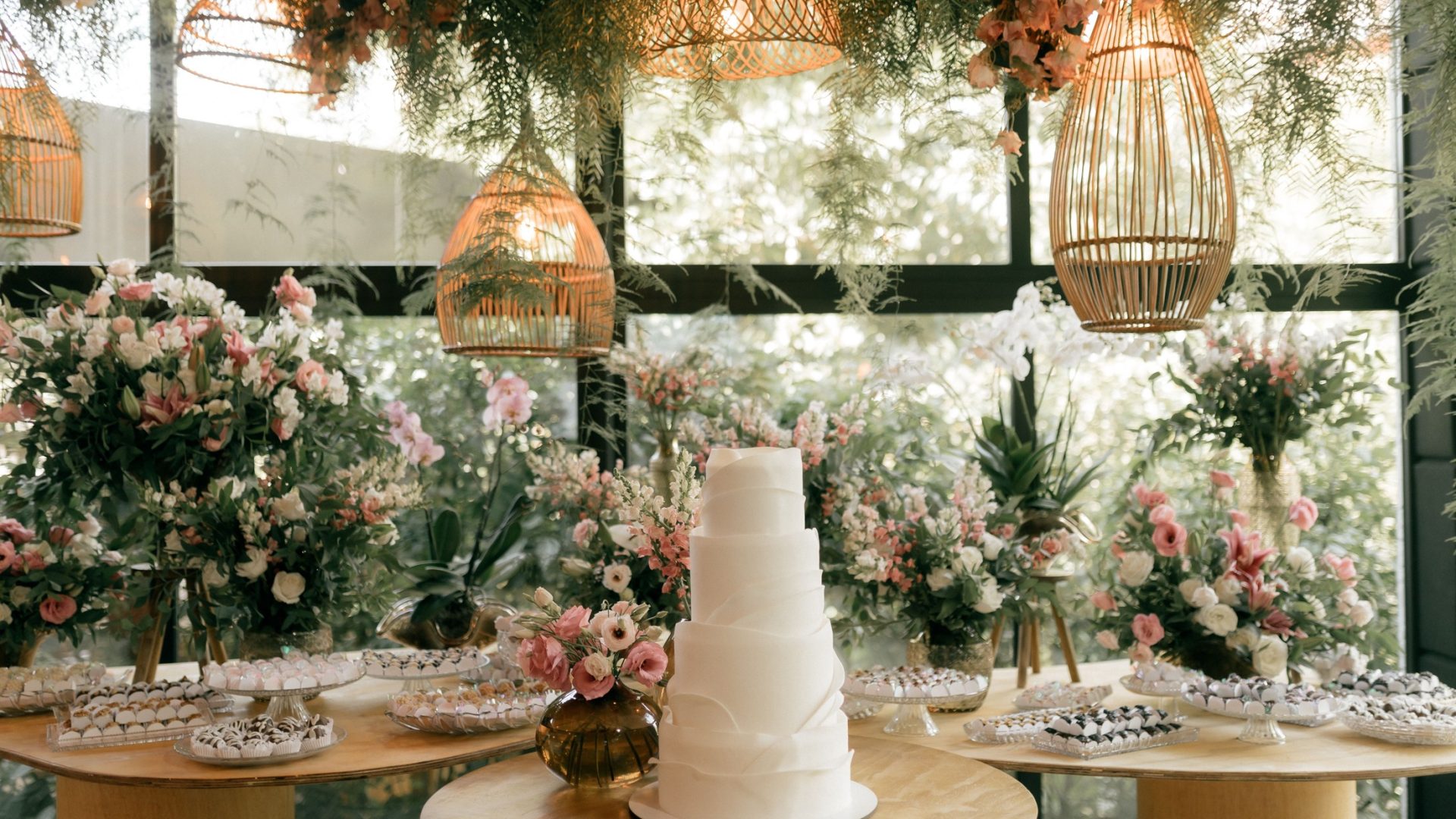
Photo by Alexander Mass / Pexels / Pexels License. (Stock photo, illustrative.)
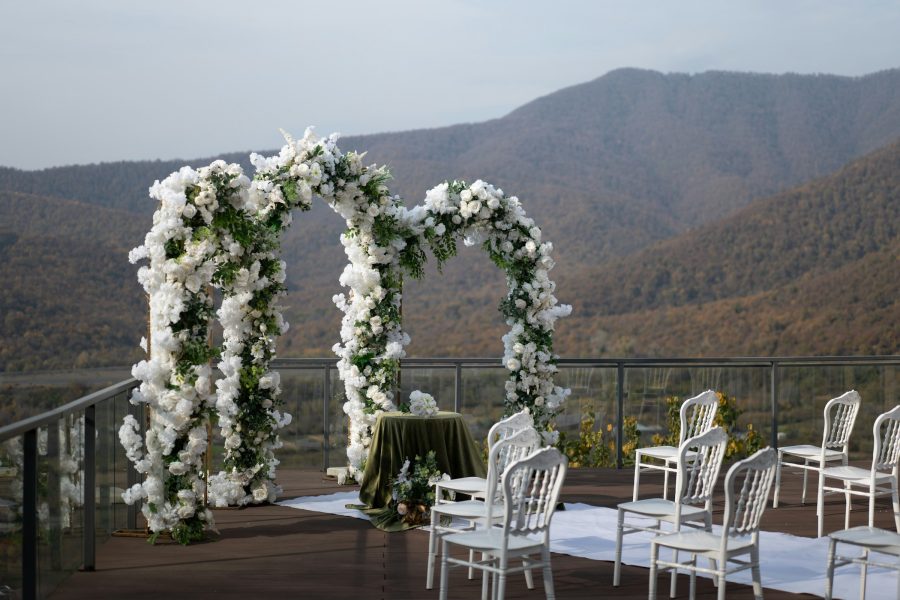
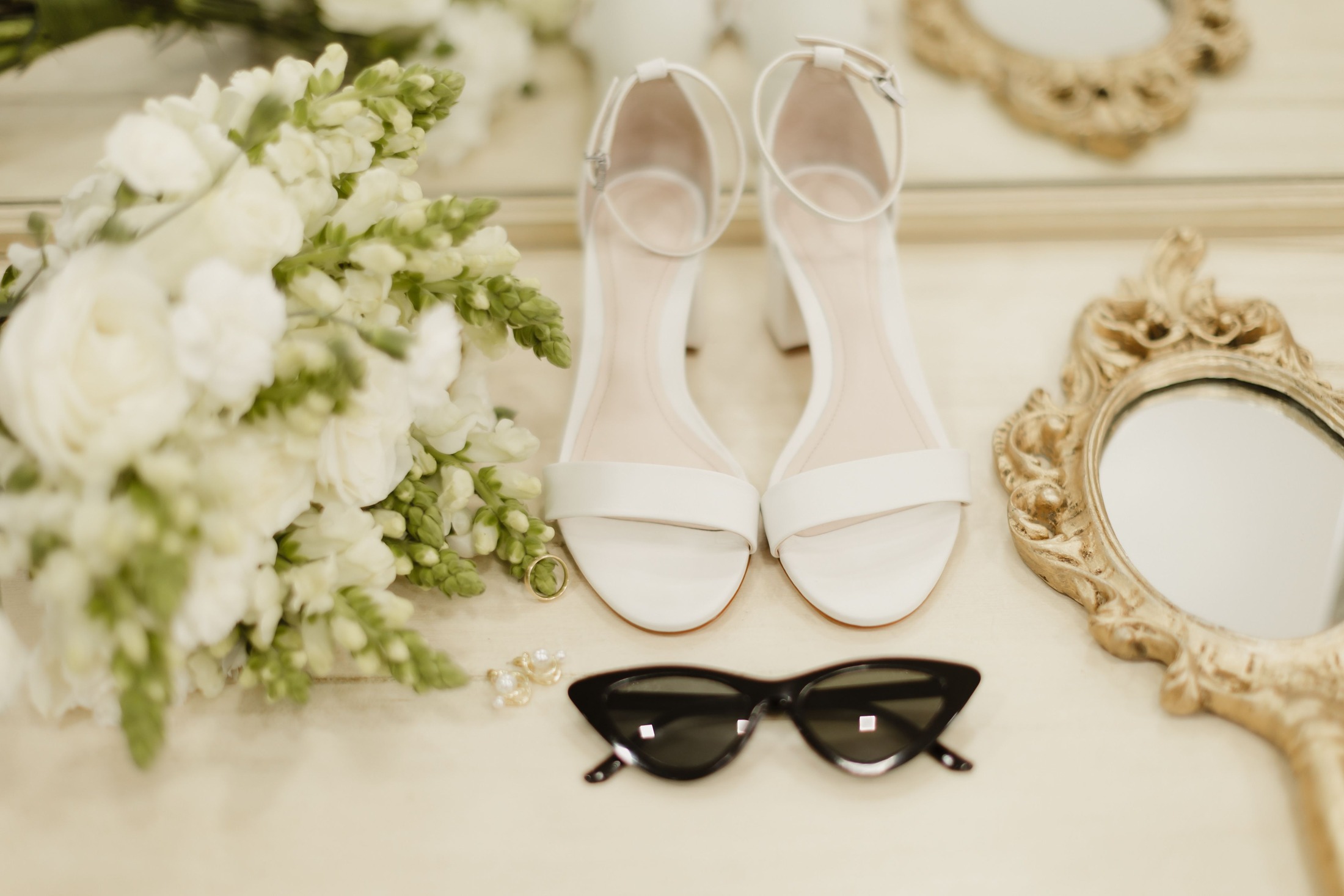
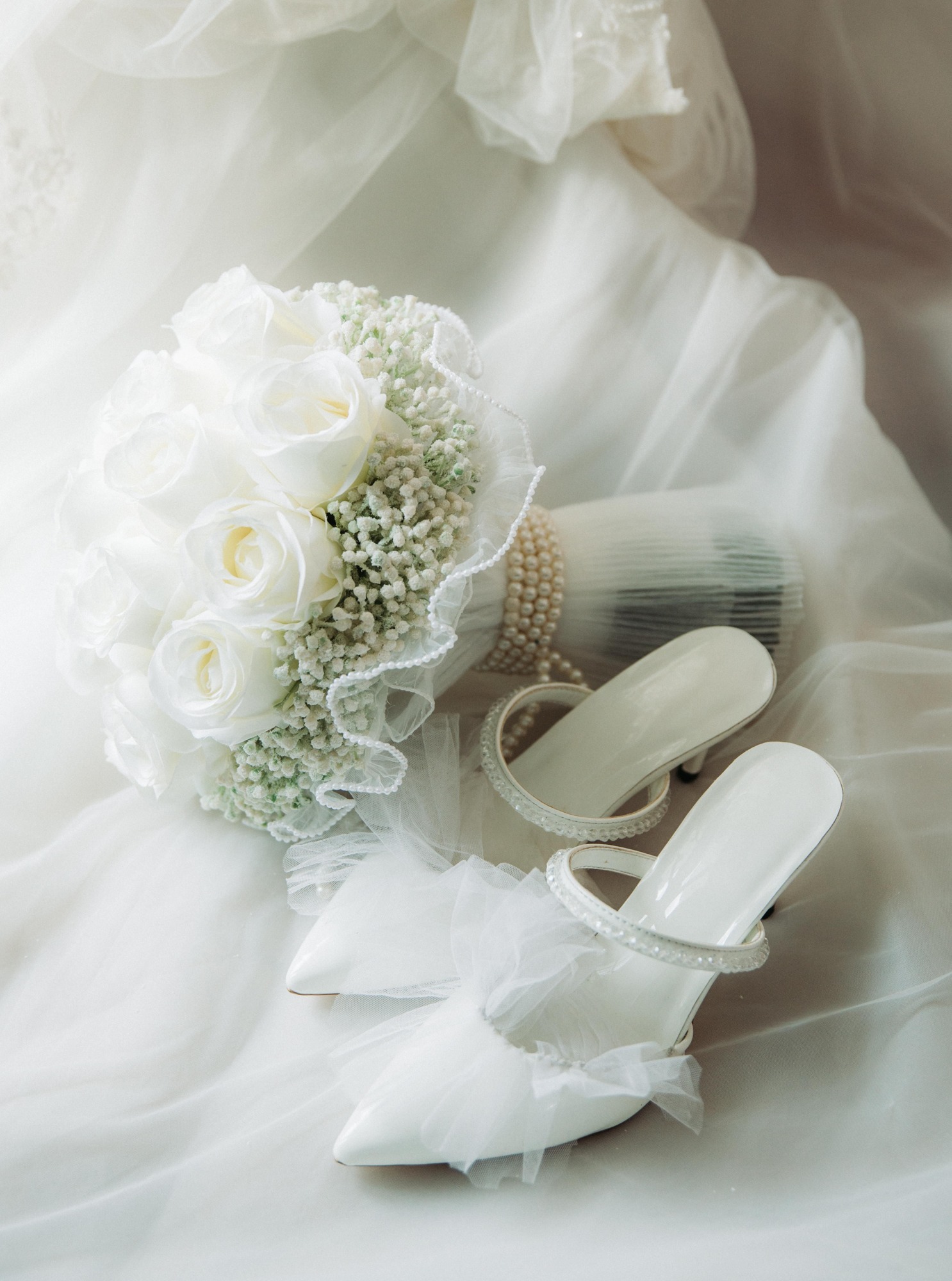
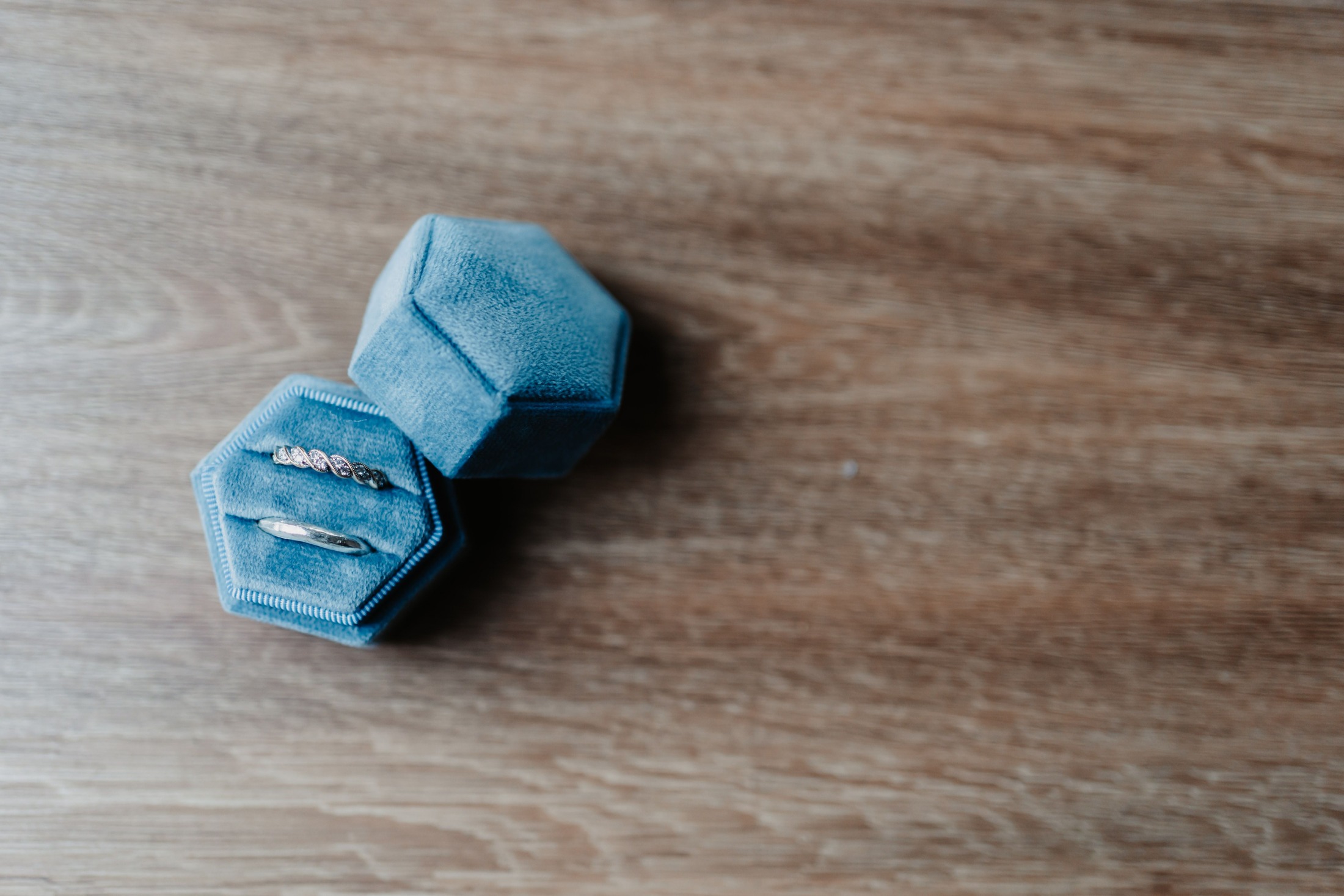
The stock photographs illustrate wedding details, settings, and compositions. They are not the author’s client work or evidence that a particular photographer uses any of the styles described. No endorsement by a person or brand shown is implied.
Wedding photography styles are a working vocabulary for one of the first decisions in booking a photographer: how you want the day to be worked and how you want the finished images to look. The labels are genuinely useful, but they are not standardized, and the same label can mean different things from one studio to the next. This guide unpacks five lenses you will meet while researching: traditional, documentary or photojournalistic, illustrative, fashion or editorial, and natural. For each one, it separates the working method from the lighting and the editing, then turns the differences into questions you can ask and things you can check in a portfolio before you book. Treat every label as a starting point for a conversation, not a specification a photographer is bound to.
Style Labels Are a Vocabulary, Not a Standard
Wedding photography guides use different lists and definitions. The Knot’s style guide for couples describes eleven labels, including lifestyle, direct flash, dark and moody, blurred, vintage, film, and aerial alongside the classics, while working photographers’ own guides group the field into three or four broad approaches. Those lists mix working methods with lighting choices and editing treatments. The practical consequence is that a style name on a website tells you what a studio wants to be known for, not exactly how they will work your wedding.
Overlap runs in both directions. One photographer’s documentary coverage may include directed portraits that another studio would file under traditional, and work one guide calls illustrative may appear under lifestyle or fine art somewhere else. The difference is a reason to ask for a definition rather than assume two photographers mean the same thing. When a label matters to you, anchor it to evidence instead of arguing about its definition: ask to see full wedding galleries, and check whether the work matches what you pictured when you read the label.
A useful habit is to treat the style conversation as the beginning of the brief rather than the end of it. Telling a photographer you love candid documentary coverage, or that family formals matter to you, gives them something concrete to respond to, and their answer, in words and in galleries, tells you far more than the label on their pricing page. The rest of this guide is organized around the questions that make those conversations productive.
 Save
Three Choices Hiding Inside One Word: Method, Light, and Editing
Style talk bundles three separate decisions together, and separating them makes every label easier to decode. The first is working method: how the photographer behaves on the day. At one end, a documentary method means observing and anticipating without staging; at the other, an editorial method means directing poses, arranging people, and controlling the environment. Photographer guides aimed at couples suggest asking this directly: one photographer’s guide to choosing recommends asking how much direction the photographer gives, and another suggests asking whether they prefer to hang back and observe or actively engage in posing and staging moments.
The second choice is light. Some labels are largely about lighting: a natural-light approach works with the light the venue provides, while other work leans on added flash, either blended in or used as a visible stylistic signature. The Knot’s description of dark and moody coverage, for example, combines shadow-heavy placement on the day with contrast and color work afterward, which shows how a single label can span both shooting and post-production. If a particular look draws you, ask the photographer how much of it is created in the room and how much in editing.
The third choice is editing: the finish applied after the wedding. Editing treatments get their own nicknames, such as light and airy for bright, soft renditions and true-to-life for color intended to stay close to the scene. These terms describe a finish, not instructions for how the photographer must interact with people. Photographer Natasha Lamalle’s style guide for couples is one example of how a studio explains its own vocabulary; compare the definitions with that photographer’s actual galleries. The key point is that editing is separable from method: a candid frame can be finished bright and airy or dark and moody. When a style name attracts you, ask which of the three choices, method, light, or editing, the photographer means by it.
Traditional and Classic Wedding Photography
Traditional wedding photography is the posed, arranged end of the field: formal portraits of the couple, organized groupings of family and the wedding party, and deliberate coverage of the ceremonial set pieces. Photographer Natasha Lamalle’s guide lists the expected inclusions plainly: key moments like the first kiss and cutting the cake, plus family portraits. The value of the method is that the required groupings can be planned; the list is agreed in advance, and the photographer directs each one rather than waiting for it to happen.
The working method has a timeline cost that is worth planning for. Posed group photos take coordination, and the more groupings on the list, the more of the schedule they occupy. If family formals matter to you, ask each photographer how they organize group photos, how long they set aside for them, and who gathers the people in each grouping. Their answers reveal how the formal part of your day will actually run.
A traditional label also does not lock the whole day into posing. Formal portraits can be paired with unobtrusive coverage of the rest of the day. If you want both, say so and look for it: check whether a photographer’s full galleries show the arranged images you need alongside relaxed coverage of the ceremony and reception, rather than assuming the label covers only one register.
 Save
Documentary and Photojournalistic Wedding Photography
Documentary, also called photojournalistic, wedding photography works by observation: the photographer follows the day as it unfolds and builds the story from candid, unposed moments rather than arranged ones. The Knot’s guide describes the target as the in-between instances, the laughter during the first dance or a friend wiping away a tear during a toast, and photographers who work this way describe the method as staying out of the day’s way rather than directing it. If you do not want to stop for the camera, this is the register to look for in a portfolio.
Unposed does not mean unconsidered. Documentary photographers still choose where to stand, which background to use, and when to press the shutter, and that anticipation is the craft. It is also worth knowing that the line between candid and directed is blurrier in practice than in vocabulary: Lamalle points out that a portrait which looks candid may still have been posed and directed. The reliable test is not the label but the question: ask each photographer how much direction they give, then look for the answer in a full gallery rather than a highlight reel.
Because the method depends on moments happening rather than being arranged, the experience on the day differs from directed styles. Ask whether coverage of the preparations, ceremony, and reception proceeds without pauses for staging, while formal group portraits, if you want them, work best as a separate, planned block you agree on in advance. Ask how a documentary-leaning photographer handles the formal images your family expects, since that is where an observational method and a shot list have to meet.
Illustrative Wedding Photography
Adorama’s guide to wedding photography styles describes illustrative work through composition, lighting, and background, with subjects directed to appear candid. Treat it as composed, environment-led work that sits between the posed and the candid. The photographer composes the frame deliberately, placing the couple within the scenery, architecture, or light of the venue, so the setting carries part of the image’s meaning. The result aims to feel less formal than a studio-style portrait while remaining designed rather than observed.
When you evaluate illustrative work, the useful questions concern the setting’s role. Ask how the photographer scouts and uses a venue, whether the composed frames happen in a dedicated portrait window or throughout the day, and how the balance shifts when the weather or the light refuses to cooperate. Full galleries answer these better than a style page, because they show the environmental compositions alongside the rest of the day’s coverage.
The overlap problem is sharpest here, because other label systems file similar work elsewhere: The Knot’s lifestyle entry describes candid-feeling images made with some direction and styling, which lands in much the same territory, and fine art is sometimes used for composed, artistic work as well. If a studio shows you illustrative work, ask which of these neighbors it resembles in their hands, and let full galleries settle what the word means for them.
 Save
Fashion and Editorial Wedding Photography
Fashion and editorial wedding photography borrow the working habits of magazine shoots. The Knot’s editorial entry describes the method as more hands-on than other styles, with the environment more controlled and the emphasis on lighting and posing, while Adorama’s fashion entry places the emphasis on clothing and magazine-influenced posing. In a wedding brief, discuss the attire and details: the dress, the jewelry, the styling choices the couple made. The images aim for the polish of a published spread rather than the feel of a document.
That polish has a schedule footprint. Directed, styled images take time to set up, so ask whether the photographer needs a dedicated portrait session rather than assuming those frames can happen between events. Lamalle’s guide makes the experience point directly: an editorial-leaning photographer may need more direction and posing time, so ask how portrait time is planned and how it fits your timeline before you book. If you want the look, that time is the price of it, and it should appear in the schedule deliberately rather than squeezing the cocktail hour by surprise.
When you review fashion or editorial portfolios, look past single hero images. Dramatic frames sometimes come from styled shoots rather than real weddings, and one photographer’s guide cautions that images trending on social media can come from high-production events or staged inspiration sessions. Ask to see complete real weddings so you can judge how the approach holds up across an entire day, in ordinary light, with a real schedule.
Natural Wedding Photography
Natural needs extra care, because the word gets attached to three different things. James Gray’s photographer guide defines a natural or classic approach as shooting with natural light and avoiding heavy editing; elsewhere the word describes a candid working method, or simply an unretouched finish. Any of those meanings is legitimate, but they are not interchangeable, and a couple picturing one can book a photographer who means another.
The fix is a two-step question. First, ask which meaning the studio intends: natural light, a candid method, a light editing hand, or some combination. Second, verify it in the work itself by viewing a full gallery and noting whether the images look consistent with the answer. This is the same evidence-first habit the other labels reward, applied to the word that needs it here.
Use the reception as a practical test of that answer. A window-lit morning room and a dark dance floor present different lighting conditions. Ask to see both in the same wedding gallery, and ask what the photographer does after daylight disappears. If you dislike visible flash, discuss which images matter most and what limits that preference creates. A lighting preference should be agreed as a working decision, not inferred from a bright portfolio thumbnail.
 Save
How to Choose: Questions That Cut Through Labels
Whatever style draws you, the evaluation method is the same, and it starts with full galleries. The working photographers cited here recommend this check: a highlight reel or social grid shows a photographer’s best frames, while a complete wedding gallery shows what they delivered across an entire day. James Gray’s guide advises asking for recent weddings shown from beginning to end rather than a best-of compilation, and Duy Ho’s guide makes the same recommendation, adding that some photographers keep galleries private for client reasons but can share examples on request.
Consistency is the second check, and Lamalle’s guide phrases it as looking for steady style and quality across different weddings, venues, and lighting conditions. When the treatment changes sharply between weddings, ask why: the venue, a client request, a different team member, or a change in the photographer’s approach may explain it. Consistent work across varied conditions is useful evidence, but it does not guarantee the result at your venue. Pay attention to what the galleries lead with, too: ask whether those featured images represent their usual wedding coverage or a smaller part of their work.
Conversation closes the loop. Duy Ho’s favorite suggestion is to ask photographers to define their own work in their own words, since style vocabulary gets used loosely and an experienced photographer can explain what they reach for and how they go about it. Add the practical questions the guides list: how much direction they give, what happens when the timeline runs behind, and how they handle the formal portraits on your list. The answers, checked against full galleries, matter more than any label.
One last separation keeps the decision clean. Style is about how the day is worked and how the images look; the booking side is about the agreement behind it. For that side, our guide to wedding photography insurance and venue checks covers the questions to ask about coverage and venue requirements. Handle both deliberately and the choice of style can stay what it should be: a decision about the photographs themselves.
Want to go further? The ShutYourAperture Academy’s The Wedding Day is a wedding-photography course. Review the current course outline to see whether it fits the parts of a wedding day you want to practice.
What are the main wedding photography styles?
The labels that recur in wedding photography research include traditional (posed and arranged), documentary or photojournalistic (candid and observational), illustrative (composed and environment-led), fashion or editorial (magazine-influenced direction), and natural (a shifting label that can mean natural light, candid method, or light editing). Guides do not agree on the list: some describe eleven styles, while the working photographers’ guides reviewed for this article group it into three or four broad approaches. Treat the labels as vocabulary for a conversation, and verify each one in full wedding galleries.
What is the difference between traditional and photojournalistic wedding photography?
The difference is working method. Traditional coverage directs: formal portraits and group photos are posed and organized, and the ceremonial moments are covered deliberately. Photojournalistic coverage observes: the photographer follows the day without staging it and builds the story from candid moments. The two also differ in how the day feels, since directed photography pauses the schedule for portraits while observational coverage lets events run. A booking can combine both, so ask how a photographer splits the day between them.
Is editorial wedding photography the same as fashion wedding photography?
The labels overlap heavily, and studios do not use them consistently. Editorial describes magazine-influenced coverage: directed posing, controlled environments, and an emphasis on lighting. Fashion adds an explicit focus on attire, styling, and detail. Some photographers treat the words as interchangeable and others keep them distinct, so ask each studio what the label means in their work and check full galleries rather than relying on the name.
What does natural wedding photography mean?
It depends on who is using the word. Natural can describe shooting with available light rather than added flash, an unposed working method, or a restrained editing finish, and those meanings do not always travel together. If a photographer describes their work as natural, ask which meaning they intend, then look at a full gallery to confirm the images match the answer.
Can you mix wedding photography styles?
A single booking can combine methods: one workable pattern is directed formal portraits at planned times with observational coverage of the rest of the day. If you want more than one register, raise it explicitly: ask how the photographer divides the day, how much direction is involved in each part, and how portrait time fits the timeline. Then confirm in full galleries that they deliver both registers at the level you expect.
How can you tell a photographer’s real style before booking?
Look at full wedding galleries rather than highlight reels or social grids, because a complete gallery shows what a whole day looked like in their hands. Check consistency across several weddings and lighting conditions, notice what the portfolio leads with, and ask the photographer to define their own style in their own words. Guides from working photographers also suggest asking how much direction they give; the answer predicts how the day will feel.
How much posing should you expect from each wedding photography style?
It scales with how directed the method is. Traditional and editorial approaches put more emphasis on posing, including organized group photos and dedicated portrait time, while documentary approaches put more emphasis on observation, with formal portraits handled as a separate planned block if you want them. Individual photographers vary within every label, so ask each one how much direction they give and how long portraits take, and look for the answer in their full galleries.
Keep originals and different style exports
A black Samsung T7 Shield portable SSD, 1TB model MU-PE1T0S/AM, is one storage option for wedding originals and different style exports. Check the computer connection and capacity before buying. Open the copied files and maintain a separate checked backup. A drive does not replace a complete backup plan or choose a photography style for the couple. Compare the current retailer specifications; no hands-on test, price, or stock promise is being made here.
Affiliate disclosure: We may earn a commission from qualifying purchases through these gear links at no extra cost to you.
Check Samsung 1TB T7 Shield Portable SSD MU-PE1T0S/AM at B&H