Original date December 17, 2023. Updated November 2026.
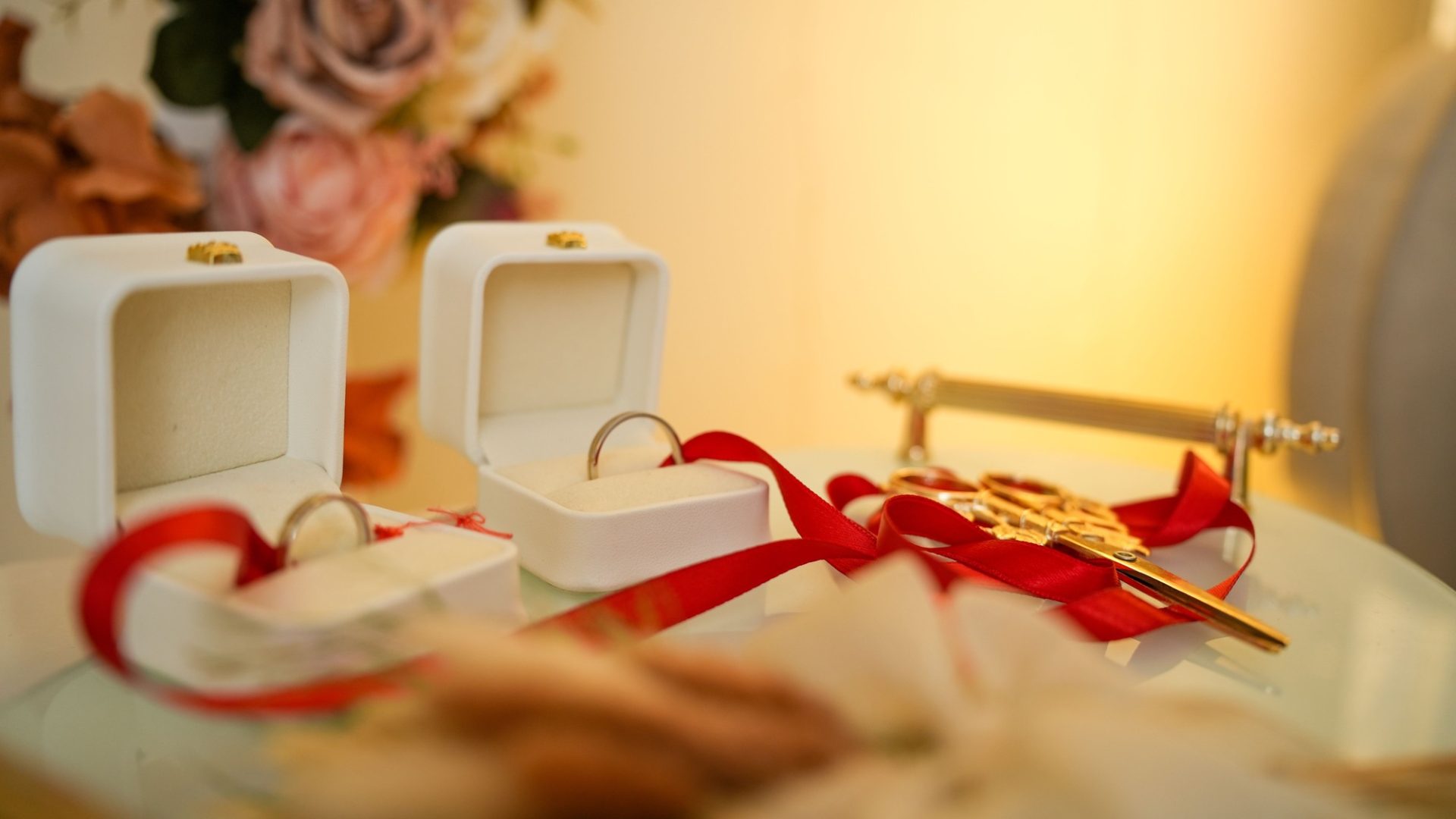
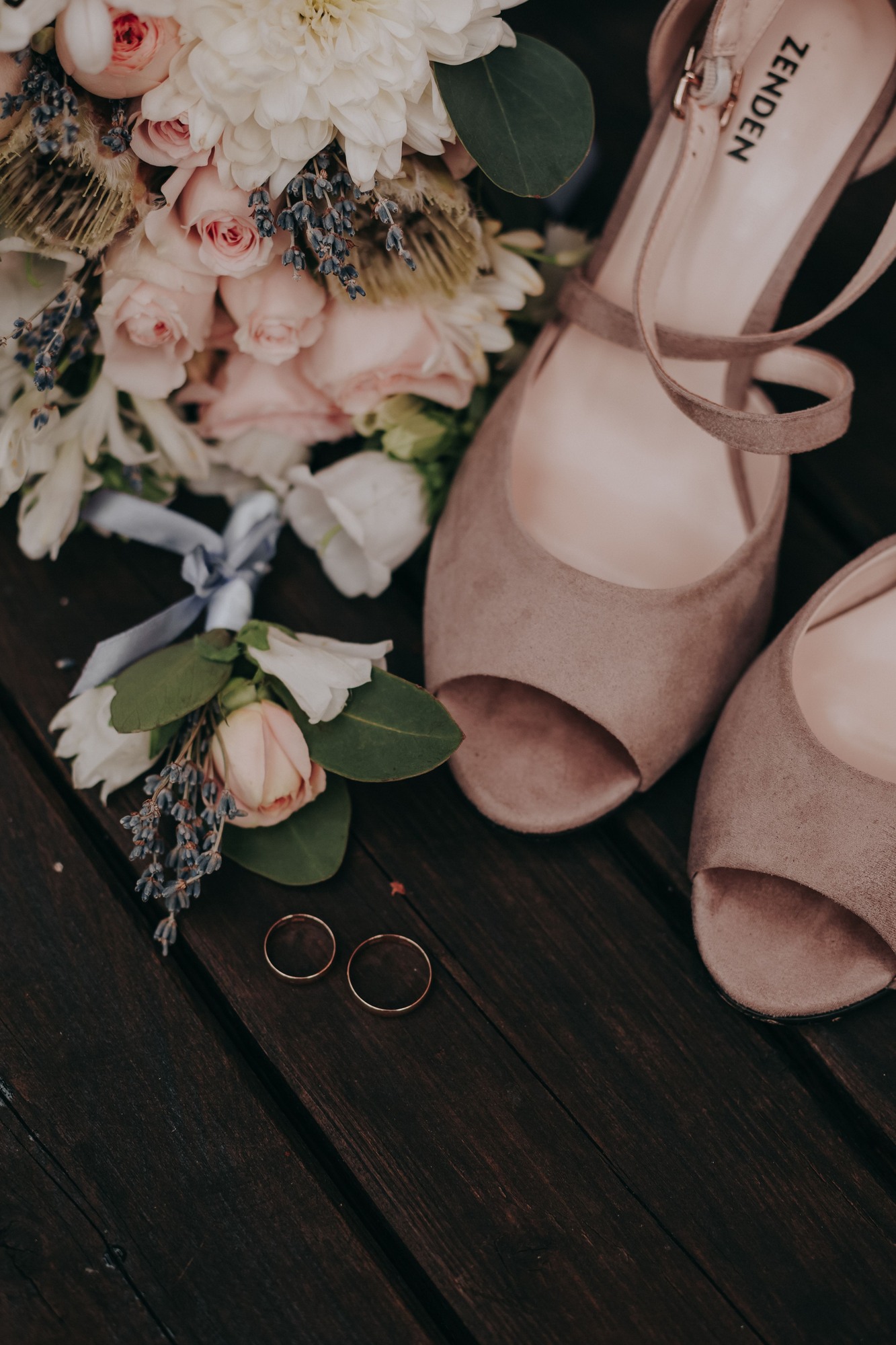
Photo by Busenur Demirkan via Pexels: https://www.pexels.com/photo/elegant-wedding-rings-and-decorative-bouquets-32147285/ – Pexels License (https://www.pexels.com/license/). (Stock photo, illustrative.)
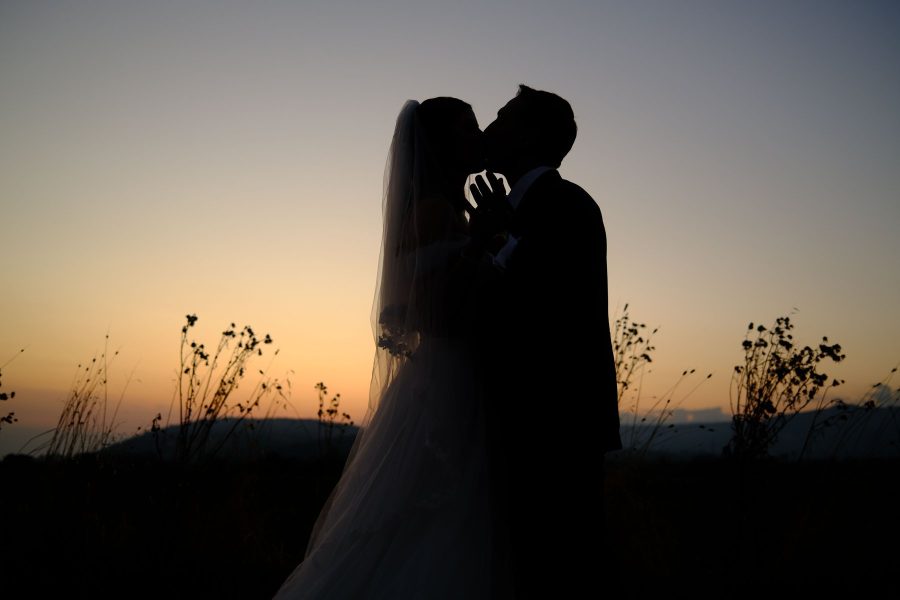
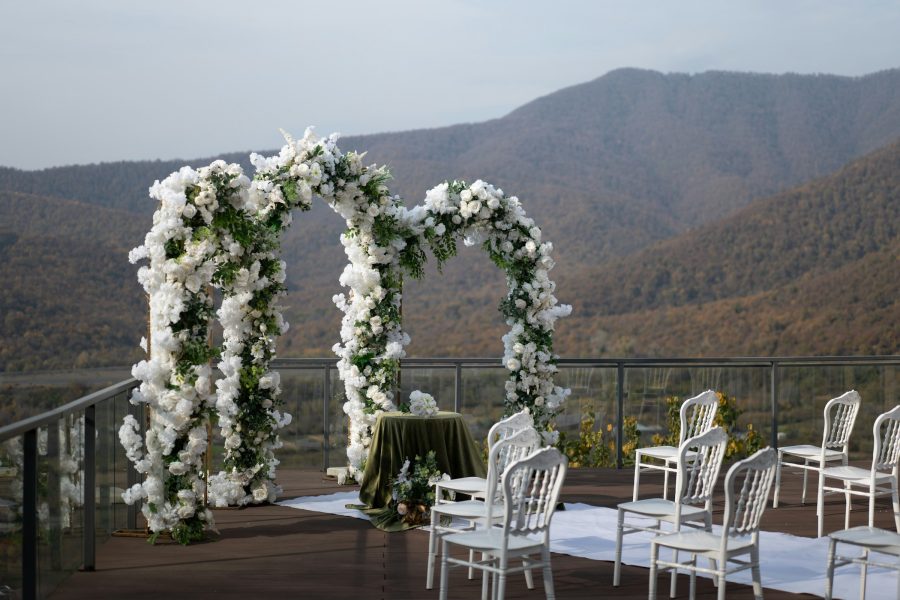
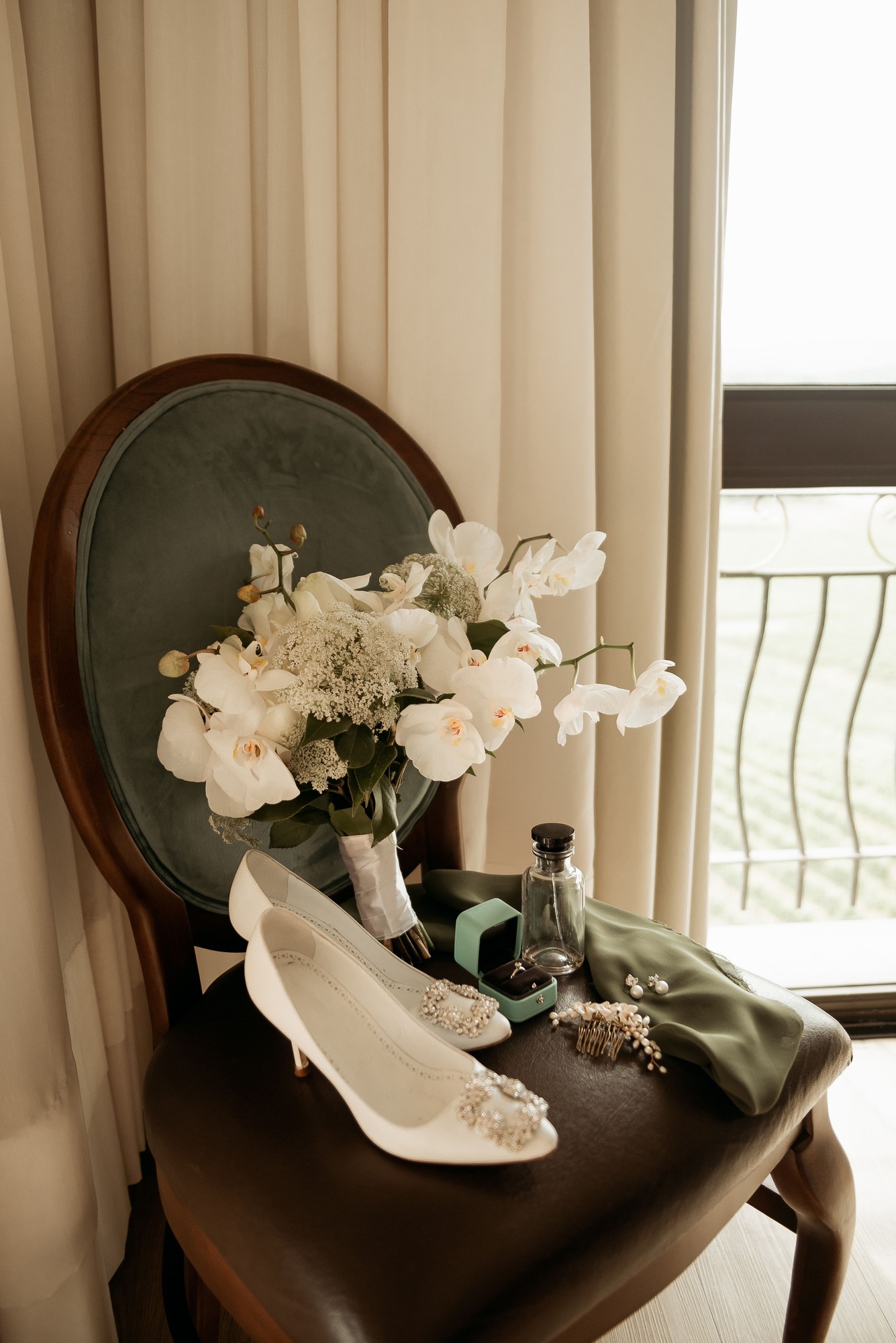
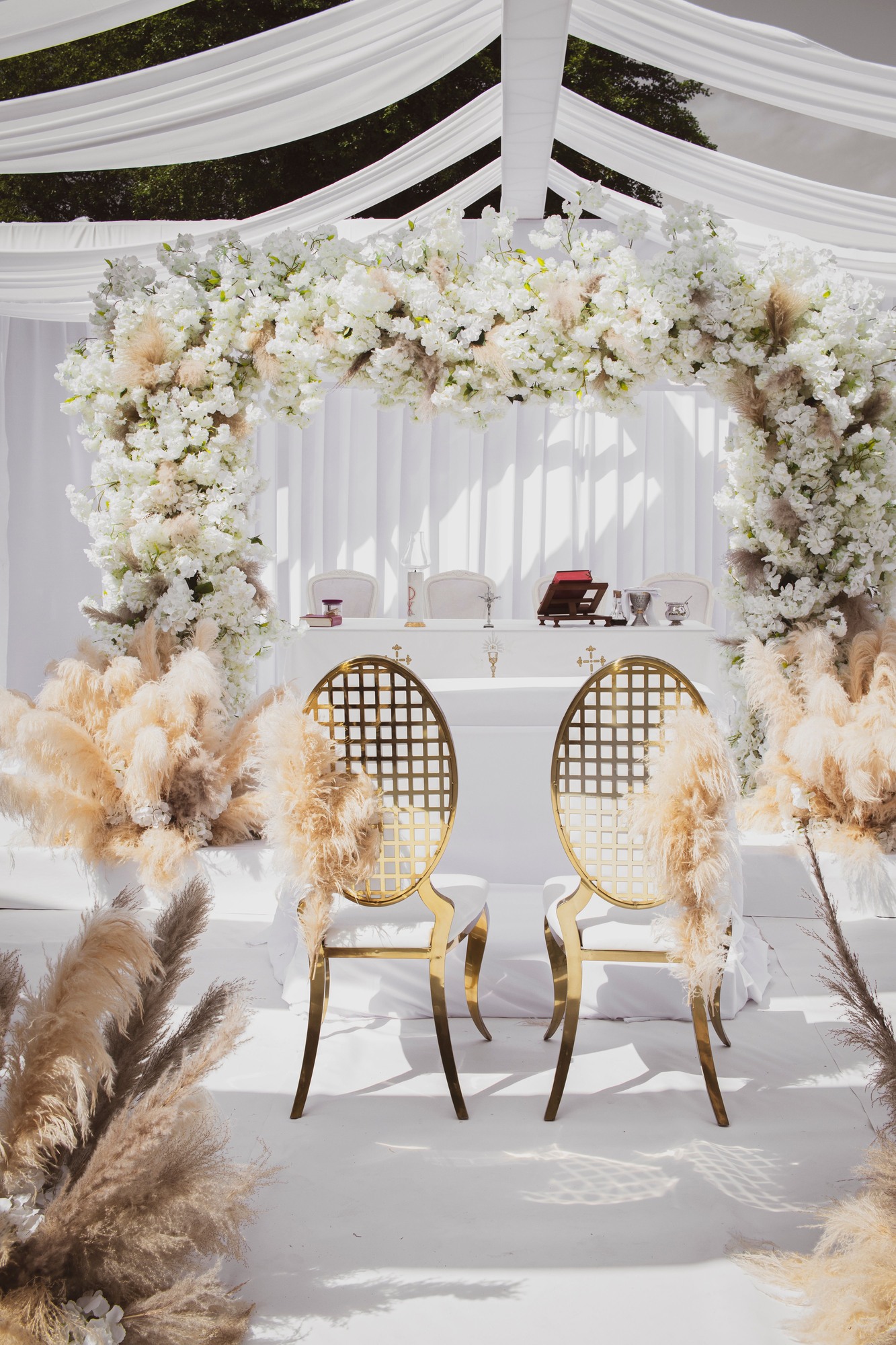
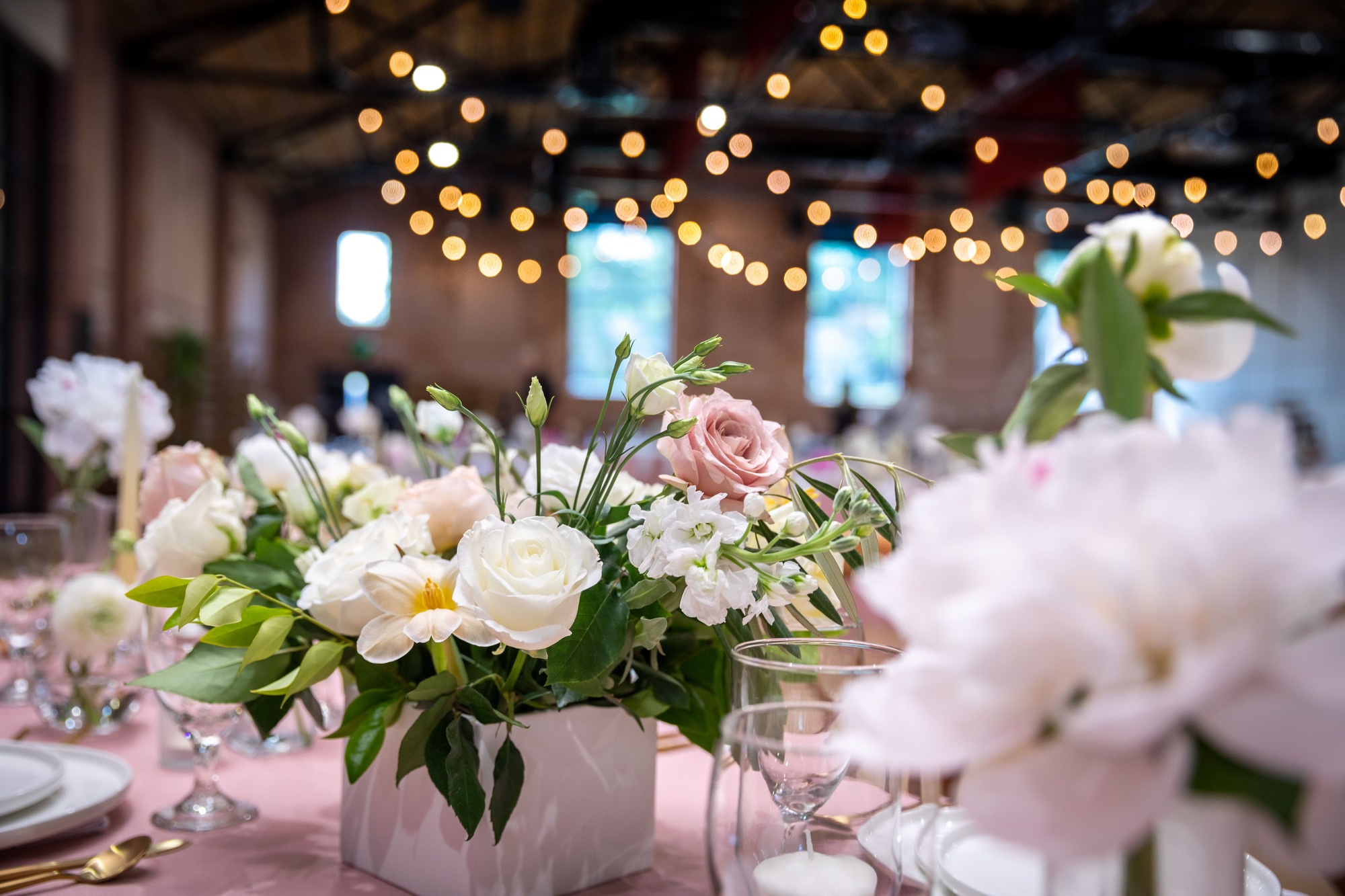
The stock photographs illustrate wedding details and settings. They are not examples of the author’s client work or photographs of the weddings described. The shoe brand visible in one detail photograph does not imply endorsement.
Define what chic means for this wedding
A chic wedding photograph is not a particular filter, camera brand or expensive setting. For this guide, it means an intentional picture with a clear subject, considered light and enough context to belong to the couple’s day. A clean portrait and a lively, crowded dance-floor frame can both meet that aim. The useful question is what each picture contributes, not whether every picture looks like the same advertisement. Start by agreeing on priorities before deciding how the photographs should look.
Ask the couple to choose a few examples from your own delivered work and describe what they like about them. Is it the light, the distance from the subjects, the unposed interaction or the treatment of color? Separate those qualities from the clothing and location in the example. A photograph made on a quiet terrace does not promise the same result in a busy dressing room. Translate references into workable choices rather than promising to recreate someone else’s wedding.
Write down the people, relationships and parts of the day that matter most. Include any moments the couple does not want photographed and any limits on sharing. Ask how they want to use the finished photographs: a small print, an album spread and a phone gallery can call for different framing choices. You do not need a separate composition for every output, but it helps to know where a tight crop would remove something important. Confirm the brief in language everyone understands.
 Save
Build a coverage plan that can survive changes
Turn the brief into a practical sequence. Note where preparations, ceremony, portraits and reception take place, how you can move between them and who can confirm changes. Check access and photography restrictions directly with the venue and ceremony contact. A quiet shutter mode, a particular position or a no-flash rule may shape your approach. Do not assume that permission at one venue carries over to another, or that an empty aisle is available for equipment.
A short list of essential group combinations is easier to use than a page of vague requests. Ask for names and choose someone who knows the people involved to help gather them. Nikon Ambassador Joe McNally’s wedding guidance specifically recommends a shot list and a family liaison. Treat the list as a coverage aid rather than a script for every expression. Confirm sensitive family arrangements privately so you do not have to ask personal questions in front of a group.
Plan a simpler version of the portrait session in case the schedule contracts. Identify a nearby sheltered location and decide which combinations come first. Tell the couple what you can cover within the available time rather than silently rushing through a long list. If there is no safe or permitted place for an idea, leave it out. A clear, achievable plan protects the important photographs better than an ambitious plan that depends on uninterrupted time, ideal weather and unrestricted access.
Choose light before choosing a backdrop
At each location, look at the light on the people before admiring the background. Notice its direction, contrast and color. Window light may give a useful direction indoors; outside, open shade may offer a more manageable starting point than patchy sunlight. Neither is automatically right. Look for bright spots on faces, deep eye shadows and large differences between the subject and the background, then make a test frame and inspect the actual result.
Nikon’s discussion of Sam Sciarrino’s wedding work shows how a small part of a location can become a portrait setting through light and camera position. Use that as a method of observation, not a promise that every location will produce the same photograph. A plain wall with suitable light may work better than a dramatic view that leaves faces poorly lit. Change your angle and subject position when appropriate, while keeping paths clear and the couple comfortable.
Flash is an option when permitted and when you can use it reliably. Nikon’s flash guidance explains that bouncing light changes its direction and that the surface can influence its color. A high ceiling, dark surface or strongly colored wall can make a familiar bounce setup unsuitable. Test the result, check that the flash is recycling and watch for uneven coverage. Do not promise soft light simply because the flash head points upward, and do not introduce an unfamiliar lighting setup during an unrepeatable moment.
Keep the frame clean without emptying the story
Before pressing the shutter, scan the edges. A bright sign, a half-visible chair or a line running through a head can pull attention away from the subject. Sometimes a small step sideways fixes the problem without moving anything. Sometimes the background belongs in the picture because it explains the setting. Clean composition means choosing what stays, not removing every sign that a real wedding took place. Make the decision for the image in front of you.
Work at more than one distance. A wide frame can show the room, a medium frame can show the relationship between people and a close view can describe a gesture or detail. These are useful possibilities, not a requirement to repeat every event three times. Keep enough room for hands, clothing and likely output crops. When working close with a wide lens, inspect how faces and bodies near the edges are rendered rather than assuming a wider view is always more flattering.
Use openings, lines and layers when they support the subject. A doorway can provide a frame, but it can also hide someone important. A foreground flower can add depth, but it can cover a face. Look at the whole picture and simplify when the visual device becomes the point of the photograph. During an undirected moment, accept a less tidy background rather than interrupting an interaction merely to make the composition resemble a posed portrait.
 Save
Photograph details with purpose and care
Choose detail photographs that help explain this wedding: clothing, rings, flowers, a room before guests arrive or an object with a meaning the couple has shared. Ask what matters instead of assuming the most expensive object deserves the most attention. A detail can establish color and place or connect one part of the gallery to another. It should not become a substitute for photographing the people and events you were hired to cover.
For a small arrangement, begin with a surface and light that separate the objects clearly. Check reflective surfaces for your camera, distracting highlights and unintended people. Move only objects you have permission to handle, keep them safe and return them promptly to the right person. Do not leave rings unattended while looking for another background. If private names, addresses or other paperwork are visible, decide with the couple what can be photographed and what can later be shared.
Photograph the room and table settings when access and the schedule allow, without holding up the people setting them up. Start with an overall view before concentrating on smaller arrangements. Check that your chosen focus and aperture describe the important elements rather than leaving the key object outside the sharp area. A shallow depth of field can simplify a background, but it is a tool, not proof of a more sophisticated photograph. Review the actual subject at useful magnification.
Direct portraits in small, understandable steps
Give one instruction at a time and explain it plainly. Ask someone to turn slightly toward the light, bring their hands into a comfortable position or shift their weight if they want to. Offer a seated option when standing is uncomfortable. Ask before touching clothing, hair or a person. A pose that looks tidy is not successful if it asks someone to balance unsafely, ignore pain or hold a position they do not want.
For groups, arrange people so faces are visible and check overlaps before taking a sequence. Choose aperture and focus from the group’s depth, camera distance and lens rather than copying a universal setting. Nikon’s wedding advice stresses sufficient depth of field and simple lighting for groups. Inspect a test frame, including people at the edges and in different rows. A reassuring expression from the photographer does not replace checking whether everyone who needs to be sharp actually is.
Leave room for interaction between directed frames, without demanding a particular emotion. Ask the couple whether they would like to walk together or pause and talk, then observe what happens. A prompt creates a directed situation; call it that rather than claiming it was entirely candid. Do not invent a private meaning for an expression in a caption. Describe what you can see or what the people involved have told you, and keep sensitive context out of public descriptions.
 Save
Observe the ceremony and reception without taking them over
Know the planned sequence and the movement limits before the ceremony begins. Choose positions that let guests see and let the ceremony proceed. Anticipate changes from wide context to closer interactions, but do not block an aisle to get a preferred angle. When working with another photographer or a filmmaker, agree on positions and signals in advance. Two people trying to occupy the same place can interfere with each other and with the event.
At the reception, include the room, the activity and reactions when you can cover them without neglecting the main event. A speech photograph can show the speaker and the people listening, rather than relying on a single repeated angle. Watch for guests who signal that they do not want a close photograph. Be particularly careful around distress, children and private conversations. Discuss sharing boundaries with the couple, and do not treat attendance as a blanket invitation to publish every frame.
Respectful observation is a working choice, not a claim that wedding photography follows every rule of news reporting. The National Press Photographers Association code is written for visual journalism, but its emphasis on dignity and accurate context is useful when you describe wedding photographs as documentary. A posed portrait is not a failure of honesty when it is presented as a portrait. Confusing a directed or altered scene with an unprompted record is the problem to avoid.
 Save
Use familiar equipment and verify the capture
Choose equipment for the spaces, movement and delivery you need to handle. There is no full-frame requirement hidden in the word chic. Know how your camera focuses, how to change exposure without losing attention to the scene and what its quiet modes do under the lighting you expect. Practice with the actual combination before the wedding. A lens you can use confidently may be a better choice than an unfamiliar rental that seems impressive on a specification sheet.
Make a backup plan for the failures you can reasonably prepare for: a body or lens problem, a depleted battery, a full card or a flash that stops working. Test spare equipment and label your storage so exposed cards are not confused with empty ones. If your camera supports more than one recording arrangement, read the manual and test the mode you intend to use. Do not assume that two slots automatically mean the same files are being written to both cards.
Check focus, exposure and unwanted motion at sensible pauses. Use a shutter speed suited to moving subjects; camera stabilization does not freeze their movement. Raise ISO or adjust your lighting when necessary rather than sacrificing every moving frame to a slow shutter. Treat camera settings as decisions tied to a scene, not a recipe guaranteed to work all day. The goal is usable coverage that supports the chosen look, with enough attention left for the people in front of you.
Edit for a related gallery, not identical frames
Begin with selection. Remove accidental duplicates and technical misses, but check the brief before trimming a photograph that documents an important person or event. Judge sequences together so you can see gaps and needless repetition. A close portrait may be your strongest single image while an imperfect wider frame explains the room or the relationship. Select for the delivered story as well as for individual visual impact, without promising an image count you have not agreed to provide.
Set exposure, color and contrast with the light and people in each frame in mind. Compare related photographs side by side. A consistent gallery does not require identical slider values under different lighting, and it does not require making different skin tones look alike. Check skin, white clothing, dark fabrics and saturated flowers after large adjustments. A preset may give you a starting point, but it cannot decide which detail or color is important to this couple.
Discuss substantial retouching and creative alterations separately from ordinary color and tonal work. Removing someone, changing an expression or rebuilding a background changes the record as well as the appearance. Review the agreed scope before doing it. Check exported files, not only the editing preview, for sharpness, crop and unexpected color changes. If the gallery includes black and white, select those versions intentionally and make the organization clear rather than delivering confusing, mechanically repeated sets.
Deliver clearly and keep learning from the whole day
Confirm what the couple will receive, the delivery timing you can support and how they can download the files. Explain which versions suit printing and which suit online use, using the actual files you provide. Include the agreed usage terms and any gallery-access limit in clear language. Do not assume that a gallery link alone answers questions about printing, vendor sharing or future access. Those expectations belong in the agreement and in the delivery instructions.
Check your copies before treating the work as protected. Keep more than one verified copy in different places, and test that files open rather than relying only on a completed transfer message. Tell the couple to download and back up their delivered files rather than treating an online gallery as permanent storage. State the archive period you actually offer; do not invent a lifetime guarantee. Keep contact details, permissions and private notes separate from public image metadata.
After delivery, review the whole assignment: which part of the plan helped, where time was lost and what needs practice before the next wedding. Look at weaker frames as carefully as portfolio favorites. Rehearse a difficult lighting setup or group arrangement away from a paid event, then test whether your change works. The repeatable part of captivating wedding photography is careful preparation, observation and follow-through. A recognizable visual style becomes more useful when those foundations are dependable.
What makes wedding photography look chic?
In this guide, chic means intentional framing, considered light and a clear subject. It is not a particular filter, venue or camera. Agree on priorities with the couple and make pictures that belong to their day.
Do I need a full-frame camera for wedding photography?
No format requirement follows from a visual style. Choose equipment you know and can test for the spaces, movement and delivery involved. Prepare reliable backup equipment and a file-protection plan.
Should every wedding photograph be candid?
No. Directed portraits and undirected coverage can both belong in a gallery. Agree on the balance and do not describe a prompted or posed scene as entirely unprompted.
What aperture should I use for group portraits?
There is no universal setting. Choose from the depth of the group, camera distance, lens and available light, then inspect a test frame. Check people in different rows and near the edges.
Can I rely on bounced flash indoors?
Only after checking the actual result. Ceiling height, surface brightness and surface color affect the light. Follow venue rules, test the setup and have an alternative you know how to use.
How should I photograph wedding details?
Ask which details matter, handle items only with permission and choose light and a background that describe them clearly. Protect valuable objects and private information, then return items promptly.
How do I keep the wedding gallery consistent?
Review related frames together and make exposure, color and contrast choices that suit each lighting situation. Consistency is not identical settings or identical skin tones. Check the exported files and the sequence before delivery.
Continue with our wedding photography insurance and venue-check guide and compare the wedding photography course with the skills you want to practice.
Optional gear: organize small memory cards
The black Ruggard Leda Memory Card Case MAU-12SDB is one option for organizing SD and microSD cards. B&H lists space for twelve SD and twelve microSD cards, a molded-rubber lining, a polycarbonate shell and a snap closure. Check the card format against the exact case before buying. A case can help separate and carry cards; it does not copy files or replace a verified backup plan. No hands-on test, current price or stock promise is being made here.
Affiliate disclosure: We may earn a commission from qualifying purchases through these gear links at no extra cost to you.