
Original date December 17, 2023. Updated November 2026.
Photo by Darya Sannikova via Pexels: https://www.pexels.com/photo/wedding-rings-on-white-table-4180047/ – Pexels License (https://www.pexels.com/license/). (Stock photo, illustrative.)
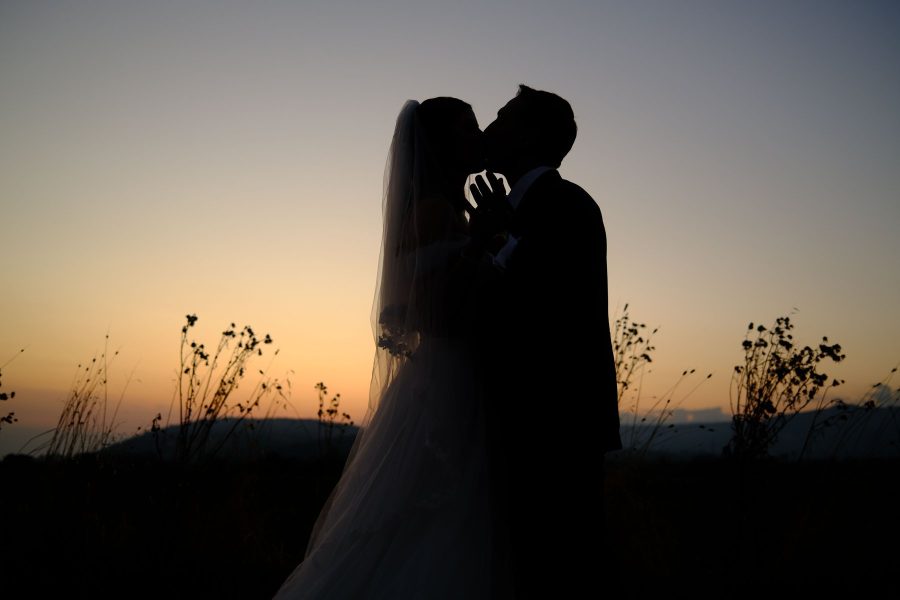
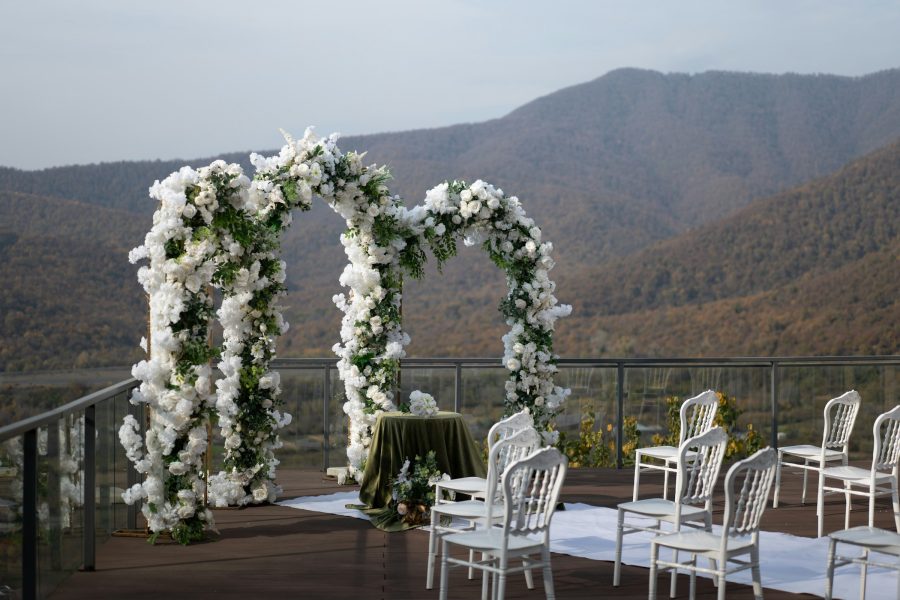
The stock photographs illustrate wedding details and photographic equipment. They are not the author’s client work, examples from a specific photography package, or endorsements by the brands shown.
A wedding photography package is a bundle of promises: hours of coverage, people with cameras, edited files, albums, rights, and what happens if something goes wrong. The bundle only means what its agreement says it means, because photographers structure and name their packages differently. This guide breaks a package into its component choices, coverage, deliverables, usage rights, backups, and contract terms, so you can compare offers line by line instead of label by label. Prices, delivery terms, and the permissions granted need to be checked in each offer. Applicable law can also affect the agreement, so use this guide to prepare questions rather than as legal advice.
What a Package Is Actually Made Of
Package names like basic, standard, or premium have no fixed meaning across the industry. One photographer’s standard package can look like another’s premium, and the same name can hide very different contents. The useful move is to ignore the label entirely and unpack the components underneath: how many hours of coverage, how many photographers, what you receive afterward, and which extras are included versus priced separately.
Engagement sessions deserve a word of their own, because they do double duty. Beyond the images themselves, an engagement shoot is a rehearsal for the working relationship: you learn how the photographer directs, and the photographer learns how you two behave in front of a lens. Whether one is bundled or priced apart, ask whether that chance to work together would help you prepare for the wedding.
Coverage is the first component, and it is defined in hours of presence: when the photographer arrives, when they leave, and which parts of the day fall between. Deliverables are the second: the edited digital files, their resolution, how they are delivered, and whether prints or an album are part of the deal. People are the third: a single photographer, a photographer with an assistant, or two photographers covering different angles of the same moments.
Sessions beyond the wedding day are the fourth variable. Some offers bundle an engagement session, rehearsal dinner coverage, or a day-after shoot; others price every one of those separately. Editing depth is the fifth: packages can differ in how much retouching is applied to delivered images and whether special requests are included or billed. None of these is inherently better; they are dials, and the right settings depend on your day.
Videography sits alongside photography as its own line item rather than an assumed part of it. Some studios offer both under one roof, some photographers partner with separate filmmakers, and some couples book the two independently. Each arrangement has trade-offs in coordination, style consistency, and price, so treat photo and video as two decisions that can be made together but do not have to be.
Because the dials vary so much, the honest way to read any package is as a list of line items with an agreement behind them. If a component matters to you and is not written down, ask for it to be added before relying on the sales conversation. That principle recurs through every section below.
 Save
Coverage: Matching Hours to Your Actual Day
The right amount of coverage comes from your timeline, not from a chart. Write down the parts of the day you want documented, from wherever you want coverage to start, perhaps preparations, perhaps the ceremony, to wherever it should end, and lay them against the hours each package offers. A morning ceremony with a lunch reception asks for a different shape of coverage than an evening wedding with a late send-off.
Guest count and venue spread quietly drive the answer. An intimate single-room ceremony compresses the story into a small space, while a large wedding across separate prep locations, ceremony, and reception sites spreads the same hours thin. Be honest about the geography of your day when you estimate, and ask the photographer to review your estimate against the actual schedule and their proposed working method.
Gaps matter as much as totals. Coverage that starts after you are fully dressed misses the preparation story, and coverage that ends before the dancing misses the final portion of the reception. When comparing packages, compare which moments each one actually contains, not just the headline number of hours.
Ask for overtime terms before booking. If the schedule runs late, you need to know the rate, the unit of billing, who may approve extra time, and whether the photographer can stay at all. Put the agreed process in writing before the wedding so neither side has to settle the question during the reception.
Travel reshapes coverage pricing for weddings away from home. A photographer coming to your destination may bill travel and accommodation separately, quote a flat destination rate, or expect you to hire someone local. Each model shifts different risks to different sides, so ask how travel time, delays, and the photographer’s own arrangements are handled in the agreement before assuming the local package terms apply.
A second photographer is a coverage decision too. Two photographers can be in two places at once, one with each partner before the ceremony, or one on the aisle and one on the guests, and they provide a measure of redundancy. Whether that is worth its cost depends on your guest count, your venues, and how much simultaneous coverage your timeline actually requires.
 Save
Deliverables: What You Actually Receive
Look beyond the coverage itself to what you receive afterward. Edited digital files are the core deliverable, and the questions to ask are concrete: roughly how many edited images, at what resolution, delivered how, and whether the set is the full selection or a curated subset. If delivery uses an online gallery, ask about the format, download limits, and what happens if the service is unavailable.
Physical products are a separate layer. Prints, framed pieces, and albums may be included, offered as add-ons, or left entirely to you. Albums in particular involve design decisions and approval rounds, so if one is included, ask how the design process works and how many revisions are part of the price.
Ask for a stated delivery window rather than assuming the gallery will arrive on a particular date. Confirm whether that window covers previews, the final edited set, and any album design separately. If timing matters, for thank-you cards or an anniversary, say so and get the commitment in writing.
Raw files deserve one direct question because expectations differ. If you believe you will want the unedited originals, raise it during booking and expect the answer, in either direction, to be a contract term rather than an assumption.
Long-term access is worth one question. Ask how long the online gallery stays available and what the photographer recommends for keeping your own copies. After downloading, verify your copies and keep them in more than one place. Recheck them over time and replace failing storage rather than assuming a download or a single drive will remain accessible indefinitely.
Usage Rights: Who Owns the Photos
Distinguish ownership of image files from ownership of copyright. According to the U.S. Copyright Office, the person who takes an original photograph is generally its author and initial copyright owner, and protection begins when the photograph is fixed. A limited exception is a work made for hire: the Office describes works created within the scope of employment, or under an express agreement for a specific purpose identified by statute. Do not assume that paying for wedding coverage transfers copyright. Ask who owns it and which rights the agreement gives you.
What you receive as the couple is permission, and permission comes in whatever form the agreement grants. A personal-use license or print release can describe that permission. PPA publishes a sample print release focused on personal use, but your own document needs to be read on its own terms. Printing at a lab, posting on social media, sharing with family, submitting to publications, and letting other vendors use the images can each be treated differently in the agreement.
Credit and tagging etiquette follows the rights. Ask whether online sharing requires a credit, and distinguish a contractual condition from a courtesy request. Reading the usage section of your contract before the first post prevents avoidable friction later.
The questions to ask are therefore specific. May we print these files wherever we like? May we post them online, and is a credit expected? May our planner or venue use them in their own marketing? May the photographer use them in a portfolio or advertising? Each of these is a normal question with an answer that belongs in the written agreement, and the answers differ from studio to studio.
If broad ownership matters to you, negotiate it explicitly. A transfer of copyright or an expanded license is something a photographer may agree to, potentially for an additional fee, so ask for a clear written document and legal advice about the rights you need. For binding answers about your own situation, the agreement itself and, where needed, a local attorney are the right sources; general guides like this one can only frame the questions.
Want to go further? The ShutYourAperture Academy’s The Wedding Day is a wedding photography course you can explore alongside this planning guide.
 Save
The Contract: Terms That Do the Protecting
Ask for a written agreement that you can read before paying. Professional Photographers of America publishes customizable contract resources, including a wedding contract and licensing agreements. These are useful examples of topics to discuss, not a substitute for checking the terms offered to you or getting legal advice about a disputed clause.
The terms that do the real work are specific. The deliverables list states what you receive; the timeline states when; the payment schedule states how much and when, including the retainer and whether it is refundable; the cancellation and postponement terms state what happens to payments if plans change. Read each of these slowly, and ask about anything written in shorthand.
Ask about backup arrangements as well as the creative work. What happens if the photographer is ill or has an emergency on your date, and is there a named substitute or an obligation to find one? What happens to your images between the wedding and delivery, meaning how are the files backed up? Ask for concrete answers and written commitments rather than relying on a general reassurance.
Read the payment and refund clauses regardless of whether the booking payment is called a deposit or a retainer. Do not assume the label alone decides refundability. Ask what happens to money already paid if you cancel, postpone, or the photographer cancels, and when any balance becomes due. Applicable law can matter too; ask a local attorney if the terms or their enforceability are unclear.
Venue and insurance logistics connect here too. Check whether your venue requires proof of insurance or has access restrictions before confirming the booking. Our guide to wedding photography insurance and venue checks walks through that side. Confirm early who is responsible for permits, access rules, and any paperwork the venue expects.
 Save
Comparing Value Without Comparing Labels
Real comparison starts with normalization: put two or three photographers’ offers side by side as line items and compare the same components. Equal hours, equal photographer count, equal deliverables, equal rights. A price comparison is easier to interpret once you know which differences come from the contents and which remain after those contents are aligned.
Price itself moves with factors, not formulas. Experience and demand for a particular photographer, the location and cost of doing business there, the date and season, and the depth of what is included all push prices in different directions. A higher price can reflect any of these, which is why the line-item comparison matters more than the number at the bottom.
Evidence beats marketing at this stage. Full galleries from real weddings show you what a delivered product looks like across an entire day, in bad light and good. Use reviews and personal referrals to look for accounts of communication and changed plans, then ask the photographer directly how those situations would be handled. Neither a review nor a styled portfolio proves what will happen at your own event.
Comparisons only work on equal footing. When two quotes differ, line up the components side by side first; a higher figure that includes an album and a second photographer is not directly comparable to a lower figure for coverage alone. Once the components match, the remaining price difference is the part you can actually weigh against portfolio, personality, and availability.
Budget protection follows from the same habit. The full cost of photography is the package plus its edges: travel, extra hours, additional edits, rush delivery, album upgrades, and prints can each add to the headline figure. Listing every possible extra during the comparison stage turns a vague budget line into a number you can actually plan around.
Finally, ask about the edges: overtime terms, revision and re-edit policies, travel fees, and what add-ons cost. Treat a package as a starting point for a conversation rather than a fixed menu, and ask directly what can be tailored. The offer you understand completely is worth more than the one that sounds impressive, because only the first can be compared, negotiated, and held to account.
What does a wedding photography package usually include?
There is no industry-standard contents list, because photographers structure packages differently, and package names do not transfer between studios. The components to look for are coverage hours and which parts of the day they contain, the number of photographers, the deliverables (how many edited images, at what resolution, delivered how, plus any prints or albums), extra sessions such as engagement shoots, editing depth, and the usage rights granted. Read any package as line items backed by a written agreement rather than as a label.
How many hours of photography coverage do we need?
The answer comes from your timeline, not a standard number. List the parts of the day you want documented, from where coverage should start to where it should end, and map those against the hours each package offers. Watch the edges in particular: coverage that starts after preparations or ends before the dancing misses those stories. Ask about overtime terms before booking, because weddings run late and the rate and availability of extra time are contract terms.
Who owns the photos after the wedding?
The U.S. Copyright Office says the person who takes an original photograph is generally its author and initial copyright owner. A limited exception is work made for hire, covering certain employment situations or an express agreement for a purpose identified by statute. Do not assume payment transfers copyright. Read the usage license and any transfer document, and ask a local attorney about rights that are important or unclear in your situation.
Can we print and share our wedding photos wherever we like?
It depends on the license your agreement grants, so ask before assuming. Printing at consumer labs, posting on social media, sharing files with family, and letting your venue or other vendors use the images can each be treated differently. Ask specifically about personal printing, online posting and whether credit is expected, and vendor marketing use, and get the answers in writing in the contract or print release.
What should a wedding photography contract include?
The essentials are the deliverables list, the delivery timeline, the payment schedule including the retainer and its refund terms, cancellation and postponement terms, and overtime rates. Just as important are the backup terms: what happens if the photographer is ill or has an emergency, and how your files are protected between the wedding and delivery. Usage rights, gallery access duration, and any travel or extra fees belong in writing too. If a term matters to you and is not written down, ask for it to be added.
What happens if our photographer cannot make it on the day?
Check the emergency terms before you sign. Ask whether they provide a named substitute, a process for finding a replacement, or defined refund terms if coverage cannot be provided. Ask what happens if the substitute is unavailable too. Get the agreed process in writing instead of treating a verbal reassurance as a complete answer.
Why do wedding photography prices vary so much?
Prices move with factors, not formulas: the photographer’s experience and demand, the location and its cost of doing business, the date and season, coverage hours, the number of photographers, deliverables, editing depth, and the rights granted. Two quotes can differ simply because the contents differ, which is why comparing line items across photographers tells you more than comparing totals. Normalize the offers first, then judge the price difference on identical components.
Optional storage after downloading your gallery
If you want separate storage after downloading your wedding gallery, a black Samsung T7 Shield portable SSD, 1TB model MU-PE1T0S/AM, is one option to compare. Check the connection type and capacity against your computer and the size of your gallery before buying, and follow the maker’s handling guidance. After copying, open some of the copied files to confirm they work, and keep another checked copy in a different place; a single drive is not a complete backup plan, and no drive negotiates a package or changes the terms of your photography agreement. Compare the current retailer specifications; no hands-on test, price, or stock promise is being made here.
Affiliate disclosure: We may earn a commission from qualifying purchases through these gear links at no extra cost to you.
Check Samsung T7 Shield Portable SSD Black 1TB MU-PE1T0S/AM at B&H