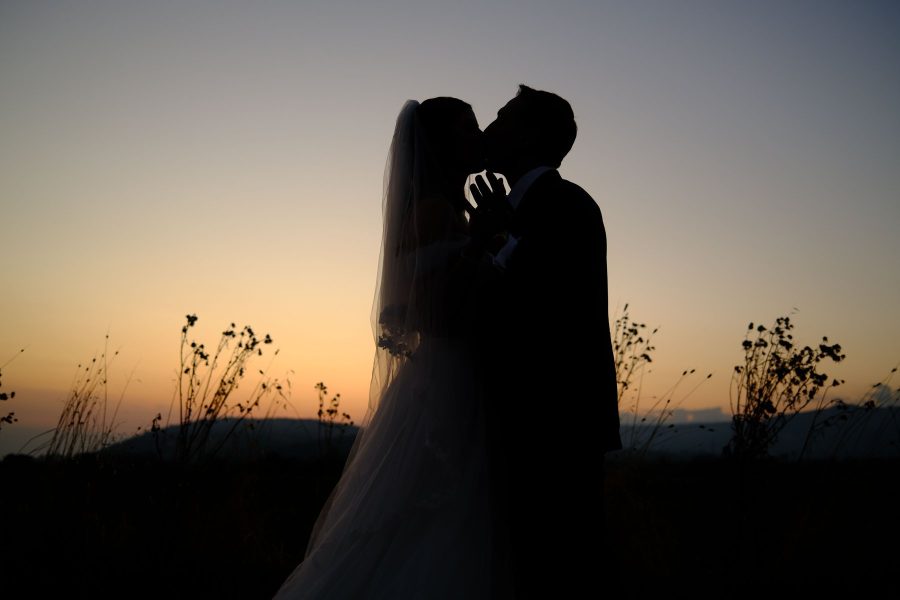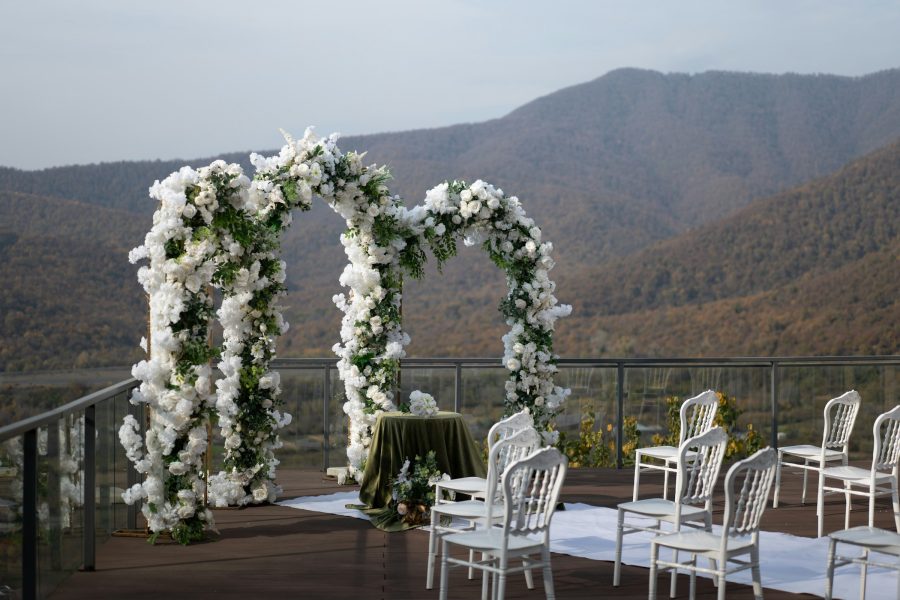
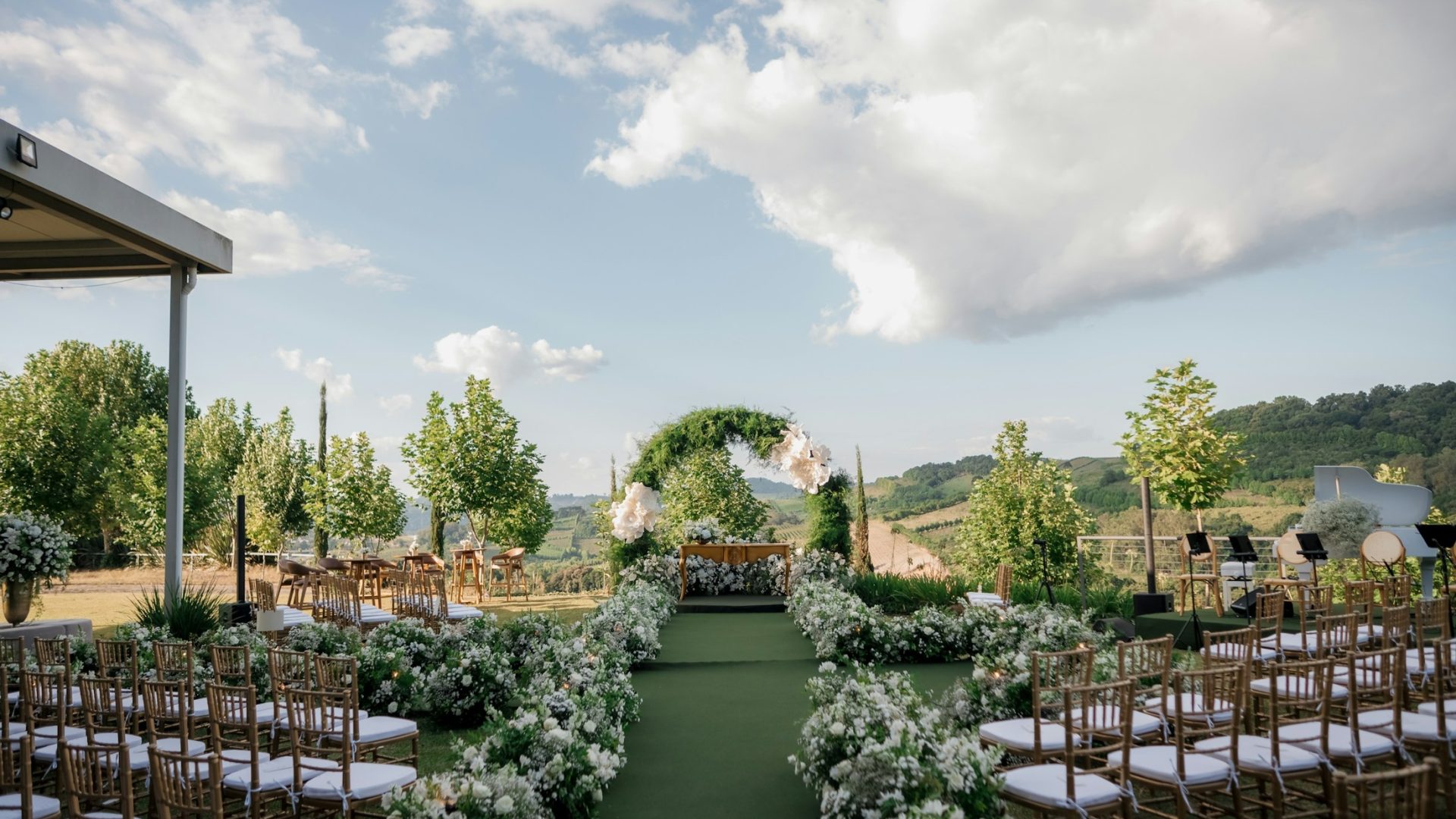
Featured photograph: Photo by Jonathan Borba via Unsplash (Unsplash License). (Stock photo, illustrative.)
A wedding day gives you one pass at everything. No reshoots, no second ceremony, no asking the light to wait. The difference between a calm day full of strong frames and a frantic one full of misses usually comes down to the timeline, and the best timelines are not handed to the couple by the photographer or imposed by a template. They are planned together: couple, planner, venue and photographer, around the light, the venue’s rules and the people involved. Here is how to build one that actually holds up, with a sample schedule you can adapt.
Treat the timeline as a photography tool
Couples think of the timeline as logistics. For you it is the shot plan. Every block on it answers a photographic question: when is the light good, where will people be, and what has to happen before something else can. When you help shape the schedule instead of just receiving it, you stop reacting to the day and start working it. Bring your needs to the planning conversation early, ideally when the couple books you, and again in the final weeks when times get locked. A planner or coordinator who knows what you need can protect it. A couple who understands why the portrait window sits where it does will defend it when the day starts to slide.
It also helps to be honest about what the timeline is for. It is not a script that must be obeyed to the minute, and treating it that way makes everyone miserable. It is a shared map that lets twelve vendors act like one team. When the couple sees the photo blocks written into the same document as the catering beats and the band’s sets, photography stops being something squeezed into the gaps and becomes part of the plan.
Work backwards from the light
Anchor the schedule to two fixed points: the ceremony time and the sun. Look up the sunset time for the exact date and venue location, then decide where portraits make the most sense. Warm low sun before sunset can give you flattering directional light for couple portraits, but it is a preference, not a rule: overcast midday light can be soft and even, and shaded spots work when the sun is harsh. Indoor ceremonies shift the emphasis to the room’s available light, including windows, and, where permitted, flash. None of these windows come with a guaranteed minute count. How long portraits take depends on the couple, the locations and how far apart everything is, so agree on the blocks together instead of promising a number. Build the rest of the day around whatever you decide, leaving room on both sides.
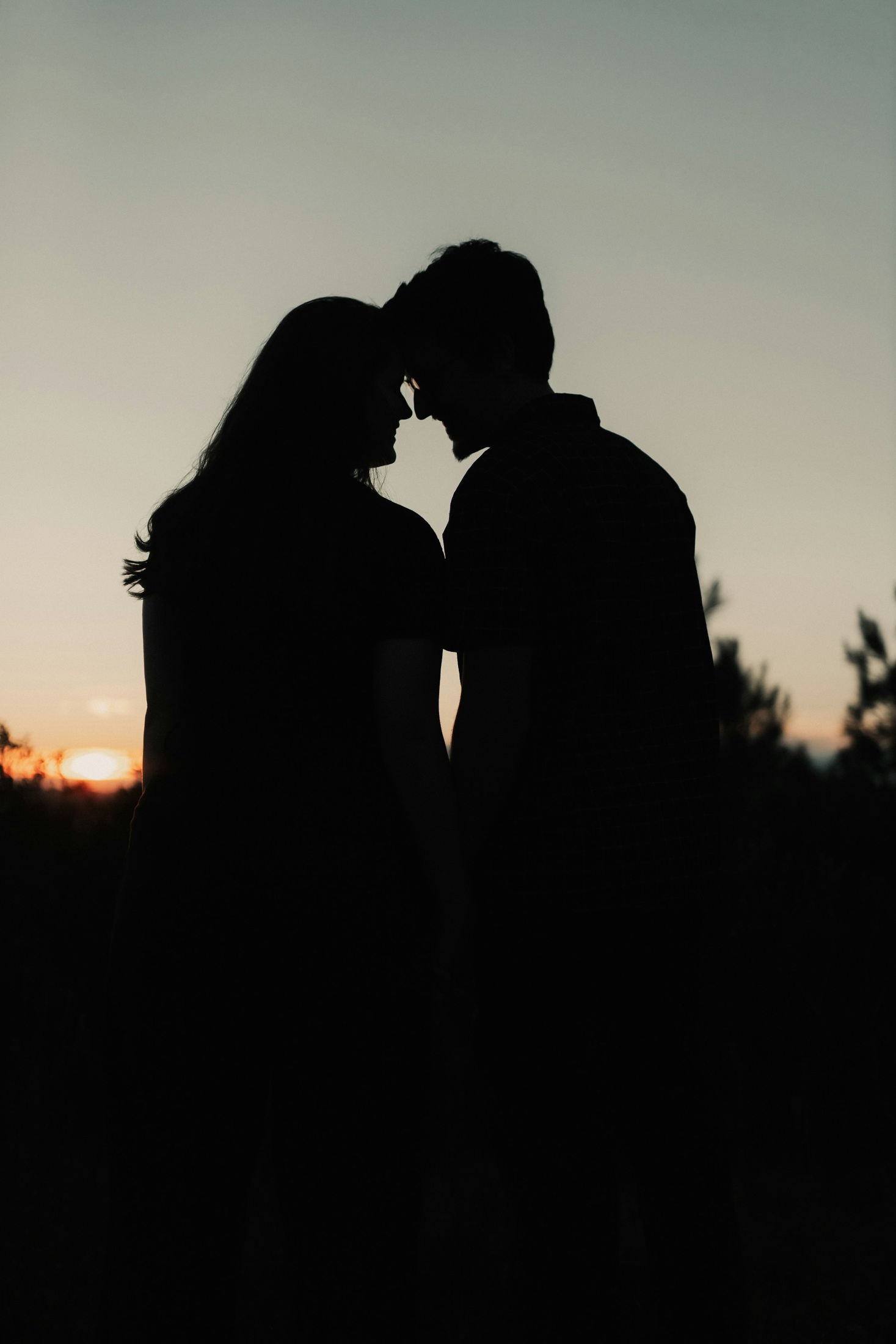
Two short portrait windows usually beat one long one. A first-look session handles the private, nervous-energy frames while everyone is fresh, and a short sneak-out near sunset catches a completely different mood without pulling the couple away from their own party for long. If the couple would rather stay with their guests, respect that and work the schedule you have. The timeline serves the day, not the other way around.
A sample wedding-day timeline you can adapt
Here is a starting framework, anchored to the ceremony rather than the clock, so it works for a noon ceremony or a 5 PM one. Treat every block as negotiable and adjust it with the couple and planner.
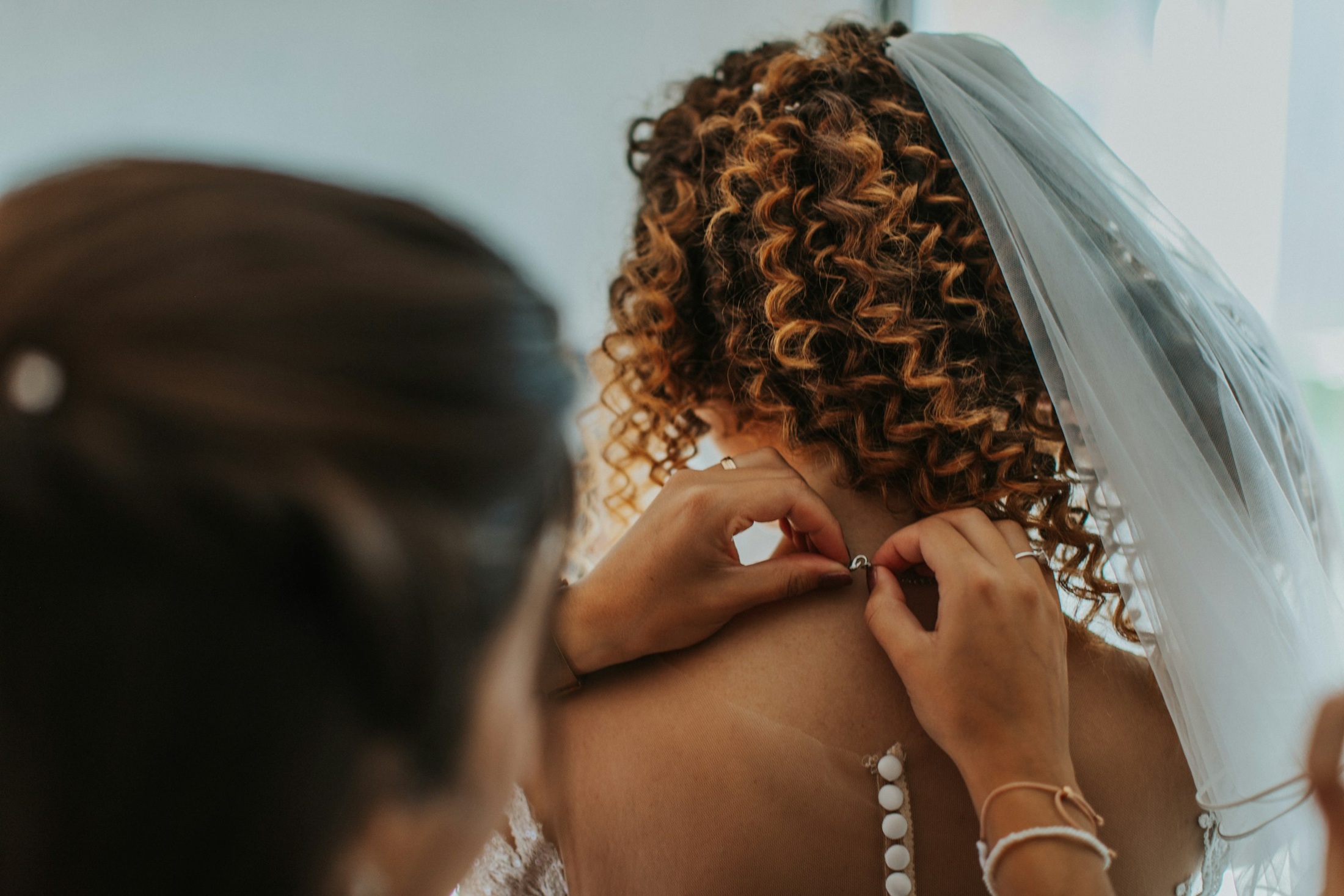
- Ceremony minus 4 to 5 hours: getting ready. Photograph details first (dress, rings, invitations, shoes), then hair and makeup finishing, then dressing. If both partners are getting ready in different locations, decide early whether a second shooter covers one of them.
- Ceremony minus 2 hours: first look and couple portraits, if the couple wants one. This pulls the emotional private moment earlier and frees the cocktail hour for family photos and candids.
- Ceremony minus 1 hour: wedding party and immediate family photos, then a short break so the couple can tuck away before guests arrive. Aim to have everyone photo-ready a bit before they need to be.
- The ceremony. Confirm the rules before the day: many officiants restrict flash, movement or where you can stand, and some houses of worship limit photography entirely during parts of the service.
- Cocktail hour: family groupings first if they did not happen earlier, then room and detail shots before guests are seated, then candids. A family coordinator who knows the relatives by face is worth more here than any lens.
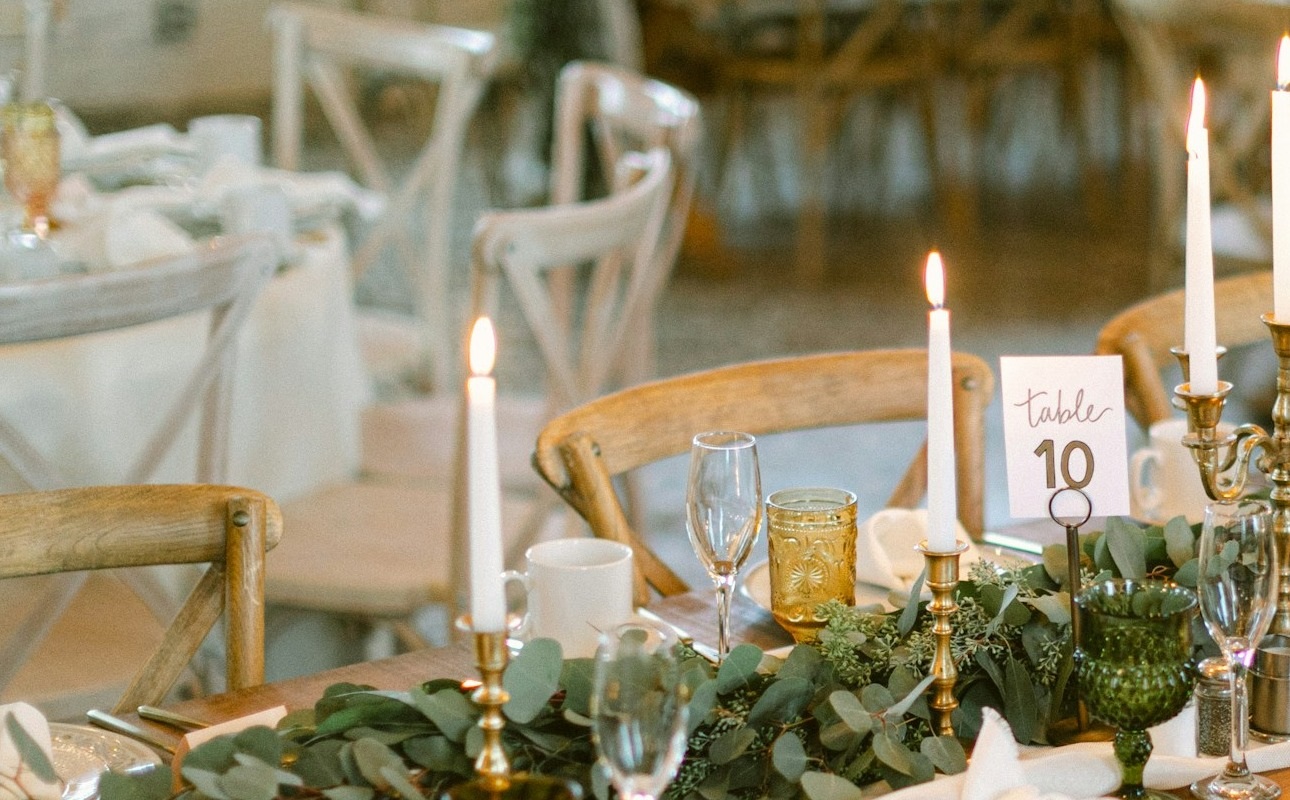
- Reception: entrances, first dances, speeches and cake in the order the planner has them, with your lights set before each beat. Check whether the venue dims house lights for dancing so you can plan exposure.
- A short golden-hour sneak-out, if the light and the schedule allow. Agree on a short window that fits the location and the couple’s priorities; ask the planner to help protect it.
- Open dance floor and the exit. Confirm whether the exit is staged (sparklers, confetti, a car) so you can pre-set for it, and check venue and local rules on sparklers before anyone lights one.
Notice what this framework does not do: it does not promise that portraits take a fixed number of minutes, or that any single block fits every wedding. A city wedding with one venue compresses travel to nothing. A church-plus-reception day with a drive between them needs travel blocks with their own buffers. Adapt the skeleton to the actual day.
 Save
Buffers are what make the schedule survivable
Hair and makeup run long. Transport runs late. Someone’s boutonniere needs a pin nobody can find. Small overruns are normal, and a timeline with no slack turns each one into a crisis that eats the next block. The fix is boring and effective: put a little open time between blocks and a larger open block before the ceremony. When things run on time, buffers become breathing room and extra candids. When they do not, buffers absorb the damage instead of your portrait window. If the day still starts to slide, protect the must-have list first. That list, agreed with the couple in advance, tells you what can shrink and what cannot.
Late arrivals deserve their own plan because they are the most common derailment. Decide with the couple what happens if a key family member is missing at family-photo time: usually you shoot the groups you can and slot the missing person into a later grouping, rather than holding everyone. Share that rule in advance so nobody panics on the day.
Weather is a planning input, not a surprise
Check the forecast in the days before, and have the couple and venue agree on a rain plan for every outdoor block: ceremony, portraits, exit. Covered walkways, porches, lobbies with big windows and even empty corridors can all stand in for outdoor portrait spots, and a pair of plain umbrellas in the car has saved many a session. Overcast light is soft and forgiving, so a gray day is a change, not a disaster. One thing is not negotiable: if thunderstorms are in the area, outdoor blocks come inside. If you hear thunder, move everyone into a substantial building with electricity or plumbing, or an enclosed metal-topped vehicle with the windows up. Stay sheltered for at least 30 minutes after the last thunder. Porches, open-sided shelters and tents are not lightning shelters; the National Weather Service’s lightning safety tips explain the distinction. Wet ground and gear are worth care too: keep bags off saturated grass and let everything dry before it goes back in the case.
Heat and cold deserve the same respect. Summer midday ceremonies in full sun are hard on guests and unflattering on faces, so if the couple is still choosing a ceremony time, it is fair to share that later light is usually kinder. In cold months, build in warming breaks during outdoor portraits and keep spare batteries in an inside pocket, because cold drains them faster.
 Save
Let the venue’s constraints shape the schedule
Every venue has rules that land on your timeline. Churches and officiants may restrict flash, aisle access or movement during the service. Some venues have hard end times, noise curfews or room flips where the ceremony space becomes the reception room and everyone must clear out while staff reset it. Historic venues sometimes ban sparklers, confetti or open flame outright. None of these are obstacles so much as fixed points to plan around: ask the venue coordinator for the rules in writing before the final timeline meeting, and walk the space if you can. Note where the sun will be relative to the ceremony spot, where the covered areas are, and how long the walk is between the getting-ready rooms, the ceremony and the reception. Travel inside a venue is real time, and it belongs on the schedule.
The week before: lock it and share it
The final version of the timeline usually comes together in the last week or two, once RSVPs and vendor times are settled. Get a copy, read it against your shot plan, and flag conflicts while they are still cheap to move: portraits scheduled against the ceremony rehearsal, family photos planned for when key people are at the hairdresser, an exit listed after the venue’s hard stop. Then confirm the practical details with the couple and planner one more time: addresses for every location, contact numbers for the day itself, where you park, and who makes the call if weather forces the backup plan. Put the final schedule somewhere you can reach it offline, because venue signal is never as good as you hope. On the morning itself, a quick message to the planner confirming hair and makeup are running on time tells you whether you are walking into the day you planned or a version already half an hour old.
 Save
Plan it with the people, not for them
The timeline only works if the people inside it helped build it. Meet the couple before the wedding and ask what matters most: which moments, which people, which combinations of family. Build the shot list together and keep the formal list lean, because every grouping you add costs time somewhere else. Ask for a family photo coordinator, one person per side if the families are large, who can round up relatives by face instead of by name shouted across a courtyard. Share your number with the wedding party and the planner so last-minute changes reach you instead of surprising you. If there is a professional planner, treat them as a partner: they control the master schedule, and the photographer who helps them protect it gets the windows they need. After the wedding, keep the loop warm with a few previews and an honest delivery estimate.
Timeline mistakes that cost coverage
Most timeline problems are predictable, and every one of them is easier to fix in a planning email than on the day. Watch for these five.
- Scheduling portraits for a clock time instead of a light condition, then discovering the sun sets twenty minutes into the ceremony.
- Building the family list on the day, when it grows with every suggestion, instead of agreeing a lean version in advance.
- Forgetting travel time between the hotel, the ceremony and the reception, including the ten minutes it takes to gather everyone into cars.
- Skipping the meal block for the photo and video team; a photographer who eats when the couple eats is back before the speeches start.
- Leaving the exit unplanned, so the one image everyone imagined, sparklers or a car pulling away, happens while you are still packing.
 Save
Want to go further? The ShutYourAperture Academy’s The Wedding Day (7 modules, 28+ lessons) is built to help you capture love, story and chaos in a single day.
Frequently asked questions
How long do wedding photos take on the day?
There is no honest universal number, because it depends on the size of the wedding party, the family list, the number of locations and the travel between them. What works is planning in blocks: getting ready, portraits, family groupings, ceremony, reception beats, each agreed with the couple and planner, with open time between them. A lean must-have list keeps the photo blocks from swallowing the day.
When should we schedule couple portraits?
Many couples like the warm low sun before sunset, so check the sunset time for your exact date and venue and see if the schedule can hold a window then. An earlier first-look session is another common option that frees the cocktail hour. Overcast days give soft light almost anytime, and shaded spots help when the sun is harsh, so treat the golden window as a preference, not a requirement.
What happens if the wedding runs late?
Buffers absorb small overruns, which is why the timeline should have open time between blocks and a larger gap before the ceremony. If the day slides further, the must-have list you agreed with the couple decides what shrinks. For a missing family member, shoot the groups you can and slot them into a later grouping instead of holding everyone.
How do you plan for rain or bad weather?
Agree on an indoor or covered backup for every outdoor block: ceremony, portraits and exit. Covered walkways, porches and window-lit lobbies can all work for portraits, and plain umbrellas are worth keeping in the car. Overcast light is soft and flattering, so rain changes the plan more than the quality. Thunderstorms are different: if you hear thunder, move everyone into a substantial building with electricity or plumbing, or an enclosed metal-topped vehicle with the windows up. Wait at least 30 minutes after the last thunder before returning outside. Porches, tents and open-sided shelters are not safe lightning shelters.
Do we need a shot list for the photographer?
A short one helps, especially for family groupings, because it stops anyone important being missed and keeps formal photos from expanding. Build it together before the wedding, keep it lean, and pair it with a family coordinator who knows the relatives by face. For the rest of the day, trust the candid coverage you hired your photographer for.
Should the photographer help plan the wedding timeline?
Yes, within their lane. The couple and planner own the schedule, but the photographer brings the light: when portraits will look best, how long photo blocks realistically need, and which venue rules affect coverage. Sharing that early produces a timeline that works for everyone, instead of one the photographer has to fight on the day.
Gear for backing up a one-day shoot
Affiliate disclosure: We may earn a commission from qualifying purchases through these gear links at no extra cost to you.
A wedding day produces originals you cannot reshoot, so plan the file handoff before the wedding. The Samsung 1TB T7 Shield Portable SSD is one storage option for wedding originals and delivery exports. Check the computer connection and capacity before buying. Open the copied files and maintain a separate checked backup. A drive does not replace a full backup plan, manage the wedding timeline or promise a delivery date. Compare the current retailer specifications; no hands-on test, price or stock promise is being made here.
Check Samsung 1TB T7 Shield Portable SSD (Black) MU-PE1T0S/AM at B&H