This article contains affiliate links, which are marked where they appear later in the post.
The lens you put in front of your camera shapes every photo you take, often more than the camera body itself. This guide walks through focal length, aperture, zoom versus prime, and genre-specific choices, so you can match the right lens to the way you actually shoot.
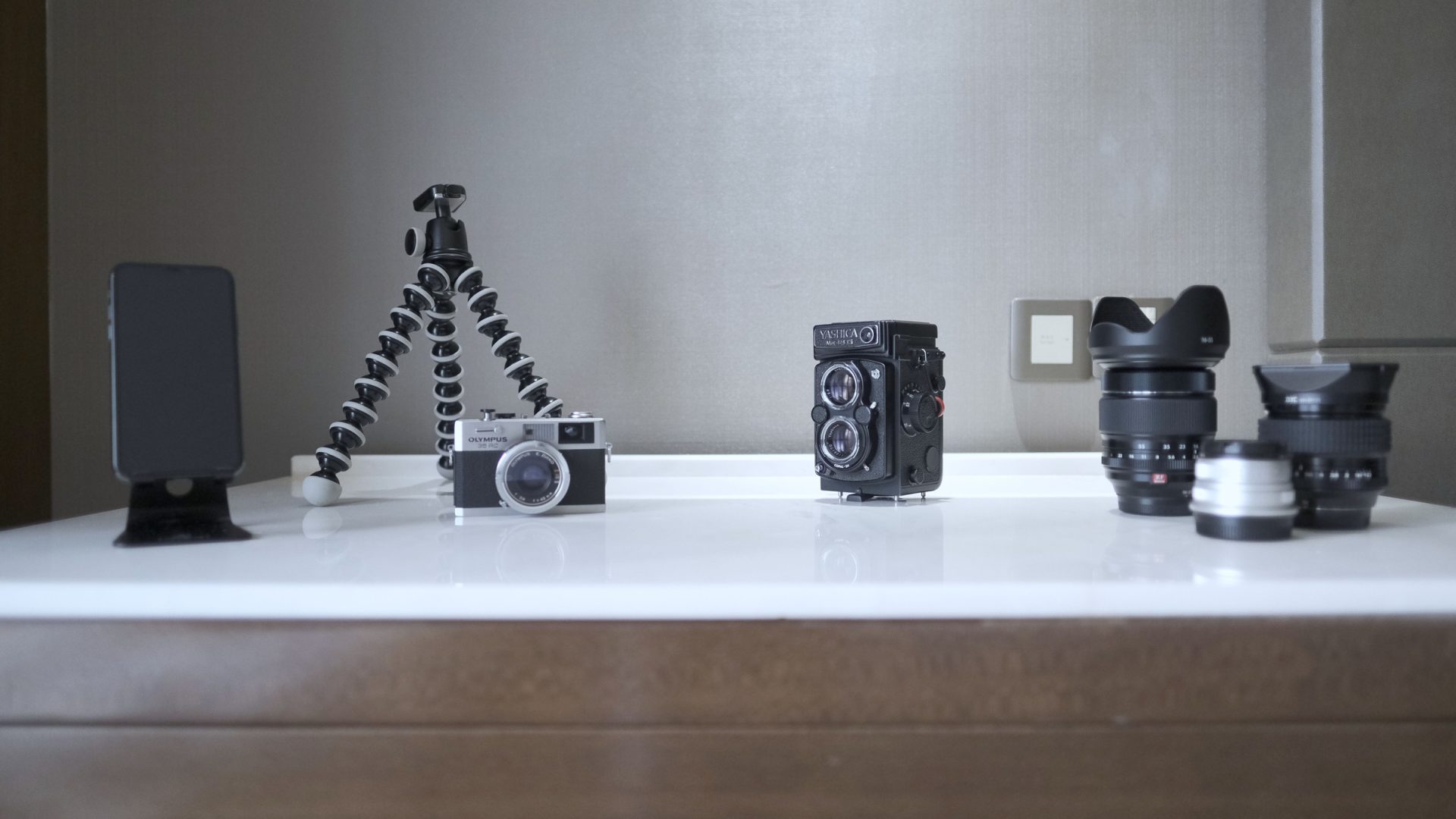
Photo by Garrison Gao via Pexels: https://www.pexels.com/photo/different-photography-equipments-and-accessories-on-table-7884089/ – Pexels License (https://www.pexels.com/license/). (Stock photo, illustrative.)
The Role of a Lens in Photography
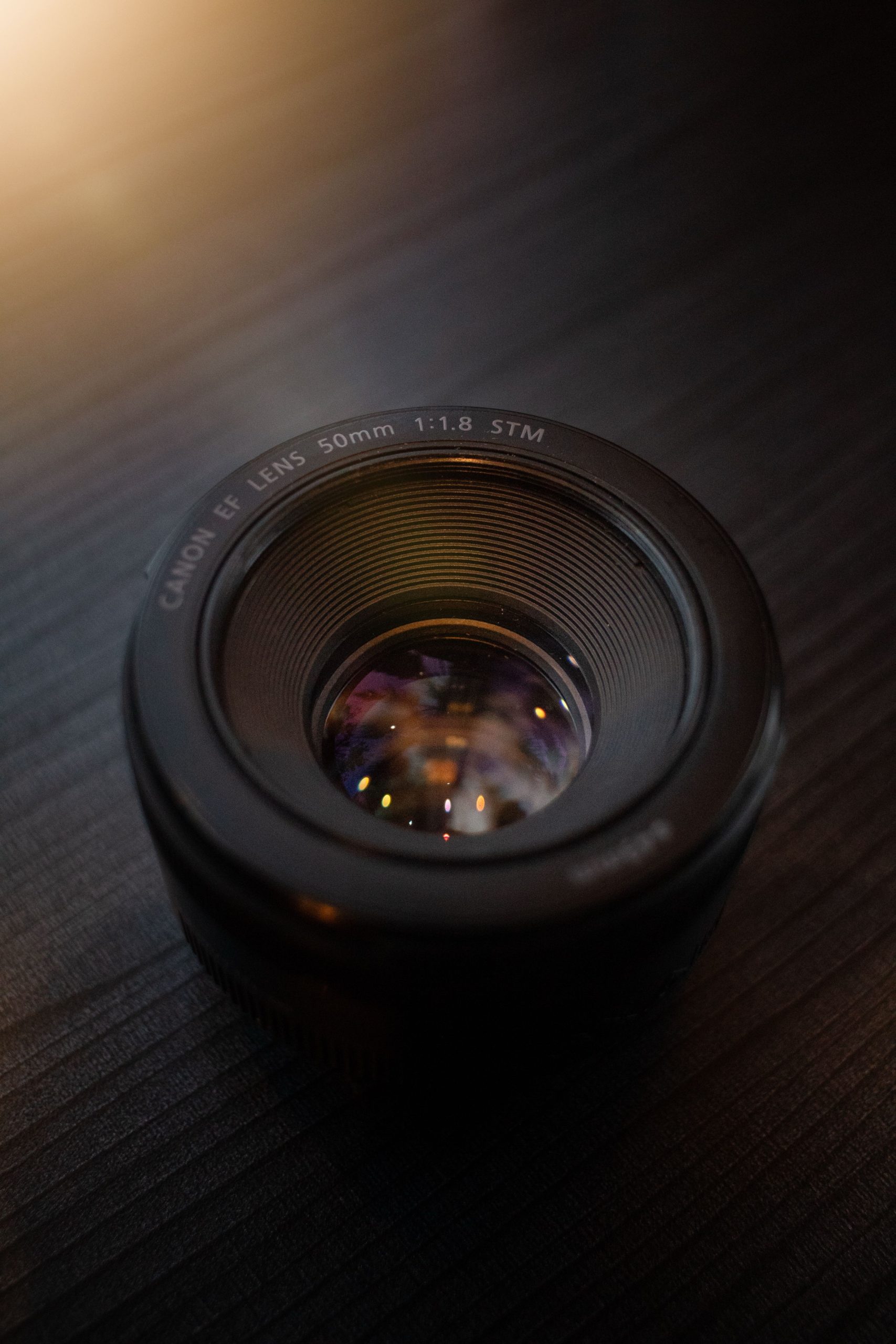
A lens focuses light onto the camera’s sensor, and its optical quality directly influences the sharpness, contrast, and character of the captured image. Even an inexpensive camera body can produce excellent results with a high-quality lens, which is why experienced photographers usually upgrade their glass before their camera. Camera bodies cycle out every few years as sensors improve; a good lens can stay relevant across several of those cycles. A clear example is the classic 50mm f/1.8 prime: its wide aperture allows striking portraits with soft background blur (bokeh) at settings a typical kit zoom cannot reach. It is not the right first lens for everyone, but it illustrates what a step up in glass can do. If you shoot portraits, our portrait photography guide pairs well with this one.
Understanding Focal Length in Photography
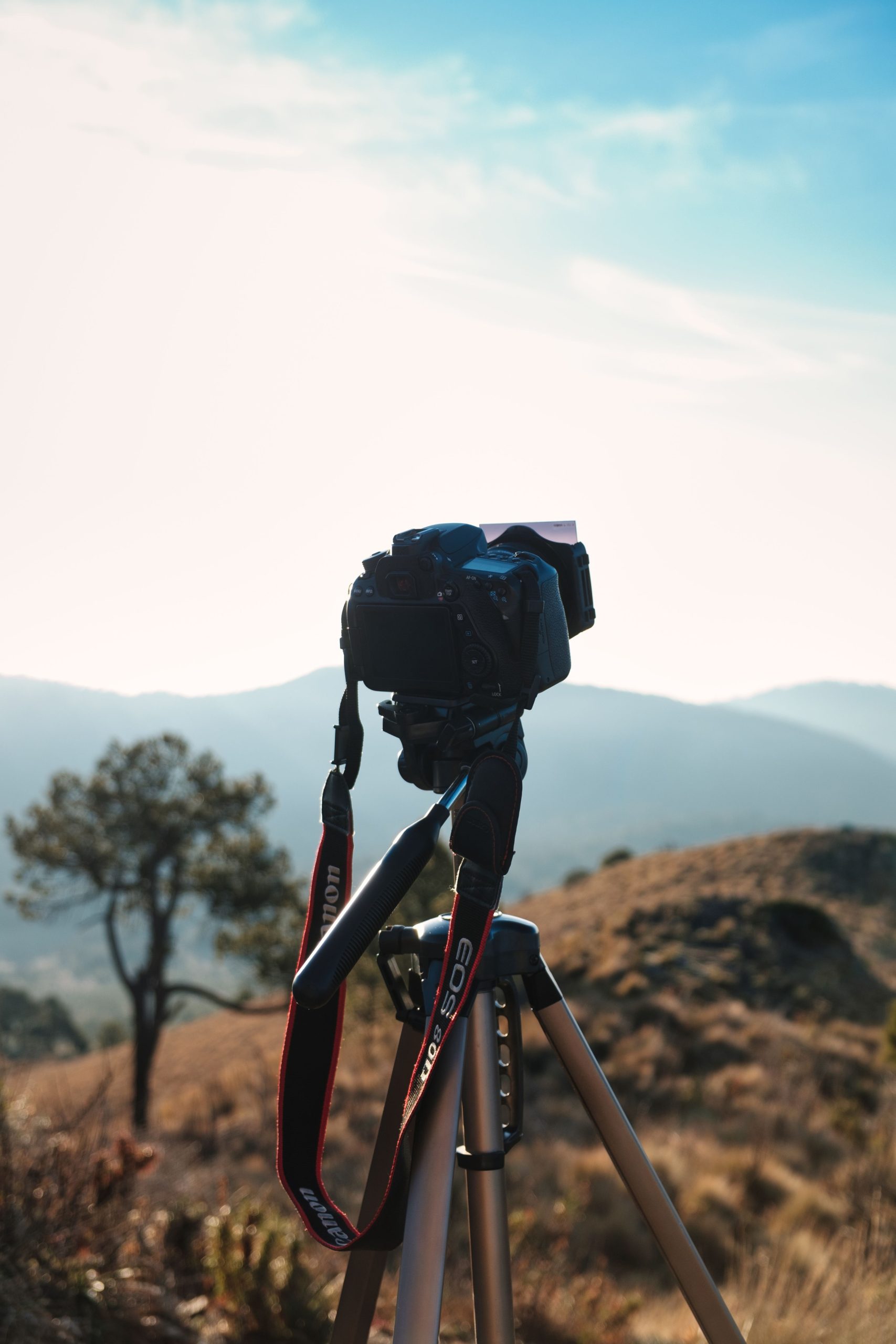
Focal length, measured in millimeters, determines the lens’s angle of view: how much of the scene fits in the frame from a given position. Short focal lengths (wide angle) take in more of the scene; long focal lengths (telephoto) narrow the view and magnify distant subjects. A typical APS-C kit zoom covers roughly 18-55mm: wide enough at one end for scenery, long enough at the other for casual portraits, which is exactly why manufacturers bundle it. One common misunderstanding is worth clearing up early: focal length by itself does not change perspective. Perspective is set by where the camera stands in relation to the subject. Focal length only decides how much of that view you frame, a point the distortion section below returns to.
 Save
The Impact of Aperture on Photography
Aperture controls how wide the lens opens, and with it two things: exposure and depth of field. Wide apertures (small f-numbers like f/1.8) pass more light per unit of time, which helps in dim interiors and evening events when the shutter speed has to stay hand-holdable, and they produce a shallow depth of field that separates a subject from its background. Narrow apertures (f/8 and beyond) keep more of the scene in focus, which suits landscapes and group shots; at a given ISO they require slower shutter speeds or a higher ISO to hold exposure. Most lenses are optically at their best a stop or two down from wide open. At the other end, diffraction gradually softens the image as the aperture gets very small, but the point where it becomes visible depends on your sensor’s pixel size as much as the f-number, so there is no universal “never go past f/16” rule. Treat the extremes of the aperture scale as tools for specific jobs, not defaults. For a deeper walk-through, see our aperture chart and f-stop guide.
Choosing Between Zoom and Prime Lenses
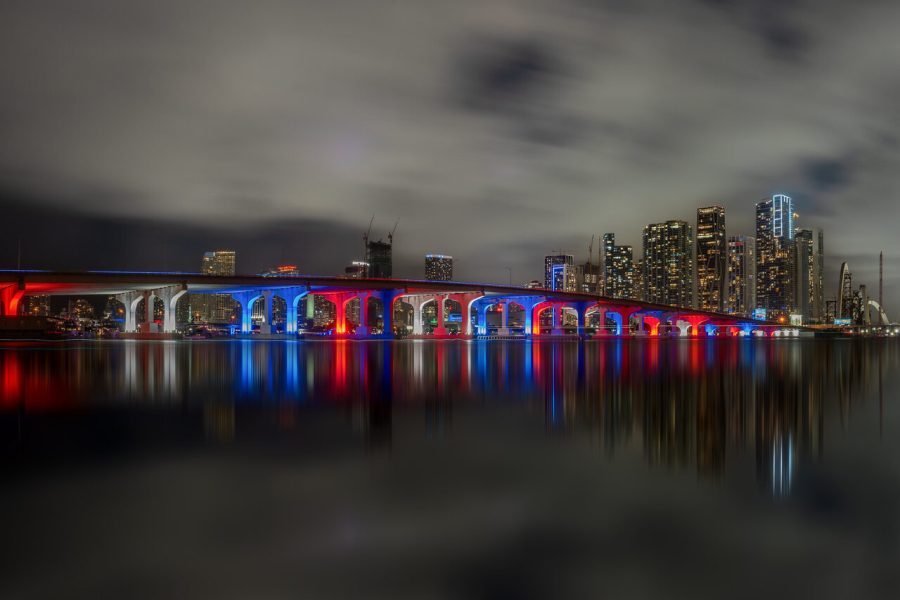
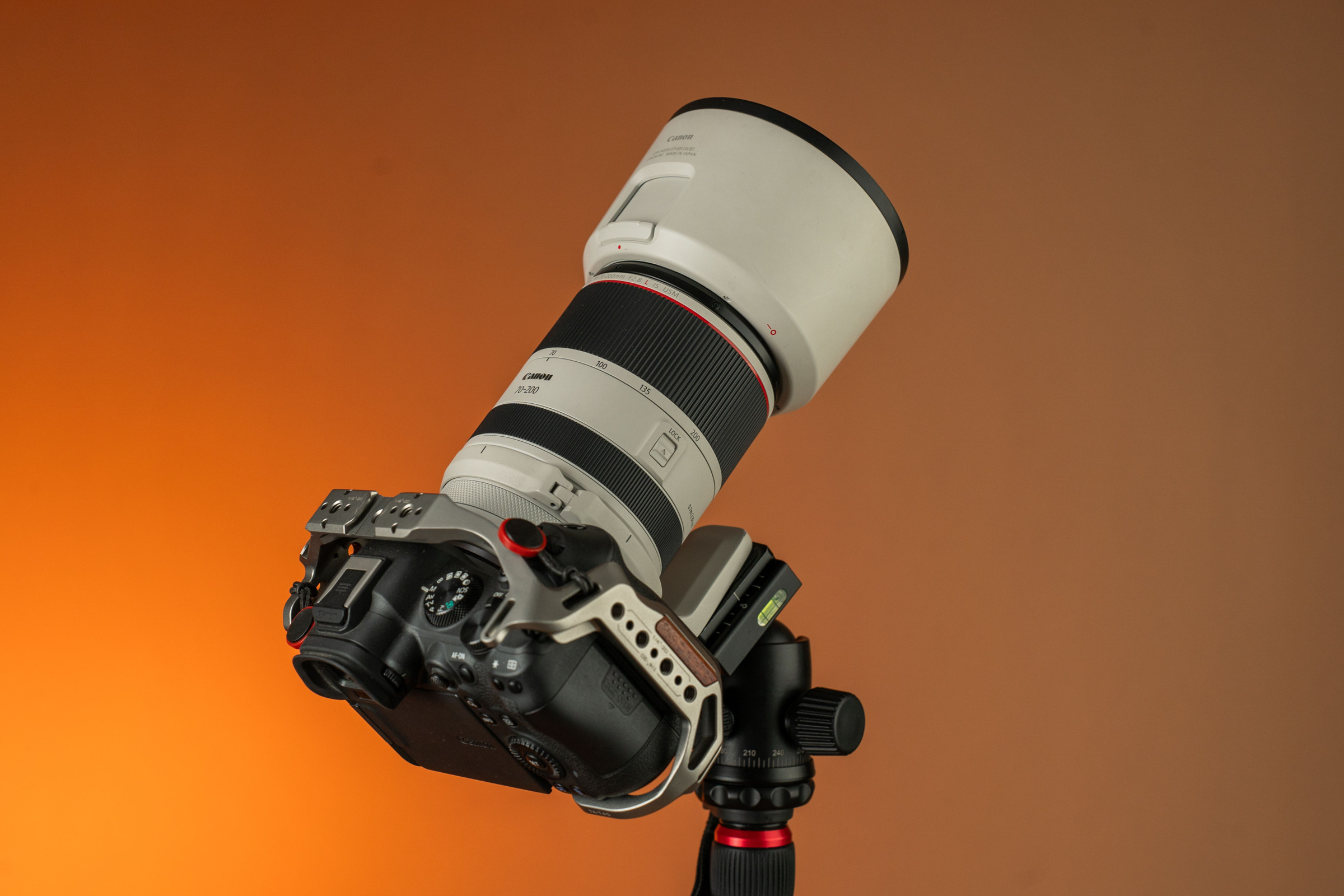
Zoom lenses trade some optical specialization for flexibility: one lens covers a range of focal lengths, so you can reframe quickly without swapping glass or changing position. That makes them practical for travel and event coverage, where moments do not wait. Prime lenses are fixed at one focal length and typically offer wider maximum apertures and smaller size for a given optical quality, which pays off in low light and for portraits. Sharpness depends on the specific lens rather than the category: many modern professional zooms are excellent, and not every prime is automatically sharper than every zoom. Size and weight follow the same pattern: a fast professional zoom is large and heavy, while a compact prime disappears into a bag. Compare the exact models on your shortlist rather than assuming a whole category is cheaper or sharper. What matters is which compromise fits the way you work. For an event coverage example, see Edin’s Miami event photography.
 Save
Selecting the Right Lens for Your Photography Style
Every genre carries its own demands. Portrait photographers often reach for wide-aperture primes in the 50-135mm range (full-frame terms) for subject separation and flattering perspective. Landscape shooters typically want something wide to take in sweeping scenes. Wildlife and sports need reach, and how much depends on subject distance and sensor format: many full-frame wildlife shooters work at 400mm or more, while 200mm can be plenty at a zoo or on the sideline of a kid’s soccer game, especially with a crop-sensor body. Start from the photos you take most often, not from a spec sheet, and let that dictate the focal range you buy first. A practical method: look through your last hundred keepers and note which focal lengths and apertures repeat. Your own archive is a better purchasing advisor than any review, because it records what you actually shoot rather than what you imagine shooting.
Understanding Distortion, Compression, and Working Distance
Strictly speaking, perspective only changes with the camera’s position relative to the subject. What focal length changes is framing: to keep the same subject size in frame, a wide lens forces you close and a long lens pushes you far away. Those distances are what create the familiar looks. Shooting close with a wide lens exaggerates the distance between foreground and background, making nearby objects loom; that is why wide lenses shot too close distort faces. Shooting from far away with a long lens compresses the scene, stacking elements closer together visually, which flatters portraits and can layer a distant ridgeline into graphic planes.
This has a practical consequence when comparing lenses: compare them at the same framing, not from the same spot. A 35mm and an 85mm pointed at a person from two meters give completely different pictures. Frame the subject identically with each, and you have moved to two very different working distances, which changes the background rendering and the perspective. Working distance is also a real-world constraint on focal-length choice: a small room may force a wide lens for group shots no matter what look you want, and skittish wildlife you cannot approach forces a long one.
 Save
Lens Selection for Different Photography Types
A few genre defaults worth knowing, all in full-frame terms: portraits lean on primes in the 50-135mm range with wide apertures; landscapes lean on wide angles, roughly 16-35mm; wildlife and field sports commonly start around 300-400mm and go up; street and travel often settle on a compact 35mm or a mid-range zoom. Landscape work is often shot at moderate apertures such as f/8 to f/11, but the aperture that actually renders a scene sharp from foreground to horizon depends on focus distance, focal length, and sensor size, with diffraction setting the upper bound, so treat that range as a starting point rather than a guarantee. Our landscape photography guide covers the settings side. Astrophotography pushes toward wide angles with the widest available apertures to gather starlight before the sky’s rotation trails the stars. Treat these as starting points, not rules; many working photographers break them deliberately once they know what each choice does to the frame.
The Role of Specialist Lenses in Photography
Specialist lenses open niches that general-purpose glass cannot. A tilt-shift lens’s shift movement can keep architectural verticals from converging when the camera would otherwise have to tilt upward, and its tilt movement swings the plane of focus, which among other uses produces the well-known miniature effect. Fisheye lenses deliver an extreme ultra-wide, deliberately distorted view for creative work. A true macro lens reaches a 1:1 reproduction ratio, projecting the subject onto the sensor at life size; many ordinary lenses labeled “macro” only focus close at lower ratios. These are tools you buy for a specific purpose, often after your core kit is in place. If the niche is unfamiliar, rent the lens for a weekend first: that answers the only question that matters, which is whether you will still reach for it after the novelty fades.
Before You Buy: Mount, Sensor Size, and Used Glass
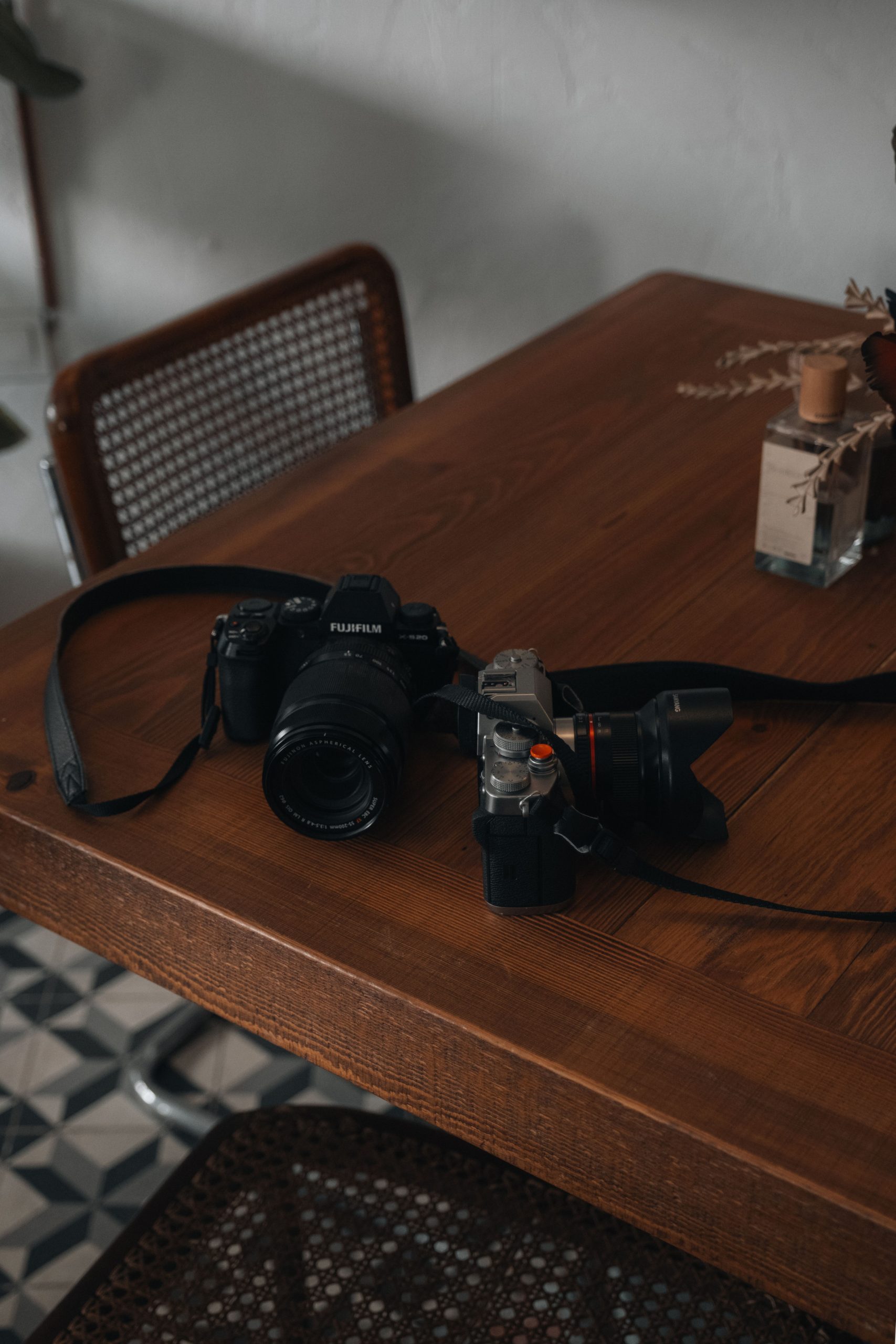
Three practical checks save money and regret. First, mount compatibility: a lens must physically and electronically match your camera system, and adapting across systems can limit autofocus or stabilization, so confirm compatibility with your exact body before buying. Second, sensor size: the lens’s focal length never changes, but a smaller sensor records a narrower field of view from it. A 50mm lens is a normal lens on a full-frame body; on an APS-C camera it frames a scene roughly the way a 75-80mm lens would on full frame, which is why the same 50mm works as a general-purpose normal on one format and a short portrait telephoto on the other. Third, if you buy used, inspect the specific copy rather than trusting the category: hold the lens to a bright light and look for fungus threads and internal haze, check that the focus and zoom rings turn smoothly and that the electronic contacts are clean, and test that the aperture stops down correctly on a compatible body – many modern lenses only stop down when mounted, so follow the lens maker’s instructions rather than moving anything by hand. Confirm the seller’s return window before paying.
Two more checks before paying: whether the lens includes optical stabilization (or whether your body provides it), which matters far more at telephoto lengths than at wide ones; and the filter thread size, since a set of filters that fits one lens may fit nothing else you own.
 Save
Want to go further? The ShutYourAperture Academy’s The Aperture Bible (7 modules, 28+ lessons) is built to help you control depth, bokeh and focus.
How Many Lenses Do You Actually Need?
Fewer than marketing suggests, but there is no magic number. Many photographers end up with a small working kit – a general-purpose zoom, one fast prime matched to their favorite genre, and a telephoto if their subjects demand reach – while others shoot happily for years with one or two. Gaps in a kit announce themselves honestly: when you keep abandoning shots because you cannot frame them, the missing focal length has identified itself, and that is the moment to buy, not before. Buying ahead of need usually means carrying weight you never mount.
Embracing the Right Lens for Your Photography Journey
Choosing the right lens is less about chasing specifications and more about understanding what each property does. Focal length sets your angle of view and, through the working distance it forces, your perspective options. Aperture sets your light gathering and depth of field. The zoom-versus-prime decision sets how you move and work. Buy for the photography you actually do, and let each new lens answer a specific, identified need.
A Quick Note on Lens Care
Loose dust on accessible exterior lens surfaces is normal and usually harmless to image quality. A manual air blower is the standard first tool for it; one widely available option to compare is the Giottos Rocket Air Blaster Dust-Removal Tool (Black, Large), manufacturer model AA1900. Follow the lens maker’s cleaning instructions. This is not advice to touch or clean a sensor, and a blower does not remove every mark. Compare the current retailer specifications; no hands-on test, price, or stock promise is being made here.
Affiliate disclosure: the retailer link below is an affiliate link. If you buy through it, ShutYourAperture may earn a small commission at no extra cost to you.
Check the Giottos Rocket Air Blaster (Black, Large, AA1900) at B&H
Frequently asked questions
Is a 50mm f/1.8 a good first lens?
It is the classic second purchase after a kit zoom, and for many beginners it is a great teacher: small, affordable, sharp for its price, and its wide aperture demonstrates depth-of-field control and low-light shooting in a way a slow kit lens cannot. It is not universal. If most of your keepers are wide scenes, a wide-angle zoom may serve you better first. On an APS-C camera it frames like a short telephoto, which suits portraits especially well.
Should I buy a zoom or a prime first?
If you photograph events, travel, or family life where moments move fast, a zoom’s flexibility usually wins. If you shoot portraits, street, or low light and value wide apertures and low weight over convenience, a prime is the better teacher. Sharpness varies lens by lens rather than by category, so compare the specific models on your shortlist. Many photographers end up owning one of each for different situations.
What lens do I need for landscape photography?
A wide-angle zoom covering roughly 16-35mm on a full-frame body, or about 10-24mm on APS-C, handles most landscape work. Many landscape shots are taken at moderate apertures such as f/8 to f/11, but the aperture that keeps a given scene sharp front to back depends on focus distance, focal length, and sensor size, so use that range as a starting point rather than a guarantee. A sturdy tripod matters as much as the lens here, because at a given ISO those smaller apertures call for slower shutter speeds.
Do I really need a telephoto for wildlife or sports?
It depends on subject distance and format. For birds and wary wildlife on full frame, many shooters work at 400mm or more. For larger animals, zoos, or sideline sports, 200mm is often enough, and a crop-sensor body narrows the field of view further, effectively adding reach. Renting a long lens for one outing is a practical way to learn how much reach your subjects actually demand.
Are third-party lenses worth considering?
Yes. Makers such as Sigma and Tamron build lenses for the major mounts that cover many of the same focal ranges as first-party lenses. Value and performance vary model by model, so compare the exact lens you are considering against its first-party equivalent – specifications, autofocus behavior on your body, and reviews of that specific model – rather than assuming either side is automatically better value.
What do the numbers in a lens name mean?
The first number (or range) is the focal length in millimeters; the number after f/ is the maximum aperture. A “24-70mm f/2.8” zooms from 24 to 70 millimeters and holds f/2.8 throughout; an “18-55mm f/3.5-5.6” kit lens gets slower as you zoom, which is why it struggles in low light at the long end.
Does a better lens matter more than a better camera?
Often, but not always. Lenses determine sharpness, maximum aperture, and rendering. But a newer body can bring autofocus speed, burst rates, and high-ISO performance that matter more for sports and wildlife than a lens upgrade would. Upgrade the link in the chain that is actually limiting your photos.
Sources
- Cambridge in Colour – Understanding Camera Lenses (perspective and camera position)
- Cambridge in Colour – Diffraction and Photography (Airy disk vs pixel size)
- Cambridge in Colour – Understanding Depth of Field
- Photography Life – What Is Focal Length in Photography?
- Photography Life – What Is Crop Factor?
- Nikon – What is crop factor and how do I calculate it? DX and FX explained (manufacturer)