Updated November 2026. Featured image: illustrative stock photograph, not an Edin Chavez photograph.
Choose what the buyer is actually buying
To sell your landscape photography, start with a clear offer rather than a promise that beautiful scenery will find a customer. A physical print, a downloadable file and permission to reproduce a photograph are different products. Each creates different questions about price, delivery, rights and support. This guide proposes a small sales experiment you can measure. It does not promise income, a particular number of buyers or a shortcut around the work of making and delivering something worth buying.
Choose one route for the first experiment. For a print, specify the image, dimensions, paper or other material, border and whether mounting or framing is included. For a license, describe the proposed use and discuss its limits before quoting. Do not call a digital file a print, or imply that buying a print includes commercial reproduction rights. A buyer should understand what arrives and what they may do with it without having to decode photography jargon.
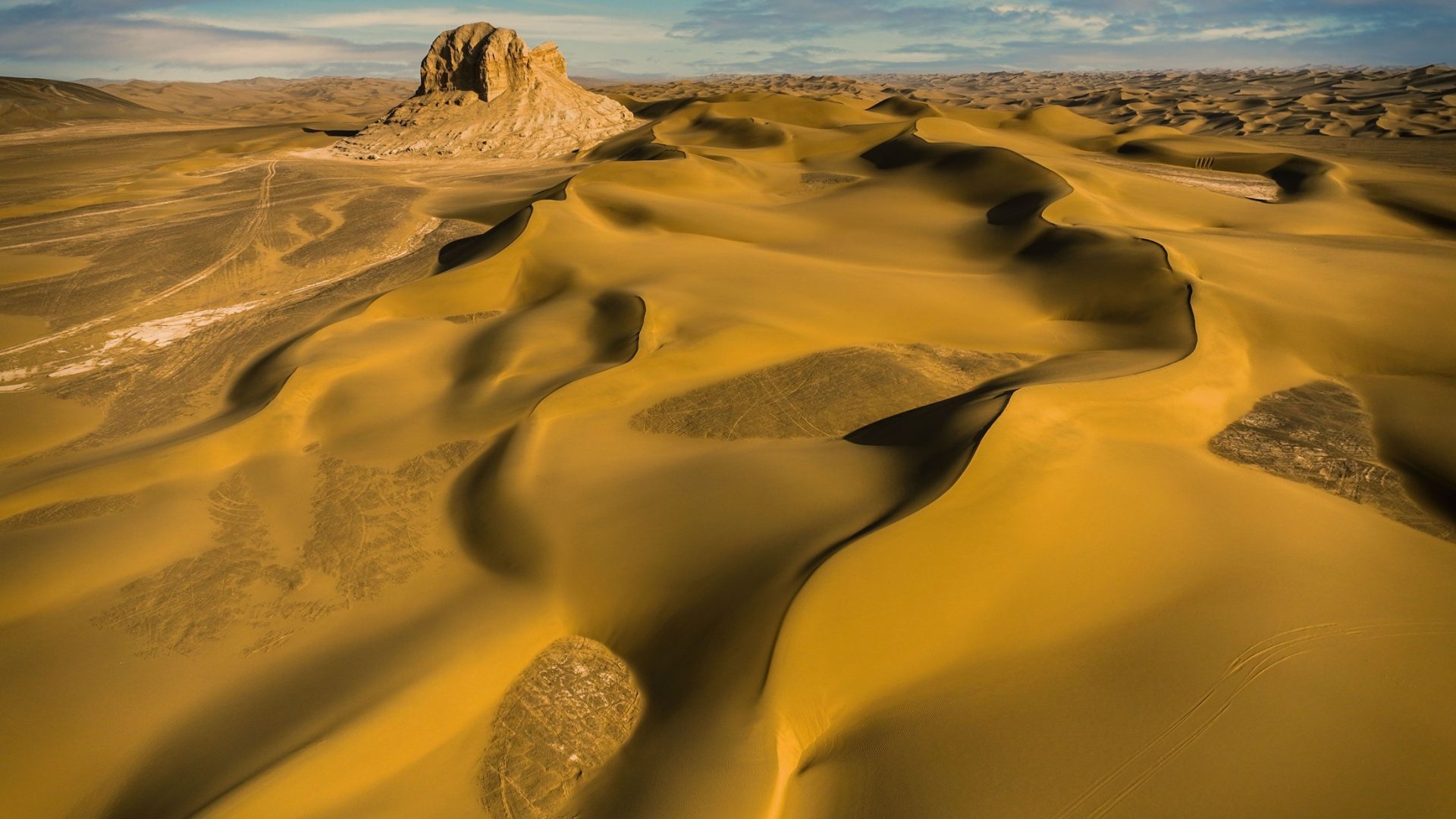
The desert photographs here are illustrative stock photographs, not Edin Chavez photographs. They are not items from Edin’s shop, sales records or evidence that a particular subject sells. Build your own offer from images you created and have the right to sell. Keep source files and accurate captions organized before making a listing. If ownership, access conditions or permissions are uncertain, investigate them before promising a product or granting a use that you may not control.
 Save
Select a small collection with a clear reason to exist
Start with a few images that belong together rather than opening a store with every successful frame you have made. A collection might share a landscape, a restrained color relationship or a way of seeing a familiar place. State that connection honestly. You do not need an invented expedition story or a claim that a location is untouched. The aim is to make the selection understandable and give each image enough room to be judged on its own merits.
Compare possible selections at the size they will appear in the shop. A wide dune scene and a narrow rock study need different thumbnail treatments. Check that the important shapes remain visible and that the preview does not quietly cut away the feature that makes the photograph interesting. Then open each original at a useful inspection size and review focus, dust spots, edge distractions and editing artifacts. A good small-screen impression does not prove that a file is ready for a large print.
Use a simple selection sheet with an image identifier, a working title, available orientations and any known production limits. Mark images that need another edit instead of offering them prematurely. If you want help improving the photographs themselves, use the site’s landscape photography guide before building the product page. Sales presentation cannot fix a weak file. A smaller collection that you can produce consistently is a more useful starting point than a large catalog you have not tested.
Make the print specification visible before payment
A print listing should identify the actual object, not only the scene. State the finished dimensions and distinguish the image area from any surrounding border. Say whether the product is unframed, mounted or framed, and describe the relevant material in terms supported by your production supplier. If a room mockup is shown, label it as an illustration and make clear which accessories are not included. Do not let a decorative frame in a preview become an accidental product promise.
WHCC’s crop-ratio guide explains why fitting a two-to-three image into a four-to-five print changes the crop unless you use another approach, such as a border. Make that decision deliberately for each offered size. Show a representative crop, not just the full uncropped photograph followed by a list of incompatible dimensions. Check the edges for important rocks, tree tips or foreground shapes that may disappear. Custom sizes and borders also need a clear production specification rather than an assumption.
Prepare a sample through the actual production route you intend to use. Examine it under sensible viewing conditions and compare the result with the listing. WHCC’s color guidance distinguishes an embedded working color profile from a printer profile used for soft proofing; its printer profiles are not to be embedded in submitted files. Follow your own supplier’s current instructions instead of treating one lab’s settings as universal. A screen proof helps preparation but does not replace inspecting the physical product.
 Save
Calculate the order cost before setting a price
Write down the full cost of completing one order. Include the print, any mounting or frame, packaging, shipping, selling fees and the time needed to prepare and support the sale. Use current supplier and platform information for your actual configuration. Do not quote an attractive base price that excludes unavoidable costs without making the distinction clear. The SBA’s business-planning guidance is useful for examining demand, competing options and pricing alongside the practical costs of operating the offer.
Keep costs separate from the final pricing decision. A photograph’s price is not determined only by its paper cost, but a price that ignores production and fulfillment makes the result difficult to evaluate. Record a proposed selling price, the expenses you can verify and the assumptions still open. If a gallery or marketplace takes a commission, use the actual agreement rather than a remembered percentage. Taxes, accounting and contract questions may need qualified advice for your location and situation.
Do not announce a limited edition merely because scarcity sounds persuasive. If you choose an edition structure, define its size, formats, numbering and record keeping before selling, and explain what the limit actually covers. Avoid claims about investment value, guaranteed appreciation or an inevitable future sellout. An open edition is a valid choice when described accurately. Whatever structure you choose, keep the listing consistent with the inventory and production records so that buyers do not receive contradictory information.
Choose a sales channel by its working terms
Compare channels by how an order will actually happen. A direct shop may give you control over presentation while leaving more production and customer support with you. A marketplace may offer a ready checkout but impose its own fees, image requirements and seller rules. A gallery or local venue may bring an audience while requiring a written agreement about display, sales and responsibility for the work. None guarantees buyers simply because your photographs are visible there.
Read the current terms for the specific arrangement. Note fees, payment timing, who holds stock, who ships, who handles damaged orders and what happens when an item is returned or remains unsold. Check whether the channel asks for exclusivity or rights beyond what is needed to display and sell the work. Ask about unclear language before delivering inventory or uploading a large catalog. A friendly conversation is useful, but it does not replace an agreement about money, responsibilities and rights.
For the first experiment, choose a channel whose process you can manage and test the path from product page to order confirmation. Check the phone layout, size selector, total, delivery description and contact route. Do not manufacture a customer order or make a public claim about demand just to test a workflow. Use the platform’s available test method where appropriate. The goal is to find confusing steps before a real buyer has to ask you to explain them.
 Save
Treat image licensing as a separate conversation
Someone who wants a landscape photograph for a website, publication or advertisement may need a license rather than a wall print. Ask who will use it, where it will appear, how long the use will last and whether exclusivity is requested. ASMP’s assignment-photography guide separates the assignment description, rights and licensing, and fees and expenses. Those categories help organize the discussion, but they are not a complete contract or a substitute for reviewing the actual request.
The U.S. Copyright Office explains that protection for an original photograph begins when it is fixed, and that the photographer is generally the initial author and owner. It also describes exceptions, including qualifying work made for hire. Do not assume that every image in your archive has identical ownership conditions or that selling a file automatically transfers copyright. Review the relevant agreement and seek qualified advice when a proposed transfer, broad permission or exclusive license is unclear.
Confirm the selected image identifier, agreed use, fee, delivery specification and any restrictions in writing before delivery. If the request grows from one use to several, revisit the terms instead of silently treating the original discussion as unlimited permission. Keep the final agreement with the delivery record. This is general workflow guidance, not legal advice or a clearance opinion about the illustrated places. Requirements and ownership rules can differ outside the United States and according to the facts of a project.
Plan fulfillment before announcing the offer
Decide how an accepted order moves from payment to production, inspection, packing and delivery. If a lab ships directly, understand which steps it performs and which remain yours. If you pack the work yourself, practice with the actual product and suitable packaging rather than improvising after a buyer has paid. Keep a written checklist linking the ordered image and size to the file you submit. Similar filenames and repeated crops are easy ways to send a plausible but wrong version.
Describe production and delivery timing using information you can support, and explain how a buyer can contact you about an order. Avoid a blanket promise of immediate dispatch when an item must first be printed or framed. Decide how you will handle a damaged or incorrect product and make the relevant terms available before purchase. For legal requirements about shipping, refunds and consumer rights, consult current rules and qualified advice for the places where you sell; this article does not supply a universal policy.
Inspect the physical work in a way that suits its material. Follow the printmaker’s handling instructions and avoid touching the image surface unnecessarily. The optional cotton gloves below are a product comparison, not a claim that one handling method is right for every print or conservation task. Record the final quality check and retain useful order information securely. A dependable process matters more than a dramatic unboxing story if the wrong crop, size or address reaches the buyer.
 Save
Market the work with evidence instead of sales myths
Write a short product description that identifies the subject, visual character and actual production choices. If a location or date is unknown, do not invent it to make the story more compelling. If you altered the image in a way relevant to the offer, explain the process accurately rather than implying documentary circumstances you cannot support. Avoid describing all buyers as one personality type or assuming that expensive homes, travel enthusiasm or social-media engagement predicts a sale.
Show the actual print when possible, with clear detail photographs and honest scale information. Keep color and size expectations realistic without using a disclaimer to excuse an inaccurate listing. Ask permission before sharing a customer’s name, room or message. Do not fabricate testimonials, awards, order counts or sold-out claims. If you run a promotion, state its real terms and keep the regular price history truthful. A calm explanation of the object is more useful than an unsupported claim that it must increase in value.
Choose a manageable way to introduce the collection to an audience that has a reason to care. That could be a considered shop update, a permitted venue display or communication to people who have chosen to receive it. Do not treat unsolicited mass messaging as a necessary first step. Track what you actually did and what response followed. A quiet launch is information about that offer and channel, not proof that your photography has no value or that a larger advertising spend will solve the problem.
 Save
Review the experiment and change one thing at a time
Set a review point before launching so that you do not change the entire offer after every reaction. Record views or inquiries when the channel provides them, completed orders, production costs, support questions and the time each order takes. Keep estimates separate from verified results. A compliment is not an order, and revenue is not the same as profit. Use the information to understand the experiment rather than turning a small sample into a confident forecast.
Look for a specific obstacle. Perhaps people ask what the dimensions mean, a thumbnail hides the subject, a supplier’s packaging is unsuitable or an offered size requires a crop you dislike. Fix that issue and test again. If there are no inquiries, investigate audience fit and channel visibility before concluding that the price alone is wrong. Avoid changing the collection, pricing, format and marketing at once if doing so makes it impossible to understand what helped.
Keep the next commitment proportional to the evidence. You can improve a listing, replace an unclear mockup or refine the fulfillment checklist without ordering large quantities or depending on unproven sales. Selling landscape photography is a process of matching your own work to a clear offer and then delivering it honestly. The useful result of a first experiment may be a sale, a better product specification or a decision to change direction. None requires an invented success story.
Optional print-handling comparison
We have not used it. The Archival Methods Lightweight Bleached Cotton Inspection Gloves (Large, 12-Pack), model 61-120, are an optional product to compare with your printmaker’s handling instructions. B&H lists a 100% cotton construction and machine-washable care, with air drying recommended. Check fit, material suitability and the printmaker’s instructions before use; this is not a universal conservation recommendation or a substitute for suitable handling and clean work surfaces. B&H showed the large twelve-pack in stock at $13.05 when checked in November 2026; price and stock can change.
Compare Archival Methods 61-120 inspection gloves at B&H
Affiliate disclosure: Shut Your Aperture may earn a commission from qualifying purchases through this link at no extra cost to you.
Frequently asked questions
Should I begin with prints or image licenses?
Choose one clear offer for a manageable first experiment. Prints involve a physical product and fulfillment; licenses define permitted uses of an image.
Does buying a print include commercial reproduction rights?
Do not assume that. A physical print and permission to reproduce an image are different things; the agreed terms should explain the relevant rights.
Can every print size use the same uncropped file?
No. Different aspect ratios can change the crop. Choose and show the intended crop or border for each offered size.
Do I need a physical sample before selling prints?
Inspecting a sample from the intended production route is a useful quality check. A screen preview does not establish the actual paper, crop, finish or printed color.
Should I describe prints as an investment?
Do not promise appreciation, guaranteed resale value or inevitable sellouts. Describe the actual product and any edition limits accurately.
Will a marketplace or gallery guarantee sales?
No. Examine the current fees, responsibilities, rights and audience fit, then measure the results of a manageable offer.
Have the optional cotton gloves been tested here?
No. We have not used them. Compare the product with your printmaker’s handling instructions; it is not a universal print-conservation recommendation.