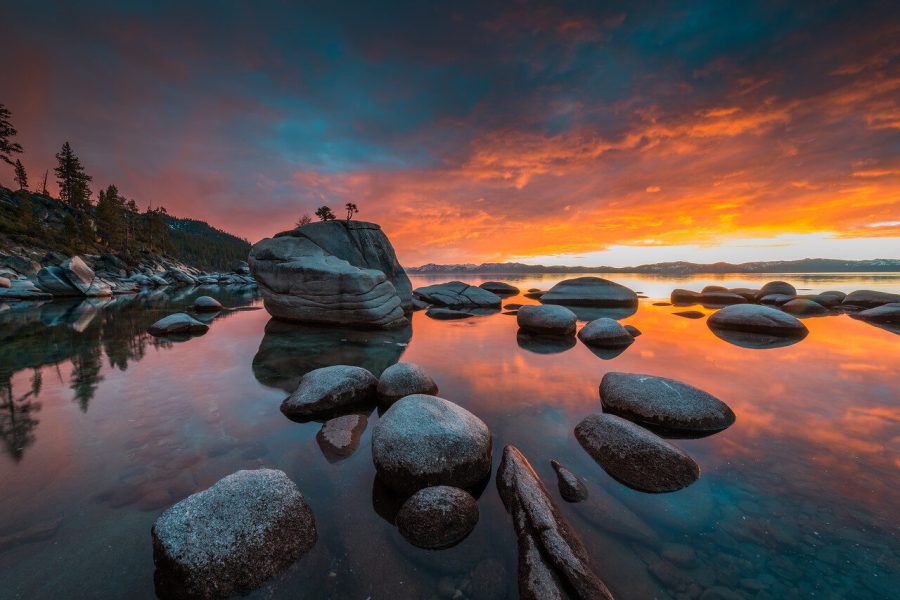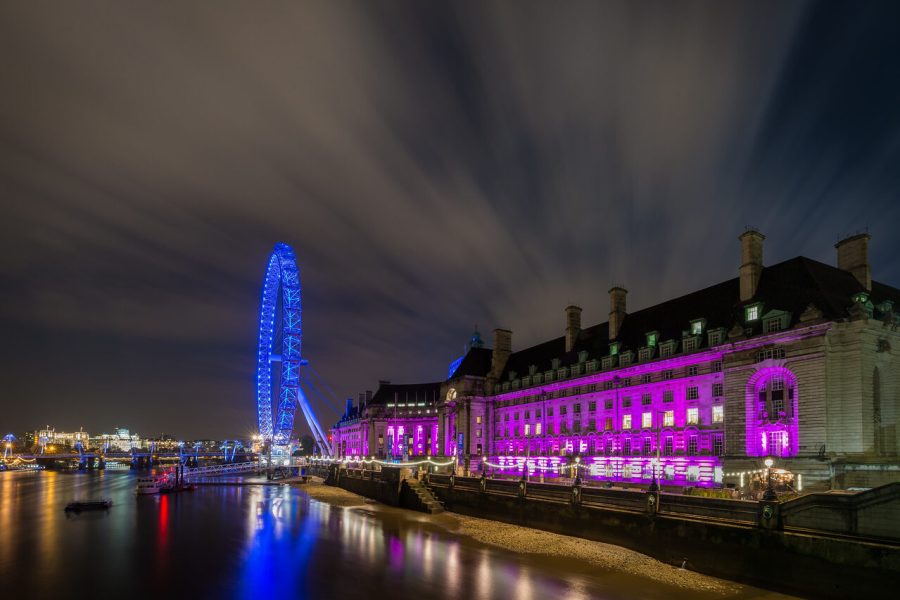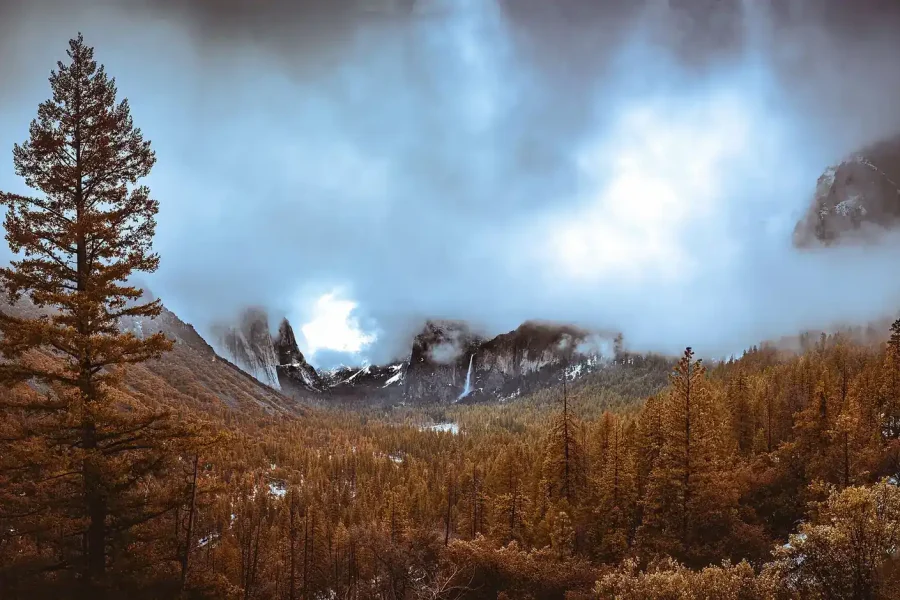
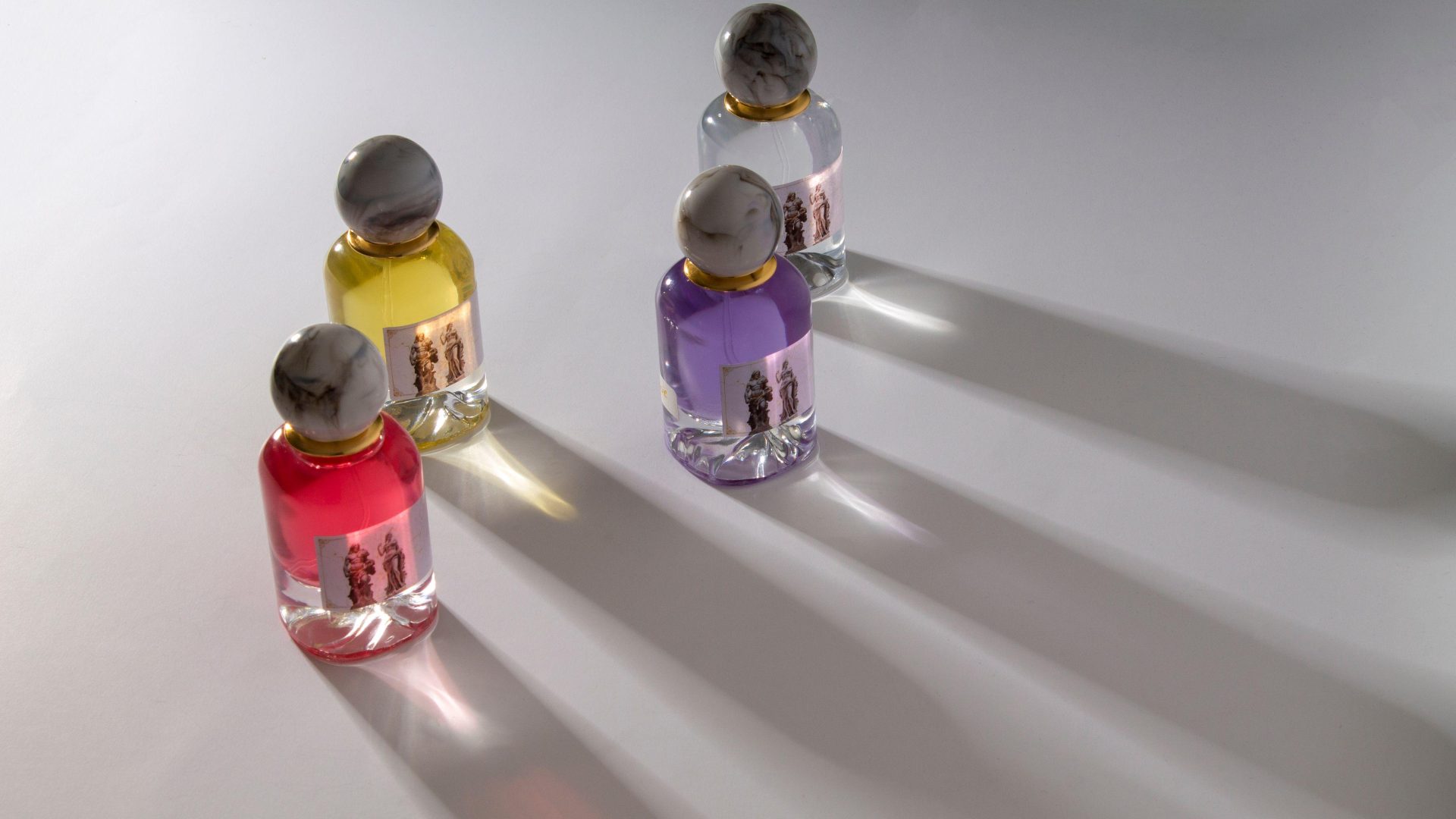
Featured photograph: Photo by Youssef Samuil via Pexels (source; Pexels license). (Stock photo, illustrative.)
Your photography niche should give you something useful to do with a camera, not a label to defend forever. Start with the work you want to make and the conditions you are willing to work in. Then test it. A genre that looks exciting in someone else’s feed can feel very different when you have to plan, shoot, edit and deliver it yourself.
You do not need to abandon every other interest. You need a clear next direction. Pick a small project, use the equipment you already have where possible and keep a record of what the work actually asks of you. That is more useful than buying an entire kit for an imagined career.
Separate the subject from the working day
Liking a subject and liking the work around it are different things. You might love restaurant photographs but dislike arranging props and working around service. You might enjoy wildlife images but not the waiting, travel or uncertainty. Make room for that distinction before deciding that enthusiasm for the finished picture is enough.
Write down the conditions you enjoy. Do you like directing a session or observing without interruption? Can you return to the same subject repeatedly? Do you prefer a controlled tabletop or a changing outdoor location? These questions are not personality tests. They are a way to design a project that can reveal what fits.
Think about the less visible tasks too. Planning access, communicating with people, carrying equipment, managing files and making revisions are part of photography. If you only evaluate the few seconds around pressing the shutter, you leave out much of the work you would be choosing.
Make a short list of two or three areas to test, not a ranking of every photography genre. Describe each one in practical terms. Instead of simply writing product photography, try a small set of objects photographed for clear shape, color and detail. A concrete exercise gives you something to finish and compare.
 Save
Use a small project to find the real difficulty
Choose a project you can complete with accessible subjects and a manageable output. A series of botanical details, a few dishes you can prepare, or the shapes of nearby buildings can all become useful exercises. The project should be small enough that you can repeat it after learning from the first attempt.
Give it a brief. Name the subject, intended viewer, presentation and deadline you set for yourself. Decide what a finished set needs to communicate. Without a brief, it is easy to make a few attractive frames and never find out whether you can produce a connected series.
Keep the first equipment plan modest. Check what the existing camera and lens can do before naming the next purchase. If you cannot get the required framing, light or working distance, write down the limitation. Separate a tested equipment gap from something you have only read that photographers are supposed to own.
After the session, evaluate both the pictures and the process. Which parts were enjoyable enough to repeat? Where did you lose time? What failed because of technique, preparation or access rather than equipment? Those notes help you choose the next exercise and make any later purchase more specific.
Look closely at what each genre asks you to control
For product work, begin with the object and its surfaces. A bottle, watch or ceramic cup creates different reflection and texture problems. Try changing the light and background while keeping the camera position consistent. Compare whether the shape stays clear and whether highlights help or obscure the object. Do not claim commercial results from a single practice set.
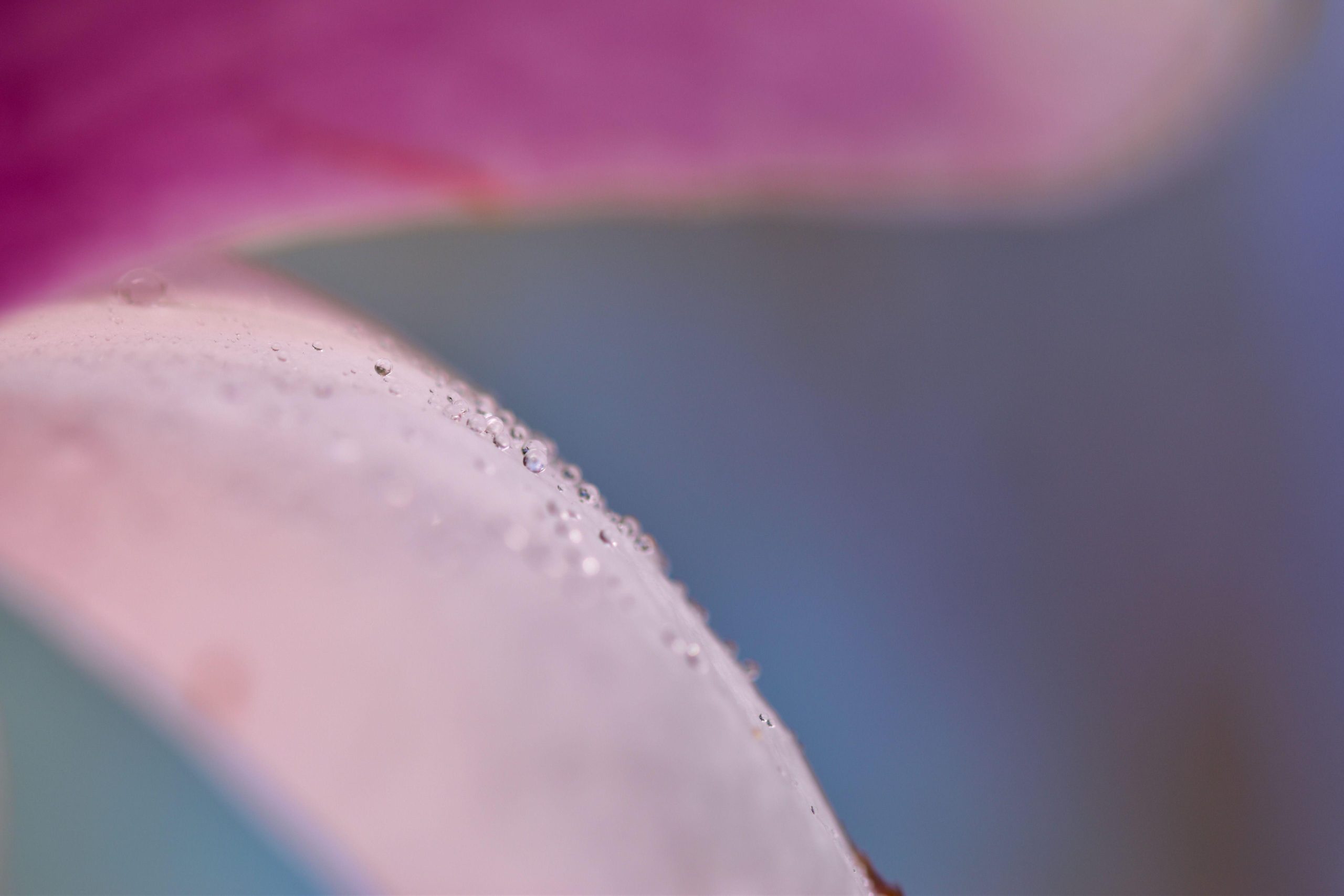
For close-up work, test how working distance, depth of field and support affect the picture. A flower detail can reveal a lot about patience and precision. Keep notes on what is sharp and where movement interferes. You do not need to identify a photograph as a particular magnification unless you have the information to support it.
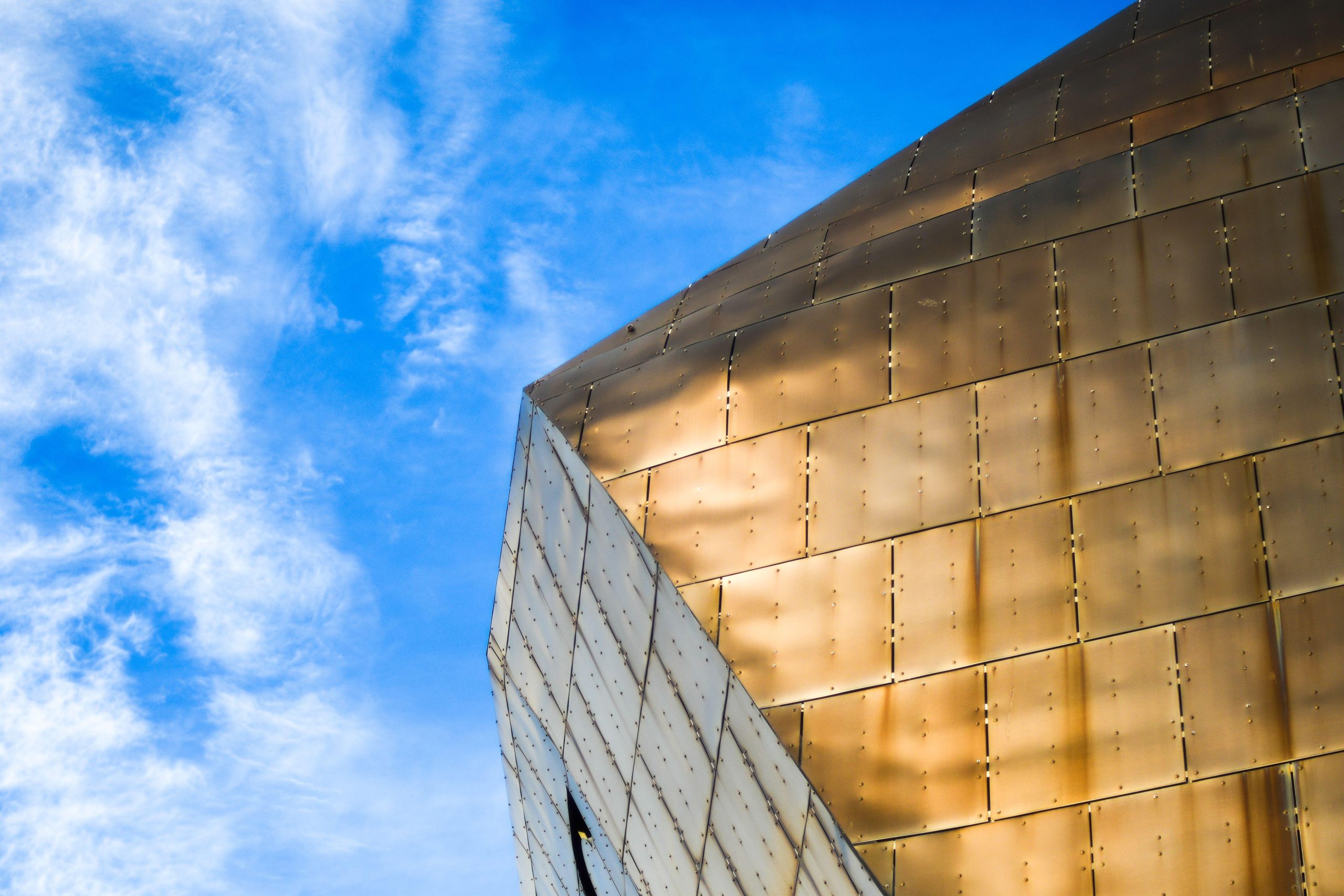
Architecture asks you to notice edges, spacing and the relationship between the building and the frame. Start from a place where you are permitted to stand and photograph. Compare an overall view with a tighter detail. If you later pursue commissioned work, the brief and access arrangements will add requirements beyond this personal exercise.
 Save
Test food and still life without confusing styling with photography
A tabletop exercise lets you change one thing at a time. Choose a dish or object, establish a background and make a first frame. Move the light or the camera and compare the result. Look at reflections, distracting edges, the balance of the frame and whether the subject is easy to read.
Record what you changed. If every frame has a different plate, light, angle and background, it can be hard to tell why one works better. A simple comparison teaches you more than a large folder of unrelated variations. Keep the strongest result alongside a few test frames for your own notes.
Be honest about the skills involved. Preparing food, choosing props and arranging a set are separate contributions that can affect the image. When you show collaborative work, describe your actual role. A future client should understand what you can provide yourself and what would need another person.
If this becomes a business direction, test the delivery as well as the capture. Can you make a consistent group of photographs rather than one hero image? Can you prepare the requested files and find them later? The first useful question is whether you can repeat the result under a clear brief, not whether the niche sounds profitable.
 Save
Evaluate outdoor work against your real access and routine
Outdoor subjects add changing light, weather and access to the exercise. Choose somewhere you can visit responsibly and verify any rules that affect your plan. A beautiful photograph online does not establish permission to stand at the same position or use the same equipment there today.
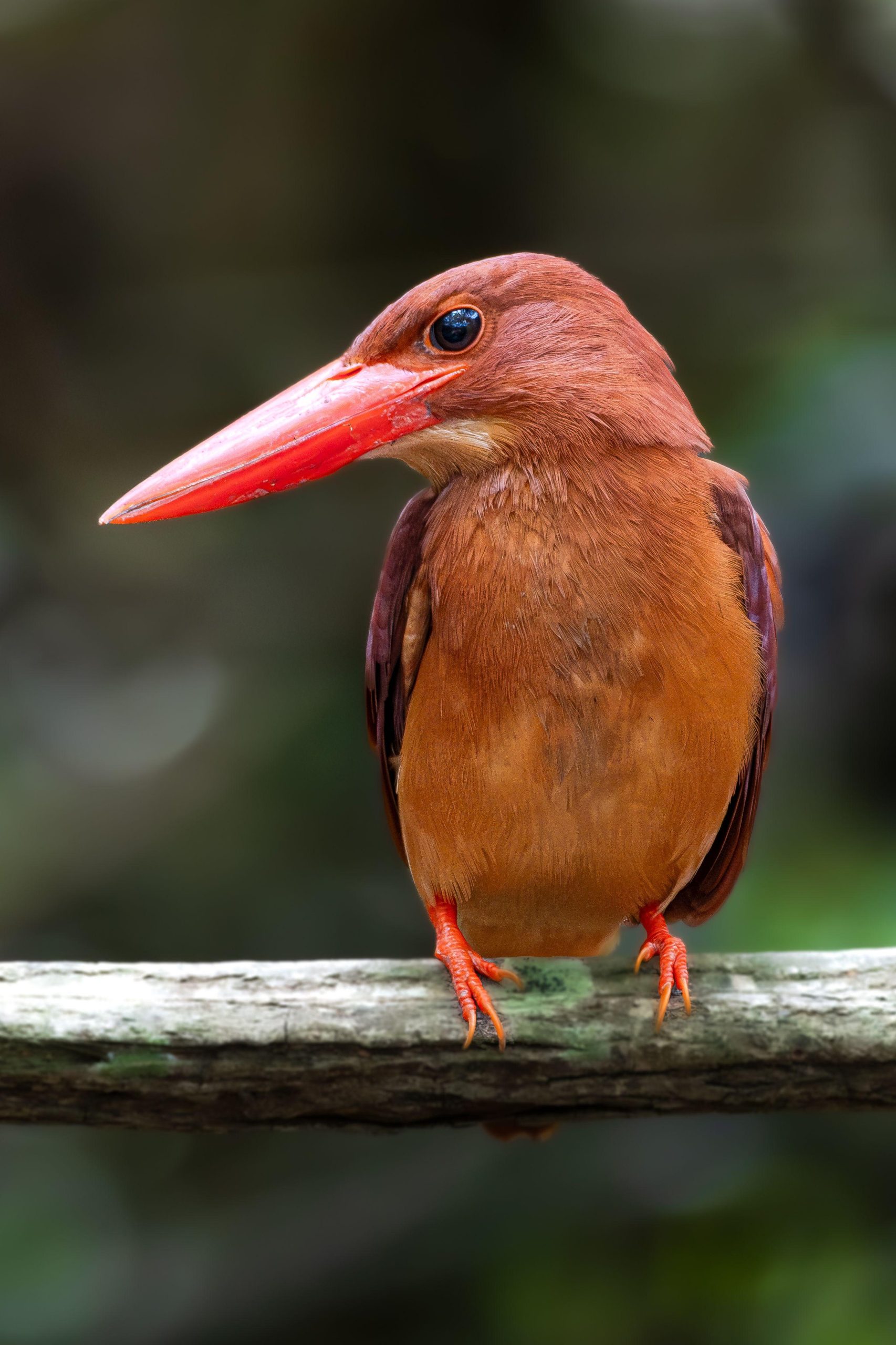
For wildlife, begin with observation and distance rather than a promised close-up. Do not use baiting, crowding or disturbance as a shortcut to a portfolio frame. Follow the site’s rules and appropriate local guidance. If the subject does not appear or the safe position is farther away, that is part of the work you are testing.
Keep the travel and preparation record alongside the photographs. A direction that only fits your life on a rare holiday may be a satisfying personal project without being your main service. That is not a failure. Choosing a niche is partly about deciding what you can sustain, not simply what you admire.
Review your response to an unproductive session. Were you still interested enough to study what happened and return with a better plan? Do you enjoy the process even when the subject or light does not cooperate? The answer is useful evidence, but it does not lock you into or out of the genre permanently.
 Save
If you want paid work, research a specific buyer
A personal interest becomes a business question only when you decide to sell something. Define the service before trying to judge demand. A local restaurant image set, a property listing assignment and a print collection are different offers. Each needs its own audience, delivery plan and evidence.
Look at the actual market you intend to serve. Identify the kinds of organizations or people who buy the work and how they currently present their images. Study competing offers for scope and positioning, not as proof that you should copy their prices or promises. Public marketing does not reveal another photographer’s profit or workload.
Keep assumptions separate from findings. A list of businesses is not a list of clients, and a crowded field does not by itself prove that no opportunity exists. Write down what you still need to learn, such as the expected output, purchasing process or frequency of work. Do not turn an unanswered question into a confident sales forecast.
Before committing money, outline the real costs and time for the service you want to test. Include preparation, editing, delivery and any required outside help or access. Check actual terms when a job requires a rental, insurance or permission. A photography niche is not a financial guarantee, and this exercise is not a substitute for business or legal advice.
Build a focused portfolio from the experiment
Select photographs that demonstrate the direction you want to pursue. Show enough variation to explain your skills without repeating near-identical frames. If the project is self-directed, say so. It can still show useful ability without being described as a commissioned campaign.
Keep unrelated experiments in separate groups. You can maintain several interests while giving a potential viewer a clear route to the relevant work. Your opening sequence should make the offer understandable rather than asking the viewer to guess which of your many subjects you want to photograph for them.
Use feedback to test clarity. Ask someone what kind of work they think you offer after seeing the edit, which photographs communicate it and where the set feels inconsistent. Specific observations are more useful than general praise. Return to the project brief when deciding which suggestions to apply.
The photography portfolio workflow walks through selecting and sequencing an edit. Keep a dated version of the selection and exports. When new work arrives, compare it with the current set instead of adding every new photograph automatically.
 Save
Choose the next test, not a permanent identity
At the end of the project, write a short review. List what you enjoyed, what you could repeat, which skills need practice and what the work would require that you do not currently have. Use actual examples from the session rather than broad statements about being a creative or technical person.
Choose one next step. That might be repeating the same brief with better control of light, photographing a second subject under the same conditions or testing a different genre entirely. A useful decision creates a manageable task. It does not require announcing a new brand or purchasing a complete kit immediately.
If you decide to pursue the direction as a service, build the workflow around what you can deliver reliably. The photography business equipment plan helps connect purchases to actual assignments rather than a generic shopping list. Protect the files and test the delivery process before promising a finished product.
You can revise your direction when the evidence changes. Keep the experiment notes so that change is informed rather than another reaction to someone else’s photographs. A niche is useful when it helps you make better work, explain your offer and choose the next project. It stops being useful when the label becomes more important than the photographs.
Sources and further reading
Business planning reference: the U.S. Small Business Administration market research and competitive analysis page. Project exercises and editing suggestions are practical guidance, not income forecasts. Illustrative photographs use the Pexels license; individual sources are credited with each image.
Frequently asked questions
How do I choose a photography niche?
Start with two or three directions you can test through small finished projects. Compare the photographs and the working process, including planning, access, editing and delivery. Choose the next project from those results rather than treating a genre label as a permanent identity.
Do I need to specialize in only one type of photography?
You can keep several interests. A focused portfolio or service should give its intended audience a clear route to relevant work. Separate unrelated projects when that makes the offer easier to understand rather than mixing every experiment into one gallery.
Should I buy equipment before choosing a niche?
Test the equipment you already have first where it can safely meet the exercise. Record specific limits in framing, light or working distance before considering a purchase. Check exact compatibility and current terms for anything you later decide to rent or buy.
How can I test whether a niche suits me?
Set a small brief with accessible subjects and a defined output. Finish the shoot, edit and delivery, then write down what you enjoyed, what failed and what you could repeat. Test again with a clear change rather than judging the entire genre from one attractive frame.
How do I research demand for a photography service?
Define the buyer and deliverable, then investigate that particular market. Study competing offers and identify the questions you still need to answer about scope and purchasing. A list of possible buyers or visible competitors is not evidence of guaranteed sales or profitability.
Can personal projects help build a niche portfolio?
Yes. A well-edited personal project can demonstrate relevant skills. Label it as self-directed rather than claiming it was commissioned, describe your actual role in collaborative work and make sure you are permitted to publish the photographs in the intended context.
Equipment references for the workflow
Start with the files and equipment you have. These storage references are optional tools for capture and file handling, not a requirement for choosing a niche or the equipment used in the illustrative photos. Check current specifications and compatibility on the linked pages.
- SANDISK 128GB Extreme PRO UHS-II SDXC Memory Card: An optional capture-media reference for a practice project. Confirm the card type and recording requirements in your exact camera manual before buying.
- Samsung 2TB T7 Shield Portable SSD (Black): A portable storage reference for organizing or copying project files. Check your computer connection and actual capacity needs. A single drive is not a complete backup plan.
Affiliate disclosure: if you buy through these B&H links, Shut Your Aperture may earn a commission at no extra cost to you.