Updated October 2026
Sports photography is a speed problem. The play lasts a fraction of a second, the light is often bad and you only get one chance. The right camera tracks the subject, fires fast and keeps shooting.
The best camera for sports photography in 2026 depends on what you shoot and how much glass you can carry. We compare the Sony A9 III, the Canon EOS R6 Mark III and the Nikon Z6 III. The A9 III is the specialist, the R6 Mark III is the all-rounder and the Z6 III is the one that stays reasonable on price and size. The lens matters as much as the body: a fast telephoto is the real cost.
 Save
What matters for sports
Autofocus tracking, shutter speed and buffer depth come first. A camera that holds focus on a moving player matters more than a big megapixel count. Fast frame rates help, but only if the camera keeps tracking between frames. Look at low-light performance too, since indoor courts and evening fields push ISO.
Be honest about your lens plan. Field sports usually need a long, fast telephoto; courts and arenas often work with a 70-200mm. Budget for the lens first and then pick the body that fits it.
Sony A9 III: the specialist
Sony’s official A9 III specifications list approximately 24.6 megapixels, an electronic shutter only, AI subject recognition that includes humans, animals, birds and vehicles, a Pre-Capture feature and two slots that take SD or CFexpress Type A. It weighs about 702 g with battery and card. It costs far more than the other two, so it makes sense if you shoot sports for pay or often.
 Save
Canon EOS R6 Mark III: the all-rounder
Canon’s official R6 Mark III specifications list approximately 32.5 megapixels and Dual Pixel CMOS AF II with subject detection for people, animals and vehicles. It shoots up to approximately 12 frames per second with the mechanical shutter or electronic first curtain and up to 40 with the electronic shutter, under Canon’s stated conditions. The extra resolution lets you crop in when you can’t get close.
 Save
Nikon Z6 III: the value pick
Nikon’s official Z6 III specifications list 24.5 megapixels, continuous high speed up to about 8.1 fps with the mechanical shutter and up to about 20 fps with the electronic shutter in extended mode, high-speed frame capture up to about 120 fps and Pre-Release Capture. It suits you if you already own Z lenses or want a lower entry price than the A9 III.
 Save
The three cameras side by side
These figures come from each maker’s published specifications and are maximums under their stated conditions. Real results depend on your lens, card and settings.
| Sony A9 III | Canon EOS R6 Mark III | Nikon Z6 III | |
|---|---|---|---|
| Effective megapixels | About 24.6 | About 32.5 | 24.5 |
| Top burst | Up to 120 fps (Hi+) | Up to 40 fps electronic, with 20 frames of pre-continuous shooting | About 20 fps in extended high speed with the electronic shutter, up to about 120 fps in high-speed frame capture |
| Shutter | Electronic only, up to 1/80000 sec | Mechanical and electronic | Mechanical and electronic |
| Flash sync | 1/500 sec (see Sony’s notes) | See Canon’s specifications | 1/200 sec or slower, Auto FP supported |
| Card slots | Two, each SD or CFexpress Type A | CFexpress Type B + UHS-II SD | CFexpress Type B / XQD and SD |
| Weight with battery and card | About 702 g | See Canon’s specifications | See Nikon’s specifications |
Sources: Sony A9 III, Canon EOS R6 Mark III and Nikon Z6 III.
Recommended starting settings for sports
We built these from the makers’ specifications, not from a sports shoot with all three bodies, so treat them as starting points and test them at your venue.
| Sport | Shutter speed | Aperture | ISO |
|---|---|---|---|
| Soccer, football, baseball (daylight) | 1/1000 to 1/2000 | f/2.8 to f/4 | Auto, 100 to 3200 |
| Basketball, volleyball (indoors) | 1/800 to 1/1000 | f/2.8 | Auto, up to 6400 or 12800 |
| Motorsport, cycling | 1/1000 or faster, or 1/250 to pan | f/4 to f/8 | Auto, 100 to 1600 |
| Swimming, gymnastics | 1/1000 | f/2.8 | Auto, up to 6400 |
Use shutter speed first. Put the camera in shutter priority or manual with Auto ISO, set the aperture wide for the lens, and let ISO float. Start with continuous AF, subject detection for the people or vehicles you shoot, and a high-speed burst.
Autofocus settings that work for sports
All three bodies list subject detection for people and other subjects. Turn it on and use a wide or tracking area for open play, then switch to a smaller zone when the action is crowded, such as under a basket. Tell the camera where to look: many sports have predictable places, such as the base of a baseball diamond or a finish line. Test how the camera handles a player passing in front of another and adjust the tracking sensitivity if your body offers it.
Shutter type: why the A9 III is different
Sony lists the A9 III as electronic-shutter only with a top shutter speed of 1/80000 sec and flash sync up to 1/500 sec. That avoids most of the problems that other electronic shutters have with moving subjects, and it lets you use very fast shutter speeds in bright light. It is also why the camera costs so much. The R6 Mark III and Z6 III let you choose a mechanical or an electronic shutter. Electronic shutters can show banding under some LED arena lights, so test them at your venue.
Pre-capture and burst: catching the moment
Canon lists 20 frames of pre-continuous shooting on the R6 Mark III, Nikon lists Pre-Release Capture on the Z6 III and Sony lists Pre-Capture on the A9 III. These features record frames from before you press the shutter all the way, so you catch a bat hitting a ball or a goal being scored even if you were a fraction late. Use them for sudden action, and cull heavily afterward, since a long burst fills a card quickly.
Lenses: the real cost
- 70-200mm f/2.8: the standard for courts, arenas and close field action.
- 300mm f/2.8 or 400mm f/2.8: large and costly, for pro field sports.
- 100-400mm or 200-600mm zooms: a lighter, cheaper way to get reach outdoors.
- 85mm f/1.8 or a similar fast prime: a budget option for indoor sports.
A fast lens lets you keep the shutter speed up in dim gyms and at night games. Check that a lens works fully with your body, and rent before you buy.
Shooting tips from the sideline
- Know the sport. Anticipating the play beats chasing it.
- Get low for a stronger angle, and watch the background.
- Shoot the faces and the reactions, not only the ball.
- Keep both eyes open so you see what is coming into the frame.
- Use a monopod for long lenses. It saves your arms over a game.
- Ask about venue and league rules for cameras and lenses.
Editing sports photos
Crop to tighten the action, fix exposure and white balance, and watch for mixed lighting indoors. Batch your edits, because a game produces thousands of frames. Our Lightroom guide covers fast workflows, and our camera buyer guide helps you compare bodies.
Sports camera questions
What is the best camera for sports photography in 2026?
It depends on budget and sport. The A9 III is the specialist, the R6 Mark III is the all-rounder and the Z6 III is the value pick.
What shutter speed should I use for sports?
1/1000 to 1/2000 for most field sports, 1/800 to 1/1000 indoors, and slower for panning.
Do I need a global shutter for sports?
No. It helps with distortion and flash sync, but most sports work fine with a mechanical or tested electronic shutter.
What lens is best for sports?
A 70-200mm f/2.8 for courts and arenas, and a 100-400mm or longer lens for outdoor fields.
How fast does a sports camera need to shoot?
Autofocus tracking matters more than burst rate. Many photographers use 10 to 20 fps for most sports.
Who should buy which camera
The Sony A9 III suits working sports photographers and serious enthusiasts who shoot fast action often. It lists an all-electronic shutter, up to 120 fps in Hi+ and two card slots that take SD or CFexpress Type A. The price is high, and so is the weight of the lenses you will pair with it.
The Canon EOS R6 Mark III is the better choice if you also shoot portraits, weddings or video. It gives you 32.5 megapixels for cropping, a fast electronic burst and a mechanical shutter. It sits in the middle on price and handles most sports well.
The Nikon Z6 III is the value pick. Nikon lists 24.5 megapixels, a high-speed frame capture mode and Pre-Release Capture. It makes sense if you already own Z lenses or want a lower entry price, and its speed is enough for most amateur and local sports.
Handling a long game
A game can last hours, and you will shoot thousands of frames. Bring spare batteries, since fast bursts and long sessions drain them quickly. Bring two fast cards, format them before you start and swap them at half time. Back up the files that night to two places. Keep a lens cloth in your pocket for dust and rain, and carry a light rain cover for outdoor games.
Working with bad light
Indoor courts and night fields are the hardest places to shoot. Open the aperture, raise ISO as high as you can accept and keep the shutter at 1/800 or faster. Set a custom white balance if the lights are mixed, or shoot RAW and correct it later. Watch for flicker under some LED and fluorescent lights, which can cause banding with an electronic shutter. Test a few frames before the game starts so you know what you are dealing with.
Panning for motion
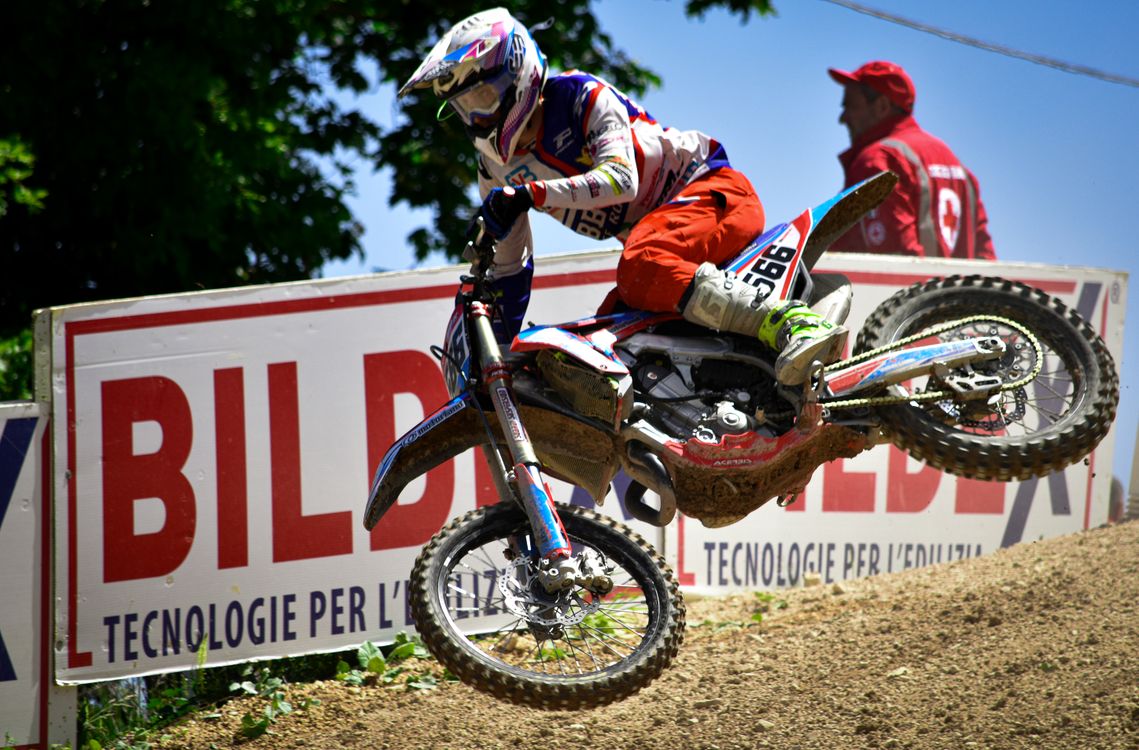
Not every sports photo needs to freeze the action. A slower shutter speed of 1/125 to 1/250, with a smooth pan that follows the athlete, keeps the subject sharp and blurs the background into streaks. It works well for cycling, motorsport and track events. Use continuous AF, shoot a burst and expect many misses. Practice on passing cars first, and check your keepers to see which shutter speed gave you the best mix of sharp subject and streaked background.
Common sports photography mistakes
- Choosing a body before planning the lens
- Shooting at 1/500 and getting motion blur on arms and legs
- Using a wide tracking area in a crowd and following the wrong player
- Letting the buffer fill and missing the moment
- Skipping a monopod and losing the last quarter to tired arms
How to choose
Pick the A9 III if you need the fastest, most dependable body and it fits your income. Choose the R6 Mark III for a balance of speed, resolution and price across many sports. Take the Z6 III if you want strong speed at a lower price or already shoot Nikon. For another view, see PetaPixel’s mid-range showdown, which covers the R6 Mark III and Z6 III alongside the Sony A7 V.
Whatever you buy, spend the time learning your autofocus settings. A well-set mid-range body beats an expensive one left on defaults.
 Save
Want to go further? The ShutYourAperture Academy’s Wildlife in Motion (6 modules, 24+ lessons) is built to help you freeze a sprinting cheetah and track birds in flight with confident autofocus and shutter control.
Gear box: the three cameras
- Sony A9 III on Amazon | on B&H
- Canon EOS R6 Mark III on Amazon | on B&H
- Nikon Z6 III on Amazon | on B&H
Affiliate disclosure: We may earn a commission from qualifying purchases through the Amazon and B&H links, at no extra cost to you. Guidance is based on published specifications and reviews, not hands-on testing; photos are illustrative, and prices and stock can change.