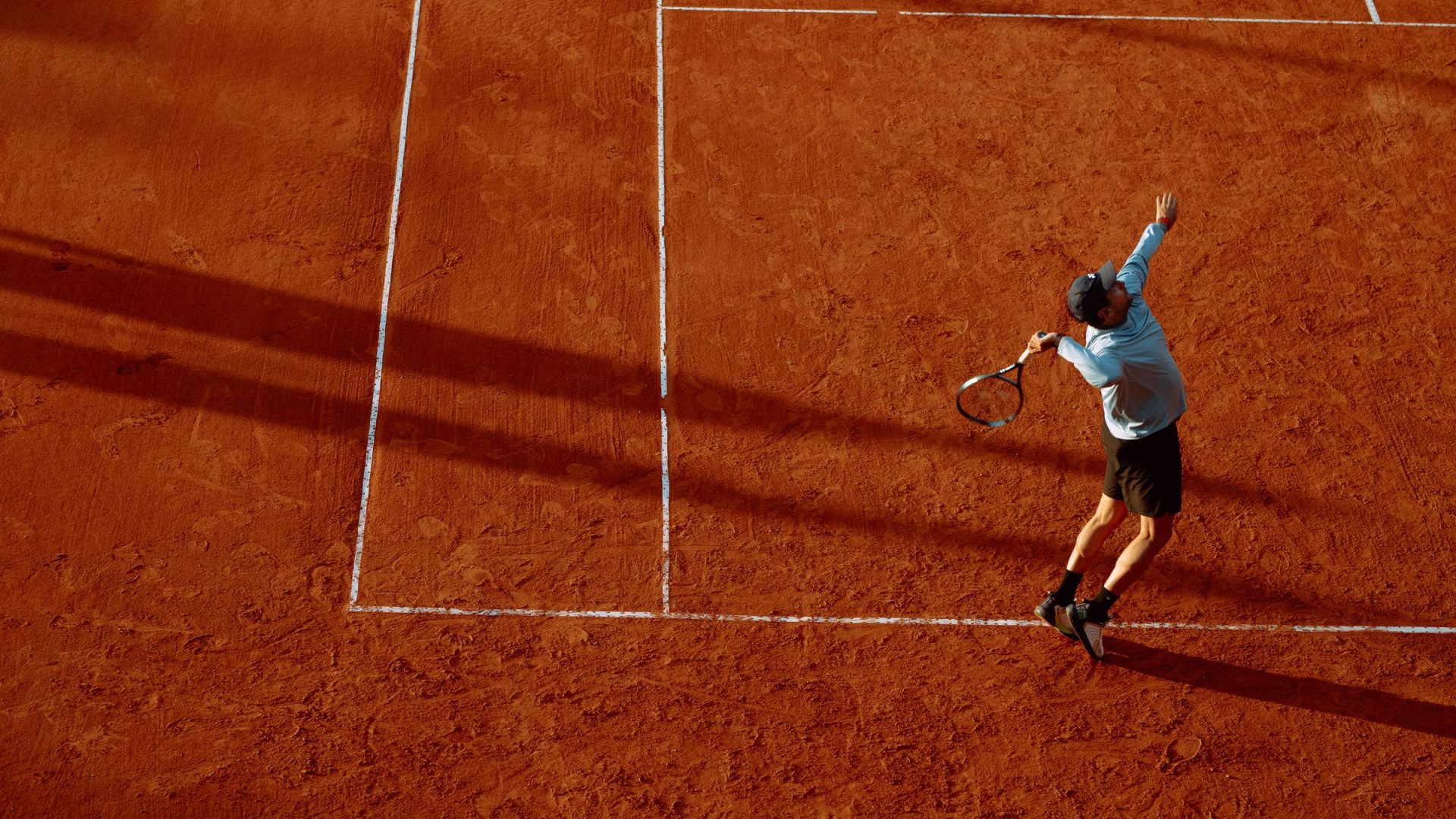
Golden Hour Sports Photography: Settings, Gear, and Real-World Setups
The kid is 12 years old and going in hard. You’ve got the sun dropping over the left-field fence, maybe 25 degrees off the horizon, burning orange. He’s sliding into second base in a cloud of dry infield dirt, and your job is to nail that frame. Your settings: 1/2000s, f/2.8, ISO 800, continuous AF locked on his helmet. The shot works because you knew before the inning started where the light would land, what the sun angle would do to the background, and exactly how to handle exposure when your subject is moving at 15 miles per hour into a rim-lit situation.
That’s golden hour sports photography in practice. It’s not about waiting for pretty light and hoping something athletic happens in it. It’s about anticipating light, knowing which scenarios reward the conditions, and building a technical approach that handles the specific problems golden hour throws at sports shooters — problems that generic photography advice never fully addresses.
Why Golden Hour Is Harder Than It Looks for Sports
Landscape photographers love golden hour because their subjects sit still. Sports photographers face a compound problem: the light is low, subjects are fast, and the window closes in 20 to 40 minutes. What makes it tricky is the combination of factors hitting simultaneously.
Low light forces ISO up. Even at f/2.8 — the minimum aperture you should arrive with — you need shutter speeds fast enough to freeze motion. A sprinter at full stride needs at least 1/1600s. A baseball pitch needs 1/2000s. A motocross rider mid-air needs 1/2500s. At f/2.8 and those shutter speeds, you’re often sitting at ISO 800 to 3200 depending on how low the sun has dropped and whether you’re dealing with open shade from a tree line or stadium structure.
Your autofocus system also takes a hit as light drops. Phase-detection AF on modern mirrorless bodies handles this better than older DSLR systems, but tracking confidence drops in the final minutes before sunset when the EV reading dips below 4. Understanding how aperture controls depth of field and light intake is foundational here — f/2.8 isn’t optional when you’re fighting low light with fast subjects, it’s the baseline.
Backlight is simultaneously your friend and enemy. When you’re shooting with the sun behind the subject, you get the rim-lit hero shot that reads like a cinematic still. You also get a subject who is 4 to 6 stops darker than the background sky. Auto metering will blow the sky and underexpose the athlete. Dial in -1.5 to -2 stops of exposure compensation, or switch to manual and meter off the field surface rather than the sky.
White balance shifts constantly. In the 30 minutes before sunset, the Kelvin temperature moves from roughly 5500K down toward 2800K. If you’re shooting JPEG with auto white balance, your files will color-shift shot to shot within a single burst sequence. Shoot RAW. Full stop. Post-processing white balance on golden hour sports files is non-negotiable, and batch-correcting 400 JPEG frames with a drifting color cast is an avoidable problem.
Settings Cookbook: Four Core Scenarios
Golden hour sports photography isn’t one scenario. It’s at least four distinct lighting situations requiring different approaches.
Backlit Silhouette
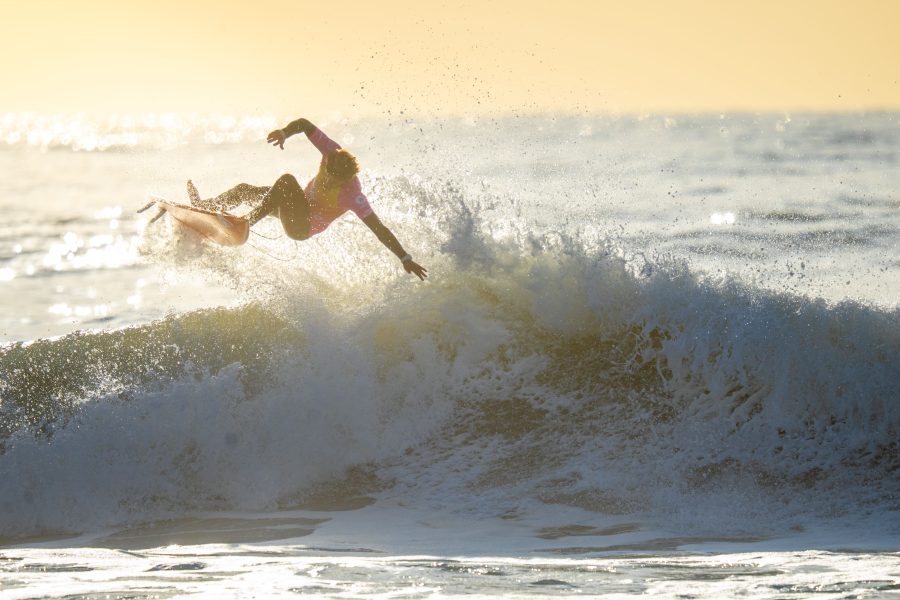
Sun behind the subject, shooter facing into it. The athlete becomes a dark shape against an orange or pink sky. This requires deliberate underexposure: 1/2000s minimum, f/2.8 to f/4, ISO 400 to 800, and -1.5 to -2 stops of exposure compensation from evaluative metering. The silhouette shape only reads cleanly when motion is frozen — a blurry silhouette looks like a mistake, not a creative choice. With the subject backlit, contrast-detect AF can hunt; switch to subject-recognition tracking if your body supports it.
Rim-Lit Hero Shot
The sun is low and to the side-rear of your subject, creating a line of warm light along one edge of the athlete’s body — the shoulder, helmet, or leg kick in a sprint. The front face is lit by ambient reflected light from the ground or stands. Settings: 1/1600s to 1/2000s, f/2.8, ISO 800 to 1600. Set white balance manually to 4500K to 5000K; this keeps the rim light warm without pushing the whole image amber. Position yourself with the sun roughly 150 to 160 degrees relative to your shooting direction.
Wide Ambient Scene
Pull back to a 24mm to 50mm equivalent and shoot the whole field with the golden sky as context — a soccer game at dusk with stadium lights just flickering on, the field glowing. Settings: 1/500s, f/5.6 to f/8 for depth across the scene, ISO 400 to 800. A 2-stop soft ND grad positioned at the horizon brings the sky exposure in range without underexposing the field. This is the one scenario where you’ll actually use a filter system; the exposure difference between field and sky can reach 3 to 4 stops.
Stadium Light Mixing
The problem nobody warns you about. If you’re shooting an evening game that starts before sunset and runs into full dark — high school football, a college softball doubleheader — you’ll hit a transition window where the field is lit by tungsten stadium lights (roughly 3000K) and direct golden sun (roughly 3500K to 4000K). They’re close in Kelvin, which means auto white balance picks poorly, landing somewhere between both and looking right for neither. Set white balance manually to 3800K — a compromise that keeps skin tones readable under both sources. Bracket in +/- 0.7 EV increments during the transition window. Even shooting RAW, expect to make per-photo white balance adjustments on the 15-minute transition sequence. There’s no single setting that nails every frame here.
Read through the shutter speed fundamentals if you’re still calibrating instincts for telephoto sports work — the relationship between shutter speed, subject velocity, and focal length is the axis everything builds from.
The Gear That Earns the Slot
For golden hour sports specifically, there’s a short list of equipment that genuinely changes what’s possible.
Fast Telephoto Primes
For field sports at distance, the Canon RF 400mm f/2.8 L IS USM is the working shooter’s standard. The 5.5-stop image stabilization helps on the micro-shake axis when you’re on a monopod tracking unpredictable movement. It’s the lens you use when you need to be at 400mm with f/2.8 throughput in fading light.
The Sony FE 300mm f/2.8 GM OSS gives E-mount shooters a genuinely handholdable super-telephoto at 3.2 pounds — lighter than nearly every 400mm f/2.8 on the market and well-suited to photographers covering multiple events in a single day. The 300mm focal length is more versatile than 400mm for sports where action ranges widely, and it accepts Sony’s 1.4x and 2.0x teleconverters when you need extra reach.
For photographers building toward that tier, the Sony FE 70-200mm f/2.8 GM OSS II (or Canon RF 70-200mm f/2.8 equivalent) covers a massive range of field sports situations where you have sideline access or are positioned within 50 meters of the action. The 200mm end at f/2.8 in golden light is a strong combination — enough reach, enough aperture, and the zoom flexibility to compose quickly as athletes move toward and away from you.
Bodies: Three Features That Matter
Dual card slots. A simultaneous write to CFexpress Type B (primary) and SD UHS-II (backup) means you don’t lose a golden hour sequence to a card failure. The Canon EOS R3, Sony A1, Nikon Z9, and Canon R5 Mark II all offer this. There’s no excuse for single-slot bodies on paid assignments.
High burst rate with a deep buffer. Golden hour is short. When the light is exactly right, you need to run a long burst without the camera locking up to clear the buffer. The Canon R3’s 30 fps electronic shutter with 150-frame raw buffer and Nikon Z9’s 20 fps with essentially no blackout are the current benchmarks.
Subject-recognition AF. Canon’s iTR AF, Sony’s Real-time Recognition AF, and Nikon’s 3D-tracking subject detection handle backlit and rim-lit scenarios better than older phase-detection systems because they track the person contextually, not the edge of contrast. A backlit athlete drops in contrast significantly; subject-recognition AF doesn’t care.
Monopod
For any telephoto over 300mm, a monopod is non-negotiable for sustained shooting sessions. Hand-holding a 400mm f/2.8 for 45 minutes costs you sharpness through muscle fatigue, even with IS. A monopod also lets you track vertical motion — a receiver going up for a catch, a high jumper clearing the bar — without tripod constraints.
The Gitzo GM2542 Series 2 Carbon Fiber Monopod is the working professional standard: 1.1 pounds, supports up to 77 pounds, closes to 21 inches. The G-Lock Ultra twist locks deploy and secure in a single motion. Carbon fiber at this weight class doesn’t conduct cold the way aluminum does — meaningful at a November high school football game. The pivoting rubber foot at the base lets you lean slightly without skidding on turf or hard court.
If you prefer a ball head mount at the top rather than direct lens foot attachment, the Manfrotto Carbon Fiber XPRO Monopod offers flip-lock sections and compatibility with Manfrotto’s fluid base for smooth horizontal panning across the frame.
Sport-Specific Notes
Soccer
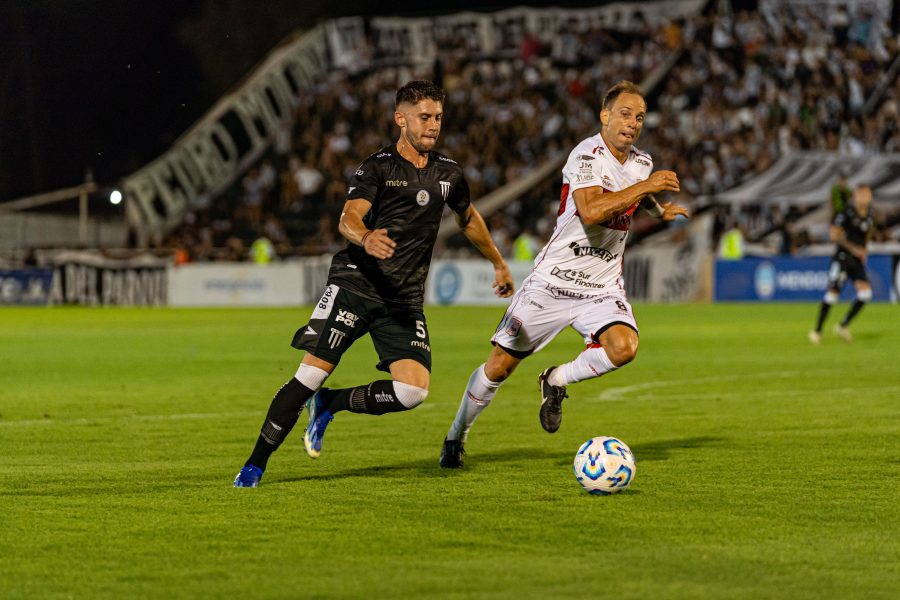
Position yourself with the sun quartering behind your end of the field, not directly behind you — that gives you rim light on players moving toward you rather than dead backlight. The 70-200mm f/2.8 handles most situations from the end line with sideline access. Scout the venue’s orientation before committing to a shooting position; a southwest-facing goal in a west-running field is entirely different from a north-south-oriented pitch at the same time of day.
Baseball and Softball
The batter’s eye (dark background behind the pitcher’s mound) creates a clean separation situation: batters and pitchers against a dark structure with golden sidelight or backlight. Rim-lit pitcher sequences separate cleanly from the background without shallow depth of field doing the heavy lifting. For base action, the sun often places directly over the outfield wall during late-afternoon golden hour in spring and fall — that’s where you get the silhouette slide shot described at the top of this piece. Set up 30 feet down the first base line with a clear sightline to second base, and wait.
Track and Field
Track is the most positionally predictable sport in the discipline. You know exactly where sprinters will run, where jumpers will land, where distance runners will pass your position. For a track meet at golden hour, a 300mm prime from the infield gives you rim light on the 100m finish, the long jump runway, and the high jump approach simultaneously if you’re positioned correctly. Hurdlers in golden side light read particularly well — the extension of the lead leg makes a clean shape against the track surface.
Surfing
Surfing is technique-dependent because you’re dealing with a low, fast subject against a reflective surface that amplifies sunset light unpredictably. From the shore with a 400mm prime, spot meter on the surfer’s wetsuit or board — not the water surface. The reflected golden light off the wave face will fool evaluative metering into underexposure. Expect ISO 1600 to 3200 in the last 15 minutes of light. From a jetty position with the sun at 45 degrees, you can get tube shots where the inside of the wave is lit from behind — the golden version of a barrel shot is worth the setup complexity.
Motocross
MX tracks have predictable jump sequences where you can pre-focus or set tracking AF on an approach zone. In golden hour, the dust kicked up by bikes becomes a visual element — backlit at the right angle, roost (debris thrown by rear wheels) glows orange against shadow. Position yourself low, shooting up at a jump with the sun at 20 to 30 degrees above horizontal directly behind the jump, and you get riders backlit against sky with dust halos. Use 1/2500s minimum for bikes in the air — at 50+ mph over a jump, 1/2000s gives slightly soft wheels that can look like a mistake rather than intentional motion blur.
Rodeo
Evening performances in outdoor arenas at summer rodeos often hit golden hour in the first two events. The arena fence gives you a stable position for a monopod, and the 300mm f/2.8 or 70-200mm f/2.8 covers the central arena. Bull riding in golden light is the money sequence: ISO 1600 to 3200 at 1/2000s, shooting from the low gate position opposite the sun gives you rim light on both bull and rider through the entire 8-second ride. Barrel racing benefits from the 70-200mm at the wide end — 70 to 100mm at close range gives you horse and rider at maximum lean with the golden arena dirt catching the low sidelight behind them.
Post-Processing: The White Balance Trap
Golden hour sports work often falls apart in post — not because of bad field decisions, but because shooters treat the files like any other outdoor shoot.
The tungsten-sun mixing problem. The stadium transition window creates a white balance situation that can’t be solved with a single slider. If you shot the transition period in RAW, auto-select white balance adjustments across the sequence and manually correct outlier frames. The problem frame is the one where one side of the field was in shadow (tungsten only) and the other was still in direct sun — two color temperatures in a single frame. No global white balance correction fixes both sides. The only practical solutions are local masking adjustments or accepting one side will be slightly off in those frames.
Avoid the orange push. Golden hour files shot at the right settings are warm but not orange. If your results look like someone applied an “autumn” preset at 100%, you’re overcorrecting for perceived flatness. Skin tones should be warm but not amber. Grass should be golden-green, not brown.
Noise reduction at high ISO. At ISO 1600 on modern full-frame sensors, noise is visible but not objectionable at full resolution. Luminance NR at 30 to 40 in Lightroom handles it without destroying micro-contrast. At ISO 3200, raise luminance NR to 45 to 55 with mild sharpening masking. AI-based noise reduction — Lightroom Denoise, DxO DeepPRIME — works significantly better than slider-based NR on the 1600 to 3200 range, and is worth the processing time on client-facing work.
Highlight recovery. If the sun disk is in frame, those highlights are clipped — that’s fine. Recover the near-sun sky with a Highlights pull to -70 to -90. For rim light bloom on the athlete, use the Tone Curve rather than the Highlights slider — a slight pull-down of the top third of the highlights curve controls bloom without flattening the whole image.
Understanding how ISO affects your image’s noise floor and dynamic range connects directly to these post-processing decisions — how aggressively you need to correct is a function of how well you managed ISO in the field.
Quick Reference: Golden Hour Sports Settings
| Scenario | Shutter | Aperture | ISO (starting) | White Balance |
|---|---|---|---|---|
| Backlit silhouette | 1/2000s | f/2.8 | 400–800 | Auto or 5000K |
| Rim-lit hero | 1/1600–1/2000s | f/2.8 | 800–1600 | 4500–5000K manual |
| Wide ambient scene | 1/500s | f/5.6–f/8 | 400–800 | 5000K |
| Stadium light mixing | 1/1000–1/2000s | f/2.8 | 1600–3200 | Manual 3800K |
| Motocross airborne | 1/2500s+ | f/2.8 | 800–1600 | 4500–5000K |
| Surfing (water surface) | 1/2000s+ | f/2.8 | 1600–3200 | 5500K, spot meter |
The Field Protocol That Makes It Repeatable
Arrive 45 minutes before golden hour. Locate the sun’s position relative to the field using PhotoPills or The Photographer’s Ephemeris before you get there — know which side of the field gives you rim light on outgoing action versus dead backlight. Position yourself based on the scenario you’re shooting, not where other photographers set up by default.
At the start of golden hour, lock in your base settings: ISO 800, 1/2000s, f/2.8, subject tracking AF active. Shoot a short test burst and check the histogram in the first three minutes. Adjust from there. Don’t chimp again until the light changes significantly — every time you’re looking at your rear screen, action is happening in front of you.
Keep the monopod deployed. You don’t pack it down to move 20 yards down the sideline — you move with it deployed, use it as a walking staff if needed. Two minutes of setup time lost during the transition is two minutes of golden light gone. The window is short. The variables are fixed. Your preparation is the only thing you control.
Golden hour sports photography compounds with repetition. The first time you shoot a baseball game at sunset, you’ll get 20 frames worth keeping from 400 total. The tenth time, with the same light and a similar game, you’ll get 80 frames you’d show a client. The kid sliding into second base will be there. The light will be exactly right for about eight minutes. Your job is to be ready when both happen at once.