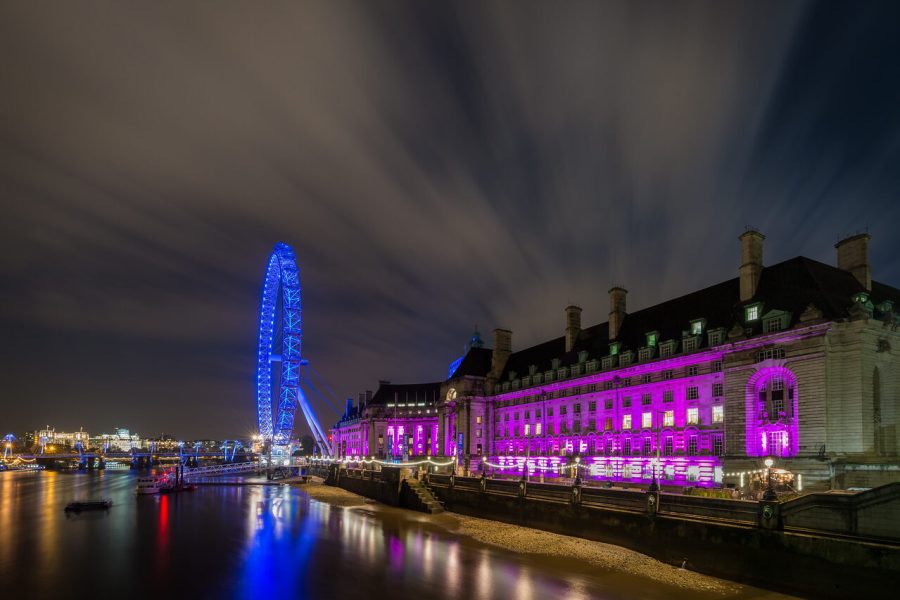
Composition is the part of photography no camera can do for you. Settings are solvable; deciding what goes in the frame, where, and why is the actual craft. These are the techniques that do the most work, in the order worth learning them.
 Save
SaveRule of Thirds (and When It Earns Its Name)
Divide the frame into a 3×3 grid and put the subject on a line, the horizon on a third. It works because centered subjects sit still while off-center subjects create tension and direction. It is a starting point, not a law: once you can articulate why centering a particular subject is stronger, you no longer need the rule.
Leading Lines
Roads, rivers, fences, shorelines, shadows: anything that forms a line pulls the eye along it. The strongest compositions point that line at the subject instead of letting it wander out of the frame. Before you shoot, ask where the lines in the scene go. If the answer is “out the corner,” move.
Foreground, Middle, Background
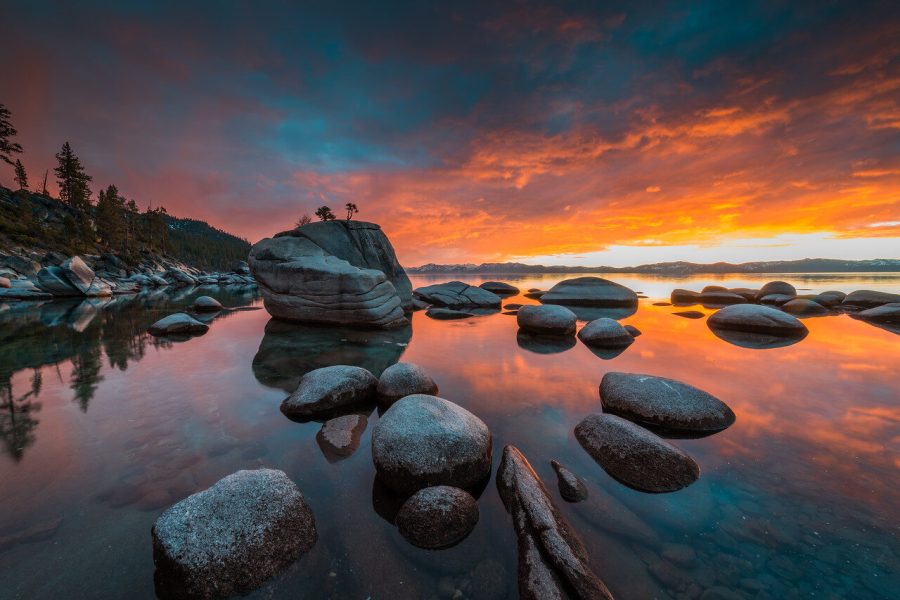
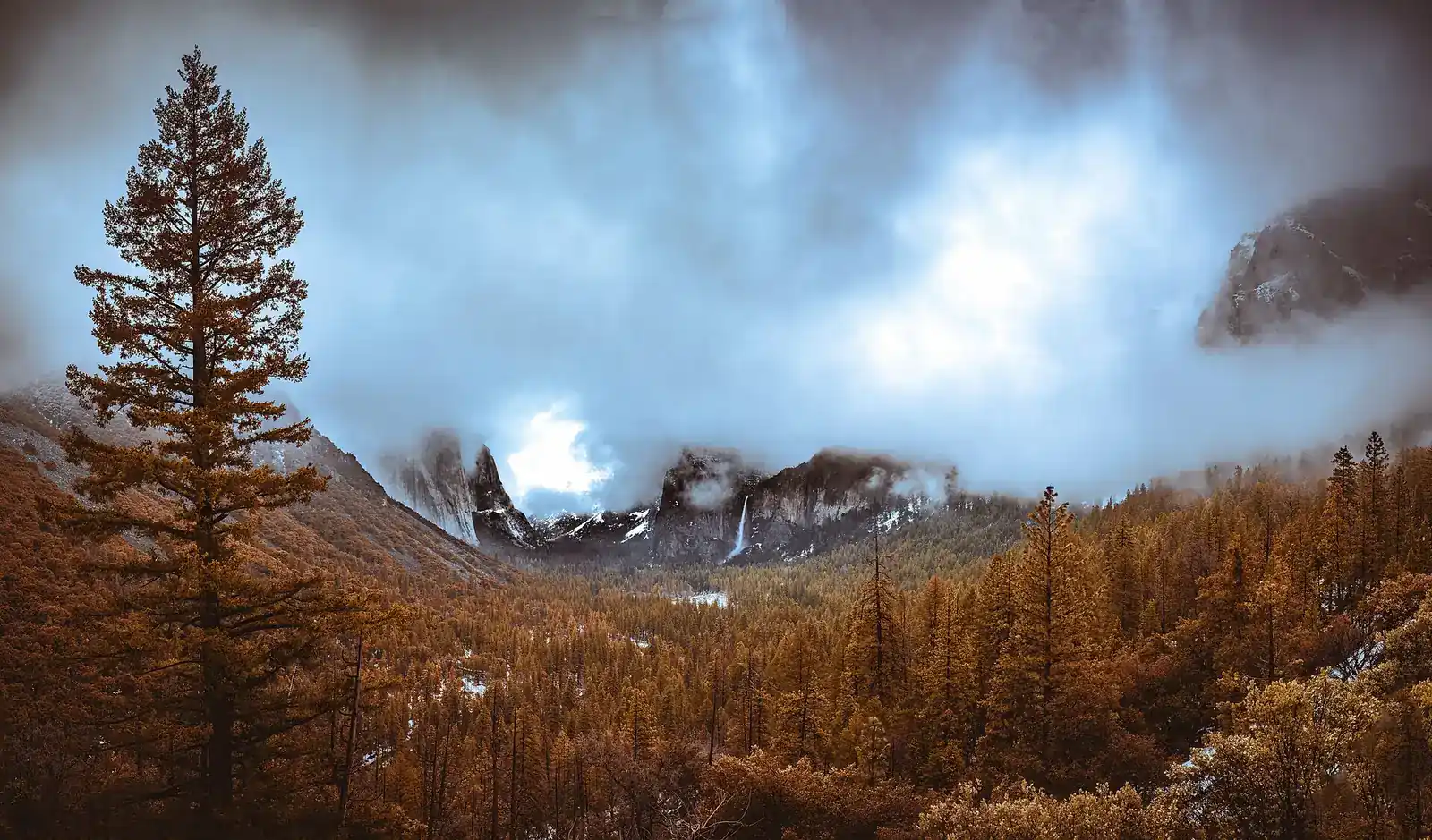
Flat photos usually lack layers. A rock or flowers in the foreground, a subject in the middle, and mountains or sky behind gives the eye a path through the image and creates the depth a two-dimensional medium cannot have on its own. This is the single biggest fix for landscape work, and a wide lens at a low angle is how you get it.
Framing Within the Frame
Doorways, windows, overhanging branches, arches: natural frames corral attention onto the subject and add context. The frame does not need to be in focus, and it rarely should be.
Negative Space
What you leave out carries weight. A small subject against an empty sky or a blank wall reads as deliberate and calm; the same subject crowded by clutter reads as an accident. When a frame feels busy, the fix is usually subtraction: take two steps, zoom, or wait for the scene to clear.
Symmetry and Patterns
Symmetry is the legitimate exception to the rule of thirds: reflections, architecture, and tunnels are strongest dead center. Patterns work the same way, and the strongest pattern shot includes one break in the pattern to anchor the eye.
Want to go further? The ShutYourAperture Academy’s Wander & Capture: Travel Photography (7 modules, 28+ lessons) is built to help you cover the art and practice of photographing a place well.
Depth of Field as Composition
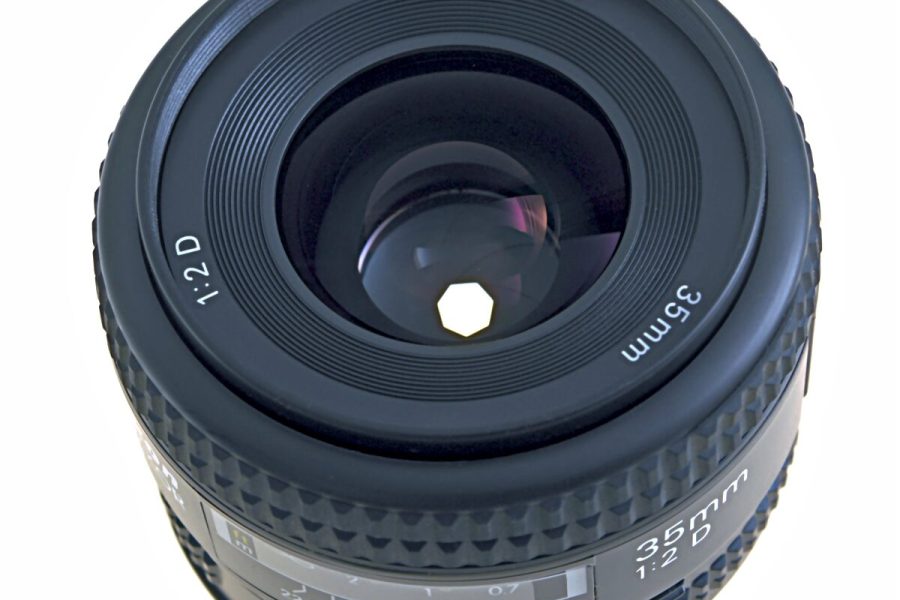
Blur is a compositional decision. A shallow aperture isolates one subject from chaos; a deep one makes every layer compete on purpose. Choose before you shoot, not after. Our aperture guide covers the settings side.
The fastest way to internalize all of this is deliberate practice: one technique, one walk, one subject. Our street photography practice walk is built around exactly that idea, and the travel photography guide shows these techniques applied to real locations. When the shooting is done, the free starter pack in our Lightroom presets guide gives your practice frames a clean edit.