By Edin Chavez | Updated October 2026
Sony vs. Canon becomes a useful question after you name the photographs you want to make, the lenses you need and your budget for the whole system. Neither logo guarantees better portraits, cleaner night photographs or perfect focus. A small beginner camera and an expensive action body can share a brand while having very different limits.
If you already own useful lenses, start with the cost of keeping them. If you are starting fresh, compare a body with the lens you would carry, not two empty camera bodies. Then check the recording modes, card requirements and controls that matter to your work. This guide uses current manufacturer specifications and named model examples checked in October 2026. It is a buying framework, not a claim that every camera below has been tested here.
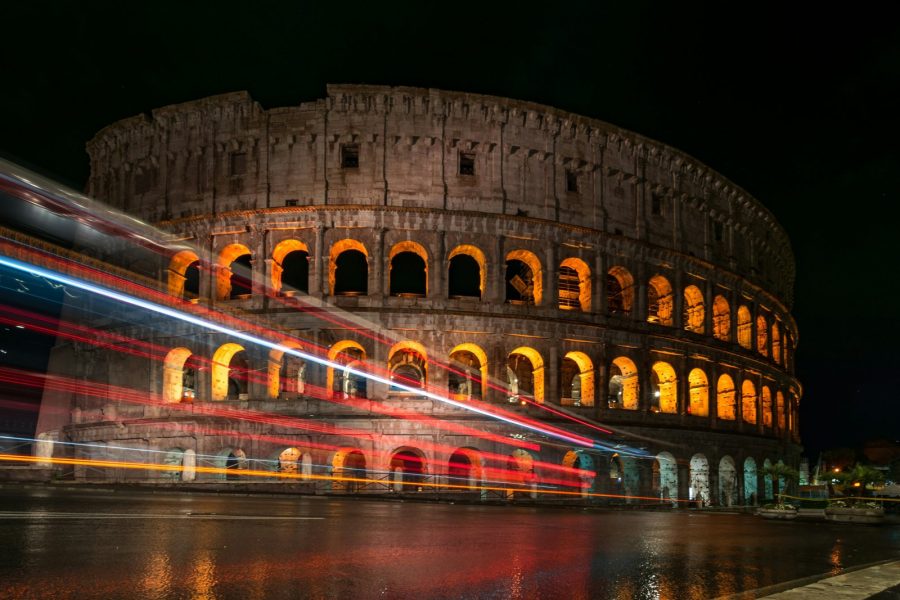
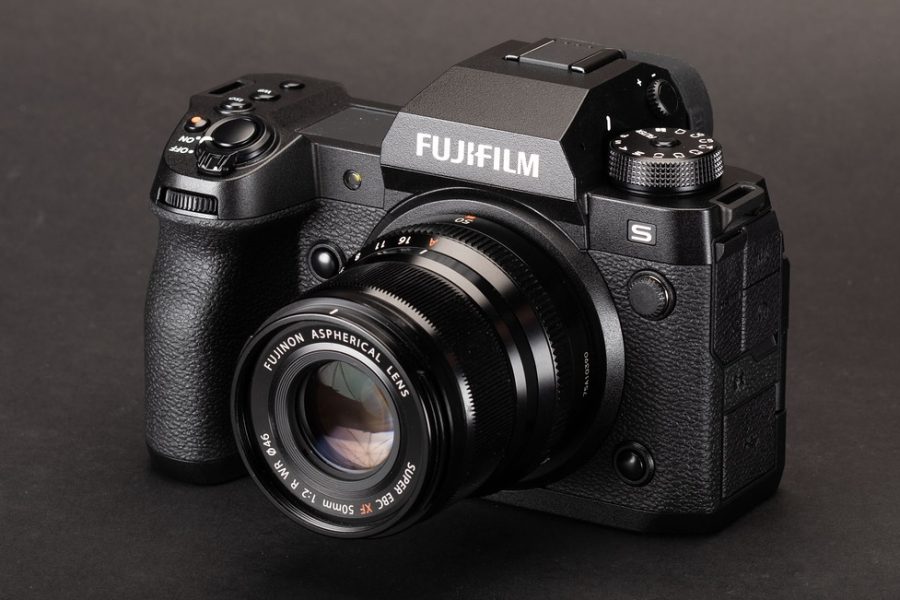
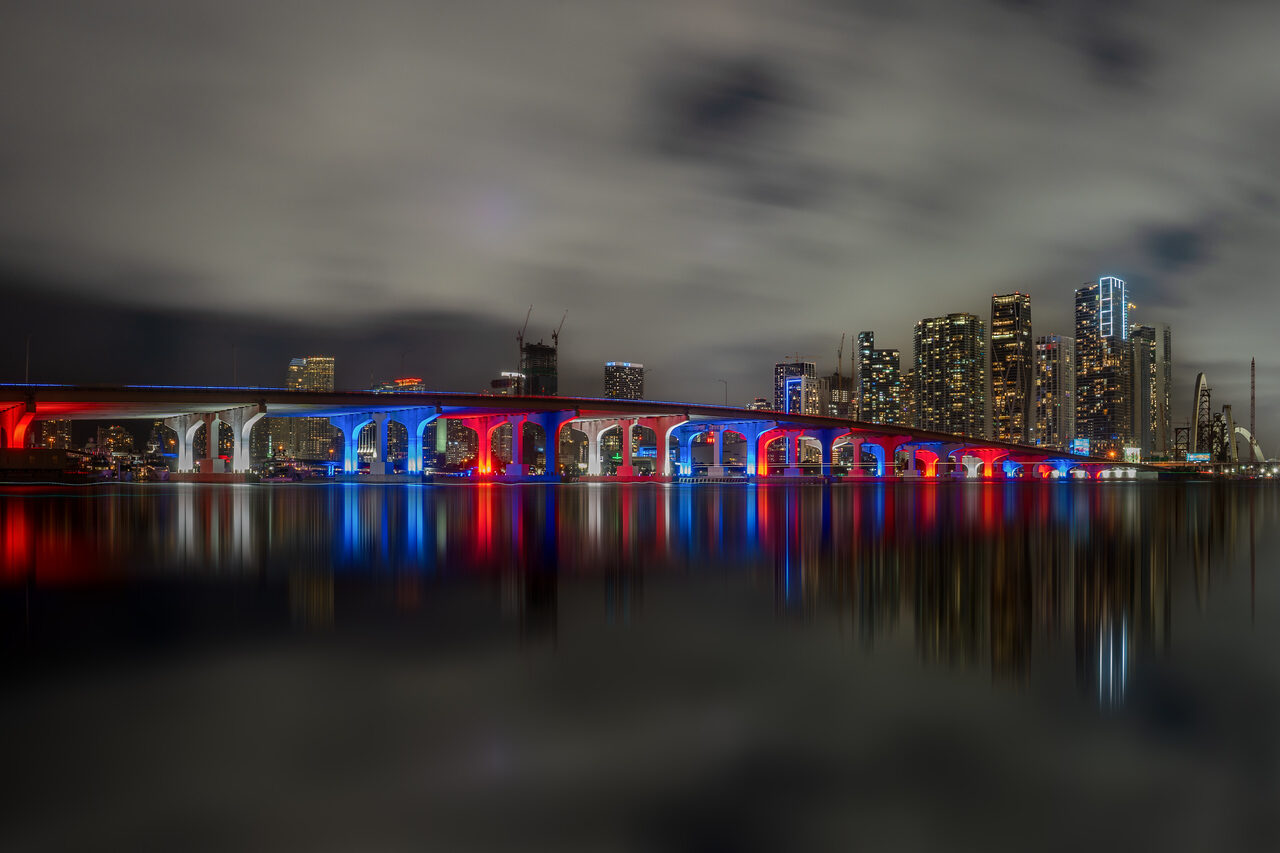
The photographs are Edin Chavez images illustrating night, landscape and street-photography needs. They are not Sony-versus-Canon sample comparisons and are not attributed to the bodies discussed.
The Short Answer: Choose a System for Your Job
- Keep a useful existing system unless a specific limitation is costing you photographs. Replacing lenses can outweigh an attractive body upgrade.
- For a small beginner kit, compare the Canon EOS R50 and Sony a6400 with a suitable lens. Both lack sensor-shift stabilization.
- For a more capable APS-C hybrid, the Sony a6700 adds sensor-shift stabilization and more demanding video options. It belongs in a different budget discussion from a basic R50 kit.
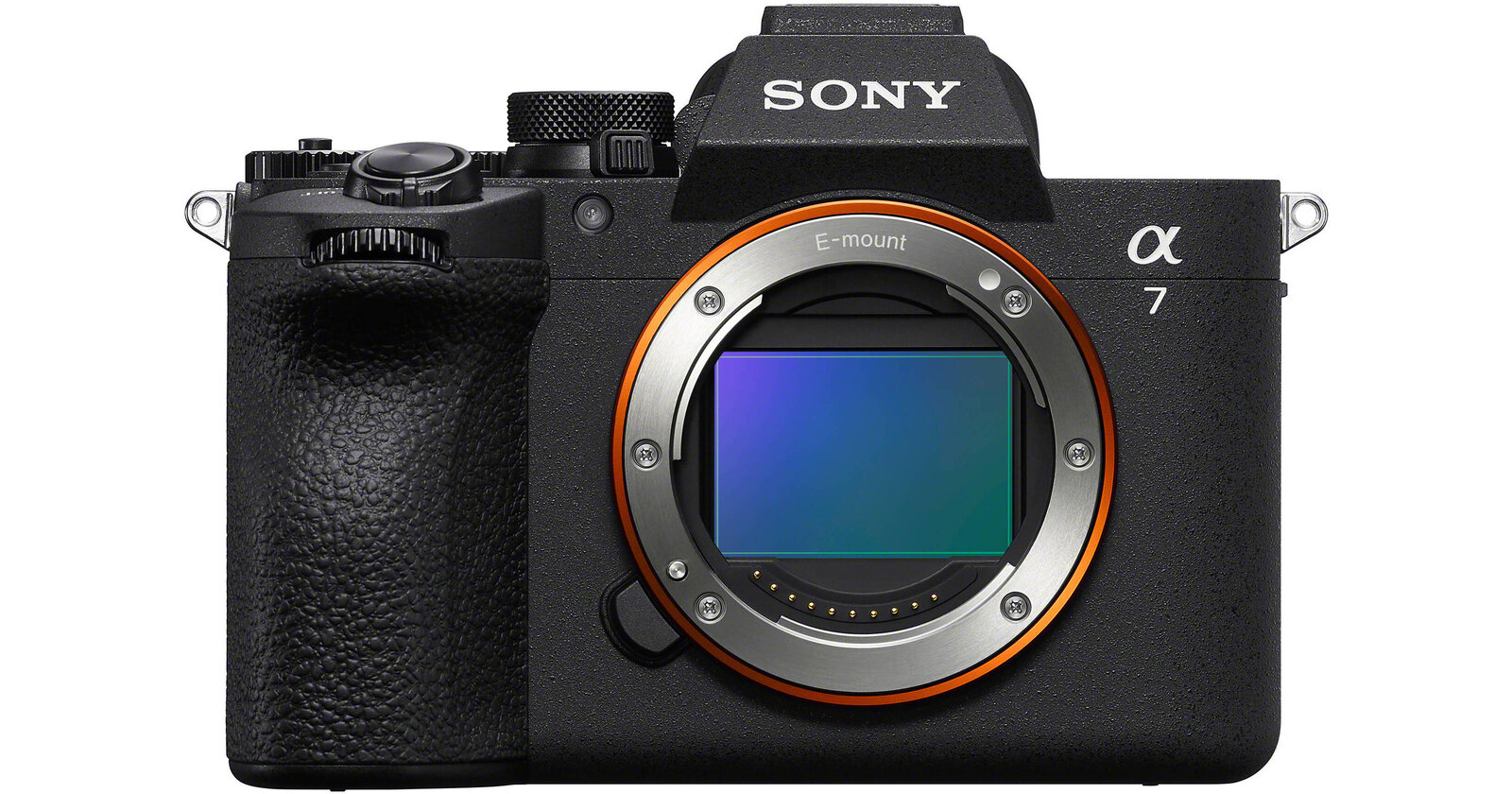
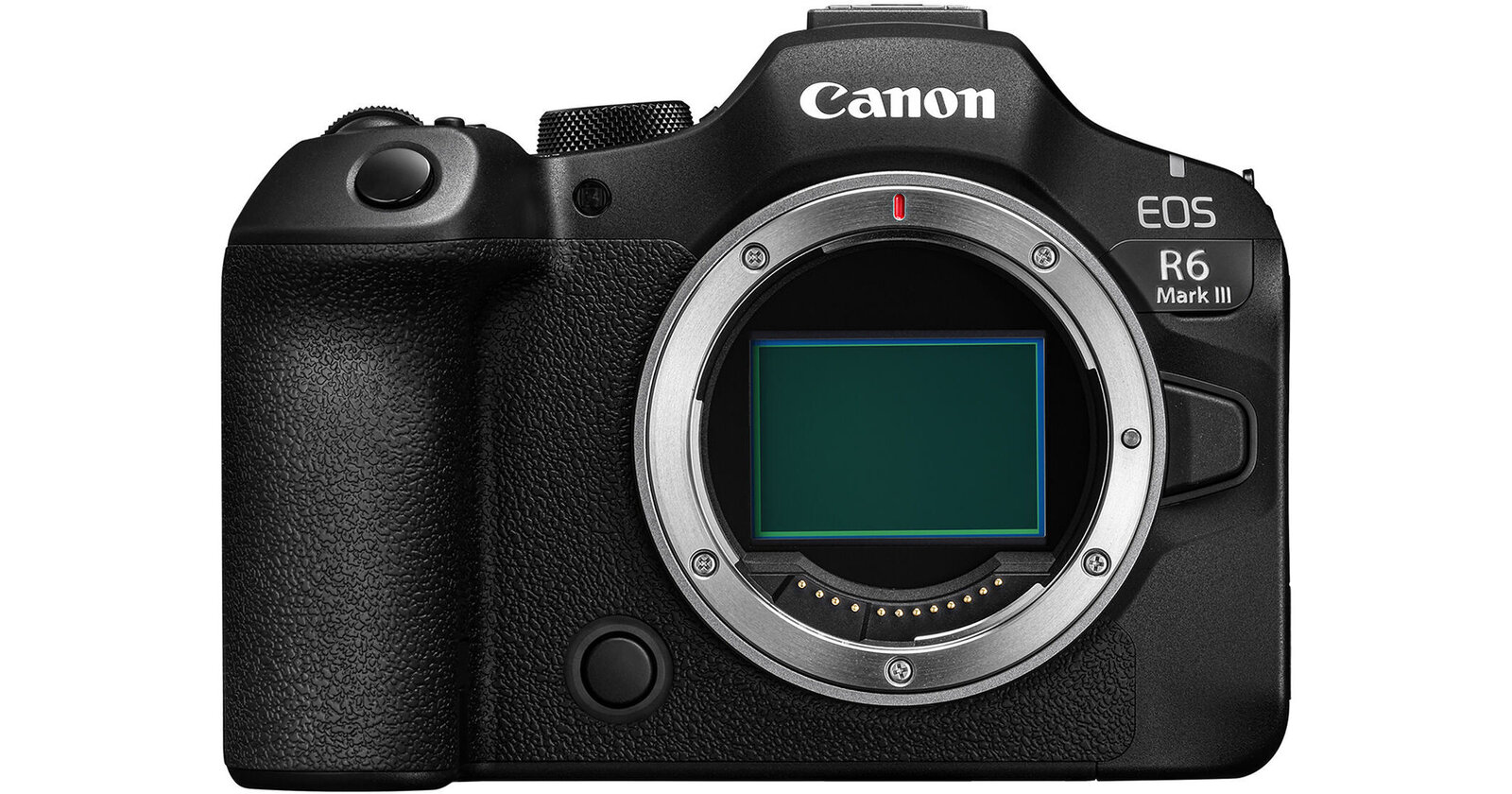
- For full-frame events and hybrid work, compare the Sony a7 V and Canon EOS R6 Mark III by shutter mode, lenses, cards and video deliverables.
- For detailed landscapes and large prints, compare the 61MP Sony a7R V with the 45MP Canon EOS R5 Mark II. Pixel count is one difference, not a verdict on the photograph.
Start With the Lens Budget, Not the Body Discount
Write down your everyday focal range, the subject you most want to photograph and a realistic total budget. Include the lens, a suitable card, a spare battery and essential support. A lower-priced body with a slow kit zoom may be a good daylight travel setup but a poor answer to indoor sport. A more expensive body does not make a heavy lens easy to carry.
One useful zoom can be enough for a first kit. For indoor portraits, compare the cost and size of a bright prime. For wildlife, the telephoto lens can dominate both the budget and the bag. These are separate shopping problems. Avoid deciding that a whole brand is cheaper because one promotional bundle is discounted.
Canon RF bodies accept RF and RF-S lenses. Compatible EF and EF-S lenses can use the appropriate EF-EOS R adapter; EF-M is a separate mount and is excluded from that route. Check the exact combination rather than assuming all Canon lenses fit. An adapter changes the connection, not the lens into a newer optical design. Small-format lenses on a full-frame body also require attention to crop behavior.
Sony E-mount includes APS-C and full-frame equipment. Physical fit does not guarantee full sensor coverage. Check the image circle and crop-mode behavior before moving an APS-C lens onto a full-frame body. Also check autofocus, stabilization and high-speed shooting restrictions for the particular lens and firmware.
Third-Party Lenses: Canon Is Not Simply Closed
The claim that Canon has no third-party autofocus RF lenses is out of date. Sigma lists licensed Canon RF-mount lenses. Read the individual specifications: popular DC options serve APS-C, and an RF badge alone does not make a lens a full-frame replacement for an RF L-series zoom.
Sigma’s Sony E-mount range includes full-frame and APS-C choices. That makes Sony worth comparing when you want particular independent-maker lenses. It does not promise that every third-party lens supports every body function or maximum burst rate. Price the exact alternatives, not the idea of an ‘open mount.’
Before switching, list what you would sell and buy again. Include flash compatibility, filters, batteries and adapters. Resale value is not the original purchase price. A better lens or technique change inside the system you already know may be the cheapest sensible upgrade.
Beginner Bodies: R50, R10, a6400 and a6700 Are Different Choices
The Canon EOS R50 has a 24.2MP APS-C sensor, uncropped 4K up to 30p oversampled from 6K and a vari-angle screen. Its advertised stills speeds are up to 12 fps with electronic first-curtain shutter and 15 fps electronically. Neither means an unlimited RAW burst. Canon’s manual lists small RAW buffers under its stated conditions, so a headline rate is not the whole action-shooting story.
The EOS R10 also uses a 24.2MP APS-C sensor but offers up to 15 fps mechanically and 23 fps electronically. That is a specific R10 capability, not evidence that every mid-range Canon shoots at 15 mechanical frames per second. Compare its controls and buffer with your subject before paying extra.
The Sony a6400 has a 24.2MP APS-C sensor and no sensor-shift stabilization. An appropriate stabilized lens can help. If you choose it for a small stills kit or an affordable E-mount entry, inspect the screen, menus, grip and lens balance yourself. Older does not automatically mean unsuitable.
The Sony a6700 has approximately 26 effective megapixels, sensor-shift stabilization and up to 11 fps continuous stills shooting. Its video options and subject recognition make it a different proposition at a higher body cost. Check crop and card requirements before assuming a high-frame-rate mode behaves like ordinary recording.
These are not equal-price opponents. At the October 2026 source check, B&H displayed $679 for the black R50 body and $1,398 for the a6700 body, before tax or a lens. Those are dated retailer snapshots, not permanent prices or checkout quotes. Compare complete kits at today’s price, including the seller, local warranty and return terms.
 Save
Full-Frame Hybrids: a7 V vs. EOS R6 Mark III
The Sony a7 V lists approximately 33 effective megapixels and maximum speeds of 30 fps electronically or 10 fps mechanically. The Canon EOS R6 Mark III lists approximately 32.5MP, up to 40 fps electronically and 12 fps mechanically. They are model-specific examples, not reasons to say an entire brand is faster.
Read the conditions underneath those numbers. File format, lens, shutter speed, battery, card and autofocus settings can affect performance. Sony’s continuous-shooting guide gives different buffer estimates for compressed and lossless RAW. Canon also specifies conditions for its maximum rate. A camera that clears its buffer between short bursts may suit your job better than a larger fps number used for one long burst.
The a7 V has one combined CFexpress Type A/SD slot and a second SD slot. The R6 Mark III has one CFexpress Type B slot and one UHS-II SD slot. Type A and Type B are not interchangeable. Some recording modes need a suitable card, and two slots do not automatically mean every video mode can be duplicated to both cards.
For an event job, check simultaneous recording, file type and the card combination you will use. For hybrid work, verify the codec, sound inputs, crop and recording duration against the deliverable. Buy the workflow, not the longest list of acronyms.
 Save
Autofocus and Burst Speed: Test Your Subject
Subject recognition is a selection aid, not a promise that every frame will be sharp. A camera can identify an eye while shutter speed, depth of field or movement still ruins the photograph. Tracking also depends on lens behavior, contrast, obstructions, settings and the person operating the camera.
A useful store or rental test is specific. Photograph someone walking toward you, a face turning away or a subject behind an obstruction. Use your expected lens, aperture and shutter speed. Look at a sequence at useful output size, not one successful frame on the rear screen. Check how quickly you can move from automatic recognition to a selected focus area.
Test electronic shutter under LED lights and with moving subjects. Distortion and banding depend on readout and lighting, not only maximum fps. Mechanical shutter may not be available at the fastest quoted rate. Eye-Control AF, where supported, is not a universal Canon feature; check the exact body rather than treating it as a brand-wide advantage.
 Save
Night Photography: Compare the Setup and Output
Do not buy because someone says Sony always wins at high ISO or Canon always has better color. Compare the sensor, exposure and output size. A fast lens, stable support and good exposure can matter more than a small difference between bodies. Raising a badly underexposed file is not the same test as photographing a correctly exposed scene.
For a city scene from a tripod, you may use a slower shutter and lower ISO. For a moving person at night, you need a shutter speed that stops the person; stabilization cannot do that for you. For stars, focal length, aperture, shutter time and processing all enter the decision. These jobs should not receive the same one-line recommendation.
To compare files, use the same scene, matched exposure and a consistent RAW conversion. Match brightness and final size before judging noise. JPEG profiles and software defaults can look different without proving a permanent brand color difference. See the shutter-speed guide before trying to solve subject blur with an upgrade.
Landscapes and Large Prints: 61MP Is Not 45MP
The Sony a7R V has approximately 61 effective megapixels. The Canon EOS R5 Mark II has approximately 45MP and a back-illuminated stacked sensor. The R5 series should not be described as ’60MP+.’ Readout design and recording modes matter independently of pixel count.
Choose resolution around cropping, print size and viewing distance. More pixels can give you cropping room, but they make lens quality, focus and camera movement more obvious when inspected closely. A well-made 45MP photograph can be more useful than a poorly focused 61MP file. Test a print or a realistic crop rather than deciding from a number alone.
For landscapes, consider lens weight, tripod setup, filters and the screen when working close to the ground. Do not rank weather resistance by brand folklore. Read the handling limits and protect equipment from rain, spray, sand and condensation. Weather-resistant wording is not a waterproof guarantee.
 Save
Video: Compare the Exact Recording Mode
‘Sony for video, Canon for photos’ is too broad. The R6 Mark III offers internal 7K RAW and open-gate options, while the a7 V is a different recording proposition. DPReview’s named-model comparison describes the a7 V’s full-width oversampled 4K up to 60p and 4K/120 with a 1.5x crop, and notes that it lacks open-gate and RAW recording. Those differences matter only if your project needs them.
Open-gate recording can help when one shoot needs vertical and horizontal outputs, but it does not remove composition decisions. RAW creates larger files and processing work. A smaller, well-exposed format may suit quick-turnaround work better. Confirm your editing software can handle the chosen files before committing to that mode.
Check the chain: resolution, frame rate, crop, bit depth, codec, card, audio and heat limits. A nominal recording maximum is not a guarantee of continuous operation in a hot room. Test the expected environment and settings, including recovery between takes. Do not apply one model’s heat behavior or LUT support to an entire brand.
A Practical Comparison Before You Buy
- Fit your planned lens and hold the whole kit. Try the grip with your strap, glasses or gloves if those are part of your routine.
- Change focus area, exposure compensation and shutter mode without looking away. Find playback magnification and card settings.
- Make a stills sequence and a representative video clip. Inspect actual files on your computer, not only the rear screen.
- Price the lens, card, spare battery and adapters. Compare authorized sellers, condition, warranty and returns.
- Name one limitation your current gear cannot address. If you cannot, practice or a lens change may be the better purchase.
For foundations that make either system easier to use, work through aperture and ISO. The free aperture-chart PDF gives a practical exposure reference; it is a learning route, not a reason to replace a working camera.
Sony vs. Canon Q&A
Is Sony or Canon better for a beginner?
Compare the kit you can afford and the controls you find usable. The R50 and a6400 are bodies to investigate for a small stills setup; neither has sensor-shift stabilization. The a6700 is a higher-cost comparison with additional capabilities, not an equal-price R50 opponent.
Does Canon still have no third-party RF autofocus lenses?
No. Sigma lists licensed RF-mount options. Check each lens for APS-C or full-frame coverage, supported functions and firmware. A third-party APS-C lens is not automatically a full-frame substitute.
Can I use Canon EF lenses on an RF camera?
Compatible EF and EF-S lenses can use the appropriate EF-EOS R adapter. EF-M is excluded from that route. Verify the exact lens and camera, and account for crop behavior with small-format lenses.
Which brand is better for low light?
There is no useful universal answer. Match the bodies, lenses, exposure and final output. Stabilization helps with camera movement, not a moving subject. Do not confuse JPEG processing or RAW defaults with a permanent brand advantage.
Is the Canon R5 Mark II a 60MP camera?
No. Canon specifies approximately 45 effective megapixels. Sony specifies approximately 61MP for the a7R V. Resolution is one difference between these bodies, not a system verdict.
Does 40 fps mean indefinitely recording 40 sharp RAW photographs per second?
No. Maximum rate and buffer depend on settings and conditions. Read the manual’s file-format, card, lens and shutter restrictions. Then test short sequences with your chosen setup. Focus and shutter speed still matter.
Can the a7 V and R6 Mark III use the same CFexpress card?
No. The a7 V’s combined slot supports Type A, while the R6 Mark III uses Type B in its CFexpress slot. Both also support suitable SD media. Check the card needed for your recording mode.
Should I switch brands for better photographs?
Switch for a specific benefit that survives a whole-system comparison. Count lens replacement and workflow costs. Good exposure, lighting, timing and composition do not transfer automatically with a new logo.
Learn faster with a plan. The ShutYourAperture Academy has 22 photography courses, from the fundamentals of aperture, shutter and ISO to genre courses like landscape, portrait and street.
System-Choice Gear Box: Two Bodies, Two Budget Levels
If you are starting fresh, compare the black Canon EOS R50 body at Amazon or B&H, and the Sony a6700 body at Amazon or B&H. These are body-only routes for the models discussed, not equivalent-price recommendations. Add a correct-mount lens and suitable card to the budget. Check current price, seller, warranty and returns before buying.
Affiliate disclosure: Some gear links are affiliate links. We may earn a commission at no extra cost to you. Manufacturer and independent-source links are plain references. Prices above are dated B&H snapshots; no checkout, availability guarantee or hands-on test is implied.