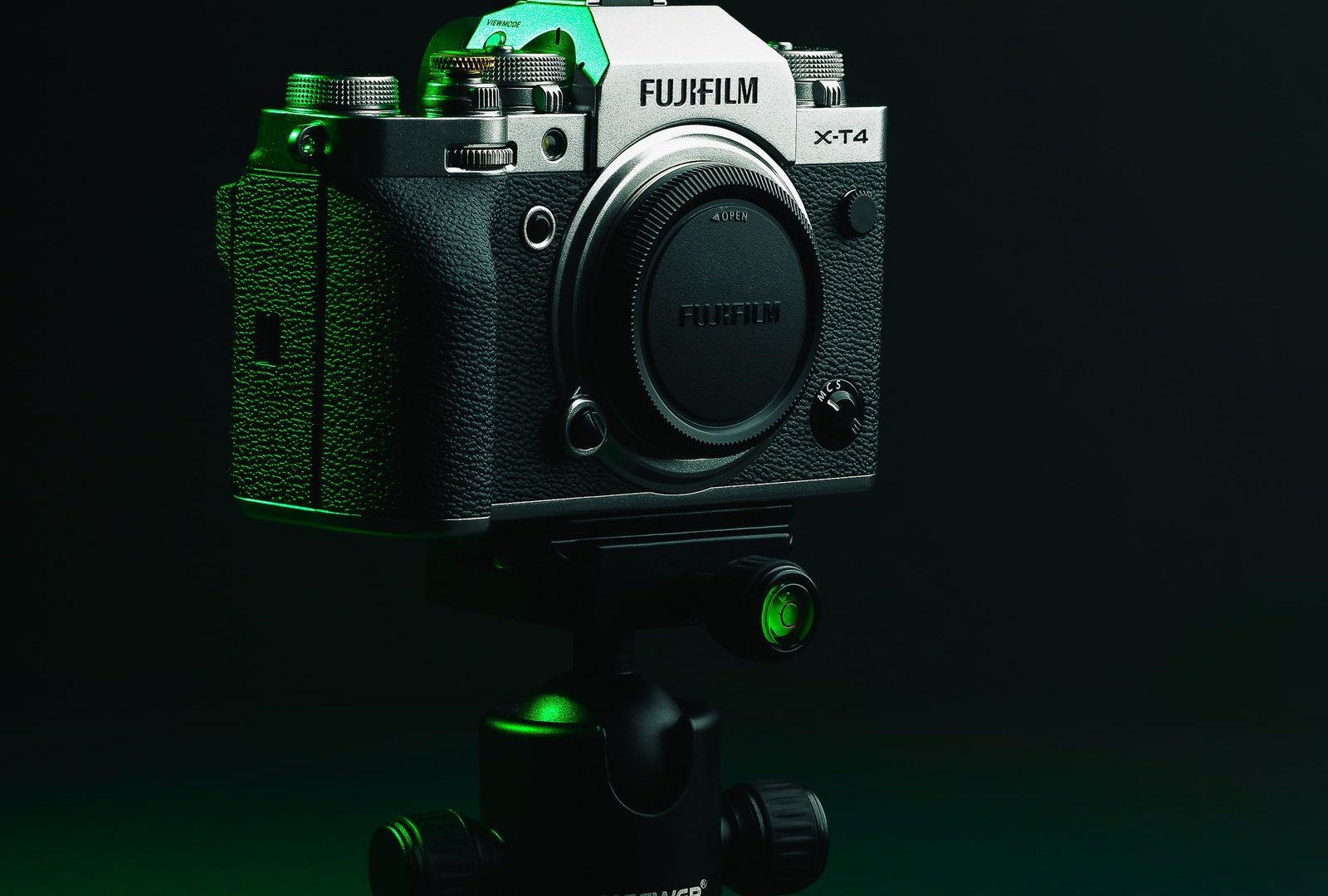
Two stacked-sensor speed machines, two very different photographic philosophies. The Fujifilm X-H2S and OM System OM-1 Mark II both target the wildlife, sports, and action shooter who wants frame rates that used to require a flagship full-frame body. But once you put them next to each other, the resemblance is mostly spec-sheet deep. One leans into a crop-sensor, color-science-first identity with the deepest hybrid stills/video toolkit Fuji has ever shipped. The other doubles down on a Micro Four Thirds advantage that nothing else in the market can match: a body and lens system small enough to carry into the field all day without your shoulders filing a complaint by sundown.
This comparison comes from the perspective of a working photographer choosing one body for a season of bird-in-flight, youth-sports sidelines, and weekend hiking. Spec dumps are easy. The harder question is which one survives a real shoot list. Below is the breakdown you actually need before you swipe the card.
Sensor and image quality reality check
The X-H2S runs a 26.1MP stacked APS-C BSI CMOS sensor. The OM-1 Mark II uses a 20.4MP stacked Micro Four Thirds sensor. On paper, Fuji has the resolution and surface-area edge. In a real RAW file at base ISO, the gap is smaller than the numbers suggest, but it does exist. Fuji files have more cropping headroom and slightly cleaner shadow recovery at ISO 1600 and below. OM System’s pixel-shift high-res mode pushes a tripod-mounted file to a 50MP or 80MP composite that genuinely outresolves the Fuji in landscape work, but you need a still subject and a static camera, so it’s a studio and tripod trick, not a wildlife answer.
Color out of camera is where the philosophies split hard. Fuji’s film simulations (Classic Chrome, Nostalgic Neg, Reala Ace on this body) are why a lot of photographers buy the system in the first place. You can hand a JPEG to a client and skip the edit. OM System’s color is accurate but neutral; you will be doing more work in Lightroom to give files a signature. If you understand how ISO affects exposure and noise, you already know that the smaller MFT sensor pays a roughly one-stop penalty in high-ISO performance. That penalty matters at ISO 6400 and above. It matters less than you think under 3200.
Autofocus and burst speed
This is where both bodies earn their keep. The X-H2S shoots 40fps electronic shutter with full AF/AE tracking, with subject detection for birds, animals, vehicles, and humans. Pre-shot burst captures up to 1 second of frames before you fully press the shutter, which has saved more bird-in-flight keepers than I can count.
The OM-1 Mark II shoots 50fps with continuous AF (120fps with focus locked), and ProCapture buffers 70 frames before the press. The bird AF is, with the 2.0 firmware, the sharpest in the class for small fast birds in cluttered backgrounds. It also detects subjects further into the frame edges than the Fuji, which matters when a swallow comes in unexpectedly from the side. If your primary subject is wildlife, that edge-of-frame detection alone is worth a serious look at the OM-1 II.
Practical verdict: both cameras will track action better than 95% of photographers will exploit. The OM-1 II has a small edge on bird-in-flight in messy environments. The X-H2S has a small edge on subject detection consistency for human sports and faster, more aggressive eye-AF lock-on for portraits at the sidelines.
Stabilization and handheld limits
OM System has owned the in-body stabilization conversation for a decade, and the OM-1 II keeps the title: 8.5 stops with the right lens, 7 stops without. You can handhold half-second exposures of static scenes if your technique is clean. Live ND and handheld high-res are real, working features, not gimmicks.
The X-H2S delivers up to 7 stops with the latest lenses. That’s a strong number, just not class-leading. For run-and-gun event work or low-light interiors, OM System’s stabilization advantage is the single biggest reason to pick it over the Fuji.
Lenses, ecosystem, and total system weight
This is the conversation most spec sheets skip, and it’s the one that actually decides which camera you keep.

The Fuji X-mount catalog is deep on fast primes (XF 23mm f/1.4, XF 33mm f/1.4, XF 56mm f/1.2) and excellent on standard zooms. Where it gets thin is reach. The XF 150-600mm is fine but heavy for the size of the body. There’s no native f/4 supertelephoto prime. If wildlife is half your shooting, this is a real constraint.
Micro Four Thirds is the opposite story. The Olympus 300mm f/4 (600mm equivalent) is 1,475g. The 150-400mm f/4.5 TC1.25x is the closest thing to a do-everything wildlife lens that exists. Pair the OM-1 II with the 300mm f/4 and you have a 600mm equivalent kit that weighs less than 3kg total and is genuinely handholdable for an hour at a time. The same 600mm equivalent reach on Fuji means the XF 150-600 at 1,605g plus the body, and you’re working harder for it.
Video toolkit
Fuji wins this round and it’s not close. The X-H2S records 6.2K open-gate up to 30p, 4K up to 120p, ProRes internal, F-Log2 with 14+ stops of dynamic range. It has a full-size HDMI port and the cooling fan accessory keeps it recording effectively without time limits.
The OM-1 II records 4K up to 60p with OM-Log, which is genuinely usable but not in the same league. If video is more than 20% of your output, the X-H2S is the answer. If video is occasional B-roll, the OM-1 II is fine.
Dual-affiliate price and availability
| Best for | Pick | B&H | Amazon | Why |
|---|---|---|---|---|
| Wildlife + lightweight kit | OM System OM-1 Mark II | Check at B&H | Check on Amazon | Best-in-class bird AF, 8.5 stops IBIS, 600mm equiv kit under 3kg |
| Hybrid stills + serious video | Fujifilm X-H2S | Check at B&H | Check on Amazon | 6.2K ProRes, F-Log2, 40fps stills, Fuji color science |
| Sports sidelines | Fujifilm X-H2S | Check at B&H | Check on Amazon | More consistent subject detection on humans, better eye-AF lock |
| Travel + landscape backup | OM System OM-1 Mark II | Check at B&H | Check on Amazon | IP53 weather sealing, smallest pro kit on the market, live ND and high-res modes |
Where each one falls short
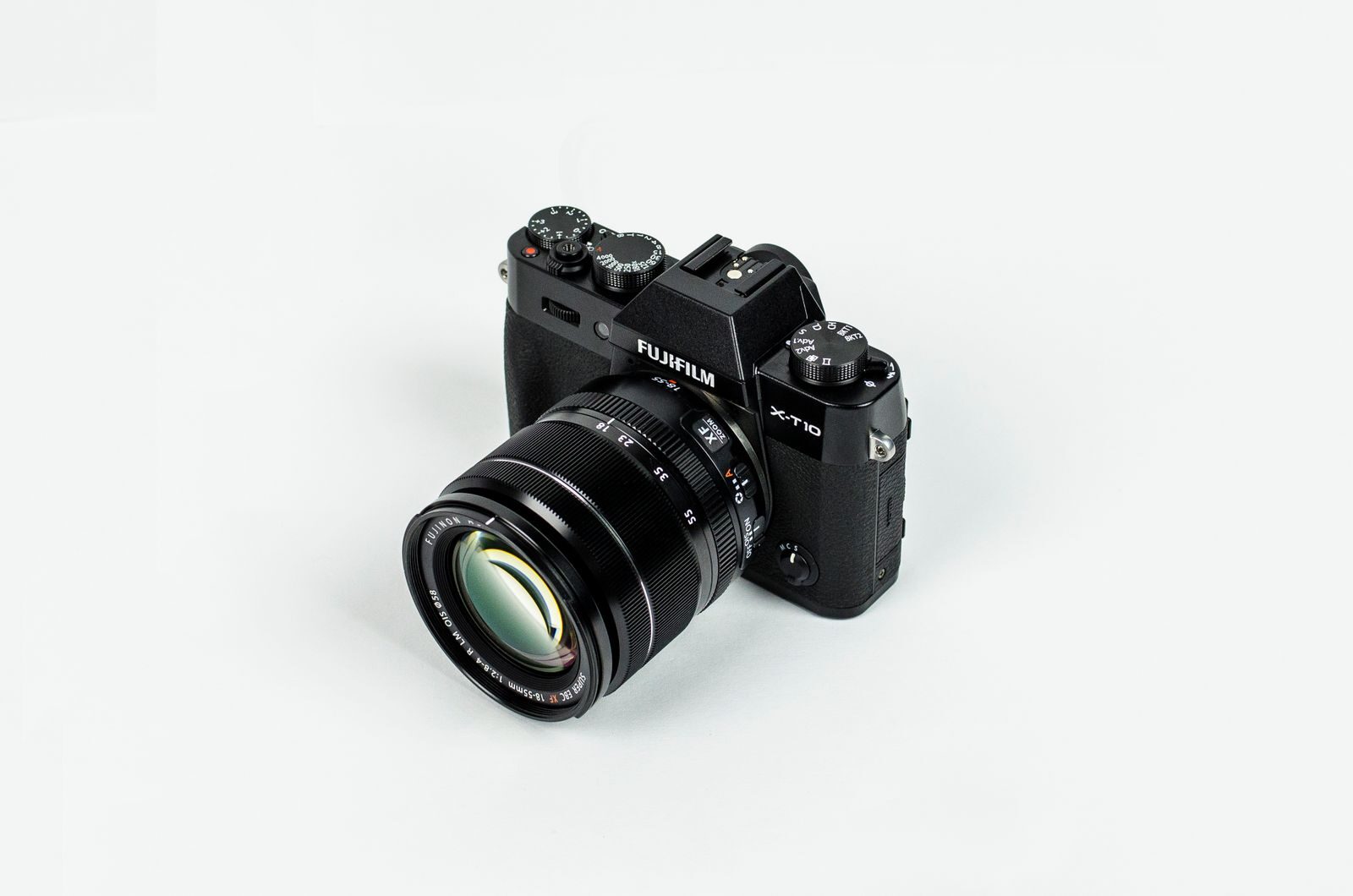
The Fuji X-H2S battery life is honest but not strong; carry three NP-W235 packs if you shoot bursts all day. Its menu system is mature but dense. The grip is improved over older X bodies but still smaller than what a sports shooter with bigger hands wants for an 8-hour day. And the XF supertelephoto situation, again, is the single biggest weakness.
The OM-1 Mark II’s high-ISO ceiling caps usable handheld work around ISO 6400 for clean output, ISO 12800 with care. The video toolkit is shallow next to Fuji. The menu redesign from the original OM-1 is better, but new users still need a weekend to set up custom buttons sensibly. And while pixel-shift high-res is real, it’s tripod-and-static-subject only, so it does not save you in wildlife.
The verdict that actually matters
If you shoot wildlife as a serious pursuit, want to fly carry-on with a 600mm-equivalent kit, and don’t need professional video, the OM-1 Mark II is the right answer. The IBIS, the bird AF, and the lens catalog around it produce keeper rates that are hard to match at the size and weight.
If you shoot a mix of stills and serious video, want Fuji’s color science, and the sports you shoot are mostly humans (soccer, basketball, youth events) rather than small birds, the X-H2S is the right answer. The 6.2K ProRes alone justifies it for any photographer with paid video work.
For most photographers who came here looking for a single-camera decision, pick the lens system first, then buy the body that fits it. If you want a quick refresher on how shutter speed affects sharpness in burst work, that’s the variable that will limit both bodies before the AF ever does. And if you’re traveling with either kit, read up on packing strategy for international photo trips before you book the next flight — it changes which body you carry on the plane.
Both cameras are in stock and shipping as of this writing. Watch B&H for the OM-1 II bundle pricing that occasionally drops $200 off when paired with the 12-40mm f/2.8 Pro. The Fuji X-H2S has been steady at the standard body price, with occasional refurb stock surfacing through B&H Used at meaningful discounts.