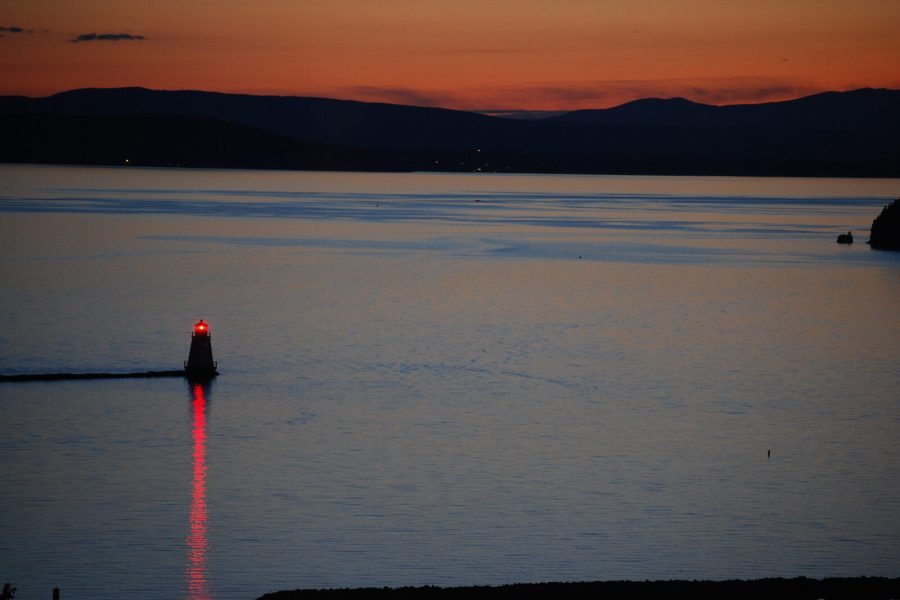
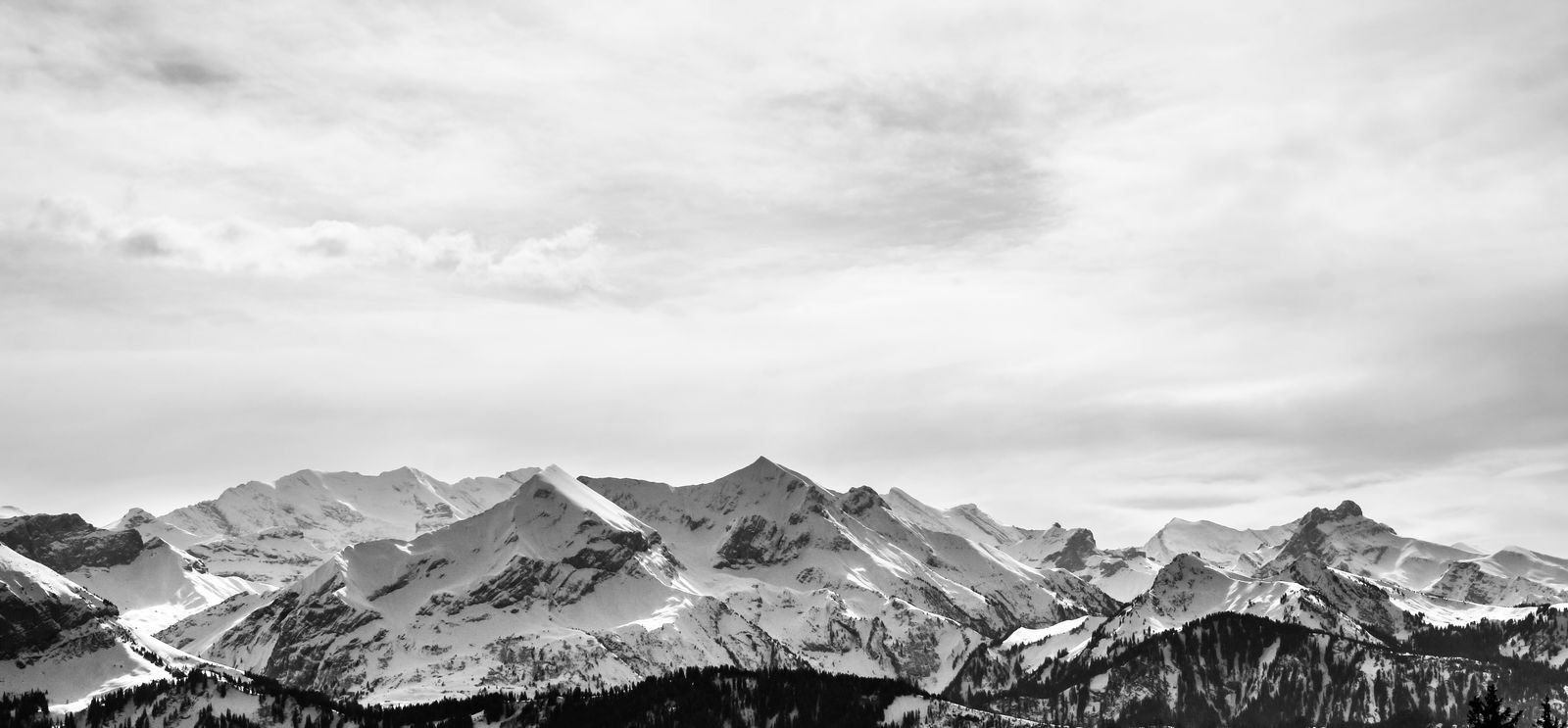
Landscape photographers have a different relationship with the gallery question than wedding, event, or portrait shooters. There’s no client waiting for delivery. The audience is the broader photography community, the print buyer who finds you through Pinterest or a tagged share, and the publication editor checking whether your portfolio is current before a feature. The gallery is a portfolio first, a print store second, and a delivery tool only when you have private clients.
That dual role — portfolio plus print store — is where SmugMug earns its keep for landscape work. Most platforms optimize for one or the other. SmugMug runs both reasonably well from the same set of uploaded files, with the gallery and the print storefront sharing a backend.
Below is the working landscape photographer’s setup: how to structure a portfolio that reads as a body of work, how to price prints so you actually earn from the storefront side, and where the platform comes up short for the photographer running a serious print business at volume.
The portfolio question: how a landscape gallery should read
The mistake most landscape shooters make on a portfolio is treating it like a chronological dump — everything since 2018, in date order, 400 frames. The viewer scrolls for 30 seconds, sees ten similar images of the same waterfall, closes the tab. The portfolio that converts is curated tighter than feels comfortable. Twenty to forty hero frames maximum, organized by region or by visual theme, not by chronology.
SmugMug supports this with custom gallery ordering and nested folders. Build a top-level portfolio with your strongest single-frame work from the last three years. Below it, build regional galleries: American West, Iceland, Patagonia, Coastal Northeast. Within each, fifteen to twenty-five frames sequenced for visual flow, not for chronology. The viewer who lands on the portfolio sees the strongest work first, then drops into a region that catches their eye.
The order within each gallery matters more than landscape shooters usually treat it. SmugMug lets you drag-and-drop sequence per gallery. Open the gallery on your phone, walk through it in order, and ask yourself: does the visual rhythm hold for fifteen frames straight? If three similar compositions land back-to-back, the gallery loses tension. Re-sequence until the flow varies between wide and tight, between cold light and warm, between still water and motion.
The print storefront: pricing that actually earns
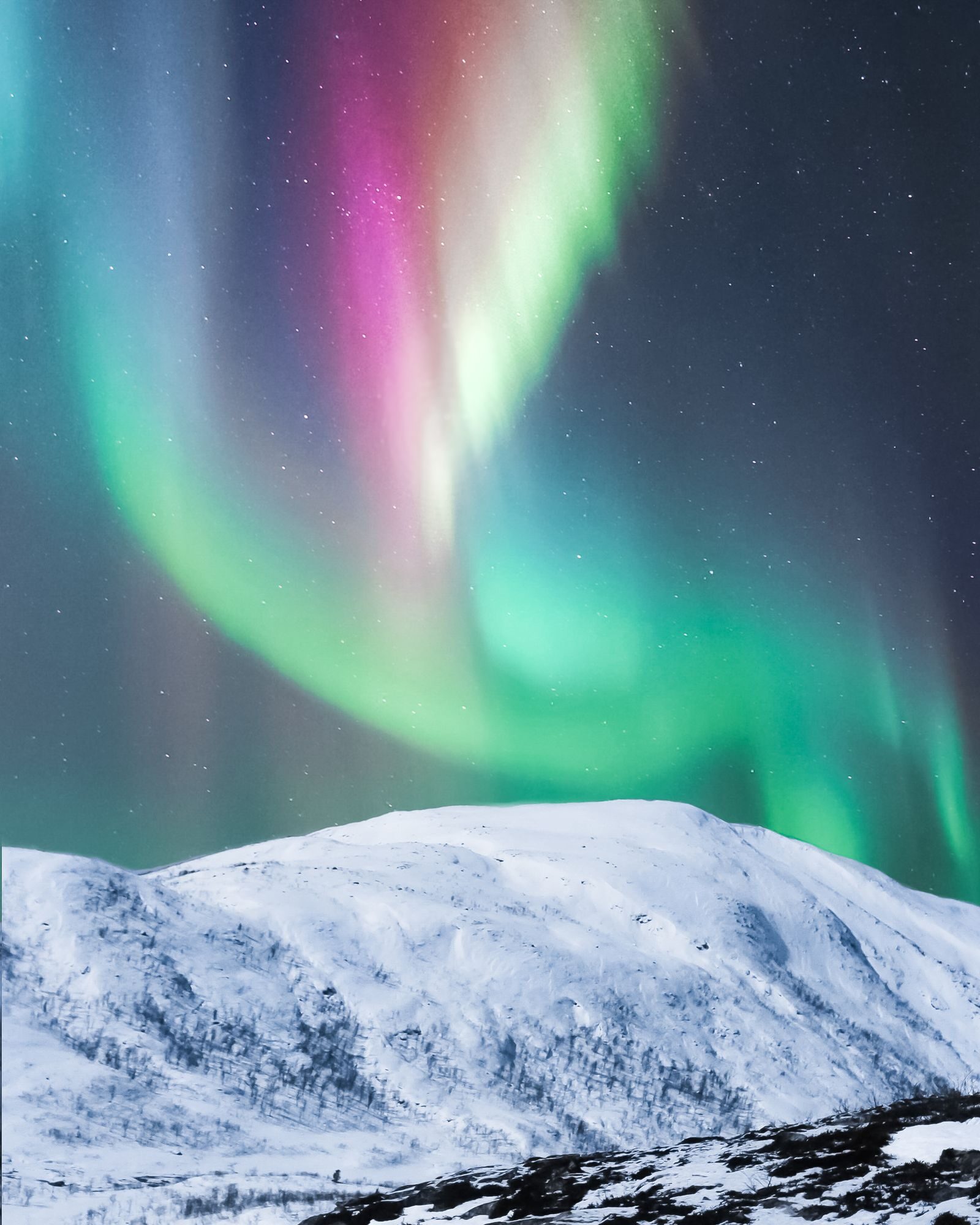
Print sales are real revenue for landscape photographers who structure them properly. SmugMug’s integrated print lab (Bay Photo) handles fulfillment, but the pricing decisions are yours. The pricing mistake most landscape shooters make is using SmugMug’s default markup — a flat percentage that leaves money on the table for fine art prints and underprices small open-edition prints.
Set up tiered pricing manually. Small open editions (5×7, 8×10, 11×14) should sit at a comfortable Amazon-comparison price — $35, $65, $95 respectively — with your margin baked in. These are impulse purchases and high-volume orders. The bigger prints (16×24, 20×30, 30×40) are where the real margin lives. Price them as fine art objects: $250, $450, $750 for unframed, double that for framed and matted. The customer who’s buying a 30×40 landscape print for their living room isn’t price-comparing to Amazon — they’re buying the wall.
Run two or three signature pieces as limited editions. Numbered 1-50, signed by you, with a certificate of authenticity. Price these at $1,200-2,500 each. SmugMug supports this with custom product entries; you’ll handle the numbering and the certificate yourself. One to three of these sales per year materially changes the print revenue line. SmugMug’s Pro tier includes the e-commerce features needed for this kind of structured pricing.
Watermarking for landscape work
Landscape photographers should watermark previews. The work travels widely on Pinterest, Instagram, and increasingly on AI-image-aggregation sites, and unwatermarked images travel without attribution. A small studio signature in the bottom-right corner of preview images costs nothing to set up and pays back in attribution every time the image gets scraped or shared.
The watermark should be subtle — 12-15% opacity, your studio name or initials only, not a banner across the image. The print buyer never sees the watermark because full-resolution downloads (locked behind purchase or a private password) are unwatermarked. Pinterest scrolling sees the watermarked preview. The math works out: brand exposure on every share, clean prints for paying customers.
The gear behind a working landscape kit
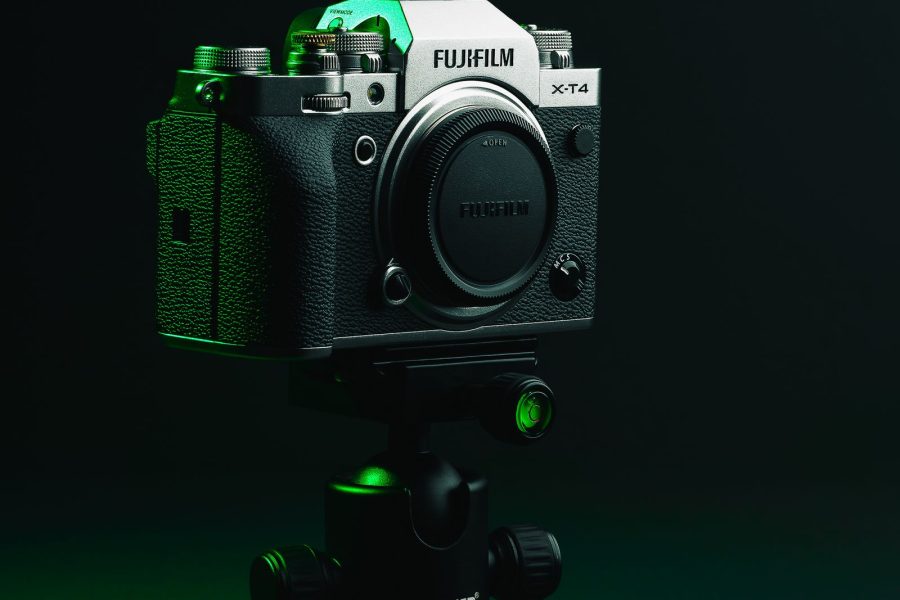
The gallery is the back end. The capture is still everything. Landscape gear has settled into a stable pattern over the last three years: high-resolution mirrorless body, sharp wide and standard zooms, tilt-shift for the precision work, a sturdy tripod that holds up to wind. Below is the working stack for a serious one-shooter landscape operation in 2026 — built for hiking, weather-sealed, and high enough resolution to make 30×40 prints without compromise.
| Best for | Pick | B&H | Amazon | Why |
|---|---|---|---|---|
| High-res body | Sony A7R V | Check at B&H | Check on Amazon | 61MP sensor makes 40×60 prints achievable. Pixel-shift mode for static landscapes pushes detail higher. |
| Wide zoom | Sony 16-35mm f/2.8 GM II | Check at B&H | Check on Amazon | Sharp corner-to-corner at f/8, lighter than the original GM by 100g. Workhorse for grand landscapes. |
| Compression telephoto | Sony 100-400mm GM | Check at B&H | Check on Amazon | Mountain layer compression at 400mm. Sharp throughout the range. Doubles as wildlife when the moment shows up. |
| Heavy tripod | Really Right Stuff TVC-34L | Check at B&H | Check on Amazon | Carbon fiber, 4-section, 5.5 lbs. Holds up in 30+ mph wind with a heavy lens mounted. Lifetime kit. |
The Pinterest pipeline (where your traffic actually comes from)
Landscape photographers underestimate Pinterest as a traffic source for portfolio sites. Single-image landscapes index well, save well, and travel for years after publication. A strong frame from a national park can drive traffic to your portfolio long after Instagram has moved on to the next algorithm change.
SmugMug images are Pinterest-indexable by default, but you should hand-pin your strongest work rather than relying on the platform’s auto-share. Pin from the gallery view with a descriptive title (the location plus the composition hook: Reflection at Wedge, Capitol Reef, Utah) and a 200-300 character description that includes search terms a print buyer might use. Watermarked previews on Pinterest send the click back to your gallery, where the print storefront is one click away.
For maximum impact, build a SmugMug-hosted blog post per location with the strongest 5-7 frames from that shoot plus a written context piece. The blog post indexes for long-tail searches (“photography spots in Patagonia”), Pinterest pins the images, and the print storefront sits at the bottom of every post. Three layers of the same gallery doing different jobs.
Where SmugMug falls short for landscape work
The biggest weakness for landscape shooters is the limited fine-art print fulfillment options. SmugMug’s print lab partner (Bay Photo) is solid for standard prints, canvas, and metal — but for high-end fine-art papers (Hahnemuhle, Canson Baryta, Moab Entrada), you’ll want to fulfill those orders yourself or through a separate fine-art lab. The buyer who’s spending $1,500 on a 30×40 framed print expects archival paper they recognize, and SmugMug’s defaults don’t cover that.
The workaround is to list the high-end prints as “contact for purchase” or via a custom checkout link, fulfill through your own lab relationship, and ship yourself or through a fine-art logistics service. SmugMug runs the gallery and the conversation; you run the high-end fulfillment.
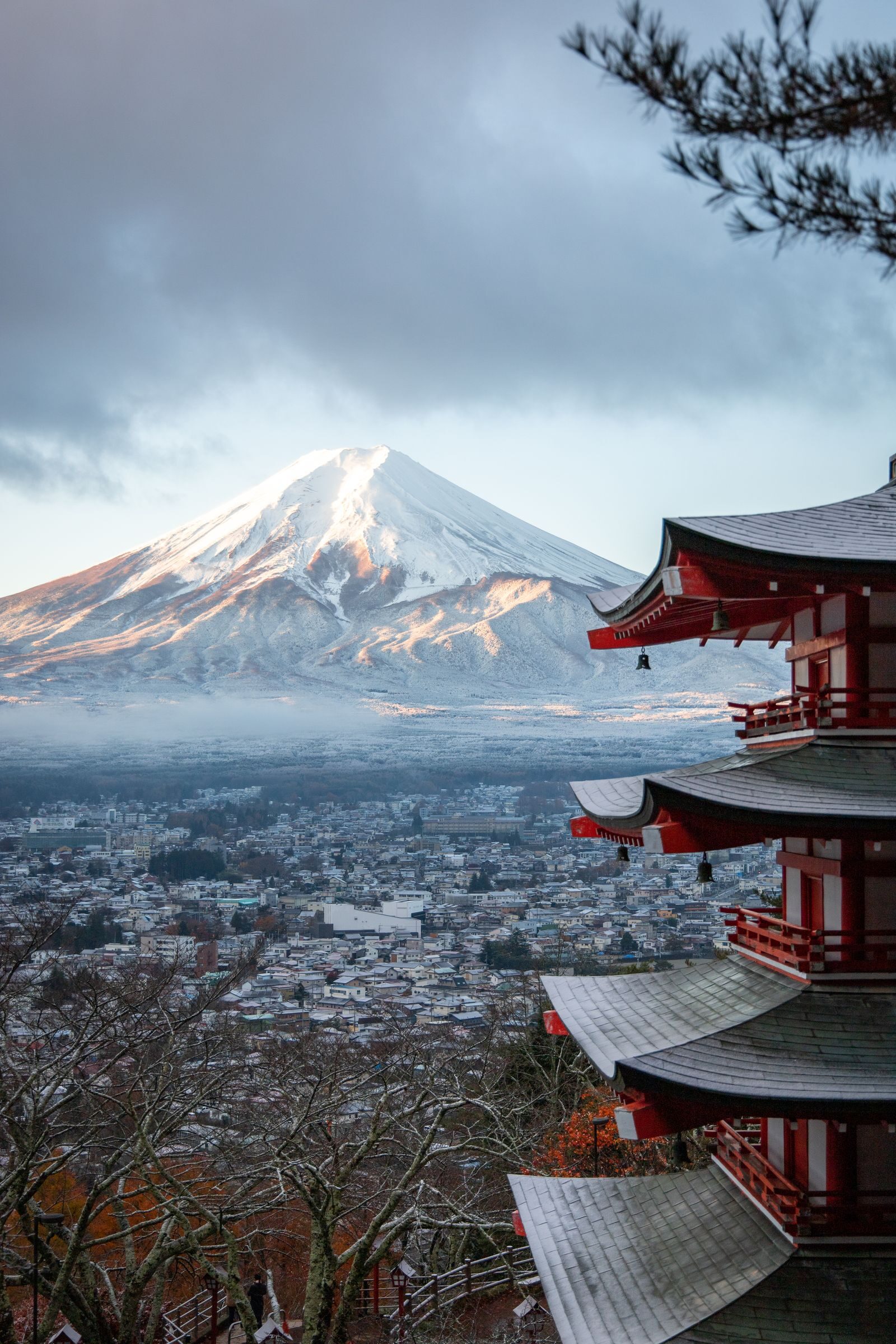
The other limitation is gallery analytics. SmugMug shows views per gallery and per image, but the depth isn’t enough for serious portfolio analysis. If you want to know which images convert to print sales and which just rack up views, you’ll plug Google Analytics into the SmugMug subdomain and run the analysis yourself. Doable, but not built-in.
The light still rules the frame
Gallery presentation doesn’t save a weak landscape frame. The fundamentals still decide which images make the portfolio. Read up on aperture for depth-of-field control (f/11-f/16 for grand landscapes, f/8 for sharpness without diffraction), ISO discipline for clean shadow detail (ISO 100 base whenever the light allows), and shutter speed for water motion choices (1/250 for crashing surf, 2-10 seconds for silky water). For destination work, the travel photography pillar covers planning, gear weight, and how to scout before you arrive.
Color management between capture and print
One detail that separates the photographers earning real print revenue from the ones whose prints never quite match the screen is color management end-to-end. Calibrate the monitor monthly with a hardware probe. Soft-proof every print-bound file in Lightroom or Capture One against the lab’s ICC profile before exporting. The skies in Iceland or the Sierra greens that look right on a calibrated monitor will print correctly only if the soft-proof matched. SmugMug doesn’t manage color for you, and the lab will print exactly what you upload. The shooter who skips this step blames the lab for prints that look flat or shifted; the shooter who does it consistently builds a reputation for print quality that earns repeat orders.
The verdict for landscape shooters
SmugMug works well for the landscape photographer who treats the gallery as portfolio plus print storefront and is willing to set up tiered pricing manually rather than relying on platform defaults. The shooters who get the most out of it run tight curation, pin actively to Pinterest, and structure print prices with the actual fine-art margin in mind, not the default markup.
If you’re running landscape work and your current setup is Instagram plus a Squarespace portfolio without a print storefront, SmugMug is worth a serious trial. Run one regional portfolio gallery through it with prints enabled, watch where the first three orders come from, and the math from there usually tells the rest of the story.