Updated October 2026
Sports are hard on a camera. The action is fast, the light changes, and the best frame lasts a fraction of a second. The Sony A7 IV is not a dedicated sports body, but its 33-megapixel sensor, 10 frames per second and subject tracking make it a capable one for field sports, motor sports and indoor courts when you set it up with care.
This guide gives starting settings for sports photography with the Sony A7 IV: shutter speed, aperture, ISO, autofocus, drive mode and card choice. It is built from Sony’s published specifications and general sports-shooting practice. I have not field-tested this camera at a game, so treat the numbers as starting points and check them in your own venue.
 Save
What the A7 IV brings to sports
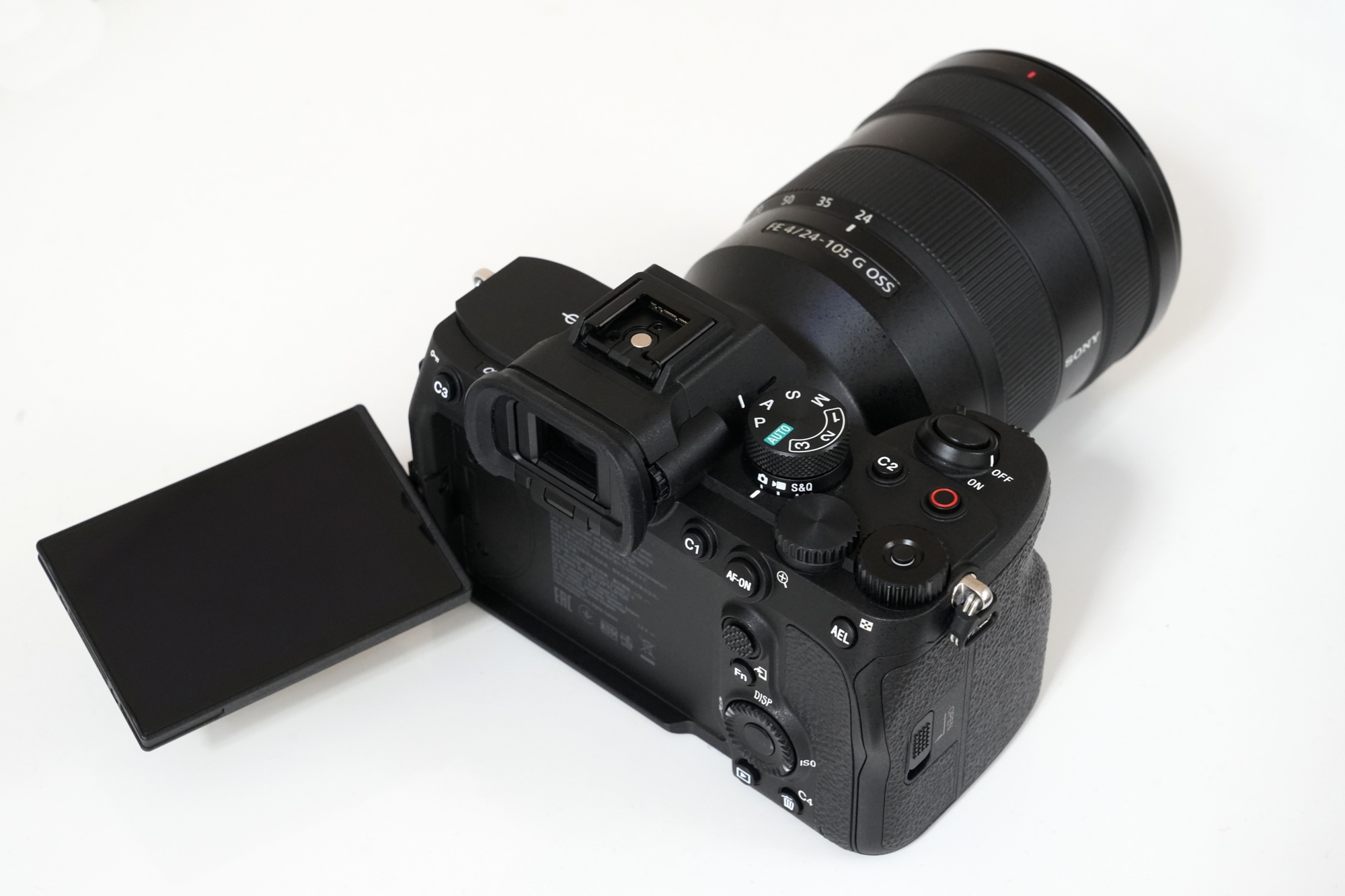
According to Sony’s help guide, the A7 IV has a 35.9 x 23.9 mm full-frame CMOS sensor with about 33 megapixels. Continuous shooting reaches about 10 frames per second in Hi+ mode and about 8 in Hi mode, with the mechanical shutter range running from 1/8000 second to 30 seconds. Sony notes that speed can drop depending on shooting conditions.
On Sony’s product page, the camera lists a Fast Hybrid AF system with 759 phase-detection points covering about 94 percent of the frame, plus Real-time Eye AF and Real-time Tracking for humans, animals and birds. The same page lists a buffer of up to 828 compressed RAW images, with a CFexpress Type A card needed for the fastest performance, and up to 5.5 stops of in-body stabilization.
The body weighs about 658 g with a battery and SD card and measures 131.3 x 96.4 x 79.8 mm. That is smaller than most sports bodies, which helps on long days, but the grip can feel small with a big telephoto lens. A battery grip or a monopod makes a difference.
 Save
The starting recipe
Use these as a first setup for daylight field sports, then adjust for the sport and the light.
| Setting | Starting value | Why |
|---|---|---|
| Mode | Manual with Auto ISO, or Shutter priority | Locks your shutter speed while the light changes. |
| Shutter speed | 1/1000 s minimum, 1/2000 s for fast action | Freezes arms, legs, balls and bikes. |
| Aperture | f/2.8 to f/5.6 | Fast enough for speed, wide enough to blur a busy background. |
| ISO | Auto, capped around 6400 outdoors | Keeps the shutter speed fixed as clouds move. |
| Autofocus | AF-C with Real-time Tracking, Wide or Zone area | Follows the athlete across the frame. |
| Drive | Continuous Hi+ (about 10 fps) | Gives you the peak of the action. |
| Stabilization | In-body on, or off on a tripod and monopod as needed | Helps with shake, not with subject motion. |
Shutter speed: the number that decides your keepers
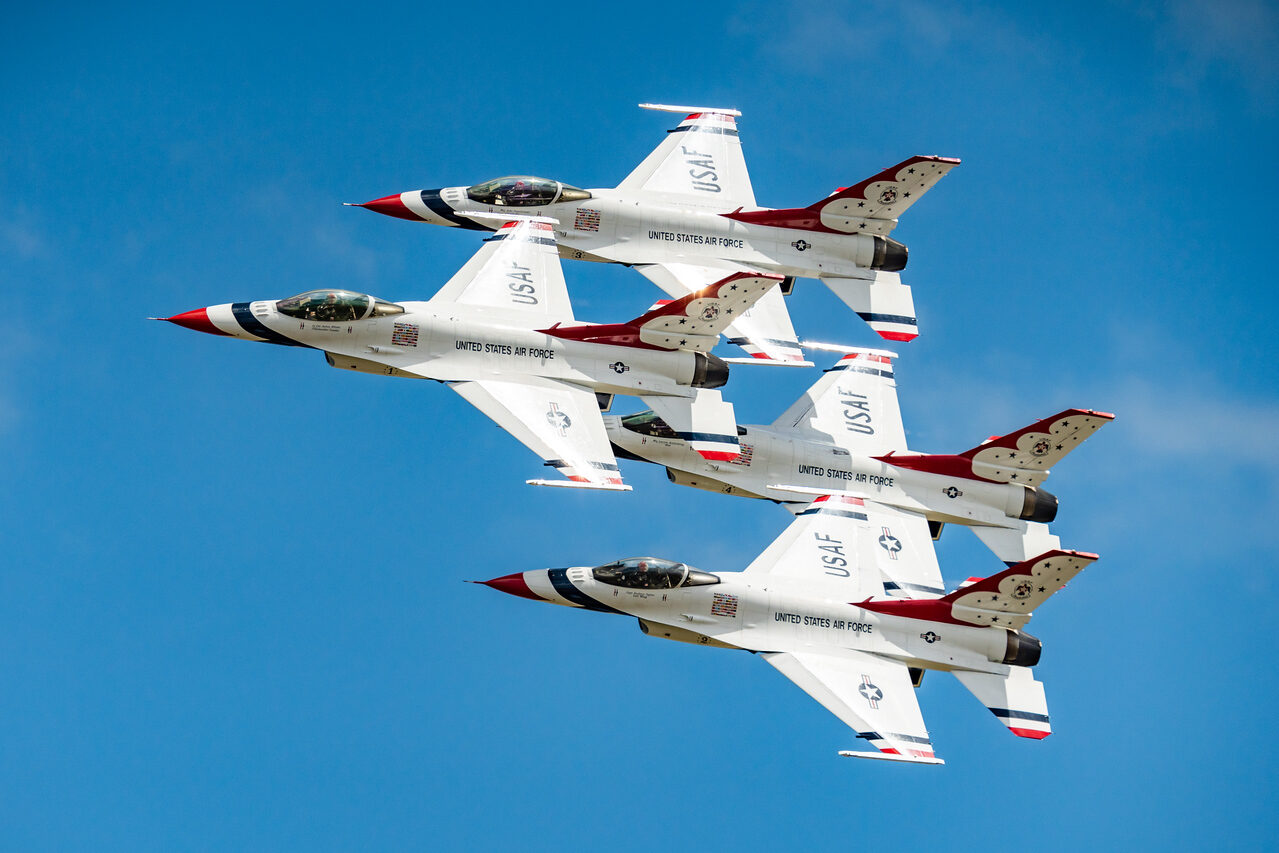
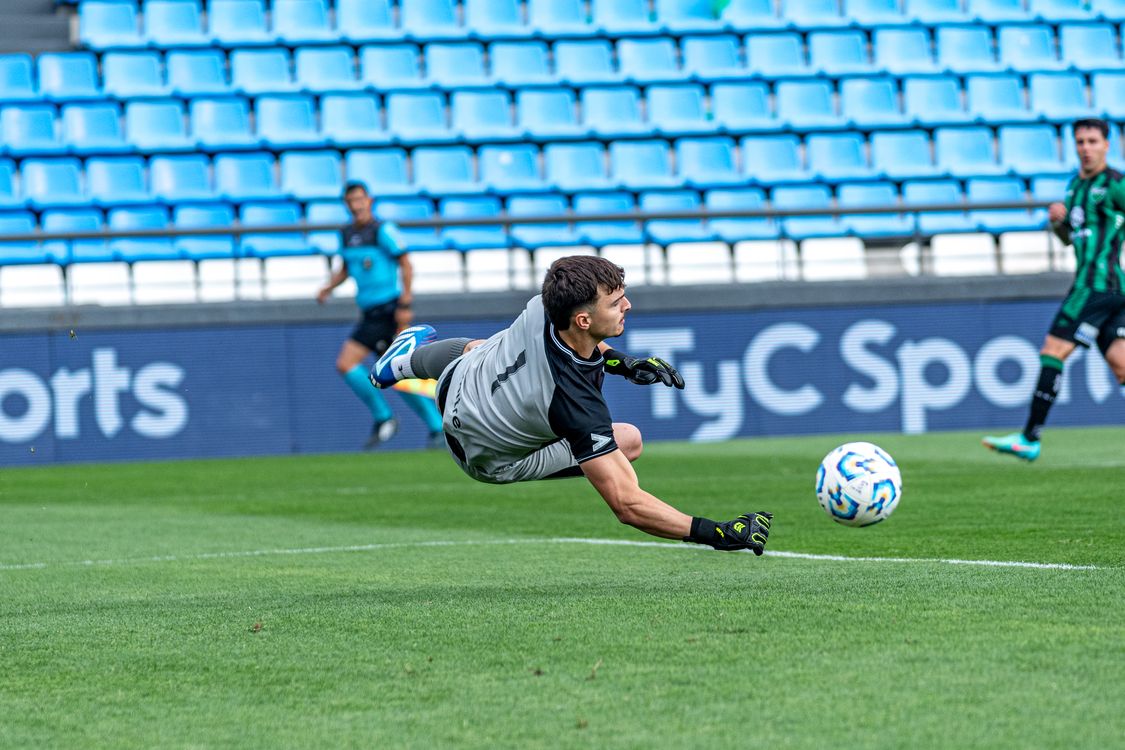
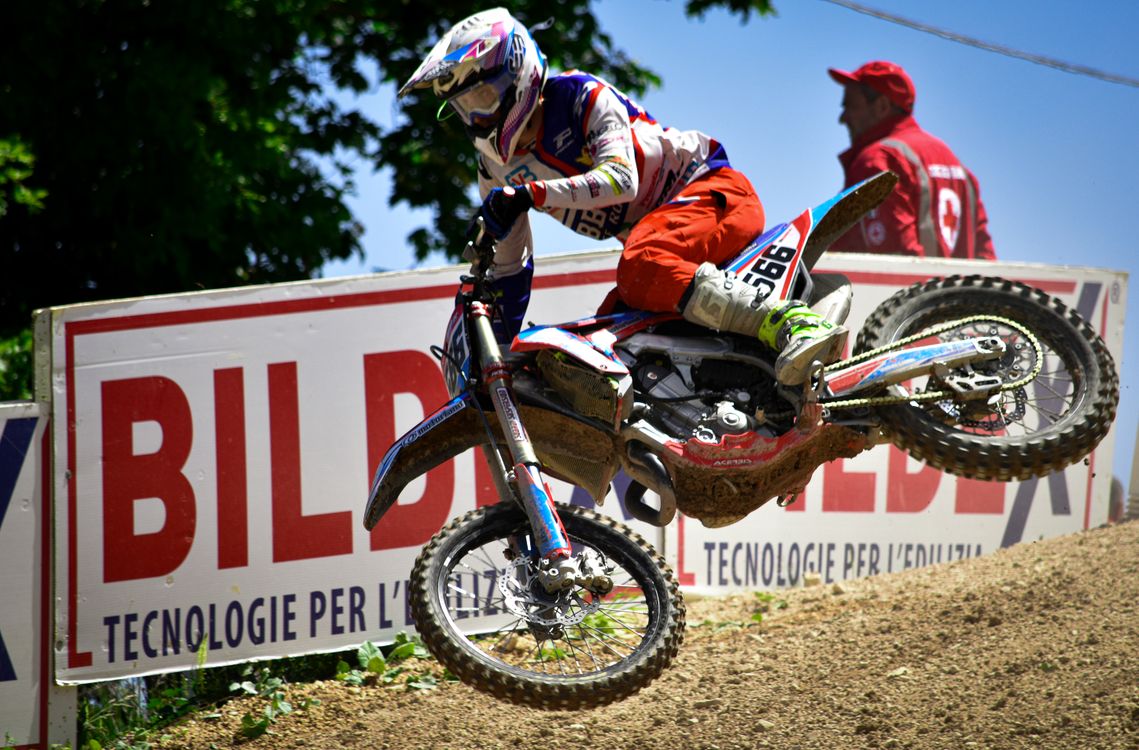
Shutter speed is the first setting to get right in sports. A sprinter’s arms, a pitcher’s hand and a kicked ball all move far faster than they look. For field sports such as soccer and football, start at 1/1000 second and go to 1/2000 for kicks, throws and fast players. For motor sports and cycling, 1/1000 to 1/2000 usually freezes the machine, but you may want a slower speed for a panning shot that shows motion in the wheels and background. For indoor sports, the venue light may not allow 1/1000, so you may be stuck at 1/500 and a higher ISO. Read our guide to shutter speed for the basics.
The A7 IV’s fastest listed shutter speed is 1/8000 second, which gives plenty of room for bright daylight and wide apertures. Sony lists a flash sync speed of 1/250 second, which matters if you shoot with a flash at an indoor event.
 Save
Aperture and depth of field
Sports lenses are usually fast telephotos, such as a 70-200mm f/2.8 or a longer prime. Shooting wide open at f/2.8 gives a fast shutter speed and separates the athlete from the crowd. At the same time, a very shallow depth of field makes focus errors obvious. If you track an athlete running at you, f/4 can give a safer focus zone with only a small cost in light. Our guide to aperture shows how the numbers change the look of a frame.
ISO and Auto ISO
Sony lists an ISO range of 100 to 51,200 for stills, expandable to 50 and 204,800, with Auto ISO covering 100 to 12,800 and adjustable limits. In sports, shutter speed comes first and ISO follows. Set Auto ISO with a ceiling that fits the light, such as 6400 in a stadium and a higher ceiling for indoor courts. A sharp, grainy frame beats a clean, blurred one. Learn more about ISO and noise.
Autofocus: tracking is the whole game
Use continuous autofocus (AF-C) and turn on Real-time Tracking. Sony says the system tracks humans, animals and birds, and Real-time Eye AF helps when a face is visible. Many sports shots show the athlete from the side or from behind, so do not rely on eye detection alone. Pick a Wide or Zone focus area and start tracking on the athlete’s torso or number, then let the camera follow.
Sony lists an AF sensitivity range from minus 4 EV to plus 20 EV, so the camera can focus in dim arenas, but results depend on the lens and the contrast of the scene. Back-button focus is a good habit: it lets you start and stop tracking without touching the shutter button. Test your setup in warm-ups before the game starts.
 Save
Drive mode, buffer and cards
Hi+ continuous shooting runs at about 10 frames per second. Sony says that speed can be reduced when you shoot lossless compressed or uncompressed RAW, and it depends on camera settings. Use compressed RAW for sports to keep the speed up and the files manageable. The camera has dual card slots that support CFexpress Type A and SD UHS-II cards. For long bursts and quick clearing of the buffer, use a fast card in slot one and a backup in slot two.
You do not need to hold the shutter down for a full second every time. A short burst of five to ten frames around the peak of the action gives you a better selection and a faster cull. Keep the shutter button half-pressed to track and press fully only when the play develops.
Lenses for sports
The right lens matters as much as the camera. A 70-200mm f/2.8 covers many field and court sports. For football, soccer and motor sports from the stands, a 200-600mm or a 400mm gives you reach. Prime lenses give the fastest apertures but fix your framing. Consider renting a long lens for a trip before you buy one. The A7 IV uses Sony E-mount, so you can use native FE lenses and many third-party options.
A simple game-day checklist
- Charge two batteries and format your cards before you leave.
- Set Manual, 1/1500, f/4, Auto ISO capped at 6400, AF-C with Real-time Tracking, Hi+.
- Check the light at warm-ups and lower the shutter speed only if you must.
- Test tracking on players in the warm-up and adjust the focus area.
- Shoot short bursts around the play, not full-length bursts.
- Check the histogram after bright and dark moments and fix the exposure at once.
- Back up the cards the same night.
Indoor arenas, flicker and white balance
Indoor sports bring poor and uneven light. Gym and arena lights can flicker, which shows up as banding or shifting exposure across a burst. If your frames change brightness from shot to shot, lower the burst speed a little or choose a shutter speed that matches the lights, such as 1/120 second in many 60 Hz venues, when you can afford the slower speed. Set a custom white balance at the start, because mixed lighting makes auto white balance jump. Shoot RAW so you can fix color later.
Panning and showing motion
Not every sports image has to freeze everything. For cycling, running and motor sports, a slower shutter speed such as 1/125 to 1/250 second with a smooth pan shows speed in the blurred background while the athlete stays sharp. Use AF-C, keep the subject in the same part of the frame, and turn with your hips rather than your arms. Expect a lower keeper rate, then take many frames.
Culling and editing sports photos
A single game can produce thousands of frames. Cull in two passes. In the first pass, throw out frames with missed focus, closed eyes or a blocked face. In the second pass, pick the one or two best moments of each play: peak action, a clean background and a clear face. Crop for story, giving the athlete space to move into. Keep edits simple, with a small exposure fix, a tone curve and light noise reduction for high-ISO frames.
Access, safety and etiquette
Check the rules before you bring a camera into a venue. Many leagues and arenas limit lens length, ban monopods, or require a media credential. Youth sports have their own concerns, so ask for permission from the organizers and parents before you share photos of children online. Stay out of the way of players and officials, and never step onto a field or court without permission.
Common mistakes
- Shutter speed too low. Blurred hands and feet ruin an otherwise good frame.
- Relying on eye detection. Athletes often face away or wear helmets, so use a tracking zone on the body.
- Wide-open on every shot. Very shallow depth of field turns small focus errors into soft shots.
- Shooting uncompressed RAW at full speed. It can slow the burst rate.
- Forgetting the background. Move a few steps to avoid bright signs and cluttered fences.
If you shoot more than sports, see our Sony A7 IV wildlife settings and Sony A7 IV wedding settings.
Sony A7 IV sports photography questions
What are the best Sony A7 IV settings for sports photography?
Start in Manual with Auto ISO (capped around 6400), a shutter speed of 1/1000 second or faster, f/2.8 to f/5.6, AF-C with Real-time Tracking, and Hi+ continuous shooting. Raise the shutter speed to 1/2000 for fast action and adjust for your light.
What shutter speed should I use for sports with the A7 IV?
Use 1/1000 second as a minimum for field sports and 1/2000 second for fast kicks, throws and motor sports. Indoor venues may force 1/500 second and a higher ISO. The camera’s mechanical shutter goes to 1/8000 second.
How fast does the Sony A7 IV shoot?
Sony lists up to about 10 frames per second in Hi+ mode and about 8 in Hi mode. Speed can drop depending on settings, such as lossless or uncompressed RAW.
Does the A7 IV track moving athletes?
Sony lists Real-time Tracking and Real-time Eye AF for humans, animals and birds, with 759 phase-detection points. For athletes, start tracking on the torso or number and use a Wide or Zone area, since eye detection needs a visible face.
What cards should I use for sports on the A7 IV?
The camera supports CFexpress Type A and SD UHS-II cards in dual slots. Sony says a CFexpress Type A card is needed for the fastest performance and the largest buffer. Use a fast card for the main slot and a backup in the second.
Is the A7 IV good enough for professional sports work?
It can handle many amateur and semi-pro sports jobs with the right lens and settings. Dedicated sports bodies offer faster bursts and larger grips, so check the demands of your assignment before you commit.
Want to go further? The ShutYourAperture Academy’s Wildlife in Motion (6 modules, 24+ lessons) is built to help you freeze a sprinting cheetah and track birds in flight with confident autofocus and shutter control.
Gear box: the Sony A7 IV for sports photography
Sony Alpha 7 IV, Sony E-mount. This is the camera discussed above. Budget separately for a fast telephoto lens, a CFexpress Type A card, a fast UHS-II SD card and spare NP-FZ100 batteries.
Affiliate disclosure and image sourcing: We may earn a commission from qualifying purchases through the Amazon and B&H links, at no extra cost to you. Images: Sony A7 IV images via Wikimedia Commons: Henry Soderlund (CC BY 2.0) and Macflies (CC BY-SA 4.0). Sports photos from Pexels.