
Updated October 2026. A $1,500 mirrorless-camera budget gives you a useful choice: buy a flexible APS-C kit, or enter full frame with a much shorter lens. My first pick for an all-around camera-and-lens package is the Nikon Z50 II with its 16-50mm zoom. The Canon EOS R10 with the 18-150mm lens is the stronger fit for one-lens travel. The Canon EOS R8 with the 24-50mm lens is the full-frame alternative, but its $1,499 price leaves essentially nothing for tax or accessories.
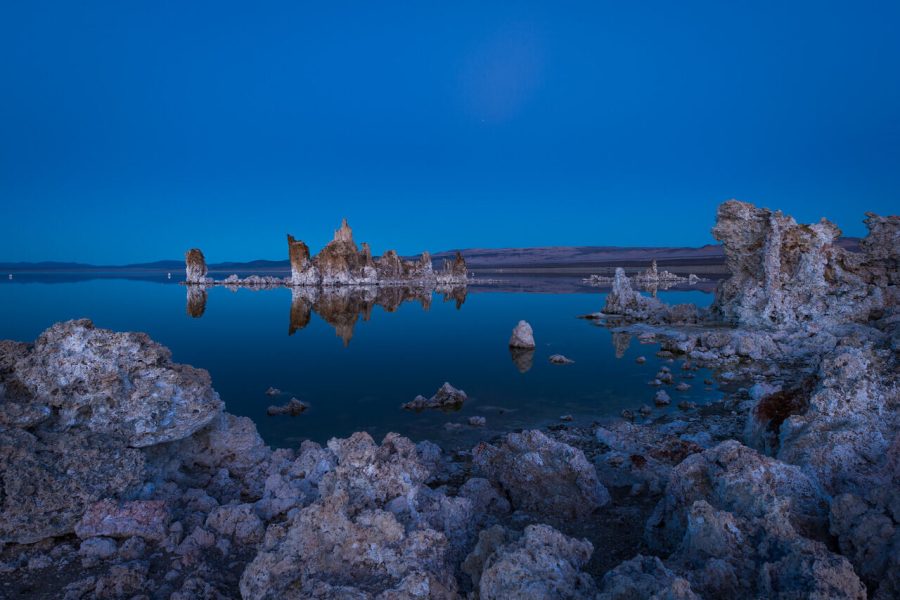
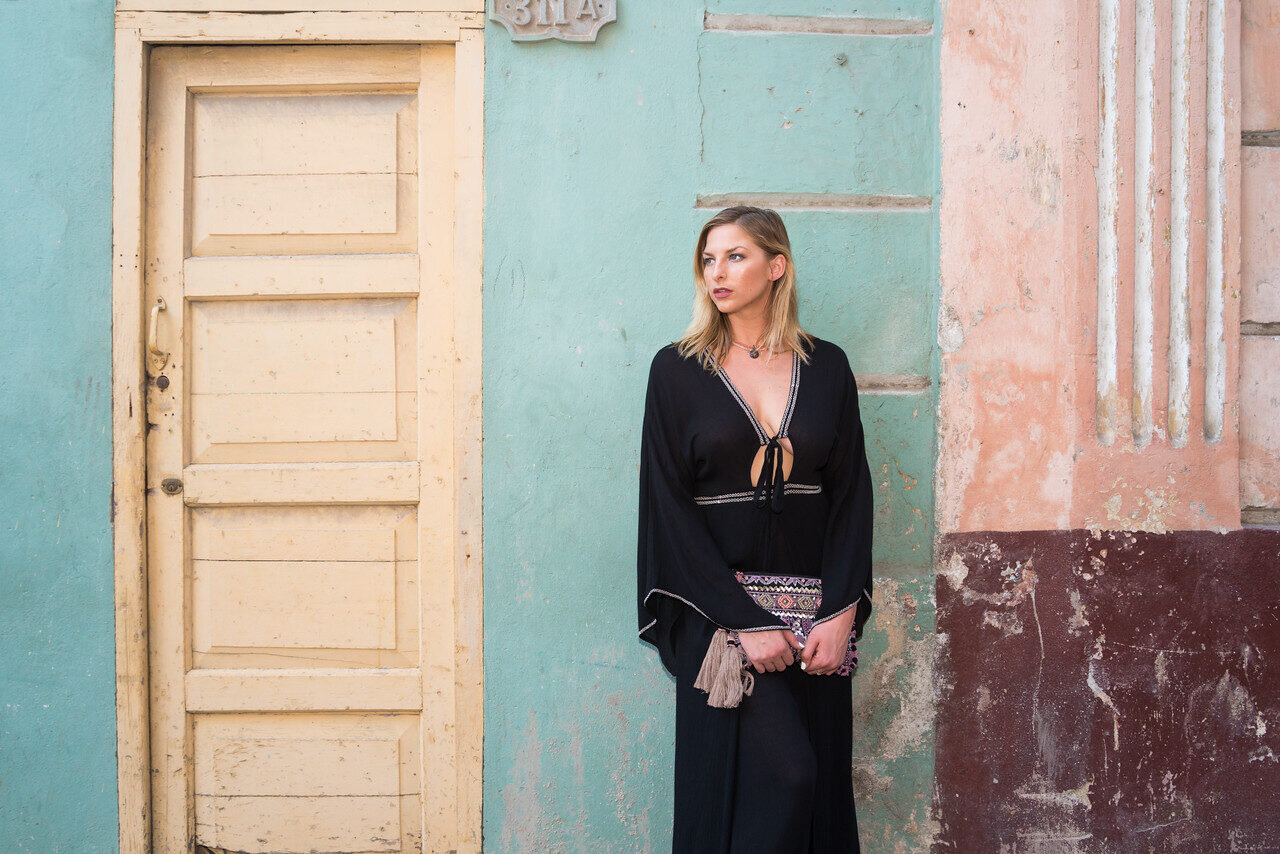
This guide compares complete new kits, not body-only prices dressed up as a finished setup. US advertised prices were checked October 5, 2026. They exclude sales tax, shipping, cards, batteries, and other accessories. The recommendations are editorial judgments based on the linked product information, not a claim that I personally tested all three side by side. Photographs are illustrations of shooting priorities, not sample files from these cameras.
Three kits that spend the budget in different ways
| Kit | Checked price | Buy it for |
|---|---|---|
| Nikon Z50 II + Z DX 16-50mm f/3.5-6.3 VR | $1,146.95 | A balanced first hybrid kit |
| Canon EOS R10 + RF-S 18-150mm f/3.5-6.3 IS STM | $1,449 | Travel without constant lens changes |
| Canon EOS R8 + RF 24-50mm f/4.5-6.3 IS STM | $1,499 | A small full-frame starting point |
All three were marked in stock at the linked B&H listings when checked. That is a storefront snapshot, not a delivery promise. The important comparison is the exact kit, not a camera name alone. A camera bundled with an 18-150mm travel zoom solves a different problem from the same-priced camera bundled with a 24-50mm zoom.
1. Nikon Z50 II: the balanced hybrid choice
The Nikon Z50 II with the 16-50mm VR lens was $1,146.95. Its 20.9-megapixel DX-format sensor and EXPEED 7 processor make it a modern APS-C option without requiring you to spend the whole ceiling. The camera includes an electronic viewfinder and a vari-angle screen, so still photography and filming are both realistic uses.
I would start here for somebody who wants a camera for people, travel, everyday details, and video, but has not yet committed to a narrow specialty. The included lens covers approximately a 24-75mm full-frame-equivalent angle of view. That is wide enough for many travel scenes and long enough for loose portraits. It is not a serious wildlife lens, and it is not an ultra-wide interior lens.
The Z50 II supports internal 10-bit video and Nikon’s N-Log workflow, according to the retailer’s specifications. Those features can matter if you intend to grade footage. They do not automatically improve an unedited family clip. A log file needs an appropriate exposure and editing workflow; choose a normal profile if the priority is a straightforward result you can share quickly.
Do not mistake video electronic VR or stabilization in the lens for sensor-shift stabilization in the body. The kit relies on its stabilized lens for optical shake reduction. That matters if you later attach a lens without stabilization. It also matters if you expect smooth walking footage simply because the camera has several video features.
The strongest budget advantage is room to make a considered second purchase. At the checked price, the kit leaves more room than either Canon option. That room could cover a necessary card, spare battery, or future lens, but work out the actual total rather than assuming every accessory will fit. There is no prize for spending all $1,500 on day one.
Skip this kit if your central need is a long zoom in one purchase. The small 16-50mm is convenient, but you will reach its long end quickly when your subject is far away. Also skip it if full frame is a deliberate requirement tied to lenses you already own. A balanced general kit is not always the right specialized kit.
2. Canon EOS R10 with 18-150mm: pay for reach and convenience
The Canon EOS R10 with the RF-S 18-150mm lens was $1,449. This exact listing includes the longer zoom, not the smaller 18-45mm. The 24.2-megapixel APS-C body includes an electronic viewfinder and Canon’s subject-tracking autofocus. The practical reason to choose this package is the lens.
Canon’s crop format makes the 18-150mm range approximately equivalent to 29-240mm on full frame. You can frame a street scene and then isolate a detail across the street without changing lenses. That is valuable when you are traveling with one bag, moving through dust, or keeping up with companions who are not waiting for a camera demonstration.
There are tradeoffs. The wide end is not particularly wide, especially for cramped interiors. The variable f/3.5-6.3 maximum aperture becomes slower as you zoom. For indoor action or strongly blurred portraits, this is not the same tool as a fast prime. The long end also makes camera movement more visible, so shutter speed and technique matter even with lens stabilization.
The R10 has no in-body stabilization. Its 18-150mm lens supplies optical IS. For stills, that can help when the subject is static. For a person walking toward you, keep the shutter speed high enough to freeze motion. Stabilization is not permission to photograph everything at a slow shutter speed.
Video users should read the mode details rather than stopping at the phrase 4K. The product information lists 4K/30p from an oversampled 6K area and 4K/60p with a crop. A crop changes the angle of view, which can make an already modest wide end feel tighter. If wide handheld video is a priority, check the actual framing of the mode you plan to use.
Choose this kit when one-lens travel and range are the priorities. Do not choose it just because the zoom number is larger. A longer zoom does not replace a suitable aperture, thoughtful lighting, or enough room between you and the subject. It is a convenience purchase with a useful range, not an all-purpose solution to every photographic problem.
 Save
3. Canon EOS R8 kit: full frame with a tight spending limit
The Canon EOS R8 with the RF 24-50mm lens was $1,499. Its 24.2-megapixel full-frame sensor and compact body make it an interesting entry into full frame. The kit lens is small and covers a true 24-50mm range on this sensor. It offers a wider starting view than the Canon R10 kit, but far less reach.
The R8 is the choice to investigate if you know you want full-frame RF lenses over time, photograph people or events, and can accept the body and lens compromises. It is not the automatic winner merely because the sensor is bigger. A larger sensor with the wrong lens can be a less useful purchase than APS-C with the lens range you actually need.
Canon’s product information describes full-width 6K-oversampled 4K/60p, 10-bit capture, and Canon Log 3. That makes the R8 a different video proposition from the R10. It still needs suitable cards, battery planning, temperature awareness, and a sensible recording workflow. Do not interpret a listed recording capability as a promise that every mode runs indefinitely in every condition.
The R8 does not have sensor-shift in-body stabilization. The kit zoom has optical stabilization, and movie digital stabilization is a separate electronic feature. Those are different mechanisms with different framing consequences. If body stabilization is your deciding feature, this is not the kit to buy on assumption.
The 24-50mm lens is a starting lens, not a portrait specialist. At 50mm its maximum aperture is f/6.3. That limits low-light flexibility and background separation compared with a faster prime. You can still make good photographs with it; just do not assign it the job of a large-aperture portrait lens and then blame the camera.
The money issue is blunt: $1,499 is only $1 under the equipment ceiling, before tax. If $1,500 is your delivered total, this kit does not fit most taxable purchases. If you already own a compatible lens and need only a body, compare the actual body listing separately. Do not subtract an imagined lens value from this kit and call it a verified body price.
Why these are different purchases, not a ranking of sensor sizes
The Nikon spends less on the first kit and leaves room to develop the system. The R10 spends more of the budget on one-lens flexibility. The R8 spends it on a full-frame body with a short starter zoom. Those are three different priorities. Pick the priority first, then pick the camera.
For a trip with varied daylight subjects, the R10’s reach may be more valuable than the R8’s sensor size. For a person learning video and stills, the Z50 II’s balanced kit and lower price may be more useful. For a photographer who wants to build a full-frame Canon system, the R8 is a credible starting point as long as the later lens costs are part of the plan.
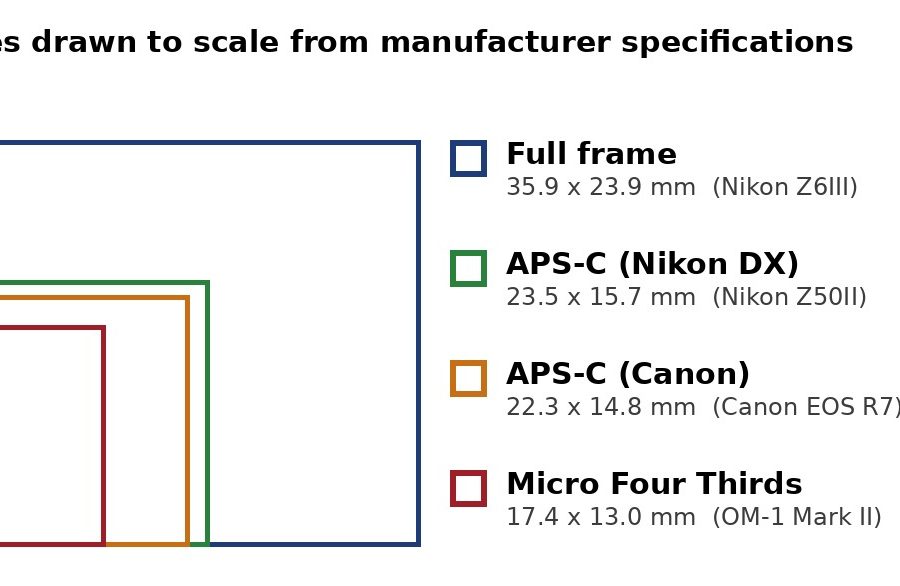
Megapixels are not a complete picture-quality score. The Nikon’s 20.9 megapixels and the Canons’ 24.2 megapixels describe resolution, not whether you chose good light or nailed focus. Cropping can use more resolution, but it cannot recover every missed opportunity. A sharp, well-framed photograph from a modest kit beats a poorly timed frame from a more expensive camera.
 Save
 Save
A buying checklist that prevents the expensive mistakes
Match the exact lens to the camera
Read the full product title, the included-items section, and the model number. A body, a kit with a short zoom, and a kit with a long zoom can appear beside each other in search results. Retailers may also offer filter bundles or accessory packages. Compare the configuration you will actually receive, not the cheapest number shown for any variant.
Canon RF-S lenses are designed around APS-C coverage. They are not a way to get the same full-frame result from an R8. Nikon DX lenses are likewise designed for Nikon’s crop format. Sony and third-party mounts have their own distinctions. Compatibility means more than whether something can physically attach.
Separate stabilization from subject motion
All three listed kits include a stabilized lens; none of these three bodies has sensor-shift stabilization. For a static building, a stabilized lens may help you handhold at a slower shutter speed. For a moving face, that slower shutter can still produce blur. Diagnose the photograph before buying a feature to fix the wrong problem.
Check the return and warranty terms
Buying new from an authorized retailer is not the same as buying a gray-market or used listing. Verify the actual warranty coverage, return window, return condition requirements, and whether opening or using the item changes those terms. Do this before paying, not after discovering that the camera does not fit your hands.
Within the return window, test the camera with the included lens and your intended card. Photograph a static subject, a moving person, and a dim room. Record a short clip and play it back. Check autofocus, ports you need, card writing, and battery behavior. A quick test does not replace learning the camera, but it can uncover a faulty item or a bad fit.
 Save
What to buy next, and what can wait
The first accessory should solve an actual missing requirement. If you have no compatible card, buy a suitable card. If a long day requires a spare battery, plan for one. If your subjects need light, a lens upgrade may be less useful than a small lighting setup. Avoid buying a long bundle of cheap accessories simply because it looks like a complete kit.
The next lens should answer a repeated limitation. A faster prime helps with low light and shallow depth of field – my guide to portrait photography techniques shows what to do with that look once you have it. A wider lens changes the view in tight spaces. A longer lens makes distant subjects larger. These are different tools. Keep notes on the shots you could not make, and spend according to those notes.
For portraits, subject-to-background distance and the direction of light matter even before a new lens enters the picture. For landscapes, a stable support and careful focus can matter more than an expensive body; when you are ready for tripod work, see my long exposure photography guide. For video, sound, framing, and camera movement need attention. The camera is part of the result, not the whole result.
My final recommendation
Start with the Z50 II kit if you want a balanced system and room to learn before buying more. Choose the R10 18-150mm kit if one-lens travel is the main job. Choose the R8 24-50mm kit if full frame is a deliberate system decision and the near-ceiling price is acceptable. If your whole checkout must remain under $1,500, price the final cart before treating either Canon as inside the limit.
Then stop shopping long enough to make photographs. Practice a repeatable exposure and focus routine, review the results, and adjust one variable at a time. For structured practice after the purchase, visit the Shut Your Aperture Academy. A clear practice plan makes the purchase more useful than another week of comparison charts.
Frequently asked questions
What is the best mirrorless camera kit under $1,500?
At the checked prices, the Nikon Z50 II with the 16-50mm VR lens at $1,146.95 is the balanced editorial pick for general stills and video.
Is the Canon R10 18-150mm kit good for travel?
Yes – its approximately 29-240mm full-frame-equivalent range covers wide scenes to distant details in one lens, at the cost of a modest maximum aperture.
Can I get a full-frame camera under $1,500?
The Canon EOS R8 with the RF 24-50mm lens was $1,499 before tax and accessories when checked. That fits the equipment ceiling but likely not a $1,500 checkout total.
Do these cameras have in-body stabilization?
No. None of the three bodies has sensor-shift stabilization; each listed kit lens has optical stabilization.
APS-C or full frame at this budget?
Choose by lens range, total system cost, and handling. APS-C with the right lens is often more useful than full frame with the wrong one.
Source and price notes
Prices and exact kit configurations checked October 5, 2026, at the three B&H product pages linked above. Product specifications come from those listings. Recommendations are editorial fits, not a claim of personal side-by-side testing. Availability and prices can change.
Compare the exact kits
Affiliate disclosure: eligible purchases may earn a commission at no extra cost to you. Check the condition, warranty, included lens, and final checkout total.