Updated October 2026. Under $2,000, the best mirrorless-camera decision is no longer simply which body has the biggest sensor. It is whether you want a complete small hybrid kit, a full-frame starter kit, or a stabilized full-frame body for lenses you already own. My shortlist is the Sony a6700 with the 16-50mm zoom, the Canon EOS R8 with the 24-50mm zoom, and the Nikon Z5 II body. The Nikon is deliberately labeled body-only. It is not a ready-to-shoot kit at its advertised price.
US prices were checked October 5, 2026: Sony’s a6700 kit at $1,599.99, B&H’s R8 kit at $1,499, and B&H’s Z5 II body at $1,696.95. Tax, shipping, lenses not included in the named package, cards, batteries, and other accessories are extra. This is a sourced editorial buying guide, not a claim of first-hand comparative testing. Illustrative photographs show shooting priorities, not results from these three cameras.
The shortlist: read the configuration before the price
| Choice | Checked price | What it includes | Best fit |
|---|---|---|---|
| Sony a6700 | $1,599.99 | Body + 16-50mm power zoom | Compact hybrid stills and video |
| Canon EOS R8 | $1,499 | Body + RF 24-50mm zoom | Small full-frame starter kit |
| Nikon Z5 II | $1,696.95 | Body only, no lens | Stabilized full frame for an existing Z system |
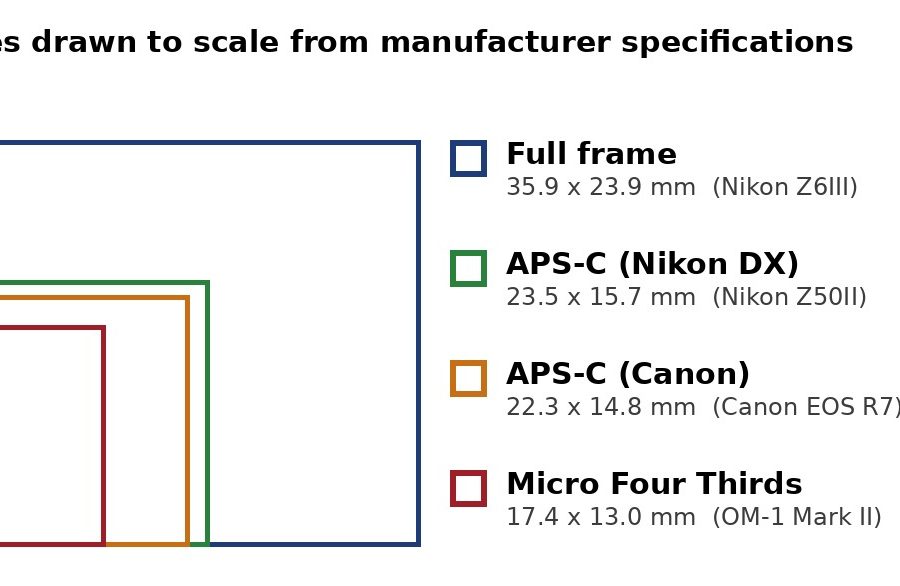
These are not interchangeable carts. If you have no lens, the Nikon requires another purchase. If you own only Nikon DX lenses, do not assume they give you a full-frame image area on an FX body. If you own Canon RF-S lenses, the same coverage distinction matters on the R8. Start with a lens inventory, not a sensor-size ranking.
1. Sony a6700 kit: the hybrid-system pick
The Sony a6700 with the 16-50mm power zoom was $1,599.99 at Sony’s US store, with Add to Cart available. This APS-C camera combines a 26-megapixel sensor, in-body stabilization, a vari-angle screen, and a stills-and-video feature set that makes sense for a photographer who does both regularly.
The main reason to choose it is the balance of body features and small system size. An APS-C sensor does not prevent serious work. It changes angle-of-view and depth-of-field comparisons, and it can let you build a compact kit with suitable lenses. The included zoom is a convenient starting point, not the best possible lens for every job.
Sony lists 10-bit 4:2:2 internal recording and S-Log support. Those are useful for someone with an editing workflow that can use them. They are not a reason to record everything in log if you do not plan to grade it. Read the mode-specific details before assuming every advertised frame rate uses the same sensor area, oversampling, heat behavior, or recording conditions.
The a6700’s in-body stabilization is a meaningful distinction from the R8. It can help with handheld stills and supported lenses, but it does not freeze a subject. A sharp background and blurred walking person still call for a faster shutter speed. For video, stabilization also does not erase careless movement. Practice holding and moving the camera before buying equipment to compensate for every step.
The 16-50mm range is approximately equivalent to 24-75mm on full frame. It is useful for travel, casual portraits, and everyday scenes. Its variable maximum aperture limits dim-room work and strong background separation. If your main job is portraits indoors, allow for a suitable prime or lighting rather than expecting the kit zoom to do a fast lens’s job.
Choose this kit if you want a small hybrid system, body stabilization, and Sony E-mount options. Skip it if full-frame coverage is a deliberate requirement tied to your existing lenses or shooting needs. Also skip it if you want a long all-in-one travel lens immediately; the short power zoom does not supply that range.
2. Canon EOS R8 kit: full frame without pretending the lens is finished
The Canon EOS R8 with the RF 24-50mm f/4.5-6.3 IS STM lens was $1,499 and marked in stock at B&H. It has a 24.2-megapixel full-frame sensor in a compact body. At this budget tier, the attraction is that the camera-and-lens package leaves some advertised-price room for other needs.
That is different from buying it under a $1,500 ceiling, where it uses nearly every dollar before tax. Under $2,000, you have a less strained starting plan. But do not turn the roughly $500 difference into a promised accessory bundle. Sales tax, shipping, a necessary card, and the exact next lens can change the total quickly.
The R8 supports full-width 6K-oversampled 4K/60p, 10-bit capture, and Canon Log 3 according to the product information. It is a capable video option on paper, but recording modes are not a substitute for battery, card, temperature, and audio planning. Make a test clip in the conditions you actually use before relying on the camera for an unrepeatable event.
The major body compromise is no sensor-shift in-body stabilization. The kit lens has optical IS; movie digital stabilization is a separate feature. If you frequently use unstabilized lenses handheld, that difference matters. If you mostly work from a tripod or use lenses with stabilization, it may matter less. Choose according to the work, not the checkbox count.
The kit lens covers 24-50mm. It is wide enough for many scenes, but there is no telephoto reach here. At the long end, f/6.3 is a modest maximum aperture. This is a small starter zoom, not a substitute for a fast portrait lens. A bigger sensor does not make an inappropriate lens suddenly appropriate.
The R8 is worth considering when full-frame Canon RF is the system you want and you can accept a lightweight body with these compromises. It is less appealing if stabilization is essential, if you need a longer zoom immediately, or if your existing lenses belong to another mount. Include adapters, compatibility, and lens coverage in the budget rather than treating them as free assumptions.
 Save
3. Nikon Z5 II body: the strongest case when you already have a lens
The Nikon Z5 II body was $1,696.95 and marked in stock at B&H. The selected listing is the body configuration. Its 24.5-megapixel full-frame BSI sensor, EXPEED 7 processor, subject-recognition autofocus, and sensor-shift stabilization make it a useful stills-first full-frame option to investigate.
It is especially relevant if you already own a suitable full-frame Z lens. Then the budget is buying a body upgrade, not an entire camera system. If you do not own a lens, you must price one separately. The remaining advertised-price room under $2,000 is only about $303 before tax and accessories. I am not calling that a complete Nikon kit.
The Z5 II’s in-body stabilization is the obvious distinction from the R8. Nikon’s product listing also describes an electronic viewfinder, a vari-angle rear screen, and video options including 10-bit recording. Those features make it more than a basic stills-only body. Still, decide which modes you will use and inspect their conditions rather than treating every headline capability as identical.
A full-frame sensor can be useful for available-light work and depth-of-field control with appropriate lenses. That does not mean every full-frame photograph has less noise or more blur than every APS-C photograph. Exposure, lens aperture, framing, subject distance, output size, and technique all matter. Compare complete setups for the same task, not isolated sensor labels.
If you have adapted F-mount lenses, verify autofocus and other compatibility for the exact lens and adapter. A familiar Nikon name is not a blanket guarantee that every old lens behaves the same way on a new body. Read the compatibility documentation before assuming the adapter is merely a mechanical spacer.
Choose the Z5 II when you want stabilized full frame and already have, or have separately budgeted for, appropriate glass. Skip the body-only bargain logic if this is your first interchangeable-lens camera. A body without a lens does not make photographs, and a cheap unsuitable lens can undo the benefit of a carefully chosen body.
Build the budget around the photograph, not the box
If you photograph people
 Save
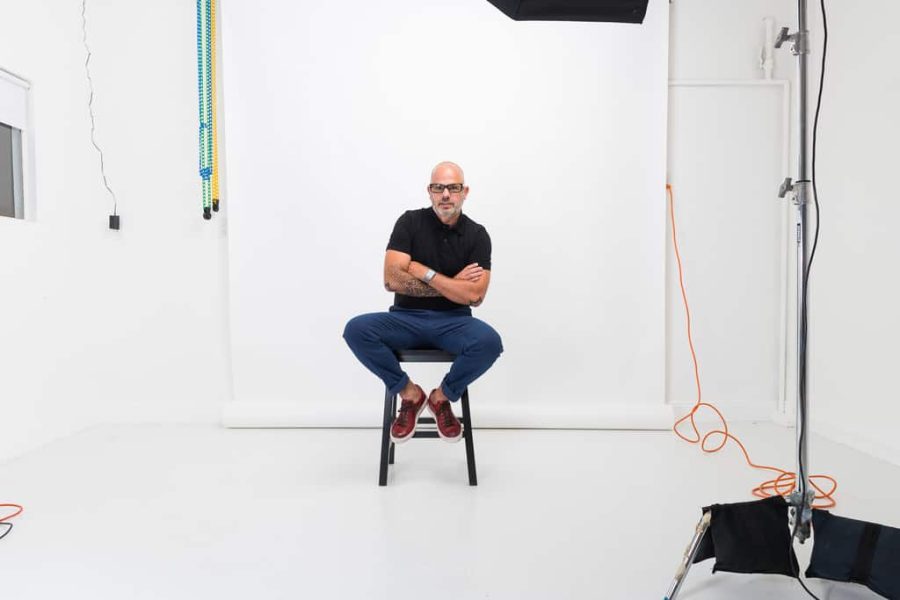
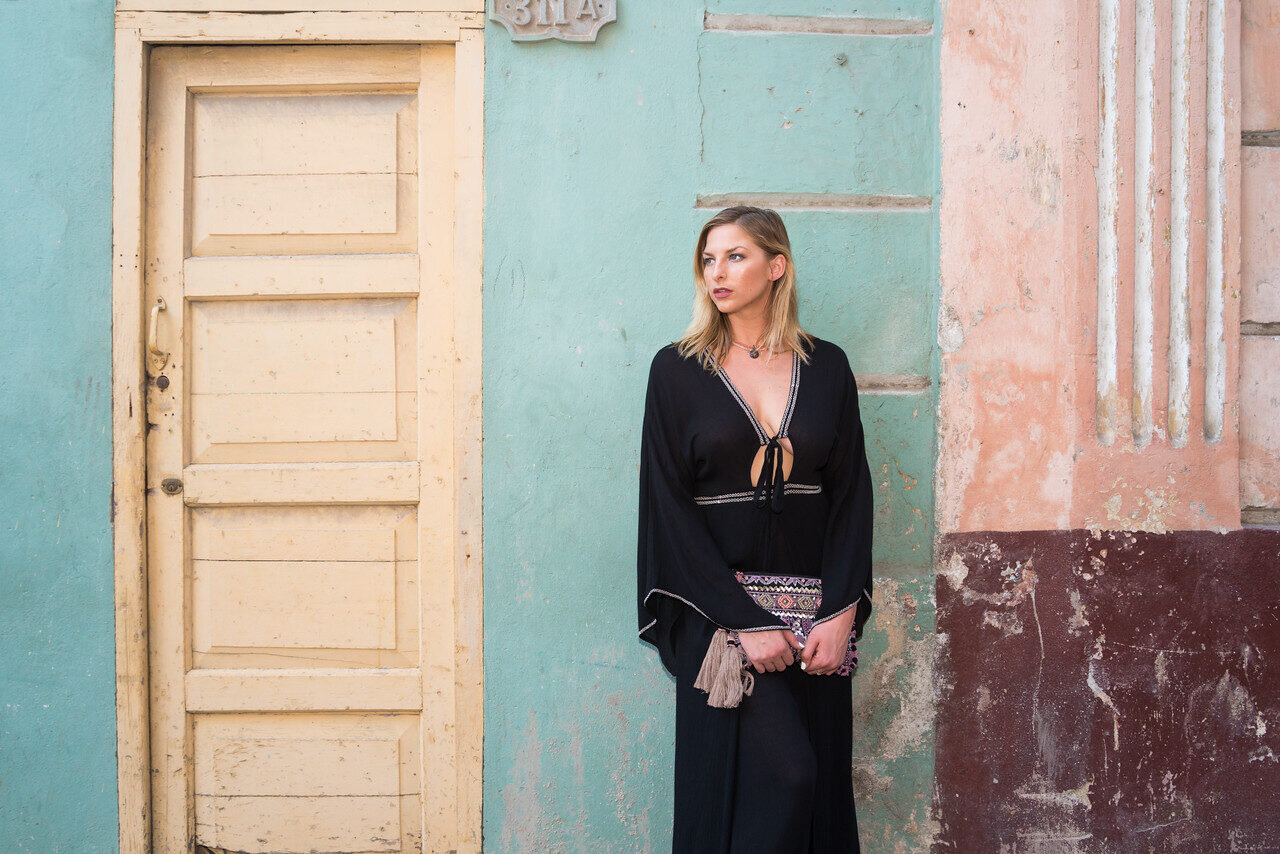
Work out the room and the framing first. A long portrait lens needs working distance; a wide lens used close to a face changes perspective because you moved closer. A fast aperture can help in low light, but very shallow depth of field can make focus harder. A slightly stopped-down portrait with both eyes sharp is often more useful than a wide-open frame with the important detail missed. My guide to portrait photography techniques covers the posing and lighting side.
The kit zooms in this shortlist are starting tools. They can make portraits in suitable light, but they do not replace a portrait-lighting plan or a fast prime when that is the job. Before spending the spare budget, make a few sessions and note the limitation that keeps appearing. Buy the solution to that limitation.
If you photograph landscapes and travel
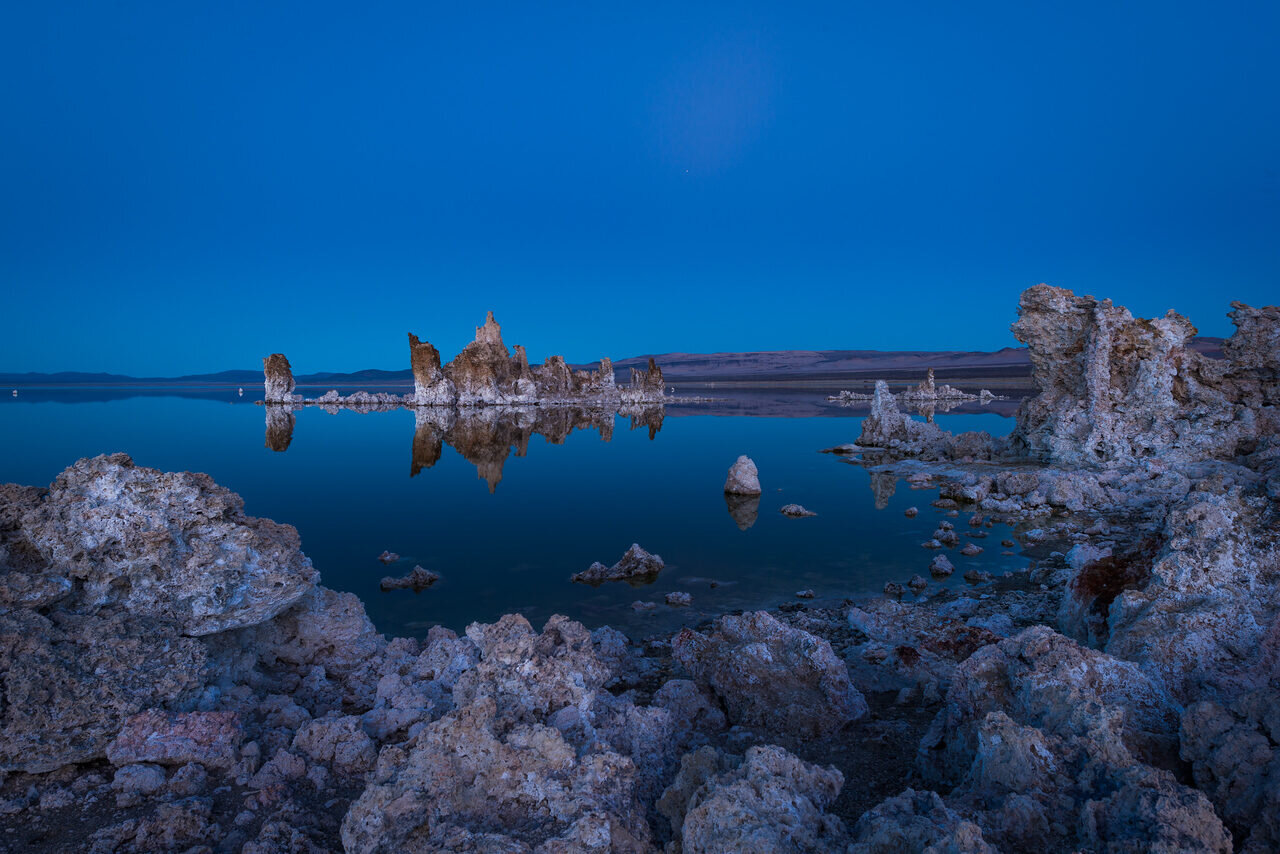
Weight and range matter because you carry the whole system. A small body with a large lens can still be a large kit. A tripod, weather protection, and battery planning may matter more than the newest autofocus category for a static landscape – my long exposure photography guide covers that workflow. None of these cameras should be treated as waterproof simply because marketing mentions durability.
For travel, decide whether you prefer changing lenses or carrying one flexible zoom. The a6700 kit and R8 kit both use short zooms. A separate long zoom adds cost and weight. Compare the complete bag you will carry, not the body weight printed on a specification sheet.
 Save
If you shoot video
Choose your delivery format, frame rate, audio setup, and editing workflow before ranking codecs. A 10-bit log file is useful when you can expose and grade it properly. If you need a quick clip with minimal editing, a standard picture profile may be the right tool. Test skin tones, focus changes, and audio in the actual light you expect to use.
Check the crop and stabilization behavior of the mode you select. A digital stabilization mode can change framing, and high-frame-rate modes can have different sensor readouts. A wide-enough lens in one mode may become too tight in another. The answer lives in the exact mode and lens combination, not in a single word on the product page.
Before you move an existing system to another brand
List every lens and accessory you use, then check what transfers. Mount, sensor coverage, autofocus support, stabilization, flash compatibility, and remote connections can all change. Selling a system to save a little on a body may cost more after you replace the lenses you actually need.
If you are buying your first system, read the prices of two realistic future lenses. You do not need to buy them now. You do need to know whether the upgrade path fits your life. The cheapest first body is not always the cheapest system, and the most expensive body is not always the strongest long-term choice.
Handle the camera if possible. Grip comfort, menu organization, screen movement, and how quickly you can change exposure affect everyday use. A technically capable camera that frustrates you is not a good personal fit. Use a retailer’s actual return policy as a safety net, not as an excuse to ignore fit before ordering.
My recommendation under $2,000
For a new compact hybrid system, begin with the a6700 kit. For a small full-frame Canon starter package, consider the R8 kit and plan the next lens carefully. For an existing Nikon Z owner who wants stabilized full frame, investigate the Z5 II body. These are fit-based picks, not a promise that one camera wins every subject or lighting condition.
Once the choice is made, put time into shooting. Learn to separate missed focus, camera shake, and subject motion. Practice exposure and focus on scenes you can repeat before taking on scenes you cannot. The Shut Your Aperture Academy can help turn the purchase into a practice plan.
 Save
Frequently asked questions
What is the best mirrorless camera under $2,000?
At the checked prices, the Sony a6700 kit at $1,599.99 is the compact hybrid pick, the Canon R8 kit at $1,499 is the small full-frame starter, and the Nikon Z5 II body at $1,696.95 suits buyers who already own Z lenses.
Is the Nikon Z5 II a complete kit under $2,000?
No – the $1,696.95 listing is body only. Buyers without a suitable lens must budget for one separately.
Does the Canon R8 have in-body stabilization?
No. The R8 relies on lens-based optical stabilization and electronic movie stabilization; the a6700 and Z5 II have sensor-shift in-body stabilization.
Is full frame always better than APS-C under $2,000?
No. Lens range, stabilization, system cost, and handling matter as much as sensor size for most real work.
Should I switch camera brands at this budget?
Only after pricing the lenses and accessories you would need to replace. A body saving can disappear in system costs.
Source and price notes
Prices and configurations checked October 5, 2026, at Sony US and the two B&H product pages linked above. Specifications come from those listings. Recommendations are editorial fits, not a claim of personal side-by-side testing. Availability and prices can change.
Compare the exact configurations
Affiliate disclosure: eligible purchases may earn a commission at no extra cost to you. Check whether the listing is body-only or a kit, plus condition, warranty, and the final checkout total.