Updated October 2026. The best mirrorless camera under $1,000 is the one you can actually take out and shoot, not a body that eats your whole budget before you buy a lens. For a first stills-and-video kit, the Canon EOS R50 with the RF-S 18-45mm lens is my editorial pick at the prices checked for this guide. The Nikon Z30 kit makes more sense for screen-first filming, while the Sony a6400 kit is worth a look if Sony’s lens system matters more than having the newest interface.
This is a researched buying guide, not a claim that I personally field-tested every camera here. Prices below were checked on October 5, 2026, at the linked US storefronts. They are new-camera, lens-included prices before sales tax, shipping, cards, spare batteries, and other accessories. Discounts can change. The photographs illustrate shooting decisions; they are not test shots made with the cameras recommended here.
The short answer: three complete kits, three different reasons to buy
| Camera and included lens | Checked price | Best fit | Main compromise |
|---|---|---|---|
| Canon EOS R50 + RF-S 18-45mm f/4.5-6.3 IS STM | $799.99 at Canon USA | First camera for photos and occasional video | Short, slow kit zoom; no in-body stabilization |
| Nikon Z30 + NIKKOR Z DX 16-50mm f/3.5-6.3 VR | $796.95 at B&H | Travel videos and filming yourself | No electronic viewfinder |
| Sony a6400 + E PZ 16-50mm f/3.5-5.6 OSS II | $998 at B&H | Starting a Sony E-mount lens system | Almost no budget left; older controls and video design |
I am keeping this list short on purpose. A fourth or fifth recommendation that exceeds the ceiling, omits its lens, or only works with an unverified discount does not help you buy. All three kits include a general-purpose zoom. None includes a magical portrait lens, a wildlife telephoto, or a complete lighting setup.
Illustrative photographs by Edin Chavez. These are not test frames from the recommended cameras.
1. Canon EOS R50 kit: the sensible first-camera choice
The Canon EOS R50 kit was $799.99 and marked in stock at Canon USA when checked. It pairs a 24.2-megapixel APS-C camera with the RF-S 18-45mm stabilized zoom. The built-in electronic viewfinder is important if you photograph outside. You can brace the camera against your face and compose without relying entirely on a sunlit rear screen.
The R50 is a strong place to start for families, travel, street details, food, and portraits in decent light. Its small body also makes it easier to carry than a camera that feels like a commitment every time you leave home. Canon lists uncropped 4K at up to 30 frames per second, oversampled from 6K. That gives casual video users a useful option without turning this into a cinema-camera purchase.
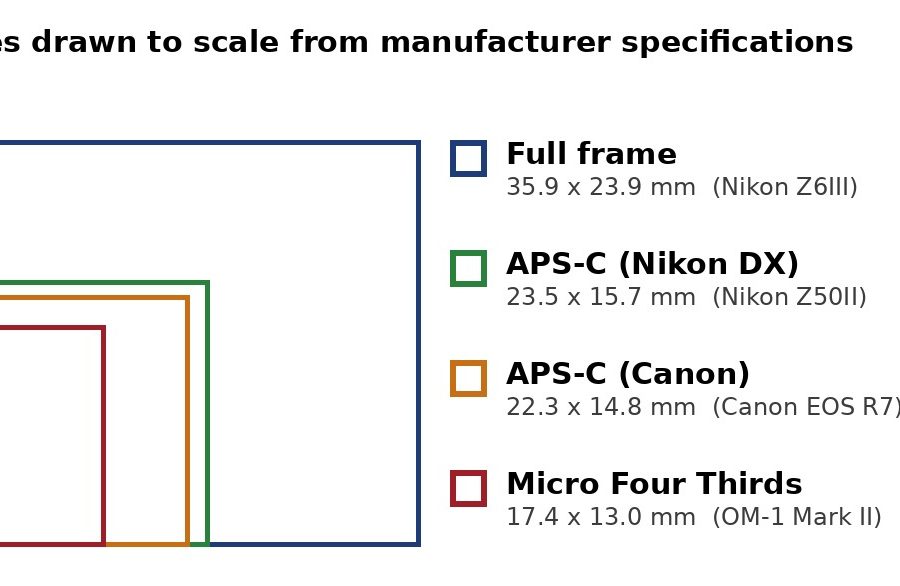
The kit lens is the limitation you should understand before buying. On Canon’s APS-C sensor, 18-45mm gives roughly the angle of view of a 29-72mm lens on full frame. It handles a lot of everyday framing, but the wide end is not extremely wide. A cramped room or a handheld selfie can need more room than you expect. The f/4.5-6.3 maximum aperture also means that indoor available-light photography becomes harder as you zoom in.
Do not confuse optical stabilization in the kit lens with in-body image stabilization. It can help with camera shake, but it cannot freeze a child running across the room. For that you need a suitable shutter speed and enough light. A moving person photographed sharply at a higher ISO is usually a better result than a clean-looking file with a blurred face.
Who should skip it? Someone who already knows they want a longer travel zoom, stronger hands-on controls, or a more advanced video workflow should compare the next budget tier. The R50 is not a mistake because it is small and beginner-friendly. It is a mistake only when you buy it for a job its lens and controls do not match.
2. Nikon Z30 kit: choose it for the screen, not an imaginary viewfinder
The Nikon Z30 with the 16-50mm VR lens was $796.95 and in stock at B&H. Nikon’s official Z30 page describes a compact DX-format camera built around video and content creation. This is a camera to consider when your normal workflow is looking at the rear screen, filming yourself, and keeping the kit light.
The critical difference is simple: there is no electronic viewfinder. That is not a minor specification hidden at the bottom of a comparison chart. If you like holding a camera to your eye, the Z30 will not become that camera after you buy it. If you mostly film from a tripod or hold the camera away from your face, the missing finder may matter much less.
The 16-50mm lens gives approximately a 24-75mm full-frame-equivalent view. That wider starting point is useful for travel scenes and environmental portraits. The VR designation refers to lens stabilization. The body does not supply sensor-shift stabilization, so handheld video still requires sensible technique. Walk slowly, keep your elbows close, and do not expect a small stabilized zoom to replace a gimbal.
This kit can also make photographs. Buying a video-oriented body does not prevent you from shooting stills, and a basic travel zoom is enough to practice framing and exposure. But if you expect to spend the day in bright sun photographing distant subjects, the viewfinder-equipped Canon or Sony is easier to justify. Compare how you actually shoot, not which camera has the most attractive marketing category.
Leave room for audio if video is your priority. A camera upgrade does not fix wind hitting a microphone or an echoing room. Start with the included lens and a stable support before buying a pile of accessories. If your videos are mostly spoken explanations, clean audio and a clear subject can matter more than a tiny difference in camera resolution.
 Save
3. Sony a6400 kit: a lens-system decision with almost no spare budget
The Sony a6400 with the 16-50mm OSS II lens was $998 and in stock at B&H. Pay attention to that exact lens name: this listing includes the OSS II version, not just any used 16-50mm kit lens. The camera has a 24.2-megapixel APS-C sensor, an electronic viewfinder, and Sony E-mount compatibility.
The appeal is not that the a6400 suddenly became a new camera in 2026. It is an older model with a useful autofocus system and a lens mount that gives you a clear upgrade path. DPReview’s original review explains its Real-Time Tracking autofocus, 11-frame-per-second burst option, tilting screen, and 4K/30p capture. Treat that review as evidence about the camera’s design, not as a source for today’s price or a comparison with every newer camera.
The included 16-50mm zoom covers roughly a 24-75mm full-frame-equivalent view. That is a practical travel range. It is still a slow, compact kit lens, so the same indoor-light limitations apply. The camera also lacks in-body stabilization. Optical SteadyShot in the lens helps with camera shake, not subject motion.
At $998, this is under the headline limit by only $2 before tax. If $1,000 is your total amount at checkout, it does not fit in most taxable purchases. That distinction is the reason I would not automatically choose it over the R50. A camera without a usable memory card or enough money for the first necessary accessory is not a complete budget plan.
Choose the a6400 when you specifically want Sony E mount and understand the older controls. Do not pay for it because a store calls it professional or because somebody lists autofocus points without explaining the workflow. Hold it if possible. Check whether the grip, menu navigation, and screen arrangement suit your hands. A camera you dislike operating becomes a camera that stays home.
How to decide without drowning in specifications
Start with your most common subject
For still photographs of people, travel, and everyday life, I would begin with the R50 kit. For rear-screen video and filming yourself, start with the Z30. For someone deliberately building a Sony kit, consider the a6400. Those are editorial fits, not guarantees that one brand will make better pictures in every situation.
Write down ten photographs or videos you want to make. If eight involve a person sitting near a window, your next useful purchase is different from somebody photographing birds across a marsh. The included zooms are broad starting tools. They are not long wildlife lenses, and none of these small kits should be sold to you as a complete answer to distant action.
Decide whether the ceiling means equipment price or checkout total
The table uses advertised US equipment prices before tax. Your personal budget may mean everything delivered to your door. Check tax, shipping, and any items you genuinely need. A memory card is not optional if you have no compatible card already. A bag may be optional if you can safely carry the kit you own. Do not buy a bundled accessory kit simply because its list of included objects is long.
The R50 and Z30 leave roughly $200 of the equipment ceiling unused at the checked prices. That is room in the plan, not a promise that a particular accessory combination will cost less than $1,000 after tax. The Sony leaves almost none. Compare the final cart, not a search-result snippet.
Choose the viewfinder deliberately
Try composing with the camera held at your eye, then at arm’s length. The first position often feels steadier and more connected to the scene; the second is useful for low angles, high angles, and self-recording. Neither is universally right. What matters is that the Z30 removes one of those choices. A missing viewfinder cannot be fixed through a menu setting.
 Save
What the kit lens teaches you before you buy another lens
Shoot the included zoom for a few weeks before deciding what it cannot do. Pay attention to where you repeatedly hit a limit. If you always want a wider view, that points toward a wider lens. If you keep photographing people in dim rooms, a faster prime may help. If your subject is tiny in the frame, a longer lens is the issue. Buying a lens because it is popular is less useful than identifying the photograph you are missing.
Portrait blur is not controlled by aperture alone. Subject distance, background distance, focal length, framing, and sensor size all affect the result. A kit zoom can still separate a person from a distant background. Move the subject away from a busy wall, watch the edges of the frame, and choose a clean direction of light. For concrete posing and lighting ideas, see my guide to portrait photography techniques. Do not stand too close with a wide lens and expect the face to look like a distant headshot.
For landscapes, a modest maximum aperture is often less limiting than beginners expect. A stable camera, careful focus, and suitable light matter. Stop down when the scene needs depth of field, but do not treat the smallest aperture as automatically the sharpest. Take a test frame, inspect it, and adjust. When you are ready to work with slow shutter speeds on a tripod, my long exposure photography guide covers that workflow. The camera purchase gets you started; the decisions made in front of the scene produce the photograph.
 Save
New, used, or refurbished?
This shortlist uses new kits from the specific stores linked above. Used and refurbished options can be useful, but they should be compared separately. Inspect the seller’s condition grade, return period, warranty, included battery and charger, and exact lens. A low body-only price is not directly comparable with a new lens-included kit.
With a used camera, ask for clear photographs of the mount, screen, ports, battery compartment, and lens glass. Check autofocus, card writing, exposure controls, and a short video clip within the return window. For a lens, look for damage, abnormal noise, focus problems, and haze. Do not assume a discount is a bargain before you know what is missing.
A manufacturer-refurbished camera and a marketplace listing are different risk categories. Read the actual warranty rather than importing expectations from a new product. International or gray-market stock may also have different service coverage. Saving money is useful only when the purchase still gives you a camera you can depend on.
 Save
A practical first-week setup
Charge the battery, format a compatible card in the camera after backing up anything on it, and set the date and time. Learn how to change shutter speed, aperture, ISO, and focus mode. Save the manual where you can find it. These are boring steps until a wrong date or missing card makes a shoot harder.
For a first portrait session, use good window light or open shade, watch the background, and make a few frames at different subject-to-background distances. For moving people, increase shutter speed rather than blaming autofocus immediately. For video, record a short test and listen to it with headphones afterward. Check focus, framing, and sound before recording something you cannot repeat.
Review photographs at full size. Separate missed focus from subject movement and camera shake. They have different fixes. Learn what your current kit is doing before concluding that you need a more expensive body. If you want structured practice, the Shut Your Aperture Academy is the next step after the shopping decision.
Frequently asked questions
What is the best mirrorless camera under $1,000 for beginners?
At the checked prices, the Canon EOS R50 with the RF-S 18-45mm lens is the editorial pick for a beginner who wants photographs and occasional video. It includes a viewfinder and leaves more equipment-budget room than the $998 Sony kit.
Does under $1,000 include a lens?
In this guide, yes. All three recommendations are lens-included new kits. The prices are before sales tax, shipping, and accessories, so a $998 kit is not necessarily a sub-$1,000 checkout.
Should I buy a Nikon Z30 for photography?
It can shoot still photographs, but it has no electronic viewfinder. Choose it if rear-screen shooting and video suit your workflow; choose a viewfinder-equipped option if you prefer composing at your eye.
Do these cameras have in-body image stabilization?
No. The listed kit lenses provide optical stabilization, but the bodies do not provide sensor-shift stabilization. Stabilization reduces camera shake; it does not freeze a moving subject.
Should I upgrade the kit lens immediately?
Usually, identify a specific limitation first. A wider lens, faster portrait prime, and longer wildlife lens solve different problems. Use the included zoom to find out which problem you actually need to solve.
Source and price notes
Prices checked October 5, 2026. Canon USA’s R50 kit page and B&H’s exact Z30 and a6400 kit pages supply the advertised configuration and availability. Nikon’s official Z30 page and DPReview’s original a6400 review supply design context. The recommendations are editorial judgments based on those facts, not manufacturer endorsements or a first-hand comparative test.
Check the exact kit before buying
Affiliate disclosure: eligible purchases through these links may earn a commission, at no extra cost to you. Compare the lens, condition, warranty, and final total. Product listings and prices can change.