Iceland packs more photogenic terrain per mile than almost anywhere on earth: waterfalls you can walk behind, black sand beaches, glacier lagoons, and volcanic highlands, all along one ring road. It is also one of the easiest places to come home with the same shots as everyone else. This guide covers the locations worth your time, when to go, and how to handle the conditions. For general road-trip technique, our travel photography guide is the companion read.
The Locations That Earn the Drive
The Golden Circle. Thingvellir, Geysir, and Gullfoss sit within a few hours of Reykjavik and are busy for a reason: they deliver. Shoot Gullfoss early or late for softer light and fewer buses.
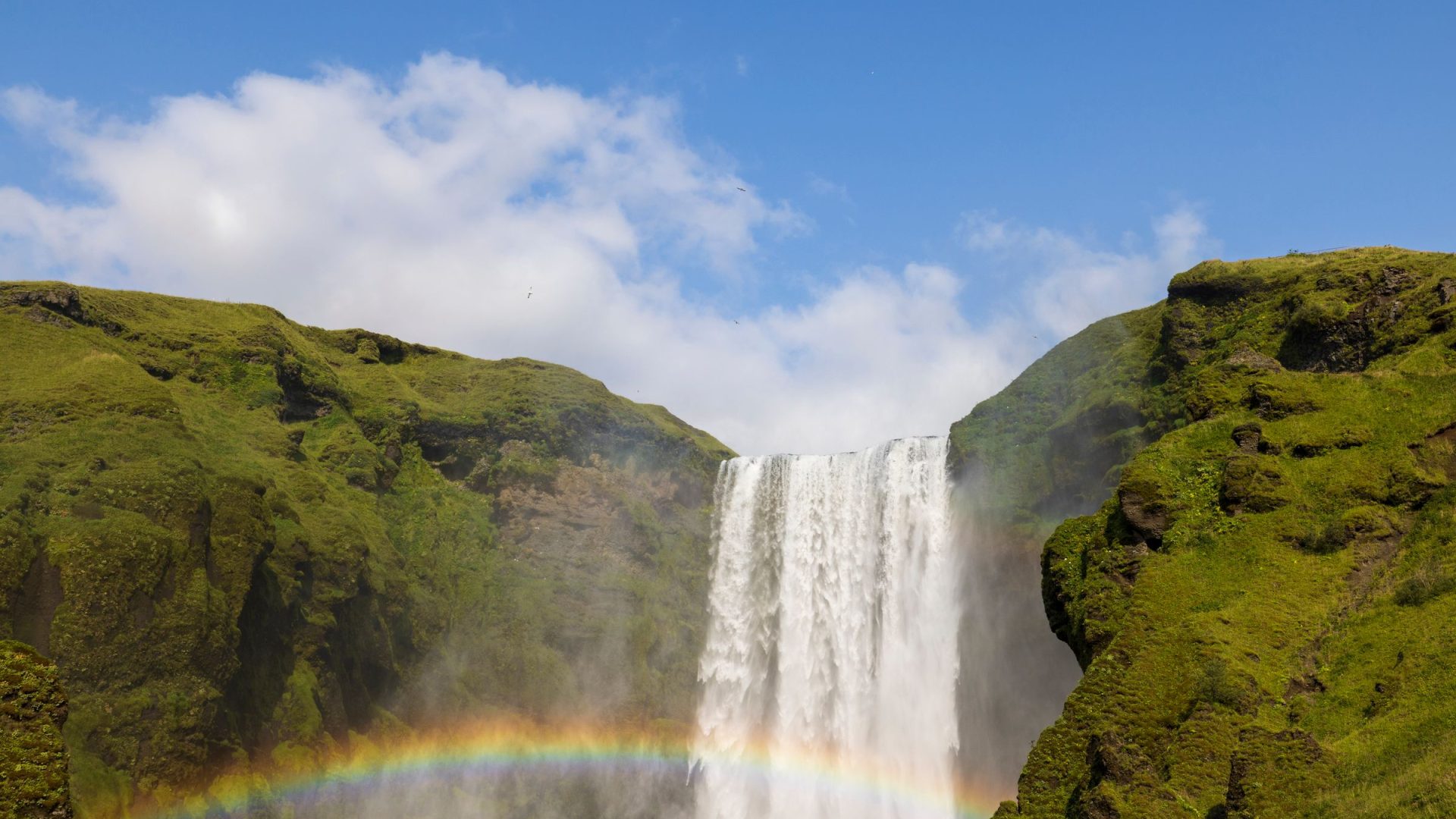
The South Coast. The densest stretch of photo locations in the country: Seljalandsfoss (the one you can walk behind, so bring a rain cover), Skogafoss, the black sand and basalt columns at Reynisfjara, and the Jokulsarlon glacier lagoon with its neighboring Diamond Beach, where icebergs wash up on black sand. Budget at least two full days for this stretch alone.
Snaefellsnes. The peninsula west of Reykjavik is called “Iceland in miniature” and Kirkjufell, the arrowhead mountain with its foreground waterfall, is the country’s most photographed composition. It is worth shooting anyway; the classic angle is classic because it works.
The highlands. The interior F-roads open only in summer and require a proper 4×4. Landmannalaugar’s rhyolite mountains are the prize. This is the Iceland most visitors never see.
When to Go
June to August: midnight sun, milder weather, open highlands, huge crowds. Golden hour lasts for hours around midsummer, which is a gift for landscape work.
September to March: dark skies and the northern lights, ice caves, snow-covered waterfalls, and short shooting days. Aurora season needs patience and a fast wide lens; plan around the aurora and cloud forecasts, and treat any clear night as a shooting night.
Shoulder months (May, September) split the difference: reasonable light, fewer people, most locations still accessible.
Handling the Conditions
Icelandic weather changes in minutes, and wind is the constant. A sturdy tripod matters more than a light one; hang your bag from it at the waterfalls. Rain covers are not optional: waterfall spray and horizontal rain will find every seam. Bring more lens cloths than seems reasonable and keep batteries warm inside your jacket, since cold drains them fast. If you plan to fly a drone, check the current rules for each location; many popular sites restrict or ban drones, and enforcement has tightened.
Exposure-wise, waterfalls want a polarizer and an ND filter for longer shutter speeds, and high-contrast scenes like ice on black sand reward bracketing. Keep an eye on ISO when the wind forces faster shutter speeds than your tripod would like.
Editing Iceland Files
Iceland files tend to come home cool, dark, and dramatic, and they take well to moody grades: lowered blue luminance, controlled highlights, textured skies. The Landscape, Cityscape and Drone Preset Pack includes moody and natural landscape looks built for exactly this terrain, and the free starter pack in our Lightroom presets guide is the no-cost way to test a workflow on your files before you commit.
What to Pack
A focused landscape kit handles every shot at Iceland without breaking your back. Here is the working photographer's pack list — every link goes to B&H Photo Video (our primary supplier) or Amazon (for accessories and same-day delivery in the US).
| What & Why | B&H | Amazon |
|---|---|---|
Wide-angle zoom (14-35mm range) The single most important lens for sweeping vistas. Pair with a circular polarizer for skies and water. | Shop B&H → | Shop Amazon → |
Sturdy travel tripod Carbon fiber, packs to 15 inches, holds steady in wind off the coast. Essential for blue-hour and long-exposure work. | Shop B&H → | Shop Amazon → |
Circular polarizer (77mm or 82mm) Cuts haze, deepens sky, reveals texture in water. Non-negotiable for landscape work. | Shop B&H → | Shop Amazon → |
10-stop ND filter For 30-second exposures that turn moving water and clouds into silk. | Shop B&H → | Shop Amazon → |
Extra batteries (3 minimum) Cold weather and long exposures eat batteries. Carry triple what you think you need. | Shop B&H → | Shop Amazon → |
Fast SD/CFexpress cards V90 or CFexpress depending on your body. Two cards minimum so a failure mid-trip is recoverable. | Shop B&H → | Shop Amazon → |
Microfiber lens cloths Salt spray, mist, and dust will ruin every shot if you don't carry a cloth. | Shop B&H → | Shop Amazon → |
B&H and Amazon links are affiliate links. We earn a small commission on purchases at no extra cost to you. We only recommend gear we use or would buy ourselves.