Cartagena photography is about more than fitting a landmark into the frame. A balcony shadow, a line of arches or a palm silhouette can carry a photograph when the light and background work together. The city’s historic streets and fortifications offer architectural subjects; its waterfront gives you a different way to work with sunset.
This is a researched planning guide, not a claim that Edin personally visited or photographed every stop. These six subjects introduce the 54-page Cartagena PDF edition; the full guide covers 11 chapters. Some are named landmarks. Others are broader photographic approaches because the source photographs do not establish a repeatable camera position. Map references are orientation points, not tested places to set up a camera.
Plan for the light before the route
Early daylight and late afternoon give you useful alternatives to working through the hottest part of the day. In narrow streets, compare both sides: one may have hard sun while the other gives you open shade and easier colour. Paid monuments do not necessarily open at sunrise. Confirm access before building a schedule around a photograph.
For an evening session, settle your route, companion and return transport before the light changes. One good subject with a safe way back is a better plan than rushing between several uncertain viewpoints.
1. Walled City streets
 Save
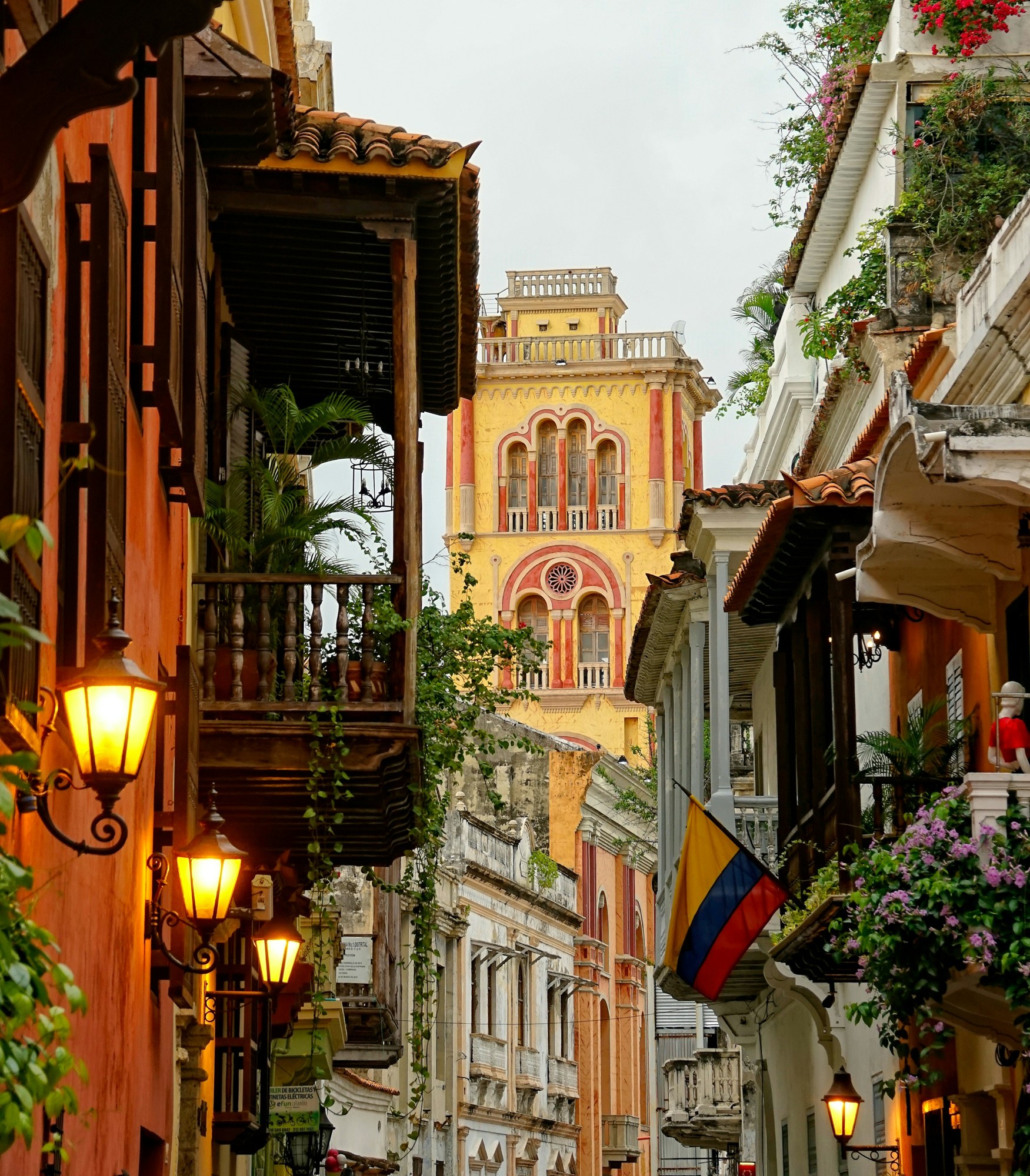
SaveStart with the frame’s strongest line. A balcony, doorway or curve in the street can give the picture structure without needing a full panorama. Choose a background, then wait for movement that adds a story instead of filling every gap.
For a moving person, try a shutter speed of 1/250 second or faster and adjust ISO to the light. For still architectural detail, f/8 is a useful starting point. These are teaching suggestions, not the settings used in the source photograph.
Keep entrances clear. Public streets do not grant access to private courtyards, homes or roof terraces, and a quiet source photograph does not promise an empty street when you arrive.
2. Plaza Santo Domingo
 Save
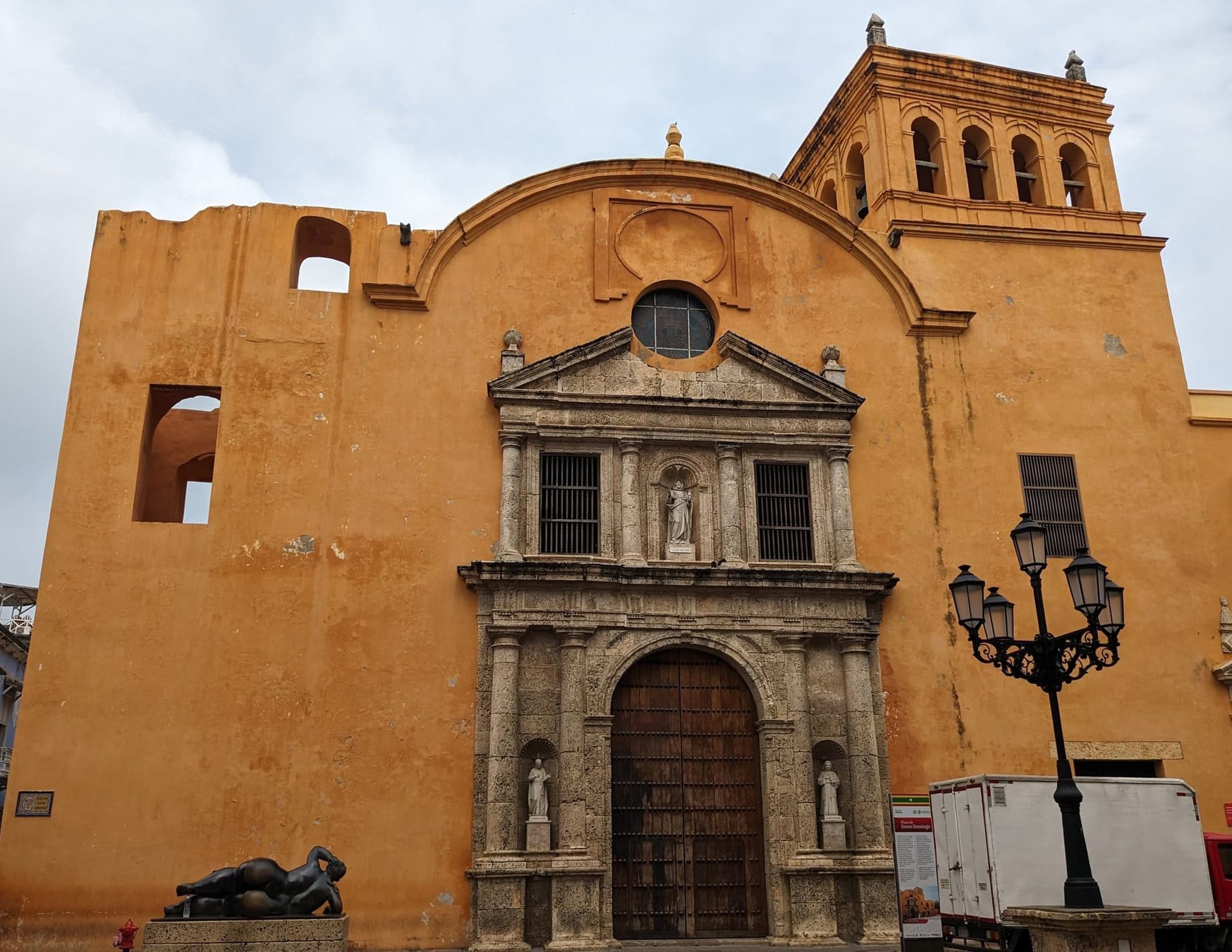
SaveThe church and bronze sculpture give you separate ways to compose the square. Try them together, then remove one and see whether the frame becomes stronger. Watch for background edges that seem to grow out of the sculpture.
Bronze highlights and the facade may need different exposure choices. Move a little before reaching for editing fixes. Pedestrians and restaurant seating are part of the setting, not mistakes to be erased from every picture.
Respect worship and keep the artwork clear. Do not climb the sculpture or pose someone on it. Church interior access and photography rules are separate from standing in the public square.
3. Torre del Reloj
 Save
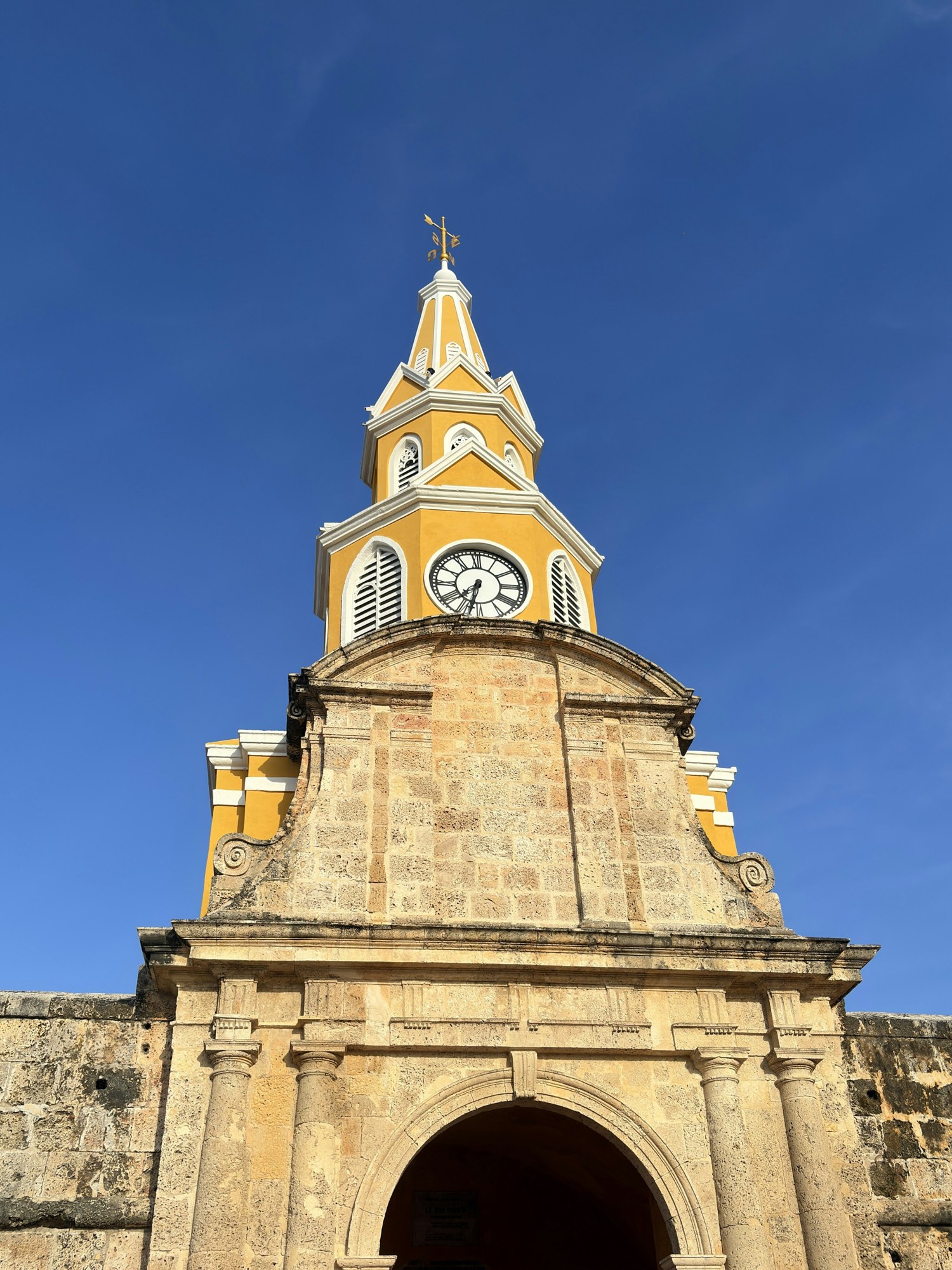
SaveA vertical frame keeps the tower and gateway together. Make room around the top, check your verticals and decide whether passing people help explain the scale. Then try a tighter view of the clock, stone or arch.
Compare the subject from permitted pedestrian areas rather than relying on a fixed compass recipe. Crowds and lighting change. Do not stop in an archway or street crossing to get the picture. If you work toward blue hour, arrange a companion and return transport.
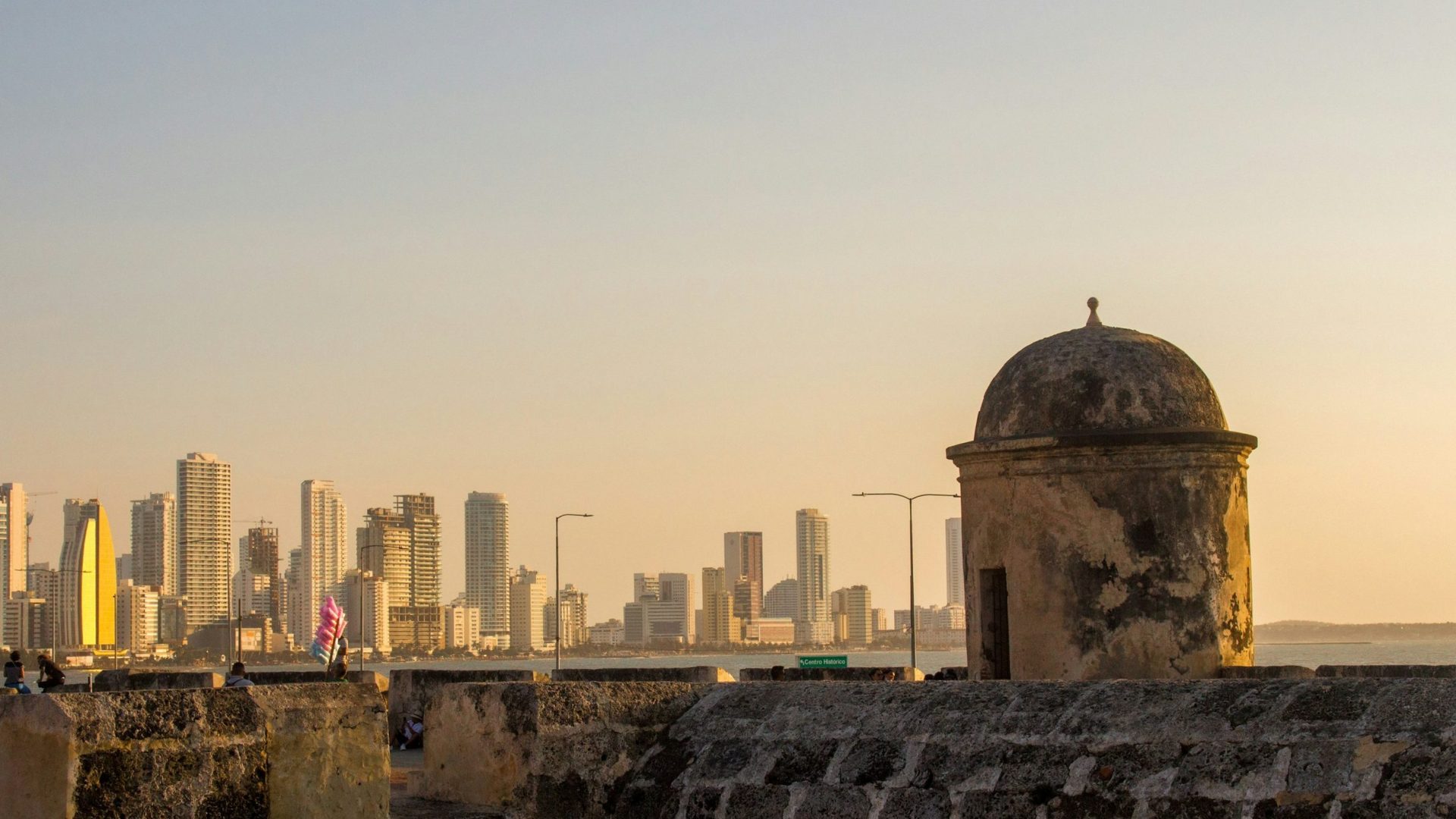
4. City walls in golden light
 Save
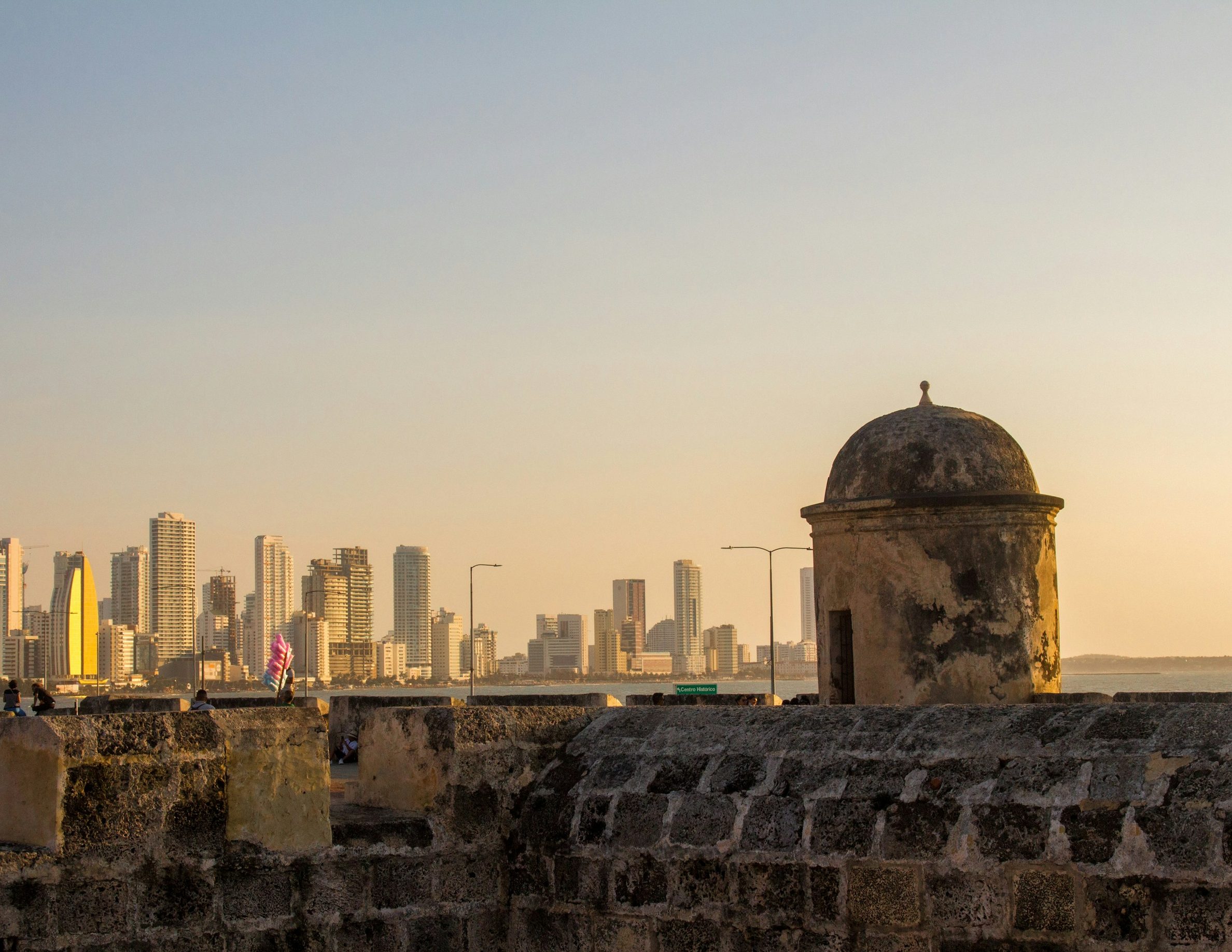
SaveWarm side-light brings out worn masonry. Let the near stone carry the frame, with the distant city as context. Haze in the skyline can be part of the scene rather than something to force into a crisp telephoto study.
The selected photograph is identified as Cartagena, but it does not establish an exact bastion or tested camera position. Find a permitted route that works with the light you actually have. Do not claim the picture directs readers to a specific bar or elevated platform.
Stay off exposed edges and historic fabric. Obey barriers and current equipment rules. Leave before your walking route or return plan becomes uncertain.
5. Getsemani streets
 Save
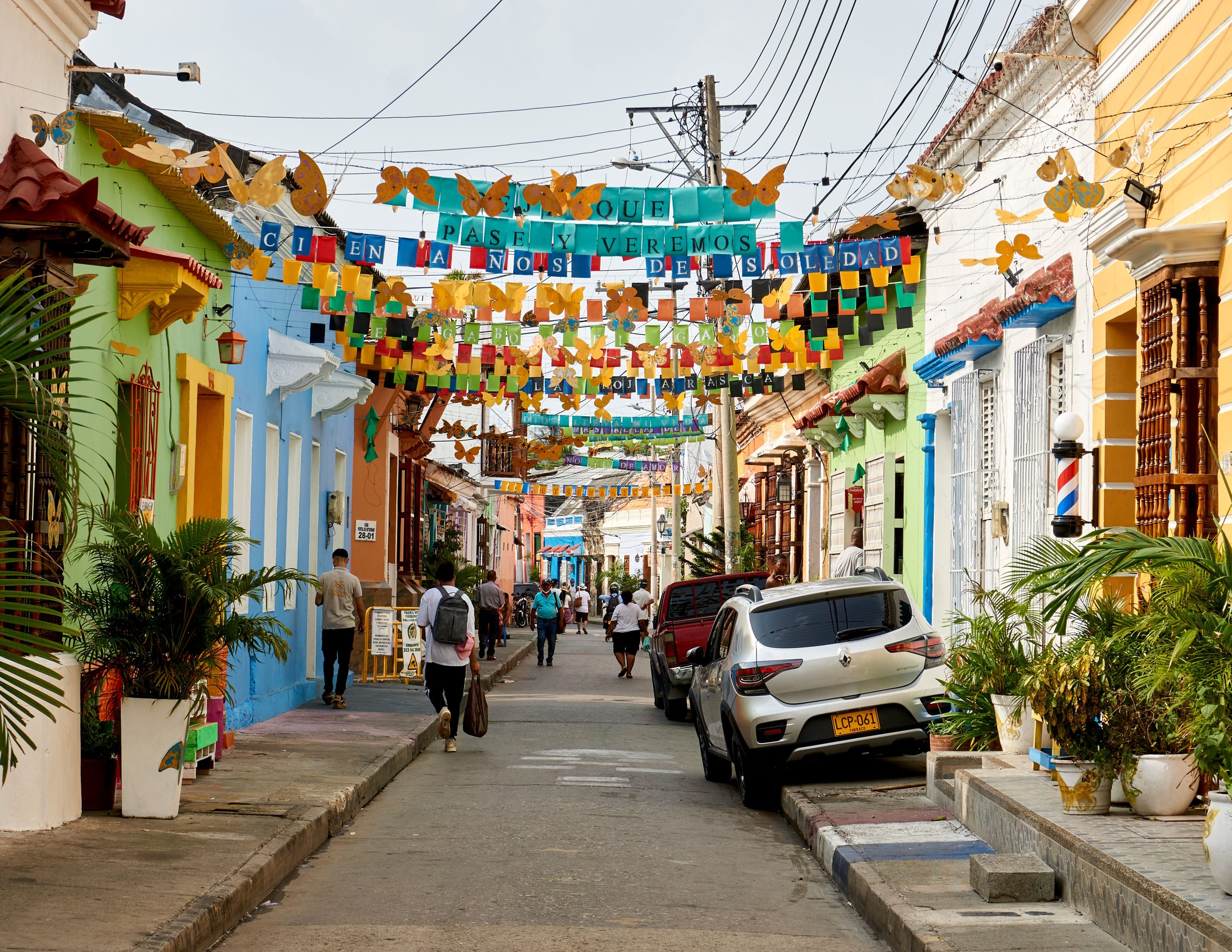
SavePainted walls and street activity give you plenty to include. The harder choice is what to leave out. Try one colour against another, one clean shadow or a portrait made with permission in open shade.
Murals, decorations and street arrangements can change. The photograph is identified as Getsemani, not a guaranteed unchanged lane. Let residents and performers have a say in close photographs, and agree any requested fee before making the image.
Use public streets with current local advice. An evening crowd is not a reason to wander into an isolated lane with visible equipment.
6. Waterfront silhouettes at sunset
 Save
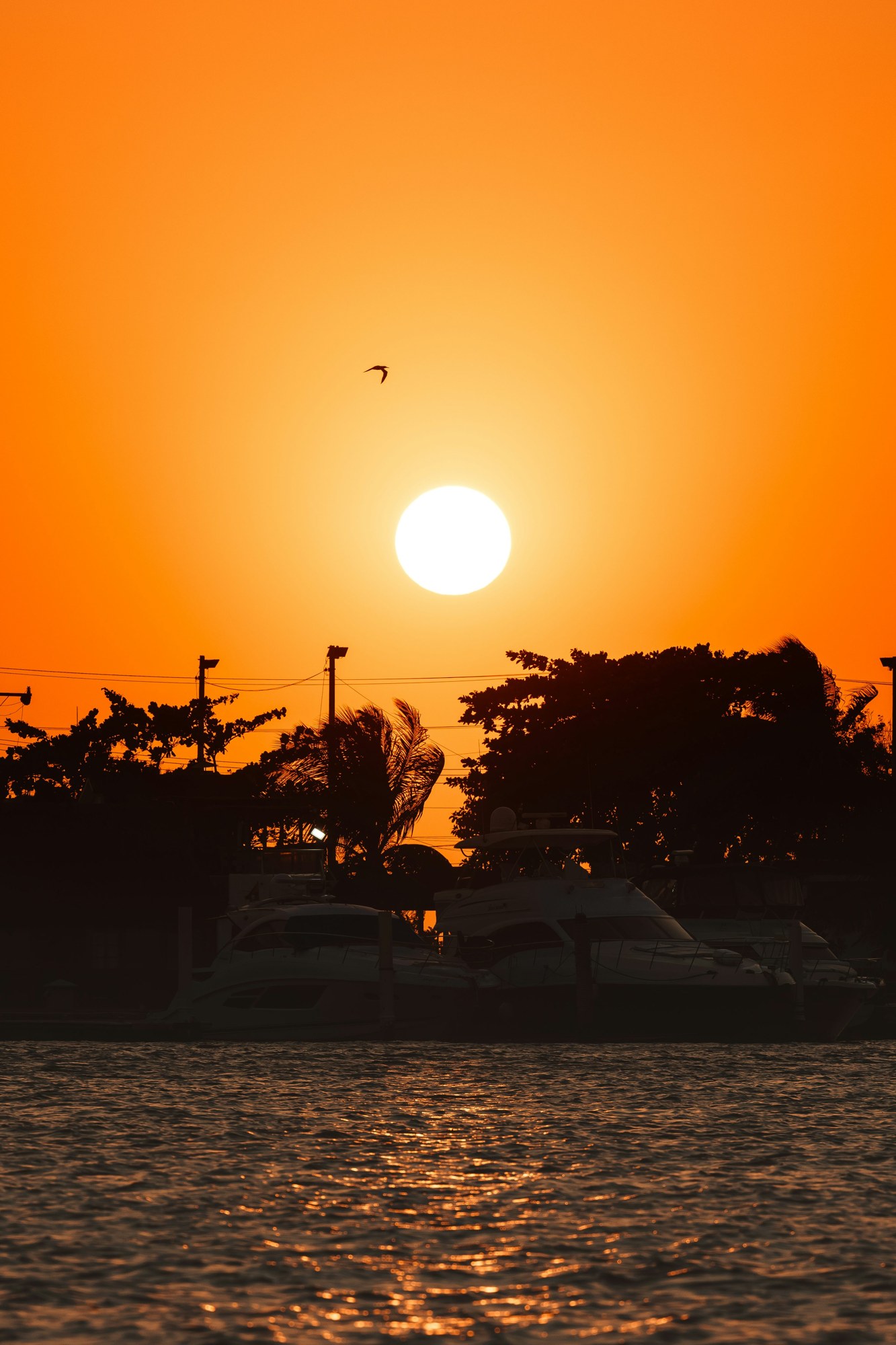
SaveSilhouettes work when their outlines remain readable. Keep a palm crown, pole or boat from merging with the sun where possible. Protect the surrounding sky colour rather than expecting detail in everything at once. A clipped solar disc can be normal in this high-contrast scene.
This is an approach to waterfront photography, not directions to a named dock. The source does not identify an exact access point. Use a permitted public route or an operator-approved position, keep a dry retreat and stay off private boats, unstable rocks and exposed seawalls.
What else is in the full guide?
The paid guide adds Castillo San Felipe de Barajas, Las Bovedas, Plaza San Pedro Claver, Cartagena Skyline at Sunset and Cartagena Urban Beach. Each gets its own photograph, composition notes, shot list and access reminders. The skyline and beach chapters deliberately avoid an unverified rooftop or exact beach-position claim.
A small Cartagena camera kit
A wide-to-normal zoom covers architectural context and most street frames. A small normal lens can make a lighter walking setup. Pack spare batteries, cards, water, sun protection, a lens cloth and rain protection before adding specialist equipment.
Use a tripod only where it is safe and permitted. Handheld exposures are often the practical choice around busy doorways, passages and plazas. If a scene includes movement, protect your shutter speed and accept a higher ISO rather than returning with a sharp wall and blurred subject.
Portraits, access and safety
Ask before close portraits. Respect services, homes and working businesses. A ticket, public facade or source photograph is not blanket permission for commercial work, interiors or equipment placement.
Keep a discreet setup, work with current local route advice and plan reliable evening transport. Do not trade a safe position for a wall-edge picture or waterfront reflection. Wet paving, heat and coastal conditions belong in the shooting plan.
Can you fly a drone in Cartagena?
Do not treat the photographs in this guide as permission to fly. Check Aerocivil’s current UAS guidance and RAC100, relevant restrictions and the requirements for your operation. Entry requirements for the equipment are a separate question from flight permission. Site permission also does not replace aviation authorization. If any approval is uncertain, make a ground photograph instead.
Official Aerocivil UAS guidance
Cartagena photography questions
Are the map links exact camera positions?
No. They are named landmark references for orientation. The broad city-wall, waterfront, skyline and beach chapters do not certify a matching vantage or access route.
Are the camera settings guaranteed?
No. They are starting scenarios. Adjust aperture, shutter speed and ISO to the light, movement, lens and support you have. They are not the source photographers’ EXIF data.
Does every subject need sunset light?
No. Shade can suit street colour and consenting portraits; daylight can help you study architectural detail. The PDF includes real daylight teaching photographs as well as warm-light and sunset frames. It does not promise 15 dramatic sunset photographs.
Where should I check visitor hours?
Use the operator’s current information for each paid site. For the sanctuary and museum, check San Pedro Claver’s visitor page. Public squares do not imply unrestricted interior access.
Take the Cartagena planning guide with you
The matching edition is a 54-page landscape PDF with 11 photo-led chapters, 15 distinct real photographs and 16 placements including the repeated cover image. It includes composition ideas, shot lists, scenario-based settings, access reminders, landmark orientation links, safety notes and official pages to check.
The street, wall and waterfront chapters carry the strongest warm-light frames. Other chapters use daylight documentary photographs; the skyline pair retains natural haze. Choose the guide for its researched planning value, not a claim of tested camera positions or guaranteed access.
Official planning references
- Colombia Travel: Cartagena
- UNESCO: Port, Fortresses and Group of Monuments, Cartagena
- San Pedro Claver visitor information
- Aerocivil UAS guidance
Want some history before your own photo walk?
A guided walk can help you understand the streets before you return with your camera. The Historic Center and Getsemaní walking tour on GetYourGuide covers the Walled City and the neighborhood beyond it. It is a history walk, not a photography workshop: plan your own shooting time separately and check the current route, language and meeting point before booking.
Keep your Cartagena kit small
Long walks and crowded streets are a good reason to leave the huge bag behind. Start with your camera and one familiar lens, then add only what you will use.
Peak Design Everyday Sling 6L
A compact bag for keeping your camera kit close while you walk. Check your camera and lens dimensions against the bag before ordering.
SanDisk Extreme PRO 128GB UHS-I SDXC
Carry a spare card so a full card does not end your walk. Use this only if your camera accepts SDXC; check its required speed rating for your shooting settings.
Affiliate disclosure: Shut Your Aperture may earn a commission from qualifying purchases or bookings through these links, at no extra cost to you. As an Amazon Associate, we earn from qualifying purchases.