Photo by Jeremy Wong via Pexels: https://www.pexels.com/photo/1035665/ – Pexels License (https://www.pexels.com/license/). (Stock photo, illustrative.)
Original date December 27, 2023. Updated November 2026.
Luxury wedding photography can be discussed in terms of style: elegant rooms, beautiful light, polished galleries. Couples planning a high-end wedding can also compare practical details. What does the coverage actually include, how is the day planned, who coordinates with the venue and the other vendors, how will dark reception rooms and delicate details be lit, will guests stay comfortable, how private will the photos remain, and what arrives after the wedding? This guide walks through each of those questions. Every studio works differently, so treat the points below as a checklist for conversations with the photographers you are considering rather than as fixed industry rules, and get the answers that matter to you in writing.
What Practical Luxury Coverage Actually Includes
Coverage is the foundation of any wedding photography booking, and at the luxury end it is defined by scope rather than by a single price or package name. The practical questions are simple: how many hours are covered, how many photographers are present, and which parts of the day are included. Full-day coverage might run from morning preparations through the last hour of the reception; shorter coverage concentrates on the ceremony and portraits. Neither is universally better. A long day with many locations needs more hours to be covered calmly, while a single-venue celebration can often be documented well in less time. What matters is that the scope is agreed in writing before the contract is signed, including what happens if the day runs late.
Ask whether a second photographer is available within the proposed coverage. A second shooter can photograph both partners’ preparations at separate locations, cover the ceremony from two angles at once, and stay with guests during couple portraits. Whether that adds real value depends on the day: separate preparation locations, a large guest count, or a venue with strict rules about movement during the ceremony all argue for it. A smaller wedding in one room may not need it. Ask to see full galleries, not only highlights, from weddings similar in size and setting to yours, so the coverage you are comparing is the coverage you would actually receive.
Plan the Coverage Before the Wedding Week
Start the coverage plan before the wedding week rather than leaving key decisions to the day. The couple, the planner if there is one, and the photographer build a timeline together: when preparations start, when the ceremony begins, where portraits fit, and when the room needs to be ready for the reception entrance. Into that timeline go the moments that matter most to the couple, the family group photographs with a written list of names, and buffer time, so a delay does not immediately consume the time reserved for portraits. Discuss which pictures take priority if the available time changes.
A venue walkthrough, whether in person or through detailed photos and video, answers questions a timeline cannot: where the light falls at the ceremony hour, which walls and corridors work for portraits if weather turns, and how far apart the key locations are. For more wedding photography learning, explore the ShutYourAperture Academy’s The Wedding Day course. Ask each photographer what planning their own booking includes. Couples can support it simply: share the final timeline, the shot priorities, and any family sensitivities early enough that the photographer can plan around them instead of improvising on the day.
 Save
Coordinate With the Venue and the Vendor Team
A wedding may involve a planner, venue staff, florist, videographer, band or DJ, caterer, and the photographers. The practical goal is that everyone works from the same timeline and nobody’s job blocks anyone else’s. Check the venue’s own rules for photographers, such as where they may stand during the ceremony, whether flash is permitted, and which spaces are off limits. Ask whether the venue requires liability insurance or a certificate from vendors in advance. Our wedding photography insurance and venue checks guide walks through that paperwork and questions to discuss with the venue, and it is worth reading whichever side of the contract you sit on.
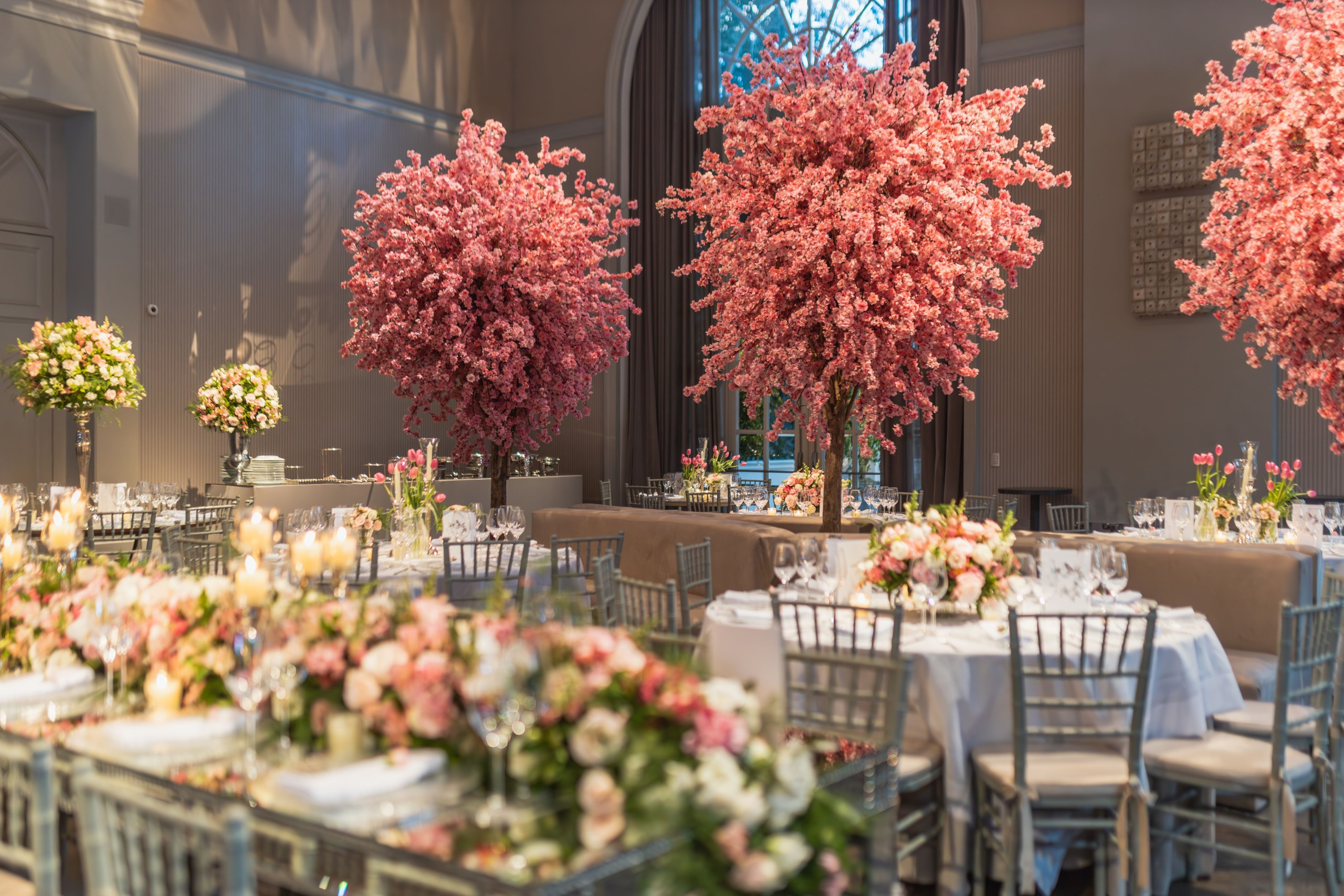
Two coordination points deserve explicit attention. First, the videographer: photo and video teams may need to cover the same moments. Discuss positions and movement before the ceremony to reduce the chance of blocking each other. Second, the reception room: florists and styling teams need time to finish the tables, and the photographer needs a window to photograph the room, the place settings, and the centerpieces before guests are seated. Ask for that window by name when the timeline is drafted and confirm it with the people finishing the room. Agree on a realistic window with the planner or venue coordinator, including who confirms that the room is ready and which areas can be photographed without interrupting setup.
 Save
Light for Details and Dark Reception Rooms
Detail photographs, such as the rings, stationery, dress, shoes and table settings, can be made in window light when a suitable window is available. Test the direction and contrast on lace, paper and metalwork, and inspect reflections before choosing the angle. When the preparations room has no usable window, a continuous light or a permitted flash with a modifier may be another option. Nikon’s wedding light and location feature shows one photographer’s use of window light, reflectors, flash and continuous light. Those are examples to evaluate, not a single recipe: the choice depends on the room, surfaces and intended picture.
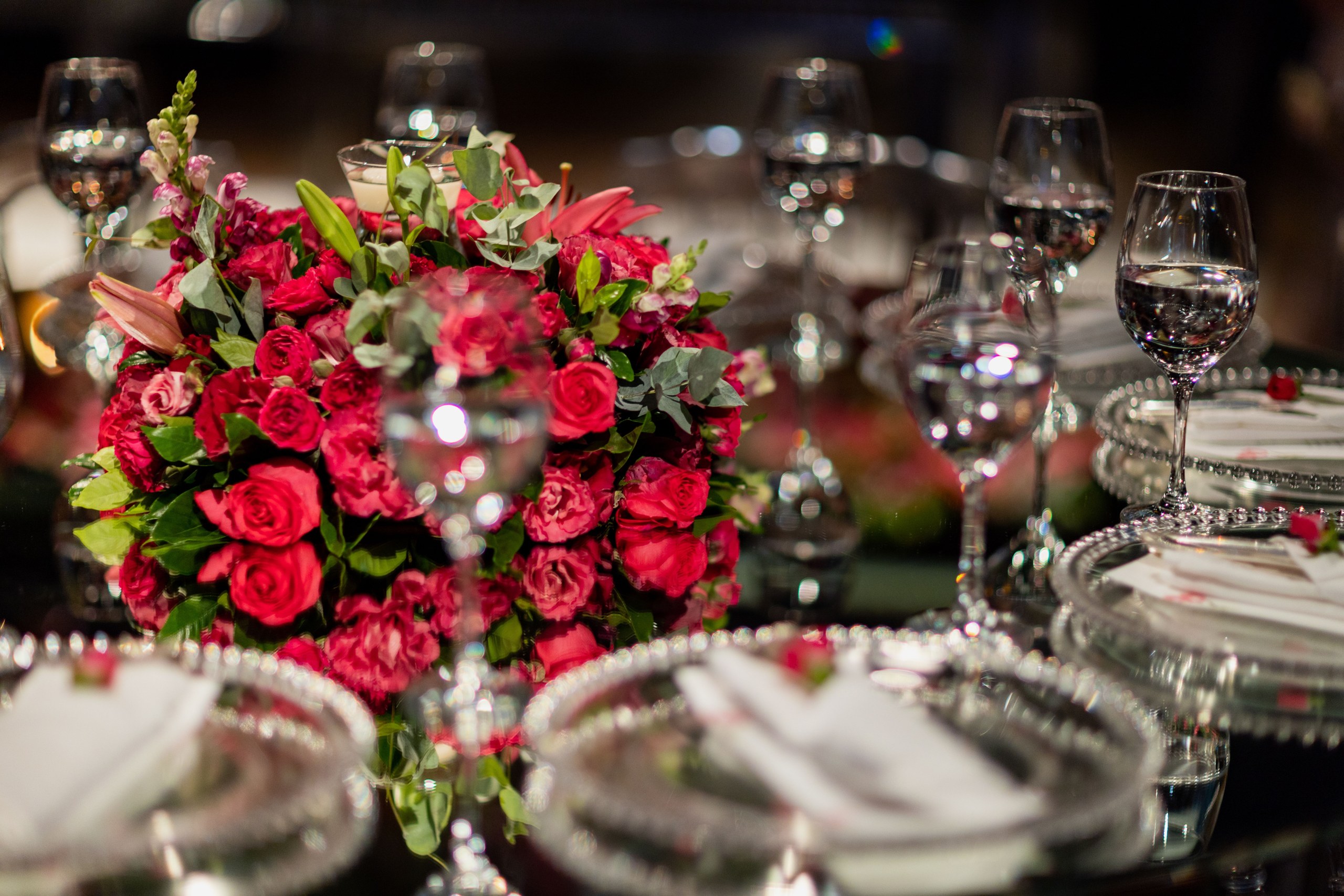
A reception room can present a different lighting problem from a daytime ceremony. Chandeliers and candlelight may provide less light than the chosen shutter speed and aperture need. Test the exposure, subject movement and depth of field, then consider ISO, aperture and permitted supplemental light together. Bounced flash, angled off a ceiling or wall, is an option to test when suitable surfaces are available. Dark, distant or colored surfaces may reduce its usefulness or change the color. Compare the actual result with another permitted setup, such as a modifier or off-camera light, rather than assuming one method will work in every room. Mixed lighting, such as warm chandeliers against colored DJ lights, changes through the evening, so a few test frames during room setup and again when the dancing starts tell the photographer more than any fixed setting could. When you interview photographers, asking to see a full reception gallery from a room similar to yours shows their approach more honestly than a portfolio of highlights.
 Save
Keep the Couple and Guests Comfortable
A wedding day can involve long periods in formalwear and waiting for group photographs. Build comfort into the plan rather than assuming everyone can stand or walk for the same length of time. Small planning choices protect everyone’s patience: portrait sessions broken into short blocks rather than one long session, water and a quiet room available during the reception, and a family photo list ordered around the actual guests’ comfort, access needs and availability. In hot or cold months, discuss portrait locations with suitable shade or shelter nearby so people have a comfortable place to pause.
Comfort is also about direction. Ask how much direction the couple wants rather than assuming they are used to being photographed. Try simple, specific directions, check that they feel comfortable, and leave room for a break or a different approach. Brief setups can be useful when time is limited, but they do not guarantee a particular expression. Couples can help by saying plainly what makes them uncomfortable, whether that is a particular pose, a crowded first look, or being singled out during the reception, before the day arrives.
 Save
Privacy and Discretion
Privacy expectations at luxury weddings vary widely, and they are best settled in writing before the wedding rather than negotiated afterward. Some couples are happy for their photographer to share selected images in a portfolio or on social media; others want complete privacy, and some ask that no vendor posts anything before a set date. Photographers’ standard contracts differ on portfolio use, so raise the question directly and have the agreed terms included in the contract. The same applies to the delivery gallery itself: ask who receives access, whether it is password protected, and how long it stays online.
Discretion during the day is the other half of privacy. An unobtrusive photographer dresses to match the formality of the event, moves quietly during the ceremony, respects any flash restrictions, and keeps guest photographs dignified. If certain guests should not be photographed, or certain moments, such as the preparations, should stay private even from the wider family, tell the photographer in advance. Agree on how those restrictions will reach any second photographer or other person helping with the gallery, and who to ask if a request is unclear.
Agree on Delivery Before the Wedding
Delivery is the part of the service that arrives after the wedding, so describe it clearly in the contract rather than assuming that a package name explains it. Studios differ in what they deliver: some provide a small preview set within days and the full edited gallery later, others deliver everything at once. Editing scope varies too, from consistent color and exposure across the gallery to detailed retouching of selected images, and delivery formats range from online galleries to physical drives. None of these arrangements is the standard; ask for the delivery scope, the format, and the timeframe to be stated in the contract, and treat any promised date as something that belongs in writing.
Behind the delivery promise sits the photographer’s file workflow, and couples are entitled to ask about it. Ask whether the camera supports recording to two cards, when files are copied, how copies are checked, and where independent copies are kept. Keeping originals separate from edited exports helps distinguish the working files, but it does not by itself create a backup. Discuss the actual plan for a failed card, lost device or interrupted transfer rather than assuming a particular piece of equipment prevents data loss. The gear box below covers one storage option suited to keeping those originals separate. Whatever the specific kit, a photographer who can describe their backup routine in plain terms is showing you how seriously they treat photographs that cannot be retaken.
What does luxury wedding photography coverage usually include?
Coverage is defined by scope rather than by a package name: the number of hours, the number of photographers, and the parts of the day included, all agreed in writing before signing. Ask whether a second photographer would help when preparations happen in two locations or the venue restricts movement during the ceremony. Because every studio structures coverage differently, ask to see full galleries from weddings similar to yours and compare what is actually delivered.
How far in advance should we start planning photography for a luxury wedding?
Start once the venue and date are fixed, so you can check the actual team’s availability and leave time for the timeline, venue checks and vendor coordination. Leave time for an agreed venue visit and any insurance paperwork the venue requires. The exact lead time varies by studio and season, so treat it as a question for the photographers you approach rather than a rule.
How do photographers light dark reception rooms and candlelit dinners?
Test the actual room light against the intended shutter speed, aperture and subject movement. Higher ISO or permitted flash may be options, depending on the equipment and result. Test bounced flash when a suitable surface is available. Dark, distant or colored surfaces may call for another permitted lighting setup. Asking to see a full reception gallery from a room similar to your venue shows a photographer’s approach better than highlights.
How long does it take to receive the final wedding gallery?
There is no industry-wide timeframe. Some studios deliver a small preview set within days and the full gallery later; others deliver everything in one batch, and editing scope differs between them. Because arrangements vary so much, the delivery scope, format, and timeframe should be written into the contract before the wedding. If a promised date matters to you, ask for it in writing rather than relying on a verbal estimate.
Can we keep our wedding photos private?
Ask for the privacy terms you want before signing; whether they can be agreed depends on the photographer and contract. Photographers’ standard contracts differ on portfolio and social media use, so tell the photographer what you want before signing and have the terms included in the contract, including any embargo date for vendor posts. You can also ask how the delivery gallery is protected, who receives access, and how long it stays online. Confirm how the agreed restrictions apply to assistants, vendors and any public portfolio.
What should we ask about how the photographer coordinates with other vendors?
Ask who their point of contact is on the day, usually the planner or venue coordinator, and whether they review the venue’s rules for vendors, such as ceremony positions and flash restrictions. Ask the venue whether liability insurance or a certificate is required, and confirm who handles any paperwork. Two useful specifics: how they coordinate positions with the videographer, and whether the timeline protects a few minutes to photograph the reception room before guests are seated.
Keep wedding originals separate from presentation exports
A Samsung T7 Shield portable SSD, black 1TB model MU-PE1T0S/AM, is one storage option for keeping wedding originals separate from the presentation exports delivered to the couple. The retailer lists this model as a USB-C portable SSD. Choose capacity and connections for the actual files and computer, not for a package label. Check that your computer’s connection and the capacity you need match the current specifications before buying, open copied files to confirm they transfer intact, and keep a second, separately stored copy: a single drive is a storage option, not a complete backup plan, and no drive creates a luxury look or chooses the details that matter to a couple. No hands-on test, price, or stock promise is being made here.
Affiliate disclosure: We may earn a commission from qualifying purchases through these gear links at no extra cost to you.
Check Samsung T7 Shield Portable SSD Black 1TB MU-PE1T0S/AM at B&H