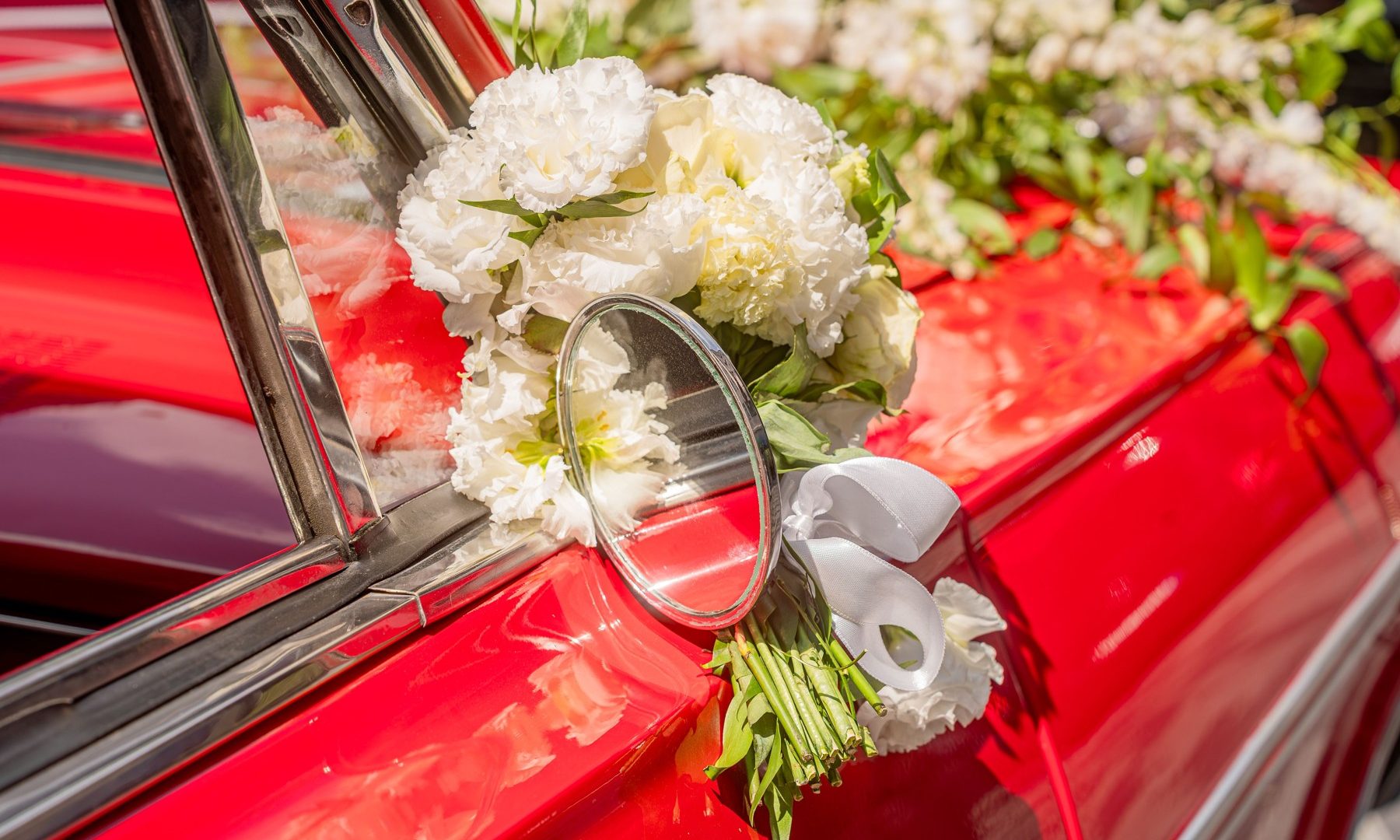
Photo by Oktay Köseoğlu via Pexels: https://www.pexels.com/photo/39023285/ – Pexels License (https://www.pexels.com/license/). (Stock photo, illustrative.)
Original date December 27, 2023. Updated November 2026.
Wedding props are optional. An object can give a portrait context, echo a personal interest or offer someone a comfortable action, but it should not become a requirement to perform. This guide covers choosing a small set, checking venue rules, protecting personal belongings, assigning transport and setup, and photographing props without letting them take over the wedding. Start with the couple’s priorities, including the option to use none.
Why Props Earn a Place in the Shot List
If someone feels awkward holding a pose, ask whether a familiar object or a simple action would help. A bouquet, an instrument or an item they chose may offer a starting point, but a prop does not automatically relax anyone. Try a prompt, watch the response and let people decline. A quiet portrait without anything in their hands can be the better fit.
Some props are linked to a planned event, such as an approved confetti toss or a photo booth. Decide whether the couple actually wants that event, who will run it and how it fits the schedule. Do not add a sparkler exit, staged reaction or guest activity simply to produce another photograph. Keep the event and the people ahead of the shot list.
Props can also repeat colors or materials from the setting. That is one design option rather than a rule: a deliberate contrast may be exactly what the couple wants. Compare a few reference frames together and decide which objects matter. The wedding photography course on ShutYourAperture Academy covers the wedding-day process if you want to explore the wider planning workflow.
 Save
Choose Props That Fit the Wedding
Start with the place and the people, not an online shopping list. Consider size, color, permission, access and the amount of setup involved. A vintage car can belong outside a barn or a modern hotel if it fits the couple’s story and the location allows it. Formal and playful objects can coexist; decide whether that mix is intentional rather than prescribing one style for every venue.
Choose a short priority list and give each item a reason to be there. Every extra object needs transport, storage and time. There is no universal number of props that covers a wedding, so work from the actual schedule and pictures the couple wants. Check dimensions and weight before renting or buying. A small item may suit a close-up but disappear in a wide group portrait.
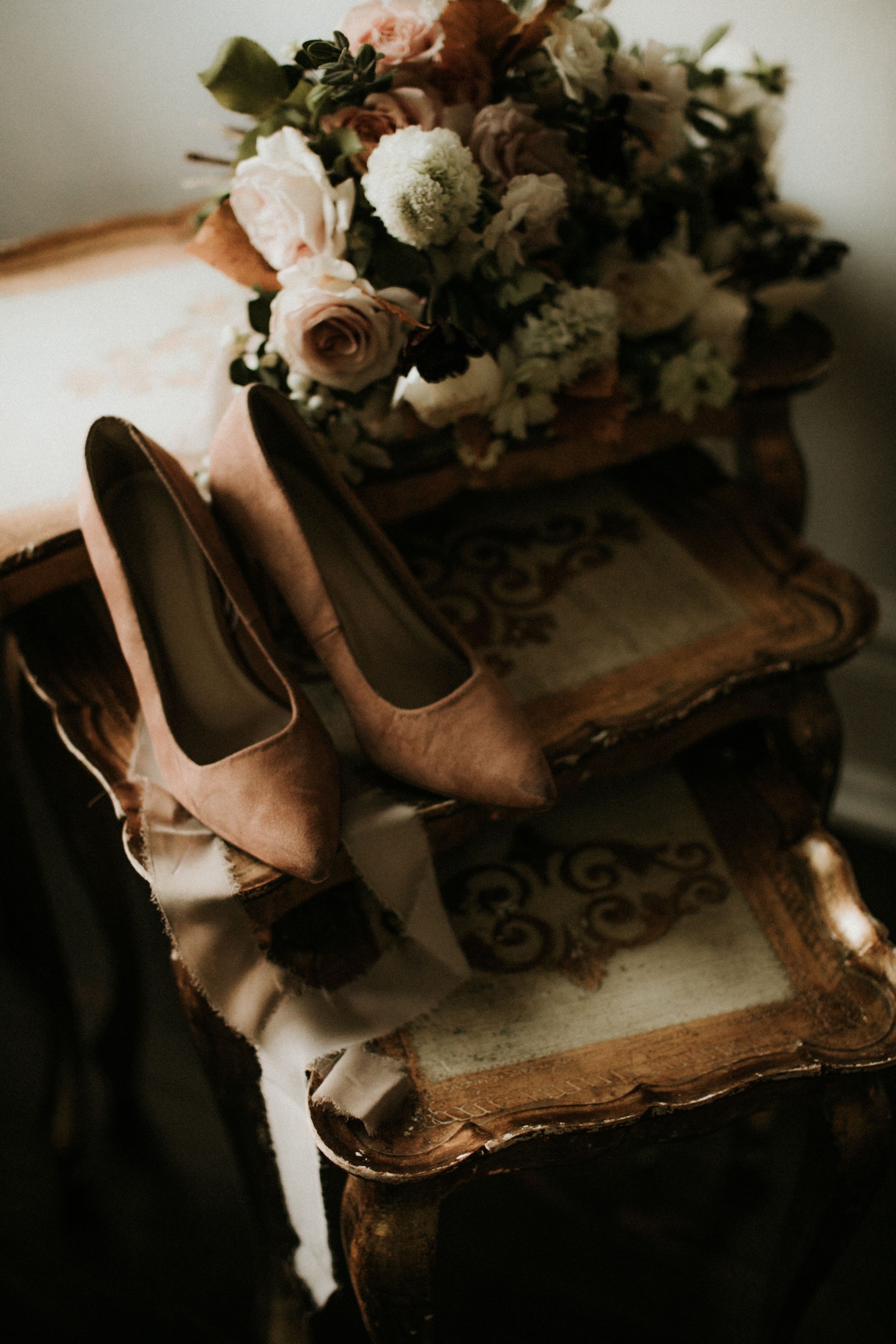
Ask about an object with personal meaning before proposing a trend item. An instrument, family keepsake or hobby item may add useful context, but it can also be fragile, awkward to move or something the couple prefers to keep private. Get permission to handle and publish it, check for names or addresses and agree where it will be kept. A playful off-the-shelf prop is also valid if people enjoy it.
Prop Categories That Photograph Well
Signs and letter boards. Ask the couple to approve the exact message before it is photographed or shared. Check spelling and readability at the intended distance. Avoid publishing addresses, private notes or other personal details without permission. A sign can be photographed by itself or included in a portrait; it does not need to appear in every frame.
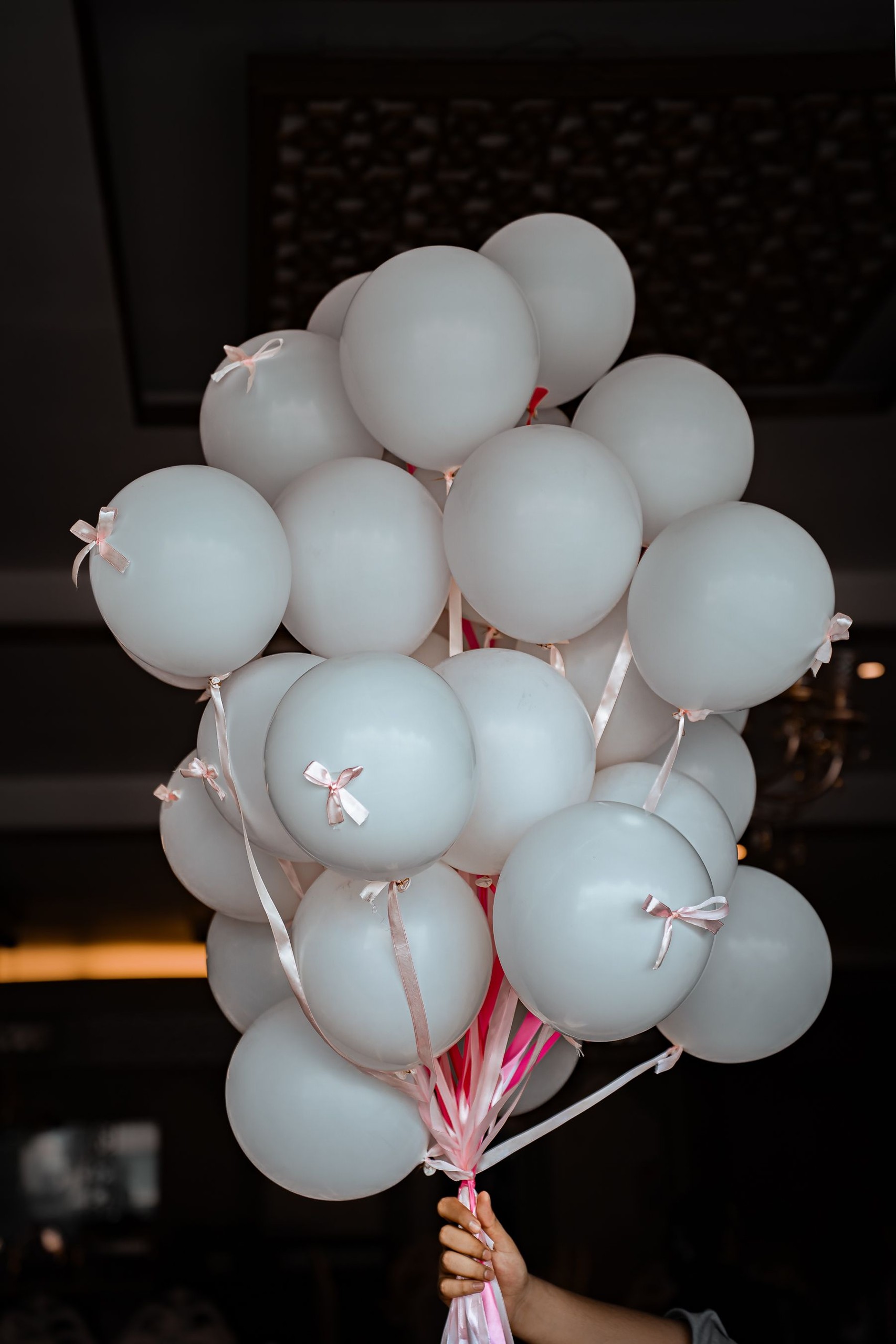
Balloons. Check the venue’s policy, the supplier’s handling instructions and the weather before including them. Keep them secured and plan how they will be collected rather than released. Keep ribbons, weights and deflated pieces away from children and out of walkways. Ask the supplier about float time for the actual type and conditions rather than promising that they will last all day. Choose another prop if they cannot be handled safely.
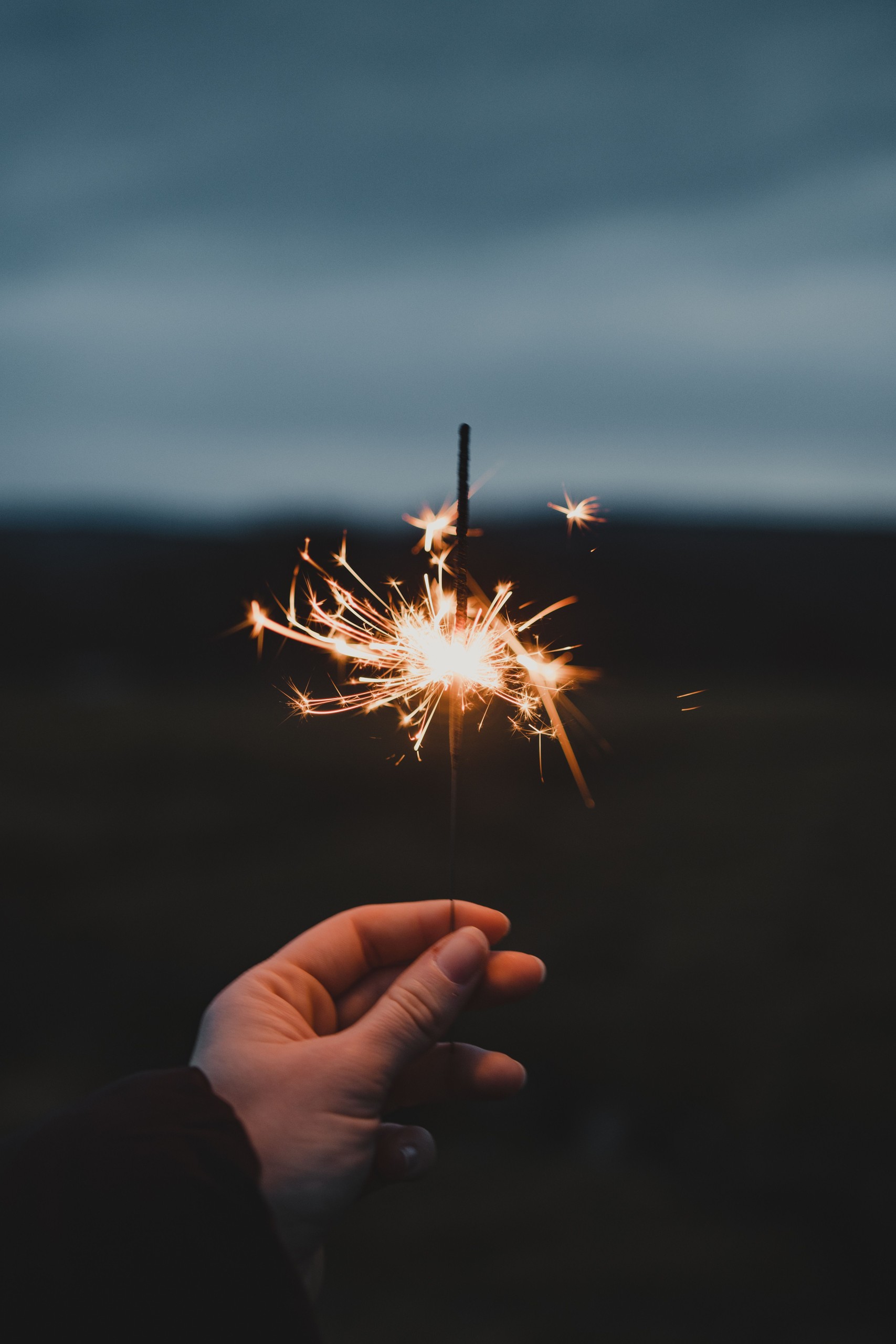
Sparklers. Treat them as a permission and safety question before treating them as a photograph. Venue policy, local rules, product instructions and suitable supervision all matter. Do not choose a longer or more powerful product just to buy camera time. A test of the permitted lighting setup can help the photographer plan, and a flameless alternative may be the right decision.
Confetti and petals. Ask whether any toss is allowed, which material is permitted and who handles cleanup. A label such as biodegradable is not permission to scatter it at the venue. Protect eyes, food and walking routes, and let participants opt out. Photographing a small arranged detail is an alternative to a toss. The gold hearts shown here are illustrative stock material, not a claim of environmental suitability.
Vintage pieces and furniture. Suitcases, chairs, bicycles and cars may add context, but do not assume a decorative item can support a person. Ask the owner which uses are permitted and keep the setup stable and clear of exits. Cars need a responsible operator and agreed parking; they are not furniture to climb on. Confirm delivery, placement, removal and any restrictions before adding them to the plan.
Photo-booth props. Offer them as an option for guests rather than a way to force participation. Choose clean, easy-to-handle items and check the condition between uses. Avoid messages that embarrass guests or imply that everyone consents to public posting. Make the booth accessible, keep its queue and equipment out of routes, and agree how the resulting images will be used.
 Save
Logistics: Transport, Timing, and Setup
Assign responsibility for each item: who transports it, who may handle it, who sets it up and who returns it. Ask the people involved rather than assuming a wedding party member will carry everything. Confirm delivery windows and a secure storage spot with the venue. Keep tools and setup materials with the designated adult or supplier, not scattered among guest-facing props. Do not add fire-related equipment to a general prop kit without an approved plan.
Agree on a home base that does not block preparation, service or access. Photograph small details during a genuine free window and in suitable light, not necessarily first thing in the morning. Ask before moving keepsakes, clothing or stationery, and return items to the agreed place. Keep private information out of the frame unless its publication has been approved.
Put the planned prop photographs into the timeline with setup and removal time. Ask which images are priorities if the day runs late. For any permitted guest activity, settle the roles and positions before participants gather. There is no ten-minute discussion that guarantees a result; the useful work is a clear plan that people can follow and safely change.
 Save
Safety and Venue Rules Come First
Venues set their own rules, and they differ: some restrict open flame, confetti, smoke effects, or anything stuck into lawns and walls. Ask the venue coordinator for the written policy before buying anything, and share the answer with the photographer and planner. The same venue-check habit that protects a couple’s booking protects the photo plan; the wedding photography insurance and venue checks guide on this site walks through that side of the paperwork in detail.
This photography guide is not a fire-safety plan. Do not use sparklers or other flames without the required permission, appropriate conditions and the venue’s approved supervision and procedures. Follow product instructions and local requirements; a generic bucket-and-countdown recipe does not establish that a setup is safe. Choose a flameless alternative or skip the shot if those conditions are not met.
Check the actual object and setup for sharp edges, unstable parts, damaged surfaces or trip hazards. Keep exits and walking routes clear. Ask the owner or supplier about safe placement and use, especially for tall, heavy or powered props. Venue permission does not replace applicable local rules. If the setup cannot be checked or safely supervised, leave it out.
 Save
DIY Props on a Real Budget
DIY may suit a small sign, ribbon decoration or simple frame if you have the time, tools and a safe place to make it. Price the materials, finish, transport and cleanup before comparing it with buying or renting. Test the finished object before the wedding for stability, sharp edges and anything that can transfer onto clothing. Choose a manageable project instead of assuming homemade means free or easy.
For larger pieces, compare a real rental quote with buying, borrowing or leaving the item out. Include delivery, collection, deposits, damage terms and storage in that comparison. Get the owner’s permission before borrowing a keepsake or furniture and agree on responsibility. Our DIY wedding photography guide discusses the broader planning question; props still need their own practical plan.
Directing People So the Prop Serves the Photo
Offer a comfortable action rather than insisting on a particular expression. Someone might hold a bouquet, read an approved sign or show an instrument they know. Check whether walking is suitable for the location, clothing and access needs before suggesting movement. A prop can support a prompt, but it does not guarantee a genuine laugh or make a posed photograph less valid.
Choose the subject of the frame deliberately. If it is a portrait, check whether the prop blocks a face or distracts from the person. If it is a detail, focus on the part that matters and check enough of the object is sharp. Aperture, focus distance and camera position all affect depth of field; our aperture guide explains the tradeoffs. A very wide aperture is an option, not a default for every prop.
For an approved group activity, agree on who will give directions and let participants ask questions or opt out. The photographer should choose permitted positions and test settings without delaying or endangering guests. A simple rehearsal without effects may help if the people want one. Our shutter speed guide covers motion choices; the correct setting still depends on the subject, light and intended result.
How many wedding props do we actually need?
None are required. Start with the photographs and activities you want, then choose only the objects that support them. A short list is easier to transport and manage, but there is no number that covers every wedding. Assign setup, storage and removal responsibilities for whatever you choose.
When during the wedding day should props come out?
Match each item to an agreed place in the schedule, including setup and removal. Detail photos need a suitable free window, not necessarily morning. Guest activities need permission, directions and an option to decline. Keep props stored safely until needed rather than handing out flames or loose material in advance.
Are sparklers and confetti allowed at wedding venues?
Check the venue policy and applicable local rules before buying. Ask about materials, locations, supervision and cleanup. Permission alone is not a safety plan, and a biodegradable label does not mean a toss is allowed. Follow the approved procedures or choose another idea.
What props help a camera-shy couple relax?
Ask what feels comfortable. A familiar object, bouquet or simple action may help, but a prop does not automatically relax anyone. Try a prompt without pressure and let people decline. A portrait with no prop may be the best choice.
Are DIY wedding props worth the effort?
Compare actual material costs, time, tools, transport and the finished result with buying or renting. DIY can suit a small personal item, but it is not always cheaper. For a rental, check deposits, delivery, collection and damage terms. It is also fine to skip an item that creates too much work.
Will trendy props make our wedding photos look dated?
Any choice can reflect the time it was made. Use a trend if you genuinely like it, and consider whether a personal object adds meaning you want in the photographs. You do not need to ban popular accessories or promise that a keepsake will feel timeless. Keep the final choice with the couple.
Compare camera support for a planned prop photograph
A Peak Design Aluminum Travel Tripod is one camera-support option for a planned prop photograph. Check the full camera-and-lens weight, plate fit and working height before buying. Check the locks, ask where the setup may stand and keep paths clear. This is camera support, not a prop stand. It does not choose the props, hold furniture or freeze a moving person. Compare the current retailer specifications; no hands-on test, price or stock promise is being made here.
Affiliate disclosure: We may earn a commission from qualifying purchases through these gear links at no extra cost to you.