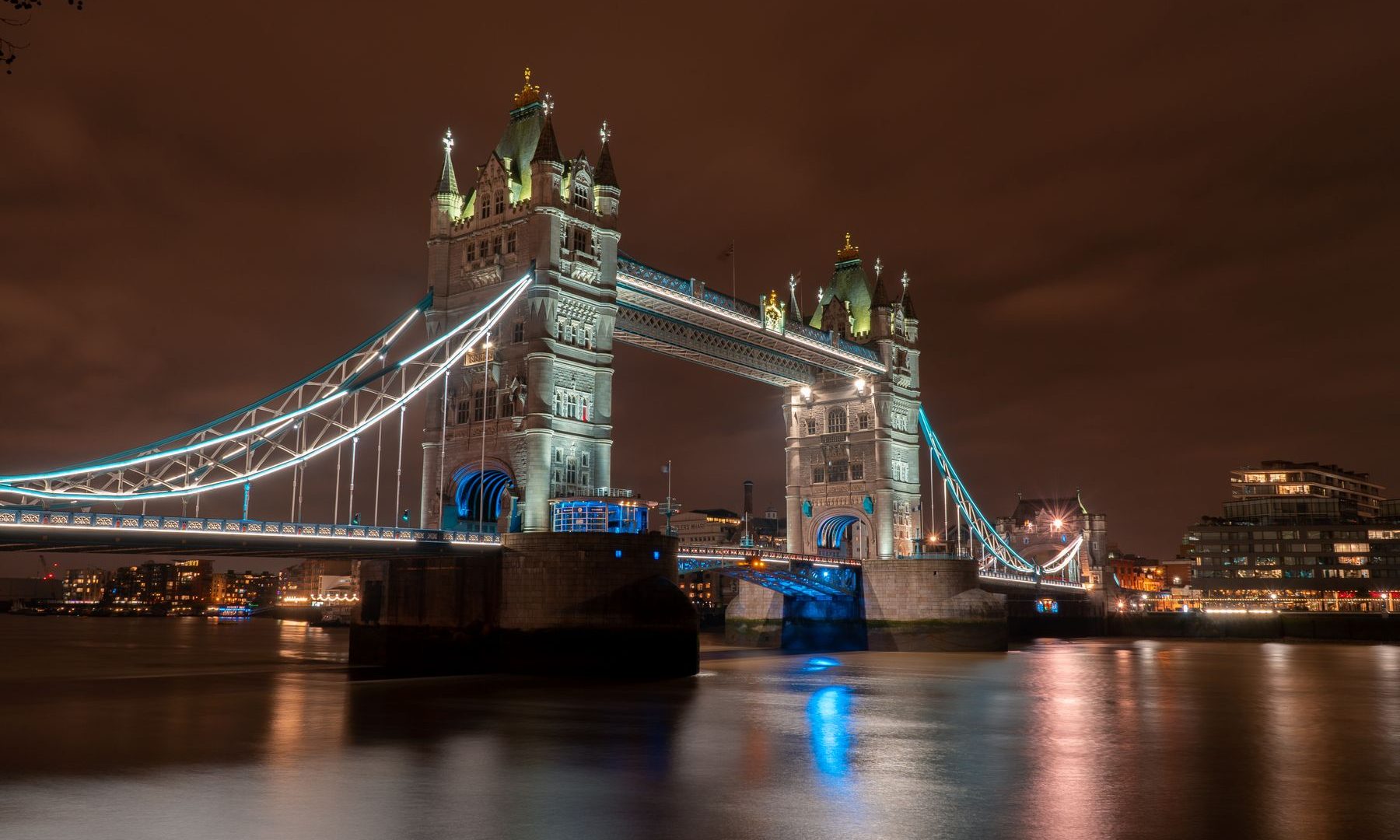
Every famous landmark has a shot that has been taken ten million times. You know it before you arrive: the same angle, the same foreground, the same postcard. There is nothing wrong with taking that shot. The mistake is taking only that shot. This guide is about coming home with frames that are yours. For the travel side of the craft, our travel photography guide covers the fundamentals.
 Save
Study the Cliche First
Before your trip, look at the hundred most popular photos of the landmark. This is not to copy them; it is to know exactly what everyone else did. Note the tripod holes, the standard focal length, the usual time of day. Each of those is a variable you can change. The cliche shot tells you where the light comes from and where the crowds stand, which is genuinely useful scouting information.
Change One Variable at a Time
Move. Walk the full perimeter before you shoot. The angle two hundred meters left of the viewing platform is usually empty and often better. Look for a foreground the postcard shot ignores: railings, puddles, trees, doorways, people going about their day with the landmark behind them.
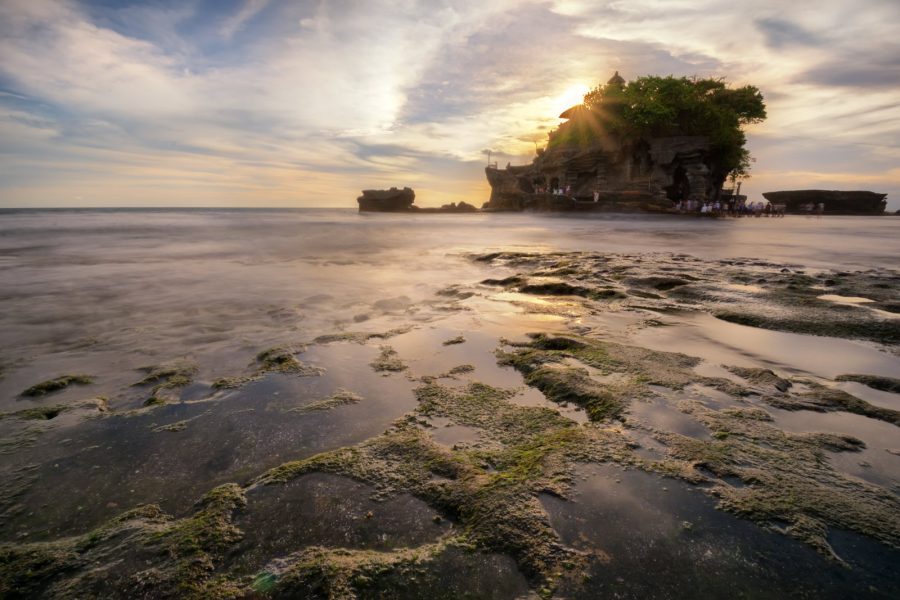
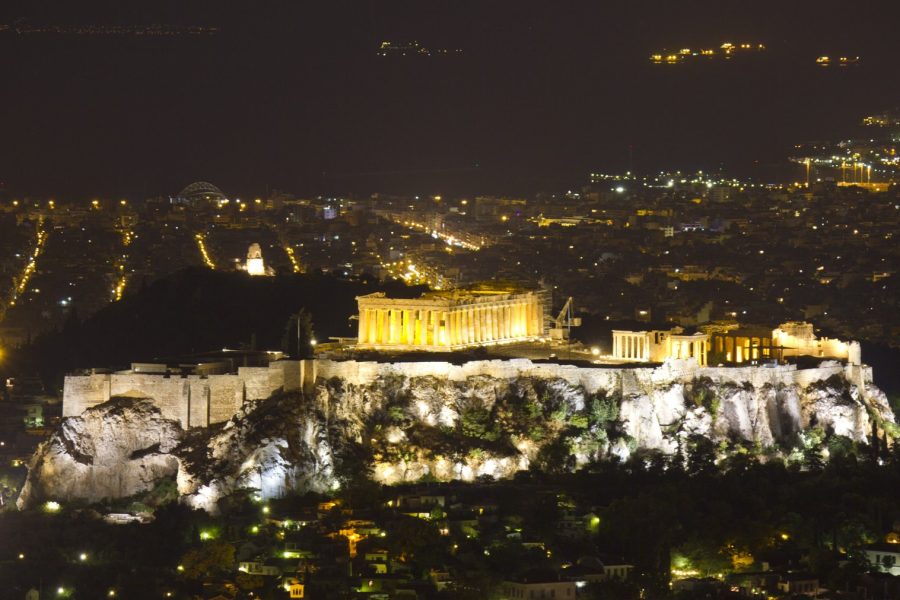
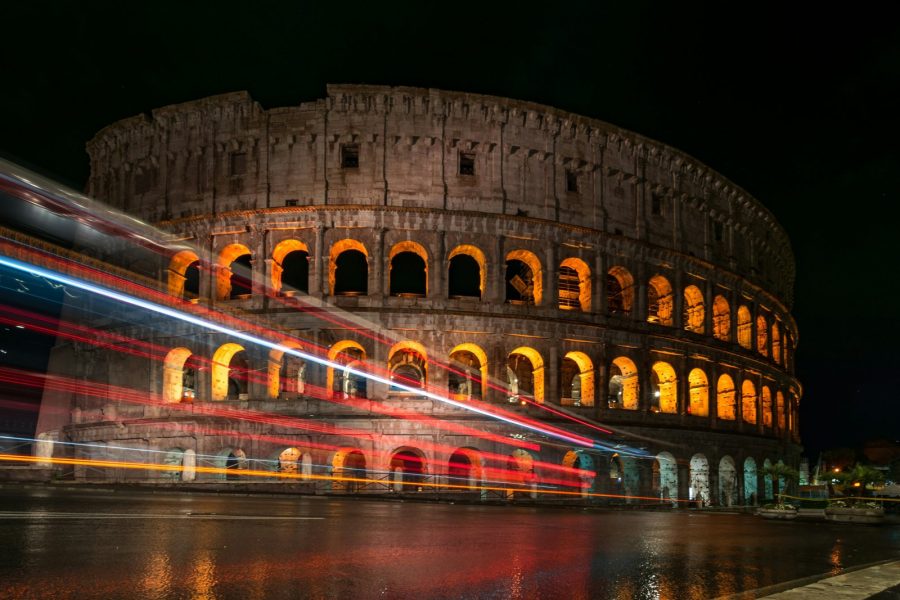
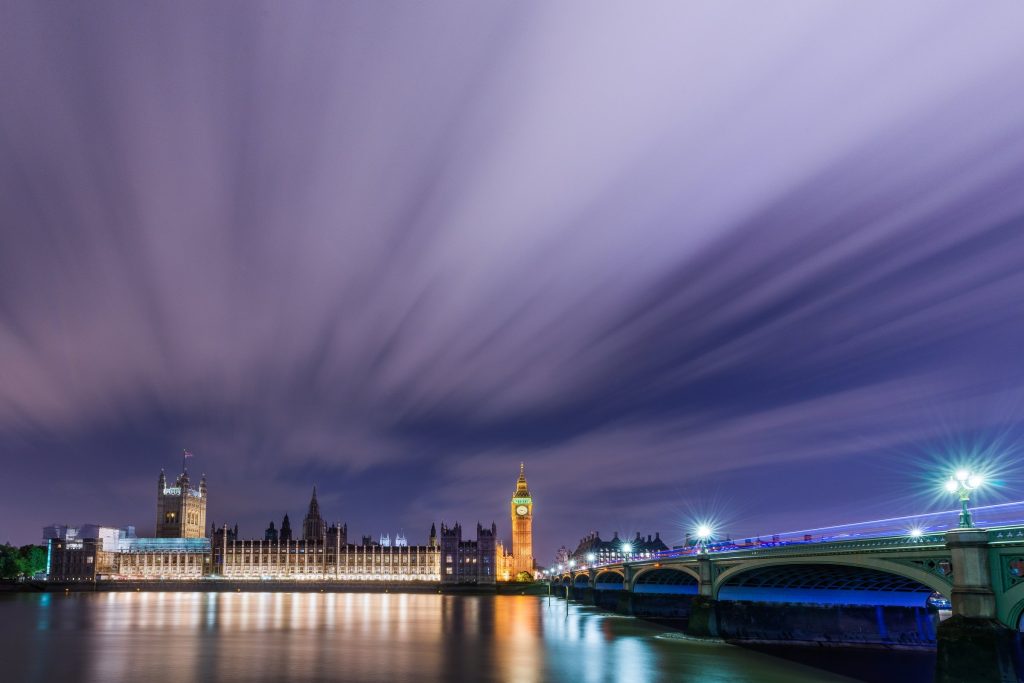
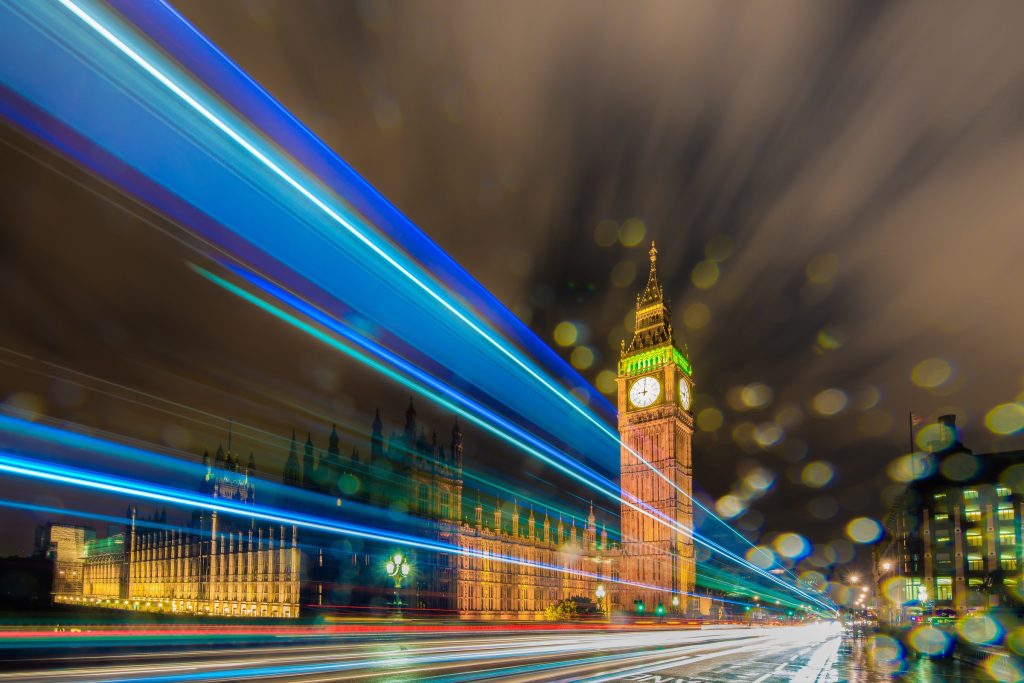
Change the time. Most landmark photos are taken at midday because that is when tourists are awake. Blue hour, night, fog, rain, and snow transform famous places into something most visitors never see. A landmark in bad weather is a landmark without competition.
 Save
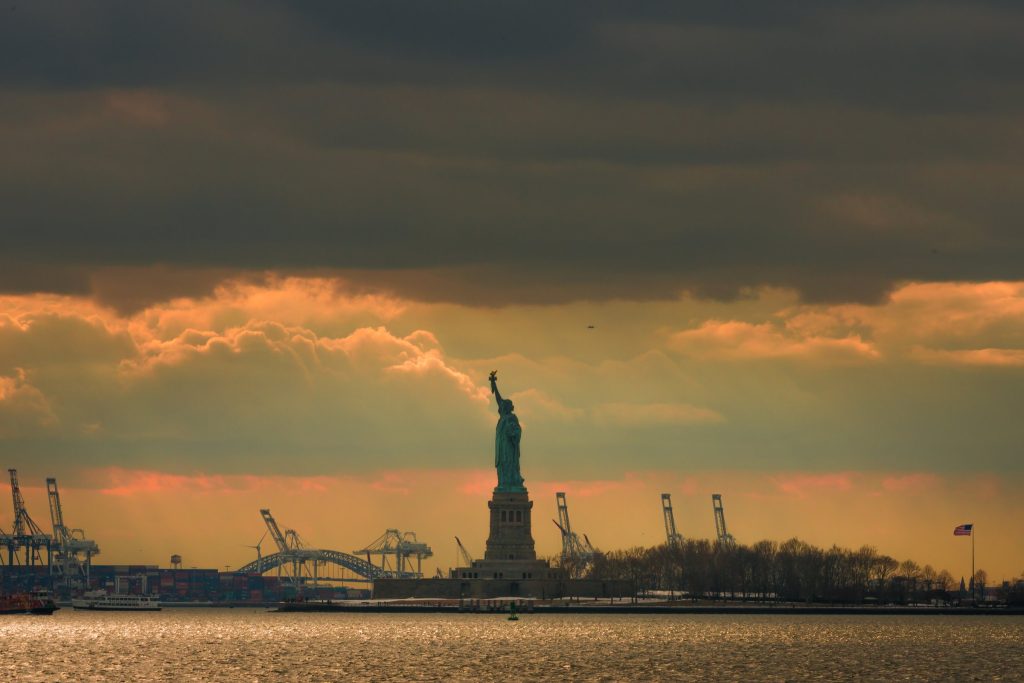
Change the scale. Go tight: architectural details, textures, repeating patterns that read as the place without showing it whole. Or go wide with the landmark small in a larger scene, which tells a story about the place in its environment instead of the thing itself.
 Save
Use people honestly. A figure in the frame gives scale and life. Locals using the space, not tourists posing for it, is the difference between a travel photo and a snapshot of one.
Technique Notes
Front-to-back sharpness matters when your foreground is doing the creative work, so mind your aperture and focus a third into the scene. For night landmark work, bracket your exposures: the building lights and the sky rarely fit in one frame. And shoot more than you think you need while conditions last; fog and crowds both change by the minute.
Learn faster with a plan. The ShutYourAperture Academy has 22 photography courses, from the fundamentals of aperture, shutter and ISO to genre courses like landscape, portrait and street.
Editing Landmark Files
Landmark edits go wrong when they chase drama the scene did not have. Straighten the verticals, control the sky, and let the composition carry the interest, since the composition is why you went. The Landscape, Cityscape and Drone Preset Pack covers the natural and cityscape looks these files call for, and the free starter pack in our Lightroom presets guide is the no-cost way to test a look before your trip.
Keep a separate copy of your landmark files
A black Samsung T7 Shield portable SSD, 1TB model MU-PE1T0S/AM, is one storage option for landmark originals and edited exports. Check the computer connection and capacity before buying. Open the copied files and maintain another checked copy separately. A drive does not replace a complete backup plan or change a composition. Compare the current retailer specifications; no hands-on test, price or stock promise is being made here.
Compare Samsung T7 Shield Portable SSD Black 1TB MU-PE1T0S/AM on Amazon | Check Samsung T7 Shield Portable SSD Black 1TB MU-PE1T0S/AM at B&H
Affiliate disclosure: We may earn a commission from qualifying purchases through these gear links at no extra cost to you. As an Amazon Associate, Shut Your Aperture earns from qualifying purchases.