Originally published December 17, 2023. Updated November 2026.
Hero: Photo by Ozeia Oliveira / Pexels / Pexels License. (Stock photo, illustrative.)
A wedding day leaves no room for learning a technique from scratch, but it can hold deliberate experiments when the reliable frame is already safe. This guide treats innovation as controlled experiments a photographer runs inside real coverage: a slowed shutter on the dance floor, a reflection found after the classic portrait exists, a flash layer added to the room’s own light. The technical guidance draws on three published sources: the Wedding Photojournalist Association’s article on dragging the shutter, ExpertPhotography’s wedding lighting guide, and The Haus of Grey’s wedding day manual. Our editorial working rule for these techniques is simple: the dependable frame comes first, one variable changes at a time, and the experiment stops the moment coverage or the couple’s comfort suffers.
Take the Safe Frame First
The rule under every technique in this guide: the experiment happens after the dependable version exists. The Haus of Grey manual applies it to portraits twice, advising photographers to complete a set of classic groom portraits before trying silhouettes, reflections, and creative off-camera flash, and to get the classic bridal portraits before looking for reflections and objects to shoot through. Its group-posing workflow starts the same way: set the exposure and test the flashes before the subjects step in front of the camera.
The WPJA article draws the same line at the moments themselves. A technique with many moving parts produces throwaways, it warns, so its advice is to pass on dragging the shutter for some of the wedding’s most poignant moments rather than gamble on a frame the couple expects to see. ExpertPhotography’s off-camera flash guidance carries the operational version: test the trigger and the exposure before the moment starts, not during it.
Plan the Experiments Before the Day
Planning is where experiments get permission. The Haus of Grey manual distinguishes a moodboard, a visual record of the styles the couple likes, from a shot list, and pairs it with a timeline review, on the grounds that the photographer carries responsibility for keeping the day on schedule. Scout the location with the timeline in hand, it advises, noting where the useful light falls at each part of the day; it names Sun Seeker as one app for tracking the sun’s movement.
Consent belongs in the same conversation. Discuss the ceremony timeline and plans with the couple well in advance, the manual says, because cultural nuances and the couple’s preferences shape which moments happen and which are avoided. It treats the first look the same way, as the couple’s call: some couples decline one, and it lists scheduling benefits for those who opt in. Propose the experiments you want to run, a brief night portrait slot, a slow-shutter series on the dance floor, during that planning, so the couple agrees to the time before the day arrives rather than being asked to donate it in the moment.
Change One Variable at a Time
ExpertPhotography’s closing advice is the discipline that keeps experiments coverage-safe: practice one lighting choice at a time before using it at a wedding, starting with windows, reflectors, and the sun, then bounce flash, then a simple off-camera setup. On the day itself, the same one-variable rule keeps failures readable. Change a single setting, take a test frame, and adjust from what it shows, instead of rebuilding the whole setup between frames and losing the moment while you work.
The review half of the loop is specific. Check the parts of the frame the experiment touches: the flash guidance in ExpertPhotography’s article is to check moving hands and faces after a slow-sync frame, and its portrait guidance is to check both faces, because light that flatters one person can leave the other in shadow. The WPJA article sets the expectation for the cull: a technique with this many moving parts yields throwaways even with practice, which argues for experimenting in short bursts and editing later, not for skipping the safe frame.
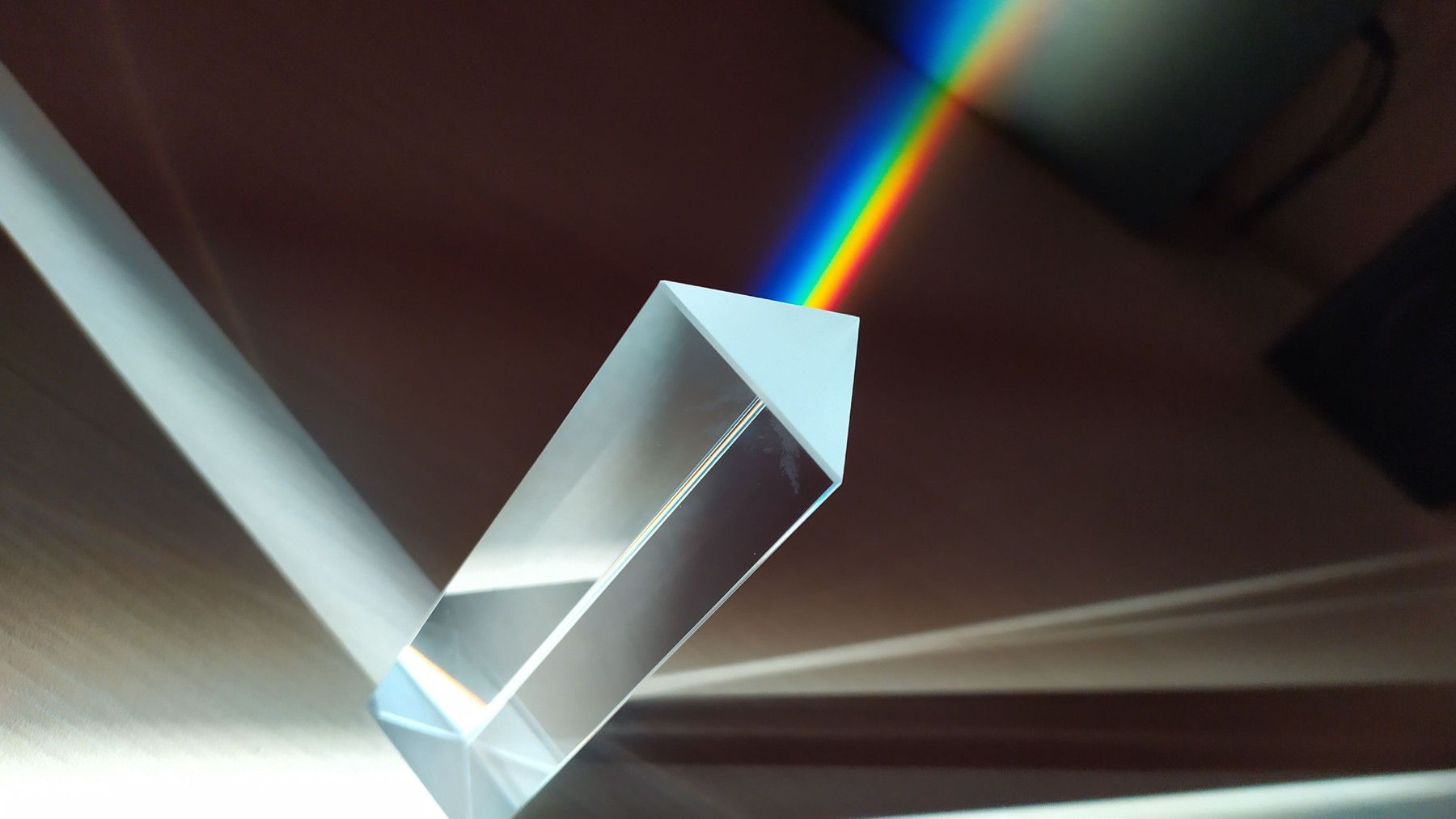
An optical experiment can be rehearsed on a still object before it enters a portrait session. A prism is one option: watch what happens to the frame as its angle changes, keep the main subject readable, and put it away when the effect hides the story. This is an optional exercise, not a requirement for creative wedding coverage. The illustration below shows a prism splitting light; it is not a wedding photograph or an example of shutter drag.
 Save
Slow the Shutter on Purpose
The WPJA article defines the technique it covers: dragging the shutter means slowing the shutter speed to lengthen the exposure and record motion, optionally adding a flash burst to freeze the foreground subject. In a dark reception hall, that longer exposure also pulls ambient detail into the background, which the article contrasts with flash-only frames where people appear against a pitch-black room. Our shutter speed guide covers the exposure basics the technique builds on.
The execution details matter. The article recommends rear-curtain sync for motion work, so the sensor records the movement and the flash freezes it at the end of the exposure; with front-curtain sync the flash fires first and the motion that follows can smear across the moment you meant to freeze. For circular dances it describes panning with the subject so the background blurs while the subject stays sharp, and for room-wide atmosphere it describes a tripod-mounted exposure of a second or more that keeps the decor sharp while the moving crowd blurs.
The article’s own cautions set the operating limits. It offers the reciprocal rule as its sharpness reference, a 50mm lens at about 1/50 of a second and a 24mm at about 1/25, and notes that some photographers push far slower on purpose for stronger blur; treat those figures as the article’s examples, not presets for your camera and your hands. Its closing warning is about dosage: motion-blur frames work as a contrast to frozen action, used in modest measures, and results will vary.
Layer Flash With the Room’s Own Light
ExpertPhotography frames a flash photograph as two exposures sharing one frame: the room’s ambient light and the flash’s contribution. For a normal single flash burst at or below sync speed, with manual flash power fixed, shutter speed mainly changes ambient exposure. A wider aperture brightens both contributions while reducing depth of field; ISO affects both brightness and noise or highlight headroom, and manual flash power changes the flash contribution. TTL automation and high-speed sync change these relationships, so check the equipment’s mode before applying that control map. The reception sequence it describes starts with a frame taken without flash to set the ambient look, an aperture chosen for the depth the group needs and a shutter speed suited to the movement, and then flash added and tuned for the faces.
Two warnings keep the layer honest. Slowing the shutter to brighten the room, the slow-sync approach, can wrap a blurred ambient image around the sharp flash-lit subject, so check moving hands and faces. And stay within the camera and trigger’s sync limit unless you deliberately use compatible high-speed sync, which changes how the flash fires and reduces its reach; the guide’s advice is to check the equipment manual rather than assume one sync speed fits every setup.
The room’s own lighting is raw material, not interference. The guide treats the lights the couple chose as part of the reception’s atmosphere: a DJ’s colored lights can sit behind the couple as background or backlight while your flash lights their faces, and if strong color spills onto skin, a change of position can keep the colored light behind them. For an important moment like the first dance, it advises making a test exposure before the moment begins and checking it as the couple moves, because a setup metered at the center of the floor can change at its edge.
Work the Light You Already Have
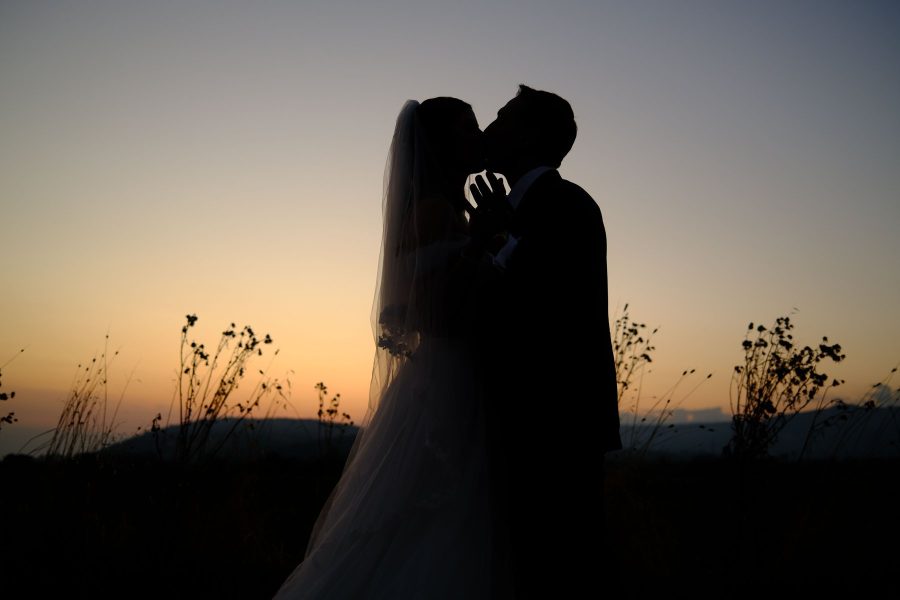
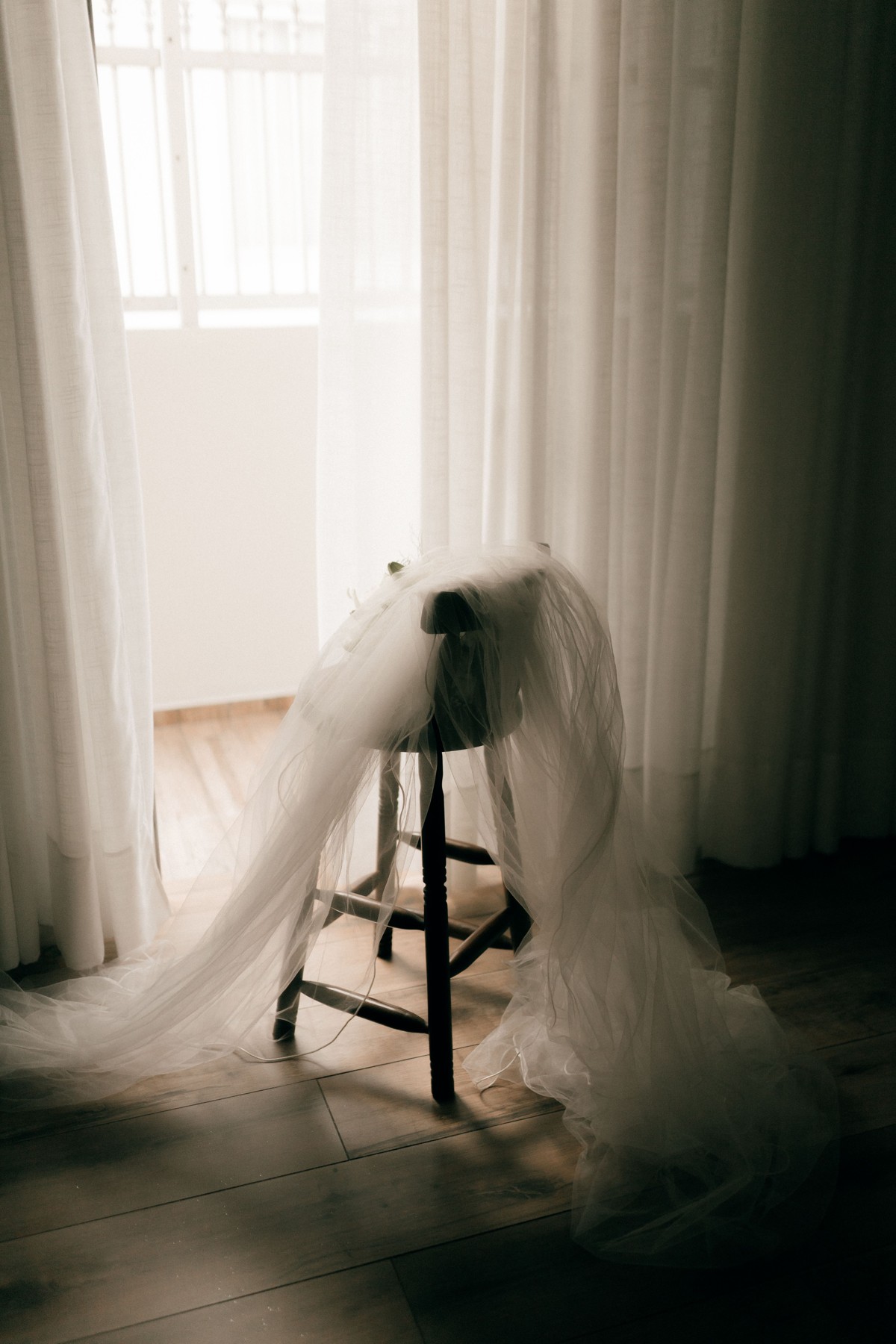
Window light can be soft and flattering when the window is large relative to the subject and direct sun is not falling on faces, ExpertPhotography notes; angle the couple until both faces look good, and for a silhouette, expose for the brighter window instead of the faces. Backlighting can put a bright edge around the couple and make a translucent veil glow: place the sun behind them, then decide between fill flash or a reflector to keep the bright background, or expose for the faces against a darker background. An off-camera flash placed behind the couple creates a similar rim after sunset.
Side light adds shape through shadow. The guide’s starting point is light roughly 45 degrees to one side of the couple, followed by the two-face check, lifting the darker side with a reflector or gentle fill when needed. With a reflector, adjust angle and distance while watching the result, and avoid shining an uncomfortable amount of light into anyone’s eyes. It also flags mixed color: window daylight plus overhead room lights can need different white balance corrections inside one frame, so place the couple where one source dominates or ask whether room lights can be turned off during portraits.
Harsh midday sun is the outdoor version of the same problem. The Haus of Grey manual advises putting subjects’ backs to the light and filling with flash or a reflector, choosing a spot near bright surfaces that bounce light back up, shooting RAW for editing latitude, and trusting the histogram and highlight alert over the LCD screen in bright conditions.
 Save
Compose Through Reflections, Foregrounds, and Space
Composition experiments ask for attention rather than time or setup, and the Haus of Grey manual seeds them inside ordinary coverage. After the classic portraits, look for reflections or objects to shoot through; at the reception, mix medium and wide angles that show the environment with tight angles that catch expressions, and remember that a shoot-through object can also hide a cluttered background. Its photojournalism section adds the frame discipline: the rule of thirds over a dead-center subject, and relevant foreground elements that help tell the story.
The details workflow is a composition exercise on a clock. The manual suggests asking the bride in advance to gather her details in one place, and notes that when she prefers the details photographed while she wears them, the product-style setups can go. On site, walk the room for angles before shooting, start with tight frames while vendors finish the decor, and work toward the wide shot, with the coordinator sometimes able to clear the space before guests arrive.
 Save
Respect the Venue and the Ceremony’s Rules
ExpertPhotography’s first lighting decision comes with a rule check: ask the officiant about flash and permitted shooting positions before the ceremony, because a quiet moment is not the time to discover a restriction. When flash is not allowed, its dark-ceremony plan is exposure discipline: choose a position where the existing light reaches faces, test the exposure before the ceremony begins, use a shutter speed fast enough for a walking entrance, open the aperture as far as the needed depth of field allows, and raise ISO, on the argument that a little more noise is a better trade than an important moment lost to blur.
The same respect applies to your own hardware. The guide’s off-camera flash advice is to use a stable stand or an assistant, keep equipment clear of guests and walkways, and secure it against knocks and wind. When the couple plans a sparkler exit, the Haus of Grey manual puts property and guest safety ahead of the photograph and treats guest spacing and extinguishing supplies as part of the setup; confirm the venue permits the exit before treating it as a creative opportunity.
Want to go further? The ShutYourAperture Academy’s The Wedding Day offers a focused place to continue studying wedding photography.
Keep the Night Portrait Slot Short
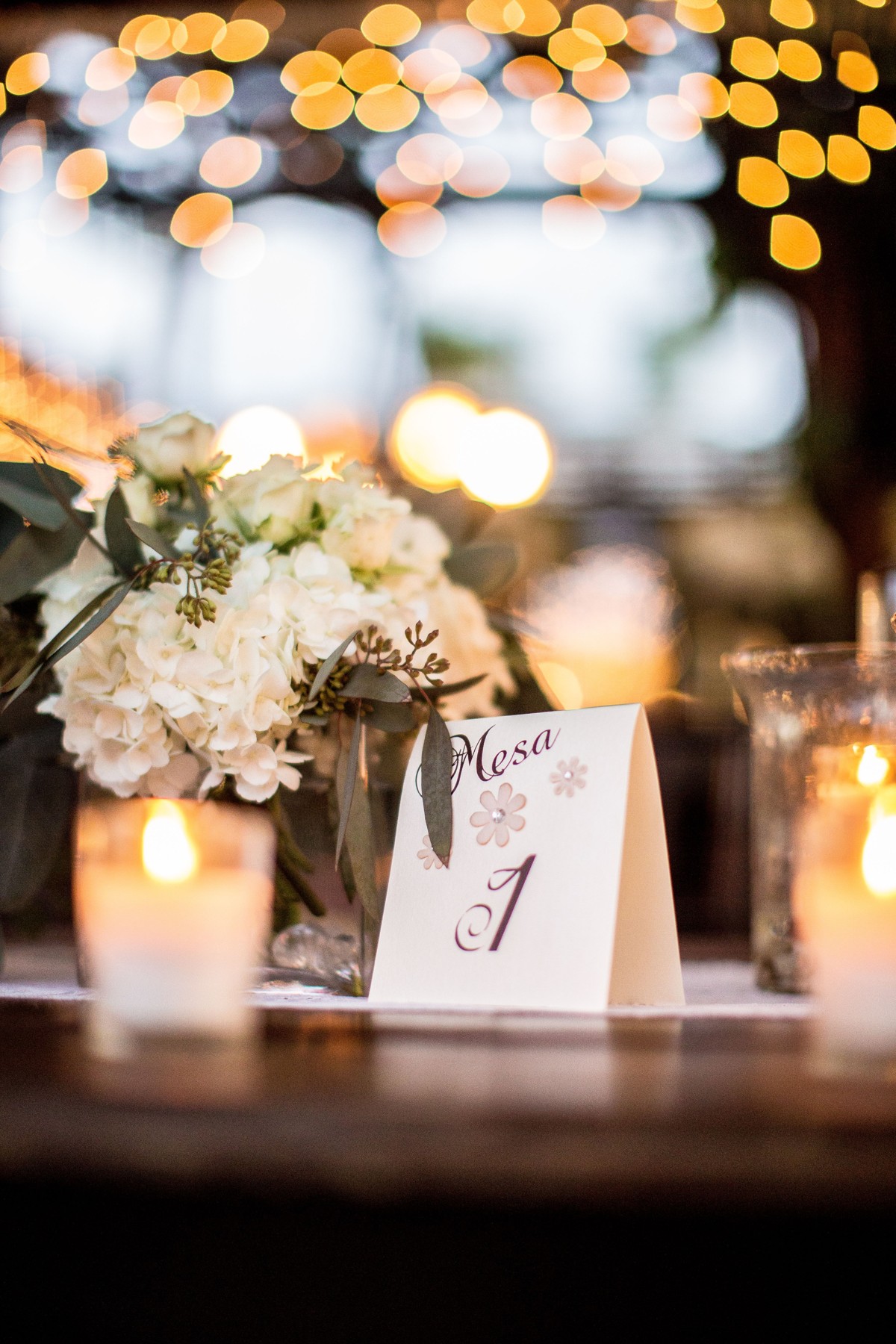
The Haus of Grey manual’s night-portrait guidance is built around the couple’s time: it observes that couples usually do not want to be away from their friends and family long, so it advises scouting the location before pulling them away and arriving with a concept in mind, citing a whip pan as one example that needs background lights found in advance. Its technique menu for the slot is backlighting, backlight plus a front light, the whip pan, and shutter drag, with posing kept simple, and its preparation advice is to practice those techniques long before the wedding day.
The slot’s brevity is the respect it owes the reception. Take the couple out, execute the planned frame, and return them to their guests. If the concept is not landing after a few honest attempts, the coverage-safe move is to stop and hand the couple back to the party, not to keep them while the night goes on without them.
 Save
Review, Cull, and Keep the Originals Separate
The experiment ends at the review. Check the frames the risk touched: focus on both faces, ghosting where a slow shutter met flash and movement, and clipped highlights on the dress in hard light, using the histogram or highlight alert when bright sun makes the screen unreliable. Expect a throwaway rate, since the WPJA article is candid that results vary even with practice, and cull the failures before the couple sees the gallery.
Protect the raw material with the same separation the editing desk needs. Copy the cards at the end of the day and check that the copied files open. Keep another checked backup in a separate place before reusing the cards. Preserve untouched originals and use non-destructive editing where possible, so an experimental grade can be discarded without overwriting the source files. Separate folders alone do not protect against a failed or lost drive.
How do you try creative techniques at a wedding without risking the key photos?
Take the dependable frame first, then experiment. The Haus of Grey manual’s portrait workflow completes the classic portraits before looking for reflections and creative flash, and the WPJA shutter article advises skipping experimental techniques for the day’s most poignant moments, since a technique with many moving parts produces throwaways. Test your exposure before important moments, and run experiments in the gaps, not over unrepeatable ones.
What is shutter drag in wedding photography?
Dragging the shutter means using a slower shutter speed so the exposure records motion, optionally with a flash burst that freezes the main subject. The WPJA article recommends rear-curtain sync for this, so the blur records first and the flash freezes the end of the movement. Its advice is to use the effect in modest measures, as a contrast to sharp frames, and to expect some failed frames along the way.
How do you balance flash with reception lighting?
ExpertPhotography’s guide describes the frame as two exposures in one. At or below normal sync speed with a single flash burst and fixed manual flash power, shutter speed mainly controls the room’s ambient exposure while flash power controls the flash contribution. Take a test frame without flash to set the room’s look, then add flash and tune it for the faces. Slowing the shutter for more room light can blur moving people around the flash-lit subject, so check hands and faces afterward.
Should the couple know about experimental shots in advance?
Yes. The Haus of Grey manual’s planning chapter builds coverage around a moodboard of the couple’s style preferences, a timeline review, and a location scout, and it treats optional items like the first look as the couple’s decision. Propose experimental ideas, such as a brief night portrait slot, during that planning, and keep the agreed slot short so the couple returns to their guests quickly.
Can you use flash during the wedding ceremony?
Only when the venue and officiant allow it. ExpertPhotography’s guide says to ask the officiant about flash and permitted shooting positions before the ceremony. When flash is not allowed, its advice is to test your exposure in advance, use a shutter speed fast enough for people walking, open the aperture within your depth-of-field needs, and raise ISO, accepting some noise over motion blur on unrepeatable moments.
What should you check when reviewing experimental frames on the day?
Check what the experiment risked: focus on both faces, ghosting or blur where a slow shutter met flash or movement, and clipped highlights, using the histogram or highlight alert when bright sun makes the screen unreliable. Both ExpertPhotography and the WPJA article note that technique-heavy frames produce some failures even with practice, so cull the misses before the couple sees the gallery.
How should you store originals and experimental edits?
Preserve untouched originals, check that copied files open, and keep another checked backup in a separate place before reusing the cards. Use non-destructive editing where possible so an experimental grade can be discarded without overwriting source files. Separate folders alone do not protect against a failed or lost drive.
Keep originals and experimental edits separately
A black Samsung T7 Shield portable SSD, 1TB model MU-PE1T0S/AM, is one storage option for wedding originals and experimental edits. Check the computer connection and capacity before buying. Open the copied files and maintain another checked copy separately. A drive does not replace a complete backup plan, create a new idea or capture a fleeting moment. Compare the current retailer specifications; no hands-on test, price or stock promise is being made here.
Compare Samsung T7 Shield Portable SSD Black 1TB MU-PE1T0S/AM on Amazon | Check Samsung T7 Shield Portable SSD Black 1TB MU-PE1T0S/AM at B&H
Affiliate disclosure: We may earn a commission from qualifying purchases through these gear links at no extra cost to you. As an Amazon Associate, Shut Your Aperture earns from qualifying purchases.