Original date December 17, 2023. Updated November 2026.
Featured image: Photo by Merlin Lightpainting / Pexels / Pexels License. (Stock photo, illustrative.)
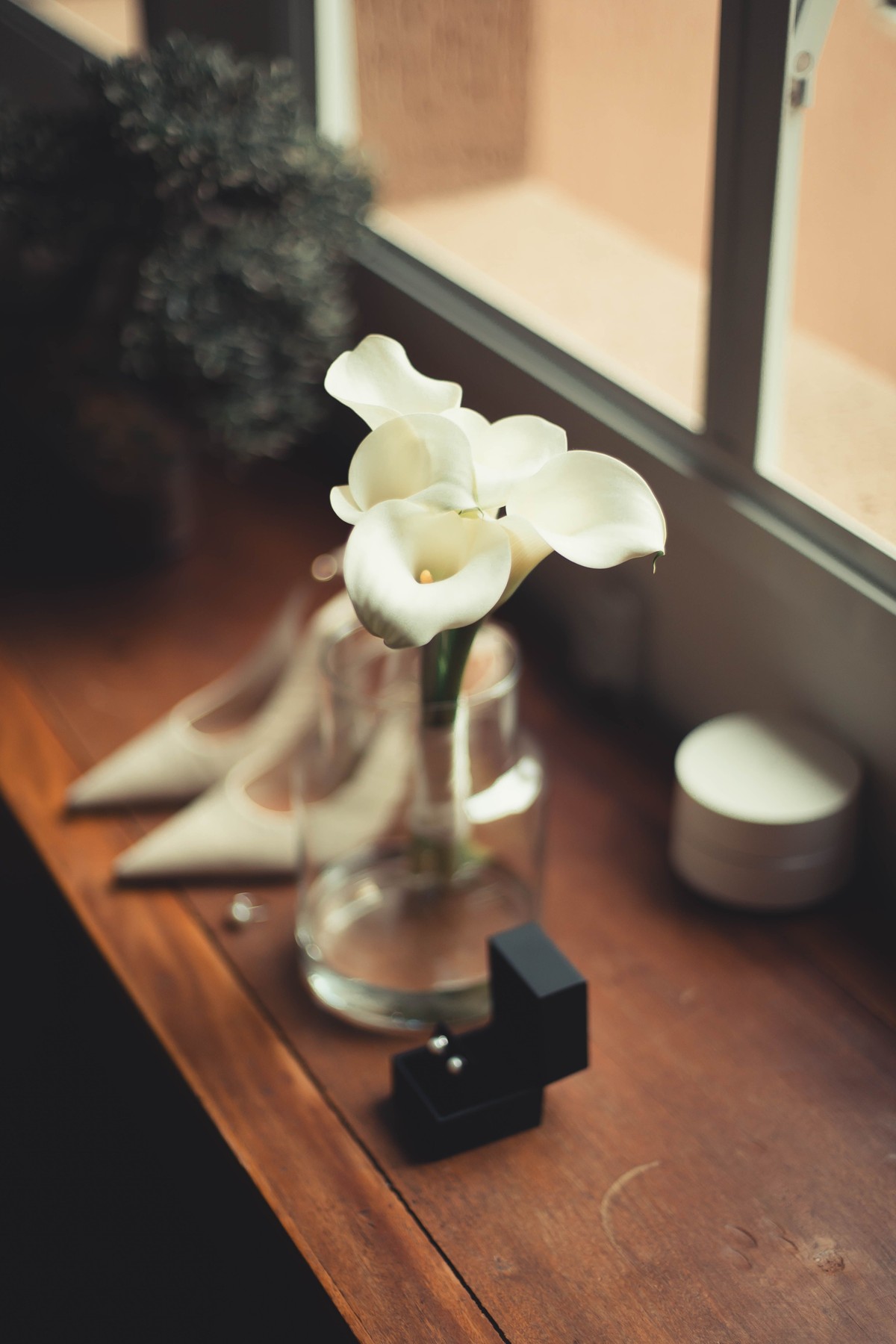
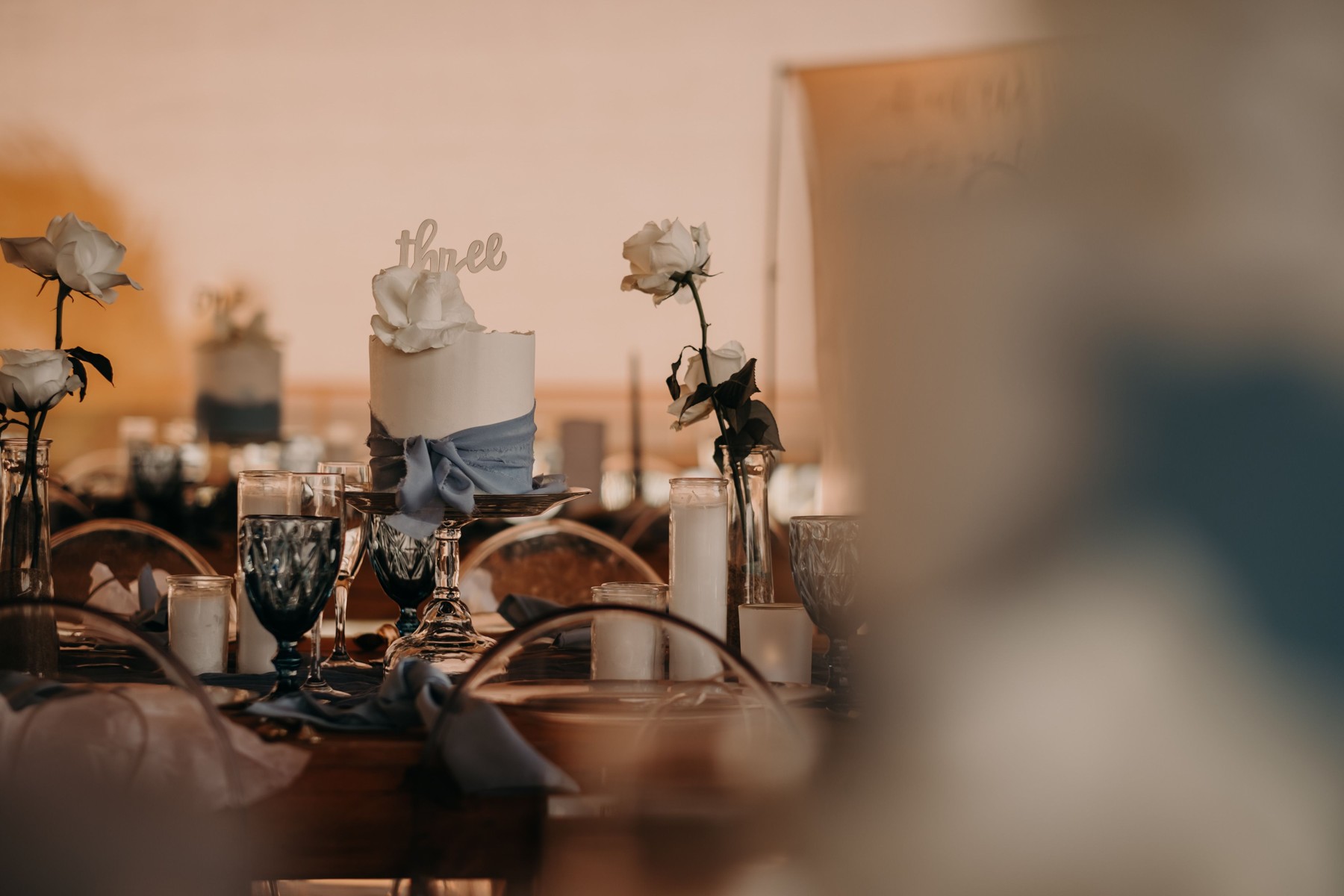
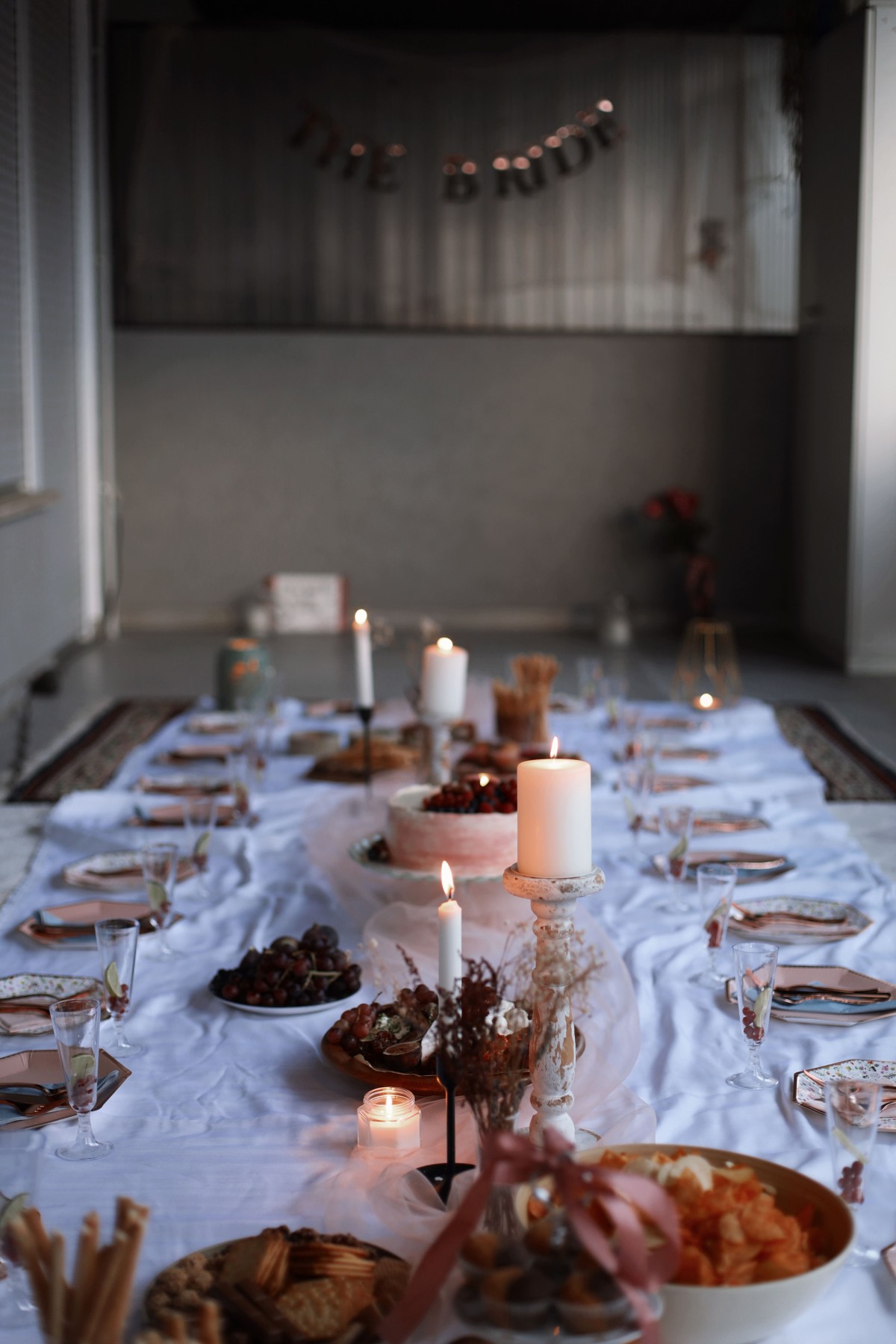
This article’s title promises top wedding photographers, so an honest note up front: this is not a ranked directory, and it names no winners. The stock photographs illustrate lighting, details, and preparation; they are not a portfolio or an endorsement of a photographer. Choosing a photographer depends on your venue, your light, your timeline, and the personality you want beside you for the day. What a guide can do is show you how to evaluate any photographer you are considering, using checks you can run yourself. The method below comes from four published question guides: the Los Angeles Times weddings desk, Bluebird Studio’s practitioner FAQ, Brides, and Minted, several of them built with working wedding photographers.
Why Evaluation Beats Ranking
A broad ranking cannot account for the details of your specific day. The sources treat the choice as a fit problem instead. Photographer Ryan McNulty tells the Los Angeles Times that your photographer will be the vendor you spend the most time with on your wedding day, which is why he recommends a face-to-face meeting to check that your personalities work together. Minted’s guide carries the same caution from photographer Garrett Richardson, who points out that you will probably spend more time with your photographer than with any other vendor, so trust and comfort deserve as much weight as the portfolio.
What can be checked objectively is process: consistency across a full wedding, behavior in difficult light, clarity about who shoots and what you receive, and the quality of the backup plan. Those are the criteria the rest of this guide walks through. Each one comes from the published guides above, and the questions can guide your meetings, gallery review, and written follow-up.
Ask for Full Galleries, Then Actually Read Them
All four guides put complete galleries near the top of the list, and for the same reason. The Los Angeles Times advises asking to see the full galleries of a few recent weddings, since full galleries let you assess consistency and quality across an entire event rather than a photographer’s selected highlights. Photographer Amy Anaiz makes the highlight problem concrete in Brides: on social media, photographers tend to post only their strongest images, which tells you little about the full range of their coverage.
Bluebird Studio’s guide suggests asking for two or three full galleries and reading past the couple portraits: check the morning preparations, indoor ceremonies, family photographs, speeches, low-light moments, and the dance floor. Photographer Jennifer Domenick, in Minted’s guide, lists the moments a full gallery reveals: family formals, toasts, the cake cutting, parent dances, and the first dance. Photographer Kate Headley, in Brides, suggests asking for galleries from a venue or season similar to yours, and even from a wedding shot in the rain, so you know the work holds up when conditions do not cooperate.
One fairness note the guides support: a full gallery contains other couples’ weddings, and a photographer may need a past client’s permission before sharing one. Brides’ question list includes asking whether your own wedding may be posted or submitted to publications, which shows the same privacy norm from the other side. If a photographer needs time before sharing a gallery, treat that as a privacy process to work through, not as proof of something hidden.
 Save
Check the Conditions, Not Just the Highlights
A wedding day does not stay in flattering light, so the evaluation should not either. The Los Angeles Times advises asking about experience with different lighting conditions and venues, and Bluebird’s guide suggests looking for consistency across different parts of the day, naming bright summer light, dark winter interiors, and fast-moving evening receptions as the revealing cases. In the full galleries you requested, look for the indoor ceremony and the dance floor, not only the golden-hour portraits.
Venue familiarity is a weaker signal than it looks. Bluebird’s answer is direct: familiarity can help, but it should not be a requirement, since every venue was new once; preparation and adaptability matter more, and a prepared photographer checks the available light and identifies indoor and outdoor options. Garrett Richardson, in Minted’s guide, offers the middle path: a photographer with more than a few years of experience who has worked at venues similar to yours can earn your confidence without having shot yours, and you can ask for a walkthrough of the property before the day.
Weather deserves its own question. Bluebird’s guide suggests asking what the photographer would do at your venue if it rained all day, and says the answer should be a practical plan involving sheltered areas, indoor locations, window light, and short dry gaps, rather than hope. This is where Headley’s rain-gallery request pays off: a photographer who can show you a wet wedding that still worked has answered the question with evidence.
 Save
Match the Style to the Day You Want
Style words mean different things in different mouths, so anchor them to pictures. The Los Angeles Times suggests listening for terms like photojournalistic, fine art, or traditional, then checking the description against a portfolio of real weddings to see whether they match. Bluebird’s guide adds the working-style dimension: ask how much direction the photographer gives, since some direct nearly every portrait while others rarely intervene, and neither approach is automatically better; the question is which one suits you. If you are nervous in front of a camera, its advice is to ask directly how the photographer helps camera-shy couples.
Richardson, in Minted’s guide, offers a narrowing exercise for couples unsure of their taste: decide whether you lean classic or trendy, candid emotion or posed images, high contrast and saturated color or soft and organic tones. Brides adds the editing question, suggesting you ask what the photographer typically adjusts in post-production; if your ceremony is in harsh daylight and your reception in a dim room, the answer tells you whether the two halves of the day will look consistent in the finished gallery.
Meet the Person Who Will Actually Shoot
The portfolio you love and the photographer who arrives can be different people, and three of the four guides raise it. The Los Angeles Times asks outright: will you be the one shooting my wedding, or will it be an associate photographer? Its advice is to clarify who will be present and to meet that person before the wedding date. Brides explains why: some photographers work as part of a collective, so your decision should rest on the actual photographer’s approach, style, and personality, not your rapport with whoever handles the interview. Minted’s guide notes that some studios outsource assignments to a crew, and adds a logistical wrinkle: give the date and the time, since a photographer may book one wedding in the morning and another in the evening.
Second photographers deserve the same clarity. The Los Angeles Times suggests asking whether a second shooter is included and whether that person is a trained professional or more of an assistant. Bluebird describes its own answer as one studio’s example: its two named photographers shoot together, which lets them cover both partners’ preparations and different ceremony angles. The question travels even if the answer differs: who, by name, will be behind the cameras at your wedding?
 Save
Want to go further? The ShutYourAperture Academy’s The Wedding Day offers a place to study wedding-day coverage and storytelling.
Test the Communication Before It Matters
The consultation is a sample of the working relationship, so read it as one. Bluebird’s guide advises paying attention not only to the answers but to how clearly they are explained: a professional should be able to discuss process, limitations, backup plans, and pricing without rushing or pressuring you. The Los Angeles Times suggests asking how often you will meet before the wedding and how you will communicate, and how the photographer handles last-minute changes, because the answer previews how surprises will go on the day.
Several sources recommend an engagement session as a working rehearsal. Gina McNulty tells the Los Angeles Times it helps you build rapport with your photographer, and Ryan McNulty adds that it is practice at being comfortable in front of the lens before the wedding day. Bluebird’s guide frames it as optional but useful, especially if you want to experience how the photographer gives direction before the stakes are real.
Communication extends to the rest of your vendor team. Brides suggests asking whether the photographer has worked with your planner or videographer before, since a photographer who coordinates well with the people running the timeline and the people capturing the same moments makes the day run more smoothly. If they have not worked together, the Brides framing is relaxed about it: what matters is that the photographer works well with other key vendors, and ask how they will coordinate the key moments with your other vendors.
Ask About Backup, Files, and Insurance
The unglamorous questions reveal how seriously a photographer treats a one-off event. Bluebird’s guide suggests asking whether the photographer carries multiple camera bodies, lenses, batteries, memory cards, and lighting, noting that a single spare camera left in the car is not much of a plan, and that some professional cameras can record each frame to two cards at once. For the files afterward, it suggests asking when cards are copied, how many copies exist, and whether they live in more than one place, with the original cards untouched until secure copies exist. Its own honesty sets the ceiling: no system removes every risk, but an answer like your photos are on my laptop is not the answer you want for images that cannot be recreated.
Illness and emergencies need a contingency plan too. Bluebird advises asking what happens if the photographer is ill, and says a confident answer describes an actual process, trusted professional contacts who could step in and contract language for the case, rather than the phrase it has never happened. Photographer Lauren Kearns, in Minted’s guide, describes her own safety net as a community of trustworthy photographers she networks with, and the guide adds that if a backup photographer is named, you may want to review that person’s portfolio and experience too. Brides notes the contract side: ask what the agreement says about a replacement if your photographer cannot shoot.
Insurance is a venue question as much as a photographer question. The Los Angeles Times and Brides both advise confirming liability insurance, and Brides adds checking whether the policy covers assistants, since your venue may require every vendor to hold a policy. Bluebird’s guide treats public liability cover as a basic professional safeguard and notes some venues ask for proof. Our wedding photography insurance guide explains why a certificate, equipment coverage, and professional liability answer different questions.
 Save
Put the Deliverables in Writing
Bluebird’s guide gives the contract its own checklist: coverage hours, who is photographing the wedding, what you will receive, delivery expectations, optional extras, payment terms, and what happens if plans change or the wedding is cancelled, all in writing before a booking fee is paid. It also warns against comparing packages by price alone, since two similar-sounding offers can include very different coverage, photographers, albums, and delivery. The Los Angeles Times adds the items couples forget: the travel policy, whether it is a flat fee or actual expenses; the rights you receive, print rights, digital copies, or a print release; how long the online gallery stays active; and the deposit, balance, and refund or cancellation terms.
On the photo count, the guides converge on an unusual answer: it is the wrong question to lead with. The Los Angeles Times notes the number depends on coverage hours, second shooters, and shooting style, and suggests the better question is the quality and completeness of the story. Bluebird’s version: some photographers promise a minimum and others give an approximate range, and what matters more is whether the finished gallery tells the whole story consistently. Minted’s contributor Sarah DiCicco asks for patience on timing, since careful, individual editing takes time, while the guides suggest asking for the expected timeframe, and possibly a small preview, in writing.
The Answers Are the Evaluation
After the meetings, compare what you heard, not just what you saw. Bluebird’s guide suggests treating the answers as a way to decide whether the photographer’s approach, experience, and personality feel right for you, and its practical test for the contract stage is like-for-like comparison: two packages with similar headline prices can contain very different coverage, second photographers, albums, and delivery terms, so line the written details up side by side before deciding. The Los Angeles Times makes the same point about add-ons, advising couples to ask early what costs extra, extra hours, albums, prints, or pre-wedding events, so the comparison is honest.
The right balance of style, coverage, and personality will differ between couples. Bluebird’s closing summary offers a useful yardstick: clear answers, complete wedding galleries, realistic expectations, and a well-organized backup plan can tell you as much about a photographer as the images on a homepage. Look for galleries shared with appropriate permission, clarity about who will shoot, a concrete plan for difficult light, and written deliverables. Together, those answers help you assess the consistency this article’s title celebrates. That is what shining at their best looks like when you can check it.
Is this a ranked list of the best wedding photographers?
No. This is an editorial guide to evaluating wedding photographers, not a ranked directory, and it names no top picks. The right photographer depends on your venue, date, style, and personality, which no ranking can weigh for you. The criteria here come from published question guides by the Los Angeles Times, Bluebird Studio, Brides, and Minted, and the questions can guide your consultations, gallery review, and written follow-up.
How many full wedding galleries should you ask to see?
Bluebird Studio’s guide suggests asking for two or three full galleries from recent weddings. Read past the couple portraits: check preparations, indoor ceremonies, family photos, speeches, low-light moments, and the dance floor for consistency. Keep in mind that galleries contain other couples’ weddings, so a photographer may need a past client’s permission before sharing; needing time for that is a privacy process, not proof of a problem.
How do you know who will actually photograph your wedding?
Ask directly. The Los Angeles Times suggests asking whether the person you are meeting or an associate will shoot the wedding, and meeting the actual shooter before the date. Brides notes that some photographers work in collectives, so judge the actual photographer’s work and personality. Minted’s guide adds confirming the date and time. The Los Angeles Times also suggests asking whether a second shooter is a trained professional or an assistant.
How can you tell if a photographer can handle a dark ceremony or reception?
Look for the hard conditions in their full galleries: indoor ceremonies, low-light moments, and dance floors, not only golden-hour portraits. Bluebird’s guide suggests checking consistency across seasons and difficult interiors, and Brides suggests asking for a gallery from a venue or season like yours, or a wedding shot in rain. Then ask how they would handle your venue’s light and listen for a concrete plan.
What should a wedding photography contract spell out?
Bluebird Studio’s checklist: coverage hours, who is photographing the wedding, what you will receive, delivery expectations, optional extras, payment terms, and what happens if plans change or the wedding is cancelled, all in writing before you pay a booking fee. The Los Angeles Times adds the travel policy, your usage rights, how long the online gallery stays active, and the deposit and refund terms.
Should you give your wedding photographer a shot list?
Keep it focused. Bluebird’s guide says a short list for family group combinations and a few meaningful requests helps, while a long checklist can work against natural coverage, since a photographer watching a list may miss unscripted moments. Brides suggests telling the photographer about specific meaningful items, such as a family heirloom sewn into a dress, and trusting them with the rest.
What happens if your photographer cannot make it on the day?
Ask before booking. Bluebird’s guide says a confident answer describes an actual process: trusted professional contacts who could step in, plus contract language covering the case. Minted’s guide suggests reviewing the named backup photographer’s portfolio, and Brides suggests checking what the contract says about a replacement. Backup equipment and file backups matter too, though no system removes every risk; you are listening for a thought-through plan.
A practical carry option for your own camera
For readers carrying their own camera, a black Peak Design Slide Lite camera strap, model SLL-BK-3, is one option. Check the camera attachment points and full camera-and-lens weight before buying. Follow the attachment instructions and inspect the anchors. This optional gear link is separate from the photographer-evaluation guidance above. It is not an endorsement of any photographer and not a claim about the gear they use. Compare the current retailer specifications; no hands-on test, price or stock promise is being made here.
Compare Peak Design Slide Lite Camera Strap Black SLL-BK-3 on Amazon
Check Peak Design Slide Lite Camera Strap Black SLL-BK-3 at B&H
Affiliate disclosure: We may earn a commission from qualifying purchases through these gear links at no extra cost to you. As an Amazon Associate, Shut Your Aperture earns from qualifying purchases.