Original date December 24, 2023. Updated November 2026.
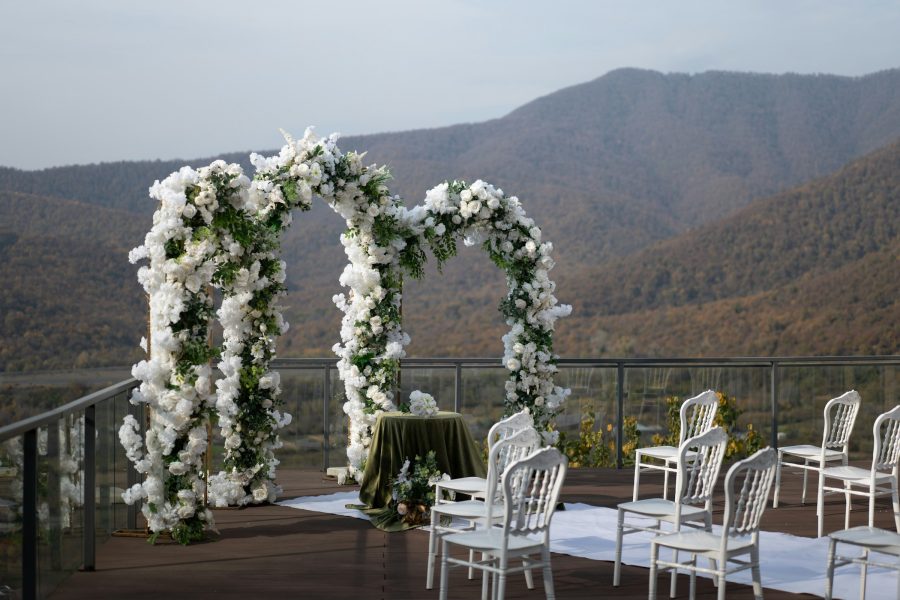
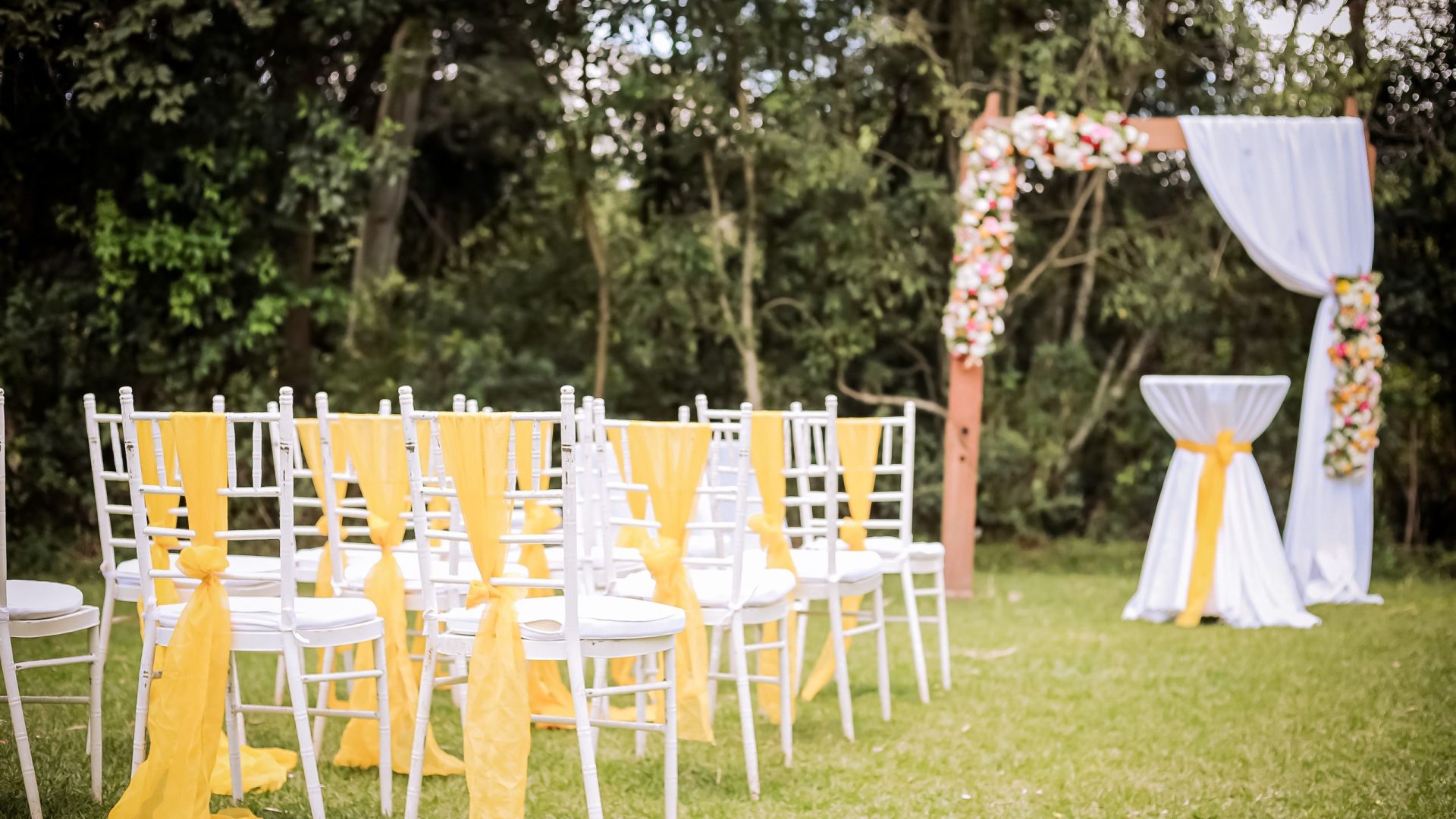
Photo by Benedict Buston via Pexels: https://www.pexels.com/photo/outdoor-wedding-ceremony-with-floral-arch-decor-31217382/ – Pexels License (https://www.pexels.com/license/). (Stock photo, illustrative.)
Posing can feel unfamiliar to a couple who has never had a portrait session. It can also be confused with coverage of key moments: vows and first dances belong on a wedding timeline, but they are not poses to arrange during the event. This guide separates the two, then focuses on the real craft of posing: giving a couple respectful, clear direction for natural-looking portraits without turning the wedding day into a photo shoot. Consent, comfort, and accessibility run through every section, because good direction starts with the people, not the poses.
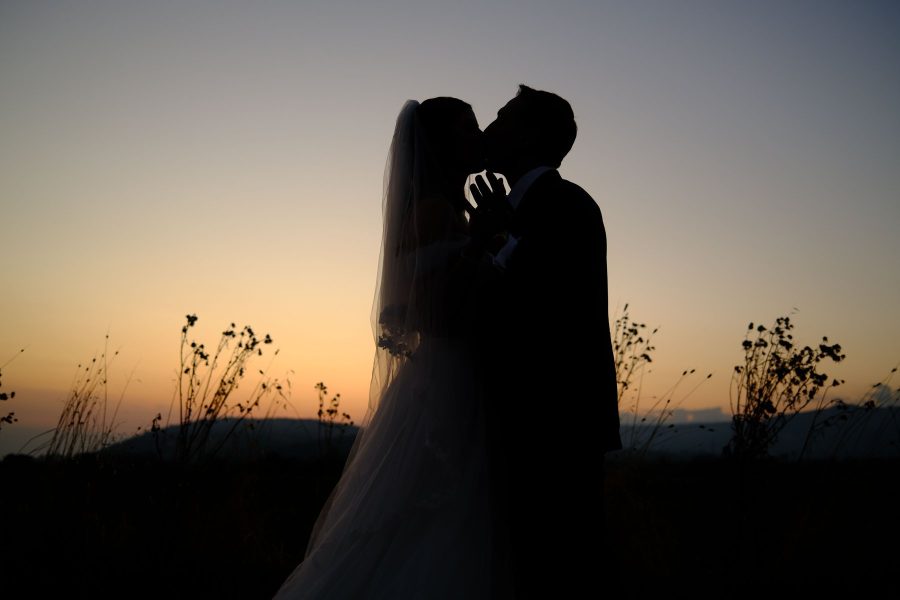
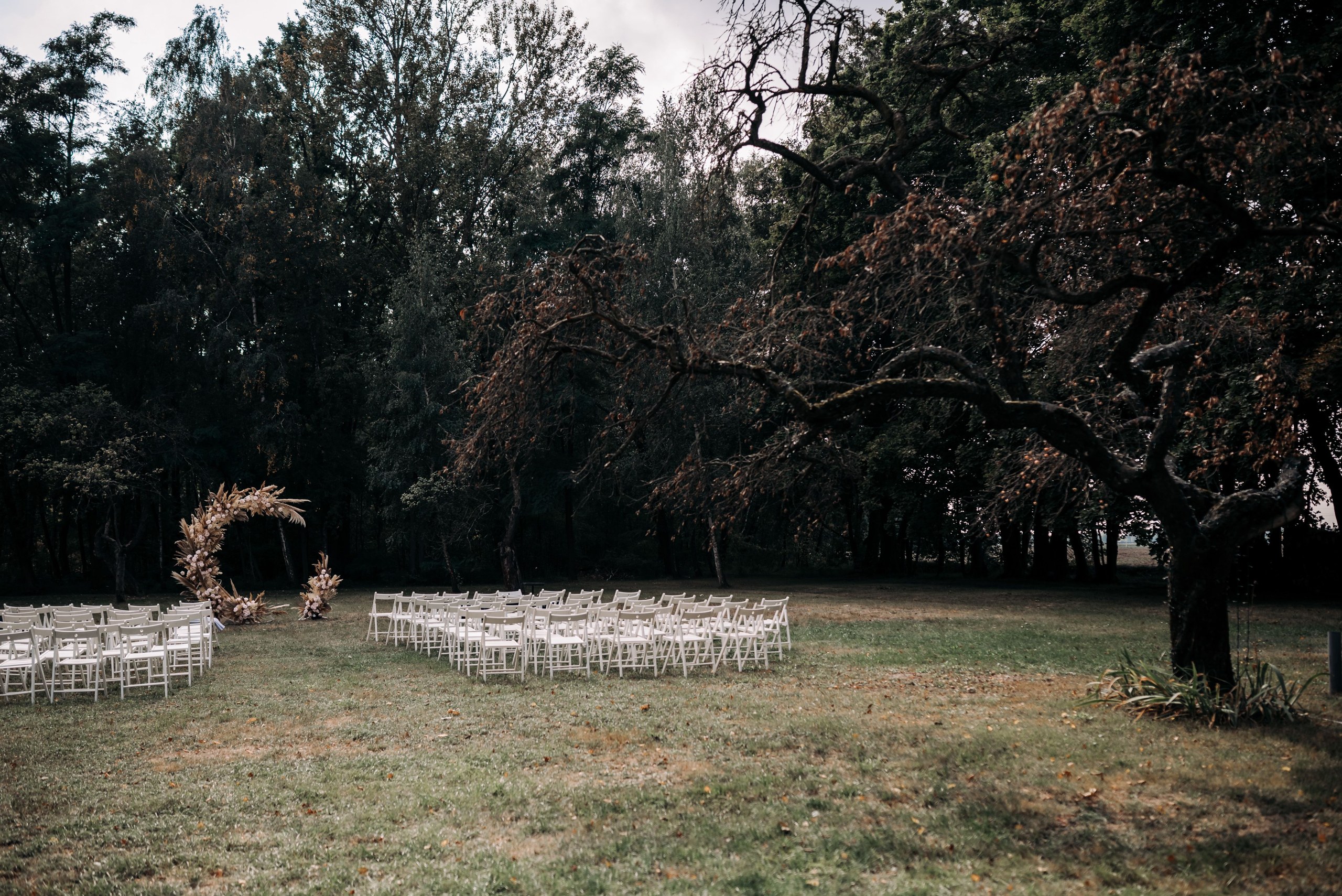
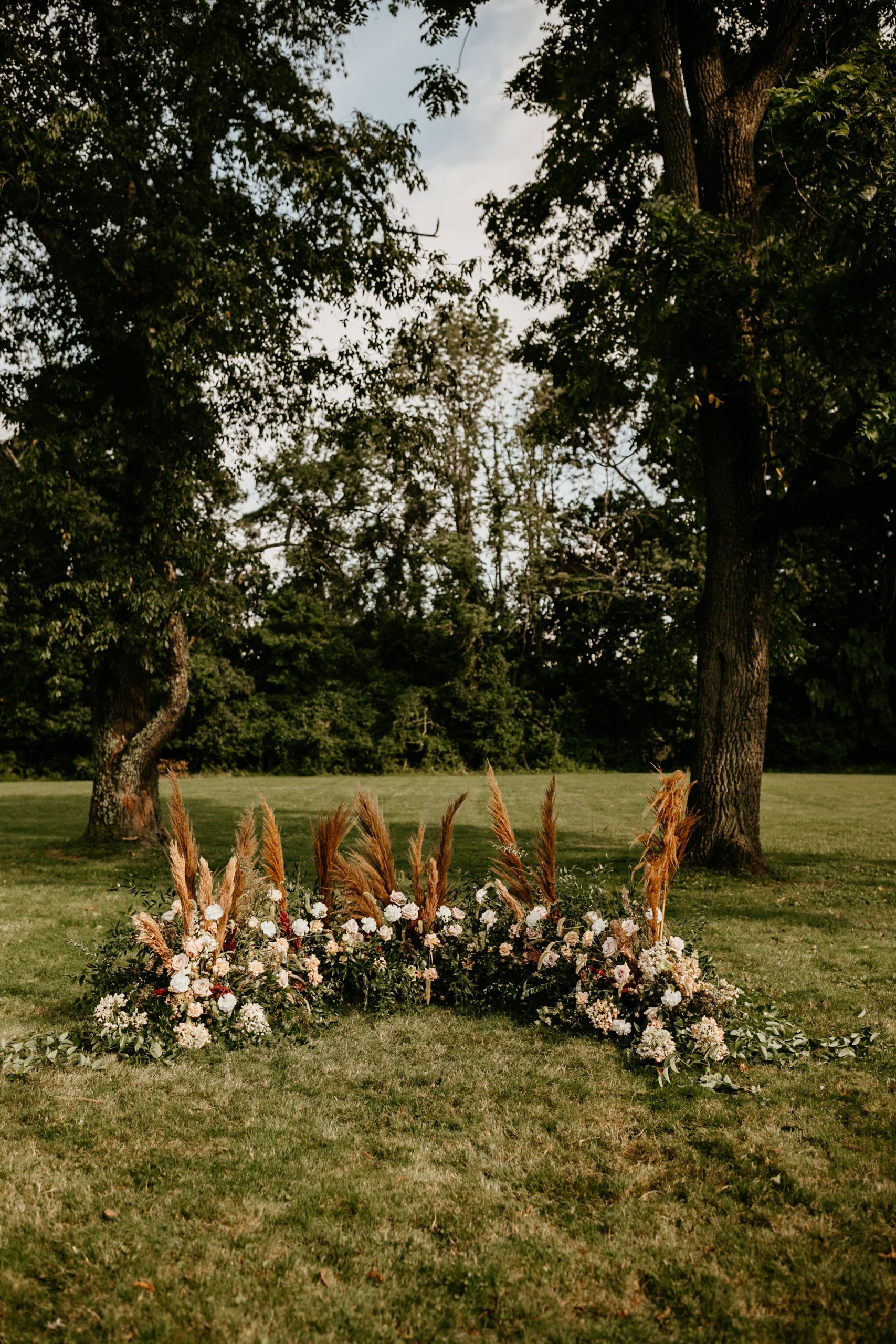
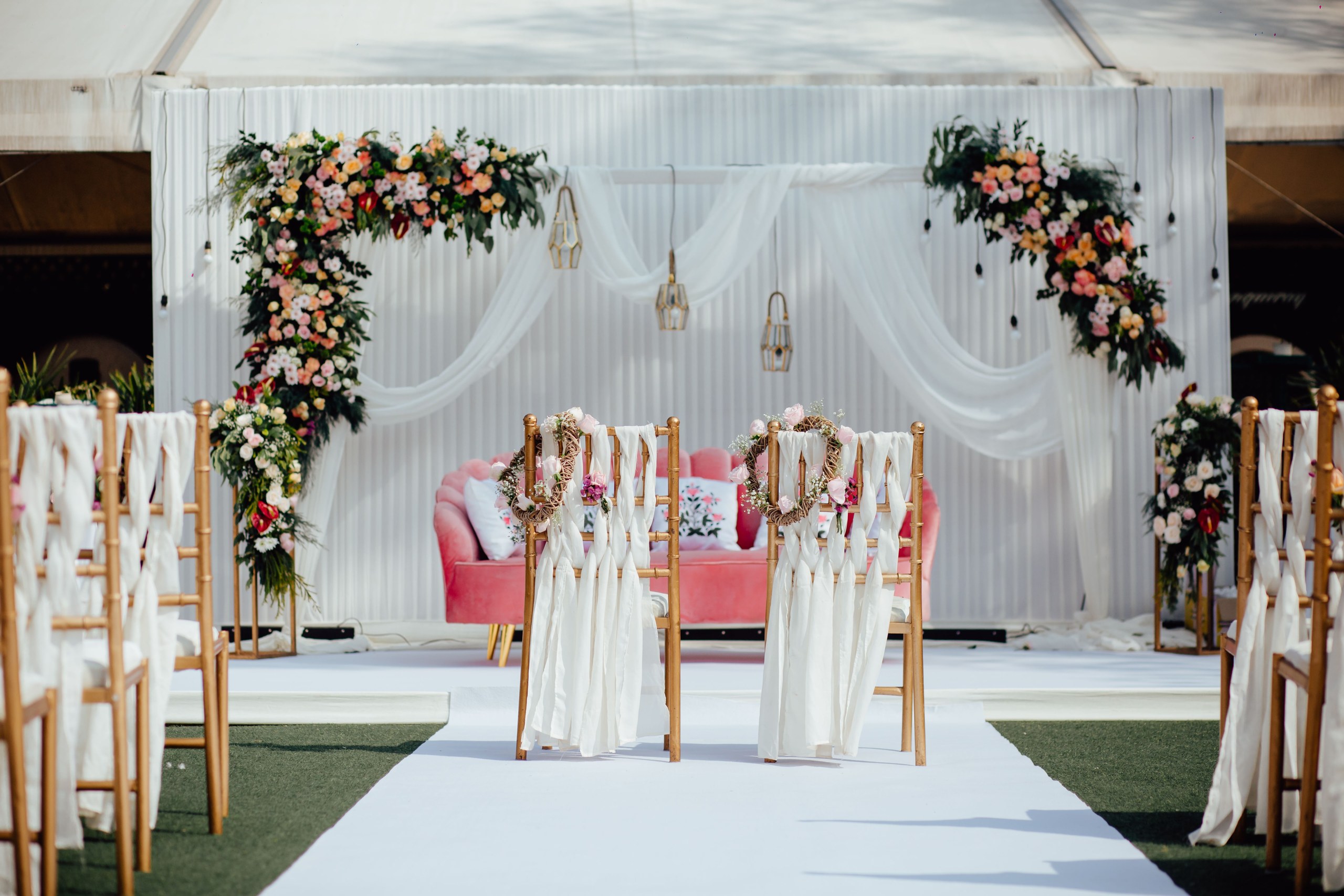
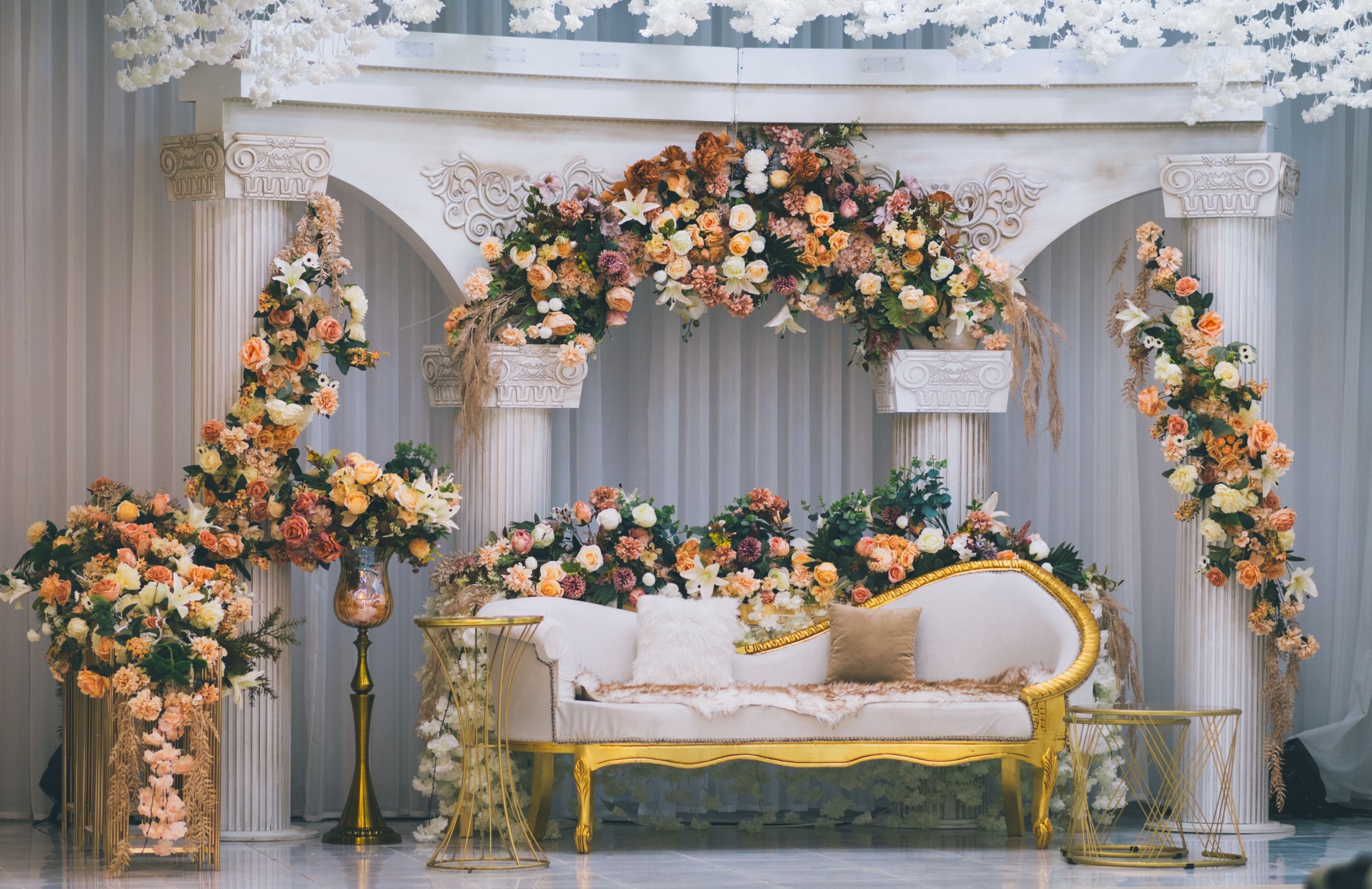
The stock photographs in this guide illustrate wedding locations, available space, and background choices. They do not show posed couples or serve as examples of the body positions discussed below.
Poses Versus Candids: Two Different Tools
A posed photograph is one the photographer shapes: choosing the spot, the light, the arrangement, and the moment. A candid photograph is one the photographer observes: real interactions unfolding without direction. A gallery can include both, and the distinction matters when agreeing on coverage. A shot list built from ceremony moments cannot teach anyone how to pose, and treating candid coverage as if it were posing leads photographers to interrupt genuine moments that were better left alone.
Agree on when direction is welcome. A couple may want uninterrupted ceremony coverage alongside carefully arranged family portraits afterward. Discuss that distinction before the wedding so a request for natural photographs is not mistaken for a request to avoid all direction. During the event, respect the officiant’s and venue’s rules as well as the couple’s preferences.
The practical split is simple. Ceremonies, speeches, first dances, and cake cuttings are events: the photographer’s job is position and anticipation, not direction. Couple portraits, wedding party groupings, and family formals are the posed territory: the photographer actively guides what happens. Skilled coverage moves between the two modes deliberately, directing when direction helps and stepping back when the day is already giving you something better than anything you could arrange.
It helps couples to know the distinction too. If posed portraits feel stiff, ask the photographer to change the direction or offer a break rather than treating that stiffness as a verdict on how you photograph. During candid coverage, concentrate on the people and events around you. Walking into the day knowing which parts will be directed and which will simply be documented can make expectations easier to discuss.
Within the posed parts, the goal is direction that produces genuine expression rather than direction that produces rigid shapes. A still, formal portrait can be a valid choice too. Ask what kind of result the couple wants instead of assuming that movement or laughter is always the goal.
 Save
Consent and Comfort Come First
Posing involves people’s bodies, space, and sometimes physical contact, so consent is the foundation rather than a courtesy. Ask before adjusting anything: a hand on a shoulder, moving a strand of hair, straightening a dress. Demonstrating a pose yourself, or describing it, works without contact at all, so physical adjustment need not be the default. If a couple or a guest declines a pose, a location, or a degree of closeness, that answer stands without negotiation.
Comfort is broader than consent. Being photographed may be unfamiliar territory, and direction lands differently on someone at ease than on someone bracing for it. Short sessions, clear explanations of what you are asking for and why, and permission to take breaks all keep people present. Watch for the point where a pose stops working because the people in it have stopped enjoying it; no frame is worth that trade.
Accessibility belongs in planning, not improvisation. Couples and family members arrive with different mobility, stamina, balance, and sensory needs, and none of that should be discovered mid-pose. Ask in advance what works for everyone: how far walking between spots is reasonable, whether standing for stretches is fine, whether seated options should be part of the plan. Plan appropriate seated and standing options with the people involved, without asking anyone to explain private medical details to a group.
Comfort also includes what happens to the images. Some couples are relaxed about being photographed and private about where photographs end up, and guests vary just as much. Talking through sharing preferences during planning, including whether the photographer may publish the work, keeps later surprises off the table and belongs to the same respect that governs the posing itself.
Venue rules and logistics sit in the same bucket. Some locations restrict where photographers and couples can go, and a venue may ask vendors for proof of insurance. See our wedding photography insurance and venue checks for related planning topics, and confirm any insurance requirements directly with the venue. Confirm access ahead of time and keep an alternative location in the plan.
Direction That Produces Genuine Expression
One useful approach is giving people something to do instead of only a shape to hold. Walking hand in hand, sharing a private joke, whispering something silly, wrapping a jacket around a partner: try a prompt they welcome, then watch whether the resulting expression feels comfortable rather than performed. A photographer directing through prompts stays in the role of setting up situations and photographing what happens inside them, rather than arranging limbs.
When a specific arrangement is wanted, try a demonstration alongside a verbal description. Showing the pose with your own body gives the couple a visual reference and keeps the interaction contact-free. Follow it with small, specific adjustments, one at a time, explained in plain terms: a step to the left, chins toward each other, weight on the back foot. Stacking five instructions at once invites confusion so pause and check that the couple understands before adding another adjustment.
Feedback shapes everything that follows. Specific, honest encouragement, naming what is working rather than generic praise, tells people when they have hit the mark and builds the confidence that loosens the next frame. Do not leave the couple guessing what you want next. Explain a pause if you are checking focus or changing a setting. Offer calm feedback without demanding constant conversation, especially if someone prefers a quieter session.
Reading the couple beats any technique. Some pairs are physical and playful, others reserved, and the same prompt lands warmly with one and awkwardly with another. The first minutes of a session are for calibration: offer something small, watch what they do with it, and let their response set the register for everything after. Direction that fits the couple never has to push.
Know when to stop directing. Some of the strongest portraits happen in the seconds after a posed setup, when the couple relaxes and interacts for real. Keep shooting through the transitions, and treat the posed frame as the scaffold rather than the product. Photographers who pack up the moment the formal arrangement breaks may miss an expression or interaction that adds something different to the sequence.
Want to go further? The ShutYourAperture Academy’s The Wedding Day is an option for further wedding photography study.
 Save
A Small Set of Adaptable Starting Points
There is no universally flattering pose, because bodies, heights, mobility, and comfort differ in every pairing. What a photographer actually needs is a short list of flexible starting arrangements that adapt to the people in front of the camera. Facing each other at close distance, walking together toward or past the camera, seated side by side, one partner wrapped around the other from behind, foreheads or temples touching: each of these is a container, not a formula. Inside any of them, the couple’s own behavior supplies the photograph.
Props earn their place only when they belong to the couple. A bouquet, a jacket, a family heirloom, or the vintage car they actually arrived in gives hands something natural to do and anchors the frame in the real day. Before bringing an extra prop, ask whether the couple wants it. Leave it out if it distracts from the portrait or feels unrelated to their day.
Adaptation is the skill. Height differences, mobility considerations, outfits that restrict movement, and simple personal preference all shape which container suits a couple, and the same arrangement reads playfully with one pair and quietly intimate with another. Watch how the couple stands and touches when nobody is directing them in the first minutes of the session; their natural defaults can be a useful guide to which starting points will work.
Wardrobe and setting interact with every starting point, so look before you direct. Long trains need room and hands to carry them between spots, fitted dresses limit stride length, and delicate fabrics and mud or wet grass are a bad pairing. Choosing ground that suits the clothing, and giving the wedding party a minute to help with dress management, keeps the session moving and the outfits intact.
Camera position and lens choice offer another way to change a portrait without adding body-position instructions. A step higher or lower, a wider or longer framing, moving so the light falls differently across the couple: these are photographer-side adjustments that ask nothing of the people being photographed. When a setup is close but not working, change your own position before asking the couple to change theirs.
Apply the same thinking to children and older relatives, without assuming everyone has the same needs. If attention or standing tolerance is limited, consider photographing those groupings early, keeping them brief, and accepting the slightly imperfect frame that everyone enjoyed over the technically tidy one that cost goodwill. The experience of making a portrait matters alongside the finished photograph.
Keep the set small on purpose. Begin with a few arrangements and work each one carefully before adding more. Change framing, camera height, and the direction of light while checking that the couple remains comfortable. Treat variety as a choice, not a quota that takes them away from their guests.
Check Light, Focus, and the Background
Before asking the couple to settle into a pose, look at the light on their faces and the background behind them. A clear patch of ground is not enough if a bright sign crosses someone’s head or the sun forces them to squint. Try a small change in your own position, and explain any move you ask the couple to make. Keep the route accessible and avoid blocking guests, staff, or ceremony exits. The location photographs here are useful reminders to inspect chairs, arches, and walkways before choosing where a portrait will happen.
Match your focus method to the arrangement. Eye-detection autofocus can help on cameras that support it, but check which person the camera has selected and whether the intended eye is sharp. For a couple at different distances from the camera, an extremely shallow depth of field may leave one face softer than intended. For family rows, choose an aperture and focus point that suit the group’s depth, then inspect a test frame. Do not assume a face-detection box guarantees that every person is sharp.
Walking prompts also change the technical problem: the people are moving, not holding a static arrangement. Choose a shutter speed appropriate to that movement, use a focus mode suited to tracking when needed, and review an early frame before continuing. A tripod supports the camera but cannot stop subject motion. If the couple prefers a still pose, make that a valid choice rather than treating movement as a requirement for a natural portrait. Clear technical preparation should support their comfort instead of turning into another set of demands.
 Save
Timing and Flow on the Wedding Day
Portrait time competes with everything else on the schedule, so plan it in windows rather than one long block. A short session before the ceremony, a few minutes right after it, and a brief escape during the reception each suit different light and different energy, but confirm that returning for several sessions actually fits the couple’s preferences and schedule. Agree on realistic portrait windows with the couple and coordinator; the right amount of time depends on the locations, group sizes, and desired photographs.
Work the plan in order of fragility. Frames that need specific light come when that light exists; groupings that include older relatives or young children happen while their patience is fresh; anything involving the whole wedding party gets done before people disperse to the bar. Check that order with the coordinator and the people involved rather than treating it as a fixed rule.
Build slack into the schedule honestly. Hair runs long, boutonnieres resist pinning, and transport can be delayed. A portrait plan with no slack converts every small delay into lost photographs, while a plan with a realistic buffer leaves room to adapt. Choose that buffer with the coordinator rather than promising that any fixed allowance will cover every delay. Share the plan with whoever is running the timeline so portrait windows survive contact with reality.
Protect the unposed day while you do this. Portrait windows should end cleanly, with the couple released back to their guests, and the camera’s role should visibly shift from director to observer. Keeping the agreed boundaries also protects time for the celebrations and candid coverage that the couple requested.
Groups, Wedding Party, and Family
Group portraits need organization as well as photographic judgment. Agree on a manageable list of groupings with the couple in advance, and allow enough time for people to move between them. Name a helper from the family or wedding party who knows the faces and can gather the next group while the current one is being photographed.
Consider sequencing the family list from largest to smallest when everyone is already present. Photograph the big extended group first while everyone is assembled, then release people outward as the groupings shrink, so nobody stands around waiting for a frame they are not in. The couple stays put, the configuration changes around them, with the aim of reducing unnecessary waiting. Change the order if someone needs an earlier slot or cannot be present for the largest group.
Arrange groups with the same consent and accessibility rules as couples. Ask before moving anyone, offer standing and seated positions so nobody is spotlighted for needing the chair, and keep instructions audible and unhurried. For a group in multiple rows, keep faces visible and limit unnecessary front-to-back spacing when the space allows, but the arrangement always bends to the people in it, including anyone who would rather be at the end than in the middle.
Designate a fallback for weather and light. An indoor corner with window light, a covered porch, or a clean stairwell can each carry group portraits when the planned spot fails, and knowing the fallback in advance keeps the session calm when it is needed. The fallback needs the same accessibility check as the primary spot: stairs are not a fallback for everyone.
Finish groups with something looser. Once the formal arrangement is safely captured, invite the group to walk, laugh, or squeeze in close, and keep shooting. These frames offer an alternative to the formal arrangement. Do not insist on laughter or close contact from a group that prefers a quieter photograph.
 Save
What is the difference between posed and candid wedding photos?
A posed photograph is one the photographer actively shapes: the spot, the light, the arrangement, and the timing are all directed. A candid photograph is observed rather than directed: real moments photographed as they unfold. Wedding galleries usually contain both, and they come from different parts of the day. Ceremonies, speeches, and dances are candid territory; couple portraits and family groupings are where posing happens.
We feel awkward in front of the camera. How do photographers handle that?
If you feel awkward, tell the photographer so the session can be adapted. A welcome action prompt, such as walking or talking together, can give you something to focus on besides the camera. If you prefer stillness or quieter direction, say so. Discuss short sessions, breaks, and one-at-a-time instructions before the wedding so you know what to expect.
Should we give our photographer a list of poses we want?
Share priorities and references rather than assuming every reference must be copied exactly. A short note about important groupings and the kind of portraits you want helps with planning. Discuss any specific pose that matters to you, including whether the location, time, clothing, and access needs make it practical. Agree on priorities before the day rather than adding an unplanned checklist during portraits.
How do photographers accommodate limited mobility or other accessibility needs?
Discuss the access needs you want the photographer to plan for, including mobility, stamina, balance, or sensory considerations. You do not have to share private medical details with the group. Ask about suitable seated and standing options, walking distances, breaks, and an accessible weather fallback. Confirm the arrangements with the people involved before the wedding.
Is it normal for a photographer to adjust us physically during poses?
A photographer should ask permission before physically adjusting you, your clothing, or your hair. They can demonstrate a pose and give verbal instructions without contact. You can decline an adjustment or ask for a different way to communicate the pose. Raise these preferences during planning so everyone knows what is comfortable.
How long do posed portraits take on a wedding day?
It depends on your timeline, your priorities, and your photographer’s working style, so treat any fixed number with suspicion. One option to discuss is splitting portraits into short windows rather than one long session: a little time before the ceremony, a few minutes after, and a brief break during the reception. Agree on the time needed for your particular locations and groupings, and leave room for travel, access needs, and breaks.
Compare support for planned wedding portraits
A Peak Design Aluminum Travel Tripod, model TT-CB-5-150-AL-1, is one support option to compare for planned portrait setups, such as low-light frames or a photographer stepping into a family grouping with a self-timer. According to the retailer’s listing, it is an aluminum travel tripod with a ball head and an Arca-type plate. Check the folded size and weight against your bag, confirm the plate fits your camera system, and check the locks before trusting it with a camera. Ask where it may stand and keep paths clear for guests. Support does not direct a pose, put a couple at ease, or freeze moving people. Compare the current retailer specifications; no hands-on test, price, or stock promise is being made here.
Affiliate disclosure: We may earn a commission from qualifying purchases through these gear links at no extra cost to you.
Check Peak Design Aluminum Travel Tripod TT-CB-5-150-AL-1 at B&H