From the site archive: Edin Chavez photographed Miami Beach lifeguard towers at sunrise across repeated visits. The series pairs the towers’ color and shapes with changing sky and shoreline light. The original 2014 first-person account below is preserved as an archival quote. Its two-year timeframe and hotel-purchase statement have not been checked against current records and should not be presented as a current offer.
Photography and original account: Edin Chavez. The former edinchavez.com address now redirects to Edin Fine Art. The site’s get published page currently resolves, but its submission policy needs separate review.


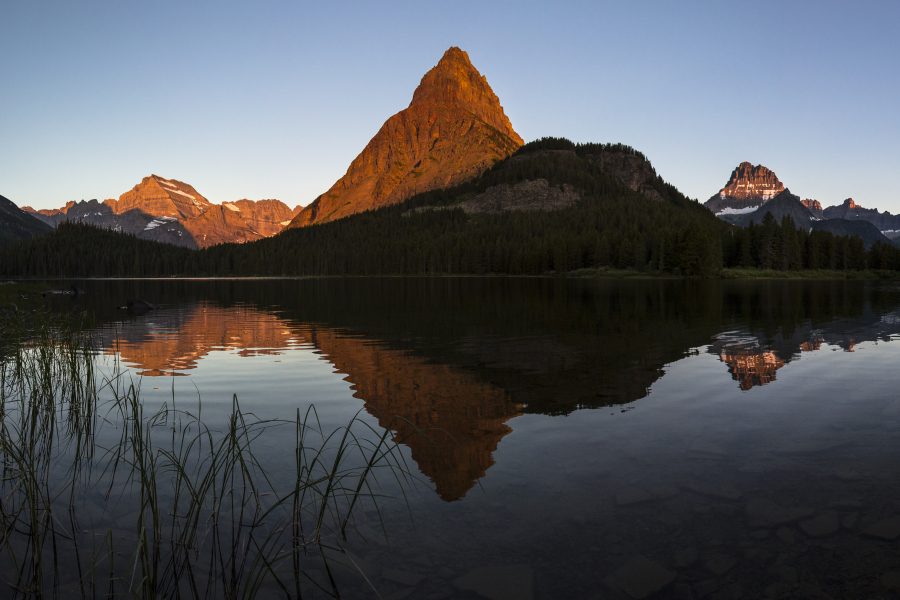
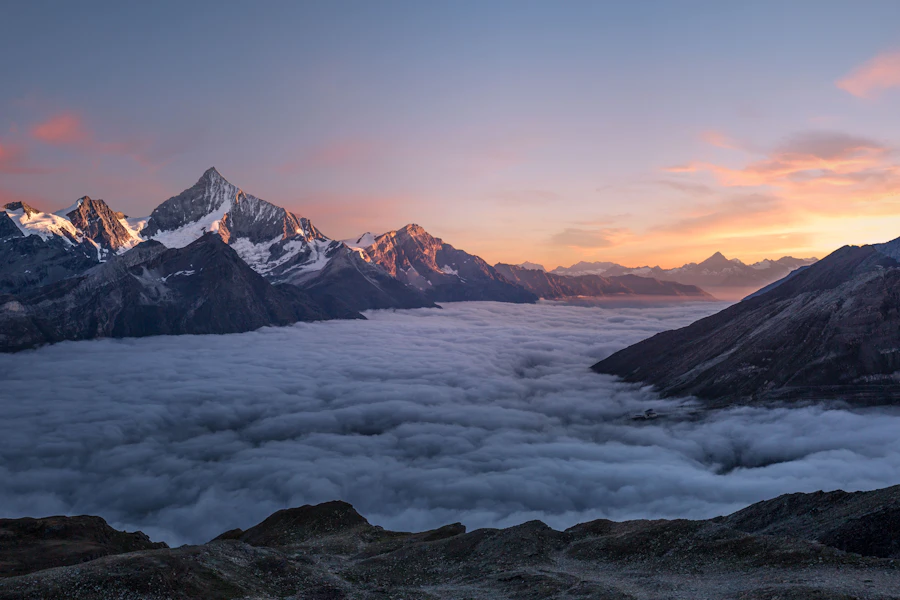
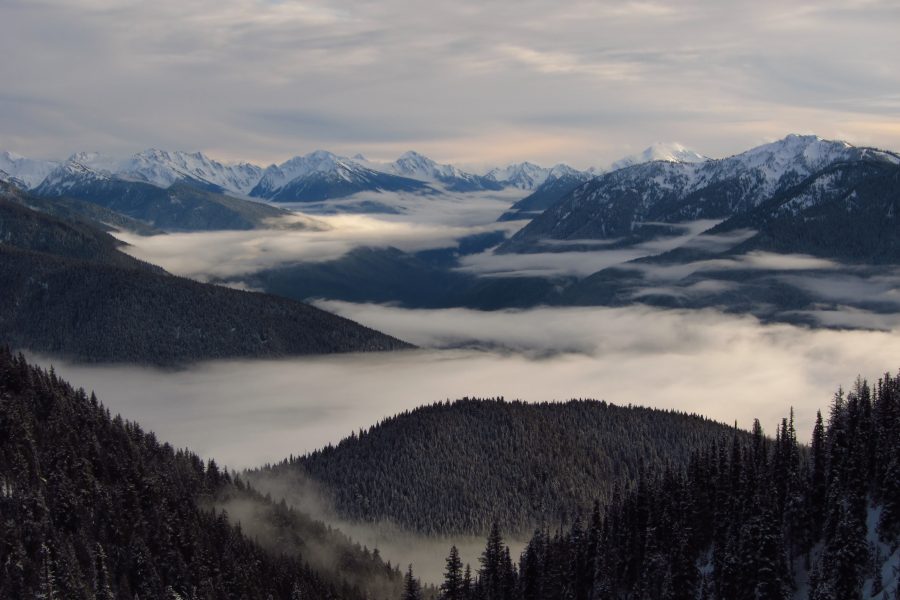
Updated Nov 2026. The series and credits above are archival and stay as they were. This update adds background on the towers themselves and practical advice for photographing colorful beach architecture at sunrise, drawn from public sources linked as we go. The extra pictures below are illustrative stills of other beaches by other photographers. They are not photographs by Edin Chavez and do not show the Miami Beach towers.
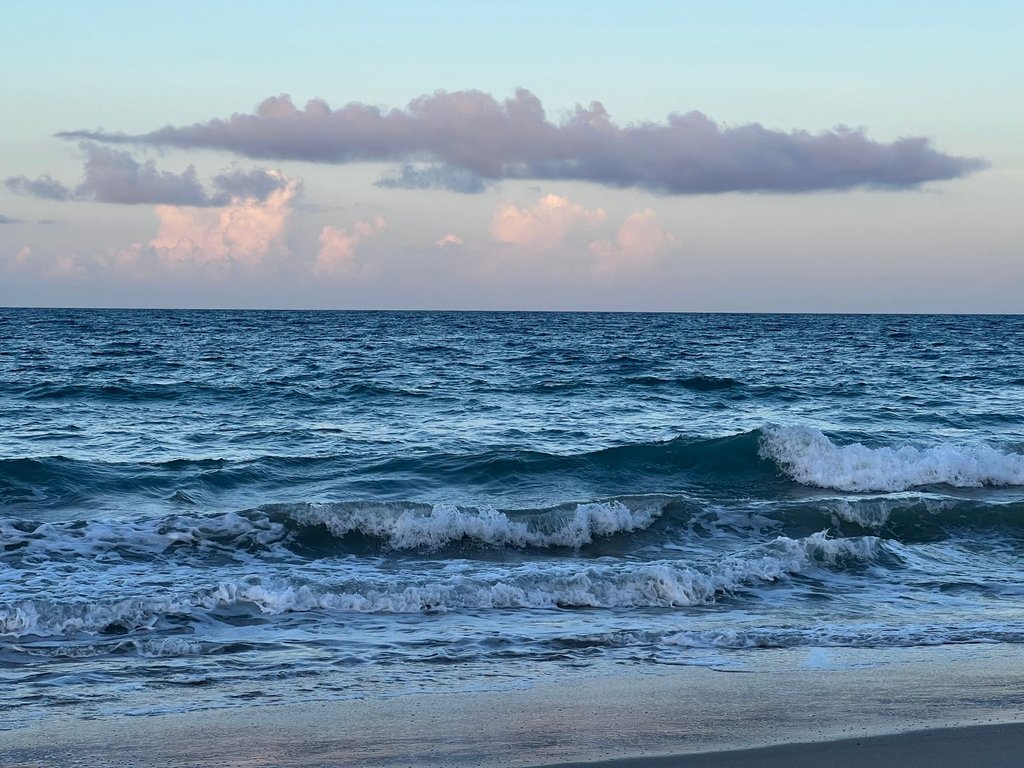
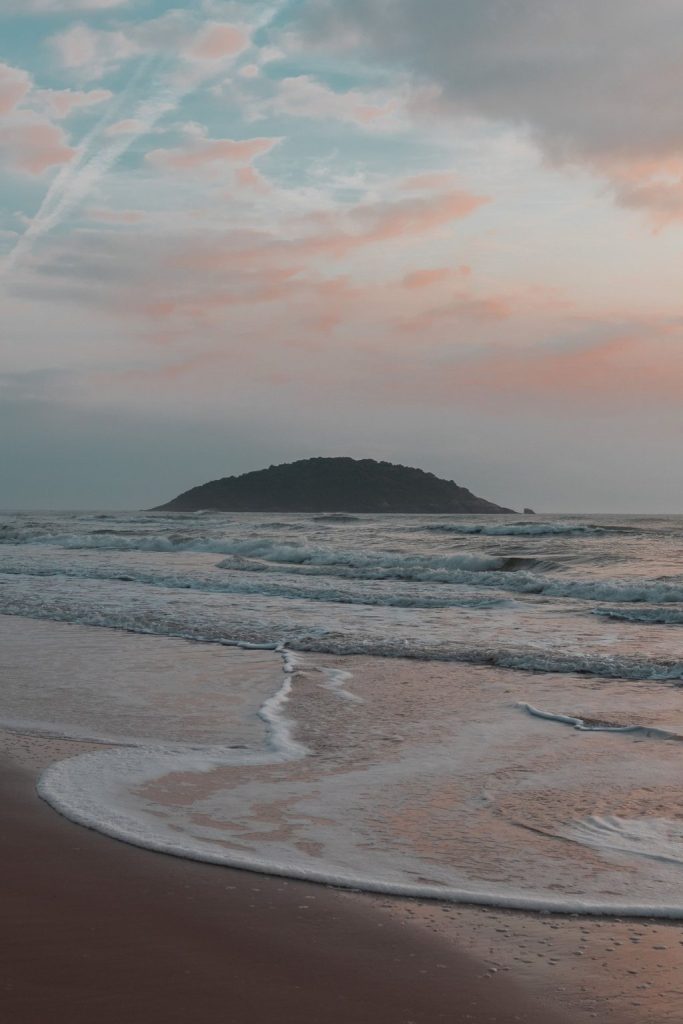
Header photo: Adam Somogye via Pexels. Illustrative still of pastel light over the Atlantic at sunrise, not a photograph by Edin Chavez.
What this series is about
The series above is a set of photographs of Miami Beach lifeguard towers, made at sunrise over repeated visits. The images pair the colors and shapes of the towers with changing sky and shoreline light: a red-and-white tower, a lime-green one, a teal tower under a pink sky, an orange tower at the edge of the sand, a round pink one, a blue-and-yellow striped one, and white towers with the sun coming up behind them. The accompanying account is a 2014 archival quote, and we have not changed it.
This page does not add claims about when or how each frame was made. Instead it answers two questions a visitor is likely to have after looking at the pictures. Where did these towers come from, and how would you photograph something like them yourself? The history comes from four public sources: a Miami and Miami Beach tourism guide, a Metropolis article, an Atlas Obscura piece and the City of Miami Beach lifeguard tower page. The photography advice is general practice, and we label it that way.
Why Miami Beach towers look like this
Most lifeguard towers in the world are plain boxes on stilts. Miami Beach’s are not. The Atlas Obscura piece says the beach had standard lifeguard towers for most of the twentieth century. After Hurricane Andrew in 1992 razed a number of them, the city commissioned replacements. In 1995 the architecture firm of William Lane designed five new towers, which the article calls eccentric, and says they became iconic images of post-Andrew Miami. Atlas Obscura adds that the firm describes the mid-1990s towers as representing optimistic futurism and tropical fauna, and that the towers came to symbolize the redevelopment of South Beach in the 1990s.
The tourism guide gives the architect’s own account. William Lane established his practice in 1990 and moved to Miami in 1992. When he designed the 1995 towers he drew on the city itself, which is famous for Art Deco buildings, and on its mix of cultures. He says the towers were influenced by mid-century and Art Deco architecture and by Caribbean culture and the vivid colors of the tropics. He also credits his friendship with Morris Lapidus, the architect of the Fontainebleau and Eden Roc hotels, whose mix of contemporary forms, bold geometry and baroque touches encouraged him to push boundaries.
Twenty years after the first set, the city came back. According to the guide and to the Metropolis article, Lane started work in 2015 on six new prototypes to replace 36 towers from South Pointe Park to 86th Street. Metropolis says he completed the job in 2019 and that each of the six types has its own flavor. Some are angular and look like sunbursts. Others have swooping forms that recall the Googie style of Miami Beach’s midcentury past. The palettes include pink with green and orange accents, teal with royal blue and lime, and dark purple with pale lavender and peach.
Lane also says he was thinking about older Florida buildings. In the Metropolis piece he mentions shotgun houses, Cracker homes and Key West architecture, and says he tried to turn that basic wood construction into something painterly and sculptural, like sentinels looking out to sea. Both articles quote him comparing the towers to the Moai figures of Easter Island, as an expression of identity and culture on Miami Beach. Metropolis adds that he notes the colors together suggest the pride flag, a nod to the city’s long history as a gay haven.
 Save
What is on the beach today
The tourism guide, published in late October 2026, says you can find 38 towers from the southern tip of South Beach up to 87th Street, with a 39th under construction in 2026. It says the towers are regularly repaired and swapped out as needed. It names a few favorites: a red-and-white tower inspired by lighthouses, a circular tower at 10th Street in pink, green and orange, and a rainbow-flag station at 12th Street. It also says that a red, white and blue tower at 8th Street with a star-shaped roof was wrapped in stars and stripes for America’s 250th anniversary in 2026 and is expected to return to its regular colors later in the year.
That last detail matters for photographers. Towers change. They are repaired, repainted, wrapped and replaced. A color combination you saw in an older photograph may not be on the beach now, and a tower that stood in one place may be somewhere else. The city keeps a City of Miami Beach lifeguard tower page with a map that shows locations and directions, and it is the better place to check before you plan a trip around one particular tower.
The Atlas Obscura piece adds a note of caution about ownership and design. It says some of the stations have been sold before, and that two Super Bowl team-themed towers, which were not designed by William Lane, were put up for auction in 2020. The article points out that plenty remain in public view. It is a reminder that these are working structures first. They belong to the city, and lifeguards use them.
The towers are working equipment
The city’s tower page opens with a simple request: enjoy the scene, keep the beaches clean, and always swim near a lifeguard. That is worth taking seriously as a photographer. A tower is not a prop. When a lifeguard is on duty, they are watching the water, and you should not climb on the structure, lean on the ladder or block the path to the surf. If a tower is staffed, photograph it from a respectful distance and do not frame the lifeguard without asking.
It also helps to think about the people on the beach. At sunrise there are usually few, but joggers, early swimmers and staff may walk through your frame. Wait for them to pass, or include them on purpose and keep your distance. If a recognizable person is the subject of the picture, ask before you publish it. None of this is difficult. It is the same courtesy you would want if someone pointed a long lens at you.
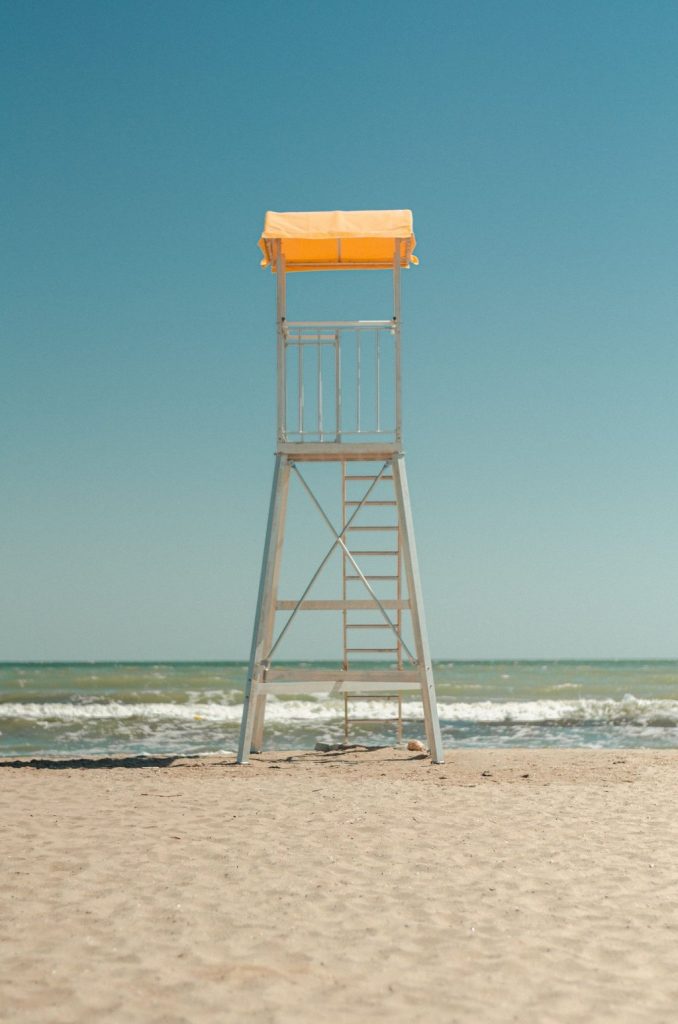
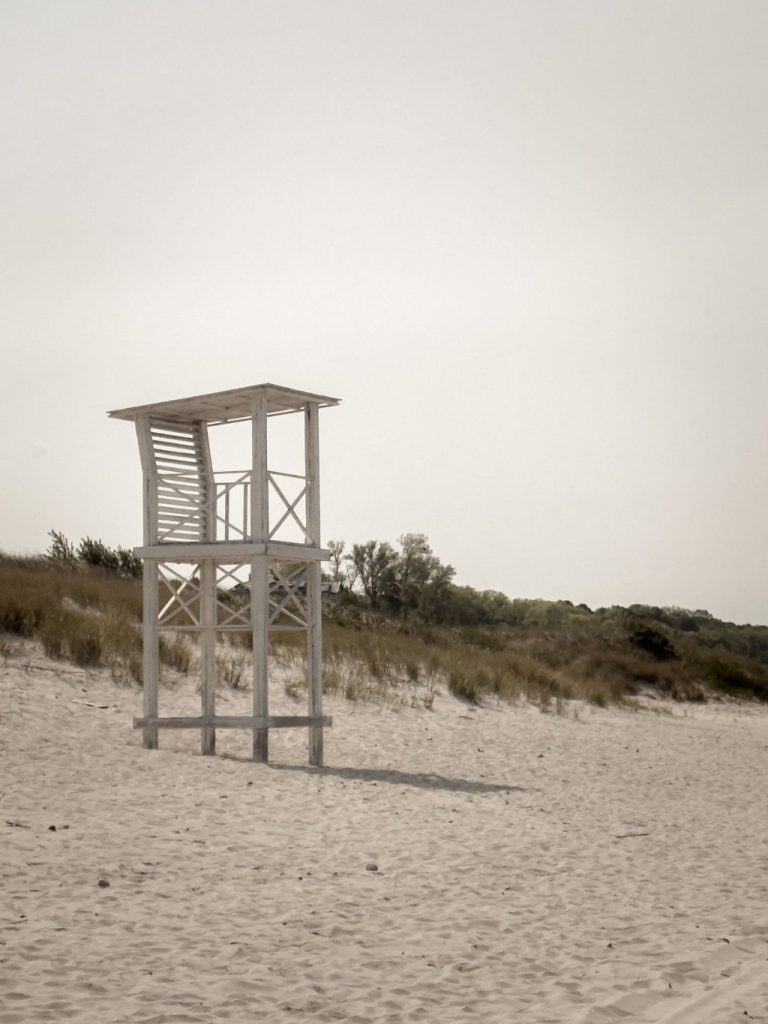
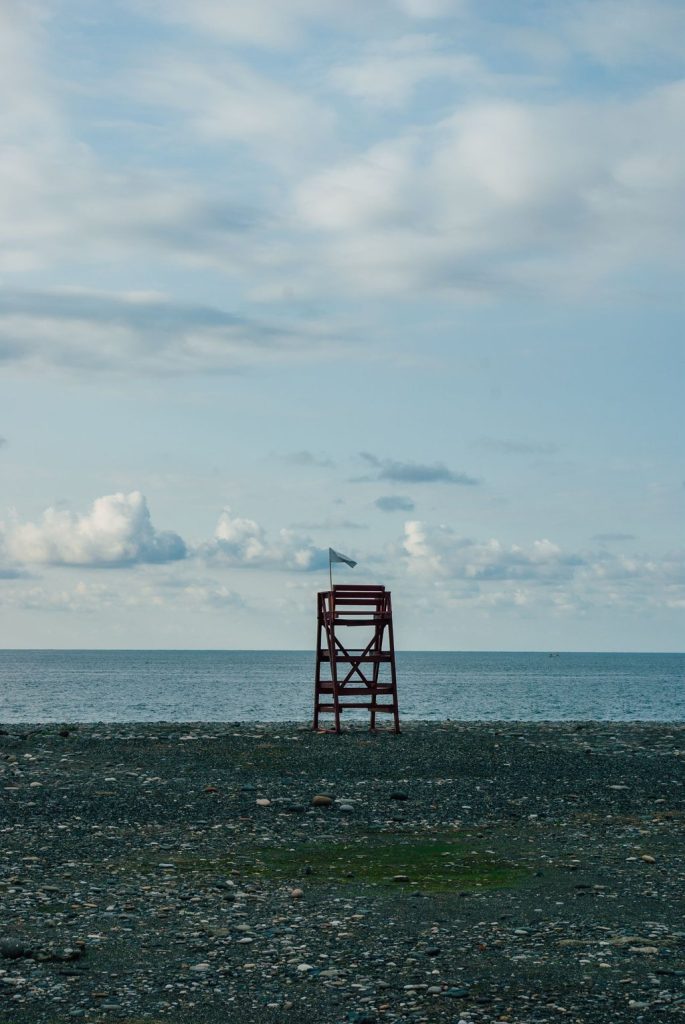
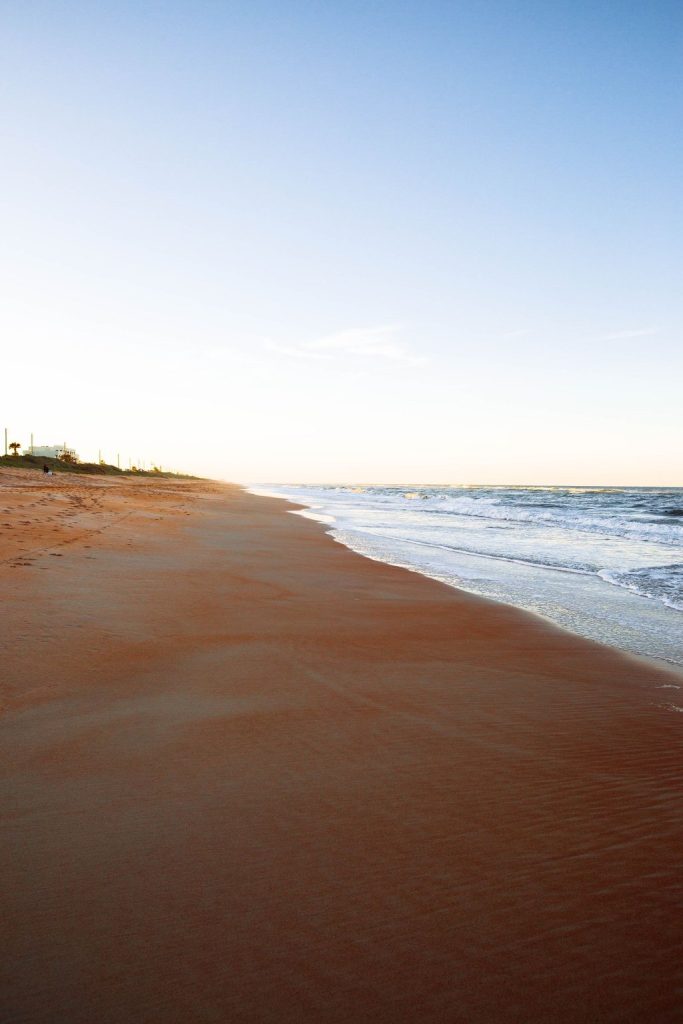
The photographs added to this page are different from the series above in one way worth stating plainly. They show other beaches, not Miami Beach, and none of them is a photograph by Edin Chavez. They are here to show light, color and composition in similar conditions, and each is credited to its photographer in the caption.
Photographing colorful architecture at sunrise
The advice below is general. It is not a description of how the series above was made. It is what usually works for a bright, simple structure standing alone on a beach in the hour around sunrise.
Start with the light. Sunrise on an east-facing beach gives you a low sun, a warm horizon and a sky that changes every minute. Arrive before the sun is up and watch the color build. The best frames often come in the twenty minutes before the sun clears the horizon, when the sky glows pink or orange and the structure is still in soft light. After the sun is up, the light turns harder and the colors of the paint start to look flat.
Choose a direction. If you face the sun, the tower may become a silhouette against a bright sky, which can be striking if the shape is strong. If you put the sun behind you, the front of the tower is lit and its colors show clearly, but your own shadow can fall into the frame. Side light is often the best of the three, because it shows the texture of the wood and the edges of the roof. Walk around the tower before you decide.
Get low. A tower on stilts looks taller and more heroic from a low angle, and a low position also lets you use the sand in the foreground. Rest the camera on the beach, or crouch with the screen tilted. A wide lens, around 16 to 24 millimeters on a full-frame camera, helps you include the sky and the sand together. Watch the corners, because a wide lens will stretch a tower that sits near the edge of the frame.
Keep the horizon level. On a beach with a flat sea, a tilted horizon is the first thing a viewer notices. Turn on the grid in your viewfinder, and check the horizon before you press the shutter. If the tower leans in the frame because you tilted up, you can correct it later, but it is easier to get it right in the camera by keeping the back of the camera vertical and shooting from farther away.
 Save
Exposure, color and filters
Sunrise skies are bright and the ground is often in shade, so the contrast can be too high for one exposure. Expose for the sky first, so the colors in the clouds do not blow out, and then check the shadows. Modern cameras hold a lot of detail in dark areas if you shoot raw, so a slightly dark exposure is usually safer than a bright one. If you need more range, take three frames at different exposures and combine them in editing. Cameras on a tripod make this easy.
Color is the reason to shoot a subject like this, so protect it. Set the white balance deliberately. Auto white balance often cools a warm sunrise to make it look neutral, which can remove the very color you came for. Try daylight or cloudy, or set it later from a raw file. When you edit, avoid pushing saturation so far that the painted colors turn garish. A little contrast and a little warmth usually do more than a large saturation slider.
A circular polarizing filter can help on a beach. It cuts glare on wet sand and water and can deepen the blue of a sky when the sun is off to one side. It works best at right angles to the sun, and it can make a wide sky look uneven if you overdo it. At sunrise, with the sun low and in front of you, a polarizer does less. Many photographers leave it at home for the first light and put it on once the sun is higher.
Gear note: a polarizer is one way to manage glare and sky color on a beach. One option is the Hoya HD3 Circular Polarizer, 77mm, at B&H. It showed as in stock at $239.90 on November 8, 2026. We have not used it. Check the filter thread size of your own lens, and note that price and availability can change.
A tripod is useful before sunrise, when the light is low and you want a low ISO. It also forces you to slow down and check the edges of the frame. Use a remote release or the self-timer so you do not shake the camera. On a beach, press the legs into the sand and hang your bag from the center column if there is wind. Rinse or wipe the legs when you finish, because sand and salt are hard on the locks.
Composition ideas that work with towers
A single tower against an open sky is the simplest picture, and it can be very effective. Put the tower off-center and leave space on the side it faces. Let the sea or the sand take up most of the frame so the tower looks small and the beach looks large. This gives the picture a quiet, patient feel, and it is a good way to practice before you try anything more complicated.
A second idea is repetition. Miami Beach has dozens of towers, and the sources above say they come in six types with different palettes. If you can see two or more in a line, a longer lens can compress them into a pattern. A series of towers receding along the shore is a classic composition, and sunrise light makes the colors glow. If you cannot see two at once, photograph several on the same morning and put them side by side in a set.
A third idea is detail. Walk close and look at the shapes of the roof, the ladder, the railings and the painted panels. A tight frame on a stripe of color against a pastel sky can be as strong as a wide view, and it avoids problems with people and signs in the background. Check the edges for text, logos and warning notices, since a readable sign can distract the eye or complicate publication.
 Save
A fourth idea is to include the weather. A cloud bank, a break in a storm or a band of haze can make the same tower look completely different. Keep going back. A series made over many mornings, like the one above, shows how one subject changes with the sky, and it teaches you more than a single perfect day.
Working as a series
The series above is made of many frames across repeated visits, which is a useful lesson in itself. A single photograph of a tower is a pleasant picture. A set of them is a study. When you look at the pictures together, you see which colors repeat, which compositions are strongest and which frames are weaker than the rest.
To build a series of your own, set a few rules before you start. Choose one subject type, one time of day and one way of framing. Stay with those rules for a month. Then look at the contact sheet and choose the frames that fit together. Remove the ones that repeat each other. Write a short caption for each, saying where and when it was made. That caption will be useful later, especially when a tower is repainted or replaced and the place looks different.
Edit the set as a set. Match the white balance and contrast so the pictures look like they belong together, and keep the crop consistent. If some are horizontal and some are vertical, decide how you will show them. A viewer should feel that one person made them in one frame of mind.
Planning a visit
If you want to photograph the towers in person, check a few things before you go. Look up the sunrise time for the day and plan to arrive at least thirty minutes early. Use the city’s tower page to find the locations and pick two or three near each other. Check the weather and the tide, since a high tide can leave little dry sand. Bring a towel or a plastic sheet to kneel on.
Bring only what you need. A camera, one wide lens, a spare battery, a lens cloth and a tripod are enough. Leave valuables locked away, and tell someone where you are going if you will be out before dawn. Carry water, sunscreen and a layer for the cool air before the sun comes up. Do not swim without a lifeguard on duty, and follow the posted flags.
Finally, stay flexible. The towers are repaired, replaced and sometimes wrapped for special events, as the tourism guide says of the 8th Street tower in 2026. If the one you planned to photograph has changed, photograph the new version. The point of the exercise is to look closely at light, color and shape, and every tower offers that.
 Save
What to take from the series
The Miami Beach towers are a good teacher because they combine three things that photographers care about: strong shapes, strong color and a setting that changes every minute. Their history shows that they were designed on purpose, as a response to a storm and as an expression of the city’s character. Knowing that history can make you look at them more carefully.
The practical points are these. Arrive early and watch the sky. Walk around the subject and choose your angle. Get low and keep the horizon level. Protect the color of the sky and the paint. Respect the lifeguards and the people on the beach. Photograph the same subject many times and edit the results as a set. None of this needs special equipment, only patience and a habit of going back.
 Save
Frequently asked questions
Who designed the Miami Beach lifeguard towers?
The Miami architect William Lane. His firm designed five towers in 1995 after Hurricane Andrew, and began six new tower types in 2015 to replace 36 towers, according to the Miami tourism guide and Metropolis.
Why are they so colorful?
Lane says he drew on Art Deco and mid-century architecture, Caribbean culture and the vivid colors of the tropics. Metropolis also notes the palettes suggest the pride flag.
How many towers are there now?
The tourism guide says 38 towers from South Beach to 87th Street, with a 39th under construction in 2026. Towers are repaired and swapped out, so counts and colors can change.
When is the best time to photograph them?
This page suggests sunrise, when the light is low and warm and the beach is quiet. That is general photographic advice, not a claim about any single frame in the series above.
Are the pictures added in this update from Miami Beach?
No. They are illustrative stills of other beaches by other photographers, credited in each caption. They are not photographs by Edin Chavez.
Can I climb on or stand next to a tower?
Treat towers as working equipment. Do not climb them or block lifeguards, and always swim near a lifeguard, as the City of Miami Beach asks.
Do I need a filter or tripod?
Neither is required. A tripod helps in the dim light before sunrise, and a circular polarizer can reduce glare and deepen a sky when the sun is off to one side.