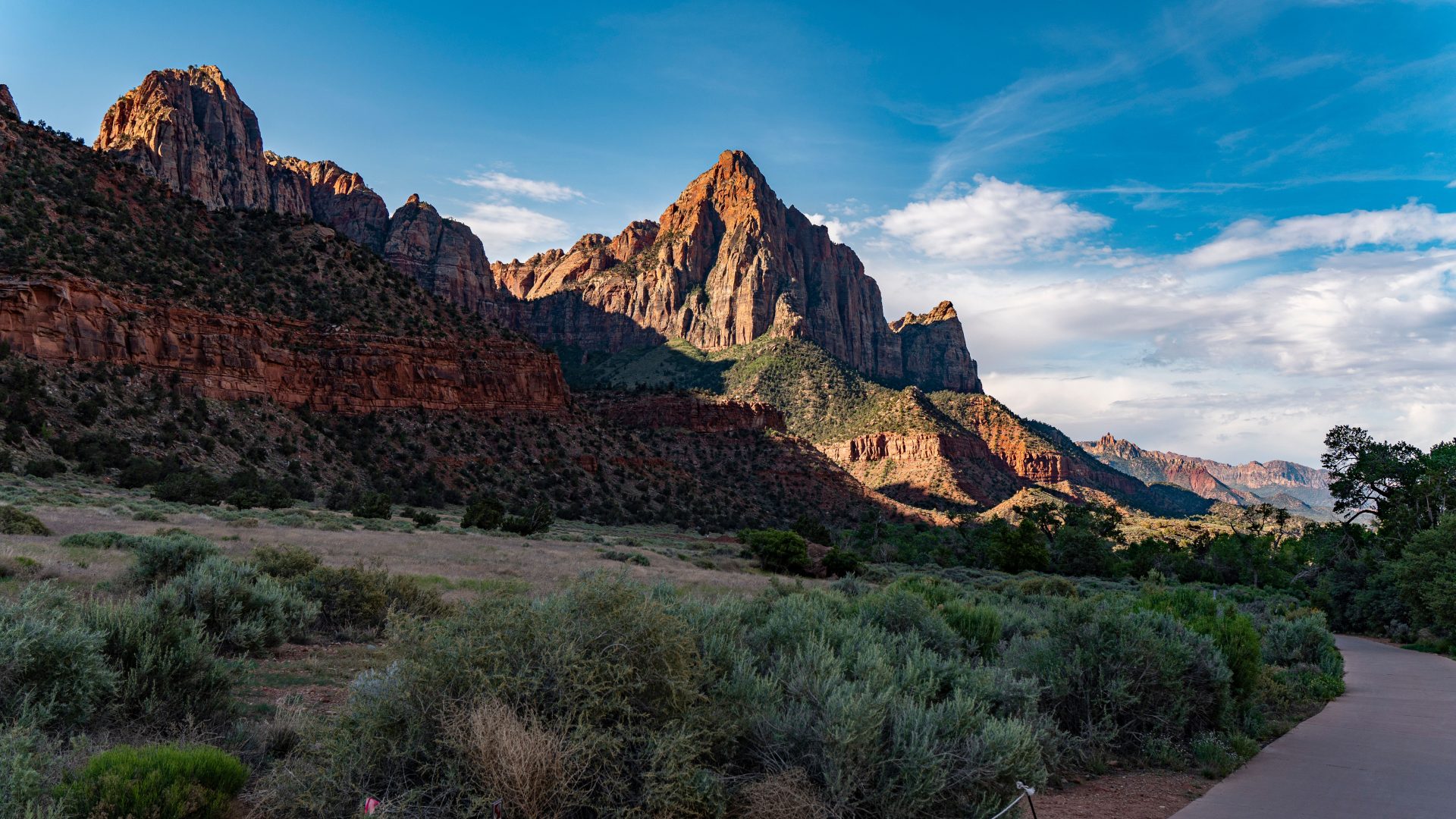
Sunlit red cliffs above a paved walkway and shrubs. Photograph by Laszlo Magyar. Source: Pexels. Free to use under the Pexels License. Uncropped original. Illustrative park scene only, not evidence of a permit, access permission, insurance or an assignment by the author.
Reviewed September 2026. Photography permit rules vary by activity and park. Check the park’s current page before planning a paid shoot.
A paid photograph does not automatically require a National Park Service photography permit. Since the January 2025 EXPLORE Act, the NPS applies the same filming and still-photography test whether the work is commercial, personal, editorial or for social media. In most cases, a group of eight or fewer does not need a separate filming or photography permit if the work happens in a public area, uses only hand-carried equipment, does not reserve the site, does not harm park resources or other visitors, and is unlikely to create extra NPS administrative costs. If any condition might not fit, ask the specific park before the shoot. Read the NPS’s current filming and photography guidance.
Separate the photo shoot from the event
A wedding ceremony or elopement may need a special-use permit even when its photographer does not need a separate photography permit. NPS guidance says photography associated with an event already authorized by a permit or other written instrument does not require another filming or photography permit. For example, Zion requires a special-use permit for every wedding ceremony or elopement, regardless of group size. Arches has its own wedding permit, approved locations and conditions. These are park- and event-specific rules, not a blanket permit on all paid photographers.
When a filming or still-photography permit is needed
More than eight people, equipment beyond hand-carried gear, exclusive use, resource or visitor impacts, or likely added administrative costs can change the permit answer. The park evaluates the particular activity. Its application, lead time, location fees and insurance terms may differ. Zion’s filming page, for example, states a 21-day minimum application lead time for qualifying permit requests and says liability insurance may be required, typically at a $1 million minimum when required. Do not copy that wording onto another park’s application.
Photography workshops are a separate business activity. The NPS says a workshop may need a commercial use authorization (CUA); Yellowstone has a specific guided photography-workshop CUA. An ordinary visitor’s camera rules do not replace a workshop organizer’s business requirements.
Insurance is a separate decision
A client, venue, event permit or park-specific authorization may require proof of liability insurance and specific additional-insured wording. The NPS does not impose a universal $1 million/$2 million policy and Department of the Interior certificate on every paid photograph. First read the actual permit or CUA packet for the park and activity; then ask an insurer to confirm that the proposed policy, limits, location, activity and certificate wording meet those terms.
If a permit or client asks for insurance, compare the actual required limits, exclusions and certificate wording with a policy quote. A price on an insurer’s website is not proof of coverage for a specific shoot. Do not buy a policy or promise that it meets a park’s conditions until the insurer and park confirm it.
Before the shoot
- Identify the park and the exact place and activity: photography, wedding, workshop or another event.
- Read that park’s current photography, special-use and CUA pages. Do not assume one permit covers another activity.
- If the eight-person test or any other condition is uncertain, contact that park’s permit office with crew size, equipment and intended use.
- When a permit or CUA is required, get the park’s actual application and insurance terms before arranging coverage or quoting a client.
- Check entrance fees, access restrictions and park closures even if no photo permit is needed.
This is practical planning guidance, not legal or insurance advice. The NPS overview and the park’s current rules take precedence over a generic checklist.
Related on Shut Your Aperture: the travel photography hub and the photography insurance comparison.
Build an activity description before looking for a form
Start with the work you will actually do, rather than deciding that every paid booking is either exempt or permitted. Write a short description that includes the park, intended locations, dates, approximate hours, everyone involved, and the equipment that will arrive. Describe whether you are documenting a ceremony, making a small portrait session, teaching a workshop, or producing a scene with a crew. Those activities can lead to different questions even when the same camera is used. A clear description also gives the park something useful to answer. A request that says only “commercial photography” leaves out the facts that the National Park Service uses in its current public guidance.
Count the people involved in the proposed activity carefully and explain their roles when asking the park. Do not reduce the count to photographers while leaving out subjects, assistants or other participants whose involvement could matter. If you are uncertain how the park will count a particular person, describe the situation instead of supplying a convenient total. Likewise, list the actual equipment rather than calling the setup minimal. A camera and tripod, a separate lighting arrangement, vehicles and a staged scene are not interchangeable descriptions. The park can assess the activity from the facts. A generic online checklist cannot turn an incomplete description into a reliable permission decision.
 Save
Read the public guidance alongside the actual conditions
The NPS overview is the practical starting point for its published eight-person guidance. The underlying statute has more detailed language: it distinguishes activities involving fewer than six people from a possible no-fee de minimis authorization for groups of six to eight, subject to conditions. The Congressional Research Service explains that distinction in its federal-lands analysis. That is a reason to identify the source of a rule carefully, not a reason to invent an extra application requirement from a blog post. Check the park’s current instructions and ask its office if your group or setup does not clearly fit. This guide summarizes planning questions; it does not give a legal ruling on an individual production.
Read every condition together. A small group is not a pass to close a trail, occupy an overlook exclusively, disturb resources or ignore visitor-use rules. The statutory text also addresses locations with very high visitation and compliance with other applicable laws. Think about the physical footprint of the work: where bags will rest, where participants will stand, whether passersby can move freely, and whether an assistant would be asking the public to wait. If the plan depends on controlling a shared space, put that fact in the inquiry. Do not promise a client an empty location merely because the number of participants is below a threshold.
Keep the ceremony and the photography on separate lines
For a wedding booking, ask who is arranging the ceremony authorization and what activity the written authorization actually covers. Zion’s wedding page says a special-use permit is required for wedding ceremonies, elopements and vow exchanges or renewals regardless of group size. Arches publishes its own ceremony locations and conditions. These are useful examples because they show why “no separate photo permit” does not mean “no event paperwork.” A photographer can help a couple identify questions without claiming that a photography contract, insurance certificate or visitor reservation replaces a required ceremony permit. Keep a copy of the relevant written conditions with the booking records and plan the photography around them.
Arches also makes clear that a wedding permit does not grant exclusive use of an area or allow permit holders to change other visitors’ access. Its page lists conditions on decorations, obstructions and other parts of an event. Treat those as Arches conditions, not as a universal wedding checklist for every park. Before proposing a setup, compare the couple’s plans with the actual park page and the issued permit. If the timeline changes or another location is added, check whether that affects the authorization. A beautiful backup overlook is not automatically an approved ceremony location just because the original booking has a permit somewhere else in the park.
 Save
Check whether teaching changes the business activity
A workshop needs a separate line of inquiry from a visitor taking photographs. The NPS overview says a photography workshop operated as a business may need a commercial use authorization. Yellowstone’s guided painting and photography workshop page describes a specific authorization for road-based instruction and facilitation, with its own group, equipment and operating conditions. The description of what is sold matters: an organized itinerary offering instruction is not necessarily the same activity as one person photographing a landscape. Before advertising dates or collecting bookings, read the park’s current business-activity instructions and describe the proposed service. Do not assume that a small participant count alone settles the commercial authorization question.
Read the limits of the particular authorization before building an itinerary around it. Yellowstone’s workshop conditions address sharing facilities with the public, traffic, allowable equipment and the scope of instruction. Those details can affect where and how a lesson works. A photographer’s preference for a particular boardwalk position or a long stop does not override the conditions of the business authorization. If an activity includes something beyond the described workshop, such as a different service or equipment arrangement, ask whether another authorization is appropriate. The aim is to match the actual business to the park’s rules, not to find a familiar-sounding category and stretch it to cover the trip.
Make an insurance request that matches the park’s paperwork
When insurance is required, start with the actual authorization documents rather than a generic description of photography coverage. Keep the requested business name, dates, activity, location, limits and additional-insured language together. Send that material to the insurer or licensed agent and ask how the proposed coverage responds to the stated requirements. A policy designed for one kind of work may not answer a different activity’s conditions. The point is not to choose the largest headline number and assume the rest is settled. A useful comparison is between the written requirement and the actual policy and supporting documents, with unresolved questions recorded before you promise that the booking is ready.
Zion’s filming page is a good example of why details matter. Its insurance section says general liability insurance may be required and gives a typical minimum when required. It also discusses the insured business name and specific additional-insured wording. That is Zion’s published guidance for the activity it describes, not a national insurance package for every photographer. If another park or a different authorization gives different terms, use those terms. Keep permit approval, insurance confirmation and a client’s contract on separate lines in the project checklist. Progress on one does not prove the others are complete, and a certificate’s arrival should not be mistaken for permission to begin an activity.
 Save
Plan the sequence without promising an approval date
Work backward from the intended shoot, allowing time to identify the right authorization, ask questions, submit any required material and deal with changes. Zion’s filming page gives a minimum application lead time and a longer period for certain complex requests. Other parks and activities can differ. A published minimum is not a guarantee that a particular proposal will be approved by that date. Before making a nonrefundable commitment, check the current application instructions and tell the client which parts remain uncertain. A realistic planning record can say that an application is being prepared or reviewed without implying that the park has accepted the location, equipment or date.
Keep payment and approval distinct as well. An application fee, where required, does not itself demonstrate that the requested activity has been authorized. Read the actual conditions on application charges, monitoring or other costs instead of importing a fee from another park. Avoid quoting a fixed total from an old article when the activity has not been assessed. If the client asks what is included, separate the photography service from park charges and describe unresolved items honestly. This makes it easier to respond if the park requests a different location, a revised plan or additional information. The working budget should reflect the real proposal rather than a universal permit-price assumption.
 Save
Check ordinary access even when no photo permit is needed
The NPS overview states that entrance or recreation fees and other visitor rules can still apply when a separate filming or photography permit is not required. Build a second access check for the actual day: how the group will enter, where vehicles may stop, which areas are open, and whether the intended route has restrictions. Use the specific park’s current alerts and visitor information. Do not turn the absence of a photography permit requirement into a promise of entry, parking, an open road or a particular trail. Those are different facts and can change independently. Record the information needed for the itinerary and check it again close to the visit.
A workable alternative should also fit the rules. If weather, access or the client’s plans change, review the activity description again before moving the booking somewhere else. Another park unit, a different land manager, a restricted area or an added ceremony can change the questions you need to ask. Do not assume that an email about one route settles every nearby location. Share the change with the relevant park office when it affects the proposed authorization, and ask the insurer about any coverage question it creates. A backup plan is useful when its assumptions are visible. It is less useful when it quietly depends on permissions that were never checked.
Leave with a clear decision record
Keep a dated record of the pages reviewed, the activity described, the office’s response and any issued documents. Note which questions were answered and which remain open. This is private project administration, not an extra permit or a guarantee against a dispute. It helps prevent an old answer from being reused after the crew, equipment, location or event has changed. If someone else is coordinating the ceremony or workshop, agree who will keep the final authorization and who will communicate changes. The photographer should know what affects the photography timeline without claiming to speak for the park, insurer or client on decisions those parties still need to make.
Before the booking proceeds, compare the final plan with that record one more time. Confirm that you are looking at the correct park and activity, that any required written authorization is in place, and that the insurance questions have been answered by the appropriate people. Keep unresolved issues visible rather than replacing them with a confident general rule. On the day, follow the current park instructions and the conditions of the actual authorization. The useful habit is simple: describe the work accurately, use current primary sources, and review changes before acting. That approach is more reliable than treating either a camera, a small crew or an insurance certificate as automatic permission.
Keep your private equipment records organized
For your own equipment records, keep photos, purchase records and notes organized in private files. A black Samsung T7 Shield portable SSD, 1TB model MU-PE1T0S/AM, is one storage option to compare. Check capacity and your computer connection before buying. Open the copied files and maintain another checked copy separately. A drive does not replace a complete backup plan, establish insurance coverage or meet any particular insurer or venue requirement. Compare the current retailer specifications; no hands-on test, price or stock promise is being made here.
Compare Samsung T7 Shield Portable SSD Black 1TB MU-PE1T0S/AM on Amazon | Check Samsung T7 Shield Portable SSD Black 1TB MU-PE1T0S/AM at B&H
Questions about national-park photography permits
Does being paid automatically mean I need a photography permit?
No. NPS public guidance treats commercial and noncommercial photography alike under its stated conditions. Check the specific park and actual activity rather than deciding from payment alone.
Does a small group mean there is no other paperwork?
No. Other visitor rules, event permits or business authorizations can still matter. The underlying statute also distinguishes smaller groups from six-to-eight-person de minimis use; follow current park instructions for your plan.
Does a wedding need a separate photography permit?
NPS guidance says filming and photography associated with an event authorized under a written instrument do not need another photography permit. The ceremony itself may still need its own authorization.
Can a photography workshop use the ordinary visitor rule?
Do not assume so. NPS says a photography workshop operated as a business may need a commercial use authorization. Read the specific park’s business-activity conditions.
Is one insurance limit required for every paid photograph?
No universal limit is established by this guide. Read the actual park permit or authorization requirements and have the insurer or licensed agent review the proposed coverage and supporting documents.
Does no photography permit mean entry and access are guaranteed?
No. Entrance or recreation fees, closures and visitor-use rules can still apply. Check current information for the park and itinerary.
Do these photographs prove that the author has a park permit?
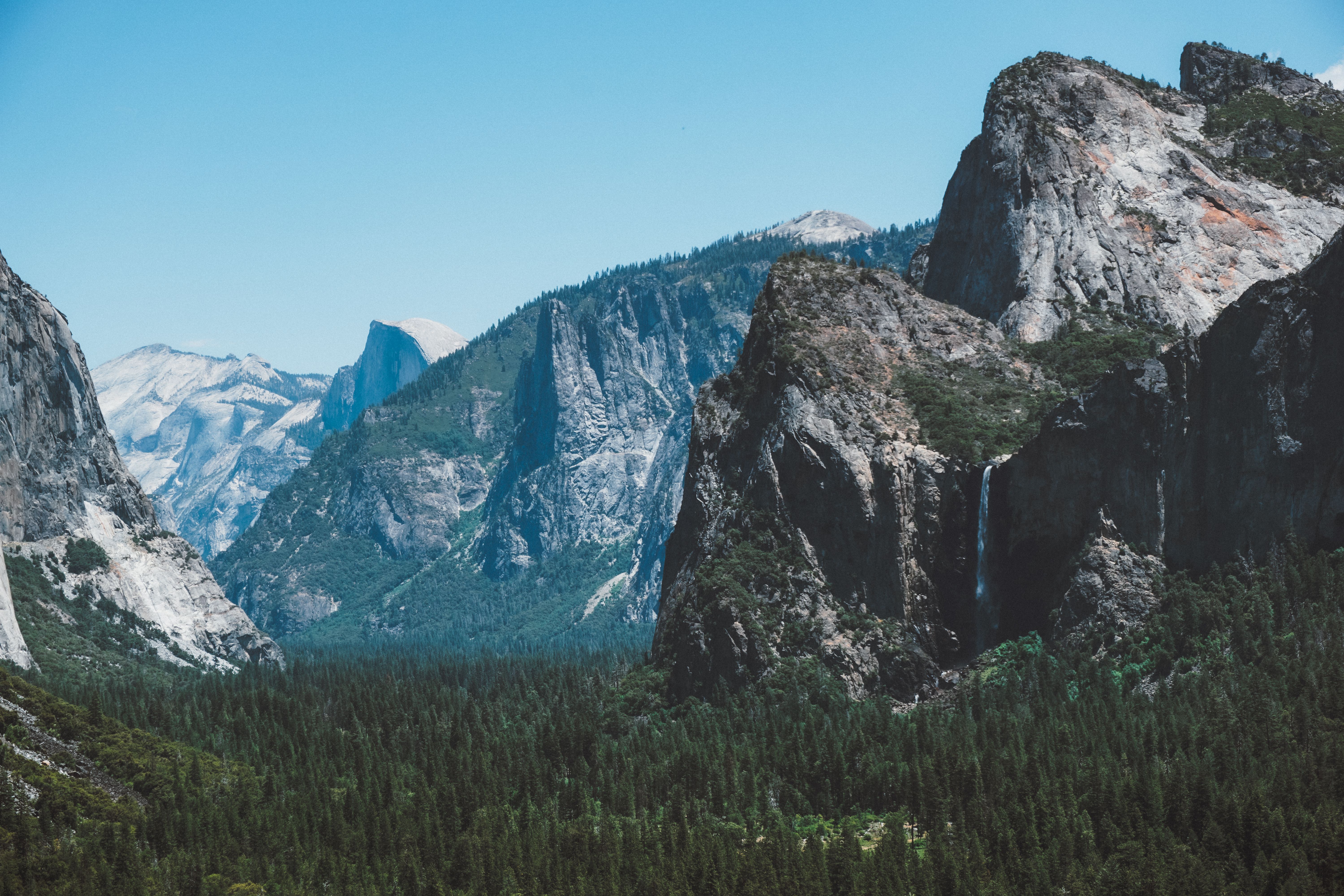
No. They are licensed illustrative stock park scenes, not evidence of an assignment, authorization, insurance coverage or access permission for the reader.
Sources and scope
NPS filming and photography overview, Zion filming guidance, Zion wedding permits, Arches wedding permits, Yellowstone workshop CUA, 54USC100905 statutory text, CRS federal-lands analysis. NPS public guidance is identified separately from the statutory text and legislative analysis. Park-specific examples are not universal permit or insurance conditions. This guide is planning information, not legal or insurance advice or a guarantee of access, approval or coverage. Check the specific park and proposed activity before acting.
Affiliate disclosure: We may earn a commission from qualifying purchases through these gear links at no extra cost to you. As an Amazon Associate, Shut Your Aperture earns from qualifying purchases.