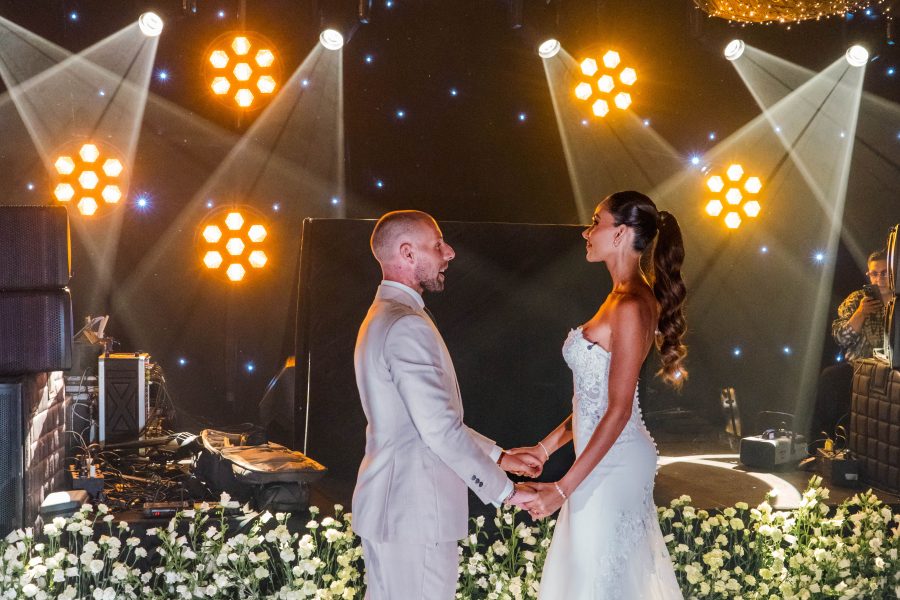
Second shooter working alongside lead photographer at wedding

The single most common misconception in wedding photography insurance: that the lead photographer’s policy covers the second shooter. It does not. Here is exactly how second shooter coverage works, what your subcontractor agreement should say, and where the cheap one-day policy fits.

Affiliate disclosure: this article contains affiliate links to Full Frame Insurance and gear retailers. If you purchase through these links, Shut Your Aperture may earn a commission at no extra cost to you. We only recommend coverage and products we would buy ourselves.

Why the lead’s policy does not cover you

A liability policy covers the named insured (the business or individual on the policy) for their own operations. A second shooter working as a 1099 subcontractor is a separate business operation. If you damage a venue, injure a guest, or have a card corruption, you are personally liable, not the lead photographer.

Three paths to coverage

  1. Your own annual policy: $129/year general liability if you second-shoot frequently. The cheapest line item in a photography business.
  2. Single-event policy per gig: $59 per event if you only second-shoot occasionally.
  3. W-2 employment by the lead: if the lead employs you as a W-2 employee, their workers comp covers you on the job. This shifts the relationship to employer-employee and is a different tax structure.

The 1099 reality

Most second shooters are 1099 subcontractors. The IRS test (behavioral control, financial control, type of relationship) usually classifies them that way correctly. The implication for insurance: you are responsible for your own coverage.

Your own annual policy for $129/year

Skip the per-event scramble. Annual general liability from Full Frame Insurance covers all your second-shooter work.

Get Second Shooter Coverage

Affiliate disclosure: we may earn a commission at no extra cost to you.

What your second shooter agreement should include

The lead photographer should have a written agreement with every second shooter. The agreement should cover:

  • Confirmation that the second shooter carries their own liability coverage.
  • Image rights and licensing terms.
  • Payment terms.
  • Indemnification clause (each party indemnifies the other for their own actions).
  • Confidentiality and non-solicitation if relevant.

Equipment coverage for second shooters

Annual Plus at $347 includes equipment coverage. For second shooters with $5,000+ kits, this is the right tier. For second shooters with smaller backup kits, the $129 general liability alone may be enough since the lead photographer typically supplies the primary gear.

The audit angle

If a lead photographer ever faces an audit on subcontractor relationships, having documentation that the second shooter carried independent insurance is a strong factor in supporting the 1099 classification. The IRS uses multiple factors, and “carries own insurance” appears on the test sheet.

The booking-leverage angle

Lead photographers increasingly prefer second shooters who can produce their own COI. It simplifies the contract, removes audit risk, and signals professionalism. If you second-shoot for multiple leads, your own annual policy is a small investment that wins repeat bookings.

Annual coverage that scales with your second-shooter work

Liability + equipment + unlimited additional insureds for $377/year. Add the lead as additional insured at any time.

Quote My Coverage

Affiliate disclosure: we may earn a commission at no extra cost to you.

See the photography insurance pillar and the wedding-specific guide for the lead-photographer side.

FAQ on second shooter coverage

If I only second-shoot 2-3 times a year, should I still get an annual policy?

Run the math. Three single-event policies at $59 is $177, compared to $129 for an annual general liability with broader coverage. The annual policy wins on cost and on flexibility.

Does the lead photographer’s contract usually require me to carry insurance?

Increasingly, yes. Lead photographers who care about their own audit risk and the cleanliness of their 1099 classification require it explicitly. If the lead does not, you still benefit from carrying your own coverage.

What if I get hurt while second-shooting?

If you are a 1099 subcontractor, your own health insurance and disability coverage handle it. The lead’s workers comp does not cover you. If you W-2 with the lead, their workers comp covers you.

Can I list myself as an additional insured on the lead’s policy?

The lead can list you, but that does not give you the same coverage as your own policy. It extends some protection to you for claims arising from the lead’s operations, not yours. Your own policy is still the right answer.

Second shooter checklist

  • Annual general liability active.
  • Equipment coverage active if your kit exceeds $3,000.
  • Subcontractor agreement signed with each lead photographer.
  • Image-rights and licensing terms documented per gig.
  • COI generated for any venue that asks (rare but possible).
  • 1099 forms tracked for tax season.

Pricing transparency for second shooters

A typical second shooter’s annual coverage stack:

  • Annual general liability: $129/year.
  • Equipment coverage (optional): $347/year for Annual Plus.
  • Unlimited additional insureds: $30/year.

Floor coverage: $129/year. Full coverage: $377/year. Either is a small fraction of annual second-shooter income.

Working with multiple lead photographers

Many second shooters work for three or four lead photographers in a season. The annual policy covers all of them without per-lead add-ons. The COI flexibility (unlimited additional insureds) means you can name each lead photographer on a COI for the venue or generate venue-specific COIs as needed.

Lead-photographer expectations

Lead photographers who hire second shooters increasingly expect:

  • Proof of independent insurance.
  • Signed subcontractor agreement.
  • Image-rights and licensing terms documented.
  • Backup workflow that mirrors the lead’s standard.

Meeting these expectations is what separates regular second shooters from one-time fill-ins. The annual policy at $129-$377 is the foundation.

Second shooter tax considerations

If you second-shoot as a 1099 subcontractor, you report income on Schedule C. Insurance premiums are deductible. Track 1099 income from each lead photographer separately for clean filing at tax time.

Picking lead photographers worth working with

Lead photographers vary widely in how they treat second shooters. Signals of a lead worth a long-term relationship: pays on time without follow-up, provides a written contract before the shoot, respects image-rights and credit, books you for repeat dates ahead of season. Signals of a lead to avoid: vague payment terms, no contract, pressure to skip insurance or contracts to keep costs low, last-minute changes that shift risk to the second shooter. The annual policy lets you walk away from leads in the second category.

Building a second-shooter reputation

Second shooters with insurance, contracts, and consistent backup workflow command higher rates than those without. The market has matured: lead photographers who shoot weddings full-time prefer working with seconds who run their business like a business. The insurance, contract, and backup discipline pays back through higher day rates and steadier bookings.

Equipment ownership for second shooters

Most second shooters own a smaller kit than the lead. The kit still needs equipment coverage. Inland marine on the annual policy at $5,000-$15,000 declared value covers a typical second-shooter kit (two bodies, three or four primes, a couple of speedlights) at modest cost.

Bottom line for working photographers

The pattern across photography insurance decisions is straightforward: the annual policy from a photography-specific carrier covers the bulk of working-pro risk at a cost that any full-time photographer earns back the first time a venue, brokerage, or corporate client requests a COI. Single-event policies handle the one-off cases. Equipment, drone, professional liability, and cyber add-ons close the niche gaps. Documentation and contracts handle the rest.

The decision is not whether to carry insurance; it is which stack of coverages matches the work you actually do. A wedding photographer’s stack differs from a real estate photographer’s, which differs from a corporate headshot photographer’s. Match the stack to the work, review annually, and update when the business changes.

Getting started today

If you are reading this without an active policy, the fastest path forward:

  • Open a quote with a photography-specific carrier.
  • Answer the underwriting questions honestly: revenue tier, primary genre, drone use, employee count.
  • Pick the tier that matches your actual gear and exposure.
  • Bind the policy and download the COI generator.
  • Save the policy documents to cloud storage where you can pull them up from any shoot.

From quote to bound policy is typically 10-15 minutes. The next venue COI request you receive will take 2 minutes instead of 2 days.

The “ride on the lead’s policy” misconception

The most common insurance misconception among second shooters: that the lead photographer’s policy automatically covers them. It doesn’t. The lead photographer’s policy covers the lead photographer and the lead photographer’s named additional insureds (like venues). It does not extend to other photographers shooting alongside the lead. The second shooter is an independent operator and needs their own coverage.

Some second shooters confirm with the lead that they’re “covered” without confirming what that actually means. The lead’s confidence on the question doesn’t change the underlying policy language. The second shooter who actually reads the lead’s policy declarations page (or asks the carrier directly) will find that they are not named anywhere on the policy. The fix is straightforward: the second shooter buys their own annual policy.

Annual policy economics for second shooters

The $129/year base annual policy is typically the right tier for a second shooter. A second shooter doing 10-20 weddings per year at $300-$600 per shoot earns $3,000-$12,000 in gross revenue. The $129 premium is 1-4% of that revenue, which is a comfortable margin for the protection it provides. The annual policy also unlocks higher day rates with leads who require COI compliance and venue confidence.

Equipment coverage as a second shooter

Second shooters carry their own gear, usually a smaller kit than the lead. The equipment coverage on the base annual policy ($0 equipment) is insufficient if the second shooter’s kit is valuable. The mid-tier $209/year policy adds equipment coverage of $1,500-$5,000, which is typically enough for a second-shooter kit (two bodies, three or four lenses, a couple of speedlights). Higher-value kits warrant scheduled equipment coverage.

The contract between lead and second shooter

Working second shooters should have a written agreement with each lead they work with. The agreement covers:

  • Payment terms and timing.
  • Image rights and the second shooter’s portfolio use.
  • Credit and tagging conventions.
  • Equipment ownership and responsibility.
  • Insurance and liability allocation.
  • Termination conditions.

The agreement runs alongside the insurance policies. Together they create the defensive structure that protects both parties.

Building a reputation as an insured second shooter

Insurance is a competitive differentiator in the second-shooter market. Lead photographers who shoot weddings full-time prefer working with second shooters who run their business like a business: insurance, contracts, written communication, on-time arrival, professional behavior. The lead is putting their own reputation and policy on the line for every booking; choosing second shooters who add to that reputation matters. A second shooter who can produce a COI on request stands out from second shooters who can’t.

The day-rate negotiation around insurance

Some second shooters worry that adding insurance costs will force them to raise day rates. The math works the other way: insurance unlocks higher day rates because it positions the second shooter as a professional operator. A second shooter charging $400/day uninsured can comfortably charge $500/day insured because the lead photographer values the COI capability. The $129 annual premium is recovered with one extra-paid booking. After that, the premium pays back across the entire year of work.

The second-shooter equipment kit

Second shooters typically carry a smaller kit than the lead. The standard wedding second-shooter kit:

  • Two camera bodies (one primary, one backup).
  • Three or four prime lenses or a versatile zoom plus primes.
  • One or two speedlights.
  • Memory cards (more than needed for the shoot).
  • Batteries (more than needed).
  • Small bag for transport.

The kit value is typically $4,000-$10,000. Equipment coverage at the mid-tier annual policy ($1,500-$5,000 equipment line) may be light for higher-end kits; scheduled equipment coverage handles the rest.

The lead-second working relationship

Productive lead-second relationships have specific patterns:

  • Lead and second discuss the shoot before the day (timeline, key shots, logistics).
  • Lead briefs the second on any client-specific preferences.
  • Second arrives early and confirms gear is functional before any client arrives.
  • During the shoot, the two move together but cover different angles.
  • After the shoot, the second hands over cards or transfers files per the lead’s preference.
  • Payment happens on a defined schedule (some leads pay same day, some net-15, some net-30).

Image-rights for second shooters

The default arrangement: the lead photographer owns the resulting images. The second shooter has limited rights for portfolio use, typically requiring permission for specific images. The arrangement matters for the second shooter’s career growth.

  • Portfolio use: typically permitted for non-commercial purposes (showing the second’s work to potential leads).
  • Social media: typically permitted with credit to the lead photographer.
  • Commercial use: typically not permitted without negotiation.
  • Print sales: typically not permitted; the lead handles all client print orders.

The second-shooter contract template

Working second shooters should have a standardized contract they use with each lead they work with. The contract covers:

  • Day rate or session rate.
  • Payment terms.
  • Image rights as discussed above.
  • Equipment ownership and responsibility.
  • Insurance requirements (both parties carrying their own).
  • Hours of work and overtime considerations.
  • Cancellation policy.
  • Confidentiality of client information.

The contract is signed once for an ongoing relationship or per-shoot for one-off bookings.

Building reputation as an insured second shooter

Lead photographers increasingly require seconds to carry their own insurance. The seconds who can produce a COI on request have a meaningful advantage in the market. The capability:

  • Increases the pool of leads willing to work with you.
  • Justifies higher day rates.
  • Signals operational maturity.
  • Removes a friction point in onboarding new leads.

The second-shooter’s safety net

Second shooters who build their own client base eventually transition to lead photography. The insurance, contract, and operational discipline built during the second-shooter phase translates directly to the lead role. Working as a second shooter with the same operational standards as a lead is essentially apprenticeship for running an independent business.

The renewal-time decision tree

Every annual renewal is a decision point. Working photographers should walk through the same questions each time:

  • Has the business changed? Different genre mix, more travel, new equipment, new entity structure — each can warrant a coverage adjustment.
  • Are the limits still appropriate? Revenue growth eventually pushes the photographer into higher-tier clients whose contracts may require higher limits.
  • Are there add-ons I should consider? Cyber liability, higher professional liability limits, additional drone endorsements — each one closes a specific gap.
  • Is the current carrier still the right fit? Price, service quality, claims handling, technology — all worth reconsidering periodically.
  • Have I documented everything from the past year? Equipment changes, claims, near-misses, contract changes — all should be reflected in the renewed policy.

The decision tree takes 30 minutes to walk through each year. The discipline catches drift between actual business and policy structure before it becomes a coverage gap.

Building the documentation habit

The single highest-leverage discipline for any working photographer is documentation. Every shoot, every booking, every incident, every conversation with a client about scope. Documentation makes claims smoother, makes disputes resolvable, makes the business defensible. The components of strong documentation:

  • Standardized contract template signed by every client.
  • Email communication preserved (no relying on memory or phone calls alone).
  • Shot logs or session notes for every booking.
  • Equipment schedule kept current.
  • Backup workflow documented and followed consistently.
  • Delivery confirmation with timestamps.
  • Any incidents documented within 24 hours.

Photographers who run their business at this discipline level rarely face claim difficulties even when incidents occur. The carrier sees a professional operator and treats claims accordingly.

The relationship between insurance and pricing

Insurance is part of the cost of operating a photography business and should be priced into client engagements. The math:

  • Total annual business overhead (insurance, software, accounting, marketing).
  • Divided by realistic billable engagements per year.
  • Equals the overhead allocation per engagement.

For a photographer with $5,000 annual overhead working 100 engagements, that’s $50 per engagement in pure overhead. Pricing below the overhead allocation means losing money on the engagement before shooting time is even considered. Insurance premium contributes a small share of this total but is part of the math.

When to consider raising coverage limits

The standard $1M / $2M general liability coverage works for most photographers. Specific triggers to consider raising limits:

  • Working with corporate clients whose vendor agreements require $2M or higher.
  • Working at venues that require $2M coverage as a standard.
  • Operating in litigation-heavy states (California, New York, Florida).
  • Carrying high equipment values that increase incident severity.
  • Hiring employees or regularly using contractors.
  • Adding higher-risk operations (workshops, photography tours, drone work).

The premium increase for moving from $1M to $2M is typically modest ($75-$150 per year). The protection increase is substantial.

Photography insurance as part of the broader business stack

Insurance sits within a broader business stack that working photographers need:

  • Legal structure (sole prop, LLC, S-corp).
  • Banking (separate business checking account, business credit card).
  • Accounting (bookkeeping software, accountant relationship).
  • Tax compliance (federal estimated payments, state filings, sales tax if applicable).
  • Business insurance (the subject of this guide).
  • Contracts (standardized templates for each engagement type).
  • Technology stack (gallery hosting, CRM, scheduling, payment processing).

Each layer reinforces the others. Insurance alone doesn’t protect a photographer who lacks contracts; contracts alone don’t protect against catastrophic claims; legal structure alone doesn’t help if the business gets sued for damages beyond the entity’s assets. The full stack creates the durable business that lasts across multiple years and economic cycles.

How lead and second-shooter coverage actually stacks

Second shooting is the entry point to the wedding industry for most working photographers. It is also the category where coverage gaps are most common, because second shooters often assume the lead photographer’s policy covers them. Sometimes that is true, often it is not. The lead photographer’s general liability typically covers their own employees and may extend to subcontractors named in the policy — but the second shooter is usually an independent contractor, not an employee, and may or may not be named.

The safer practice from the second shooter’s side is to carry an independent general liability policy at $1 million per occurrence and $2 million aggregate. That covers any guest injury, venue property damage, or third-party claim tied to the second shooter’s actions during the wedding day. Cost runs $250 to $500 annually for a part-time second shooter at low revenue — well within reach.

From the lead photographer’s side, the second-shooter contract should specify whether the second shooter is required to carry their own insurance and provide a COI before the first shoot. Many leads now require this in writing. The contract should also clarify image rights, payment terms, behavior standards, and what happens if the second shooter cancels last-minute or causes property damage at the venue.

Equipment coverage works the same way: the second shooter’s gear is covered by their own inland marine policy, not the lead’s. A lost or damaged camera at a wedding is the second shooter’s loss unless the lead has explicitly added the second shooter’s equipment as a scheduled item.