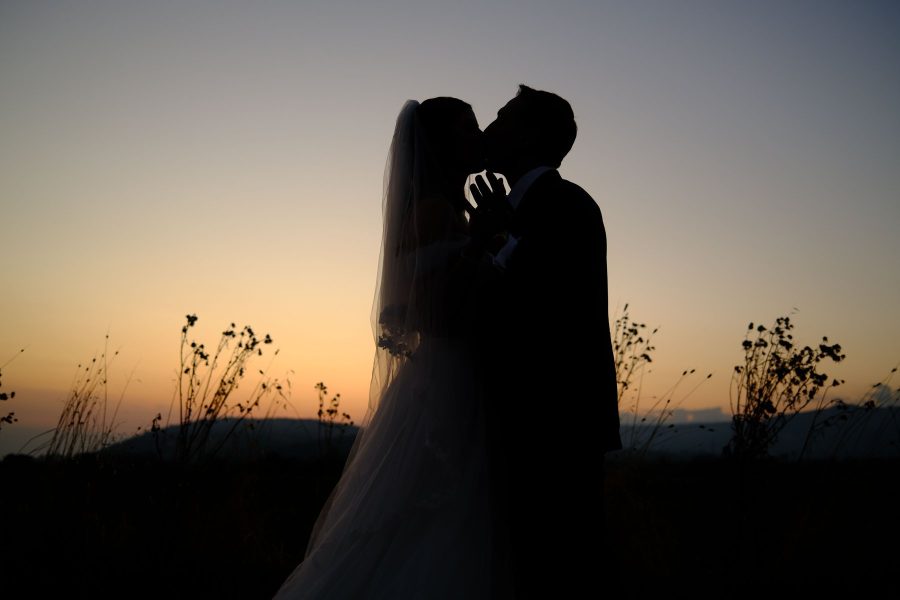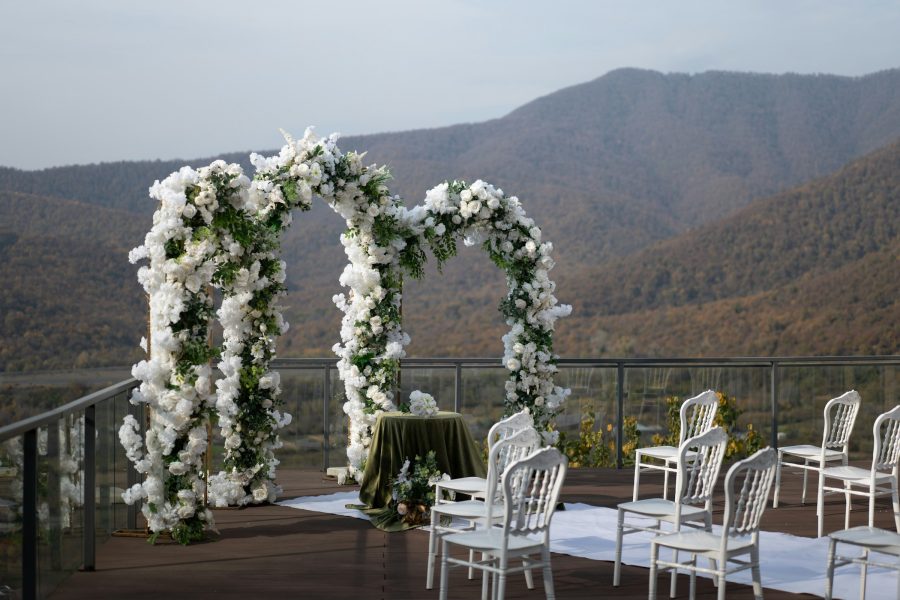
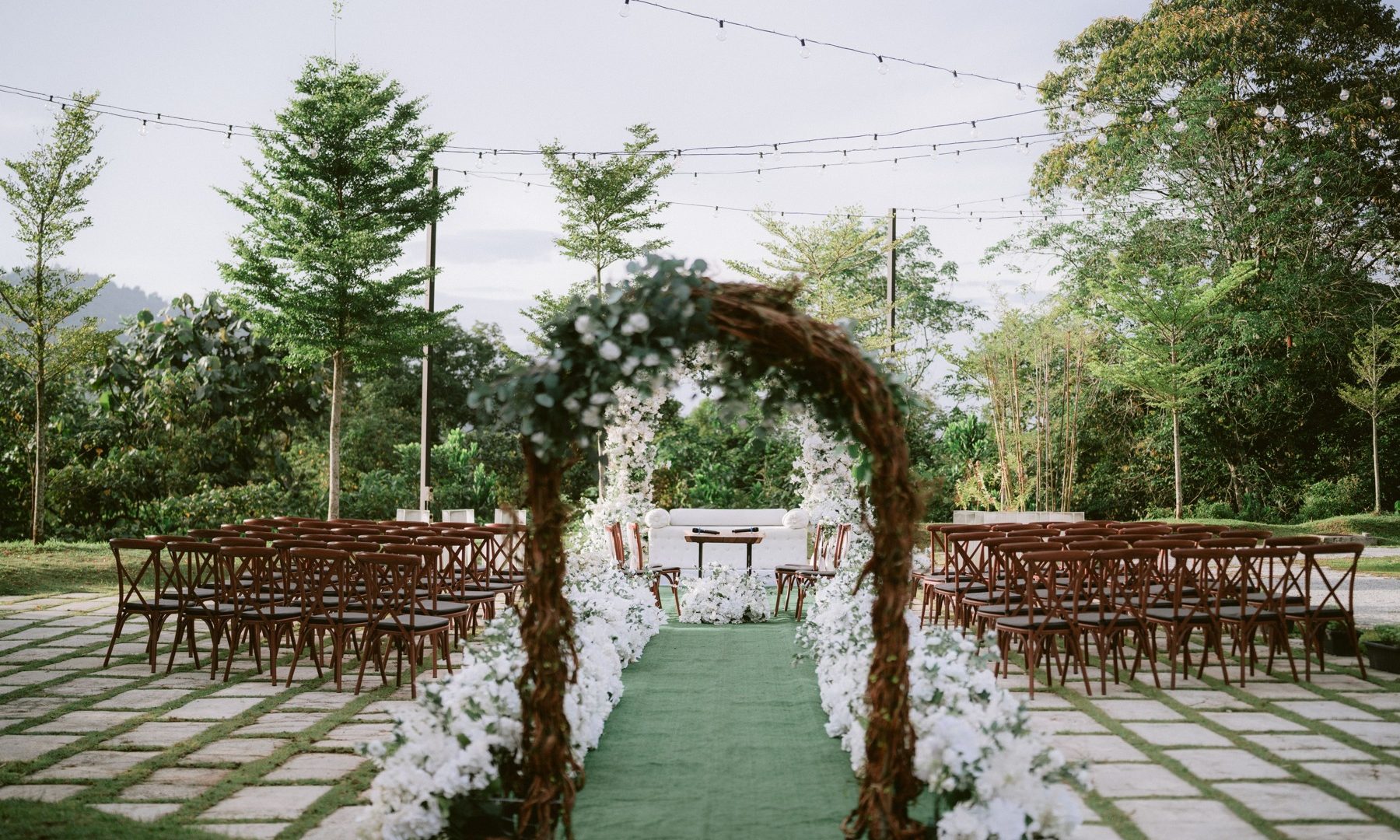
Photo by Qodak. stx via Pexels: https://www.pexels.com/photo/outdoor-wedding-ceremony-setup-with-arch-35629351/ – Pexels License (https://www.pexels.com/license/). (Stock photo, illustrative.)
A wedding photograph can be quiet, carefully directed, bright, dark, in color or in black and white. Those choices matter more than whether a social feed calls them a trend. The useful question is not “What does everybody want this year?” It is “Which approach fits these people, this place and the time we have?”
This guide looks at wedding photography styles and techniques as choices, not a ranked list of current market demand. There is no popularity survey behind it. Start with the couple’s priorities, look at complete galleries and agree on the coverage before adding an experimental look. A short, exciting selection of pictures cannot tell you how a photographer handles a whole wedding.
Separate coverage, lighting and editing style
Wedding style labels often mix different decisions. Documentary coverage describes how a photographer observes events. An editorial portrait describes a directed setup. Bright or dramatic lighting concerns the appearance of the light. A muted color grade concerns processing. One wedding gallery can contain all of these without becoming inconsistent.
Ask for examples rather than relying on a label such as fine art, cinematic or modern. Does “natural” mean available light, relaxed direction, restrained editing, or all three? Does “candid” still include family groups? Write down the answer. A shared vocabulary prevents the couple from expecting one thing while the photographer plans another.
A sensible brief names the moments that cannot be missed, the portraits that need direction and the room for experimentation. It also names what the couple does not want: extended posing, public social posts, intrusive lighting or retouching that changes their appearance. These are practical coverage decisions, not problems a preset will solve.
Documentary coverage: observe without promising invisibility
Documentary wedding coverage puts attention on actions and relationships: someone fastening a cuff, a parent listening during a speech, friends greeting each other. Adobe’s documentary photography guide describes recording life and building a story through a sequence. For a wedding, that means looking beyond a single dramatic portrait.
Work from a position that gives a clear view without blocking guests or the officiant. Check the background before a moment develops. A wider scene can explain where people are; a closer frame can show a reaction. If possible, gather both. Do not force every frame into the same lens, distance or crop just to create a recognizable feed.
Observational coverage does not remove the need for planning. Know when the ceremony starts, who is speaking and where key people will stand. Ask about restrictions on movement, sound and flash. Do not recreate a missed emotional moment and present it as an unprompted event. If a portrait is directed, let it be a directed portrait.
Respect a person who does not want to be photographed or published. The couple can explain their preferences, but their approval is not blanket permission for every guest or every use. Agree on a way to communicate restrictions, especially for children, private ceremonies and images intended for marketing.
Directed portraits: use a small amount of clear guidance
Directed portraits are useful when people want a photograph together and do not know where to stand. Start with a comfortable location, explain the light and give one instruction at a time. “Turn slightly toward the window” is easier to follow than a long list of body positions. Check the result before adding another instruction.
Leave time for essential family groups. A candid-first brief does not automatically mean the couple wants no family portraits. Ask for a short list, identify a helper who knows the people and allow time for walking and gathering. Do not assume every family relationship is straightforward; ask privately about combinations to avoid.
For an editorial-looking portrait, plan one deliberate setup rather than a string of copied poses. Consider the background, the clothing, hand placement and the direction of the light. Keep people on safe, approved ground. A dramatic result is not a reason to use an exposed ledge, block an exit or ask someone to balance in unfamiliar shoes.
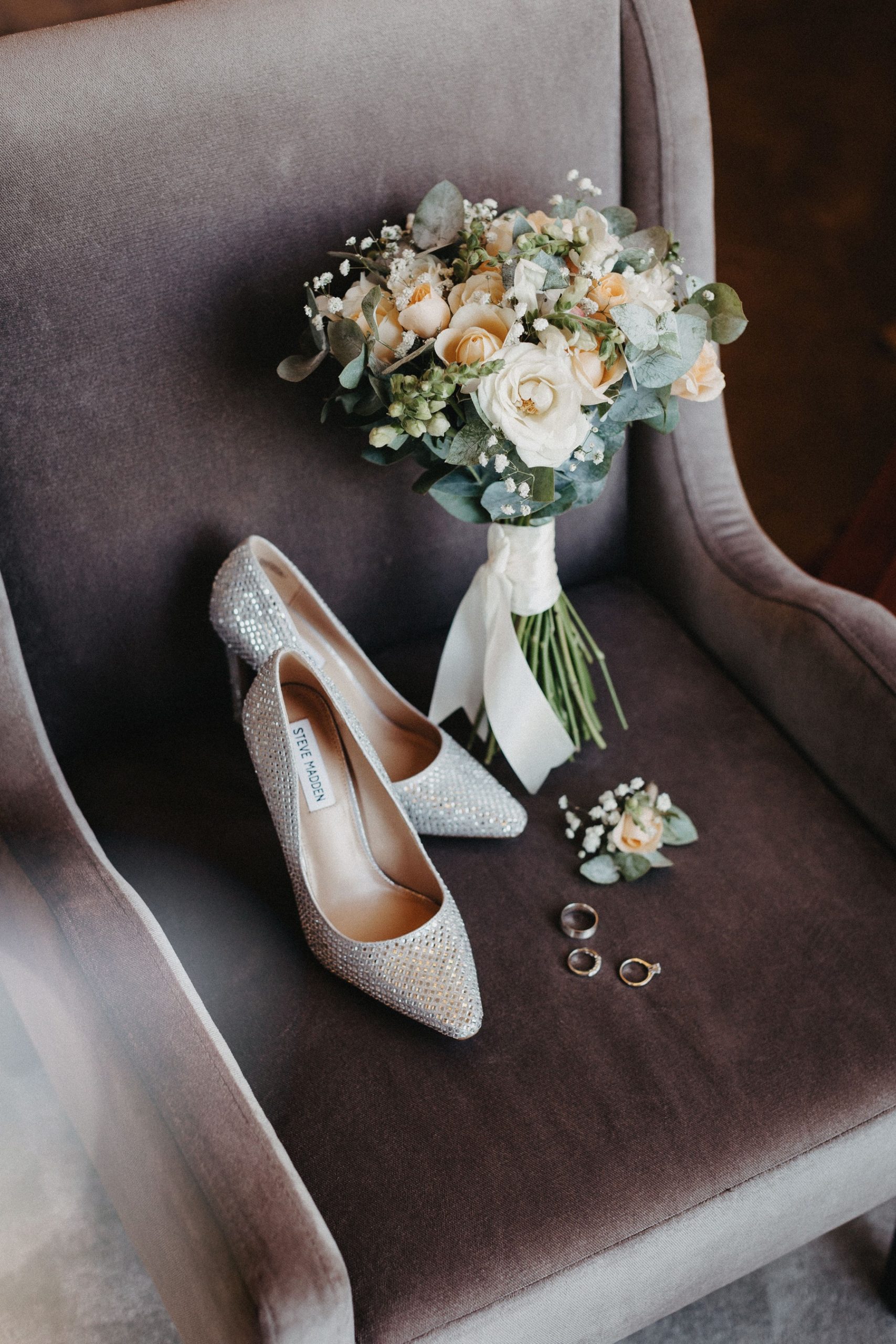 Save
The arrangement above is a stock illustration of directed detail photography. Objects have been placed together to make a composition. It does not document an unprompted moment, prove a wedding style is popular or show products tested by this site. When making your own detail frame, ask before moving rings, clothing or other valuable belongings.
Natural light: look at direction before the color grade
Soft window light can suit preparations, flowers and portraits, but “natural light” is not one fixed look. Its direction and contrast change with the window, weather and room. Move the subject or change your angle before assuming the edit must rescue the frame. Watch for bright windows that pull attention from faces.
A curtain may soften light, but it can also reduce the amount available. Check shutter speed, focus and subject movement. For a still bouquet, a slower shutter might be workable with suitable support; for a person moving, it may not be. Do not transfer one set of settings between those subjects without checking the photographs.
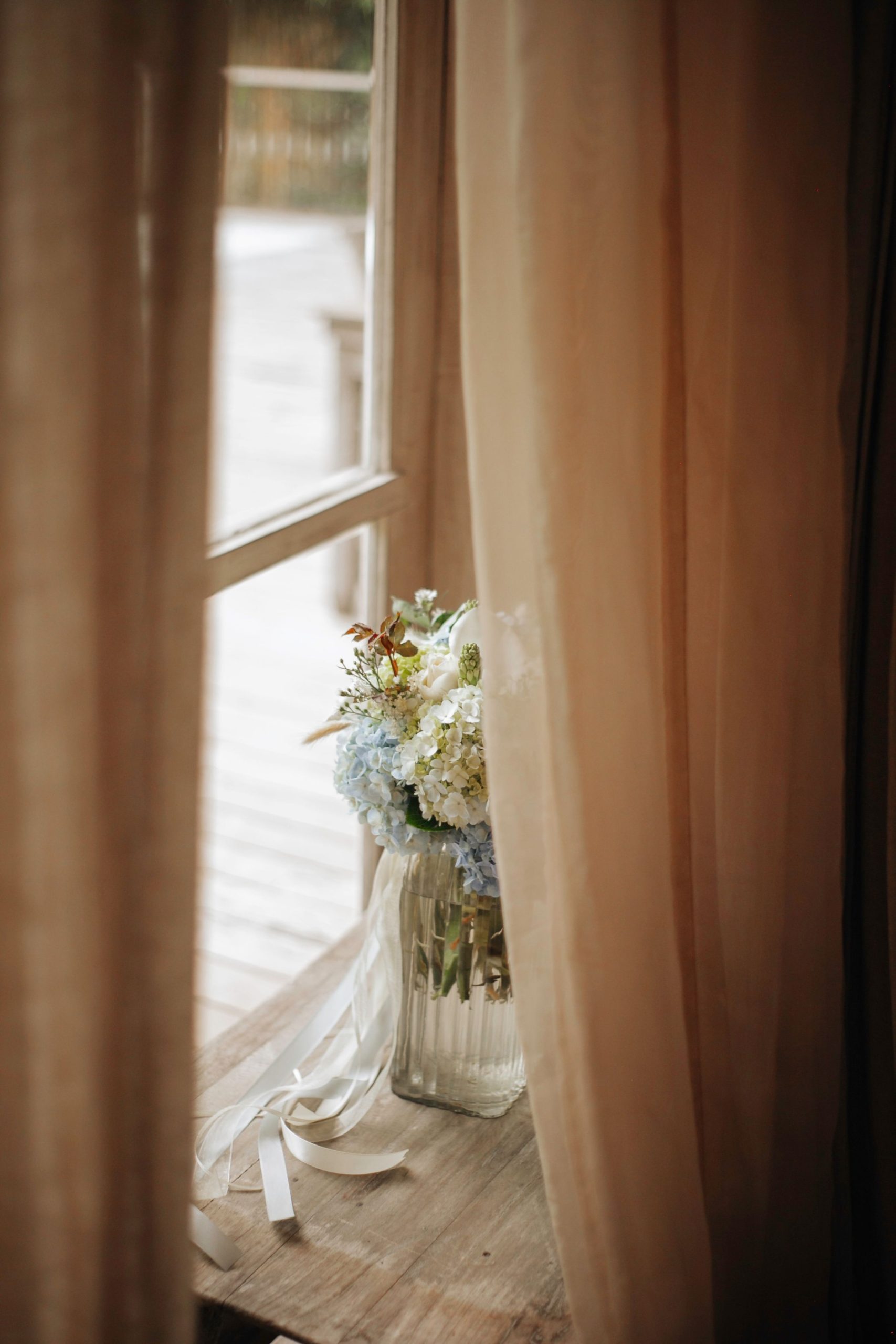 Save
Here, a bouquet near a window illustrates direction, framing and a limited color palette. The curtain creates a foreground layer. You do not need to copy the exact arrangement: look for an uncluttered view, enough room to work and permission to move the objects. Keep the window and floor safe and leave the room as you found it.
Low sun is another option, not a guarantee. Adobe’s golden hour guide explains the appeal of low, warm light. Its duration and appearance depend on season, latitude, clouds and the horizon. Plan for the actual venue and date, and have a nearby alternative if the light or schedule changes.
Golden hour and twilight are different conditions. After sunset the scene can become dimmer and cooler; a warm sunset photograph is not proof of a twilight technique. Check faces and bright edges in backlit portraits. Change position or use permitted fill light if needed instead of assuming a glowing background ensures a usable face exposure.
Flash: a lighting choice, not a shortcut to a fashionable look
Direct flash can be an intentional choice for a lively portrait or reception frame. Bounced or off-camera flash can give a different direction and balance. Neither is automatically the correct wedding look. Ask what the couple likes, check the venue rules and practice the method before the day.
Nikon’s flash photography guide shows how direction, nearby surfaces and flash exposure affect the result. A colored wall can tint bounced light. A high or distant ceiling may not return enough light. Do not assume bounce will work because it worked in another room.
Test how much of the room appears in the background and whether faces are overlit. Check reflections in glass, mirrors and glossy decorations. Keep stands and cables out of walkways and use appropriate support. Where flash is prohibited or disruptive, respect that rule and work within the available light rather than surprising people.
Details and atmosphere: make them part of the story
Flowers, chairs, table settings and clothing can help describe a wedding without making every frame about decoration. Start with a wider view that explains the setting, then choose a few details that belong to this day. Ask the couple which objects have personal meaning instead of assuming the most expensive item is the most important.
For a cake or table frame, inspect the edges for service equipment and distracting bright spots. Move yourself before moving anything on the table. Do not touch food, disturb a display or reposition candles without the responsible vendor’s approval. A photograph should not create work or risk for the people running the event.
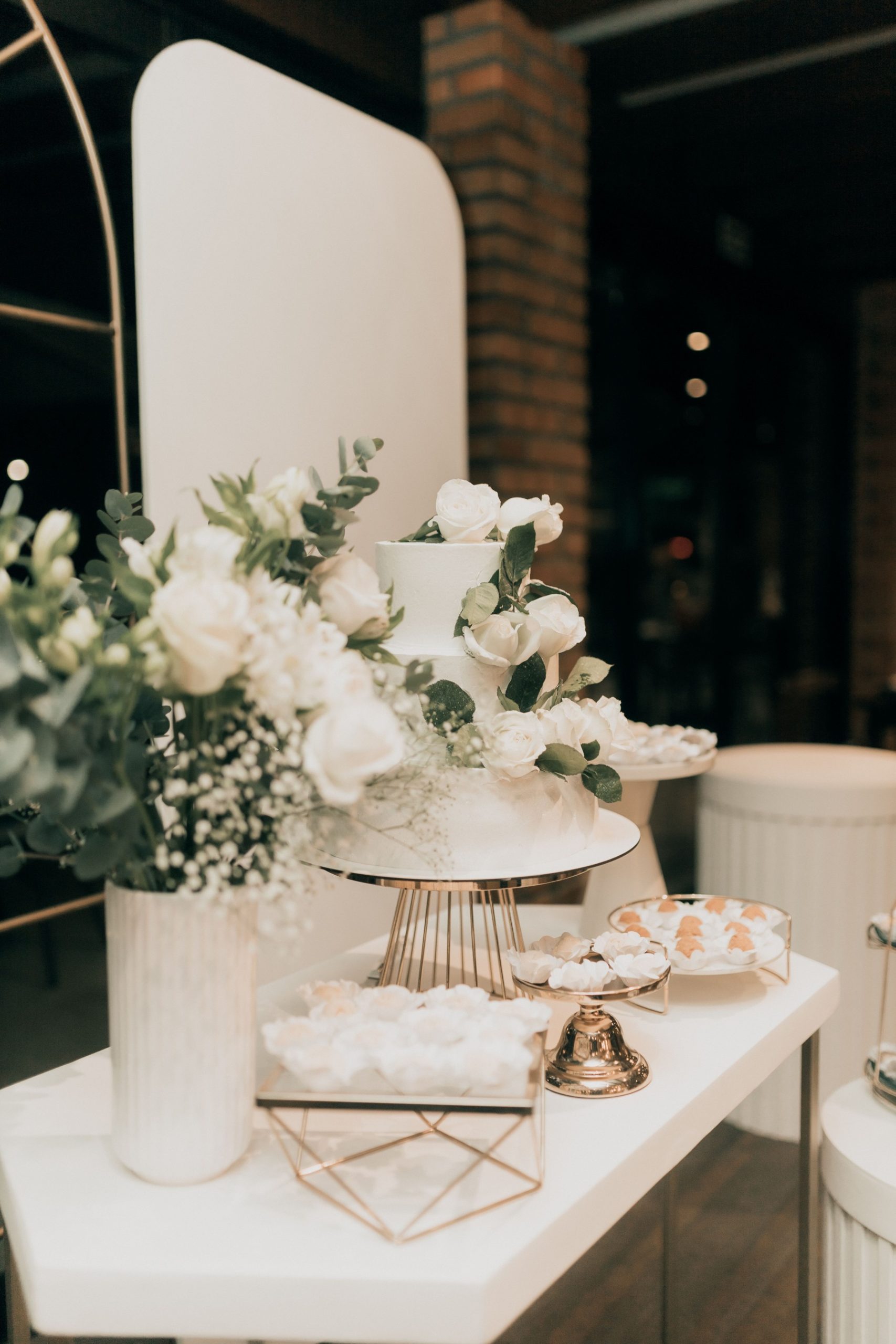 Save
A detail sequence can move from an entire reception space to a table and then to a smaller object. Vary distance with a purpose rather than collecting unrelated close-ups. The cake photograph above is a stock example of a reception detail, not evidence of a particular venue, vendor or lighting setup.
Leave quiet space in some compositions for an album layout, but do not sacrifice the only complete view of a person or object to an extreme crop. Make a safe, clear frame first. Then try a reflection, a foreground layer or a less obvious angle if time permits. An experiment should add an option, not replace essential coverage.
Black and white and color grading: build a consistent gallery
Black and white changes how a picture uses light, tone, shape and texture. It does not automatically make a photograph timeless or more emotional. Adobe’s black-and-white photography guide is a useful introduction to seeing beyond color. Check whether important subjects still separate when different colors become similar gray tones.
Choose a conversion because it supports the image. Keep detail in clothing and faces where it matters; avoid crushing every shadow or making every highlight blank for a uniform effect. Black and white can simplify a busy color scene, but it cannot repair missed focus or put a missing person back in the frame.
For color work, agree on a reference direction before editing an entire gallery. Compare skin, white clothing and flowers under different lighting. A warm treatment that works outdoors may turn skin orange indoors. Adjust a few representative frames first, then check the sequence together. Consistency means related pictures feel coherent, not that one preset is applied unchanged to every exposure.
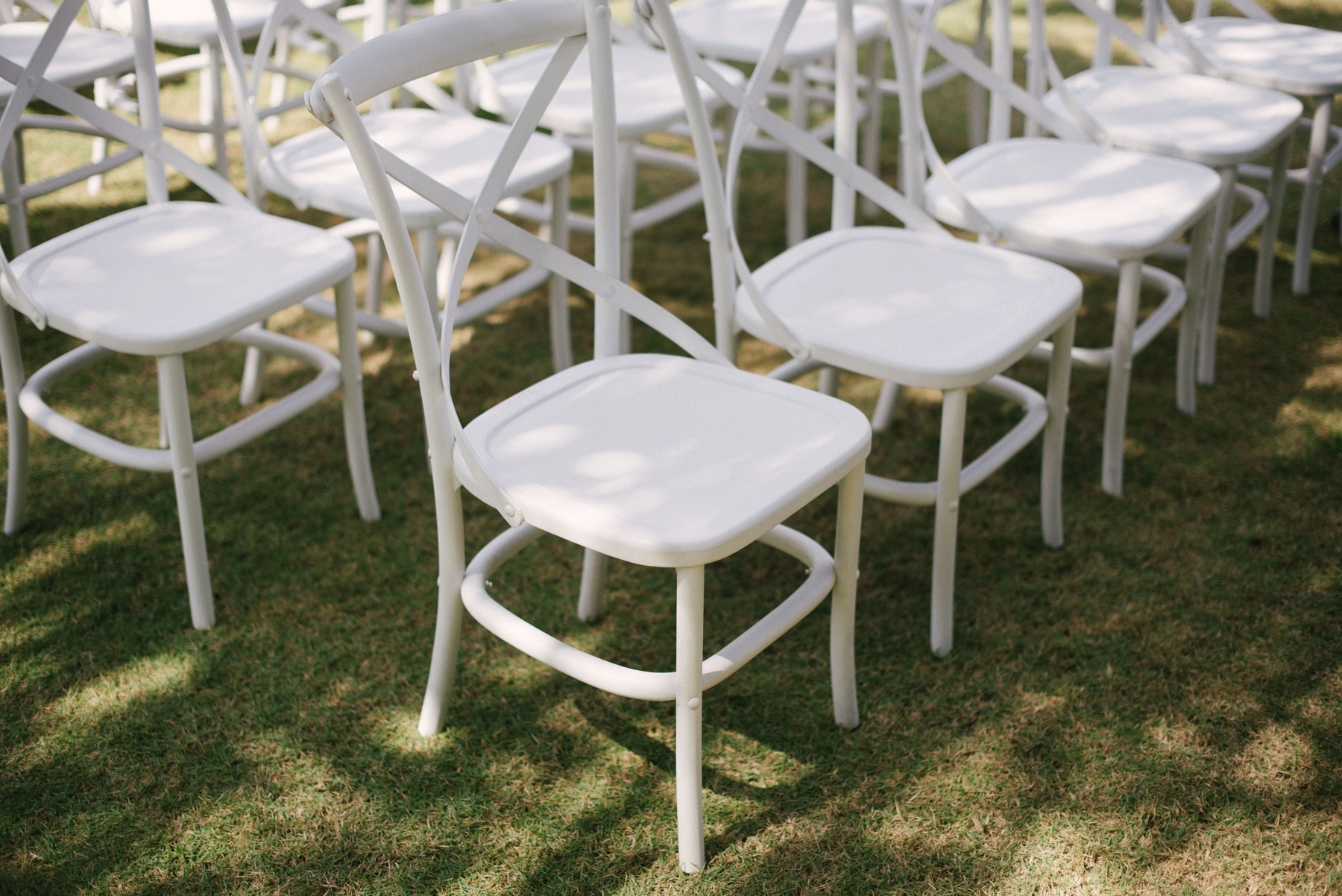 Save
The empty chairs above give a simple study in repeated shapes, light and shadow. Such a frame could work in color or as a considered monochrome conversion. It illustrates a visual choice; it is not a substitute for photographs of the people who actually attended the wedding.
Social inspiration without turning the day into a production
A reference board can help explain preferences, but keep it short. Identify what each reference means: soft light, room in the frame, direct flash, relaxed expressions or a particular editing direction. Copying a surface pose is less useful than understanding the reason the couple likes it.
Do not make a viral challenge, risky jump or smoke effect a default part of wedding coverage. If an idea needs special permission, equipment or safety planning, settle that separately with the venue and appropriate professionals. It is fine to skip it. The ceremony and the people should not wait while a photographer tries to reproduce a social clip.
Agree on publication separately from delivery. Discuss whether the couple wants previews, who receives them and whether anything may be posted publicly. Avoid exposing private invitations, addresses or sensitive family information. A trend involving instant social sharing does not remove the need to check who is comfortable being shown.
Turn the style brief into a workable plan
Use a short brief that covers coverage priorities, a small portrait list, lighting restrictions, editing references and delivery expectations. Put experimental photographs after essential moments in the priority order. Check the travel time between locations and leave room for delays. For practical preparation, see our wedding photography timeline guide.
Protect the files before experimenting. Keep originals separate from alternate edits and exports. Make checked copies on separate storage, with an off-site copy where practical, before formatting or reusing cards. Open files from the copies and verify the intended folders transferred; seeing a drive name is not proof that the photographs are safe.
For a structured learning path, The Wedding Day at Shut Your Aperture Academy has 7 modules and 28+ lessons. Use practice sessions to develop the lighting and handling skills, then agree on a realistic brief. A course, a new drive or an attractive preset cannot promise coverage of an unrepeatable day.
Wedding photography styles Q&A
Which wedding photography trend should we choose?
Start with the people and the coverage you want, not a popularity claim. Compare complete galleries and name the specific qualities you like: observational moments, directed portraits, soft light, dramatic light or a restrained edit. Agree on priorities and a few experiments rather than copying every reference.
Can documentary coverage include family portraits?
Yes. Observational coverage and directed family photographs can exist in one plan. Agree on a short group list and allow time to gather people. Ask privately about sensitive combinations instead of assuming every family relationship is simple.
Is natural light always better than flash?
No. They are different tools. Natural light changes with the room, weather and time; flash can add control when it is permitted and used well. Choose for the subject and the brief, check the result and respect ceremony and venue restrictions.
Should every wedding photograph be black and white?
Only if that is an agreed choice, not because monochrome is described as timeless. Check tone, detail and subject separation in each conversion. A mix can work when the selection and sequence feel deliberate. Preserve the originals and agree on the delivered versions.
Do we need a viral pose or special effect?
No. A reference can explain a preference, but the essential coverage comes first. Skip an idea that needs unsafe movement, interrupts the ceremony or lacks venue approval. Special effects should never become an unplanned obligation on the day.
How should we handle editing experiments and backups?
Keep original files separate from experimental edits and exports. Make and check copies on separate storage, with an off-site copy where practical, before reusing the cards. Agree on editing references and delivery expectations before applying a look across the entire gallery.
Keep originals separate from experimental edits
Affiliate disclosure: If you buy through the B&H link in this section, Shut Your Aperture may earn a commission at no extra cost to you.
A Samsung 1TB T7 Shield Portable SSD in black, model MU-PE1T0S/AM, is one storage option to compare for originals and separate exports. Check your computer connection, capacity needs and the current retailer specifications before buying. A portable drive is one part of a checked backup plan, not the whole plan. No hands-on test, price or stock promise is being made here.