
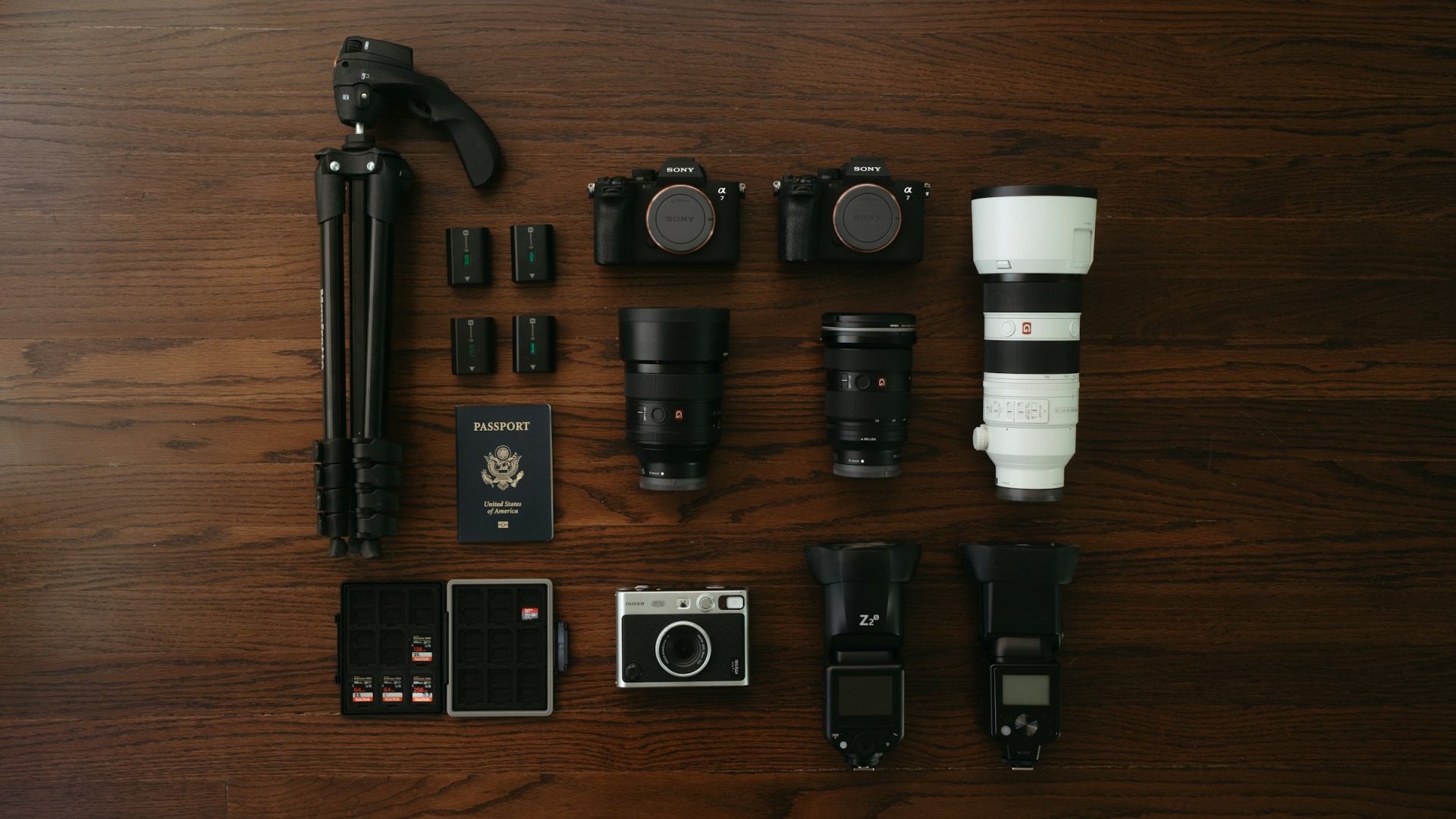
Carrying two cameras for a full day can be uncomfortable. A neck strap can dig in, two bodies can knock together and every lens change can turn into a juggling act. A dual camera harness is designed to ease some of that, though how well it works depends on the model, your body and your gear. This guide explains what a harness is, who needs one, what to look for and how to use it.
 Save
SaveWhat is a dual camera harness?
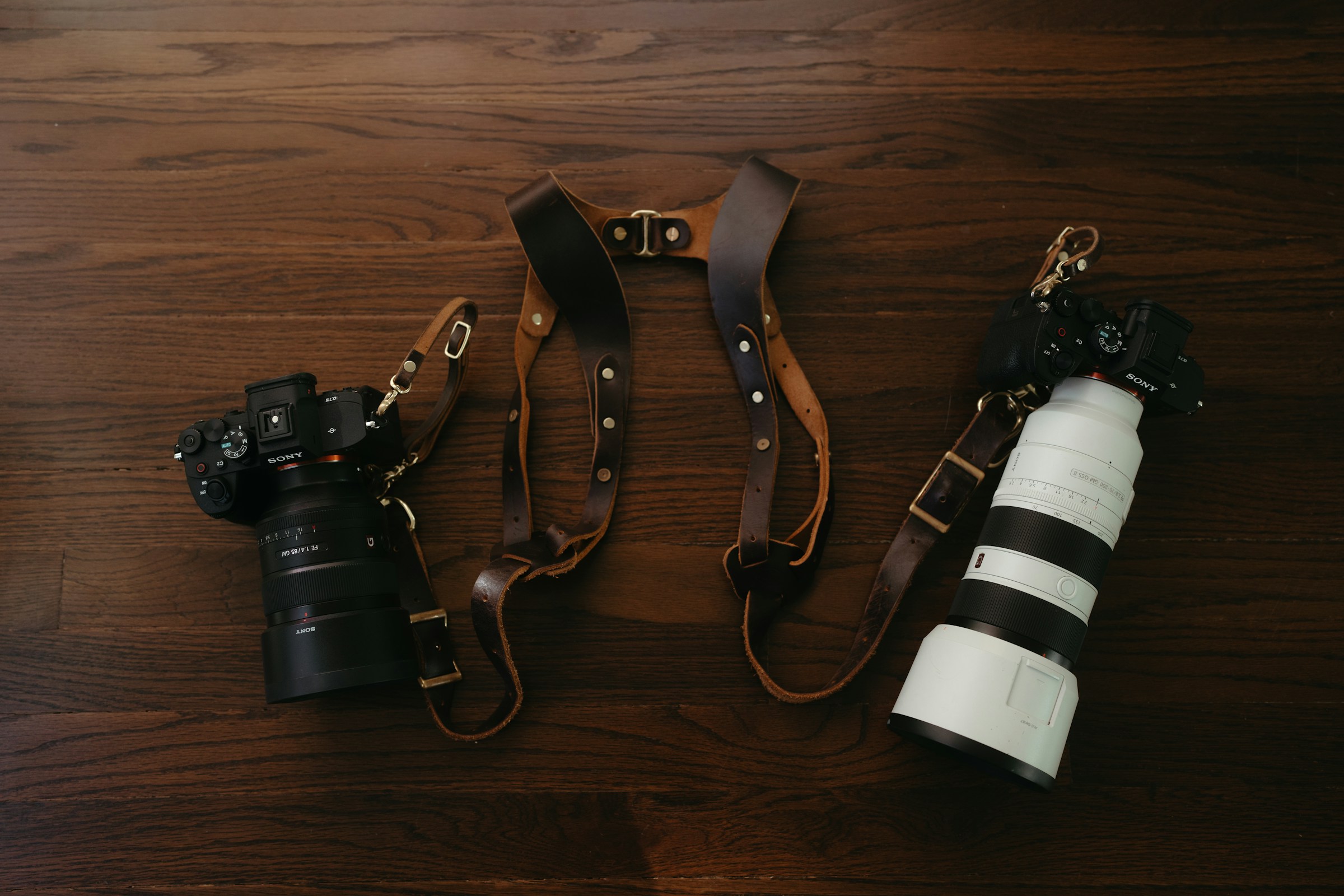
A dual camera harness is a system of straps that goes over your shoulders and across your chest or back. Two cameras attach to it, usually one on each side. Where they hang varies by style. You lift a camera to shoot and let it drop back when you are done.
The idea is simple. Instead of hanging all the weight from your neck, a harness is designed to spread it over your shoulders, back and torso. Each camera hangs on its own side, which is meant to keep them from knocking together.
Who needs one?
- Event photographers. A wide lens on one body and a longer lens on the other can save time at weddings, parties and conferences.
- Travel photographers. Walking all day with a heavy kit may feel easier when the weight is spread out, depending on the fit.
- Wildlife and sports shooters. Fast access to two focal lengths matters when the action moves.
- Videographers who also shoot stills. A harness keeps both cameras ready.
If you only carry one camera, a good single strap or a sling may be enough. A harness may help most when you carry two.
What are the benefits?
Comfort
A common benefit is comfort. Weight hanging from your neck can lead to aches and tension for some people. A harness is designed to move some of the load to your shoulders and back, and how well that works depends on the fit and your body.
Speed
You may not need to stop and swap lenses. Pick up the camera that has the lens you need, shoot and let go. That can save seconds, and some moments only last seconds.
Protection
Cameras that hang on separate sides are less likely to knock into each other. Depending on the style, a harness can also keep the gear close to your body in crowds.
Hands-free movement
Your hands can stay free to open doors, hold a drink, check a phone or catch yourself if you stumble.
 Save
SaveWhat should you look for in a harness?
- Weight rating. Check the rated load for each side. Add up the real weight of your camera, lens and any grip or flash.
- Attachment method. Most harnesses connect through the tripod socket or the strap lugs. Check the maker’s instructions and make sure the connection is solid and cannot work loose.
- Padding and breathability. Shoulder pads and a breathable back panel can matter on long, hot days.
- Adjustability. You need to fit it over different clothes, from a T-shirt to a winter coat.
- Quick release. A release that lets you detach a camera quickly is useful for a tripod or a handoff.
- Stabilizer or hip strap. Some designs include a strap that is meant to limit swinging.
- Safety lock. A lock or a safety tether adds peace of mind in busy places.
- Weight of the harness itself. A lighter harness can be easier to wear for long stretches.
- Build quality. Look at the stitching, the buckles and the hardware.
What styles are there?
- Cross-body sling style. Two straps cross your chest, and the cameras hang at your sides on rails or cords, depending on the model.
- Vest or chest harness. Cameras sit against your chest or sides on a padded vest.
- Shoulder holster style. Two cameras hang under your arms, like a holster.
- Clip-based systems. A plate attaches to the camera, and a clip on a strap or belt holds it.
Each style has strengths. Sling styles can be quick and flexible. Vests and chest harnesses can feel steady. Holsters can keep the cameras tucked in. Try one on with your real gear before you decide.
How do you set up and fit a harness?
- Attach the camera plates. Follow the maker’s instructions and tighten them fully.
- Put the harness on with no cameras. Adjust it following the maker’s guide so the straps sit on your shoulders, not your neck.
- Clip one camera at a time. Check where it hangs for your style and that it clears your arms. Position differs between chest, vest, sling and clip designs, so follow the maker’s guide.
- Add the second camera. Make sure they hang evenly.
- Walk around. Check for swinging, rubbing or pulling.
- Adjust and test again. Small changes can make a noticeable difference.
- Practice lifting and lowering. You want it to become automatic.
 Save
SaveHow do you use two cameras well?
The point of two cameras is to cover two jobs. Pick a role for each body, and keep the roles the same all day.
- Wide and long. A wide lens on one body, and a mid or long zoom on the other.
- Color and black and white. A less common but fun idea, since it changes how you see the scene.
- Photo and video. One body is set for stills, and one for clips.
- Main and backup. Both are set up the same, so a dead battery or a failure does not end the day.
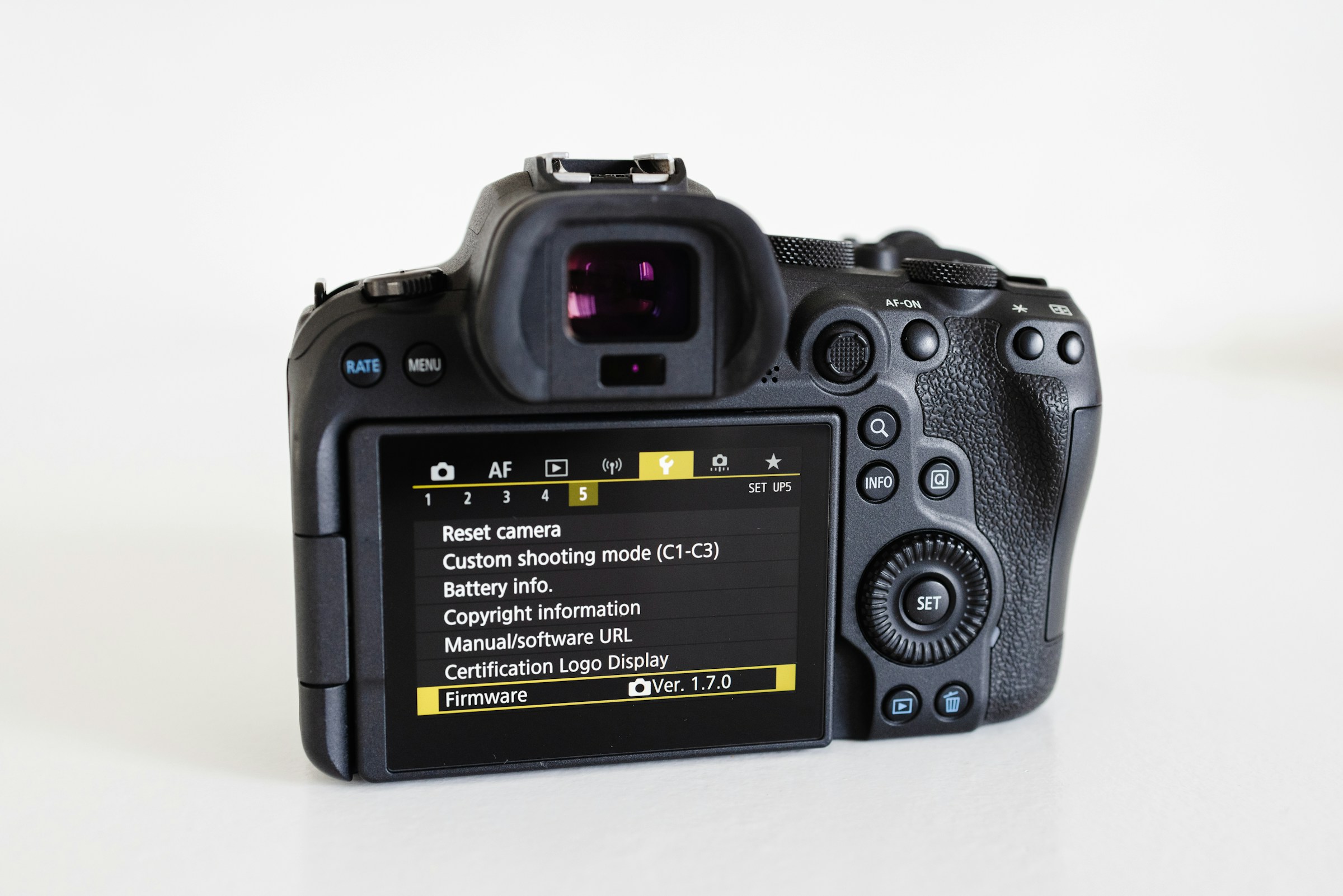
Set both cameras to the same date and time, so that your files sort cleanly later. Match the white balance and the file format, or you will spend time fixing differences in editing.
 Save
SaveHow does a harness work at events?
At weddings and conferences, you move through crowds and tight spaces. A harness may help in a few ways.
- You can switch from a group shot to a candid quickly.
- The cameras can stay close to your body in busy rooms.
- You can hold a camera in one hand and use the other to guide a person or open a door.
Keep your elbows in when you walk through a crowd, and be careful when you turn, since two cameras make you wider.
How does it work for travel?
On a long walking day, spread weight can help. Depending on the style, a harness can also keep your gear in front of you in crowded markets and stations. Some people wear it under a light jacket to draw less attention, and a zipper bag can help in rain. Check that your harness works under that layer.
How do you maintain a harness?
- Check the plates and screws before each trip, as the maker advises.
- Look for fraying, cracked hardware or stretched stitching.
- Wipe it down after sweaty or salty days.
- Store it dry.
- Replace anything that looks worn, even if it has not failed yet.
What are the alternatives?
- A single sling. Good for one body and a quick lens swap.
- A neck strap. Fine for short outings.
- A hand strap. Light and simple, if you hold the camera most of the time.
- A holster or belt clip. Carries one camera at your side.
- A camera bag. Safer for storage, but slower to use.
 Save
SaveWhich lens combinations work well on two bodies?
The best pair depends on what you shoot. Here are common combinations, and the reason each one works.
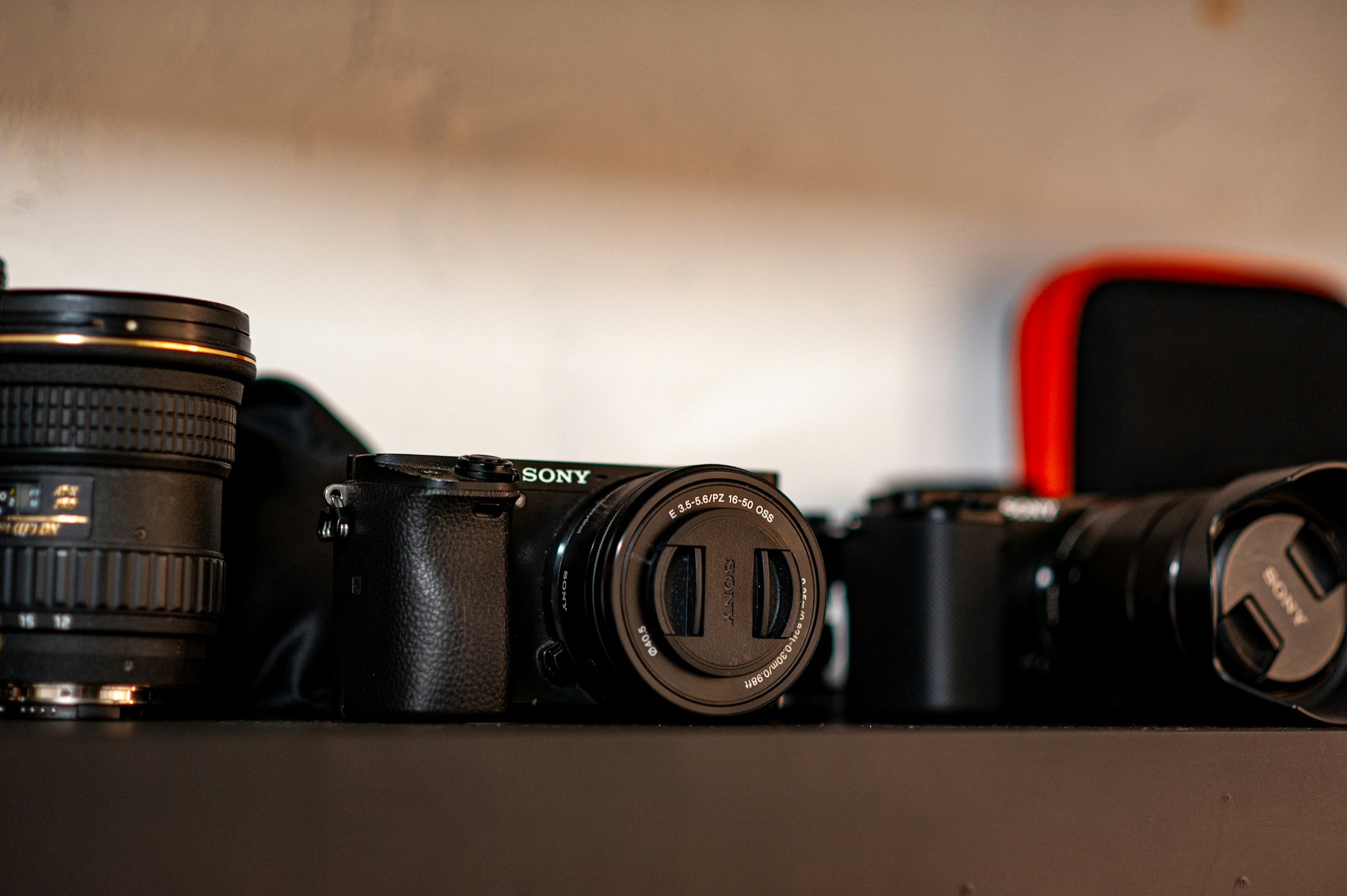
- Wide zoom and a mid-range zoom. Good for events and travel. One covers the room, and the other covers people.
- Standard zoom and a telephoto zoom. A classic for weddings, sports and wildlife. You are covered from close to far.
- Two primes. A pair of fast prime lenses gives you low light power and a lighter bag. It asks you to move your feet more.
- Wide prime and a long zoom. Good for street and documentary work, where you want one discreet camera and one for reach.
Whatever you choose, keep the heavier body on the side that feels more natural, and write down what works so you can repeat it.
How do you keep your gear safe?
Two cameras on your body are easy to see. Use common sense.
- Keep the cameras tucked at your sides in crowded places, and hold one with a hand when you can.
- Use a lock, a tether or both when you have a choice.
- Do not leave a camera hanging while you sit down. Take the harness off, or hold the gear.
- Be careful in rain, sand and sea spray. Cover the cameras, and wipe them dry afterward.
- Make a note of the serial numbers of your gear, and consider insurance.
What does a full day with a harness look like?
- Morning. Check the plates and screws, charge the batteries and confirm the files on each card are backed up before you format it in the camera, and have a backup plan. If your camera has two card slots, consider recording to both, or plan to offload during the day. Pick the roles for both bodies.
- Setup. Put the harness on, clip in the cameras and walk around. Adjust the straps following the maker’s guide and watch how the cameras move when you walk.
- Midday. Take a break, drink water and loosen the straps for a few minutes. Check the cameras for loose parts.
- Afternoon. Switch roles if the light changes. A telephoto may be less useful when the sun is low and a wide lens is more useful.
- Evening. Wipe down the gear, offload and back up your files to a second place before you wipe any card, and put the harness somewhere dry.
What should you check before you clip in?
Compatibility is where most problems start. A harness, a camera and a lens are three separate products, and the maker of each sets its own limits. Check these in the manuals before you rely on a setup:
- Rated weight. Find the load the harness maker rates for each side, then weigh your camera, lens, grip and any flash together.
- Strap mounts. See which connection the harness uses, such as strap lugs, a plate or a clip, and confirm your camera supports it.
- Tripod socket. If a plate screws into the socket, check that it fits your camera body and does not block the battery door or ports.
- Strap anchor points. Use only the anchor points the camera maker designs for straps.
- The manuals. Read the harness instructions and the camera manual together. Where they disagree, follow the maker and ask its support.
This guide does not recommend a specific model or quote a rated load. Take those numbers from the maker’s own page for the exact model you are considering.
What mistakes should you avoid?
- Ignoring the weight rating. A harness that fails can drop a camera, so check the rating.
- Skipping the test. Consider wearing it for a while with the real gear before an important day.
- Loose plates. Check and tighten them often.
- Swinging cameras. Adjust the straps, and if the harness offers a stabilizer, try it.
- Forgetting the second body. Plan roles for each camera.
- Too much gear. Two bodies and a bag of lenses can still be too heavy.
If you are still deciding which cameras to carry, see the camera buyer guide. When your files are ready for editing, you can use presets from the shop as a starting point.
Dual camera harness FAQ
What is a dual camera harness?
It is a harness worn on your torso that carries two cameras. Depending on the style (sling, vest, chest, holster or clip), they hang at your sides, chest or hips. It is designed to spread the weight across your shoulders and back, and the cameras hang ready to lift and shoot.
Is a dual camera harness worth it?
If you carry two bodies for hours, it may be. It can take load off your neck and keep both cameras close. If you only carry one body, a single strap or a sling may be enough.
Why not just use two neck straps?
Two neck straps can tangle and may pull on your neck. A harness is designed to spread the load and keep the cameras apart.
Can a harness carry heavy telephoto lenses?
Some can, but it depends on the harness and the lens. Check the harness maker’s rated load and approved mounting points, and your camera and lens manuals, before you hang a heavy telephoto from it. Do not attach a harness to a lens collar or tripod foot unless the maker says that mount is supported.
Do I need a safety strap or lock?
Look for a secure connection to the camera, and a lock or safety tether if you work in crowds. Test it with the real weight before you rely on it.
Are harnesses good for events and travel?
They can be. You can switch between a wide and a long lens quickly, and keep your hands free. In busy places, stay aware of your gear.
How do I stop cameras from swinging?
Follow the maker’s fit guide, snug the straps within what the harness allows, and use a stabilizing strap if the harness has one. How much a camera moves depends on the model and your build, so test it by walking.
How do I choose a size?
Check the sizing guide from the maker. Wear your usual jacket or bag when you test it, and check that the straps adjust enough for layers.
How much should you spend?
Harnesses range from budget straps to premium systems. Spending more may make sense when you carry heavy gear, work long days or depend on the cameras for income. A harness that fails can cost you a camera, so check the rated load whatever the price. If you are just starting, borrow one or try one in a store, and check the return policy so you can send it back if it does not fit. Read user reviews that mention long days and heavy gear, since those are the tests that matter.
Carry smarter, shoot more
A dual camera harness is simple gear that can pay off on long days. Check the weight rating, test the fit with real gear and set a clear role for each body. Do that, and you give yourself a better chance of carrying two cameras comfortably and shooting with more focus.


