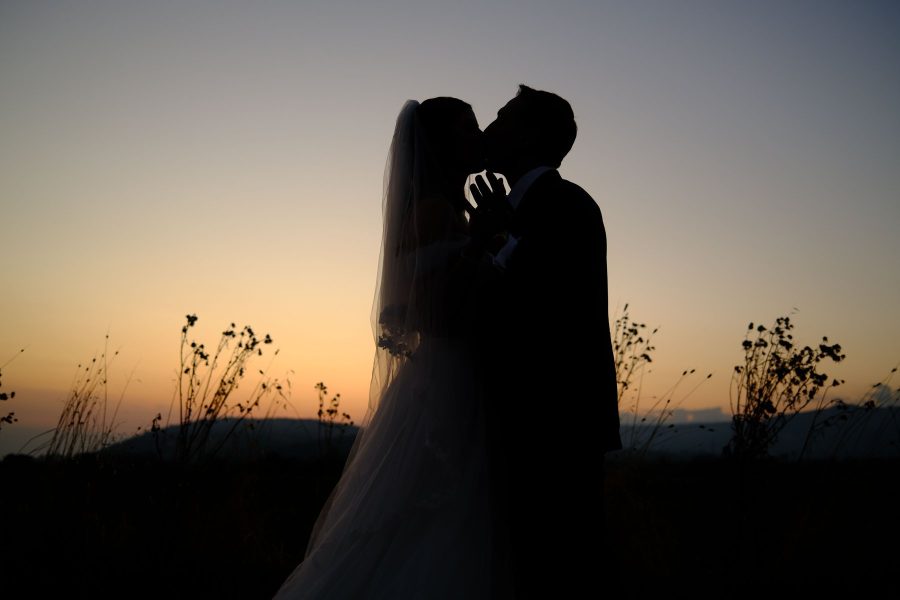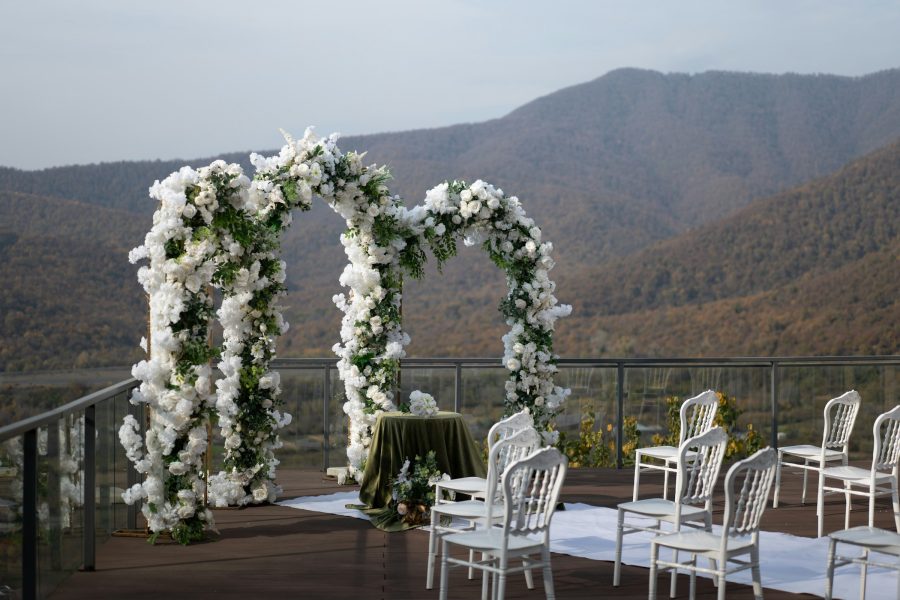
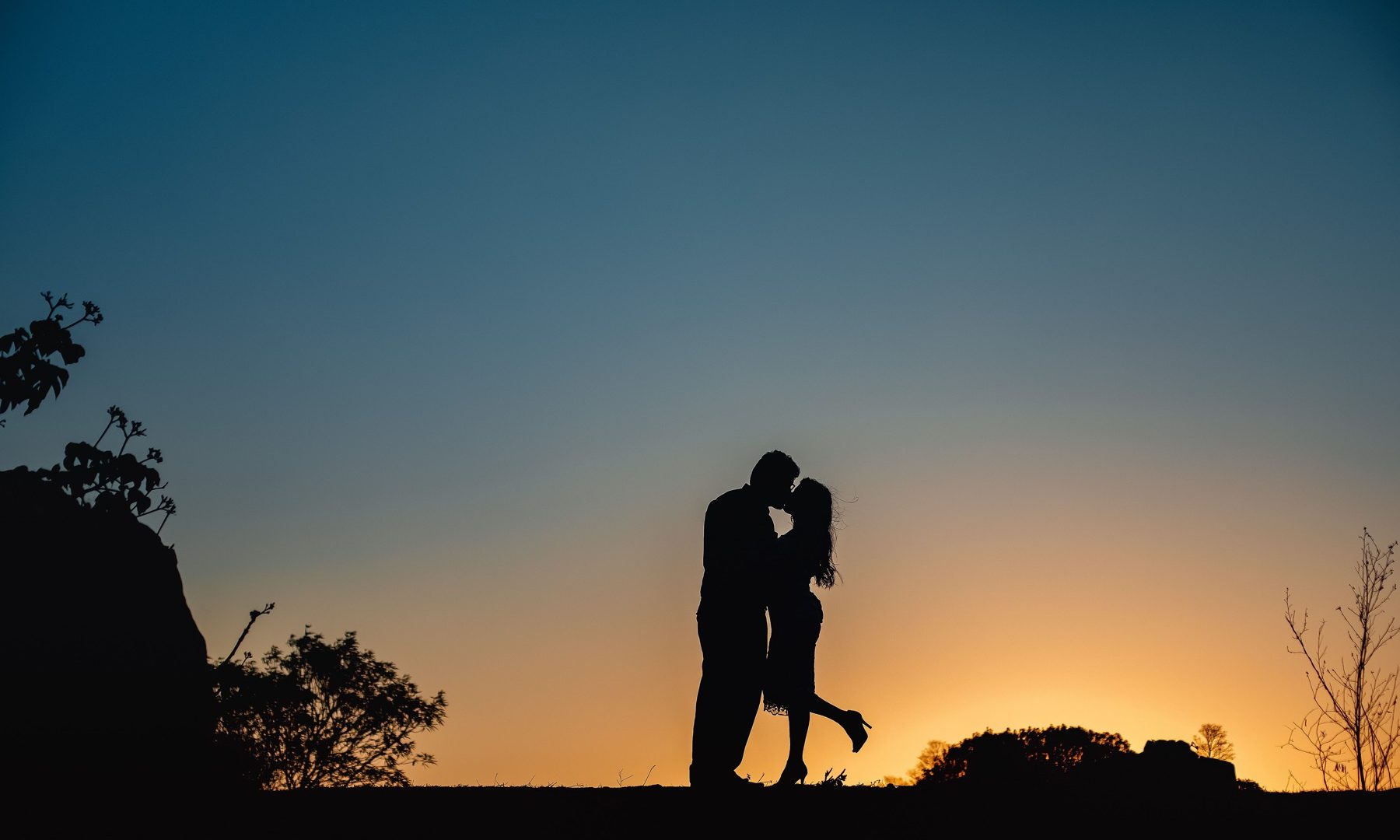
Photo by Erika Quirino via Pexels: https://www.pexels.com/photo/6410240/ – Pexels License (https://www.pexels.com/license/). (Stock photo, illustrative.)
Original date December 27, 2023. Updated November 2026.
Artistic vision sounds abstract until you break it into the choices a photographer actually makes: where to stand, which light to use, what to leave out of the frame, and which moments matter most to the two people in front of the camera. This guide treats vision as a set of repeatable decisions you can practice before the wedding day, align with your couple, and defend when the timeline slips or the weather turns. It covers how to build that shared vision with a couple, how engagement and wedding coverage differ in practice, how to work with the light you get, how to direct people without stiff posing, and how to deliver a gallery that holds together.
Start With the Couple, Not the Shot List
Start the engagement or wedding plan with a conversation before choosing the camera setup. Before the session or the wedding, sit down with the couple and ask what they care about. Some couples want the big family groupings done fast so they can get back to the party. Others care most about quiet portraits and would happily skip the cake shot. Neither answer is wrong, but you cannot know which couple you have until you ask.
A practical way to align on style is to ask the couple for a small set of reference frames, ten to twenty images they love, and then talk through why each one works for them. The reasons matter more than the images. “We like how relaxed everyone looks” is a reason to discuss candid coverage and comfortable direction, not an automatic lens choice. “We like the dramatic sky ones” is a reason to discuss portrait timing, weather and lighting options. Write the reasons down and treat them as your brief.
Then build the logistics around that brief. Confirm the must-have family combinations in advance, with names, so nobody is improvising a list on the day. Walk the timeline with the couple or the planner and mark where portraits, details, and travel fit. Agree on how much time is genuinely available for couple portraits and identify a shorter fallback if travel, weather or another part of the day changes that window. When the plan is shared and written, your creative choices on the day are executing a vision instead of guessing at one.
Engagement Sessions: A Working Rehearsal
An engagement session can be a useful rehearsal because it separates portrait practice from the ceremony and reception. It still has limits: access hours, weather, travel and the couple’s energy can all matter. Use it to learn how people respond to direction and what they want to avoid. It is an option, not a prerequisite for good wedding coverage or a promise that everyone will feel comfortable immediately.
Use the session to calibrate, not just to produce images. Try two or three kinds of direction: simple prompts (“walk toward me and talk about your first apartment”), gentle adjustments (“turn your shoulders toward the light”), and quiet observation while they interact. Note what gets natural reactions and what gets stiff ones, and carry that into the wedding. If you are the couple, treat the session as your chance to say what felt awkward while the stakes are low.
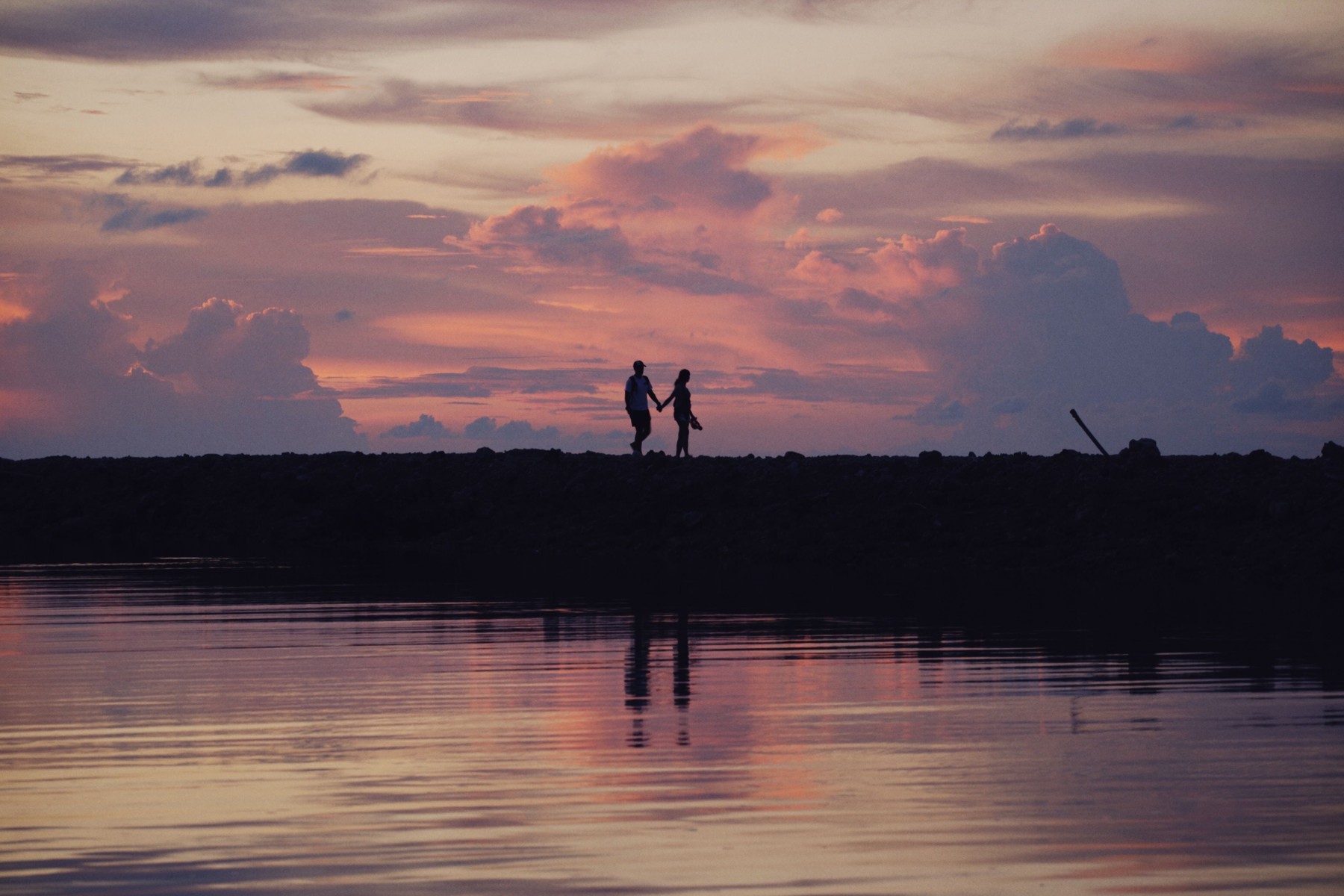
Light is the other reason engagement sessions earn their keep. Scout the direction of the light and the actual sunset time for the date and place. Low evening light can support warm backlit portraits, but the horizon, buildings and cloud cover affect the result. Overcast skies often soften shadows. A meaningful location and a simpler location with easier light are both valid choices; talk through access, comfort and the pictures each can support. For more on freezing motion and managing exposure in changing light, see our guide to shutter speed.
 Save
Wedding Day Light: Work With What You Get
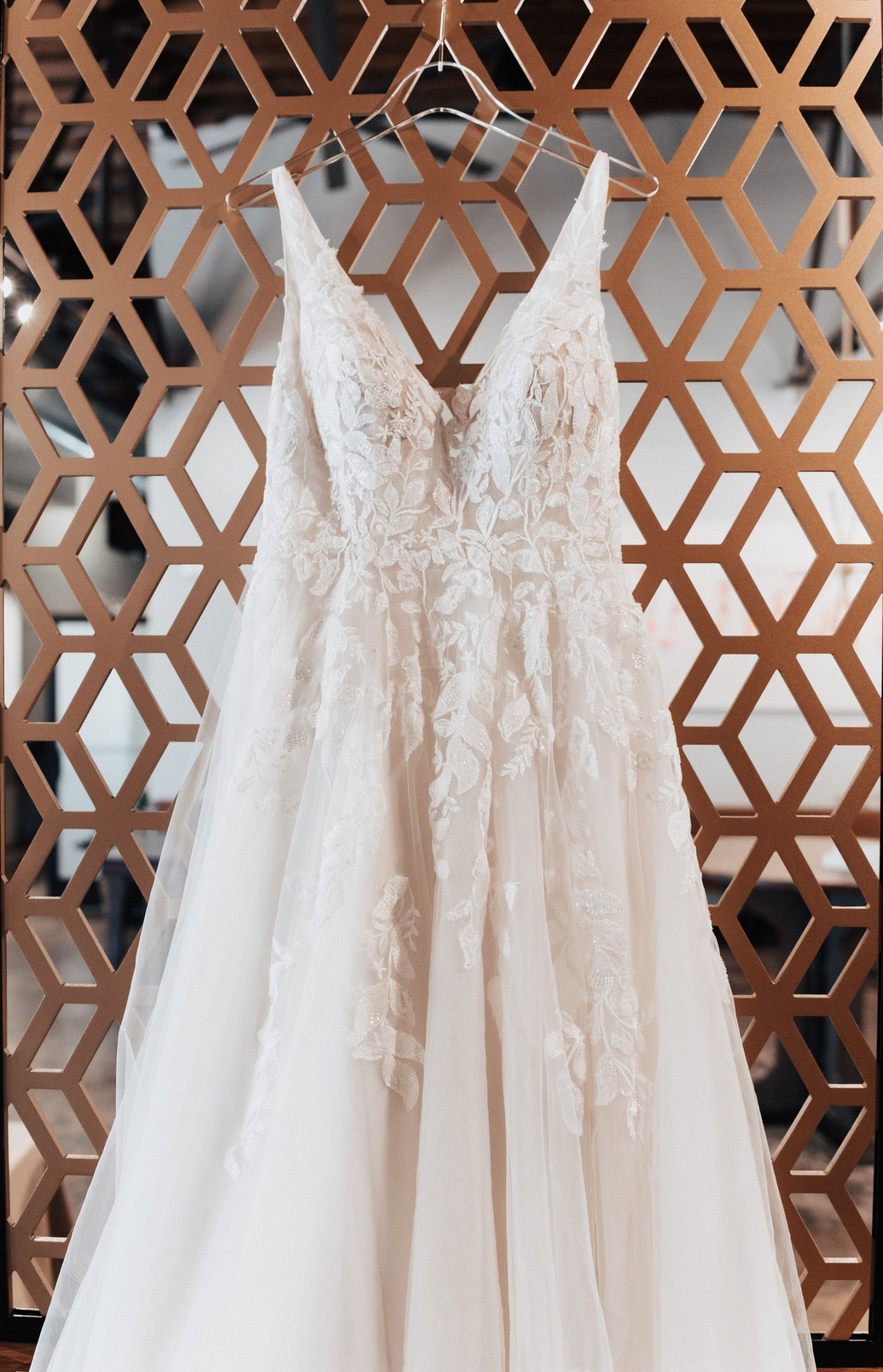
Read the light in each space rather than forcing one recipe through the whole day. During getting-ready coverage, a window is one option: check the direction, contrast and background before asking anyone to move. If indoor lamps create mixed color, ask whether they can be switched off without disrupting preparation. Keep clothing and personal items safe, get permission before moving them, and do not publish readable private notes or addresses.
Ceremonies set their own rules. Many venues restrict flash or movement, so arrive knowing your low-light settings before the processional starts. A fast lens and a shutter speed that still freezes a walking pace, with Auto ISO carrying the rest, is a common working setup. For an outdoor midday ceremony, evaluate the direction of the sun and check a test exposure. Protect important highlights where possible, but remember that you cannot move the ceremony or block guests to get a preferred angle. Agree on any permitted lighting and positions before it begins.
Receptions flip the problem. The room is dark, the moments are fast, and ambient light is often colored. A compatible on-camera flash bounced off a nearby neutral ceiling or wall is one option. A high, dark or strongly colored surface changes that calculation. Nikon’s flash introduction explains how bounce direction and distance affect the light. Off-camera lighting needs venue permission, safe placement and a plan that does not obstruct guests. Test beforehand and adapt to the room instead of promising identical light throughout.
 Save
Directing People Without Posing Them Into Statues
If a held pose feels awkward, try an action the people are comfortable doing rather than asking them to perform an expression. Walking, whispering, fixing a boutonniere, adjusting a veil: small actions produce real posture and real expressions, and your job shifts to timing and framing rather than sculpture.
A few habits make direction land better. Demonstrate what you mean instead of describing it in abstract terms. Give one instruction at a time. Keep the couple talking to each other, not to you, once they are in position. Keep watching after a prompt instead of assuming the first frame is the only useful one. Ask before suggesting intimate gestures, and let people decline a prompt without having to explain why.
Family formals deserve their own discipline because they run on list and speed, not mood. Build an order that suits mobility needs, children and who must leave early, rather than assuming largest-to-smallest always works. Ask a designated helper to find people, use clear names and check the frames for closed eyes. Estimate time from the actual list and leave room to gather people. A long list may need a separate window or a smaller agreed priority set.
 Save
Details and the In-Between Frames
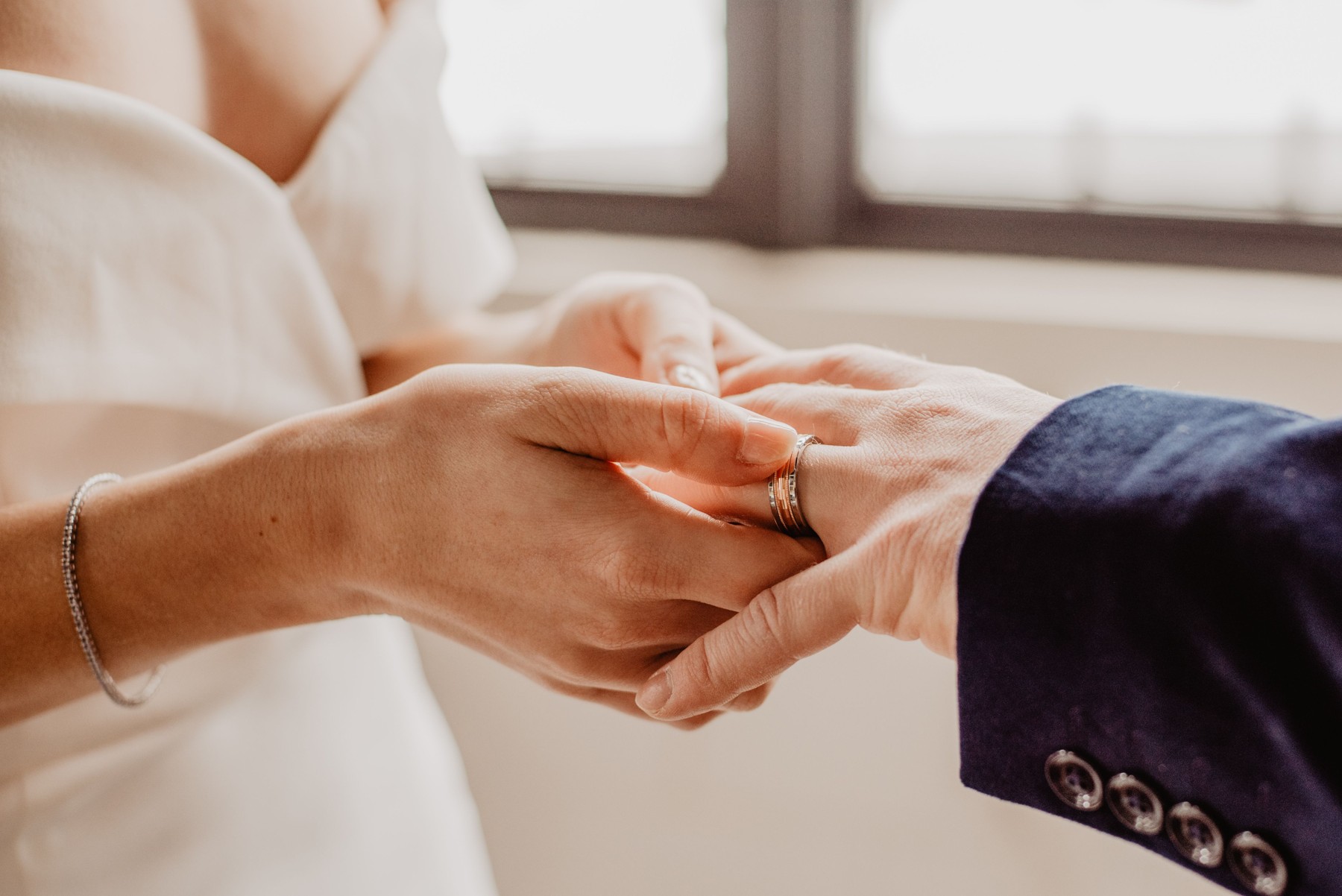
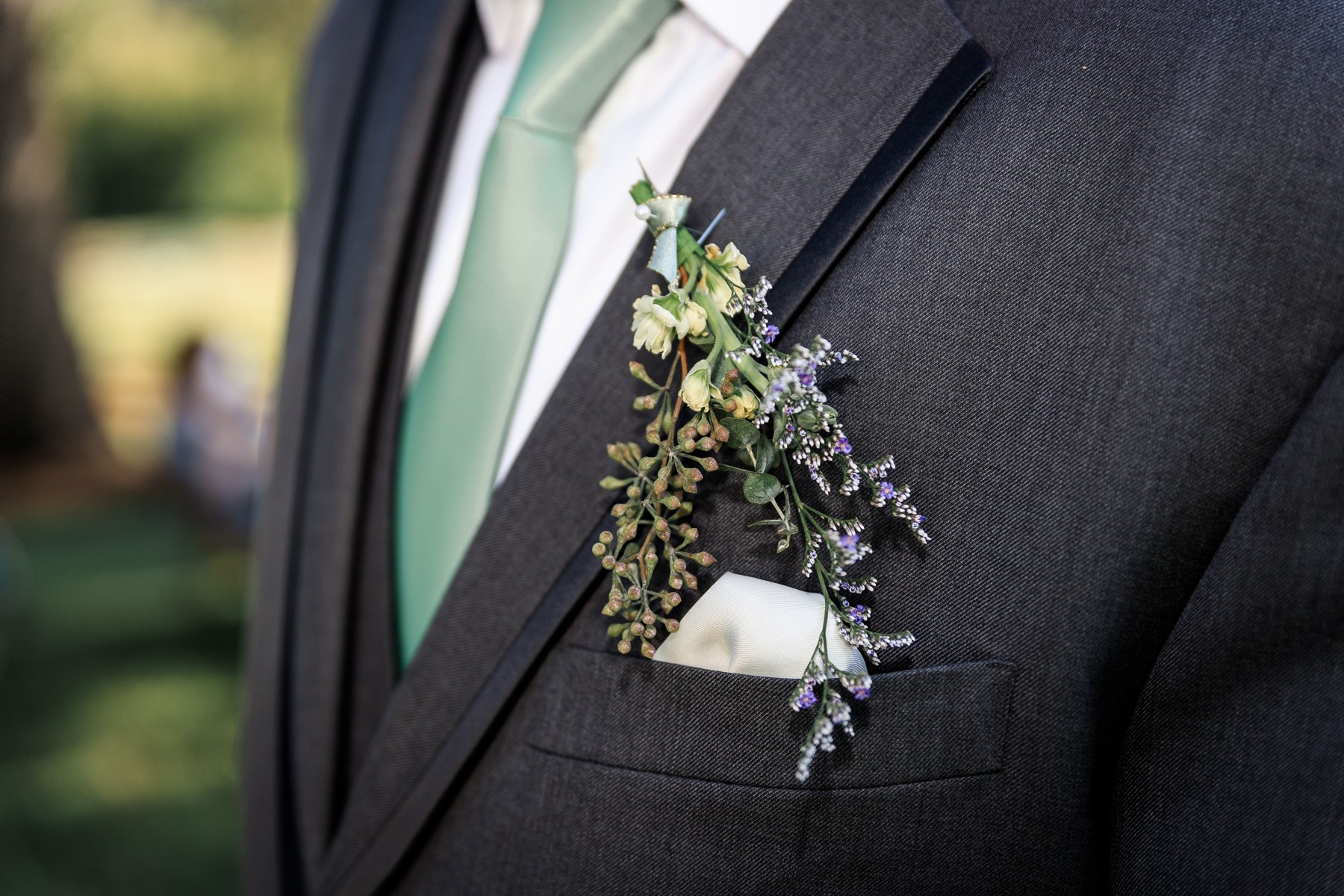
The frames between the big moments are where a gallery gains texture. Details carry the day’s design choices: the dress hanging before it is worn, the rings, the boutonniere, the table settings, the handwritten notes. Photograph them early, while they are untouched, and use the same light logic as everything else: window light first, consistent treatment throughout. Choose a short priority list with the couple and give it a real place in the timeline. There is no universal number of minutes that covers every set of details. If preparation is running late, protect the people and events the couple ranked first.
Just as valuable are the unscripted in-between moments: a parent watching from the doorway, the flower girl asleep on a chair, friends laughing during the gap between courses. These may or may not appear on the couple’s list. Treat them as opportunities to notice relationships, not a requirement to photograph everyone in a vulnerable or private moment. Leave space in your coverage to notice them, which is easier when the planned shots are already under control.
 Save
From Cards to Gallery: A Delivery Workflow
Start post-production with file safety. Keep the original cards intact until the copied files and independent backups have been checked. A 3-2-1 plan uses three copies, two storage types and one off-site copy; photographer Simon Wiffen explains the approach in his backup workflow. Keep RAW files, edits and catalog information covered by the plan. Two card slots, configured for simultaneous backup rather than overflow where supported, reduce one kind of risk; they do not replace separate backups. Agree on an archive policy instead of deleting everything when the gallery is delivered.
Cull with the final gallery in mind. A wedding shoot can produce thousands of frames, and couples are better served by a tight set where every image earns its place than by a dump of near-duplicates. Edit for consistency across the whole day: getting-ready, ceremony, and reception should feel like chapters of one story, which usually means one primary preset or style applied with local adjustments, not a different look per section. If you use Lightroom presets as a starting point, inspect white balance, skin tones, exposure and local adjustments on every part of the day rather than expecting one click to finish the gallery.
Delivery formats are worth a real conversation. Agree on the actual delivery: file sizes, download access, print rights, gallery expiry and any album or slideshow. License music if a slideshow includes it. Keep a personal backup of delivered files rather than assuming an online gallery will remain available indefinitely. If you are the couple, ask to see a full delivered gallery, not just a portfolio, before you book: it shows how a photographer handles an entire day, including the hard light. Couples planning to photograph their own wedding can find the capture side of this workflow in our DIY wedding photography guide, and our wedding photography insurance guide covers a different preparation task: checking policy wording and venue requirements.
For another practical planning reference, Adobe’s wedding photography guide discusses timelines, first looks and working in changing light. Use those ideas to ask better questions, not to turn someone else’s preferred setup into a rule for every wedding.
Want to go further? The ShutYourAperture Academy’s The Wedding Day (7 modules, 28+ lessons) covers the wedding-day process. Review its module descriptions to decide whether it fits the skills you want to practice.
What does “artistic vision” mean in wedding photography?
It is the set of repeatable choices behind a photographer’s work: which light to seek, how to compose, what to prioritize in a moment, and how to edit for consistency. It is not a fixed style filter. The practical version is a brief you build with the couple from their references and priorities, then execute through light, timing, and direction on the day.
Is an engagement session worth doing?
It can be useful if you want to practice direction, test a location or learn what feels comfortable before the wedding. It is optional. Weigh the cost, travel and time against what you want to learn, and tell the photographer about any access or comfort needs. A separate session does not guarantee a particular wedding-day result.
How do we tell our photographer what we like?
Share a small set of reference images, ten to twenty, and explain what you like about each one in plain words: relaxed people, dramatic skies, documentary candids, formal portraits. The reasons become the brief. Pair that with a written must-have list of people and moments, and walk the timeline together so portrait time is protected.
What happens if the weather or light is bad on the wedding day?
Experienced photographers plan for it. Overcast skies give soft, even light that is easy to work in. Rain moves portraits to covered spots, window light, or indoor spaces with character. Harsh midday sun pushes portraits into open shade. Ask your photographer how they handle each case, and build a little timeline slack so a weather delay does not erase portrait time entirely.
How long does it take to receive wedding photos?
Ask the photographer for the written delivery window before booking. Confirm whether previews and the full gallery have different dates, what files are included and how delays will be handled. There is no promised turnaround in this guide. Download and back up the finished files within the agreed gallery-access period.
Should we do a first look before the ceremony?
A first look can move some portraits before the ceremony if the timeline and people involved allow it. It does not automatically leave the cocktail hour free. Skipping it moves those portraits elsewhere in the plan. Compare both schedules, include travel and family availability, and choose the version that fits your priorities rather than treating either as required.
Carry the camera between engagement and wedding photographs
A black Peak Design Slide Lite camera strap, model SLL-BK-3, is one carry option between engagement and wedding photographs. Check the camera attachment points and full camera-and-lens weight before buying. Follow the attachment instructions and inspect the anchors. Carry gear does not create artistic vision or replace communication with the people in the photograph. Compare the current retailer specifications; no hands-on test, price or stock promise is being made here.
Affiliate disclosure: We may earn a commission from qualifying purchases through these gear links at no extra cost to you.
Check Peak Design Slide Lite Camera Strap Black SLL-BK-3 at B&H