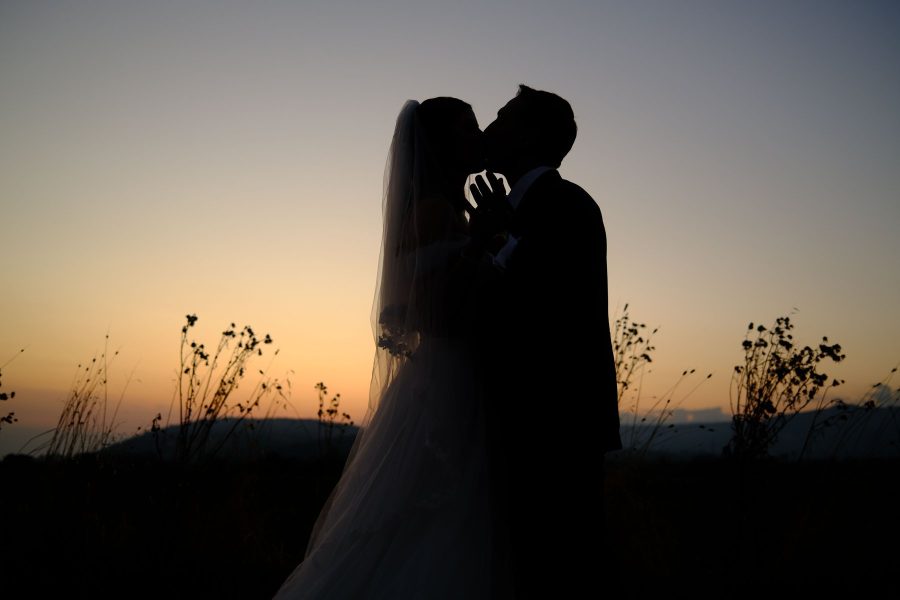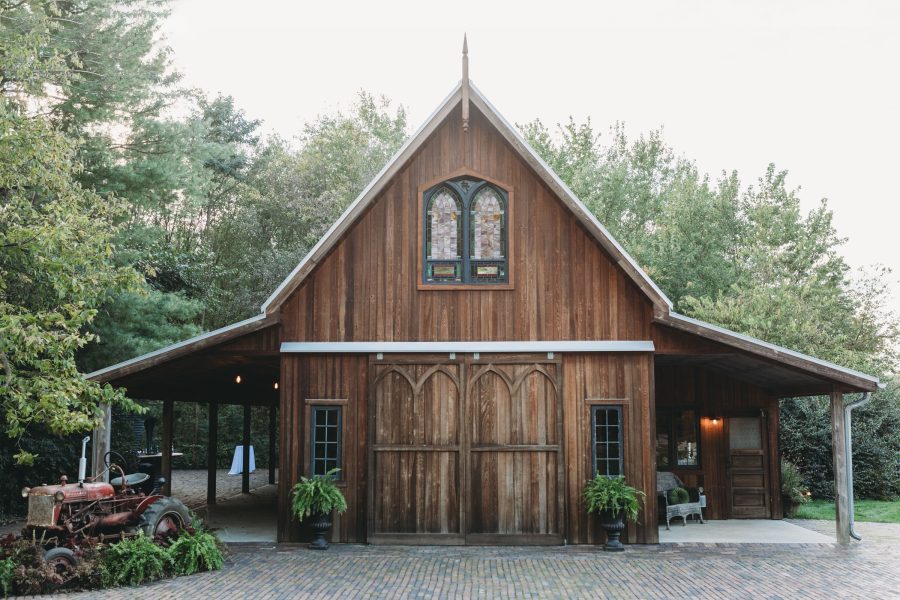
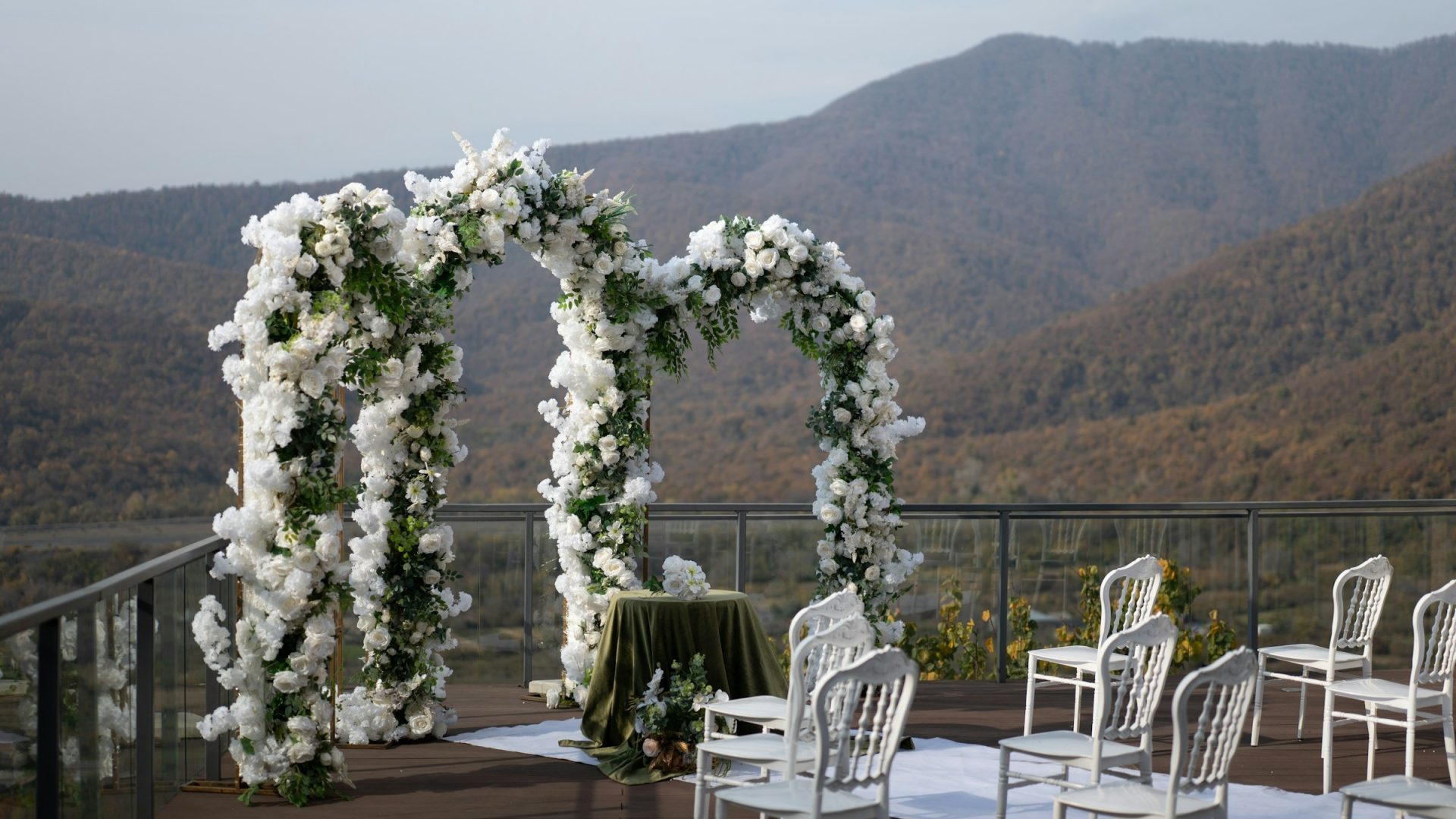
Outdoor ceremony decor is shown as a stock illustration, not work from the author’s wedding portfolio. Photo by Giorgi Khatchapuridze via Unsplash: https://unsplash.com/photos/outdoor-wedding-ceremony-setup-with-floral-arch-and-mountain-backdrop-D6ZzpJZgkBs – Unsplash License (https://unsplash.com/license). (Stock photo, illustrative.)
Fine art wedding photography has no single fixed look. Some photographers use the label for light, airy images; others use it for a darker or more editorial approach. In practice it comes down to something simpler and harder: deciding on a look before the wedding day starts, and then holding that look through every part of it, from the dress hanging in the window to the last dance in the dark. The galleries that feel like fine art are the ones where the light, the composition, the color and the final selection all agree with each other. This guide is about how that consistency actually happens, and how you build it with the couple instead of hoping it shows up on the day.
Fine art is a consistent style, not a filter
The biggest misunderstanding about fine art wedding photography is that it is a look you apply after the fact. A preset alone cannot make mixed tungsten light, direct sun and a flash-lit reception look identical. Those conditions call for different exposure and color decisions, even when the finished gallery has a shared style. Fine art coverage starts much earlier, with a set of choices the photographer commits to: what kind of light they will look for, how they will compose, what color treatment the whole gallery will get, and which photographs earn a place in the final set.
None of those choices has to be light and airy. A dark, moody gallery with deep shadows can be just as much fine art work as a bright pastel one, and so can clean, true-to-life color. A deliberate palette is one useful way to build a consistent gallery, whether or not a photographer uses the fine art label. Look for a shared approach across a full wedding, rather than assuming a preset or style name guarantees it.
That is also the honest test for couples shopping for this style. A highlights portfolio can show strong frames pulled from many weddings. Fine art consistency shows up in a full gallery, where the getting ready room had one small window, the ceremony moved indoors, and the dance floor lighting was whatever the DJ brought. Those photographs show how the photographer adapts the style when conditions change.
The three pillars: light, composition, color
Consistency sounds abstract until you break it into the three decisions a photographer makes on every frame. The first is light. Soft, directional light is one option for a fine art approach: window light for getting ready and details, open shade or low sun for portraits, controlled flash or available room light at the reception. You cannot always get the light you want at a wedding. When ceremony rules, accessibility and the couple’s comfort allow, changing position can help. Turning a couple ninety degrees so the sun becomes a rim light instead of a face full of squint is a small decision that keeps a gallery consistent.
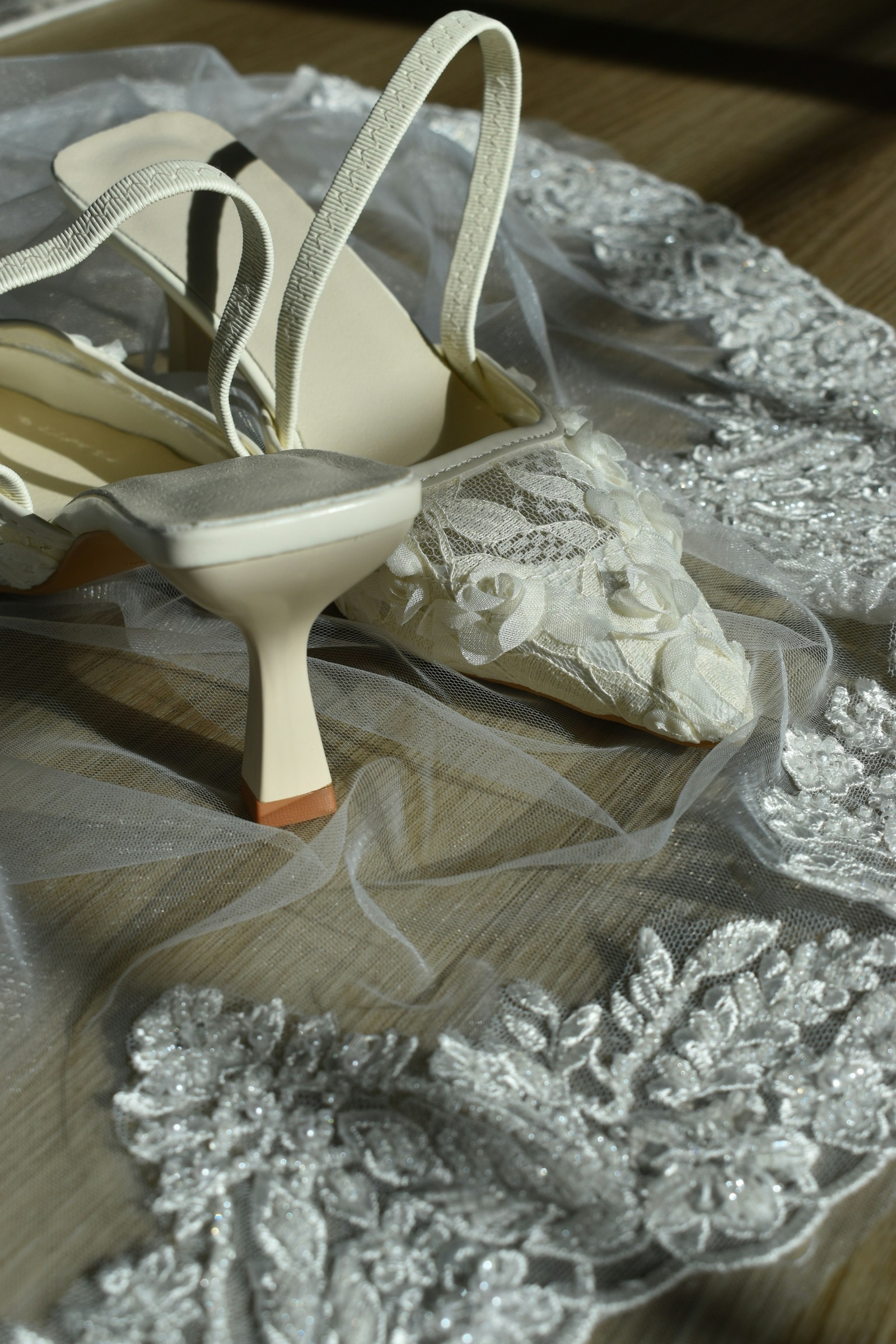
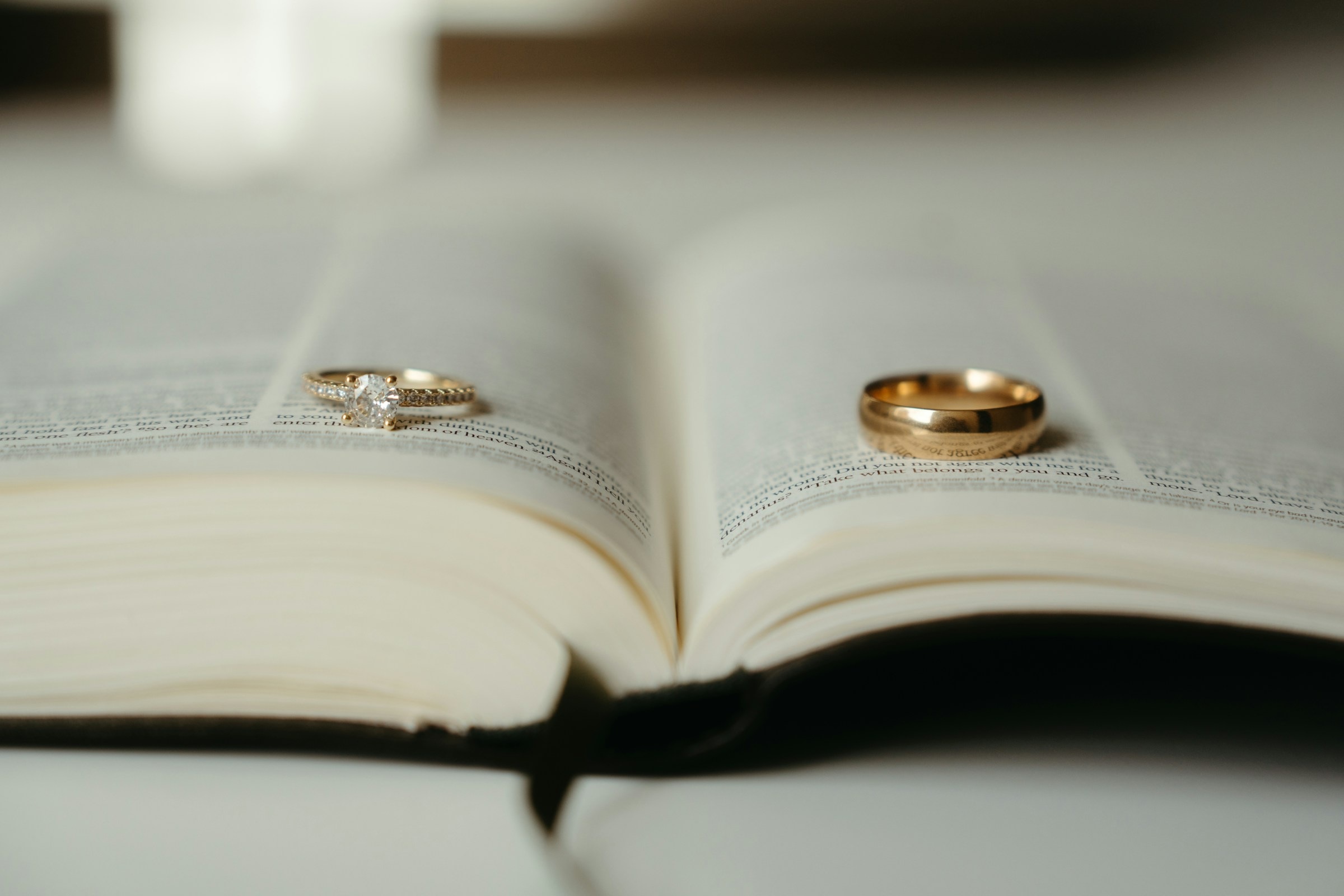
The second decision is composition. Fine art coverage can include both planned compositions and unposed moments. That means clean backgrounds, deliberate negative space, layers when the scene allows them, and a willingness to try another position when access allows. It also means giving details real attention. The invitation suite, the rings, the shoes, the flowers are not filler between the big moments; photographed with the same care as a portrait, they carry the couple’s aesthetic choices through the gallery. Ask the couple which details they want in their album or prints.
The third decision is color. A shared approach to white balance, skin tones, greens and contrast can connect images across a gallery. Mixed color temperatures need care: tungsten room lights and window daylight can put different color casts on the same subject. Where venue rules and comfort allow, simplify the light or change position; otherwise plan local corrections rather than forcing a single white balance onto every area. The specific color grade is a matter of taste. The discipline of applying it evenly is not.
 Save
Build the style with the couple, not around them
Here is the part that gets skipped in most fine art discussions: the look of the gallery belongs to the couple as much as to the photographer. A signature style without a discussion of preferences risks missing what matters to the couple. The fine art approach works best when it starts from what the couple actually wants, and there are a few practical tools for getting there.
A short questionnaire can make the planning conversation more useful. Ask what they want the images to feel like, which weddings they have seen and loved, what they care about most on the day, and just as importantly, what they do not want. Some couples want to disappear into their party and be photographed like guests; others are happy to be directed for twenty minutes if it gets them frames they will frame. You cannot know which couple you have until you ask.
A mood board turns vague preferences into something you can plan around. Fifteen or twenty images the couple loves will show you their taste faster than any adjective: whether they lean bright or dark, posed or candid, classic or editorial. Look for patterns across their picks rather than promising to recreate any single image, then discuss what fits the venue and schedule. If many saved images are backlit in low sun, discuss whether that light is practical at the venue and time of year.
Finally, scout the venue when you can, or study it carefully when you cannot. Where does the light fall at ceremony time? Which walls are clean backgrounds? Is there a quiet corner with a good window for details? A venue walk-through, even a quick one, turns the style conversation from theory into a plan: this window for the dress, this wall for family formals, this path at sunset for the two of them. Share that plan with the couple and check that it fits how they want to spend the day.
Techniques that hold the style through the day
Once the plan exists, the craft is in repeating it under pressure. A few working habits do most of the heavy lifting. Shoot wide open when you want subject separation, and know why you are doing it: a shallow depth of field turns a busy reception background into soft color, which keeps frames from different rooms feeling related. But wide apertures are a choice, not a religion. Group formals and scene-setting frames often want more depth, and stopping down for them is not a betrayal of the style if the light and color treatment stay consistent.
Give the details their own time. Rushing ring and invitation shots between other tasks is how they end up looking like afterthoughts, and afterthoughts break a gallery. Agree on a realistic detail window in the schedule. Similar light direction and a consistent editing approach can connect details to the rest of the gallery; no fixed number of minutes works for every wedding. The same goes for framing devices during the day: doorways, arches, foliage, reflections. Used sparingly and consistently, they become part of the visual signature rather than a gimmick.
Black and white deserves a special word because it is where consistency most often falls apart. A monochrome conversion can rescue a frame with ugly mixed light, and some moments genuinely sing without color, but a set with varied monochrome treatments can feel disconnected. If you convert, have a reason the viewer could almost articulate: the color added nothing, or the emotion carried the frame on its own. And keep the conversion treatment consistent too, because ten different black and white looks is not a look at all.
 Save
Gear that supports a consistent look
Equipment matters for fine art work, but not in the way gear forums suggest. You do not need the newest body; you need a practiced setup and a plan for failure. Two capable bodies matter more than one flagship, because a wedding gives you no pauses, and a failed camera mid-ceremony is harder to manage without a spare. Similar bodies can simplify controls and color matching, though different cameras can still be matched with care.
Fast prime lenses are the classic fine art choice, and for good reason: a 35mm and an 85mm are one example pair to adapt to the venue, sensor size and coverage plan with the shallow depth of field and low-light ability the style leans on. Zooms are not disqualified; a 24-70mm earns its place during fast-moving parts of the day, and plenty of excellent fine art work is shot on zooms. What matters is that you pick lenses whose rendering you know and like, and that you are not constantly fighting your own equipment when the light gets hard.
For reception light, whatever flash approach you choose, choose it deliberately. Direct on-camera flash can be a deliberate editorial choice. For a softer result, bounced flash or off-camera light may help when the room, permissions and schedule allow. Test the surface color and light direction rather than assuming bounce will always work. None of this requires a truck full of gear. It requires decisions made before the day and a kit small enough that you can move.
Editing and portfolio: keep the look honest
Post-processing is where the consistency you shot for either locks in or falls apart. The goal is one treatment across the whole gallery: the same white balance logic, the same contrast curve, the same handling of skin tones from the first frame to the last. Editing each image individually to its own local maximum is tempting, and it produces a gallery of strong singles that do not belong together. One workable approach is to edit in passes: apply a base treatment within each similar-light scene, then adjust individual frames. Compare neighboring photographs as a set, while preserving skin tones and important differences in the actual light.
Then comes selection, which is where the couple’s preferences should steer the final cut. A fine art gallery is not every good frame; it is the frames that tell the couple’s day in the style they chose. When narrowing a gallery, ask two questions: does the photograph fit the agreed style, and does it help tell the couple’s story? The venue, the dress, the flowers they spent a year choosing, the people they love, all weighted by what the couple said mattered. A technically perfect frame of something the couple barely noticed loses to a slightly imperfect frame of a moment they will talk about for years.
For your own portfolio, the same discipline applies with one honest caveat: show the look you actually deliver. A portfolio made only in styled shoots and ideal conditions does not show how you handle a dark barn or tungsten-lit ballroom. Label styled work clearly, obtain publication permission, and show enough real-wedding coverage for couples to judge the fit. Include frames from real weddings in real light, because the couples who book you from an honest portfolio are booking the work you can repeat.
 Save
 Save
Fine art wedding photography is not a genre you buy or a preset you install. It is a chain of decisions, light, composition, color, selection, made before the wedding and protected during it, always in conversation with the couple whose day it is. Those decisions can support both honest documentation and the couple’s preferred visual style.
Want to go further? The ShutYourAperture Academy’s The Wedding Day (7 modules, 28+ lessons) is built to help you capture love, story and chaos in a single day.
Frequently asked questions
What is fine art wedding photography, in plain terms?
It is wedding coverage where the photographer decides on a look before the day starts and holds that look from the first detail shot to the last dance. The look usually means controlled light, deliberate composition and a consistent color treatment, but the specific choices vary from photographer to photographer. What makes it fine art is not a preset or a genre label; it is that someone made intentional decisions and kept them consistent, so the gallery reads as one body of work instead of a pile of unrelated frames.
How is a fine art gallery different from a documentary gallery?
Documentary coverage generally prioritizes events as they unfold, while a fine art label often signals attention to a chosen visual style. Neither label rules out careful composition, controlled color or candid moments. A photographer may blend unposed coverage with directed portraits and details. Ask any photographer you are considering which parts of the day they direct and which they leave alone.
How do I make sure my wedding photos have a consistent style?
Share references with your photographer before the wedding, not after. Put together a small mood board, say fifteen to twenty images, and talk through what you like about each one: the light, the color, the mood. A photographer working in a fine art style will use that to plan the day around the light and locations that can deliver it. Consistency comes from that planning plus one editing treatment applied across the whole gallery, not from anything done on a single image.
Do fine art wedding photos always have to be light and airy?
No. Light and airy is one well known fine art look, but it is a style choice, not a definition. Fine art work can be dark and moody, warm and film-like, or clean and true to color. What matters is that the photographer has a consistent approach and can show you full galleries, not just highlights, so you can see that the look holds across a real wedding day with changing light.
Should we look at full galleries before booking a fine art photographer?
Yes, and this is one of the most useful things you can do. A portfolio shows the best frames from many weddings; a full gallery shows one whole wedding, including the getting ready room with bad window light and the reception after dark. Looking at two or three full galleries tells you whether the style you loved in the portfolio survives real conditions, and it shows you how the photographer handles the parts of the day nobody posts about.
Does fine art wedding photography take longer on the day?
Directed portraits and styled details need an agreed place in the schedule; the time depends on the group size, locations and approach. Talk with your photographer about how long they want for couple portraits and family groupings, and build that into the timeline with a little buffer. The planning conversation also works the other way: if you want to spend the cocktail hour with your guests, say so, and the photographer can compress the directed time and lean more on candid coverage.
Gear for backing up a one-day shoot
Affiliate disclosure: We may earn a commission from qualifying purchases through these gear links at no extra cost to you.
A wedding day produces originals you cannot reshoot, so plan the file handoff before the wedding. The Samsung 1TB T7 Shield Portable SSD is one storage option for wedding originals and delivery exports. Check the computer connection and capacity before buying. Open the copied files and maintain a separate checked backup. A drive does not replace a full backup plan, build a style with the couple or choose the final gallery. Compare the current retailer specifications; no hands-on test, price or stock promise is being made here.
Check Samsung 1TB T7 Shield Portable SSD (Black) MU-PE1T0S/AM at B&H