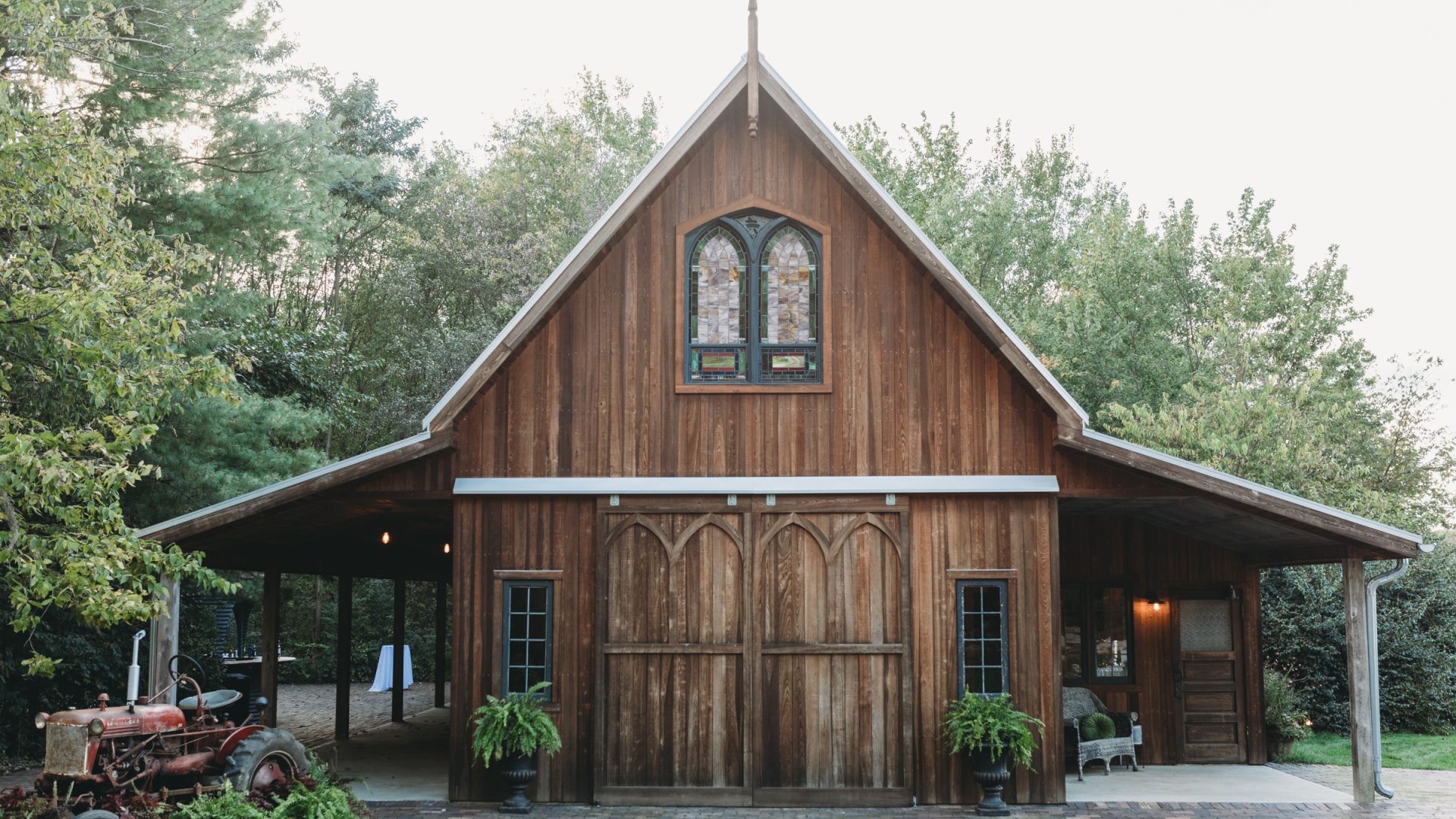
Photo by Steven Van Elk via Pexels: https://www.pexels.com/photo/the-grand-little-barn-at-artisan-acres-in-indiana-10172875/ – Pexels License (https://www.pexels.com/license/). (Stock photo, illustrative.)
Rustic wedding photography earns its charm honestly. The style works because barns, farms and open fields can give a wedding textured backgrounds, changing daylight and space for wide compositions. It is also a style with practical edges – mixed light inside dark wooden interiors, private land that needs permission, and old structures that demand respect. This guide covers what makes the rustic look work, how to read its light, the logistics that protect the day, the gear that earns its place, and the texture worth hunting for.
What actually makes a wedding photo rustic
Rustic is not a filter. A wedding reads as rustic on camera when the setting and the light do the work: weathered wood with visible grain, open sky, fields and tree lines, simple handmade decoration, and people allowed to be unposed inside it. Mason jars, burlap runners, and wooden signs are the familiar shorthand, but they are props, not the style. The style is the marriage of honest materials with natural light and candid coverage.
That distinction matters for planning. If the look you want lives in the setting, then the venue decision, the timeline, and the shot list all follow from it. Choose a place with genuine texture, schedule portraits around the light rather than the other way round, and tell your photographer which raw moments matter most – ask the couple what matters to them and use that conversation to adapt the shot list.
There is also an intent behind the style worth naming. Some couples want relaxed documentary coverage; others prefer directed portraits in a rustic setting. Ask rather than inferring their wishes from the venue. If that is the goal, say it explicitly when you brief your photographer – “we want the day documented, not directed” is a more useful sentence than any Pinterest board.
Reading rustic light
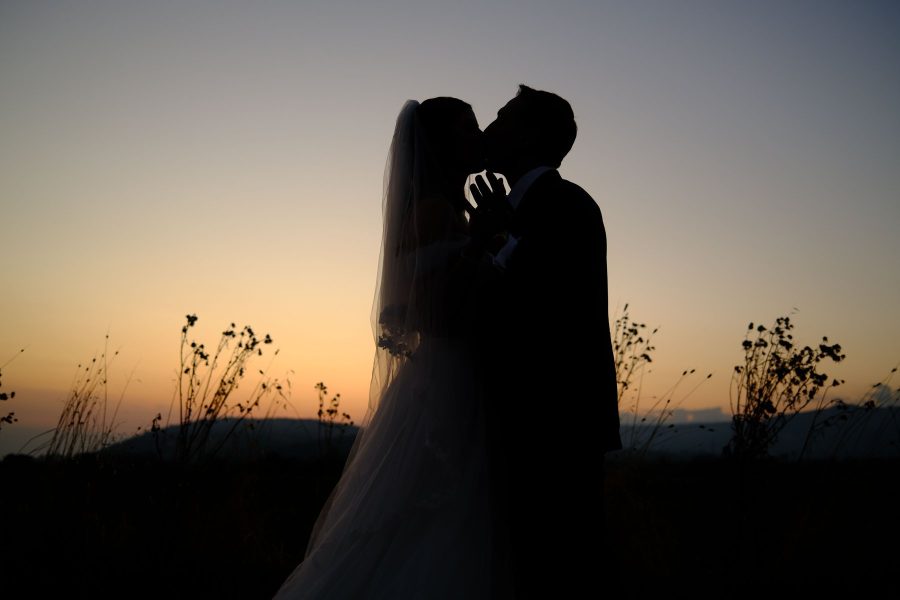
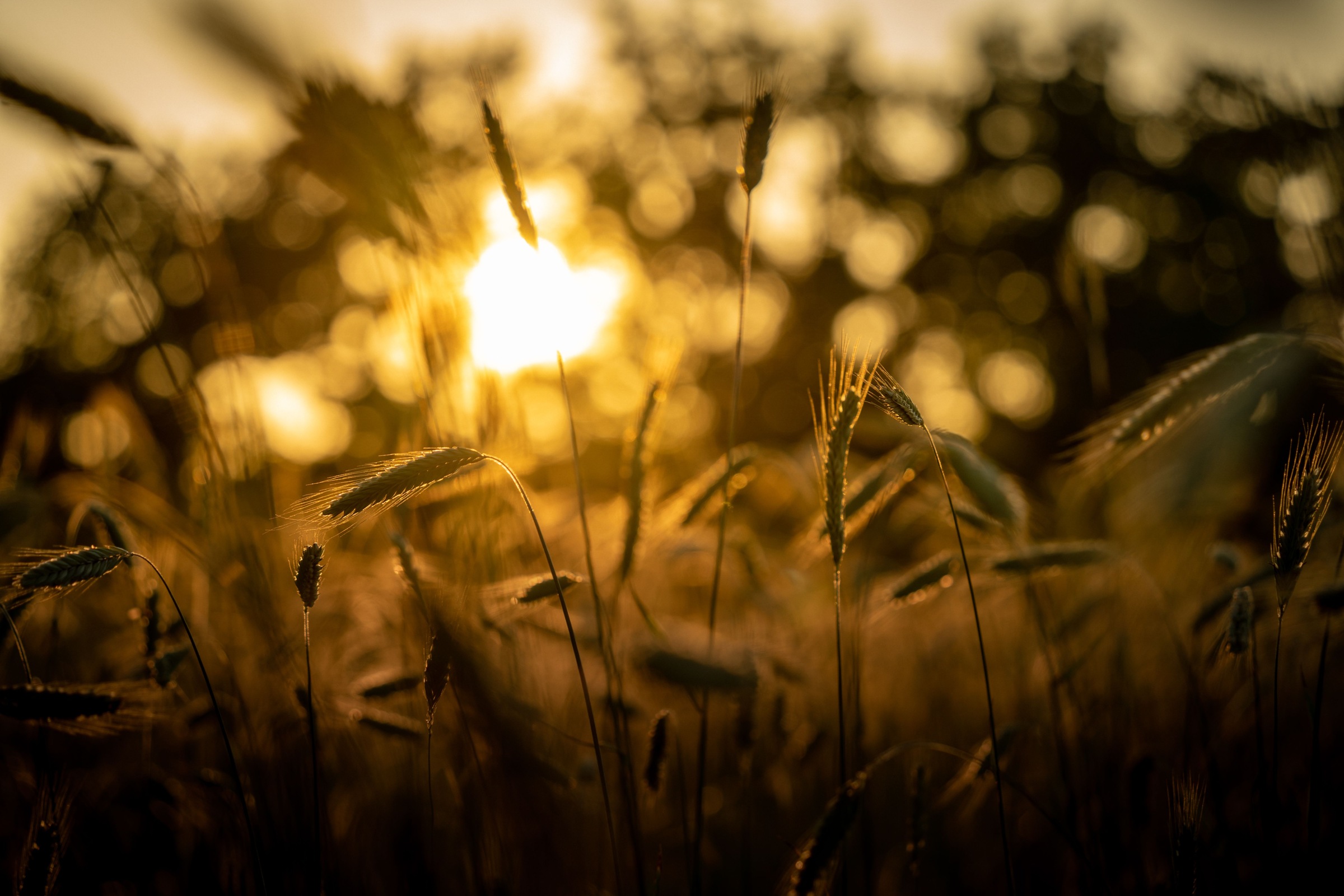
Low sun can give wood, fields and skin a warm tone. Golden hour is a rough planning term, not a guaranteed sixty-minute window: its duration and appearance depend on location, season, clouds and the horizon. For backlit portraits, check both face exposure and bright edges. A reflector or permitted fill flash can help when faces are too dark. Scout the sun direction for the wedding date and time instead of assuming sunset alone guarantees the look.
 Save
Overcast light can make portraits and details easier to expose. Cloud cover often softens shadows, though its direction and contrast still depend on the scene. Detail coverage – lace against burlap, rings on a fence post – often looks best on gray days for exactly this reason.
High midday sun is the difficult case, and rustic timelines run into it constantly. Start with position as well as exposure: move portraits to the shadow side of a barn or tree line, use a doorway as a natural softbox by standing just inside it, or save the open-field frames for later and shoot details in the shade while the light is harsh. One group-portrait rule of thumb from working practice – f/8 and open shade for even coverage of a whole party – applies here too, as one photographer’s example rather than law.
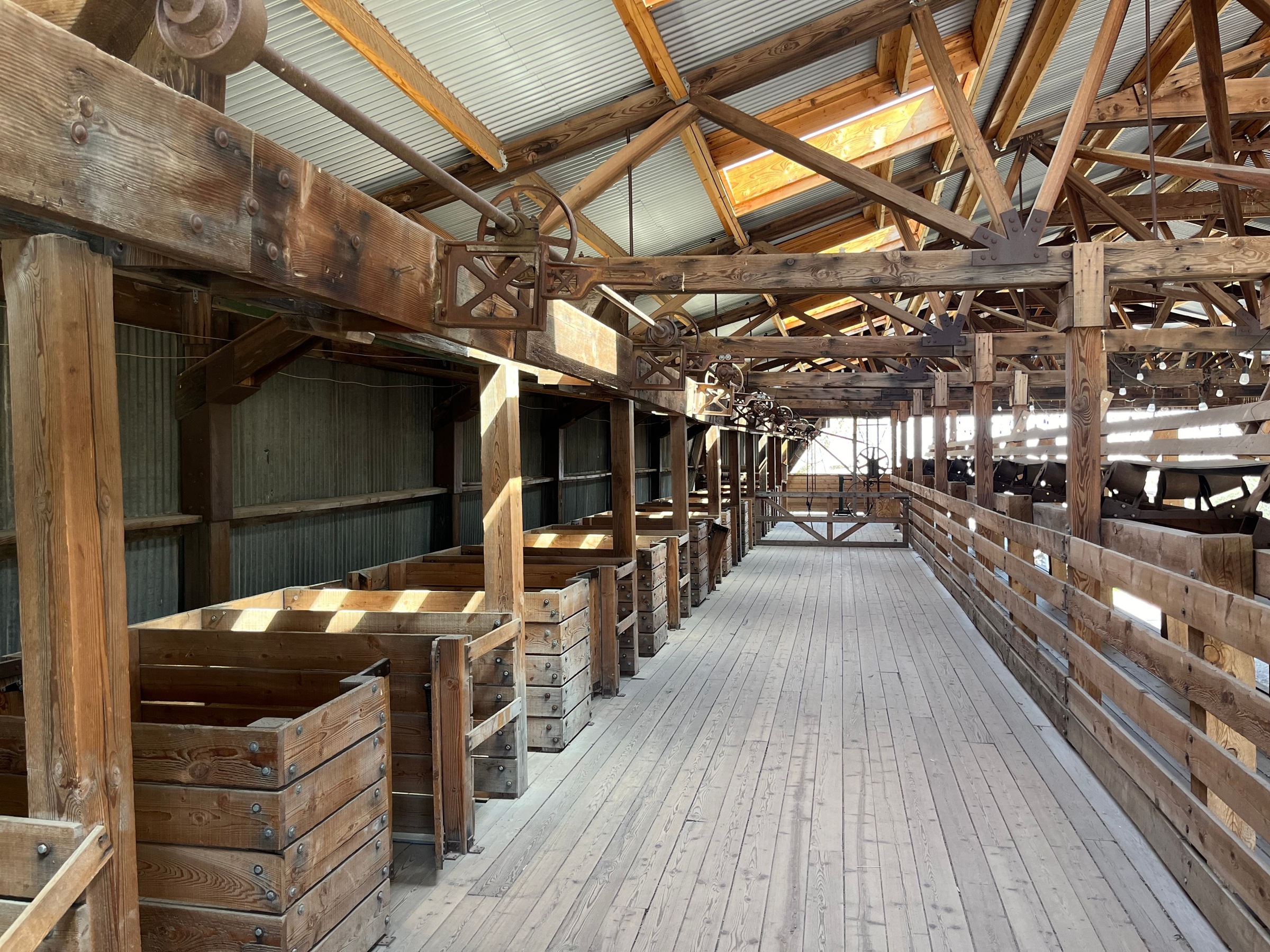
Barn interiors are the real test. A barn is a mixed-light room: bright rectangles of window or door light against deep shadow, often with warm string lights layered on top. Choose the important subject and check the available dynamic range. Window light may let you hold skin tones while allowing some background shadows to darken. If bright doors distract, change position, use a tighter composition or add permitted fill light rather than assuming every frame needs blown highlights. After sunset, string lights look magical to the eye but rarely provide enough working light alone; a bounced or off-camera flash may help. Check surface color, distance, venue rules and the balance with ambient light; dark wood may absorb or tint bounced light.
 Save
Logistics: access, permission, and safety
Rustic venues come with rustic realities, and the logistics are part of the photography. Start with access. Farms, orchards, and old barns are usually private property and often working businesses: get the owner’s explicit permission for every spot you plan to use, confirm where vehicles may park, and ask which areas are off-limits. If a venue has a preferred-vendor or insurance requirement for photographers, sort it weeks ahead, not on the morning of the wedding.
Then take the structure seriously. Do not assume that a barn is safe merely because it is used for weddings; a genuinely old or disused one may have rotten floorboards, exposed nails, weak ladders, and unstable lofts. Do not enter a structure without confirmed safe access, and never climb an unapproved ladder or loft for an angle, keep guests – especially children – out of unverified buildings, and photograph weathered exteriors from solid ground. The texture that makes the shot lives on the outside walls too. No frame on the day justifies an injury.
Finally, build the weather plan. Outdoor portions of a rustic venue may be exposed: wind takes veils and signage, rain turns field parking into mud, and summer sun bakes unshaded ceremonies. A workable plan names a covered portrait spot, a wet-weather ceremony alternative, and a timeline that keeps the golden-hour window flexible by fifteen minutes either way. Agree on priorities and contingencies before the day so a weather change does not leave the coverage plan unclear.
Scout like a local. Visit the venue at the same time of day as the ceremony and portraits, note where the sun will be, where the shade sits, and which angles keep tractors, bins, and parked cars out of frame. Ask the owner about the ground itself: soft fields after rain, electric fences around pasture, and lanes that flood. These are small questions in April that save the timeline in September.
Gear that earns its place
Rustic coverage rewards a short, deliberate kit. Weather sealing has limits and varies by camera and lens. Follow the equipment guidance, use suitable rain protection and avoid dusty or wet areas where possible. Fast lenses matter more than exotic ones: barns are dim, and a lens that gathers light well lets you stay with natural light longer. A reflector or small diffuser tames the hard midday sun when the schedule refuses to move. Bring spare charged batteries, tested memory cards and a secure way to separate used cards from unused ones. Card rotation can limit the files on one card, but adds handling and loss risks. Where supported, recording to two cards can add redundancy; neither method replaces checked backups.
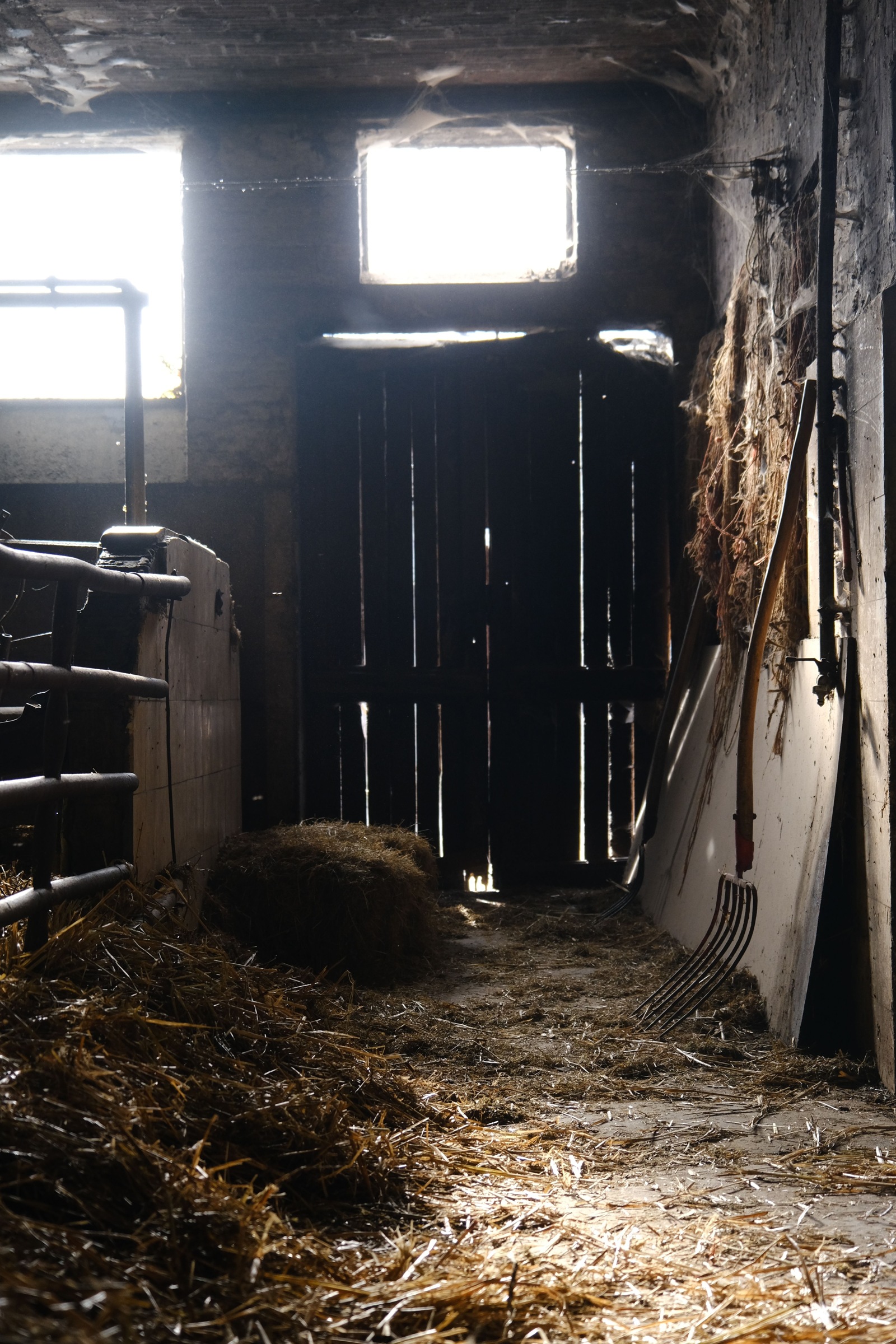
The stock photo below shows hay, timber and bright windows in a barn interior. It is an illustration of a difficult environment, not evidence that this building is safe or open for wedding photography. Do not enter an unverified structure, including its doorway.
 Save
A note on drones, since rustic venues seem to invite them: aerial frames of a barn in its landscape can be beautiful, but they need the venue’s explicit agreement and must follow your local aviation rules, which vary by country and change. Confirm both well before the day, keep well clear of animals and guests, and have a ground-based plan for the same wide shots if the answer is no.
Texture: the coverage that makes the album
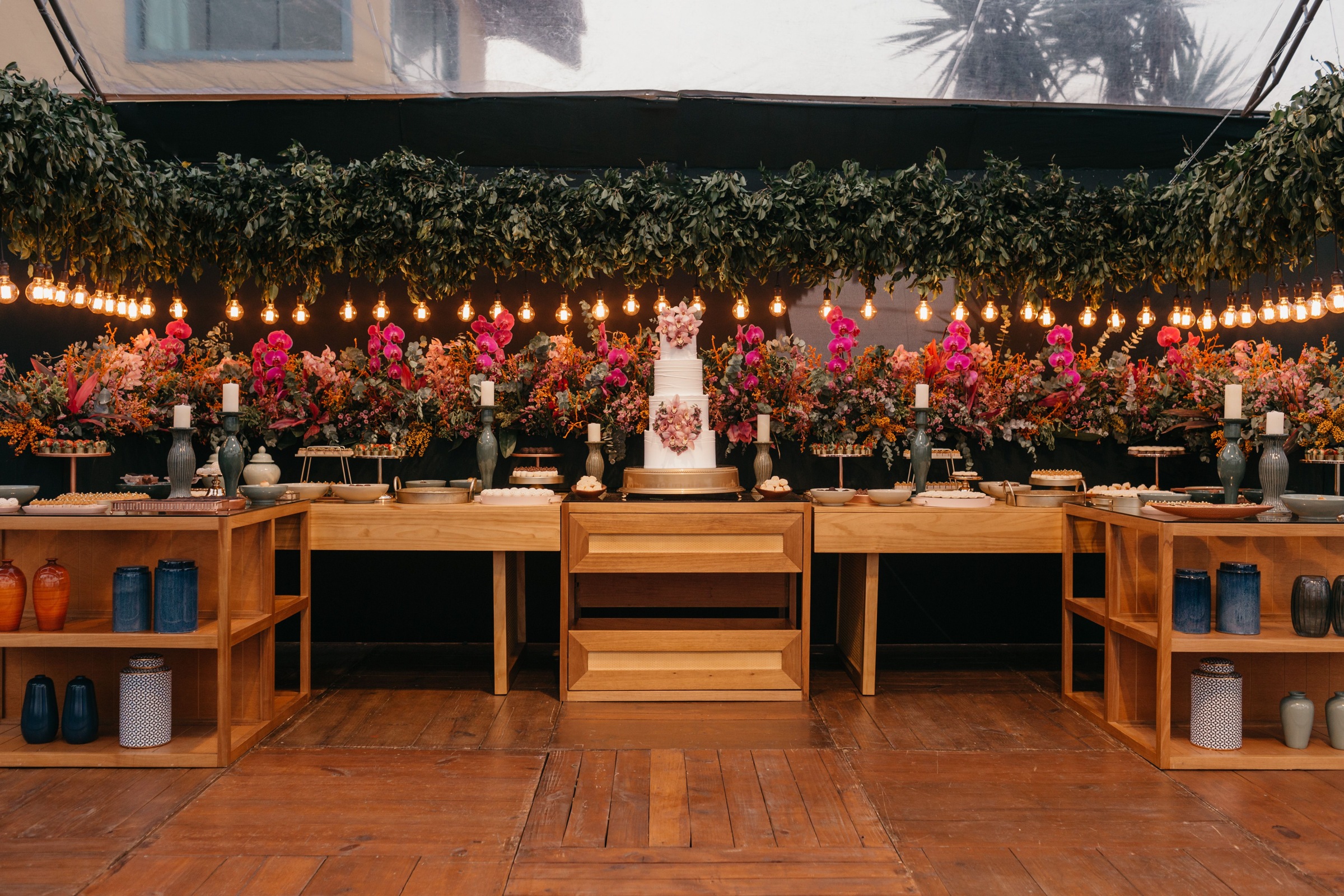
The rustic album lives in its detail frames. Wood grain, aged metal, linen and burlap, lace against rough timber, signage, boots on a porch, the dessert table under garlands – these are the connective tissue between the big moments. Shoot them early, before guests disturb the styling, and shoot them in whatever light is honest: window light for dimension, overcast softness for even texture. A useful discipline is to give the details their own short list, gathered in one place when possible, the same way the getting-ready pieces are.
- The materials: raw timber, rusted hinges, stone, linen, and anything with honest wear.
- The styling: table runners, garlands, signage, and centerpieces before guests touch them.
- The place: wide frames that put the barn or farmhouse inside its landscape.
- The small personal things: boots by the door, a jacket on a fence post, hands-off details that carry the day’s story.
 Save
For the wider coverage sequence – getting ready through the send-off – the same ordered logic applies as at any wedding: our wedding photography checklist lays out the full sequence, and Mastering Wedding Photography: Essential Tips covers practical planning. If the classic, posed-and-timeless direction appeals alongside the rustic look, see our guide to classic wedding photography. For the exposure fundamentals behind the choices above, the aperture, shutter speed, and ISO guides in our wedding photography pillar go deeper. Want structured practice? The ShutYourAperture Academy course The Wedding Day (7 modules, 28+ lessons) is built to help you capture love, story, and chaos in a single day.
Editing for the rustic look – lightly
The rustic edit fails when it shouts. Warm the white balance gently rather than pouring orange over everything, lift shadows only enough to keep detail in the wood, and add grain with restraint. Heavy brown presets and strong vignettes are precisely what dates this style fastest. Black and white suits the texture well: grain, timber, and weather all read cleanly without color. Whatever the recipe, keep a consistent treatment across the day’s chapters and keep verified backups of the originals and exports on separate storage, with an off-site copy where practical. An edit you can re-make is never precious; an original is.
Frequently asked questions
Can we do rustic wedding photos without booking a barn venue?
Yes, within limits. Rustic texture comes from wood, open fields, old fences, and warm light, and those exist in many places – public parks, a family farm, an orchard. What you may not do is treat private or abandoned property as a free backdrop: get explicit permission from the owner, and never enter a structure that looks unsound. No photograph justifies a collapsed floor or a trespassing charge.
What time of day works best for rustic wedding photos?
Low sun near sunrise or sunset can give warm light. Its duration and appearance vary with location, season, weather and the horizon, so plan for the specific venue and date. Overcast days are not a loss: the cloud layer acts like a giant softbox and suits detail and texture coverage. The hardest light is high midday sun; then, work in open shade on the shadow side of buildings or under trees.
Is an old barn on the property safe to use for photos?
Only after the venue confirms approved access and structural safety. Do not assume that a wedding venue label makes every building safe; a genuinely old or disused one can have rotten boards, exposed nails, unstable lofts, and weak ladders. Stay out of lofts, do not climb for an angle, watch where you step, and keep guests – especially children – outside structures that have not been verified. An approved exterior viewpoint on solid ground can show weathered texture without entering the building. Outdoor locations still need a safety check.
Do we need a flash for a barn reception?
Usually yes for the dancing and speeches, even if the daytime coverage is all natural light. Barn interiors go dark quickly after sunset, and string lights read beautifully to the eye but rarely provide enough working light on their own. Bounced or off-camera flash can help when surfaces, venue rules and distances allow it. Direct flash is another deliberate option. Test color and exposure rather than assuming bounce will work in a dark wooden room.
Can we fly a drone at a farm or barn wedding?
Sometimes, and only with the venue’s explicit agreement and within your local aviation rules, which differ by country and region and change over time. Confirm both well before the day. Animals startle, guests dislike low passes, and many venues simply say no – have a ground-based plan for the same wide shots.
How do we keep the rustic editing style from looking dated?
Edit for the light that was actually there. Warm the white balance gently, lift shadows only enough to keep wood detail, and add grain with a light hand. Heavy orange-brown presets and strong vignettes are what dates this style fastest. Consistent color and restrained processing are a useful starting point, but editing preferences can change.
Sources
- Nikon USA: 7 Tips & Tricks to Taking Better Wedding Photographs – couple priorities, planning with the photographer, and working-shutter examples.
- Canon Europe: Must-have wedding poses – scouting and coverage sequencing from a working wedding photographer.
- Canon Europe: Group portraits – open shade and soft light for groups, one photographer’s working examples.
- Capture One: Wedding workflow – smaller-card rotation and same-day verified copies. Published 2019; used for workflow practice, not as a current interface reference. Vendor and education sources inform this guide; they are not independent corroboration of one another.
Gear for carrying a camera between locations
Affiliate disclosure: We may earn a commission from qualifying purchases through these gear links at no extra cost to you.
Between locations and moments, a camera you can carry comfortably keeps you shooting instead of setting down. One carry option is the Peak Design Slide Lite camera strap; check the attachment system and the weight of your heaviest camera-and-lens combination against the current retailer specifications before buying. No hands-on test, price, or stock promise is made here – a strap makes carrying easier; it does not protect a camera from mud, weather, or a bad tripod plate.