Peter Lik is one of the most commercially successful landscape photographers alive. His panoramic prints hang in his own galleries across the US, and his black and white image “Phantom,” shot in Antelope Canyon, was reported sold for $6.5 million in 2014, a private sale that made it the most expensive photograph ever claimed at the time. Whether or not you chase that market, his working method is worth studying: deliberate composition, obsessive timing, and a presentation standard most photographers never reach. This guide breaks down the techniques behind the style.
 Save
SaveComposition: Foreground, Layers, and Leading Lines
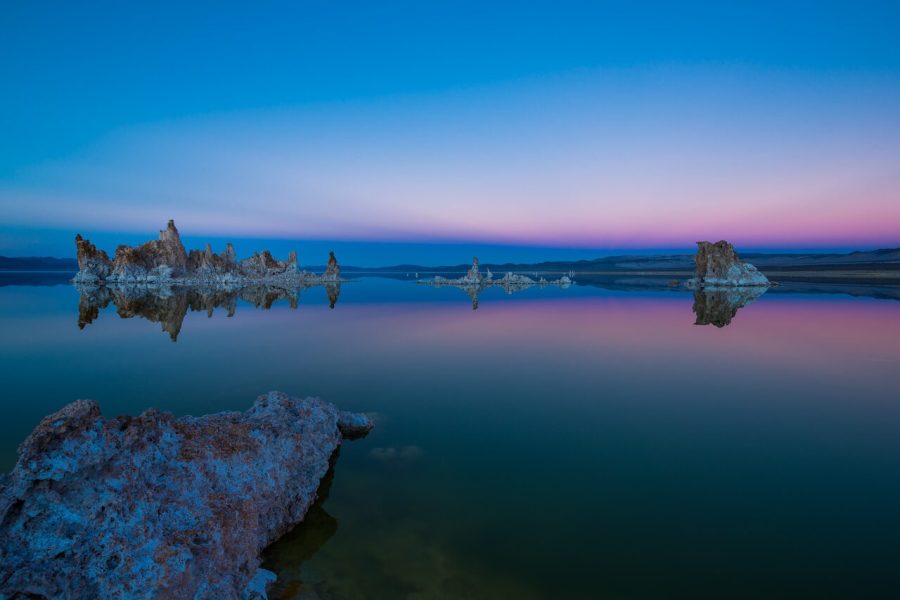
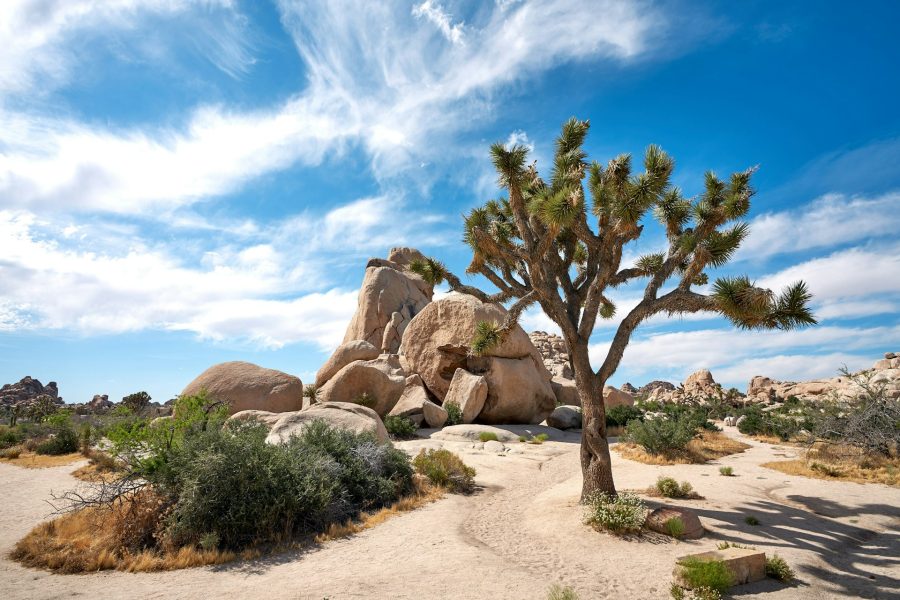
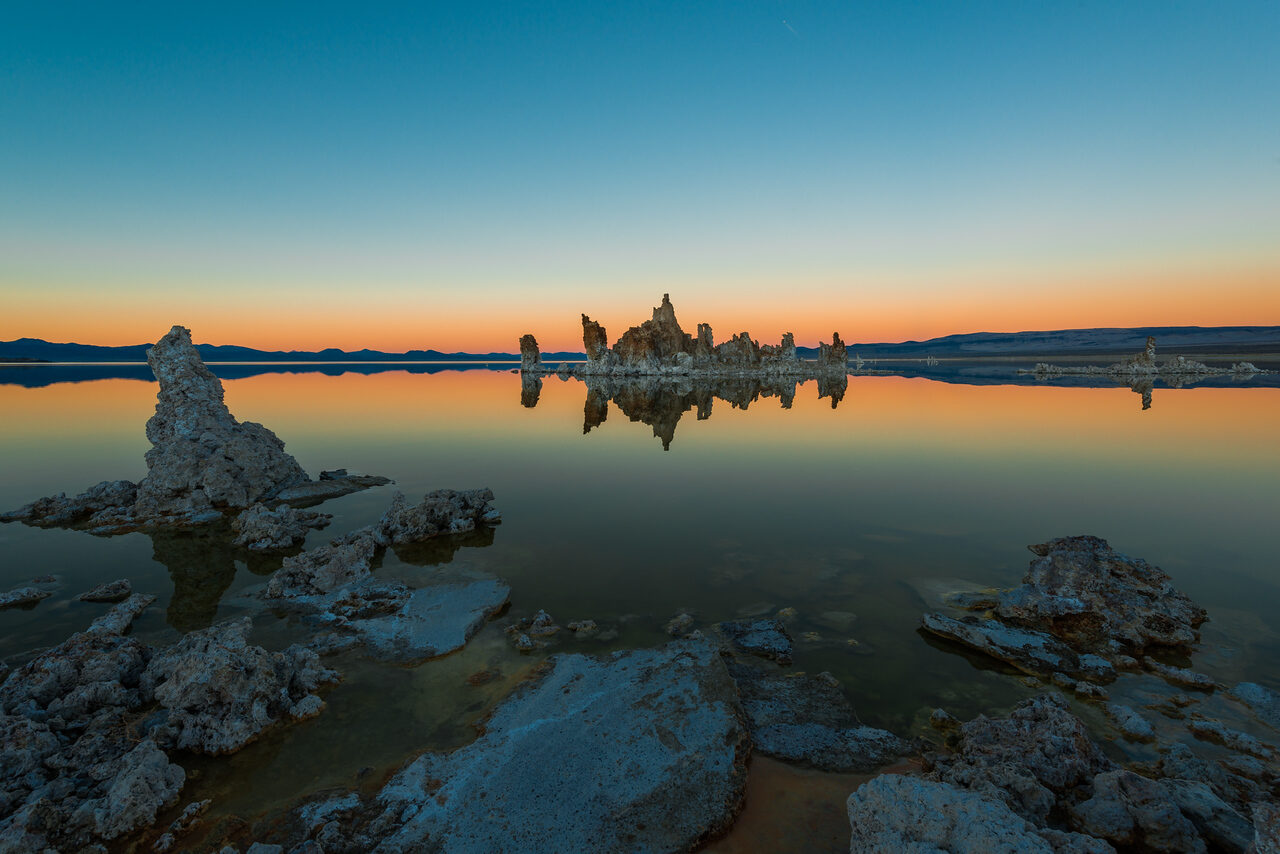
Lik’s frames are built in layers. There is almost always a strong foreground element, a tree, a rock, a pool of water, that pulls you into the frame, a middle ground that carries the subject, and a backdrop that holds the mood. The effect is depth you can feel. When you scout your own scenes, look for the anchor first: something solid to place in the lower third before you worry about the sky.
 Save
SaveLeading lines do the rest. Rivers, ridgelines, roads, and rows of trees guide the eye where the photographer wants it to go. The landscape composition fundamentals apply here directly: the rule of thirds for balance, and diagonals for energy. Lik’s signature panoramic ratio (his film work was shot on panoramic cameras) amplifies both, which is why so many of his prints are wide rather than tall.
Timing and Light
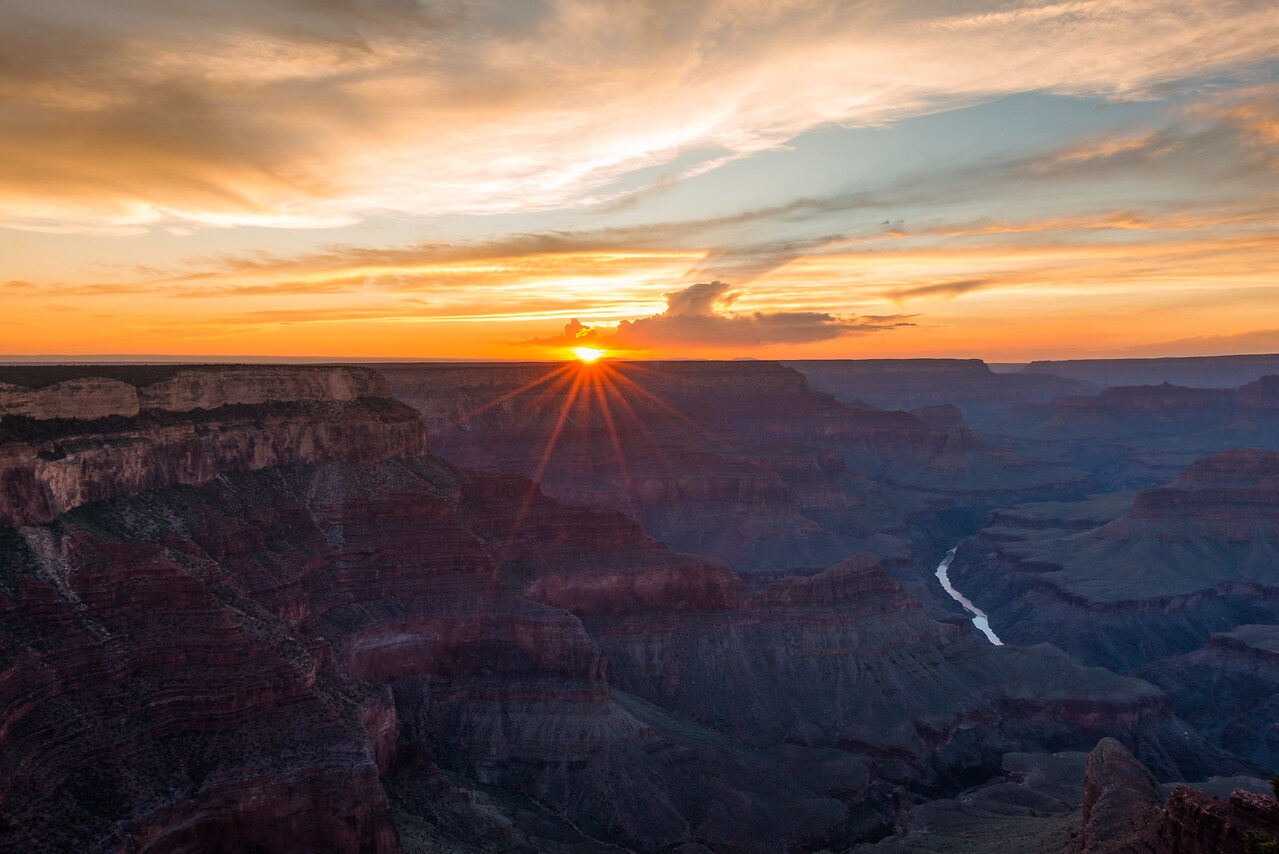
The single biggest separator in this style of work is willingness to wait. Lik has described returning to locations repeatedly and sitting for hours for a specific convergence of light and weather. The practical version for the rest of us: scout in the middle of the day, shoot at the edges of it. Golden hour and the minutes around dawn give you directional light and long shadows; storm light, the gaps in weather systems, gives you the drama.
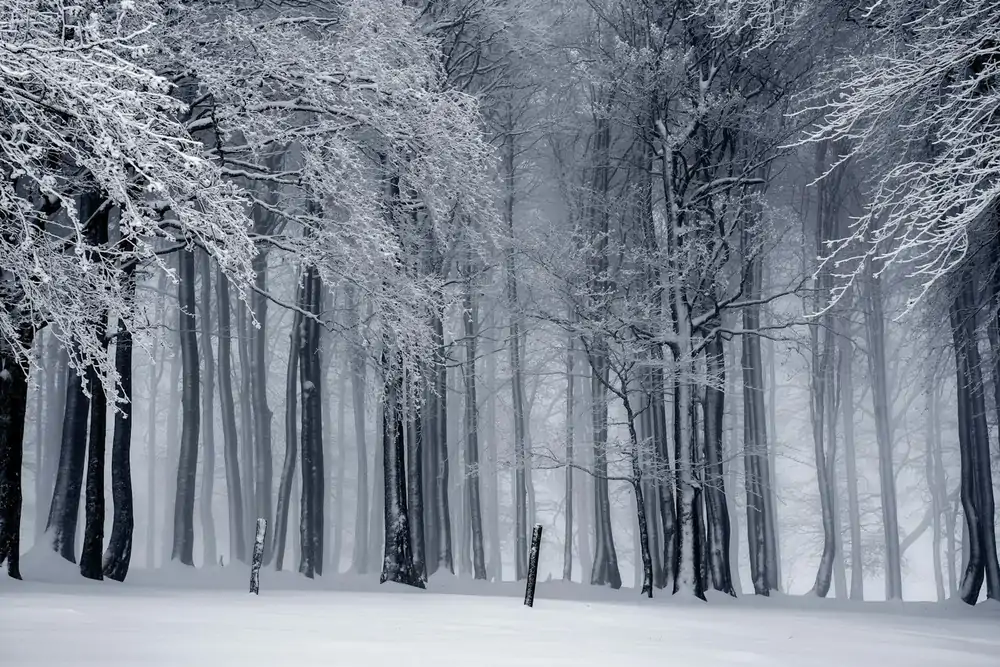
Season and weather are part of the plan, not the backdrop. Fog simplifies a forest into layers. Fresh snow turns a busy scene minimal. Autumn gives you the warm palettes his work is known for. Build trips around conditions rather than dates, and accept that the best frame of a location might take more than one visit.
Equipment and Capture Technique
Lik built his career on large and panoramic film cameras, but the techniques transfer to any modern kit. What matters:
- A sturdy tripod. Everything in this style starts from a locked-down camera.
- Low ISO for maximum detail and minimum noise.
- A narrow aperture (f/11 to f/16) for front-to-back sharpness, focused about a third into the scene.
- Graduated ND and polarizing filters to control the sky and cut reflections.
Bracket exposures when the dynamic range demands it: one frame for the highlights, one for the shadows, blended later. The goal is a file that holds detail everywhere, because the final product in this style is a large print where every flaw is visible from across the room.
Color and Post-Processing
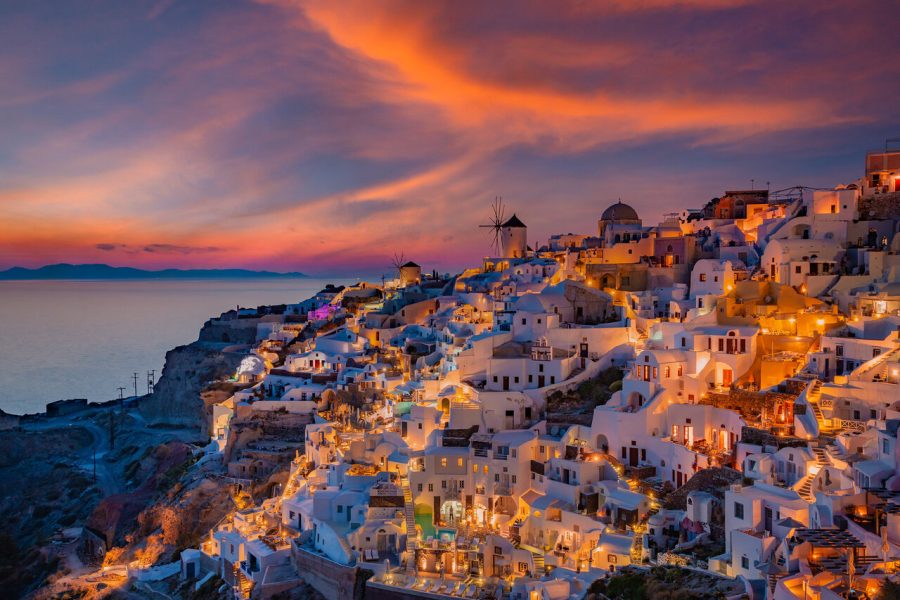
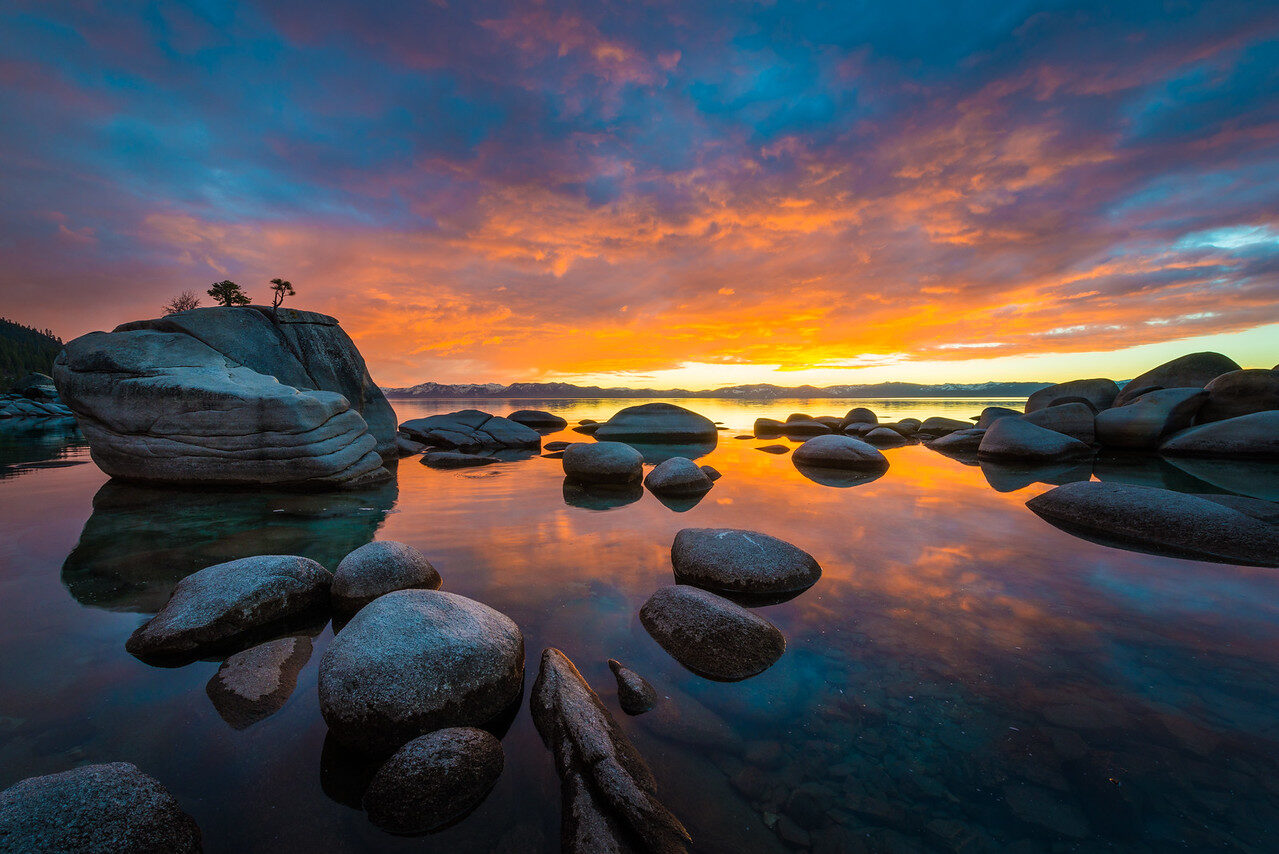
The Lik look is saturated but controlled: deep warm tones against cool shadows, with color doing emotional work. His prints are produced on FujiFlex silver-halide paper, a photographic process with exceptional depth and vibrancy, which is part of why the gallery pieces glow under lighting. The digital equivalent is disciplined color grading: push vibrance rather than saturation, work hue shifts selectively, and keep the palette to two or three dominant tones.
 Save
SaveThe editing workflow mirrors the shooting workflow: exposure and contrast first, color second, local adjustments last. Dodge the areas you want the eye to visit and burn the edges down. The frame should feel finished before you ever think about effects, and heavy-handed HDR is the fastest way to break the illusion of a real place.
Want to go further? The ShutYourAperture Academy’s Light. Land. Legacy. The Landscape Photography Course (10 modules, 40+ lessons) is built to help you master light, land and composition for landscapes that last.
The Business Lesson
Part of the Peter Lik story has nothing to do with cameras: he sells through his own galleries, in limited editions, at print sizes most photographers never attempt. The takeaway is not that everyone should open a gallery. It is that presentation and scarcity are part of the product. A large, beautifully printed, limited image is a different object than an identical file on Instagram, and the market treats it differently.
Study the method, steal the discipline, and shoot your own places. When the frames come home, the Landscape, Cityscape and Drone Lightroom presets will get the color work started.
Support your own landscape frame
A Peak Design Aluminum Travel Tripod is one support option for a landscape photograph. Check the full camera-and-lens weight, plate fit and working height before buying. Set it on stable ground, check the locks and keep paths clear. Support can help hold framing steady between exposures; it does not freeze moving leaves or restore missing highlight detail. This is a practical support option, not a claim that Peter Lik uses or endorses this tripod. Compare the current retailer specifications; no hands-on test, price or stock promise is being made here.
Compare Peak Design Aluminum Travel Tripod on Amazon | Check Peak Design Aluminum Travel Tripod at B&H
Affiliate disclosure: We may earn a commission from qualifying purchases through these gear links at no extra cost to you. As an Amazon Associate, Shut Your Aperture earns from qualifying purchases.