Fall color is the most forgiving subject in landscape photography and the easiest to overcook. The leaves are already saturated; your job in the field is light and composition, and your job in the edit is restraint. This guide covers when and where to find peak color, how to shoot it, and how to keep the edit honest.
 Save
Timing: Chasing Peak Color
Peak color moves south and downhill through the season. High-elevation aspens in the Rockies can turn in late September, New England peaks through mid-October, and southern ranges like the Smokies run late October into early November. Exact timing shifts every year with temperature and rainfall, so use state foliage reports and recent trip reports rather than last year’s dates. A week early beats a week late: partial color mixed with green still photographs well, while bare branches do not.
Shooting the Color
Use a polarizer. It cuts the glare off wet or waxy leaves and deepens the color that is already there, especially after rain. This is the single most useful filter for fall work.
Shoot overcast without fear. Soft, even light saturates foliage beautifully and kills the harsh shadows that sunny midday throws across a forest. Save the blue-sky hero shots for early and late light.
Backlight the leaves. Position the sun behind the foliage and the leaves glow like stained glass. Expose for the highlights so the color does not blow out.
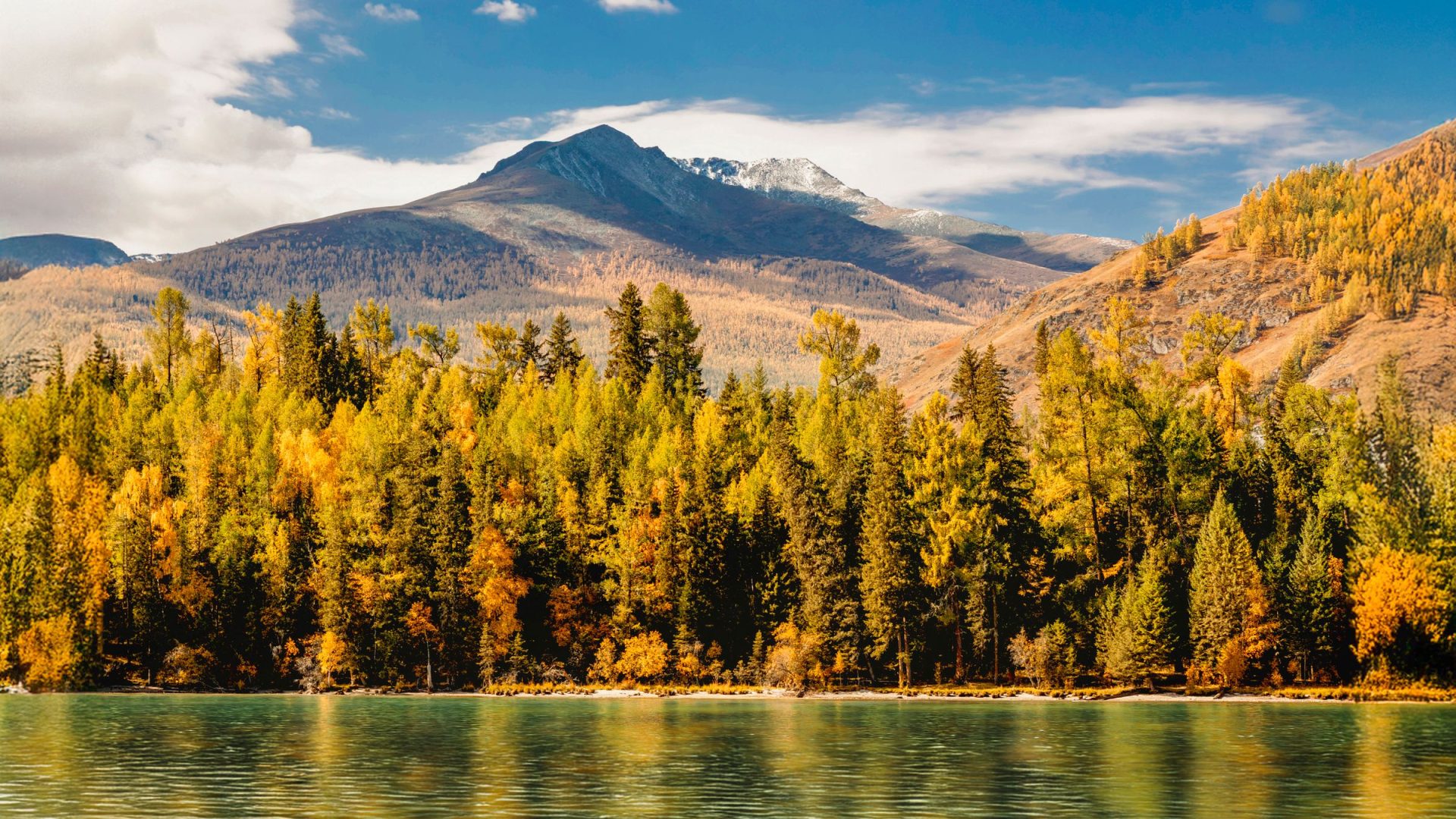
Work the details. Everyone shoots the wide hillside; fewer people shoot the single red maple against dark evergreens, reflections in a still pond, or leaves caught in a stream eddy. A longer lens compresses layers of color into abstracts that often outlast the wide shots. Mind your aperture: f/8 to f/11 for the grand scenes, wide open for the intimate ones.
Want to go further? The ShutYourAperture Academy’s Color Theory for Photographers (6 modules, 24+ lessons) is built to help you see in color and shoot with intention.
Editing Fall Color Without Overcooking It
The failure mode of fall editing is global saturation. The leaves are already at the edge; pushing vibrance hard turns a beautiful scene into a candy-colored mess. Instead, work the HSL panel: adjust red, orange, and yellow individually, shift hues for the exact tone you remember (aspens toward gold, maples toward red), and pull luminance down slightly for depth. A subtle white balance warm-up beats a saturation slider every time. Check the histogram for clipped reds, since red channels clip before you see it on screen.
The Landscape, Cityscape and Drone Preset Pack includes warm and natural landscape looks that give fall files a finished base without the candy, and the free starter pack in our Lightroom presets guide lets you test the approach on this season’s files. For the panel-by-panel edit, the HSL and color workflow in our presets guide walks through the exact controls above.
Camera carry between autumn frames
A black Peak Design Slide Lite camera strap is one carry option between autumn frames. Check attachment points, the full camera-and-lens weight and the current manufacturer instructions before buying. Inspect the strap and anchors before use. This is a carry link, not a promise about foliage color, editing or a tested autumn trip. Compare the current retailer specifications; no hands-on test, price or stock promise is being made here.
Compare Peak Design Slide Lite Camera Strap Black on Amazon | Check Peak Design Slide Lite Camera Strap Black at B&H
Affiliate disclosure: We may earn a commission from qualifying purchases through these gear links at no extra cost to you. As an Amazon Associate, Shut Your Aperture earns from qualifying purchases.