Updated October 2026
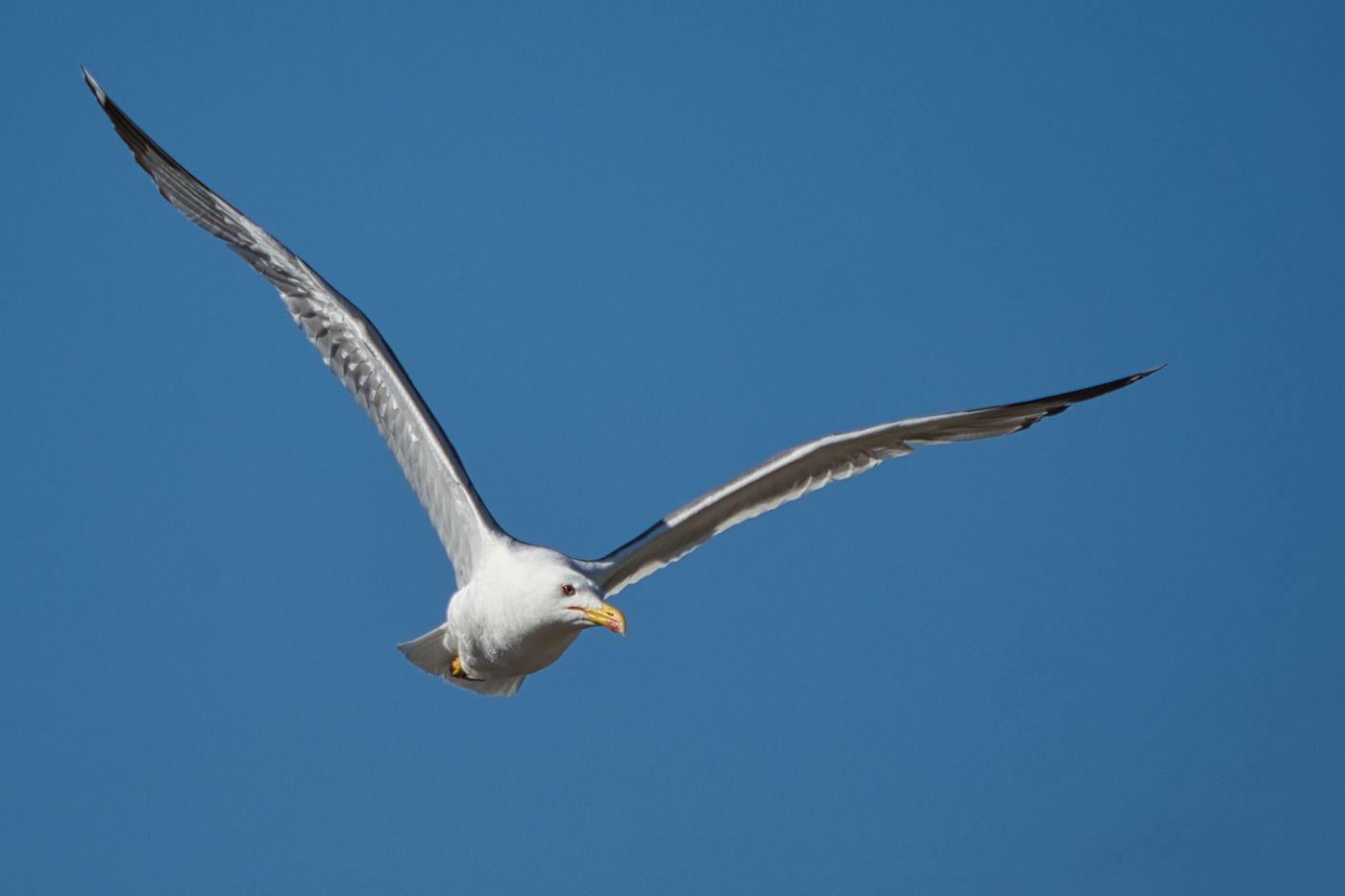
A bird gives you about a second. It lands, looks at you and leaves. The right camera finds the eye fast, keeps up when the bird moves and doesn’t make you fight the controls.
The best camera for bird photography in 2026 is one with reliable subject detection for birds, a fast shutter and a lens system you can afford to fill with long glass. We compare the Canon EOS R6 Mark III, the Sony A6700 and the OM System OM-1 Mark II. All three list bird detection in their official specifications. Your lens budget decides more of the final image than the body does.
 Save
What matters for birds
Reach comes first. Birds are small and far away, so you need a long lens or a sensor system that gives you more reach per dollar. Then comes autofocus: look for tracking that locks onto a bird’s eye and stays on it against busy branches. Finally, shutter speed and burst rate, because a wingbeat is quick.
Practical things count too. Weight decides how long you can hold the kit at dawn. Battery life decides whether you stay for the good light. A second card slot is nice, but not essential for a hobbyist.
Canon EOS R6 Mark III: the full-frame all-rounder
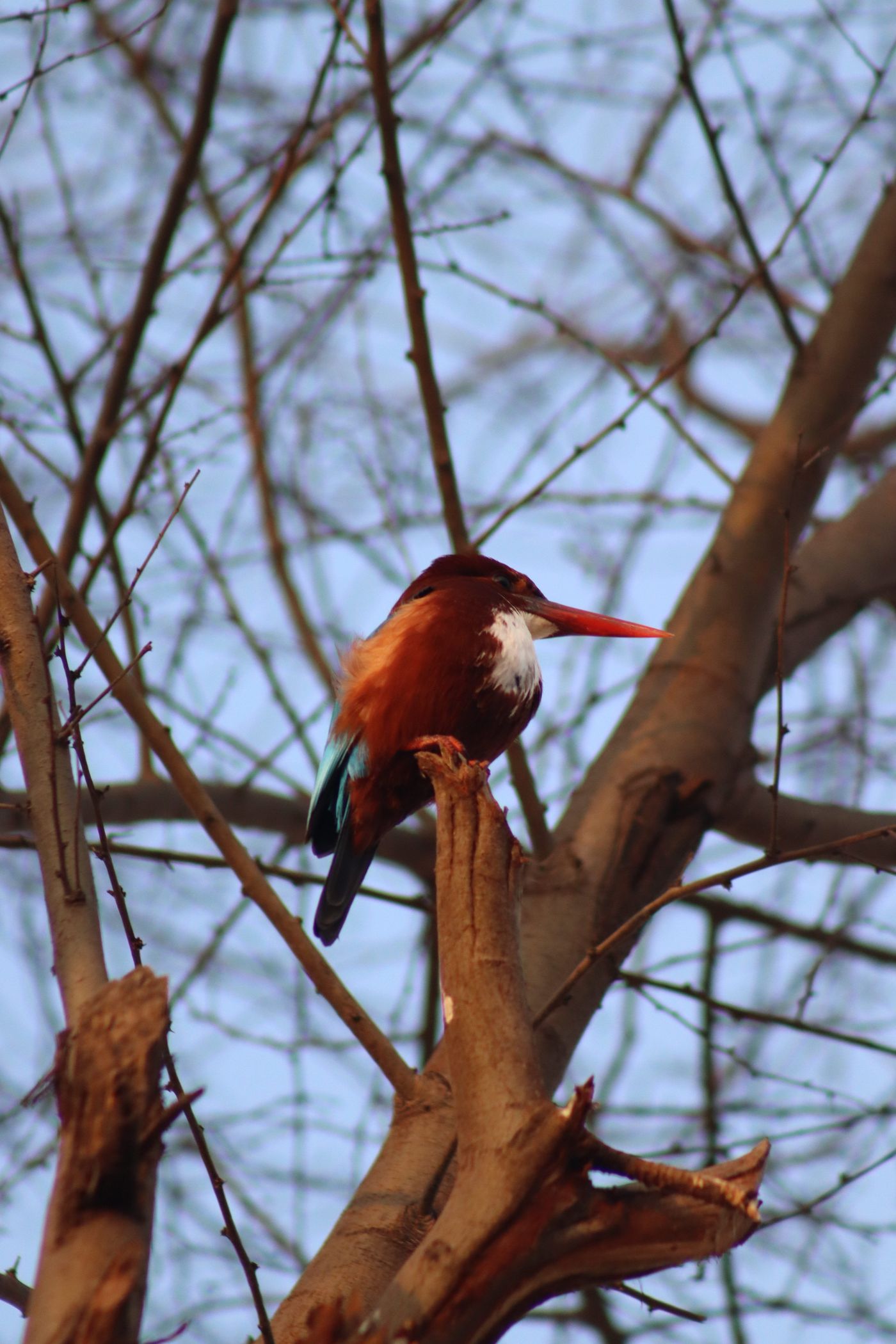
Canon’s official R6 Mark III specifications list approximately 32.5 effective megapixels and Dual Pixel CMOS AF II subject detection for animals, including birds. It shoots up to approximately 12 frames per second with the mechanical shutter or electronic first curtain, and up to 40 with the electronic shutter, under Canon’s stated conditions. Those are maximums, not a promise for every lens. The 32.5 megapixels give you room to crop when the bird is small in the frame.
 Save
Sony A6700: the compact crop-sensor option
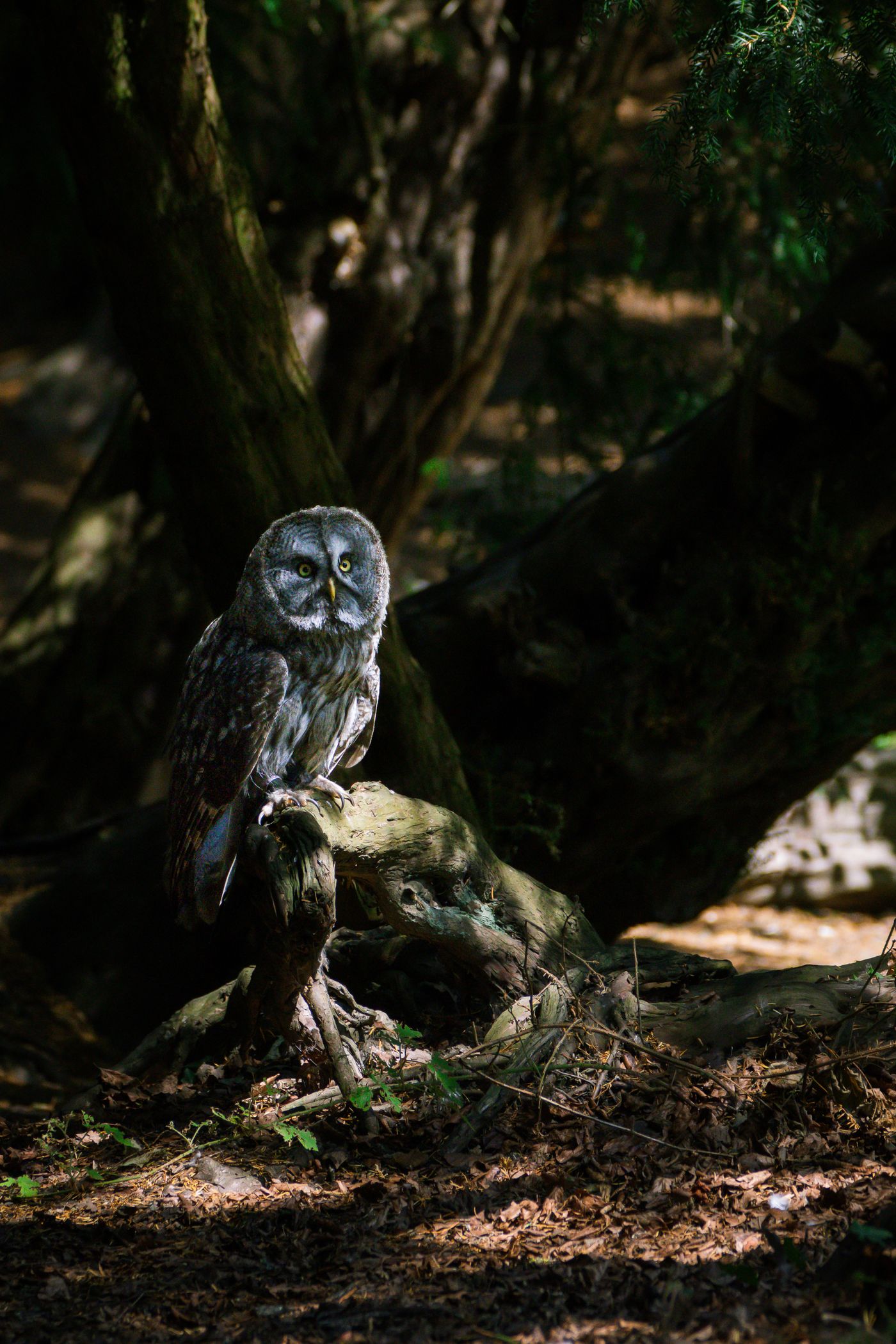
Sony’s official A6700 specifications list approximately 26.0 effective megapixels, AI subject recognition that includes birds and continuous shooting up to 11 frames per second. It weighs about 493 g with battery and card, with a single SD slot. A smaller body and an APS-C sensor mean a long lens gives you more effective reach and costs less to carry. Check that your chosen lens works fully with the body before you buy.
 Save
OM System OM-1 Mark II: the reach and speed pick
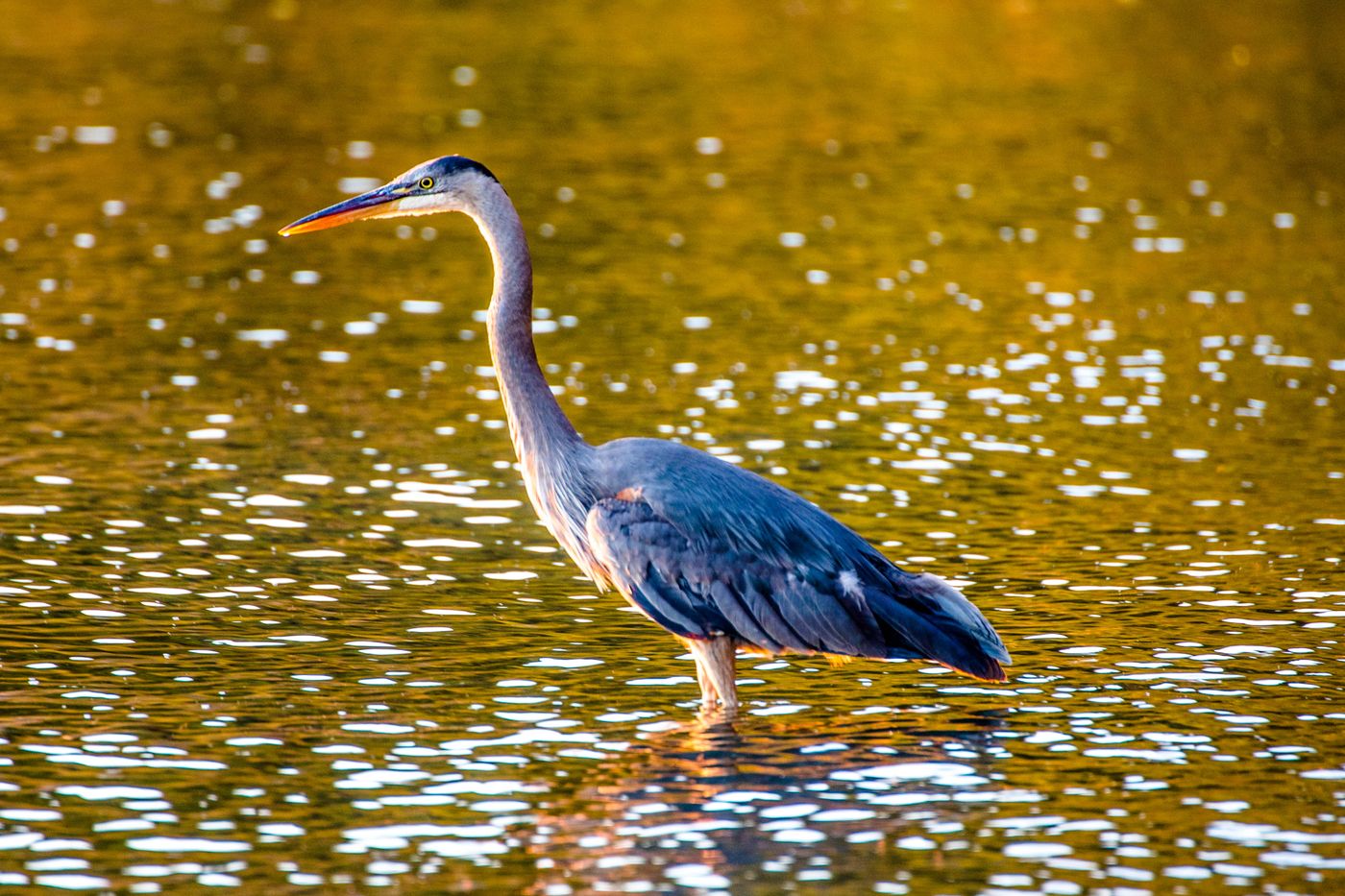
OM System’s official OM-1 Mark II specifications list 20.4 effective megapixels, Intelligent Subject Detection that includes birds, and a Pro Capture mode that records frames from before you press the shutter fully. The smaller Micro Four Thirds sensor gives a longer effective reach per lens, which is why many bird photographers shoot it. The tradeoff is fewer megapixels for heavy cropping.
 Save
The three cameras side by side
These numbers come from each manufacturer’s published specifications. They are maximums under the makers’ stated conditions, not promises for every lens or card.
| Canon EOS R6 Mark III | Sony A6700 | OM System OM-1 Mark II | |
|---|---|---|---|
| Sensor | Full frame, about 32.5MP | APS-C, about 26.0MP | Micro Four Thirds, about 20.4MP |
| Bird and animal detection | Listed, including birds | Listed: human, animal, bird, insect, car, train, airplane | Intelligent Subject Detection, including birds |
| Top burst | Up to 40 fps electronic, with 20 frames of pre-continuous shooting | Up to 11 fps (Hi+) | Up to 120 fps in the fastest Pro Capture and burst modes, 20 fps typical |
| Stabilization | Up to 8.5 stops (center) | Up to 5.0 stops (CIPA) | See OM System’s specifications |
| Card slots | CFexpress Type B + UHS-II SD | One SD UHS-I/II | See OM System’s specifications |
| Weight with battery and card | See Canon’s specifications | About 493 g | About 599 g |
Sources: Canon EOS R6 Mark III, Sony A6700 and OM System OM-1 Mark II.
Recommended starting settings for birds
Whichever body you pick, the settings start in the same place. We built these from the makers’ specifications, not from a bird shoot with all three cameras, so treat them as starting points.
| Setting | Starting point |
|---|---|
| Shutter speed | 1/1000 for perched birds, 1/2000 or faster for flight, 1/3200 for small fast birds |
| Aperture | Wide open, or one third to one stop down for sharper lenses |
| ISO | Auto, with a ceiling you have tested |
| Focus | Continuous AF, bird detection on, wide or tracking area |
| Drive | High burst for flight, single for perched birds |
Autofocus: the feature that matters most
All three bodies list bird detection, so the real question is how the system behaves in your conditions. Look for how quickly it finds the eye, how well it holds when a branch crosses the bird, and how easily you can switch between a wide tracking area and a small one. Watch videos from photographers who shoot the same type of bird you do, and rent a body for a weekend if you can. A rental costs a fraction of the camera and shows you more than any spec sheet.
Reach: sensor size and lens
Birds are small and far away, so reach matters. A Micro Four Thirds body has a 2x crop factor, so a 300mm lens frames like a 600mm lens on full frame. An APS-C body has a 1.5x crop. Full frame gives you the most megapixels for cropping and often the best high-ISO files, but the same field of view needs a longer, heavier and more expensive lens. Budget for the lens first, then pick the body that works well with it.
Lenses to look at
- A 100-400mm zoom is a flexible starting point for mixed wildlife.
- A 200-600mm or 150-600mm zoom adds reach for small birds.
- A 400mm or 600mm prime is sharper and often faster, but heavier and costlier.
- A teleconverter extends reach but costs light and some sharpness.
Check that any third-party lens works fully with the body you choose, including autofocus tracking.
Fieldcraft and light
Birds are most active at dawn and dusk, and the light is soft and warm then. Arrive early, move slowly, and let the birds get used to you. Learn the species you want, including where they feed and how they take off. Keep the sun behind you for front-lit subjects, and look for clean backgrounds. Never disturb a nest or flush birds for a shot. A good bird photo is worth less than a bird that is safe.
Common mistakes with bird cameras
- Buying a body before checking which long lenses exist for it
- Judging cameras by burst rate alone when autofocus tracking decides the keepers
- Shooting at 1/500 and wondering why the wings are soft
- Using a wide focus area in a tangle of branches and losing the bird
- Skipping a monopod and tiring out before the best light
- Pushing ISO so high that noise ruins a crop
Fix those and almost any of the three cameras above will give you sharp bird photos. The skill is in the fieldcraft and the practice, not the badge on the front of the body.
Editing bird photos
Crop to improve the composition, correct exposure, open the shadows and add gentle contrast. High-ISO frames benefit from noise reduction. Keep edits honest and avoid changing the look of the bird. Our Lightroom guide covers a clean workflow, and our camera buyer guide helps you compare bodies more broadly.
Bird camera questions
What is the best camera for bird photography in 2026?
It depends on budget and lens. The R6 Mark III suits full-frame files and cropping, the A6700 suits low weight and cost, and the OM-1 Mark II suits maximum reach and pre-capture. All three list bird detection.
What shutter speed should I use for birds?
1/1000 for perched birds, 1/2000 or faster for flight, and 1/3200 for small, fast birds.
Is a crop sensor better for birds?
It gives more reach per lens and a lighter kit, while full frame gives more cropping room and often cleaner high-ISO files. Neither wins every time.
Do I need a second card slot?
It is useful for backup but not essential for a hobbyist.
What lens should I buy first?
A 100-400mm or 200-600mm zoom is a common starting point. Spend on the lens before the body.
Who should buy which camera
Choose the Canon EOS R6 Mark III if you want full-frame files, room to crop and Canon’s list of two card slots, one CFexpress Type B and one UHS-II SD. It lists up to 40 fps with the electronic shutter and 20 frames of pre-continuous shooting, which helps catch the moment a bird launches. The tradeoff is cost and the weight of full-frame telephoto lenses.
Choose the Sony A6700 if you want a light, affordable kit. Sony lists bird recognition, up to 11 fps and a weight of about 493 g with battery and card. An APS-C crop gives you more reach per lens, and the camera is easy to carry on a long walk. The tradeoff is a single card slot and a smaller sensor for high-ISO work in dim forests.
Choose the OM System OM-1 Mark II if you want the most reach for the money and a pre-capture mode. OM System lists Pro Capture and up to 120 fps in its fastest modes. Micro Four Thirds lenses are small for their reach, which makes a long kit easier to carry. The tradeoff is a smaller sensor, so you give up some cropping room and low-light performance compared with full frame.
Budget and what to buy first
Bird photography costs more in lenses than in bodies. A sensible order is a long lens first, then a sturdy monopod or tripod, then a body upgrade if you need one. If you already own a camera system, check which long lenses exist for it before you switch. Switching systems means replacing lenses, and that cost can double the price of the move. Used lenses and bodies can stretch a budget, and renting a lens for a trip lets you try a focal length before you buy.
A first bird session
- Pick a nearby spot with reliable birds, such as a pond, a feeder or a park.
- Set Auto ISO, shutter 1/1000, bird detection on and continuous AF.
- Arrive near sunrise and stay still for ten minutes before you shoot.
- Start with perched birds, then try flight as your tracking improves.
- Check your frames at 100 percent and raise the shutter speed if the wings are soft.
How to choose
If you want full-frame files and room to crop, start with the R6 Mark III. If weight and cost matter most, look at the A6700. If you want maximum reach for your money and a pre-capture mode, look at the OM-1 Mark II. For a wider test and comparison of current bird cameras, see RTINGS’ bird photography roundup.
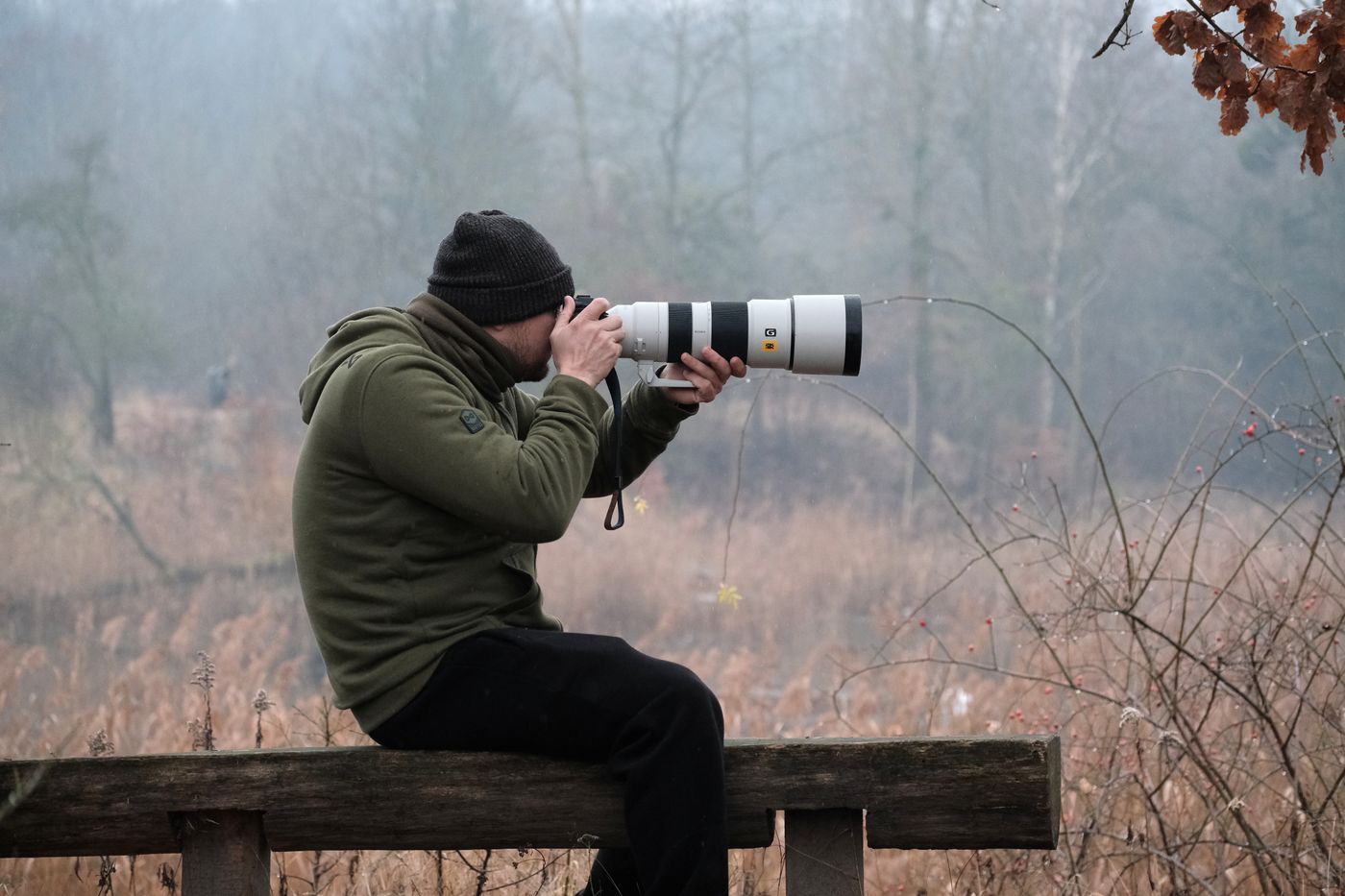
Then put money into a lens and a good tripod or monopod, learn the animals you shoot and be there early. Fieldcraft beats gear.
 Save
Whatever you choose, keep notes on the settings that worked and the light you shot in. After a few outings, those notes tell you which camera features you actually use, and that is the best guide to your next upgrade. Share your best frames with other bird photographers, ask what they noticed, and use their feedback to sharpen your technique.
Want to go further? The ShutYourAperture Academy’s Wildlife in Motion (6 modules, 24+ lessons) is built to help you freeze a sprinting cheetah and track birds in flight with confident autofocus and shutter control.
Gear box: the three cameras
- Canon EOS R6 Mark III on Amazon | on B&H
- Sony A6700 on Amazon | on B&H
- OM System OM-1 Mark II on Amazon | on B&H
Affiliate disclosure: We may earn a commission from qualifying purchases through the Amazon and B&H links, at no extra cost to you. Guidance is based on published specifications and reviews, not hands-on testing; photos are illustrative, and prices and stock can change.