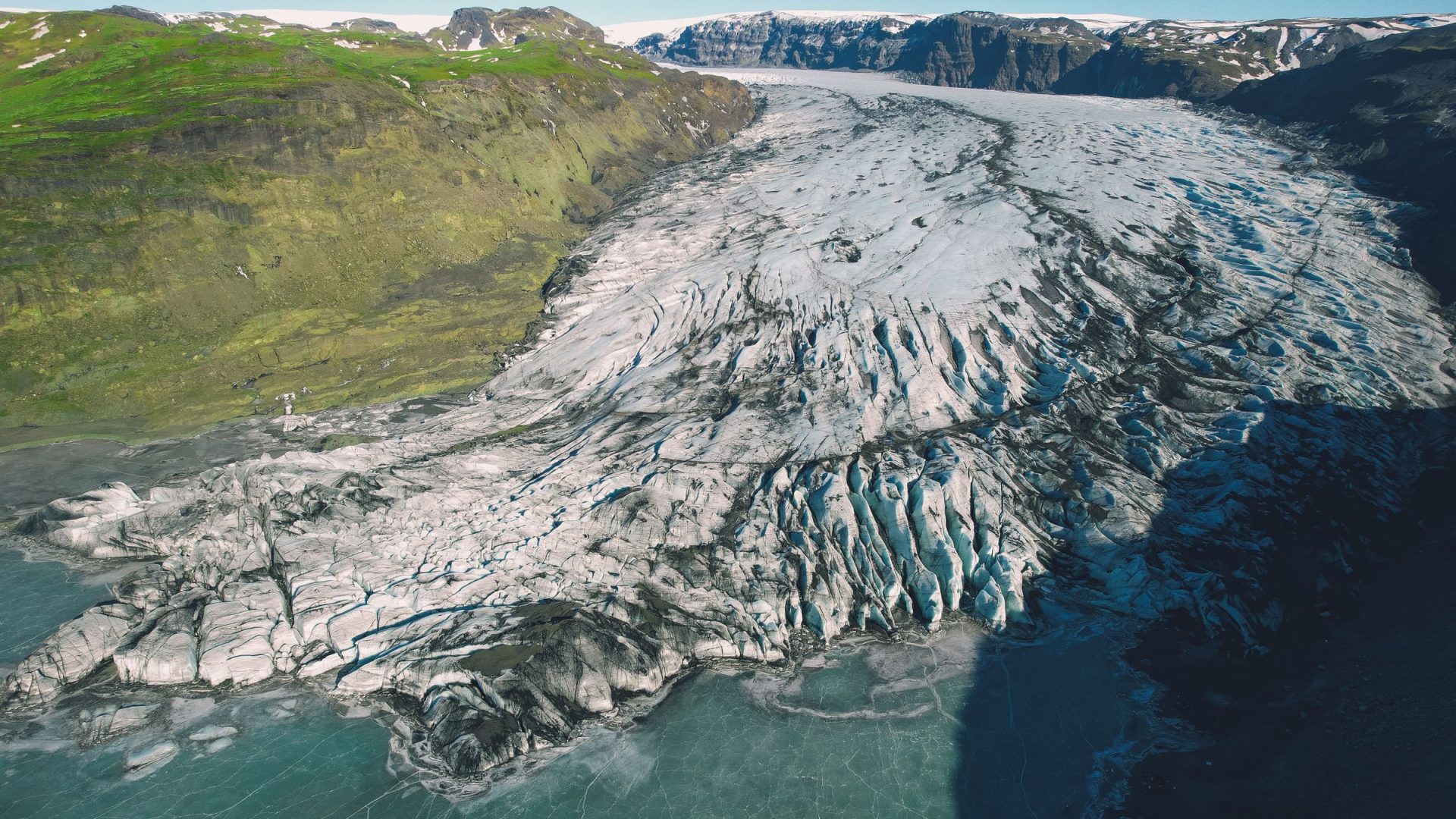
Featured photograph: Photo by Archie McNicol / Pexels / Pexels License. (Stock photo, illustrative.)
The original subject of this page is GoPro’s Climate Change and the Optimistic Future, a film discussed in 2015 and later included in GoPro’s Kilian Jornet playlist. The title is not a destination. This updated article focuses on how photographers can approach environmental stories with evidence, care and room for useful action, rather than treating a film as a current scientific assessment.
The IPCC’s 2023 Synthesis Report concludes that human activities, principally greenhouse-gas emissions, have unequivocally caused global warming. A particular photograph still needs its own context: a scenic glacier or a flooded street does not by itself establish a trend, cause or event attribution. For a scientific overview, see Caltech’s explanation of the evidence.
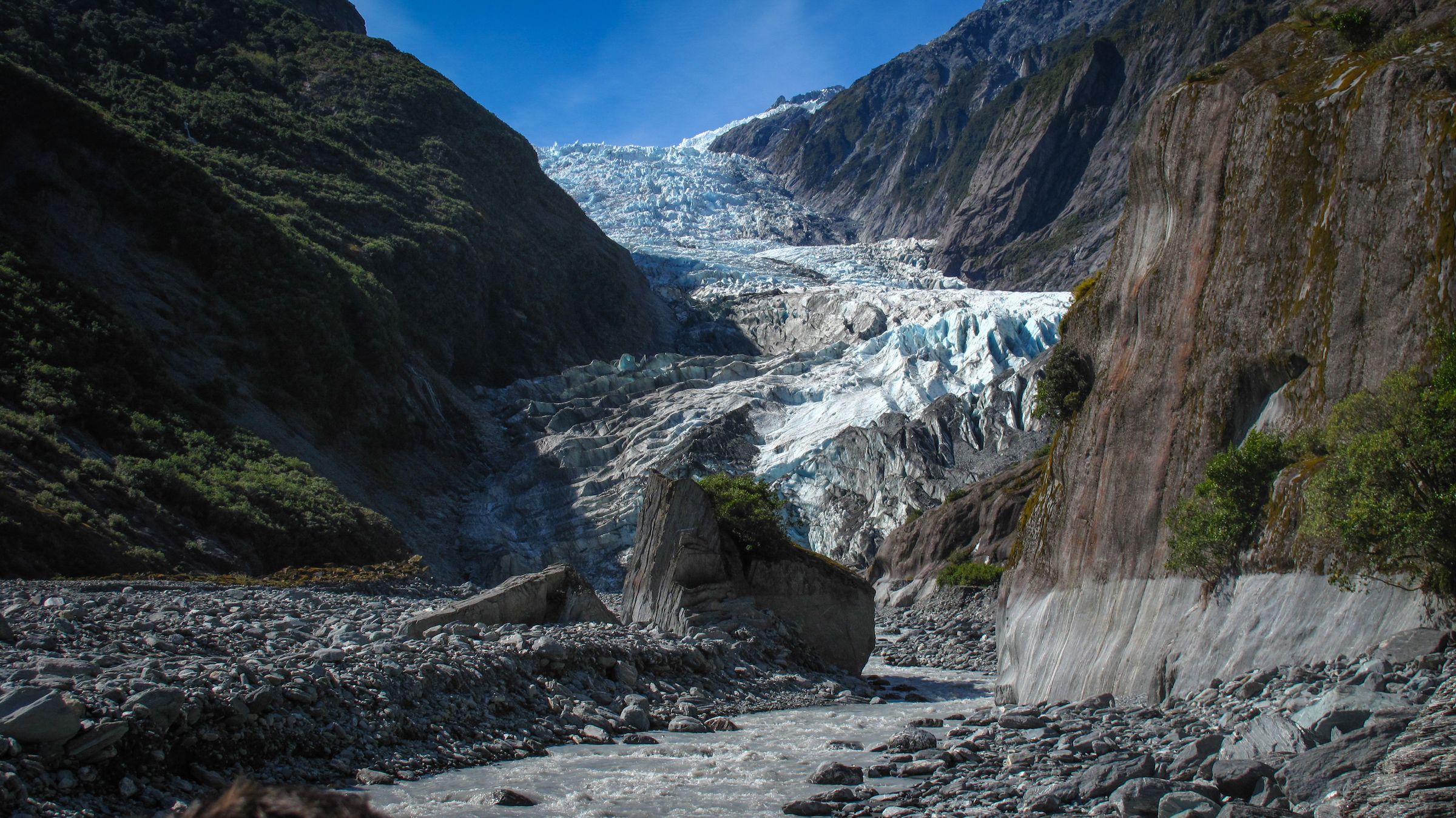
The five credited photographs are illustrative stock. They are not film stills, Edin Chavez photographs, repeat-photo pairs or evidence of a measured climate impact at the pictured locations.
A film title, and a question for photographers
Climate Change and the Optimistic Future is a prompt to think about what environmental photographs can do. A striking landscape can make somebody stop scrolling. A carefully researched sequence can help that person understand a place, the people connected to it and the changes being measured there. The second task asks more of a photographer than finding beautiful light. It requires clear captions, honest comparisons and a willingness to say what a picture cannot establish.
Optimism in this kind of work should not mean pretending that damage is minor or that the future is already settled. It means looking for truthful stories about responses as well as risks. A restoration project can be worth photographing without being a complete answer. A local adaptation can help people without removing the need to reduce emissions. Keep the scale of the claim close to the scale of the evidence, and let readers see the limits.
For a practical photography project, start with one place that you can visit repeatedly and one question you can investigate. How is a public shoreline used across seasons? What does a community garden do during a dry spell? What does an urban shade project look like before and after trees mature? These are possible reporting questions, not promises that any given location demonstrates a climate trend. Research the site before choosing the conclusion.
Separate the photograph from the climate claim
A photograph records a particular view at a particular time. It can show water covering a path, the edge of exposed ice or a person working outdoors. It cannot, on its own, tell the viewer how unusual that condition is across decades or what caused it. Even a dramatic scene needs a date, a location and relevant records before it can carry a wider explanation. Strong visual work becomes stronger when that boundary is clear.
Write two notes while editing. The first describes what is visible without interpretation: standing water reaches a doorway, workers carry equipment, a line of trees shades a pavement. The second records the proposed explanation and the source needed to support it. If the second note depends on weather records, a scientific study or an interview, collect that material rather than asking the image to stand in for it. Keep observations and conclusions distinct in your working captions.
Do not confuse responsible qualification with uncertainty about the whole field. A broad scientific finding and a claim about one photograph are different things. You can accurately describe the established role of human activities in global warming while remaining careful about an individual flood, fire or dry field. If a local attribution claim matters to the story, seek research that actually addresses that event or region. A general climate link is not a substitute for that work.
 Save
Build a sequence, rather than a collection of symbols
Begin an edit with a place-setting photograph that helps readers understand the surroundings. Follow it with a closer view of the activity or condition being reported, then a detail that adds information rather than repeating the first frame. A final photograph might return to the wider setting or show an ongoing response. This is a useful working structure, not a compulsory formula. A story may need fewer pictures if each one does a clear job.
Ask what each frame adds. A second wide mountain view might be attractive but tell the reader nothing new. A labelled monitoring instrument, photographed with permission and explained accurately, may carry more information. A quiet photograph of someone maintaining a useful project can be more specific than a dramatic but unrelated scene. Do not insert generic disaster pictures just to make the sequence feel serious. Visual intensity and reporting value are not the same thing.
Keep the relationship between pictures honest. Placing a factory photograph beside an unrelated damaged landscape can imply a direct causal connection that the reporting does not establish. A sequence can mislead even when every individual file is untouched. Look at the transitions, headline and opening caption together. If the layout suggests that one person, business or event caused something, make sure you have the evidence and context needed to support that implication.
Make repeat photography useful
A repeat-photography project begins with a recoverable viewpoint, not simply a familiar subject. Record where you stood, how high the camera was, which direction it faced and which landmarks define the frame. Save a reference picture showing the position as well as the finished composition. On a return visit, match the relationships between near and distant objects before fine-tuning the crop. Similar focal lengths do not correct for a different camera position.
Timing matters as much as position. Seasonal snow, vegetation, water levels, tides and recent rain can change the appearance of a place. Choose a comparison period that makes sense for the question, and record the conditions rather than hiding mismatches. If one image was made after heavy rain and the other during a dry week, that difference belongs in the caption. A fair comparison may be less dramatic than the most extreme pair in the archive.
Keep the uncropped originals and a written method. If you align two frames for a side-by-side presentation, explain any cropping or registration used to make the comparison readable. Do not stretch a landscape, remove inconvenient objects or change the apparent extent of water or ice. When the match is imperfect, show the limitation. A carefully labelled near-match is more useful than a polished comparison that gives a false impression of precision.
A short personal project can document visible changes without becoming a climate measurement programme. Several visits may reveal maintenance, construction, erosion or seasonal variation worth reporting, but identifying a long-term cause requires other evidence. Treat the photographs as a record that can be checked and revisited. They may support a question, illustrate a finding or preserve a viewpoint for future work. Those are valuable outcomes even when a strong causal claim would be premature.
 Save
Choose camera settings for the information you need
For repeat views, aim for enough depth of field to keep the landmarks and subject readable. Set the aperture deliberately, check focus at useful distances and use a stable support when the shutter speed would otherwise be too slow. There is no single correct exposure for environmental work. Wind, moving people, water and available light change the decision. Start with the information the photograph needs to retain, then choose settings that protect it.
Watch bright cloud, snow and reflective water while exposing. Check the histogram and highlight warnings, then inspect a test frame rather than relying only on how bright the rear screen looks outdoors. RAW capture can give you room for later tonal adjustments, but it does not guarantee that clipped information can be recovered. Keep the original capture and avoid making edits that change the meaning of a scene, especially when photographs are presented as documentary evidence.
Movement is an editorial choice as well as a technical one. A long exposure can turn running water into a smooth surface and hide the detail a comparison needs. A fast exposure can show the form of spray or a moving worker more clearly. If the story is about how a location looks during a particular condition, use a shutter speed that preserves the relevant information. Save more interpretive treatments for work clearly presented as creative rather than evidentiary.
Caption the source, date and uncertainty
A useful caption answers the basic questions without guessing. Identify the location you have verified, the capture date when known, the visible activity and any important context. Name people only when identification is accurate and appropriate. If the image is a stock illustration, say so plainly. The words under a photograph are part of the reporting, not a space for adding a stronger claim than the file or sources can support.
Do not let a date in a file name become an unexamined fact. A download date, upload date and capture date can be different. Check the photographer's information, original records and available metadata, and keep uncertainties visible in your notes. The same caution applies to place names. A broad stock description may identify a country or region without proving a precise viewpoint. Use the narrowest location statement that the available source actually supports.
When referring to scientific evidence, include the relevant period rather than making an old figure sound like today's reading. A historical report remains useful when its scope is clear. Link the reader to the assessment or dataset, and distinguish an observed trend from a projection. If the story depends on a numerical comparison, verify the units, baseline and time span together. A correct number attached to the wrong period can still mislead.
 Save
Photograph responses without overstating them
A response story needs reporting beyond an appealing image. Before describing a project as successful, ask what it is meant to do, who operates it, who benefits and how results are assessed. A photograph can show a newly planted area, but it does not establish future survival, cooling performance or the project's full costs. If outcomes have not yet been measured, describe the activity and intention rather than presenting a result as settled.
Look for the work that happens after an opening ceremony. Maintenance, training, repairs and ordinary use can reveal whether a project fits the people it is meant to serve. Return visits may show a more useful story than a single launch-day frame. Ask participants what is working and what remains difficult. Keep their accounts attributed and do not turn one person's experience into a claim about an entire neighbourhood or technology.
Avoid promising that a consumer purchase, a photograph or an individual habit will solve a systemic problem. A smaller action can still be meaningful when its limits are stated. The same principle applies to the story itself: its job may be to explain one useful response, make a local issue easier to understand or preserve a record. Give the reader something concrete to examine, not an unsupported assurance that everything will be fine.
Respect people, places and access
People experiencing difficult conditions are not props for an environmental message. Explain the purpose of your work, discuss how the pictures may be used and consider whether publication could expose somebody to harm. Permission to make a photograph does not remove the need for care in the edit and caption. Where a person cannot meaningfully participate in that discussion, be especially cautious about turning a private or vulnerable moment into a public symbol.
Do not ask someone to reenact distress or move an object to make damage look worse. Staging can undermine a documentary story even if the resulting frame resembles something that happened earlier. If a portrait or demonstration is arranged, identify it appropriately rather than passing it off as an observed event. Keep a note of the circumstances so that the distinction survives when a picture is licensed, cropped or separated from the original article.
Access and safety depend on the actual location and activity. Check the relevant land manager, property owner and current restrictions before planning a visit. Do not enter floodwater, unstable ice, closed terrain or an active response area to get closer. A telephoto view from a lawful safe position, an interview or a verified archive image may tell the story without putting you or others at risk. No composition makes a dangerous approach necessary.
 Save
Keep an archive that another editor can understand
Store the original files alongside a separate working edit, captions and source notes. Give the project a consistent naming scheme that includes the verified date and location without revealing sensitive personal information unnecessarily. Keep contact details and consent records separate from public captions when they do not belong in publication. The aim is to make the record usable without turning an archive into an avoidable privacy problem.
Back up more than the final JPEGs. Your useful record includes the wider context frames, field notes, location checks, interview references and explanation of processing decisions. Test that copied files open and keep another checked copy separately. If a future editor asks why a photograph carries a particular caption, you should be able to find the answer without relying on memory or a social-media post that may have disappeared.
Before publishing, run a final claim check across the entire presentation. Read the headline, every caption and the order of the pictures as a new reader would. Ask whether a stock image could be mistaken for a reported scene, whether a local observation is being presented as a global measurement and whether a hopeful ending outruns the reporting. Fix those gaps before the work reaches somebody who cannot see your private notes.
A useful first assignment is a modest one: choose a safe, accessible local viewpoint, make a carefully captioned establishing photograph and write down how you would repeat it. Research one relevant question and identify the source that could answer it. Return when the comparison is meaningful, not simply when the sky looks dramatic. Over time, that habit can produce a body of work that is visually engaging, checkable and worth keeping.
Examples and standards to study
The USGS Repeat Photography Project explains how historic viewpoints are relocated and why seasonal snow and other conditions matter. The National Park Service’s Glacier repeat-photo page shows dated comparisons and identifies an example where viewpoints do not line up exactly. These are documented comparison projects, unlike the unrelated stock illustrations on this page.
For editorial judgment, read the NPPA Code of Ethics and Climate Visuals’ photography brief. Historian Dani Inkpen’s discussion of repeat glacier photography adds a useful warning about what an apparently simple before-and-after picture can leave out.
Related photography lessons
Review aperture, ISO and shutter speed for exposure choices. The guides to street photography, night photography and Lightroom cover related technique. Continue learning through the Shut Your Aperture Academy.
Keep your own edit-file archive
For your own editing files, keep originals and finished exports together. A black Samsung T7 Shield portable SSD, 1TB model MU-PE1T0S/AM, is one storage option to compare. Check capacity and your computer connection before buying. Open the copied files and maintain another checked copy separately. A drive does not replace a complete backup plan. Compare the current retailer specifications; no hands-on test, price or stock promise is being made here.
Compare Samsung T7 Shield Portable SSD Black 1TB MU-PE1T0S/AM on Amazon | Check Samsung T7 Shield Portable SSD Black 1TB MU-PE1T0S/AM at B&H
Affiliate disclosure: We may earn a commission from qualifying purchases through these gear links at no extra cost to you. As an Amazon Associate, Shut Your Aperture earns from qualifying purchases.
Sources and further reading
- GoPro, Binge These Bangers: Kilian Jornet's Top 10 GoPro Videos, April 20, 2020
- GoPro: Climate Change and the Optimistic Future, original video
- Paperblog, Video: Climate Change and the Prospects of an Optimistic Future, May 8, 2015
- IPCC, Climate Change 2023 Synthesis Report
- USGS, Repeat Photography Project
- NPS, Glacier Repeat Photos
- NPPA, Code of Ethics for Visual Journalists
- Climate Visuals, Ocean Visuals Photography Brief
- Dani Inkpen, Repeat Photography and Global Warming, University of Washington Press, January 11, 2024
- Caltech Science Exchange, Evidence of Human-Caused Climate Change
Climate storytelling questions
What does Climate Change and the Optimistic Future refer to?
The title refers to a GoPro film, not a city or a destination. This article uses it as a starting point for responsible environmental photography and visual storytelling.
Can one landscape photograph prove a climate trend?
No. A photograph records a particular view and time. Trend and cause claims need relevant scientific records and context, not visual appearance alone.
What makes a fair repeat-photography comparison?
Match the viewpoint and relevant conditions as closely as practical, retain the originals and disclose differences in timing, framing and processing. Do not imply precision that the comparison cannot support.
Are the photographs here documentary evidence of climate impacts?
No. The five credited Pexels photographs are illustrative stock, not Edin Chavez photographs, film stills or before-and-after evidence of a measured climate change at those locations.
Should documentary environmental photographs be staged or heavily altered?
Do not stage events or alter content in ways that mislead. Identify arranged portraits or demonstrations appropriately, and keep processing consistent with the documentary purpose.
Does an optimistic story mean that a project has solved the problem?
No. Report the actual activity, evidence and limits. A response can be useful without being complete, and intended benefits are not the same as measured results.
Does this article provide location permits or guaranteed safe access?
No. Verify the current rules, permission and safety conditions with the relevant authority for the actual location and activity. Do not enter closed or hazardous terrain for a photograph.
Affiliate disclosure: Some links are affiliate links. If you buy through them, Shut Your Aperture may earn a commission at no extra cost to you. As an Amazon Associate, we earn from qualifying purchases. The five credited Pexels photographs are illustrative stock, not Edin Chavez photographs, film stills or before-and-after evidence of a measured climate impact.