Original date December 24, 2023. Updated November 2026.
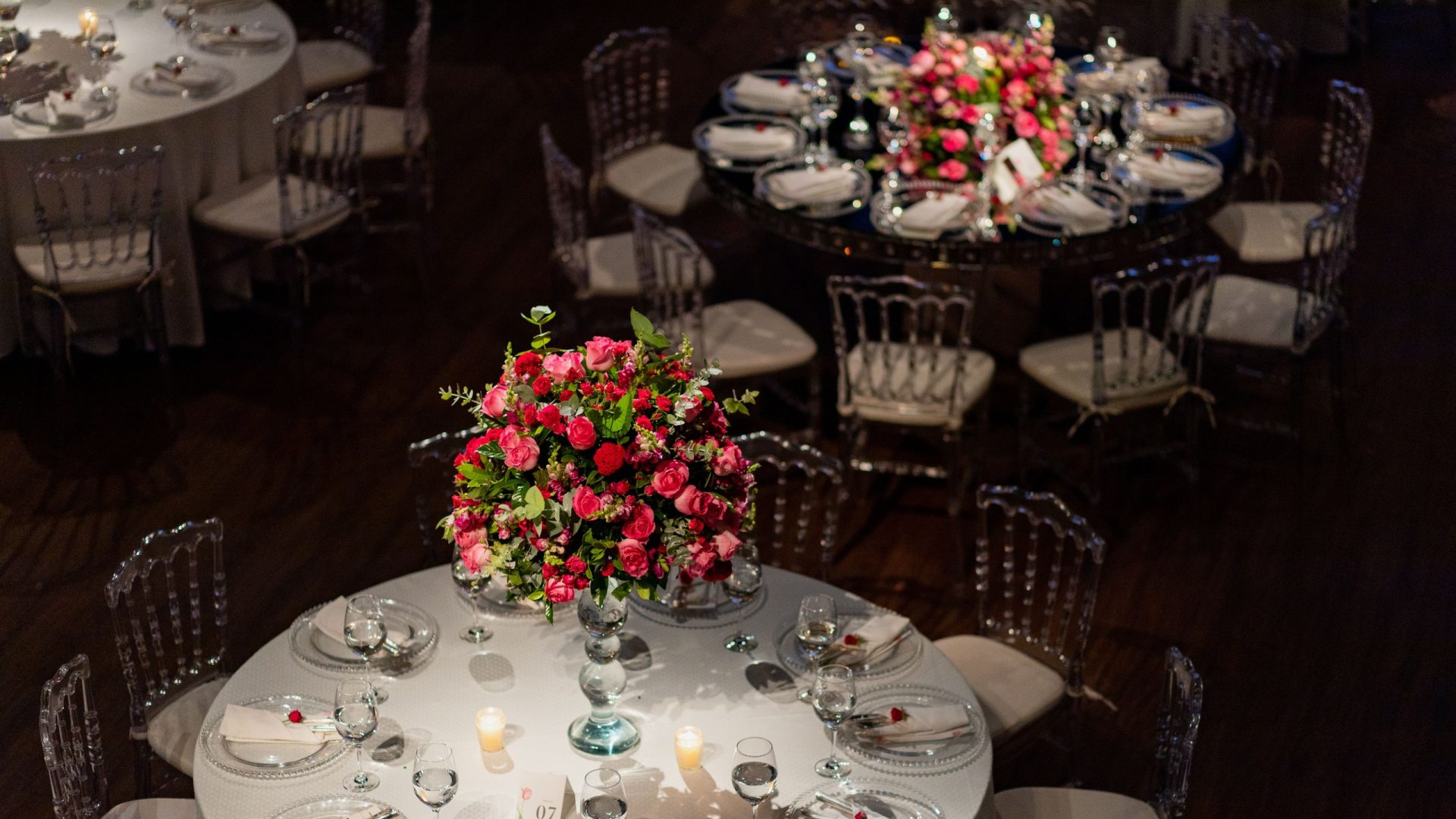
Photo by Matheus Bertelli via Pexels: https://www.pexels.com/photo/tables-at-wedding-reception-venue-16120244/ – Pexels License (https://www.pexels.com/license/). (Stock photo, illustrative.)
Candid wedding photography means photographing moments as they happen rather than asking people to repeat them for the camera. That sounds simple until a room becomes crowded, the light changes and three important reactions happen at once. Good coverage starts with preparation, clear boundaries and a camera setup you can change without losing track of people. The aim is a believable account of the day, with photographs that show both what happened and how people responded.
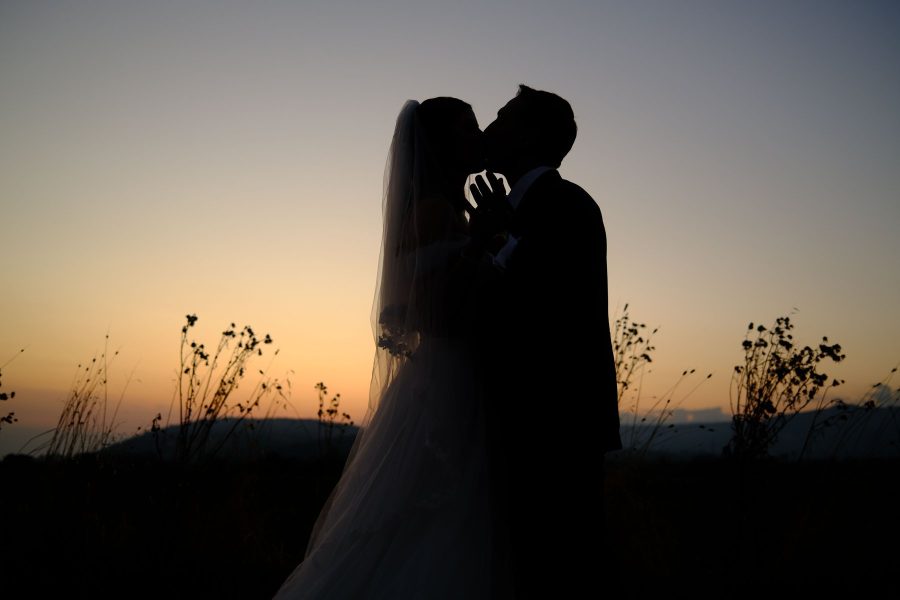
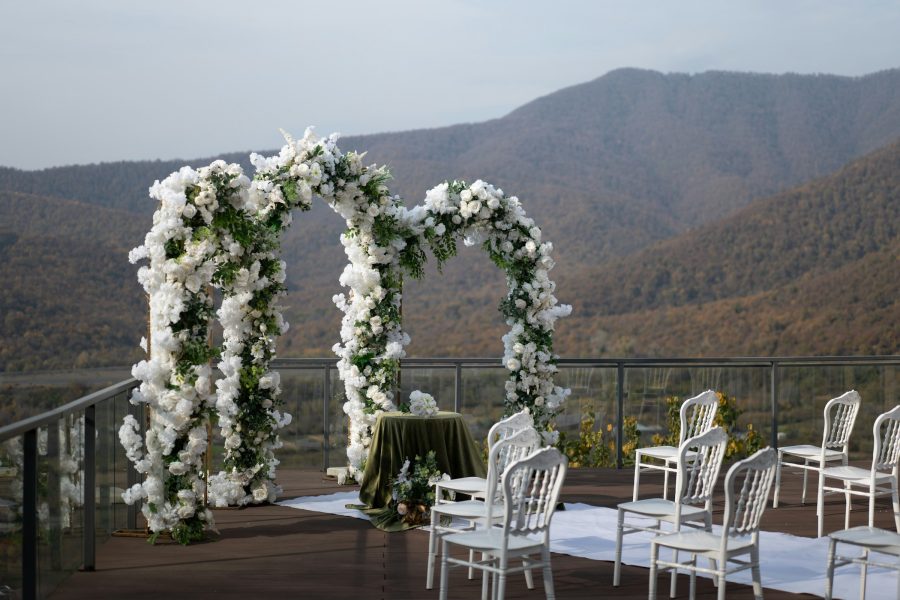
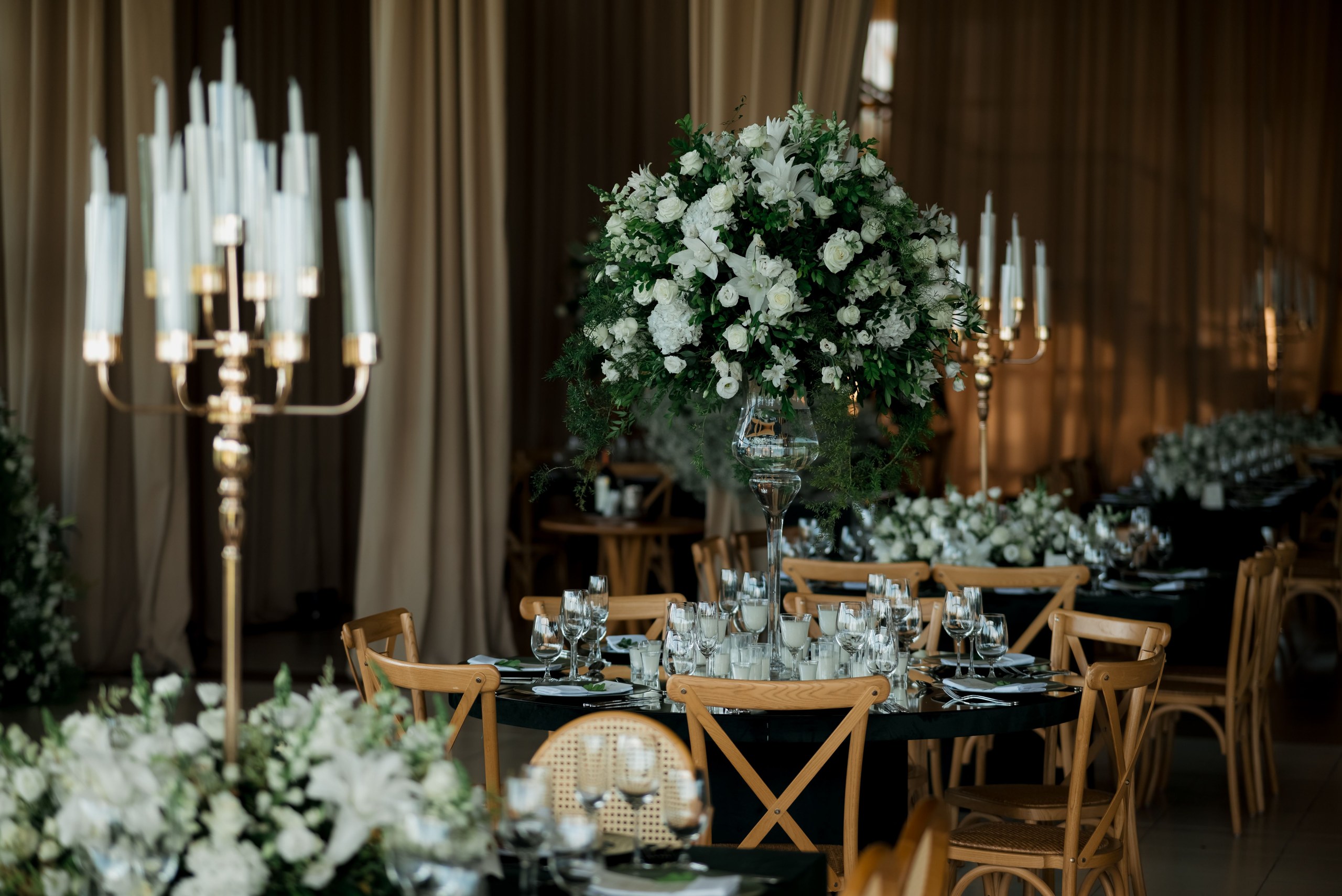
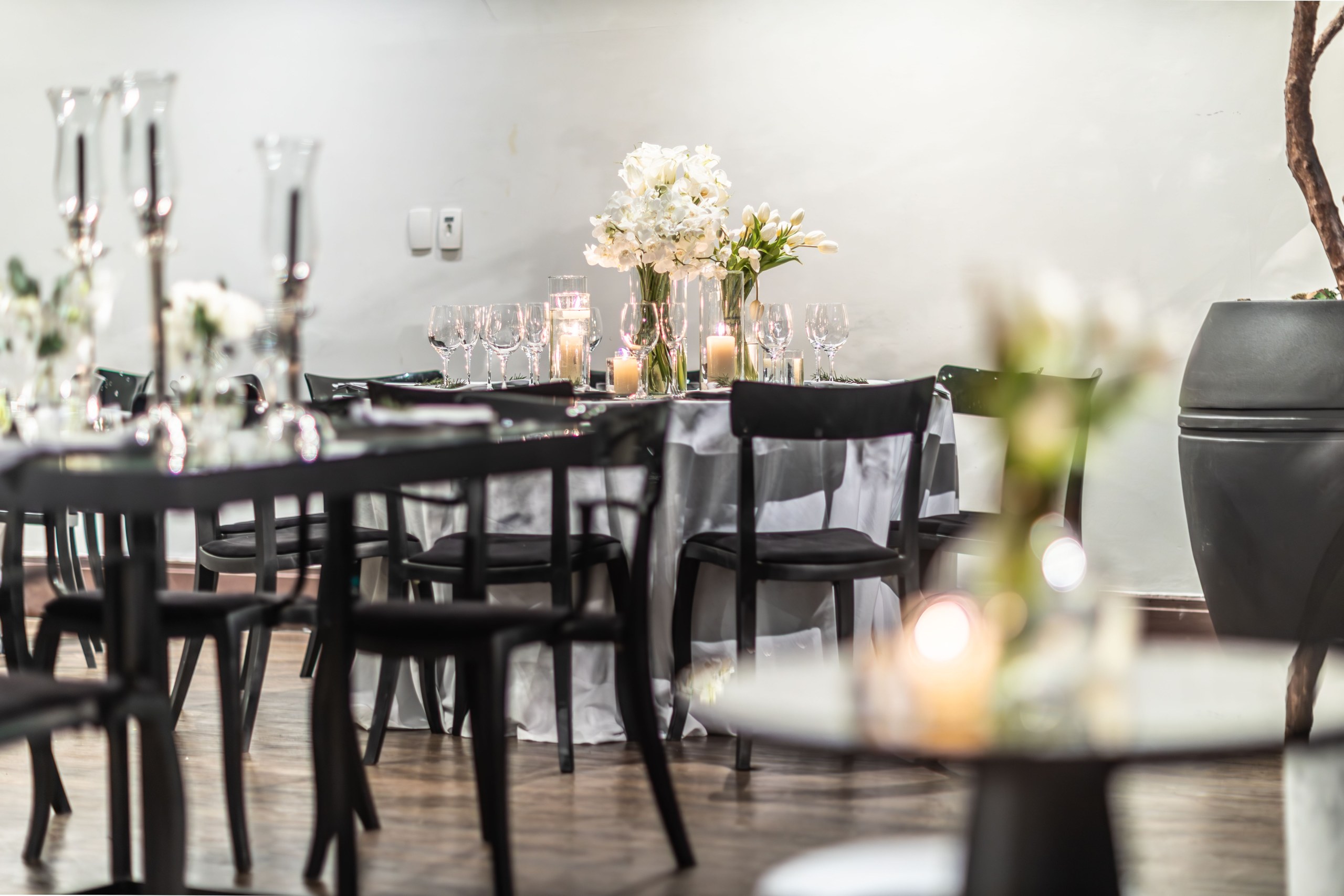
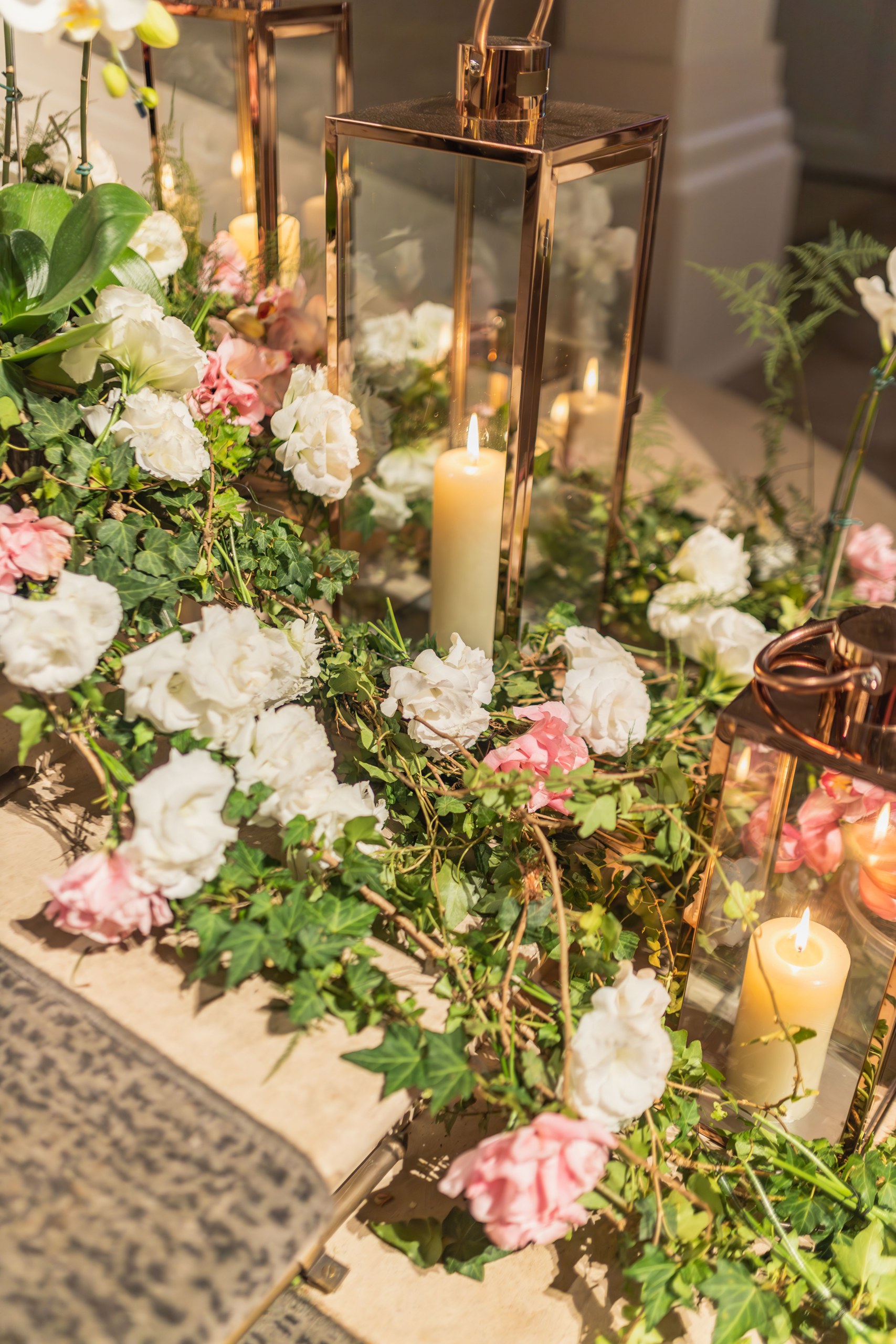
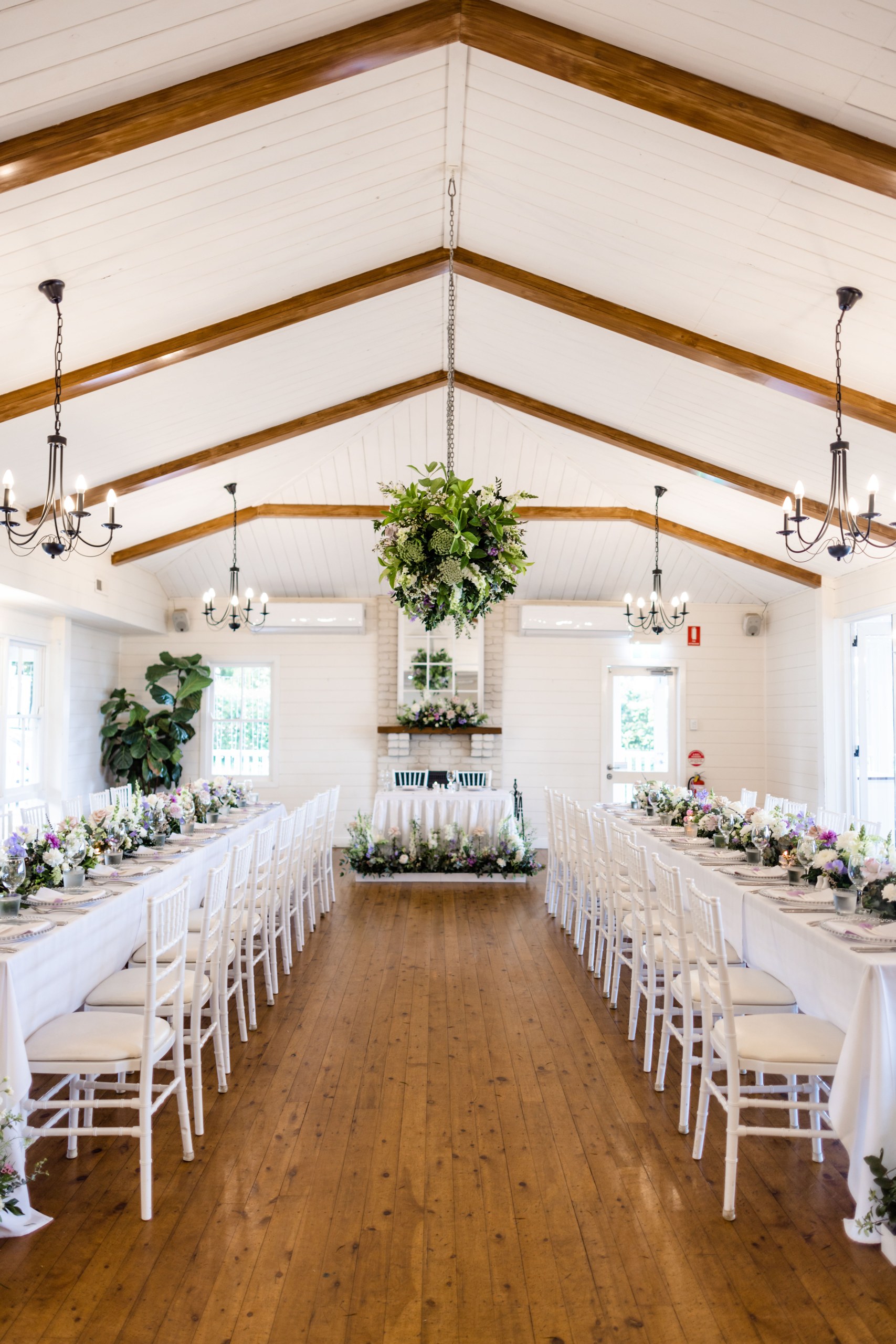
The stock photographs illustrate wedding spaces, details and lighting, not a photographer’s candid portfolio. They do not demonstrate a reaction or imply that anyone pictured hired or endorsed a photographer.
Agree on what candid coverage means
Ask the couple how they want the day photographed. A documentary approach can sit alongside a short family-photo list and planned portraits, but those parts need time of their own. Find out whether the couple wants mostly observation, gentle direction when needed, or a mixture. Show complete galleries so they can judge that balance across a whole event rather than a handful of emotional highlights.
Ask which people matter most and whether there are relationships, accessibility needs or sensitive situations you should understand. Do not assume a particular family structure or that every guest wants to be photographed. Establish how someone can ask not to be included, who can help identify important relatives and which private preparations should remain private. Keep that information limited to the people doing the coverage.
Separate permission to photograph the wedding from permission to use photographs in advertising, a portfolio or social posts. Discuss those uses before the event and document the agreement. Copyright ownership does not, by itself, settle every privacy or publication question. Follow the contract, venue requirements and applicable law. If there is a legal uncertainty, seek qualified advice rather than treating a photography tutorial as legal clearance.
Scout the room and choose places to wait
Arrive with enough agreed time to understand the space before key events begin. Look at the ceremony position, entrances, windows, reception seating and routes between rooms. Ask the officiant or venue contact where you may stand, whether flash is allowed and when movement would be disruptive. A better angle is not worth blocking a guest, a wheelchair route, a server or the video camera.
Choose a few useful positions instead of circling the room constantly. One may show a speaker and listeners; another may let you photograph a couple against a clean background near a window. Check what enters the frame behind each face. Move a little when a doorway or lamp grows out of someone’s head, but do not reorganize an unfolding moment simply to tidy your composition.
Think about the next moment while covering the present one. During a reading, notice who is listening intently. Before an entrance, check both the route and the people waiting for it. A position with a clear view of two likely reactions can be more useful than the closest possible position to one person. Keep an alternative in mind if guests stand up or a vendor needs the space.
 Save
Choose working distance before choosing a lens
A wider lens can show people in their surroundings, but it requires a suitable working distance. If you must move very close to fill the frame, you may interrupt a conversation or make someone uncomfortable. A longer lens can isolate a reaction from an approved position farther away, but it narrows the view and can hide the relationship between people. Neither approach is automatically more candid.
Use the lenses you know well and check the edges of the frame. With a wide view, avoid stretching faces close to the corners. With a longer view, leave enough space around gestures and watch for another guest crossing between camera and subject. If two bodies are part of your tested setup, different focal lengths can reduce lens changes. A second body also needs to be carried safely and kept ready, not left inaccessible in a bag.
Practice changing focus area, exposure compensation and shutter mode before a paid event. Test batteries, cards and backup equipment. If your camera supports recording to two cards, verify the selected recording behavior in every mode you plan to use. Two slots are not proof that both cards are receiving the same photographs. Check actual files during a rehearsal rather than discovering an overflow setting after the wedding.
Set exposure for the moment, not a fixed recipe
Choose a shutter speed based on subject movement as well as camera movement. As a practice starting point, try around 1/250 second for a person who is talking or making a small gesture, then inspect faces and hands at useful magnification. Faster movement may need a shorter exposure. A quiet, still interaction may allow a longer one. These are tests, not settings that guarantee sharp photographs in every room.
Choose aperture for the people who need to be in focus. A wide aperture can separate one expression from a busy background, but two people at different distances may not both be sharp. Stop down when the story depends on both faces or on a group interaction. Check actual depth of field at your shooting distance. A blurred background is not a success if the person who matters is blurred too.
Then set ISO to support those choices within the camera’s usable range for your delivery needs. Auto ISO can help when moving between light levels, provided you understand its limits and minimum-shutter behavior. Check highlights on pale clothing and faces, particularly near windows or in direct sun. Do not assume the screen’s overall brightness tells you whether important detail is recoverable. Review exposure indicators and sample files before the event.
 Save
Make autofocus and shutter mode predictable
Continuous autofocus can help when people move toward you or turn during a conversation. Face or eye detection is useful when it chooses the intended person, but a crowded scene may pull attention elsewhere. Know how to select a particular subject and how to switch to a smaller focus area when detection becomes unreliable. Check the chosen focus target instead of assuming a box on any face means the photograph you want is sharp.
Electronic shutters can reduce noise during vows and speeches, but test yours under the venue’s actual lighting. Some combinations of shutter behavior and artificial light produce bands or uneven exposure. Moving subjects or quick camera movements can also distort with some sensor readouts. Read the instructions for your specific model and firmware, including flash support. A general recommendation from an older camera review is not a rule for every current camera.
Use short, deliberate bursts where expression or gesture changes quickly, then leave room to observe. Continuous shooting does not replace timing and can fill cards or the camera buffer when the next moment matters. Check that the drive mode, file type and card performance support the way you work. Make a few test photographs in difficult light before the ceremony, not during an irreplaceable exchange.
Watch for interactions, then stay through the reaction
Look for relationships between people rather than searching only for big expressions. Someone straightening a jacket, making room at a table or passing a glass may start a useful sequence. Frame the situation, wait for the gesture and keep watching after the obvious peak. The smile after a speech or the hand squeeze after a greeting may explain the moment more clearly than the first frame.
During speeches, alternate attention between the person speaking and the people who know the story. Avoid swinging the camera at random every time you hear laughter. Identify likely listeners, hold a useful position and wait. If working with another photographer, agree who covers the speaker and who covers reactions so both do not repeatedly make the same photograph while missing the other side of the room.
Do not ask people to repeat a genuine surprise and then present it as an untouched documentary moment. If you direct a portrait, treat it as a directed portrait. There is nothing wrong with making a planned photograph when that is part of the coverage; the problem is misrepresenting how it happened. Candid work depends on patient observation, not on manufacturing evidence of emotion.
Use light without turning the event into a set
Available light can keep your presence quiet, but it is not always soft or flattering. Look at the direction of light on faces rather than simply choosing the brightest part of a room. A nearby window may produce a useful side light; mixed lamps and daylight may create different colors across the scene. Make a test and decide what matters most before the action develops.
If you gently suggest moving an activity toward better light, recognize that you have influenced the setup. Do not interrupt a private exchange or move people during a ceremony because a background looks better elsewhere. For strictly observational coverage, work from permitted positions and accept some visual imperfections. A slightly untidy frame with a real connection can be stronger than a technically polished image that loses the moment.
When flash is allowed and part of your tested approach, use it with regard for guests, staff and other cameras. Check surfaces before relying on bounced light, and keep stands and cables away from routes. Flash is neither automatically incompatible with candid photography nor a solution for every dark room. The right choice depends on the agreement, the scene and equipment you have already practiced with.
 Save
Build coverage across the day
During preparations, introduce yourself and ask before entering bedrooms or photographing sensitive stages of dressing. Photograph interactions without treating an occupied private room as an open set. Watch for a friend helping with a fastening or a relative arriving, but back away when someone asks for space. Good access grows from clear expectations and considerate behavior, not from trying to become undetectable.
At the ceremony, prioritize the agreed key exchanges and follow the officiant’s movement restrictions. Know where you can see faces without stepping into the aisle at the wrong time. At the reception, look beyond the couple: conversations across a table, greetings and quieter pauses help make the story complete. Do not photograph distress, impairment or embarrassment simply because it produces an unusual expression.
Include context and details when they support the sequence. A room before guests enter establishes the setting; a place setting or flowers can connect two people-focused photographs. These are detail photographs, not candid reactions. They should not dominate a gallery promised as documentary coverage. Build variety with wide context, medium interactions and close gestures rather than delivering many nearly identical tight faces.
Edit for clarity and keep the story honest
Begin selection with technical checks, then consider expression, gesture and context. Remove accidental duplicates, missed focus and frames that give a misleading impression when separated from the sequence. A recognizable face is not automatically a worthwhile photograph. Ask whether each image adds information or feeling that the neighboring images do not already provide.
Keep color and tonal treatment consistent enough that the gallery feels connected. Black and white can simplify distracting color, but it does not repair missed focus or guarantee stronger emotion. Check skin tones, highlight detail and shadow noise at the intended output size. Avoid edits that invent people, remove a meaningful participant or otherwise change the event while presenting the result as a documentary record.
Back up the files through a process you have tested, verify copies and protect private material. Keep original files until your retention agreement allows their removal. Confirm delivery format, gallery access and any publication restrictions before sharing. A strong final gallery should help the couple remember their day, not create uncertainty about where their private photographs will appear.
Make a short coverage check before leaving each location
Before moving from preparations to the ceremony, check whether you have the people and interactions the agreement prioritizes. Do the same before the reception ends. This is a coverage check, not a reason to demand that someone recreate an emotional exchange. If a planned group photograph is missing and there is still agreed time, explain that plainly and arrange it as a group photograph.
Keep the practical checks brief: battery level, remaining card space, focus behavior, exposure and the location of your backup equipment. Check the time against the next event with the coordinator when needed. Avoid reviewing a long sequence while a new interaction develops beside you. A quick check can catch a problem; prolonged screen-watching can become the reason you miss the next photograph.
Practice a complete sequence before the next wedding
With permission, photograph a small gathering or an ordinary shared activity without asking for repeated actions. Pick a position, make a context frame, wait for an interaction and stay for the reaction. Review which images tell the sequence clearly. Then identify the reason a missed frame failed: wrong position, a shutter speed too slow for movement, incorrect focus, poor anticipation or an unnecessary camera adjustment.
Practice the specific weakness instead of buying equipment to solve an undefined problem. If focus repeatedly lands on the wrong person, rehearse subject selection. If you miss reactions while changing lenses, simplify the lens plan. If harsh light distracts you, practice exposure decisions in similar conditions. The useful goal is a repeatable way of seeing and responding while treating the people in front of the camera with care.
Frequently asked questions
 Save
Is candid wedding photography the same as documentary photography?
The terms often overlap, but photographers use them differently. Ask how much direction, portrait time and scene alteration are included, and review complete galleries rather than relying on a label.
Can we include family portraits in candid wedding coverage?
Yes, if the coverage agreement and timeline allow for them. Keep a short group list, appoint someone who can identify people and separate the directed portrait time from observational coverage.
What shutter speed should I use?
Choose it for the subject’s movement, your working distance and the result you need. Test a starting point, inspect faces and hands and shorten the exposure if movement is blurred unintentionally. No single setting suits the whole day.
Should I always use electronic silent shutter?
No. Test the specific camera under the venue lights and with the movement you expect. Banding, distortion and flash behavior depend on the equipment and mode. Use a tested alternative when silent mode causes problems.
Do I need a long lens to make candid photographs?
No. A wider lens can include context from an appropriate distance, while a longer lens can isolate a reaction from farther away. Choose a permitted position and avoid intruding on personal space.
Does candid photography mean guests do not know they are being photographed?
No. Clear expectations, permission and considerate behavior matter. Quiet work should reduce disruption, not bypass a request for privacy or a restriction on photography.
Sources and further reading
For directed portrait time, use our wedding photography poses guide. Couples comparing services can start with how to choose a wedding photographer.
For working-photographer examples, read Canon’s Markus Morawetz interview, Nikon’s Cliff Mautner article and Kevin Mullins’ approach to quiet coverage. Compare Canon’s silent-shutter explanation with your own camera instructions. Robin Goodlad’s settings notes show one photographer’s choices, not a universal recipe. For US copyright basics, see the US Copyright Office’s photographer guide.
Further study: For readers learning to photograph weddings, the ShutYourAperture Academy offers The Wedding Day. Review the current course details before enrolling.
Carry the camera between candid photographs
A black Peak Design Slide Lite camera strap, model SLL-BK-3, is one carry option between candid wedding photographs. Check the camera attachment points and full camera-and-lens weight before buying. Follow the attachment instructions and inspect the anchors. A strap does not anticipate a reaction, guarantee a moment or make moving through a crowded venue safe. Compare the current retailer specifications; no hands-on test, price or stock promise is being made here.
Affiliate disclosure: We may earn a commission from qualifying purchases through the following gear link at no extra cost to you.
Check Peak Design Slide Lite Camera Strap Black SLL-BK-3 at B&H