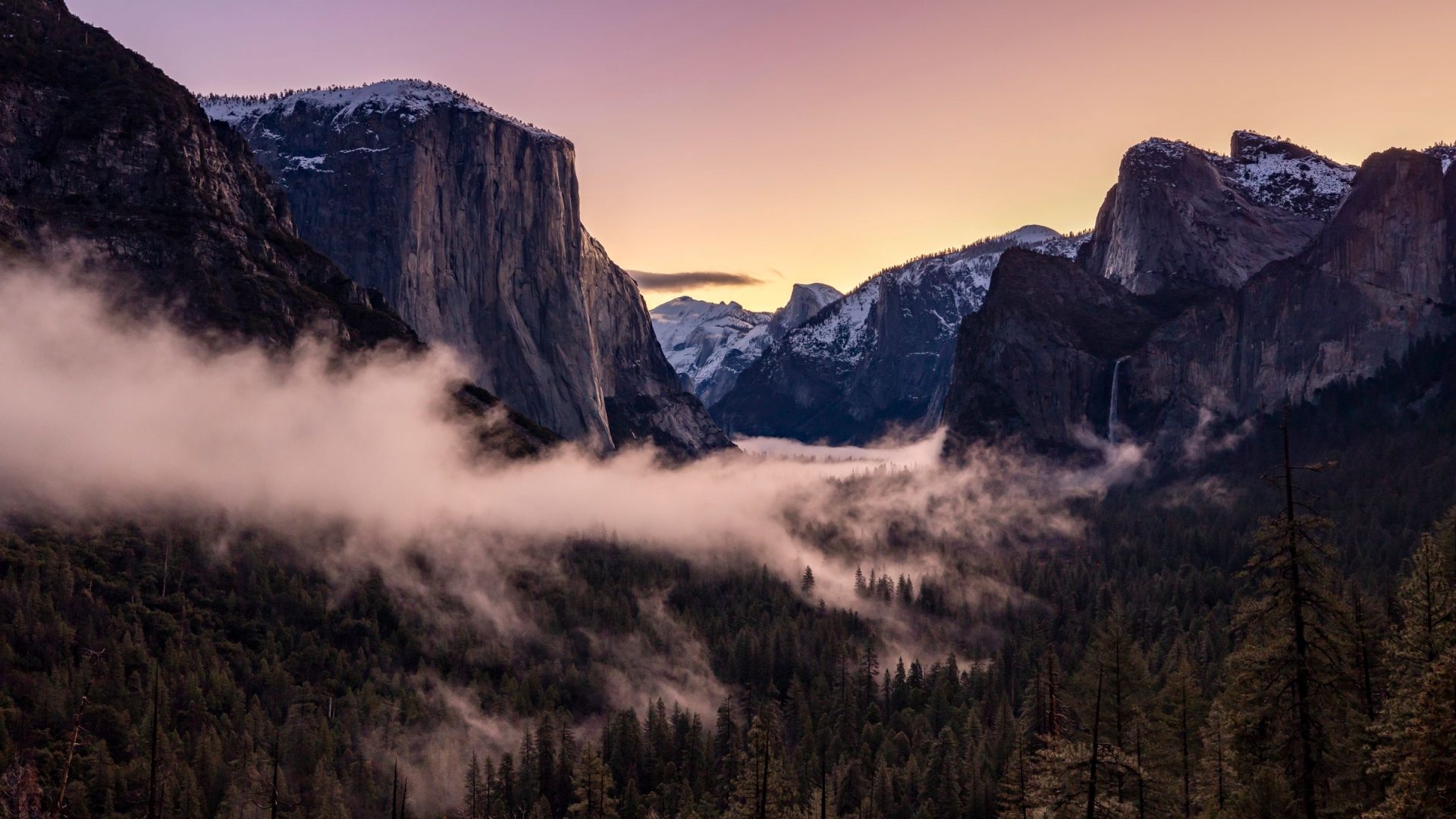
The difference between a frustrating national park trip and a portfolio-making one is almost never the photography. It is the planning: being at the right trailhead at the right hour, with the right reservation in hand. This guide covers how to plan a park photo trip that delivers, from season and permits to light and logistics.
 Save
Pick the Park for the Season
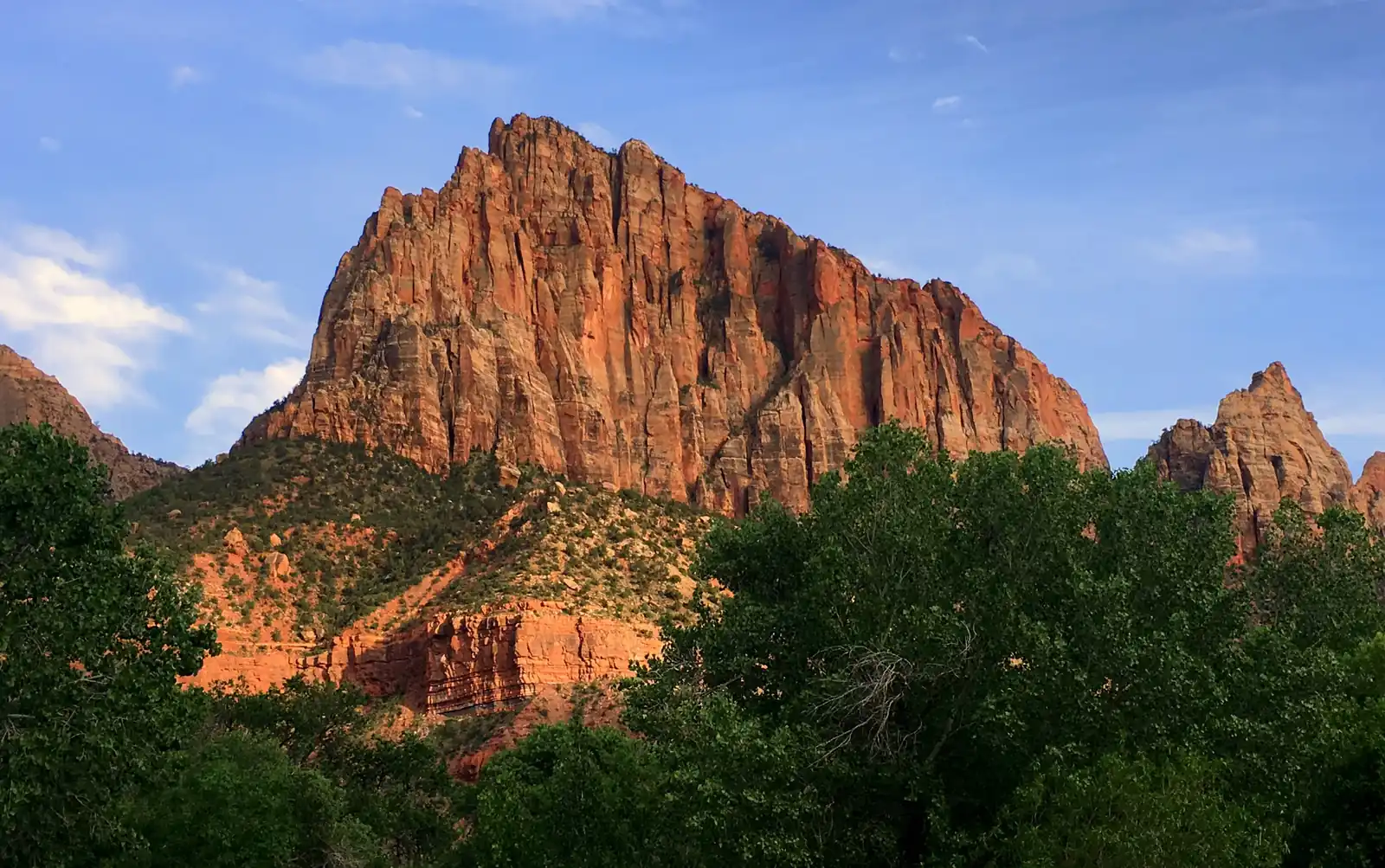
Every park has a window when it outperforms. Desert parks like Zion, Arches, and the Grand Canyon are at their best in spring and fall; summer heat makes midday shooting miserable and winter brings ice to the trails. Mountain parks like Glacier, Rocky Mountain, and Grand Teton have short summer seasons; high-country roads and trails may stay snowbound into July. Great Smoky Mountains and Acadia peak with fall color. Death Valley is a winter park. Match the trip to the window, not the other way around.
Reservations and Permits Come First
Several of the most popular parks now use timed-entry or vehicle reservation systems in peak season, and the slots can sell out months ahead or release in short windows. Before you book flights, check the park’s official NPS page for its current entry system, and set a calendar reminder for the reservation release date. If you are planning anything beyond personal photography, a workshop, a commercial shoot, or a wedding, different permit rules apply entirely; our national park permits and insurance guide breaks down what the NPS actually requires.
Plan the Light, Not Just the Location
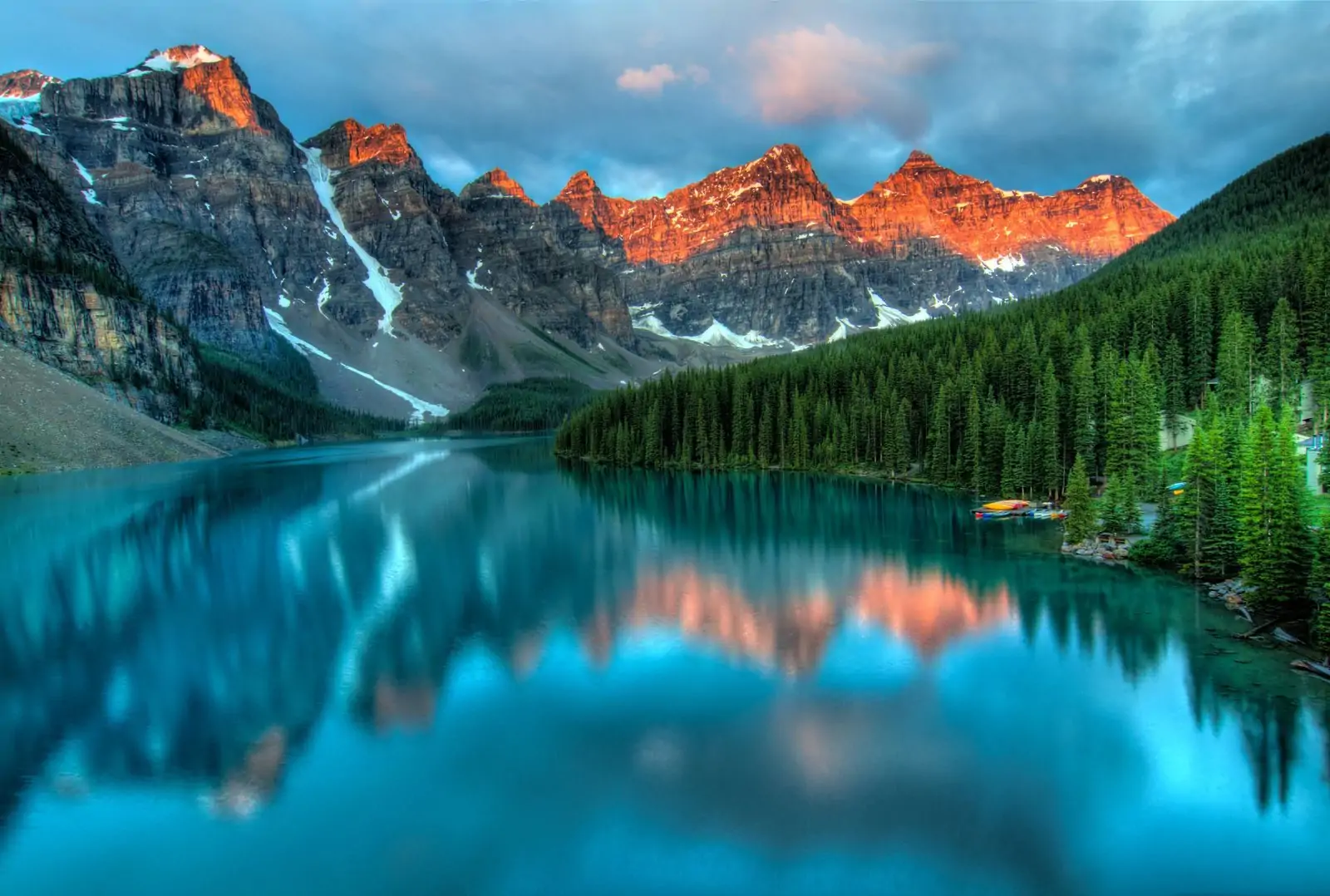
The classic park compositions are light-dependent, and the light is predictable. Use a planning app like PhotoPills to see exactly when and where the sun rises and sets relative to your subject: which canyon wall catches first light, which arch glows at sunset, when the moon rises over the ridgeline. Then build each day backwards from two anchor shoots, sunrise and sunset, with midday reserved for scouting, waterfalls in open shade, or rest. In most parks the best light also means the fewest people; the tour buses are still asleep at dawn.
 Save
Logistics That Make or Break the Shoot
Stay close. Lodging inside or near the park gate converts directly into sleep and shooting time; in-park lodging for popular parks books out many months ahead, so reserve early. Know the drive times. Parks are bigger than they look on the map; the distance from gate to trailhead can be an hour or more. Carry the ten essentials and tell someone your plan; cell coverage is unreliable in most parks. Respect the rules on drones: recreational drone flight is prohibited in US national parks, full stop. Leave it home.
Learn faster with a plan. The ShutYourAperture Academy has 22 photography courses, from the fundamentals of aperture, shutter and ISO to genre courses like landscape, portrait and street.
Editing Park Files
Park files run the full range: high-contrast canyon light, hazy mid-distance layers, alpenglow color that needs restraint rather than boosting. The Landscape, Cityscape and Drone Preset Pack covers the natural, moody, and warm looks these scenes call for, and the free starter pack in our Lightroom presets guide lets you test the workflow before your trip. For the shooting fundamentals in changing mountain light, our travel photography guide covers the core technique.
Gear for a supported park landscape
Use your existing support first. If it cannot hold the landscape setup you plan to carry, the Peak Design Aluminum Travel Tripod is one option to compare. Check full kit weight, plate fit, working height and packed weight before buying. Confirm the park and trail rules, use firm ground and keep paths clear. A tripod is not a reason to leave a permitted route or carry more than the trip safely allows. Compare the current retailer specifications; no hands-on test, price or stock promise is being made here.
Compare Peak Design Aluminum Travel Tripod on Amazon | Check Peak Design Aluminum Travel Tripod at B&H
Affiliate disclosure: We may earn a commission from qualifying purchases through these gear links at no extra cost to you. As an Amazon Associate, Shut Your Aperture earns from qualifying purchases.