Monochrome photography offers you a powerful way to create striking images that emphasize form, texture, and contrast. By utilizing shades of black, white, and gray, you can elevate your fine art photography to new heights, providing a timeless quality that captures the viewer’s attention. Mastering this style involves understanding lighting, composition, and tonal balance, allowing you to convey emotion and depth effectively. In this guide, you will learn important techniques to harness the beauty of monochrome tones and to achieve an elegant, cohesive look in your photographic work.

Key Takeaways:
- Focus on light and shadows to create depth and contrast.
- Select a strong subject to enhance visual interest.
- Utilize textures and patterns to add complexity to the composition.
- Experiment with different monochrome tones for emotional impact.
- Pay attention to negative space to improve balance and focus.
- Use post-processing techniques for refining the monochrome effect.
- Study classic monochrome photographers for inspiration and techniques.
Understanding Monochrome Tones
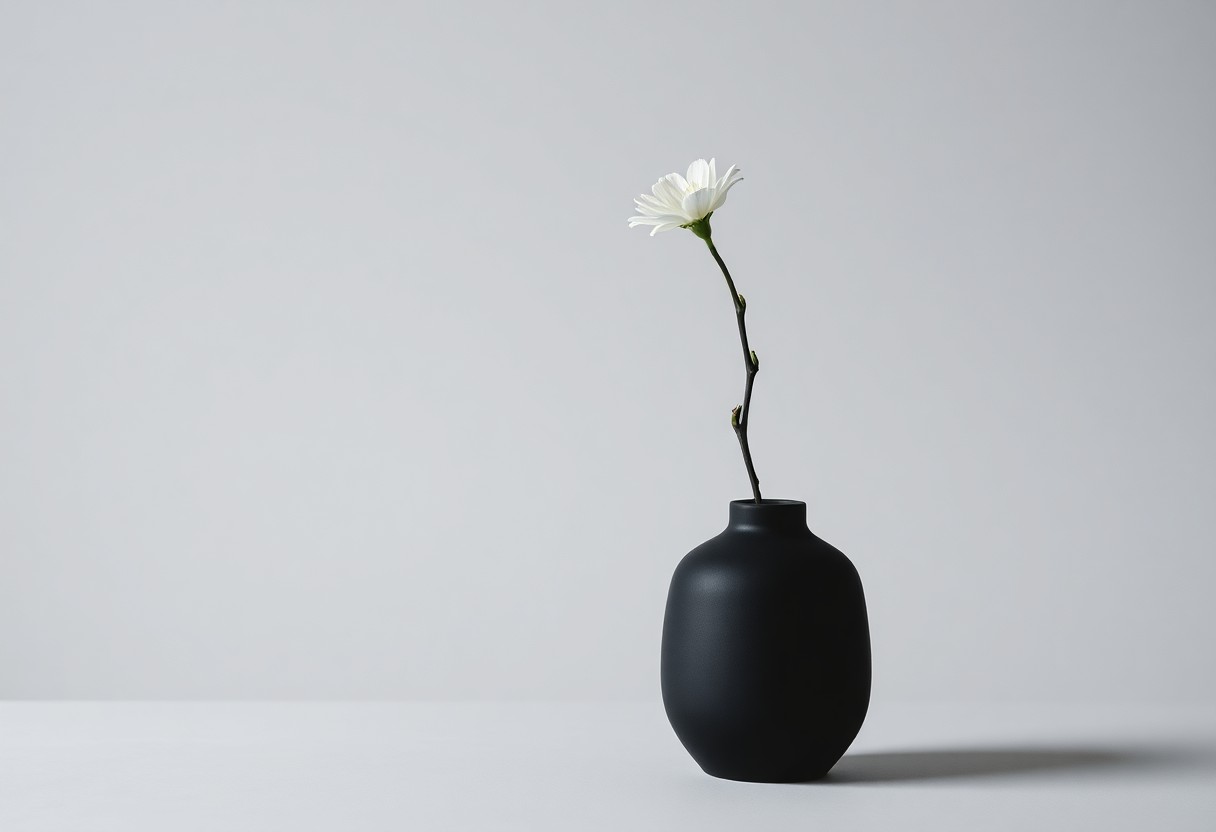
Monochrome tones strip away the distraction of color, emphasizing light, shadow, and texture in your photography. This simplicity allows for a deeper emotional connection with the subject, enabling you to convey feelings and narratives more profoundly. By focusing on varying shades of a single color, you can create images that resonate on multiple levels, inviting the viewer to see beyond what is merely visual. Mastery of monochrome tones means understanding the interplay of light and shade, creating a harmonious balance that can elevate your fine art photography.
The Impact of Color in Photography
Color plays a pivotal role in photography, influencing the mood and perception of an image. It can evoke emotions or draw attention to specific elements within a composition. When color is removed, you confront the intrinsic qualities of the subject—their shape, form, and texture. This can lead to a more introspective viewing experience, where the subtleties of grayscale depth become the focus. Each shade in monochrome embodies an emotional nuance, allowing you to connect more profoundly with your audience.
The Art of Black and White Imagery
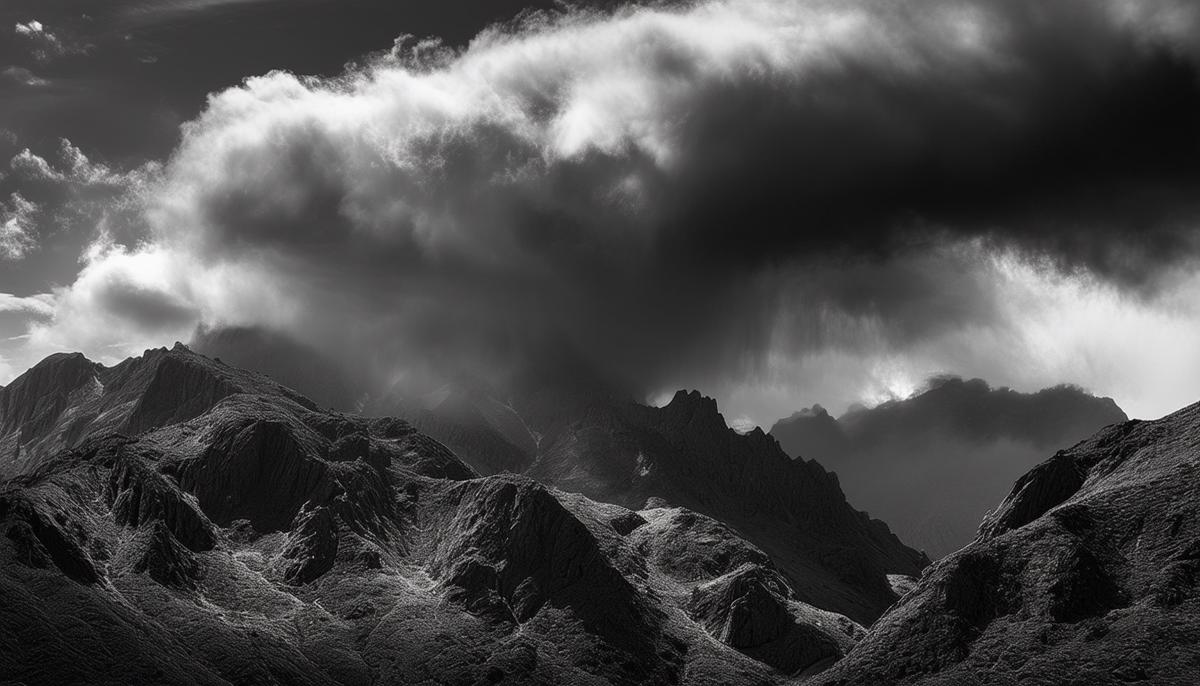
Black and white imagery transcends mere absence of color; it is an art form that highlights contrasts, shapes, and textures in ways color cannot. Each photograph becomes a canvas of light and shadow, where the elements of composition cling to greater significance. Strong contrasts can evoke dramatic intensity, while soft gray tones impart a sense of calm and nostalgia. You can manipulate these aspects to narrate stories that resonate with viewers on a more visceral level.
In black and white photography, paying attention to contrasts and textures becomes vital. Each decision you make regarding exposure affects how light interacts with your subject, transforming ordinary scenes into extraordinary stories. The absence of color allows you to experiment with creative compositions, drawing focus to intricate details that might be overlooked in color photography. For instance, Ansel Adams famously utilized the Zone System to ensure tonal range, creating landscapes that evoke deep emotions. Embracing this art form not only enhances your artistic expression but also challenges you to see the world through a different lens.
Essential Equipment for Monochrome Photography
Investing in the right equipment is vital for achieving stunning monochrome photography. Your gear not only influences the technical aspects of your images but also affects the creative possibilities. Select tools that enhance your ability to manipulate light and contrast effectively, ensuring that every shot emphasizes texture and form.
Camera Choices
Your choice of camera can significantly impact the quality of monochrome images. DSLRs and mirrorless models often excel due to their larger sensors and superior image processing. Consider full-frame options like the Nikon Z7 or Canon EOS R for enhanced dynamic range, which is imperative for capturing the subtleties of light and shadow in black and white.
Lens Recommendations
Choosing the right lens is instrumental in refining your monochrome photography. Prime lenses, such as a 50mm f/1.8 or a 85mm f/1.4, provide sharp images with minimal distortion, ideal for highlighting intricate details. Zoom lenses can offer versatility but may sacrifice some clarity, so select high-quality options with good optical performance.
For stunning results, prioritize prime lenses with wide apertures to create soft backgrounds and enhance subject separation. A 35mm or an 85mm lens will allow you to achieve dramatic contrasts in your monochrome images, drawing the viewer’s attention to important textures and patterns. Additionally, experimenting with macro lenses can yield unique perspectives, focusing on fine details that stand out in black and white photography.
Composition Tips for Elegant Fine Art Photography
Effective composition in fine art photography can elevate your monochrome images to new heights. Focus on these key elements to achieve a harmonious balance:
- Rule of Thirds
- Leading Lines
- Negative Space
- Framing
- Symmetry
Assume that engaging with these principles will enhance the elegance of your fine art photography.
Framing Your Subject
Utilizing framing in your shots directs viewers’ attention where you want it, creating an intimate feel. Natural frames, such as branches or doorways, add context and draw the eye inward. Experiment with different angles to find an effective balance between your subject and its surroundings. The goal is to isolate your subject while still providing a sense of the environment.
Creating Depth with Shadows
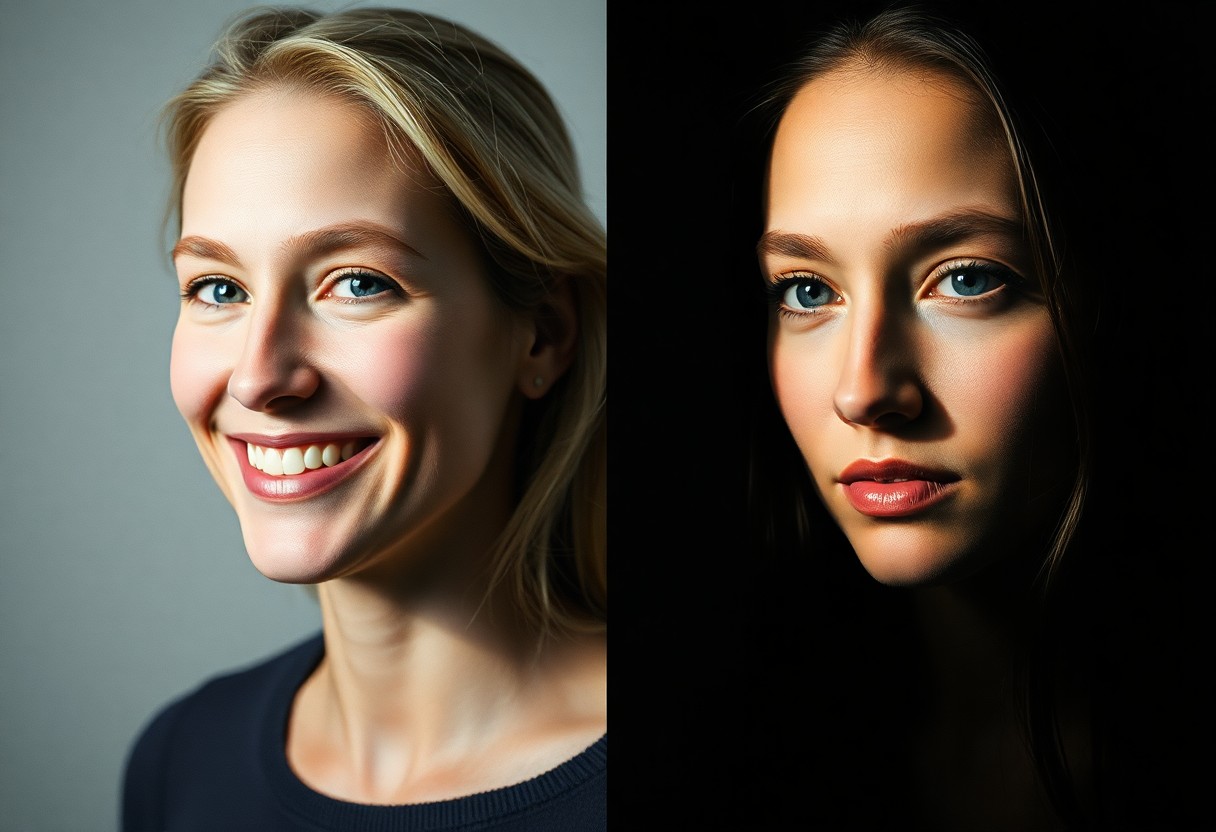
Shadows play a significant role in imparting depth and dimension to your monochrome photographs. Utilizing contrasting light helps to layer elements within the frame, offering a three-dimensional quality. Shadows can add mystery and intrigue, drawing the viewer deeper into the image.
Leveraging shadows effectively involves understanding light direction and intensity. Strong side lighting can create dramatic shadows, enhancing textures and shapes in your composition. Experiment with varying times of day or artificial lighting to see how they affect shadow play. Aim to position your subject to maximize shadow contrast against lighter areas, creating visual balance. You’ll find that incorporating shadows not only enriches the aesthetic but also evokes emotion, making your artwork resonate longer with your audience.
Factors Influencing Mood and Aesthetic
Achieving a striking composition in fine art photography hinges on several factors that influence mood and aesthetic. These include:
- Lighting conditions
- Textures
- Patterns
- Contrast
- Subject choice
Any of these elements can dramatically alter how the viewer perceives the artwork and connects with its emotional undertones.
Lighting Conditions
Lighting acts as a fundamental element in photography, dictating the mood and aesthetic of your image. Soft, diffused light creates calm and serene images, while harsh lighting can evoke tension and drama. Experimenting with natural light during different times of the day, such as the golden hour, can significantly enhance your monochrome tones and add depth to your composition.
Textures and Patterns
Textures and patterns enrich your photographic scenes by adding depth and interest, especially in monochrome photography. Capturing intricate details allows you to explore the interplay of light and shadow, enhancing the overall visual dynamics. Elements like peeling paint, weathered wood, or flowing fabric can convey emotion and narrative, drawing the viewer into a deeper engagement with your work.
Exploring textures and patterns offers endless creative possibilities. Consider photographing a close-up of a rusted surface, where the nuanced details of corrosion create a compelling story of decay and transformation. Alternatively, capturing the rhythmic repetition of a pattern, like rippling water or a woven fabric, invites the viewer to explore the visual continuity. Incorporating contrasting textures—smooth against rough—can evoke a dialogue between opposing forces, enriching the emotional narrative within your work. This layered approach fosters a more profound connection, encouraging viewers to immerse themselves in the subtleties of your monochrome compositions.
Post-Processing Techniques
Mastering monochrome fine art photography necessitates effective post-processing techniques to enhance the overall aesthetic and emotional impact of your images. This stage allows you to refine contrast, adjust tonal ranges, and emphasize key elements that convey your artistic vision. By manipulating exposure and shadows, you can create depth and drama, transforming your monochrome photographs into captivating works of art.
Editing Software Options
You have a plethora of editing software options to choose from for monochrome fine art photography. Popular choices include Adobe Lightroom and Photoshop, which offer advanced tools for selective editing and tonal adjustments. Additionally, alternatives like Capture One and Luminar provide excellent features tailored to streamline your workflow and enhance your creative possibilities.
Enhancing Monochrome Images
To truly elevate your monochrome images, focus on enhancing textures and contrasts that draw the viewer’s eye. Use sliders to manipulate contrasts and exposure; increasing contrast can bring out rich blacks and luminous whites, while adjusting clarity emphasizes details that add depth and interest. Additionally, consider employing local adjustments to fine-tune specific areas, ensuring an engaging visual experience that resonates with your audience.
Utilizing techniques such as dodging and burning can enhance your monochrome images significantly. This method allows you to lighten or darken specific regions, adding dimension and guiding the viewer’s gaze through your composition. For instance, selectively brightening the focal point while deepening the shadows around it not only creates visual hierarchy but also infuses the image with emotional weight. Coupled with proper sharpening and noise reduction, your final image can transform into a compelling representation of your artistic voice.
Tips for Displaying Your Fine Art Photos
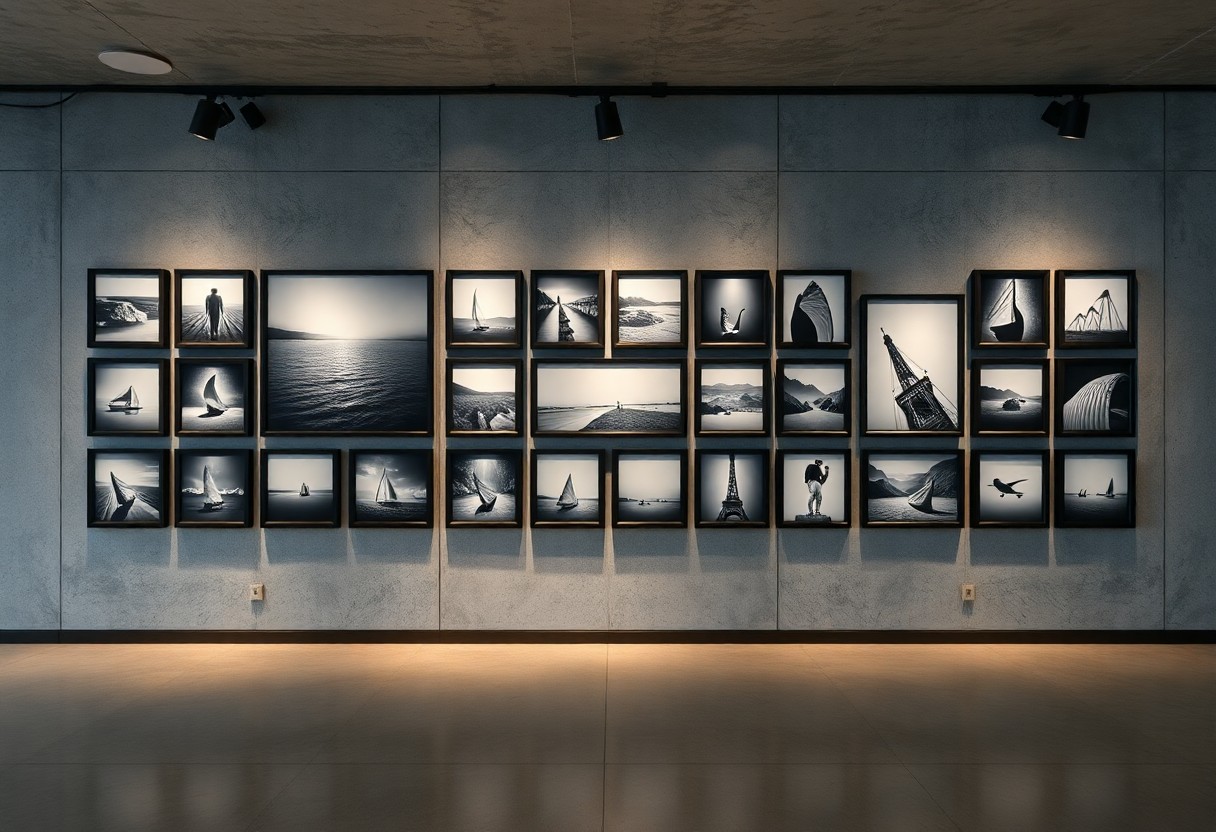
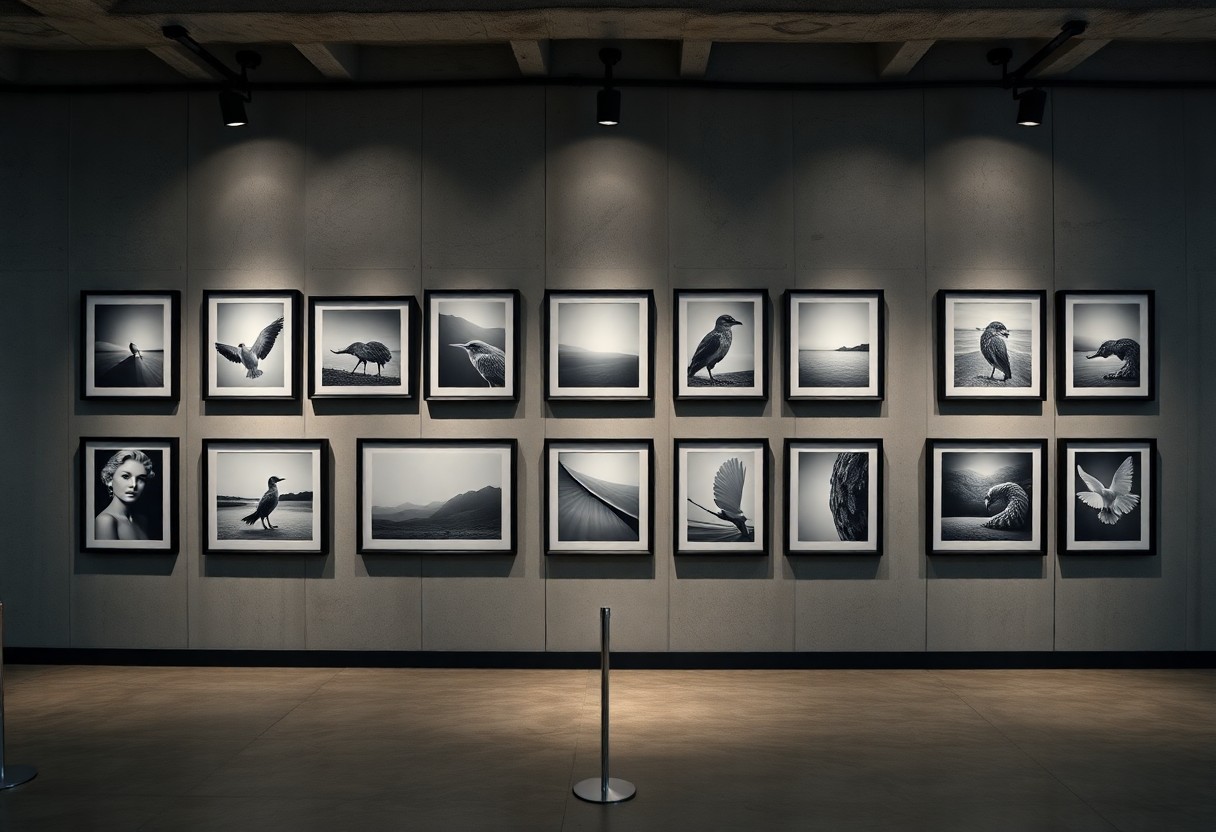
Displaying your fine art photos enhances their impact and visibility. Consider the following tips for optimal presentation:
- Use appropriate lighting to highlight textures and details.
- Choose a consistent framing style that complements your work.
- Opt for a neutral wall color to make images stand out.
- Space images evenly to create a balanced look.
- Include descriptive labels for context and engagement.
This elevates the overall experience for viewers, providing a deeper connection to your artistry.
Print Options and Formats
Selecting the right print options and formats can significantly enhance the allure of your fine art images. High-quality paper, such as matte or textured finish, can add depth and tactile appeal. Consider using archival inks to ensure longevity, as these can resist fading for decades. Additionally, formats like canvas or metal prints can offer a modern twist, allowing your monochrome photos to stand out dramatically in any setting.
The Importance of Presentation
Presentation shapes the viewer’s first impression and impacts their emotional response. Quality framing not only protects but also complements your work, highlighting its finest attributes. A well-executed presentation can evoke specific feelings aligned with your artistic vision; the choice of matting and frame color plays a pivotal role. Emphasizing contrasts in your monochrome tones can draw attention to particular aspects of your composition, creating an unforgettable visual experience.
To wrap up
Upon reflecting, achieving elegant fine art photography with monochrome tones involves a keen understanding of light, composition, and texture. You should focus on creating contrast to highlight intricate details and evoke emotion. Use shadows and highlights to guide the viewer’s eye, and carefully choose your subjects to embody your artistic vision. By mastering these elements, you will elevate your monochrome photographs, creating works that resonate deeply and stand the test of time.
FAQ
Q: What are monochrome tones in fine art photography?
A: Monochrome tones refer to images created using variations of a single color or shades of gray. This technique emphasizes form, texture, and composition while reducing distractions from color.
Q: How can I select the right subject for monochrome photography?
A: Choose subjects with strong shapes, textures, and contrasts. Look for dramatic lighting and interesting patterns that will stand out in a monochrome palette.
Q: What camera settings work best for capturing monochrome images?
A: Use a low ISO for reduced noise, an aperture that suits your depth of field needs, and adjust the shutter speed to properly expose your image. Shooting in RAW allows for greater flexibility in post-processing.
Q: How do lighting conditions affect monochrome photography?
A: Lighting plays a vital role. Soft, diffused light enhances textures and details, while harsh light creates strong contrasts. Golden hour offers dramatic shadows for striking monochrome images.
Q: What post-processing techniques should I use for monochrome photographs?
A: Use software to adjust contrast, brightness, and sharpness. Experiment with filters to enhance textures and tones. Converting to grayscale or using sepia tones can also enrich the final image.
Q: How can composition impact the effectiveness of monochrome photography?
A: Strong composition is vital. Utilize leading lines, symmetry, and the rule of thirds to guide the viewer’s eye. Negative space can emphasize the subject, enhancing the overall aesthetic appeal.
Q: Are there specific styles of monochrome photography I should explore?
A: Explore styles like high-contrast black and white, soft tone portraits, and grainy street photography. Each style has unique attributes that can express different emotions and narratives.