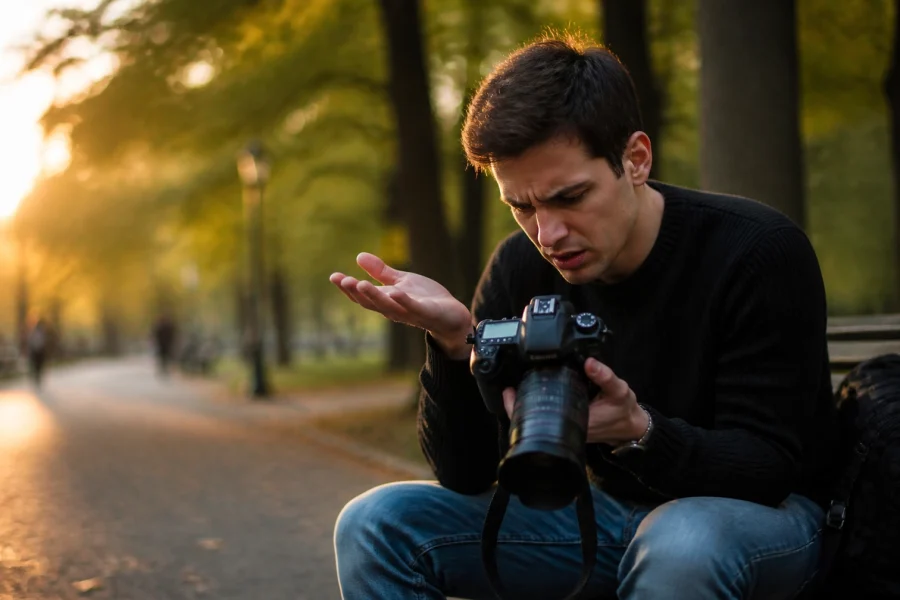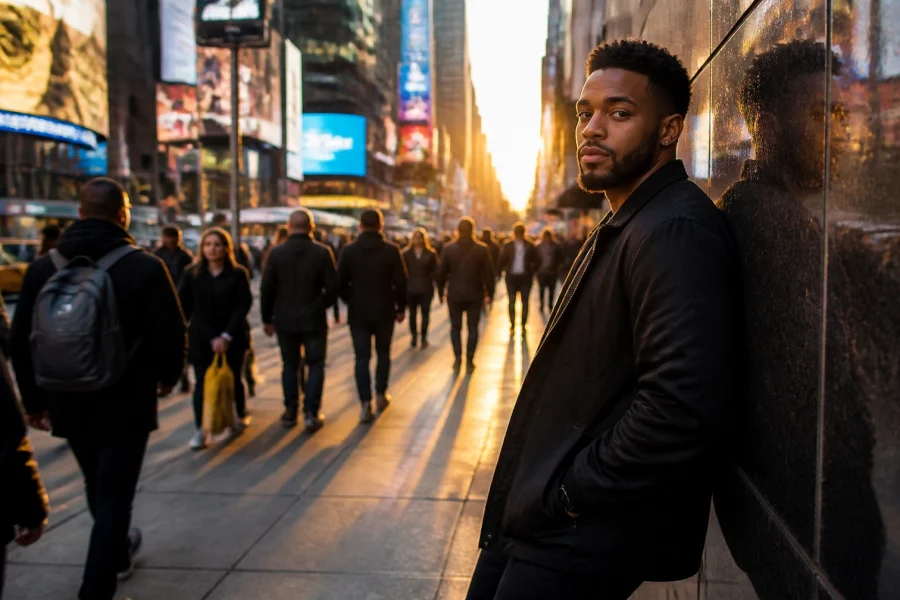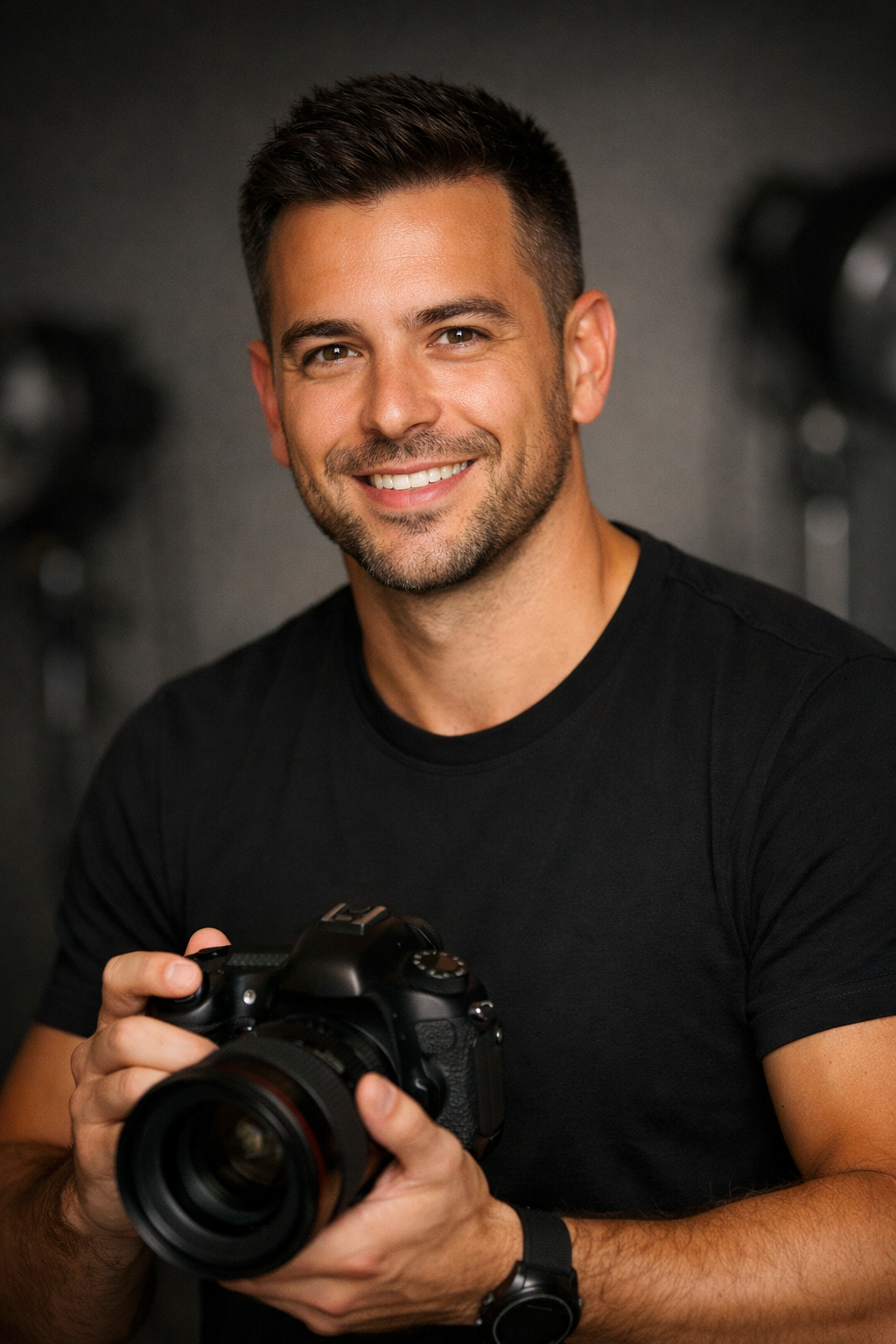
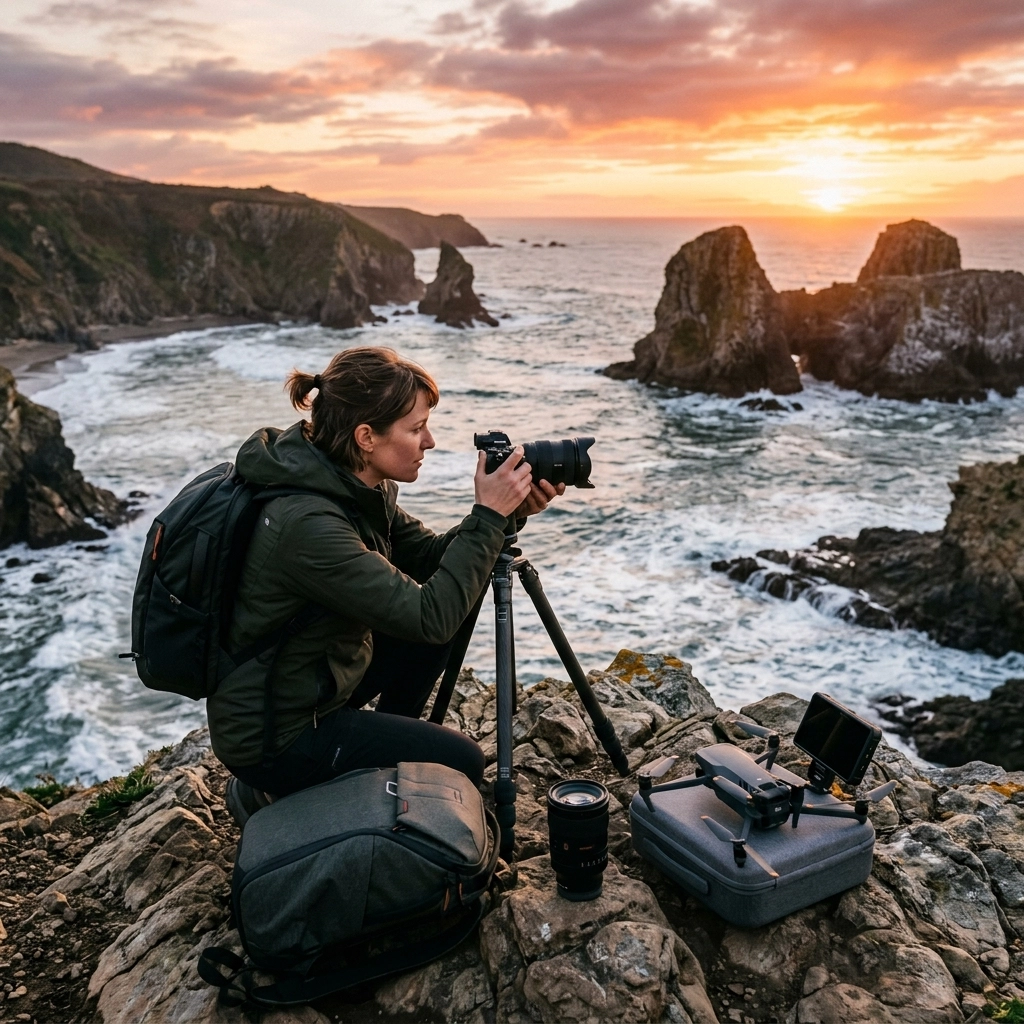
If you’ve picked up a camera lately, you probably noticed that the world of photography is moving faster than a shutter at 1/8000. It’s Monday, March 30, 2026, and the landscape has shifted. We aren’t just talking about higher megapixel counts anymore. We’re talking about a blend of high-tech AI, a surprising return to the "slow" life of film, and a community-driven learning model that’s actually making us better artists.
At Shut Your Aperture, we’re all about keeping things simple. You don’t need a PhD in optics to take a great photo, but you do need to know what’s happening in the industry. Whether you’re trying to figure out how to capture the perfect splash or looking for a hidden trail that hasn’t been trampled by thousands of influencers yet, we’ve got you covered.
The State of Learning: Photography Tutorials in 2026
Remember when learning photography meant sitting in a dark room or paying thousands for a weekend workshop that left you more confused than when you started? Those days are gone. In 2026, the best education is collaborative, structured, and: believe it or not: often free.
One of the biggest waves this year is the Focal Point Photoclass 2026. It’s a six-month deep dive that takes you from "how do I turn this thing on?" to advanced post-processing. The coolest part? It’s built on community. You aren’t just watching videos; you’re working through bi-weekly units with mentors on Discord and Reddit. It’s about getting feedback in real-time, which is the only way to actually grow.
If you’re looking for something more "choose your own adventure," the tutorial collection over at Expert Photography has become a gold mine. They’ve laid out over 40 guides that cover everything from the basic rule of thirds to the complexities of off-camera flash for professional headshots. If you want to dive even deeper into the technical weeds, check out Shut Your Aperture for some of the most comprehensive breakdowns on the web.
 Save
Save
Mastering the Elements: The Water Photography Boom
We’ve seen a massive spike in interest regarding water photography recently. Maybe it’s the calming nature of the waves or the technical challenge of freezing a fast-moving stream, but everyone wants to know the secret.
The truth is, capturing water is all about controlling time. If you want that silky, ethereal look, you have to master long exposures. If you want to freeze a crashing wave in mid-air, you need to understand your shutter speed inside and out. We’ve put together a few guides to help you navigate these waters (pun intended):
- Techniques and Gear: First, you need to know the basics. Check out our techniques for stunning water photography guide to see how to approach different bodies of water.
- The Right Tools: You can’t just walk into the ocean with a standard kit lens and expect magic. Our essential water photography gear guide breaks down the filters and tripods you actually need.
- Settings: If you’re struggling with exposure, look at the best camera settings for stunning water landscapes.
Whether you are mastering water photography in any environment or taking creative approaches from lakes to oceans, the key is light. Mastering light and water is what separates a snapshot from a piece of art you’d hang on your wall.
The AI Revolution: Enhancing, Not Replacing
Let’s address the elephant in the room: AI. In 2026, AI isn’t the enemy of the photographer; it’s the ultimate assistant. Tools like Luminar have completely changed how we handle post-processing.
Back in the day, removing a stray power line or fixing a blown-out sky took hours of tedious masking. Now, with Luminar, those tasks take seconds. This doesn't mean the "soul" is gone from photography. It means we have more time to focus on the composition and the story, rather than the "grunt work" of editing.
The trend in 2026 is post-processing education that focuses on intent. It’s not about clicking a filter; it’s about understanding color theory and how to guide the viewer’s eye. If you want to see how the pros are using these tools to create fine art, take a look at www.edinfineart.com or www.edinstudios.com. The goal is to make the technology invisible so the image can shine.
 Save
Save
Travel Trends: Finding the "Un-Photographed"
Travel photography has taken a turn toward the obscure. People are tired of the same three viewpoints at the Grand Canyon or the Eiffel Tower. In 2026, the "flex" is finding the place nobody else knows about.
If you’re planning a trip, timing is everything. For those in the States, knowing the best time for USA road trips can be the difference between a crowded parking lot and a private sunrise.
We’ve been hunting for these spots too. From hidden gem locations for travel photography to lesser-known vistas for enigmatic photos, the focus is on the "secluded." There is something incredibly rewarding about finding hidden gems and sharing them with a community that appreciates the effort it took to get there.
If you’re more of a city person, don’t worry. You can unlock secrets to enchanting urban photography by looking at the geometry and textures of the city in a new light. Sometimes, using rare textures for tangible aesthetic photography is all it takes to make a mundane alleyway look like a masterpiece.
The Surprising Revival: Film in a Digital Age
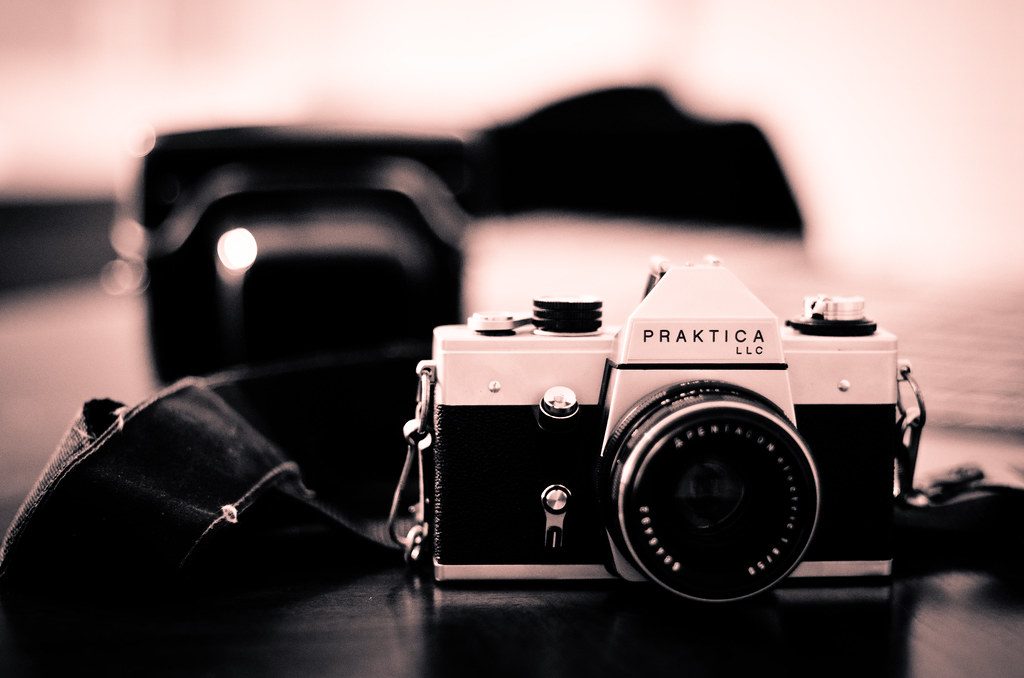
While we’re talking about high-end AI and cutting-edge sensors, there’s a massive counter-movement happening. Film photography is back in a big way. Why? Because it’s tactile. It’s slow. It makes you think before you click.
In 2026, young photographers are flocking to 35mm and medium format cameras. They are looking for that "organic" look that is hard to perfectly replicate digitally. Even when they shoot digital, they are using techniques like long exposure in water photography to mimic the slow, deliberate pace of analog.
This trend has influenced everything from the way we edit in Luminar (adding grain, halation, and bloom) to the way we scout locations. People want shots that feel "real." They want picturesque coastal escapes and secluded paradises that look like they could have been captured in 1976 or 2026.
 Save
Save
Essential Tips for the Modern Photographer
To stay relevant this year, you need to diversify your skills. You can't just be a "landscape guy" or a "portrait person." The lines are blurring. Here are a few things to keep on your radar:
- Focus on Storytelling: Technical perfection is boring. Does your photo say something? Even a simple sunset photography shot should evoke a feeling.
- Understand Your Gear: Don't just buy the newest camera because it’s shiny. Learn the limits of what you have. Check out www.proshoot.io for reviews that actually tell you how gear performs in the field.
- Experiment with Motion: Water photography is a great way to practice this. Learning to capture beauty in motion changes how you see the world.
- Go Beyond the Surface: Find top spots for stunning nature imagery and discover ethereal landscapes, but look for the small details: the textures, the light hitting a leaf, the way the fog rolls in.
Building Your Community
Photography can be a lonely hobby if you let it. But the biggest trend of 2026 is the breakdown of the "lone wolf" photographer myth. We are seeing a massive shift toward collaborative projects.
Whether it's sharing your latest work on blog.edinchavez.com or getting a critique on a global Discord server, the community is where the growth happens. We’ve been working closely with Sonny, our Social Media Manager, to ensure our blog posts align with the conversations happening on our social channels. If you see a topic here you want to dive deeper into, head over to our socials and let's talk about it.
 Save
Save
Keeping It Simple
At the end of the day, photography is about one thing: catching a moment. It’s easy to get bogged down in the tutorials, the news, the gear updates, and the AI debates. But don’t let the noise drown out the reason you started shooting in the first place.
Whether you’re out on a road trip, standing knee-deep in a river trying to get that perfect long exposure, or just playing around with Luminar on your laptop, remember to have fun. The best tips and trends are the ones that inspire you to get out there and actually "Shut Your Aperture."
The world is full of stunning nature imagery and majestic sunset photography just waiting to be captured. All you have to do is show up. Stay tuned to our blog for more updates, and keep chasing that light.