By Edin Chavez | Updated October 2026
The best mirrorless camera is the one that solves your actual shooting problem without making the rest of your kit harder to afford, carry or use. Start with your lenses, subjects and delivery requirements. Then choose a body. A camera with impressive specifications can still be the wrong purchase if its video crop changes your compositions, its lenses stay home because of their weight, or its files overwhelm your editing computer.
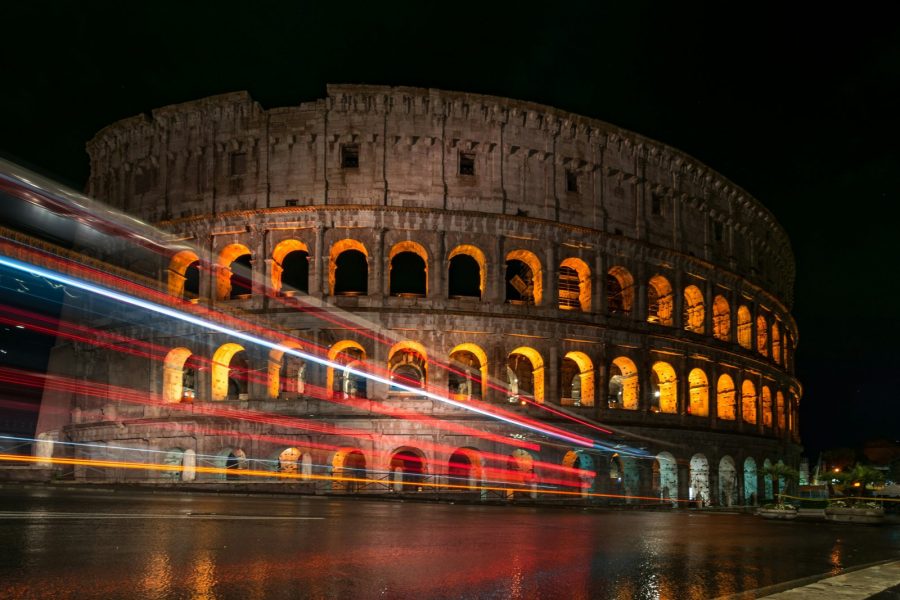
This is a documentation-led buying framework, checked against manufacturer specifications and linked independent reviews in October 2026. It is not a claim that we tested these cameras side by side. The shortlist contains established models with different strengths, not a declaration that they are the newest cameras or the only good choices available. The photographs illustrate shooting situations; none is presented as a sample from a camera discussed here.
Choose a system before choosing a camera
Write down the three photographs you most want to make. Be specific: portraits indoors, birds in flight, city scenes after dark, a family vacation, or interiors for a property listing. Now write down the lenses those photographs require. This simple step stops a body-only comparison from turning into an expensive mistake.
For portraits, compare the price, size and focusing behavior of the focal lengths you will actually use. For wildlife, include the telephoto lens, support and bag. For travel, compare a complete walk-around kit rather than a camera with its lens removed. For video, include a microphone, suitable recording media, power and any stabilization equipment. The useful comparison is the system you will carry, not the cheapest advertised body.
The mount matters because lenses must match it. Sony E, Canon RF, Nikon Z, Fujifilm X and Micro Four Thirds are separate systems. A familiar focal length on different sensor formats does not necessarily produce the same framing. Adapter compatibility also needs checking for the specific lens and camera. Do not assume autofocus, aperture control or stabilization works simply because an adapter makes the lens physically fit.
Our camera buyer guide gives the broader starting point. If lens choices are confusing, read the aperture guide before paying extra for a fast lens. A larger maximum aperture changes creative options, but it is not automatically the most sensible choice for every trip or assignment.
A mirrorless shortlist organized by the job
Use the models below as comparison anchors. Each represents a different balance of sensor size, still-image resolution, controls and video workflow. Check current stock, firmware, warranty, included accessories and total checkout cost before buying. Promotions and regional bundles change; this guide does not promise a price.
 Save
SaveSony A7 IV: an established full-frame hybrid starting point
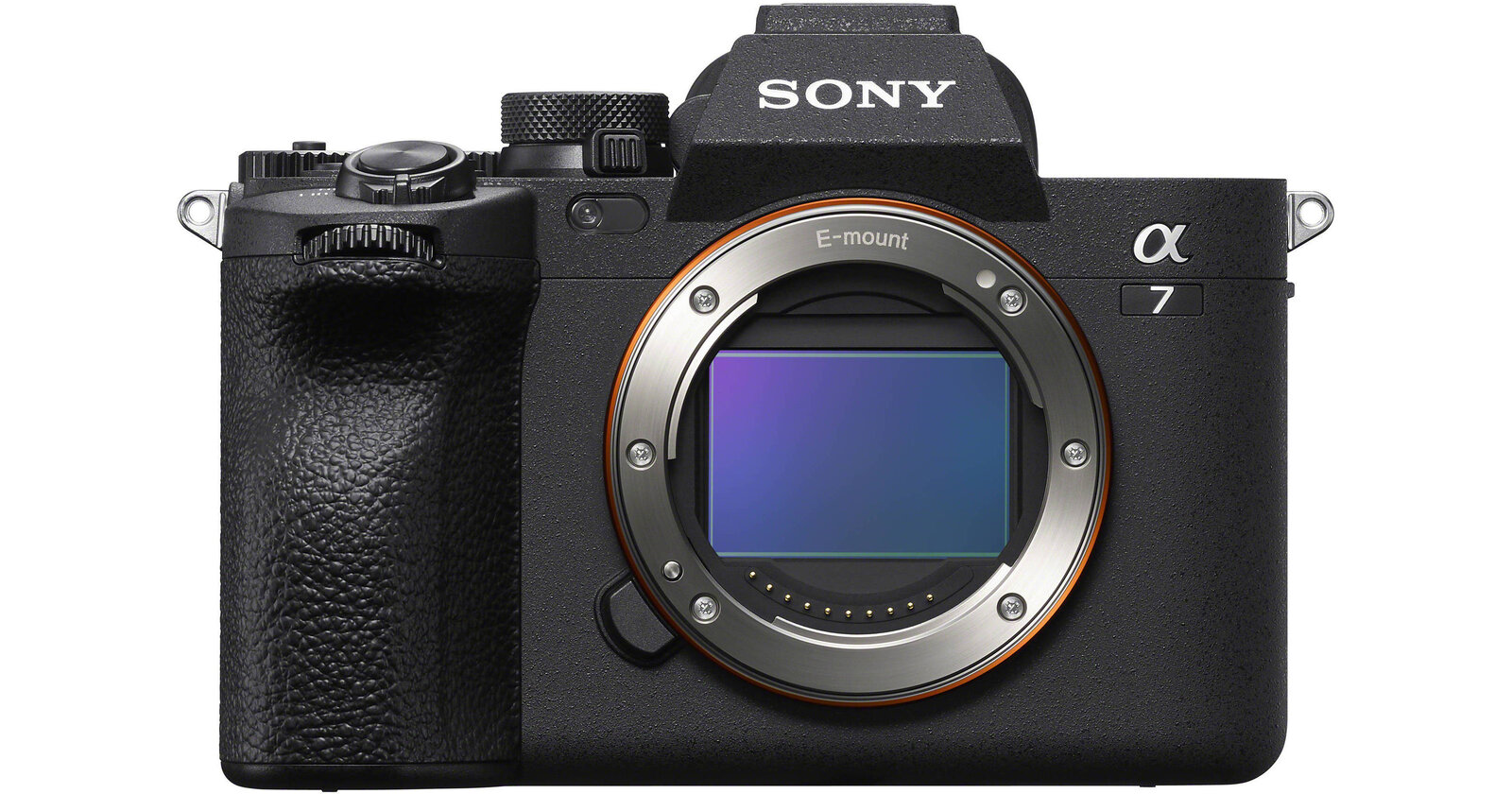
The A7 IV combines a 33-megapixel full-frame sensor with stills and video features in the Sony E system. Sony’s specifications list two recording slots: one accepts CFexpress Type A or SD, while the other accepts SD. That distinction matters when budgeting media and selecting a recording format.
The important video catch is not hidden in the headline resolution. Sony states that 4K at 50/60p uses Super 35 mode; full-frame coverage is available at lower 4K frame rates. If wide-angle handheld video is central to your work, compare the framing in the exact mode you intend to record. A lens that is wide enough for photographs might no longer cover the room at 60p.
Independent context is useful here. Cameralabs’ A7 IV review demonstrates rolling-shutter distortion with the silent electronic shutter. Those are the reviewer’s tests, not ours. Treat the A7 IV as a broad hybrid candidate, then look carefully at fast movement, your preferred video modes and the lenses you need rather than assuming every electronic-shutter camera behaves alike.
Canon EOS R6 Mark II: an event-oriented full-frame candidate
The R6 Mark II uses a 24.2-megapixel full-frame sensor and two UHS-II-compatible SD slots. Canon’s manual lists continuous shooting up to approximately 12 frames per second with mechanical or electronic first-curtain shutter, and approximately 40 with electronic shutter. Those are different operating modes, not interchangeable promises.
For people, events and mixed work, start by asking whether 24.2 megapixels meets your delivery size and crop needs. If it does, spending more for additional pixels may matter less than the right lens, lighting and backup process. At a paid event, verify that your chosen image format can be recorded redundantly to both cards, then practice the recovery workflow before the job.
Canon’s burst figures carry conditions involving settings, power and shooting circumstances. Do not buy on the maximum frame rate alone. Examine autofocus behavior for your subject, buffer recovery with your cards and how the electronic shutter handles the lighting you regularly encounter. A rental under familiar indoor lights can reveal more useful information than another week of comparing marketing numbers.
Nikon Z8: high resolution with a more demanding workflow
The Z8 is an option when detailed still files and substantial video capabilities are part of the requirement. Nikon’s official specifications list 45.7 megapixels, an electronic shutter, CFexpress Type B/XQD and SD recording slots, and video modes extending to 8.3K RAW and 4K UHD at 120p. The highest modes have their own media and recording conditions.
That makes it a meaningful comparison point for commercial detail, large prints, action and video, but not a free upgrade in everyday convenience. Include compatible storage, file transfer, backup capacity and editing requirements in the system plan. Ask whether you need the resolution on every assignment or whether you are buying for an occasional use case that could be rented.
The Z8 does not have a conventional mechanical shutter. That is a design difference to understand rather than a reason to assume it is either perfect or unsuitable. Verify flash compatibility, shutter settings and behavior under the lights you use. Its sensor shield should not be confused with a mechanical exposure shutter.
 Save
SaveFujifilm X-T5: a stills-focused APS-C alternative
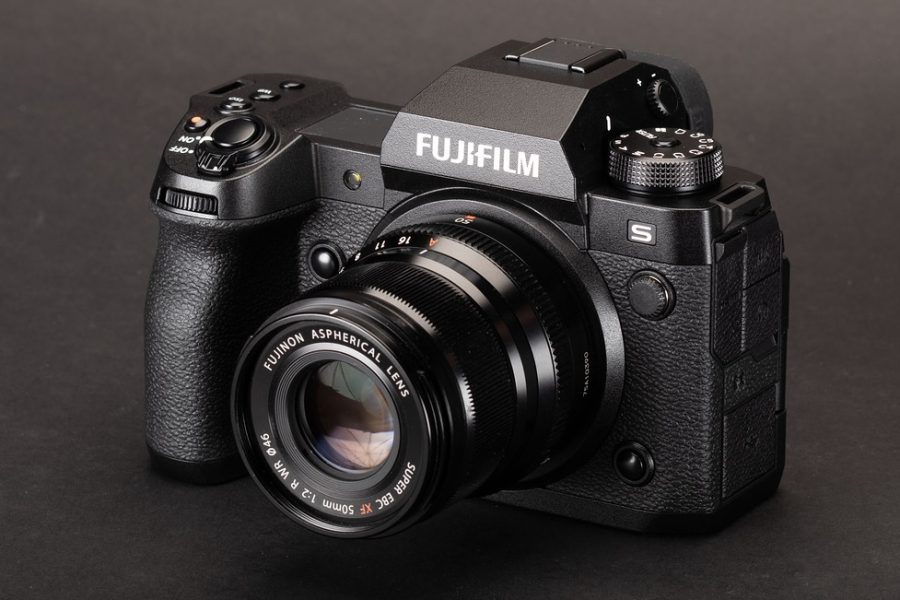
The X-T5 provides a 40.2-megapixel APS-C sensor, Fujifilm X mount, in-body stabilization and dual SD slots. Fujifilm’s specification sheet also lists 6.2K recording up to approximately 30p, with a 1.23x crop in that mode. High resolution is therefore available without choosing full frame, but sensor format and recording mode still influence lens selection.
The physical controls and tilting screen make it worth considering for photographers who prefer direct exposure settings and a stills-oriented layout. Cameralabs’ X-T5 review discusses those design choices and shows the limitations of its non-stacked sensor’s electronic shutter with movement. Again, that is independent review evidence, not an experience claim from this site.
Compare a complete X-T5 kit against a complete full-frame kit. An APS-C body is not automatically cheaper once you add the lenses you want, and a high-resolution sensor still needs good technique. Judge the grip with the intended lens attached. Check whether the screen works for your tripod position and whether you prefer dedicated dials or a different control layout.
 Save
SavePanasonic Lumix GH7: start with the video workflow
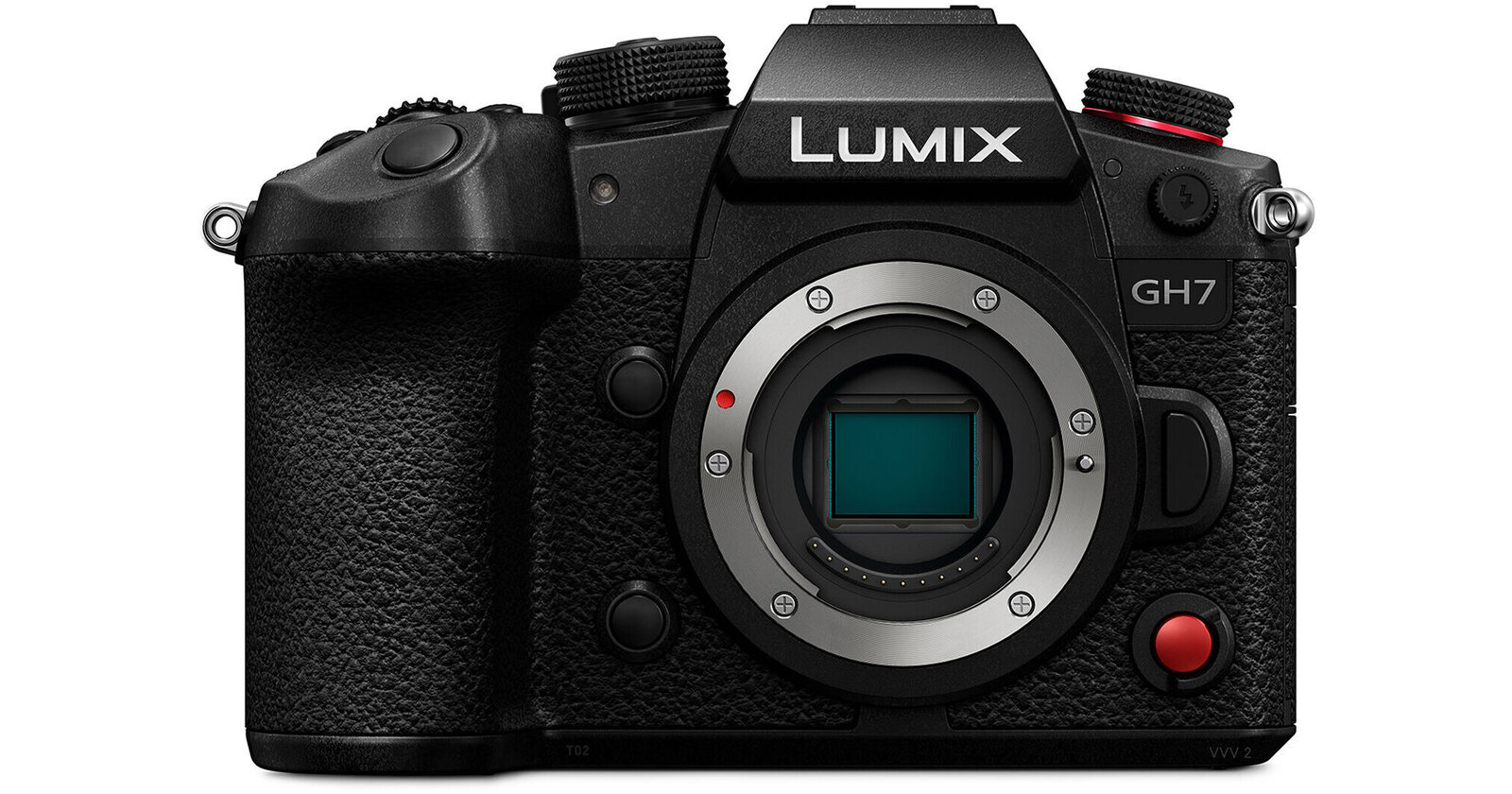
The GH7 uses a 25.2-megapixel Micro Four Thirds sensor and offers extensive recording choices. Panasonic’s specifications list internal ProRes RAW options, a CFexpress Type B slot and an SD slot. Recording format, bitrate, media and editing support need to be considered together.
A video camera is only useful when its files fit your production. Panasonic specifically notes that software supporting Apple ProRes RAW is required for that format. Before choosing RAW recording, confirm that your editing application can work with it and that your computer, cards and backup storage can handle the files. A compressed 10-bit mode may be a better practical choice for work with short delivery deadlines.
Cameralabs’ GH7 review covers its cooling fan, phase-detect autofocus and video options. Use that review as a second perspective alongside the official mode tables. If video is the priority, our 4K video camera guide goes deeper into recording crops, media and the difference between a headline capability and a useful shooting mode.
OM SYSTEM OM-1 Mark II: an outdoor Micro Four Thirds option
The OM-1 Mark II has a 20.4-megapixel stacked Micro Four Thirds sensor. OM SYSTEM’s product information lists subject-detection autofocus, computational features and IP53-rated weather sealing. For wildlife, macro and outdoor travel, compare the full telephoto or macro kit rather than assuming the sensor’s megapixel count tells the entire story.
Weather resistance is not permission to submerge a camera or ignore lens compatibility. Check the sealing conditions for the exact camera-and-lens combination, keep covers available and dry equipment before changing lenses or opening compartments. For high-resolution composite modes, read the subject-movement requirements; a multi-frame result is not equivalent to a single native-resolution exposure of a moving animal.
The useful tradeoff is specific: how much reach, portability and depth of field do you need, and what low-light or crop requirements must the kit meet? Compare actual lenses and sample files from reliable sources. Avoid blanket claims that one sensor format is always lighter, always cleaner or always better for wildlife.
Separate resolution, autofocus and shutter speed
Resolution describes the file’s detail potential, not whether the photograph will be sharp. Focus errors, camera movement and subject movement can defeat a high-megapixel sensor. Before buying more resolution, examine the pictures that disappoint you. If eyes are out of focus, the answer might be autofocus setup. If moving people are blurred, the answer might be shutter speed and available light. If you are cropping heavily, the answer might be a different focal length.
Autofocus subject detection is an aid, not a guarantee. Test the subjects you photograph, including partial faces, glasses, foreground obstacles and subjects near the edge. Check how easily you can override the camera when it selects the wrong target. A system that works for your habits matters more than the number of named subjects in a menu.
In-body stabilization helps with camera movement. It does not stop a dancer, child or bird. Manufacturer stop ratings are measured under stated conditions, not a promise of sharp photographs at any shutter speed. The shutter-speed guide explains the exposure decision that remains yours even with sophisticated stabilization.
 Save
SaveBuild the budget around the delivered photograph
Make a complete-kit list before deciding that a body is affordable. Include the first useful lens, memory cards suitable for your modes, a spare battery, charger if needed, bag and backup storage. Add lighting or a tripod when the subject requires it. Two card slots are helpful, but cards are not a complete long-term backup plan.
Used equipment can make sense when it leaves room for an appropriate lens. Inspect the return window, warranty, sensor condition, mount, ports, controls and battery compartment. Ask about damage and repairs, and verify the specific item rather than relying on photographs of a similar camera. A shutter count alone does not describe every type of wear, particularly with cameras used heavily for video.
Keep an existing camera if it already meets your delivery requirements. Upgrade when you can name the missing capability and explain how the new system supplies it. Changing mounts can mean replacing lenses and accessories; the real switching cost is larger than the price difference between two bodies. Renting an unfamiliar kit for a relevant shoot is often a sensible preparation step.
A practical rental or shop checklist
Bring the lens, card type and bag you expect to use, where the shop permits it. Hold the camera at your usual shooting height. Change exposure without taking your eye from the viewfinder. Move the autofocus point, switch subject detection off and on, and review an image at useful magnification. Check that the grip remains comfortable with the lens attached, not just with an empty mount.
For video, record in the intended resolution, frame rate and codec. Check the crop, stabilization mode, audio connection and screen position. Transfer the files to your own computer and edit a short sequence. For stills, examine relevant RAW files in your normal editor, not only a bright rear-screen preview. These steps are suggestions for your evaluation, not tests we claim to have performed.
Learn faster with a plan. The ShutYourAperture Academy has 22 photography courses, from the fundamentals of aperture, shutter and ISO to genre courses like landscape, portrait and street.
Questions about choosing a mirrorless camera
Is full frame always better than APS-C or Micro Four Thirds?
No. Choose for the complete kit and output. Sensor size changes framing and depth-of-field decisions, but portability, lens selection, autofocus and workflow can matter more to a particular photographer. Compare at the image size and shooting conditions you actually use.
How many megapixels do I need?
Start with the largest delivery size and the amount of cropping you expect. More pixels can help detailed prints and aggressive crops, but increase storage and editing demands. They do not repair missed focus or motion blur. Ask for representative files before deciding that additional resolution is necessary.
Should I buy the newest camera?
Only if its specific improvements solve a problem worth the total cost. This established-model shortlist is a starting point, not a current-release ranking. Compare newer and older models in the same system, including lenses and accessories, and verify present availability.
Can I use my DSLR lenses?
Sometimes, with the appropriate adapter and compatible body. Verify the exact combination through manufacturer documentation. Autofocus, aperture control and stabilization may differ; mechanical fit by itself is not proof of full support.
Does the fastest burst rate make the best sports camera?
No. Shutter mode, sensor readout, autofocus, buffer depth, media speed and light all matter. Maximum burst figures have conditions. Check the mode you will use and whether it delivers the image quality and tracking behavior your sport needs.
Are two memory-card slots essential?
They are worth prioritizing when losing an unrepeatable assignment would be costly. Verify the camera’s redundant-recording options for your chosen format. Two slots alone do not establish that every still or video mode can be backed up simultaneously.
Is a weather-sealed camera waterproof?
No. Read the manufacturer’s conditions for the body and lens. Keep equipment protected from immersion and heavy exposure, and do not open doors or change lenses while the kit is wet. A stated rating is not a substitute for careful handling.
What should I spend on first: the lens or the body?
Buy a workable pair. Do not choose a body so expensive that the necessary lens falls outside your budget. Conversely, a lens cannot add a missing recording mode or autofocus capability. List the requirements and fund the complete kit that meets them.
Gear box: one exact model to compare
Fujifilm X-T5, black, body only (manufacturer model 16782301). This is the APS-C stills-oriented candidate above, not a universal winner or a bundle with a lens. Compare the complete lens-and-body cost and the return terms before buying. Retail links can change stock, seller or available options, so confirm the model, color and body-only configuration on the listing.
Affiliate disclosure: We may earn a commission from qualifying purchases through the Amazon and B&H links, at no extra cost to you. Those links do not affect the source-led comparison. Official documentation and free-chart links are plain references.
Choose the camera that fits your work, then learn it deeply. A useful lens, dependable backup and repeatable exposure decisions will keep paying off after the excitement of a new body has passed.