By Edin Chavez | Updated October 2026
A bigger sensor won’t carry your bag up the mountain. And more megapixels won’t fix a weak composition. The best landscape camera is the one that gives you the detail you need without turning the trip into a workout you didn’t sign up for. A camera for huge prints and heavy crops may be a poor fit for a long hike. Pick for the photographs you make, not the spec sheet you want to win.
Start with the finished photograph. How big will you print it? How much do you crop? Do you shoot still scenes from a tripod, moving water or night skies? Then build the whole kit: lenses, filters, batteries, cards and a bag you’ll actually carry. These five cameras cover APS-C, full frame and a larger sensor format. There is no prize for choosing the biggest one.
Pair your body choice with our landscape lens guide, which covers native mounts, filters and wide-to-telephoto framing.
Five cameras to compare for landscape work
- Fujifilm X-T5: 40.2-megapixel APS-C X-mount stills in a potentially smaller lens system.
- Sony A7R V: 61-megapixel full-frame E-mount files when detailed crops and lenses support them.
- Canon EOS R5 Mark II: approximately 45-megapixel full-frame RF files for a mixed stills and other-work kit.
- Panasonic Lumix S5II: 24.2-megapixel full-frame L-mount single raws plus a separate high-resolution composite option.
- Fujifilm GFX100S II: 102-megapixel G-mount files from a larger sensor for a deliberate high-detail workflow.
This is not a winner-through-fifth-place list. Choose which two or three systems can actually cover your focal lengths, budget and travel conditions. Test the output at the size you need. Manufacturer pages establish specifications, not how many usable photographs you will make on a stormy trail or whether a used example is sound.
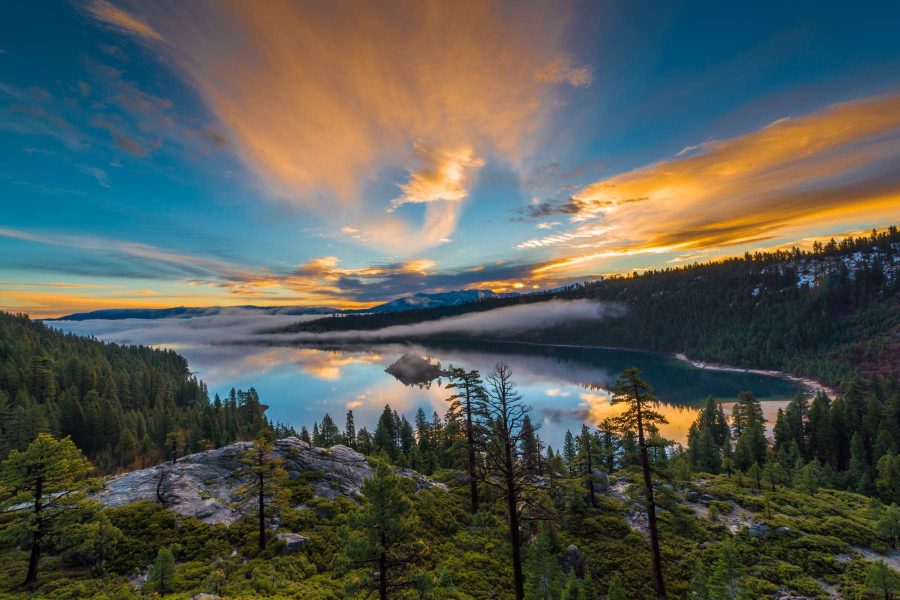
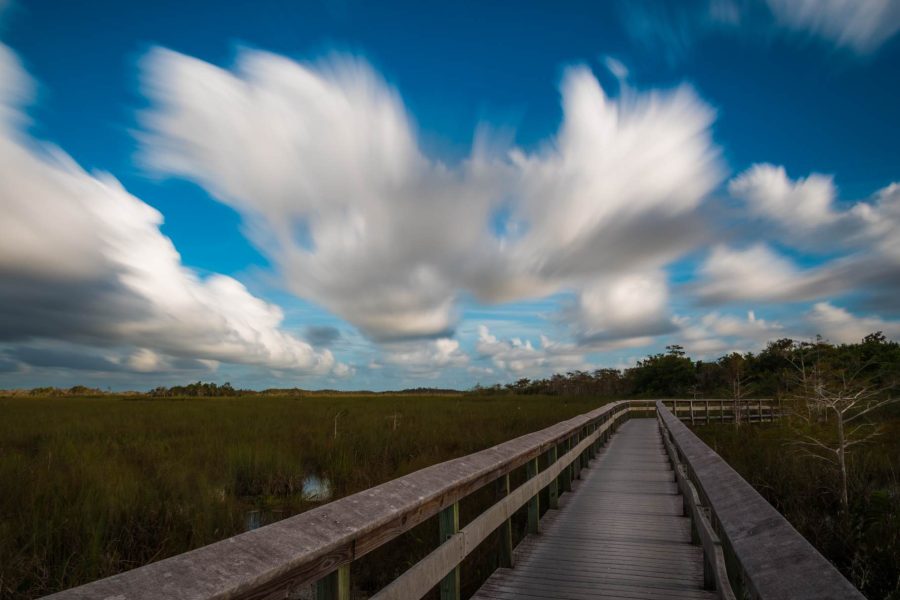
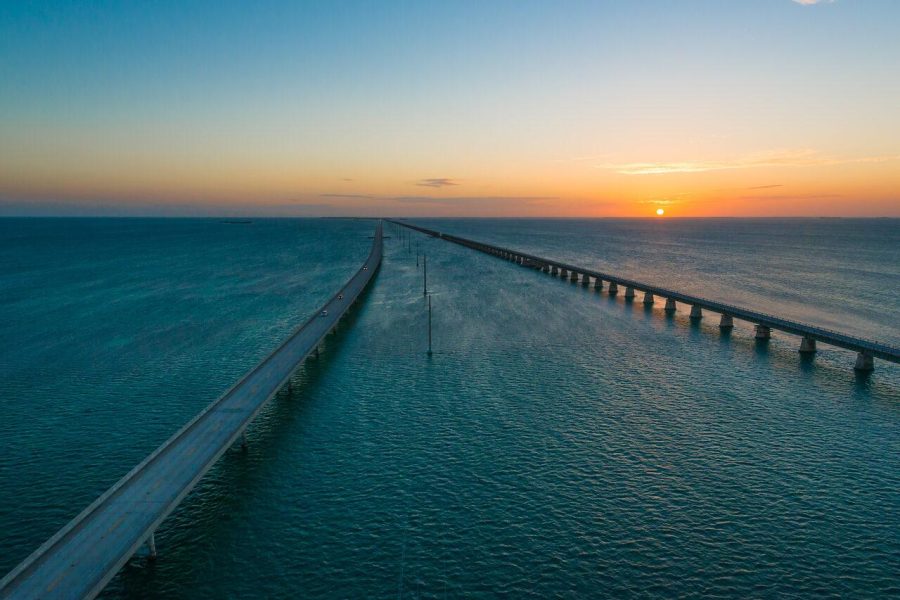
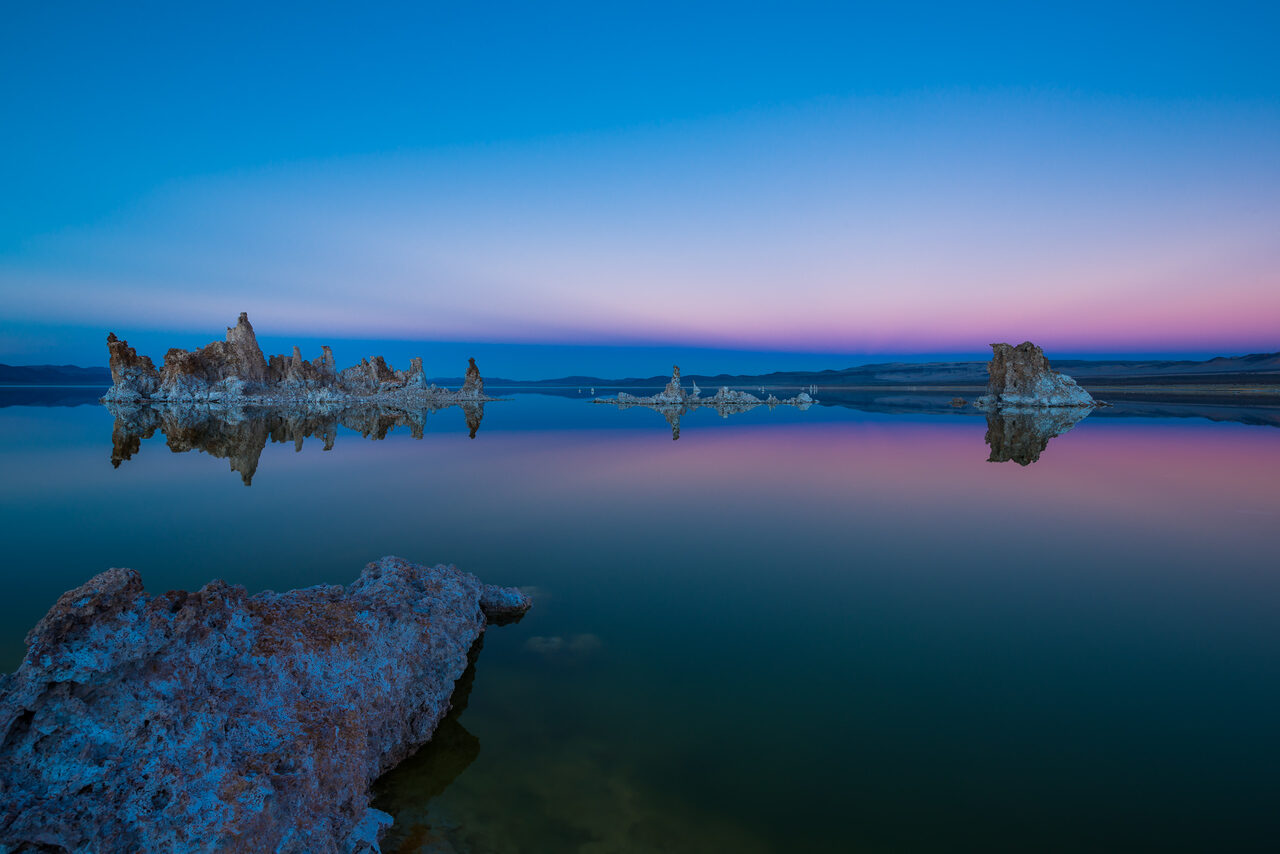
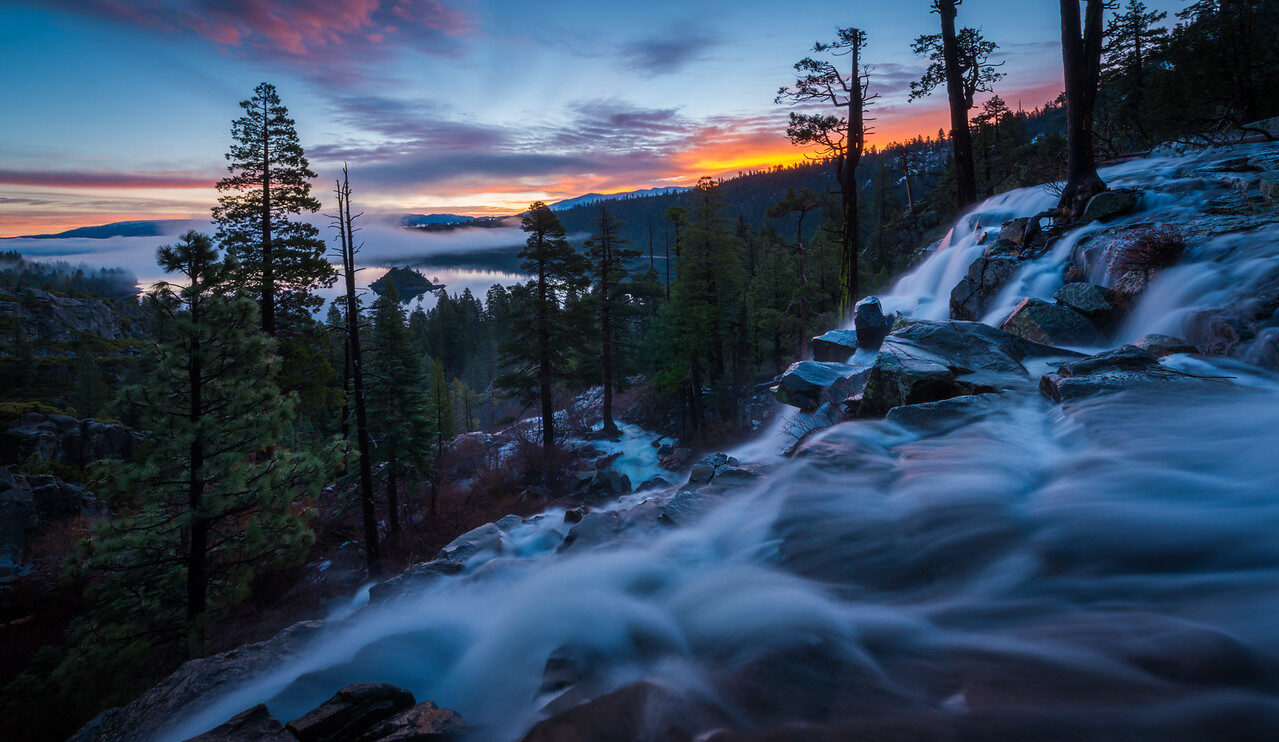
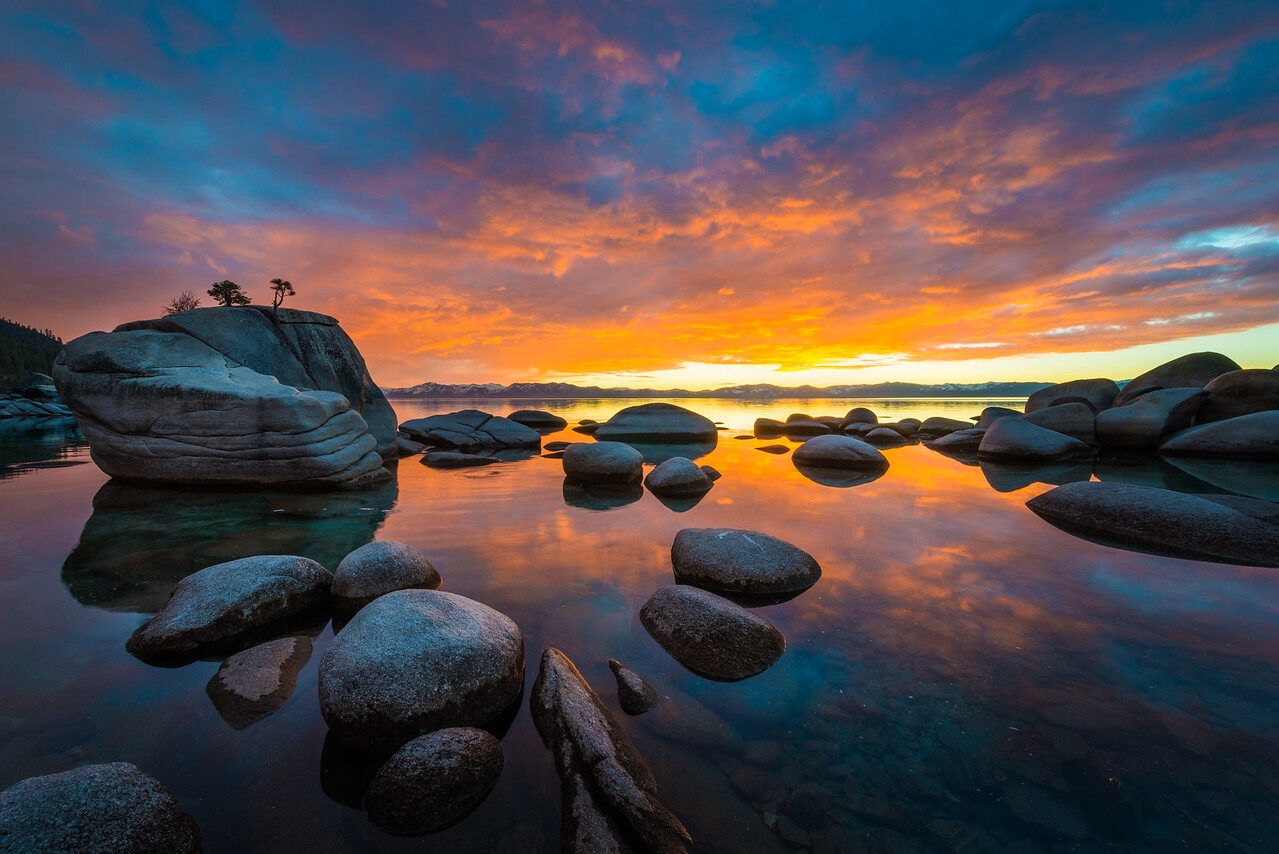
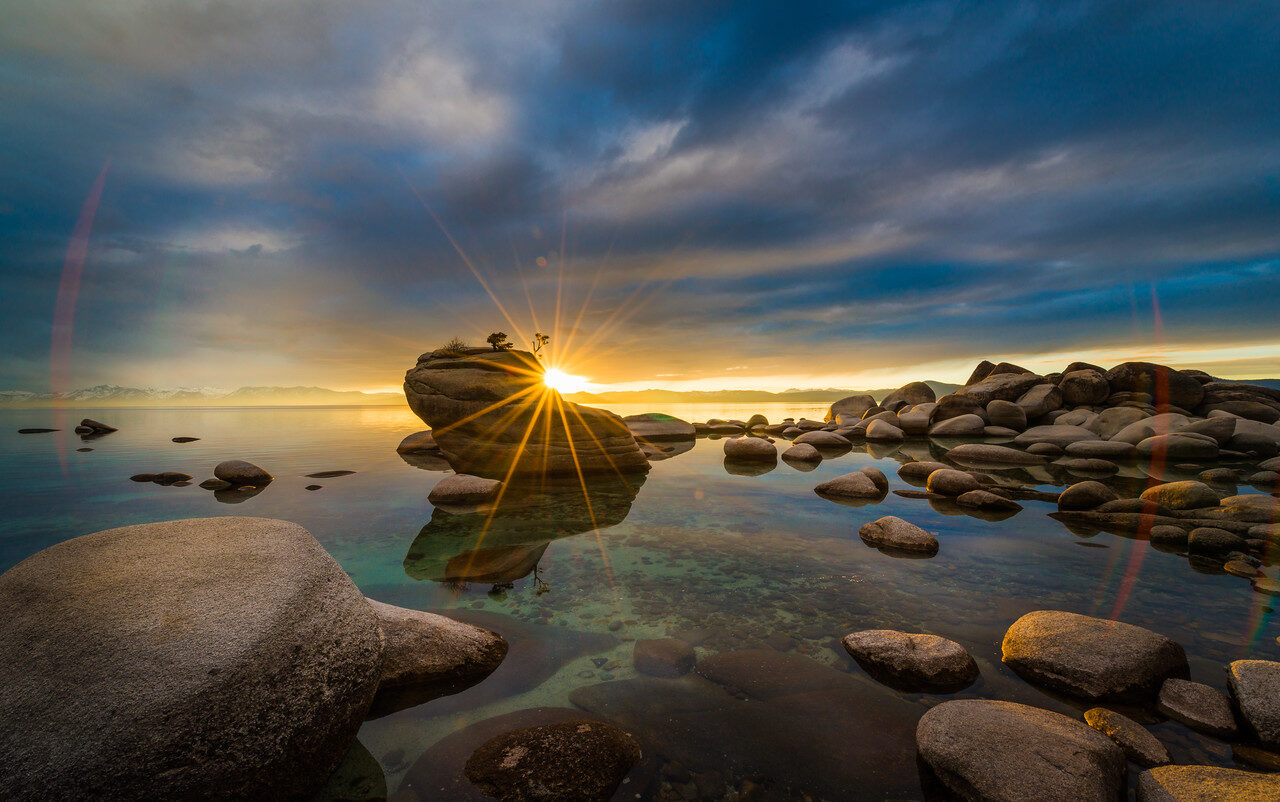
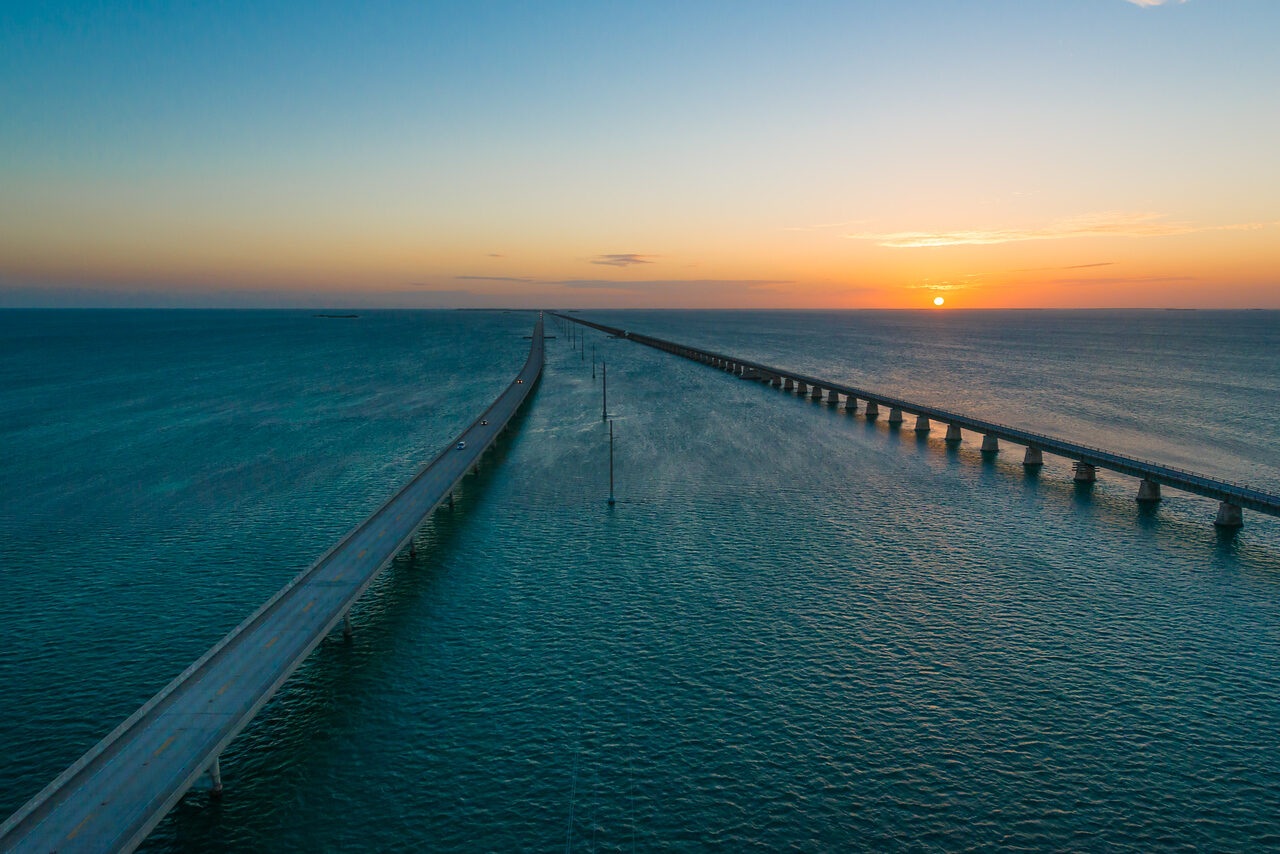
The photographs are Edin Chavez landscapes chosen to illustrate field conditions, not sample files from the cameras compared. No model-specific camera attribution or new hands-on test is implied.
Define the landscape problem first
Make a short shot list: broad vista at dawn, intimate landscape detail, moving water, forest in wind, night sky, architecture at twilight. For each, note the focal length and aperture you expect to use and whether you can set up a tripod safely. If your signature photograph requires a close foreground and distant peaks, depth of field, focus placement and support may dominate the sensor comparison. If you work on steep trails, the bag’s weight and weather handling may decide which kit you actually carry.
Write down the final print or digital dimensions. A 102-megapixel file can give room for a very large detailed output, but it also takes more storage and processing. A 24-megapixel raw may be enough for your normal gallery. Do not compare files only at 100 percent and call the larger one the better photograph; inspect them at the size a viewer will see. The best camera is the one that meets a defined delivery with a repeatable workflow.
Set a complete budget. Include lenses, batteries, cards, reader, filters, tripod, rain protection, travel case, insurance and computer storage. A body promoted at a special price can be more expensive overall if its lens system does not fit your needs. Conversely, if you already own compatible lenses, a familiar mount can offer savings a body-price chart misses. Verify current listings and return terms when you are ready to purchase.
Fujifilm X-T5: detailed APS-C stills without a full-frame rule
Fujifilm lists a 40.2-million-pixel APS-C X-Trans CMOS 5 HR sensor, X mount and five-axis sensor-shift stabilization for the X-T5. The native 3:2 large still is 7728 × 5152 pixels. That makes it a worthwhile candidate when you want detailed landscapes in an X-mount system. It does not guarantee that a particular zoom lens resolves enough at the corners or that an electronic shutter works cleanly under every lighting condition.
Build a two-lens kit: a lens for the vistas you actually shoot and a normal or telephoto option for compression and details. Compare angle of view and aperture with full-frame alternatives rather than matching lens focal-length numbers blindly. Take sample raw files at several apertures, inspect the corners and foreground, then export at your target print size. A smaller body and lens may save weight, but weigh the actual bag, not a format slogan.
Fujifilm’s high electronic shutter numbers include limitations for motion and flash. For water, foliage and artificial lights, compare mechanical and electronic modes and look for distortion or banding. Stabilization ratings are measured in stated conditions; a tripod or wind shield can be more reliable for careful long exposures. If you already own X-mount lenses, test the handling before moving to a more expensive format for pixels you might not use.
Sony A7R V: full-frame crop room
Sony’s ILCE-7RM5 specifications list an approximately 61.0-megapixel full-frame Exmor R CMOS sensor, E mount and raw still support. That resolution can be useful for detailed prints, architectural textures and crops when the lens, focus and exposure hold up. It also generates substantial files. Make a realistic raw series and time ingest, edit, export and backup before deciding the pixel count is free value.
For a landscape with fine foliage and distant rock, test center and corners at the apertures you will use. Compare sharpness after a careful focus check and at the final output size. Make more than one exposure; a single lucky sharp frame does not establish a repeatable handheld setting. If you require a wide-angle lens, price one that performs well for your subjects and see whether it balances with filters and support.
Sony also lists Pixel Shift Multi Shooting on the A7R V, but any multi-frame detail method has scene and software requirements. Test it on still texture and moving leaves separately. Do not market a composite as the camera’s native one-frame resolution. If the standard raw already meets your delivery, keep the simpler file. If a composite helps, document the conditions and artifacts before using it for a paid print.
 Save
Canon EOS R5 Mark II: detailed RF full frame in a mixed kit
Canon lists an approximately 45-megapixel full-frame back-illuminated stacked sensor, RF/RF-S mount support and sensor-shift stabilization in the EOS R5 Mark II specification table. EF and EF-S lenses use specified adapters; EF-M lenses are not compatible. For a photographer who also covers moving subjects or video assignments, this body may make sense as a one-system choice. Its landscape value still depends on lens quality, file handling and whether the extra mixed-work features justify the kit cost.
Check a native RF wide or standard lens for edge detail, flare behavior, filter fit and total bag mass. If you use adapted EF glass, test autofocus and handling on the exact combination. A maximum stabilization rating is a laboratory value with lens conditions, not a promise that every long shutter exposure will be sharp. Use secure support for repeatable dawn or night work, and take enough frames to tell a good technique from a lucky one.
Make raw files with bright clouds and darker land. Compare the recovery you can achieve without color shifts or noisy shadows at your intended delivery size. If you also use electronic shutter modes for action or quiet locations, test artificial-light banding and moving subject distortion. The fact that the sensor is stacked does not make every readout artifact vanish in every condition.
Panasonic Lumix S5II: single raw or deliberate composite
Panasonic’s DC-S5M2 specifications list a 24.20-megapixel full-frame sensor, L mount, raw recording, sensor-shift stabilization and a high-resolution mode that can create larger composite files under appropriate conditions. Keep those two outputs separate in your comparison: the normal single raw is 6000 × 4000 pixels in 3:2, while the larger figures are multi-frame high-resolution modes. A composite cannot automatically handle windblown leaves, surf or a person walking through the scene.
Take a normal raw and, where appropriate, a high-resolution series of a static scene. Process both and inspect edges, moving details and total workflow time. If your usual delivery is a moderate print or web gallery, the single raw may serve you well and save storage. If you routinely make large detailed prints of still subjects, the composite mode may be worth learning. A feature on a table is not proof it will work for every scene without artifacts.
The S5II also lists detailed video and autofocus specifications. For a landscape photographer who makes films or paid hybrid deliverables, read the exact mode table, since full-frame, APS-C and pixel-by-pixel video areas differ. Price a compatible L-mount lens and media for those modes. If you never use video, ask whether another body or lens allocation makes more sense rather than paying for a feature count you do not need.
Fujifilm GFX100S II: 102-megapixel deliberate work
Fujifilm’s GFX100S II specifications list a 43.8 × 32.9 mm sensor with approximately 102 million effective pixels and the Fujifilm G mount. This is a larger sensor format and a separate lens system from X mount. It belongs on a shortlist for deliberate high-detail landscapes and commercial prints if the lens cost, files and carry weight fit your practice. Do not compare a G-mount body price with an APS-C body and ignore the lenses required to make it useful.
Bring or rent a G-mount lens covering the scene you photograph. Test fine detail across the frame, flare against a bright sky, shutter behavior, support and the output at final print dimensions. Huge files can expose slight focus errors and atmospheric haze as clearly as they show rock texture. A beautiful 102-megapixel spec does not make the air clearer or a windy branch still. It may be overkill if your output is mostly a small screen.
Check the camera’s file sizes and your storage plan. Estimate the cost of a trip’s raws, backup copies and editing time. Try the bag on a walk, not only on a showroom counter. If you work from a tripod near your car or studio, the weight trade-off may differ from a remote hike. The right reason to choose this system is a demonstrated output need you cannot serve as well with a lighter kit.
 Save
The lens and tripod matter as much as the sensor
A wide focal length does not automatically create a strong composition. Move to find an intentional foreground and remove edge distractions. Try normal and telephoto framing too; compression can simplify a distant ridge or stack layers of mist. Check lens sharpness at the apertures and distances you will actually use. The widest lens in a manufacturer’s catalog may require filters or handling compromises that are irrelevant to your photographs.
For near-to-far sharpness, test focus placement and depth of field. A narrow aperture can extend the sharp region but also lengthens exposure and can soften fine detail through diffraction. Focus stacking can help a static subject, but movement between frames can create artifacts. Neither technique rescues a camera that moved during exposure. A stable tripod, remote or timer, wind awareness and a careful review may contribute more than the next sensor upgrade.
Filters solve specific problems. A polarizer can change reflections but may make a wide blue sky uneven. Neutral density can slow water in daylight; it is not necessary for every landscape. Confirm thread and holder compatibility for the actual lens. Add filter and support weight to your kit comparison before you buy a body on a portability claim.
 Save
Weather, access and responsible field work
Read the maker’s exact environmental guidance for body and lens. A weather-resistant label does not mean waterproof, especially when doors are open or a lens is not sealed. Carry a rain cover, dry cloth and a safe plan for changing cards and batteries. Protect the sensor when swapping lenses in blowing dust. Cold affects batteries and hands; test controls with the gloves you use.
Check current public access, trail conditions, park rules and weather before a trip. A camera article cannot guarantee that a lookout is open or that a tripod is permitted. Set up without blocking a path or damaging plants. If wind or lightning makes a location unsafe, leave. A better camera cannot justify taking avoidable risks for a photograph. The best tool is the one you can bring home with the pictures and your safety intact.
 Save
Test two finalists with one repeatable scene
Borrow or rent two realistic kits. Photograph the same static texture, high-contrast sky and moving foreground with lenses giving comparable framing. Use raw, take repeated frames, and review focus and edge detail at your target output size. Include a tripod frame and a handheld frame if both matter. Keep notes about menu speed, viewfinder clarity, battery, cards, bag weight and editing time. If one camera’s lens is much better suited to the scene, record that as a system advantage rather than a mysterious sensor win.
Try a dawn-to-evening outing if possible. A ten-minute showroom test will not show how controls feel in cold, whether the kit stays comfortable, or how much storage you need. Test a real long exposure and a few windy scenes. If a composite mode is a deciding feature, process it before making a purchase. If you cannot test a model, acknowledge that uncertainty and prefer a return policy that allows an honest trial.
For exposure planning, use the free shutter-speed chart PDF and the free aperture-chart PDF. Test the guidance on your scene; a chart is a starting point, not a guarantee of sharp water, leaves or stars.
Buying checklist
Confirm exact model, body condition, lens mount, included accessories, current warranty, return deadline and the final total. Check whether a listing is body-only or a kit, and whether a used lens is the exact version you researched. Price batteries, cards and reader for your intended mode. Saved marketplace search results can be stale; verify the actual seller and item. An offer from last season does not establish a current discount.
There is no universal three-to-five-year camera replacement cycle and no standard 40-to-50-percent used discount. Upgrade when a documented limitation costs you work and a tested alternative fixes it at a justifiable total cost. Our camera buyer guide is a broader starting point for inspecting a used body.
Want to go further? The ShutYourAperture Academy’s Light. Land. Legacy. The Landscape Photography Course (10 modules, 40+ lessons) is built to help you master light, land and composition for landscapes that last.
Questions about landscape cameras
How many megapixels do I need for landscape photography?
Start from the final print or digital delivery and the crop you expect. A 24-megapixel single raw can be plenty for many uses; 45, 61 or 102 megapixels may help larger detailed outputs when lens, focus, support and light keep up. Test your intended size instead of buying the biggest number by default.
Do I need a full-frame camera?
No. The APS-C Fujifilm X-T5 is a credible landscape candidate among these five, and other formats may fit weight and budget better. Lens choice, composition and output matter as much as sensor format.
Does image stabilization replace a tripod?
No. It can reduce camera shake under certain conditions, but it cannot freeze moving water or foliage and does not guarantee a particular shutter speed. Use repeatable tests and stable support when long exposures or precise framing require it.
Can high-resolution composite modes photograph wind or surf?
They can produce artifacts when the scene changes between exposures. Test the specific mode and process the result before using it for a paid print. A single raw may be the safer choice for moving subjects.
Which lens should I buy first?
Choose a focal length and aperture for the scenes you most often shoot. A wide or normal lens can be a good first tool, but a telephoto may better serve distant layers and details. Test corner quality, flare, filter compatibility and bag weight on the actual camera.
How should I compare two landscape cameras?
Photograph the same scene with comparable framing and process both raw files for the same output size. Check corner detail, highlight recovery and moving foliage. Then compare the complete kit weight and the controls you will use on a long walk, rather than choosing from a single sharp frame.
A useful verdict without a fake podium
Choose between the X-T5, A7R V, EOS R5 Mark II, S5II and GFX100S II by comparing the whole kit against your route and print. Rent two finalists, inspect real raw files, and decide whether resolution, weight, lens options or composite workflow solves your actual limit. Bring the camera you can operate safely and keep the photograph honest about the conditions you found.
Landscape Gear Box: Build Around the Lens You Need
If the X-T5 fits your stills, lens and carrying needs, compare the silver Fujifilm X-T5 body at Amazon or B&H. This is one of the five researched options, not a universal winner. A body-only listing needs a compatible X-mount lens and suitable media. Price the complete kit, check current stock, seller, warranty and return terms, and do not buy a new body to solve a tripod, lens or exposure problem.
Affiliate disclosure: Some gear links are affiliate links. We may earn a commission at no extra cost to you. Manufacturer and free-chart links are plain references. Camera guidance is based on published specs and reviews, not hands-on testing; photos are illustrative, and prices and stock can change.