Best Budget Full Frame Camera in 2026
–
More About Full-Frame Cameras Under $1,500
Budget full-frame cameras have reached a quality threshold in 2026 where the question is no longer “is full-frame worth it at this price?” but “which one fits my shooting style best?” All the bodies in this class deliver 24MP+ sensors, fast autofocus, and 4K video — the differences are in ergonomics, battery life, and ecosystem.
Top Picks: Detailed Breakdown
Here is a closer look at each recommended option, with pros, cons, best use cases, and purchasing information for each pick.
Canon EOS R8 — ~$1,299
The lightest full-frame mirrorless body on the market at 461g. 24.2MP full-frame, Dual Pixel CMOS AF II, and 4K 30fps. The entry point to Canon’s RF system.
Best for: Canon EF/DSLR shooters who want a light RF body with the Canon color and AF they already know. Excellent portrait and travel camera.
Pros:
- 461g — lightest full-frame mirrorless
- Canon Dual Pixel CMOS AF II (same as R6 II)
- Best out-of-camera JPEG color science in its class
Cons:
- No IBIS
- Single SD card slot
- Limited buffer at high burst speeds
Buy the Canon EOS R8 at B&H Photo
Nikon Z5 II — ~$1,299
24.5MP full-frame, 5-axis IBIS (up to 5.0 stops), dual SD card slots. Nikon’s most affordable full-frame mirrorless with professional reliability features.
Best for: Nikon DSLR shooters and landscape photographers who want full-frame image quality, IBIS, and professional reliability without the $2,000+ price point.
Pros:
- 5-axis IBIS (only budget full-frame with IBIS + dual slots)
- Dual SD UHS-II card slots for professional redundancy
- Excellent dynamic range for landscape photography
Cons:
- 4K video requires a 1.7x crop factor
- Body-only IBIS is 5.0 stops (modest vs competition)
- Nikon Z lens ecosystem smaller than Sony FE
Buy the Nikon Z5 II at B&H Photo
Sony A7C — ~$1,799 (often on sale to $1,499)
24.2MP full-frame, 5-axis IBIS, 693-point AF across the full frame, real-time Eye AF. The compact full-frame Sony at a sliding-down price.
Best for: Travel photographers who want the smallest possible full-frame mirrorless with professional Sony AF. The deepest lens ecosystem at this price tier.
Pros:
- Best-in-class APS-C-sized body with full-frame sensor
- Full Sony FE lens ecosystem (180+ lenses)
- Real-time Eye AF and subject tracking
Cons:
- Single SD card slot
- Control layout limited by small body — fewer physical buttons
- Older 24MP sensor generation (A7C II’s 33MP is the preferred upgrade)
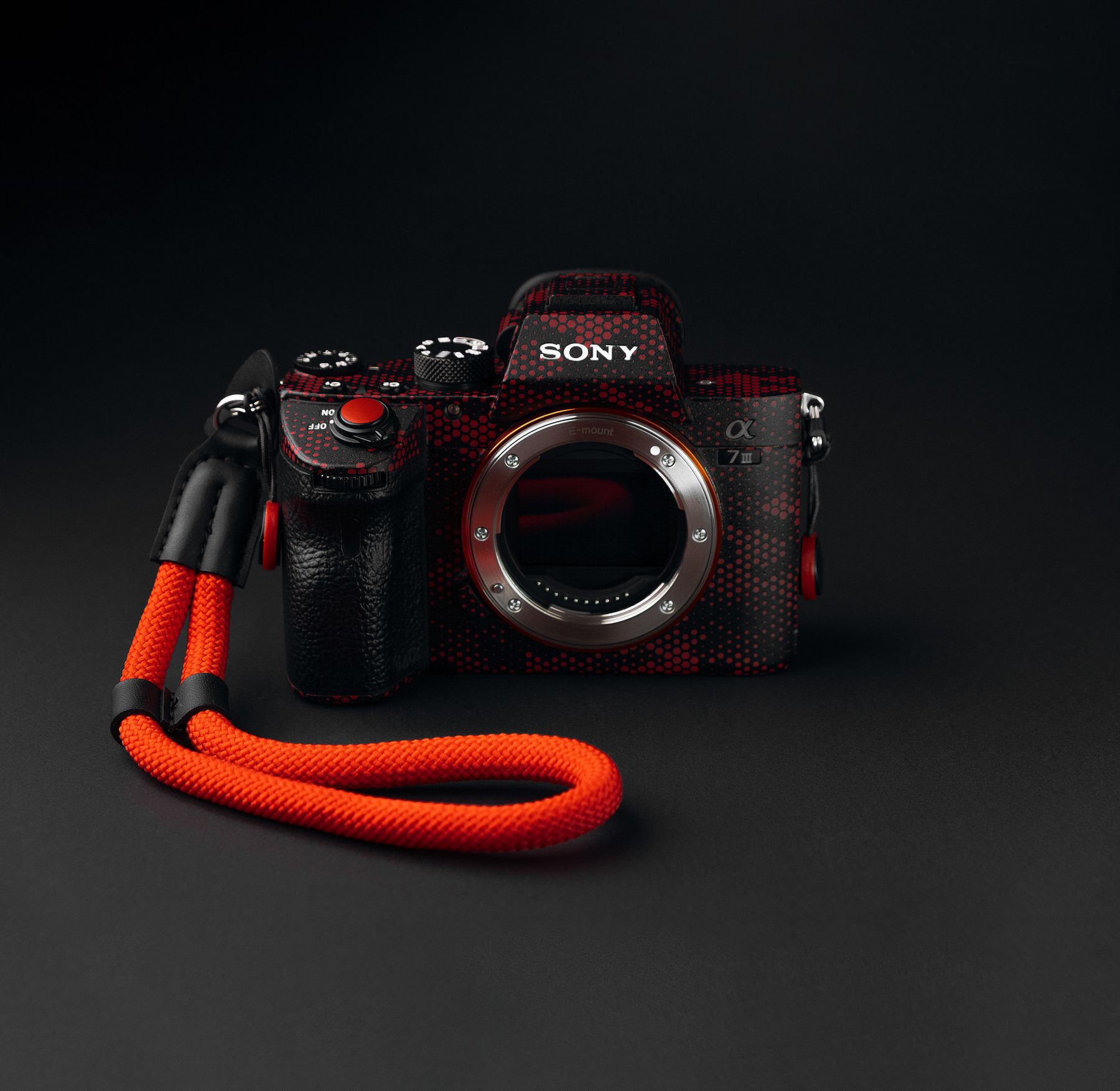
Sony A7 III (refurbished) — ~$1,200–1,400 refurbished
 Save
SaveThe 2018 body that defined affordable full-frame mirrorless. 24.2MP BSI-CMOS, 15-stop dynamic range, dual SD card slots, 693-point AF. Still excellent in 2026.
Best for: Budget-conscious photographers who want maximum dynamic range and lens ecosystem breadth. The refurbished A7 III is one of the best value full-frame purchases of 2026.
Pros:
- 15-stop dynamic range — best in class for landscape shadow recovery
- Dual SD card slots
- The broadest used/refurbished market of any mirrorless camera
Cons:
- 2018 sensor — lower resolution than 2026 competition
- Menu system is the pre-redesign Sony UI (complex)
- No Pro Capture / blackout-free EVF at 10fps
Buy the Sony A7 III (refurbished) at B&H Photo
Buying Guide: How to Choose the Right Option for You
Before purchasing, work through these key decision questions:
Do you own lenses already?
Buy the system whose mount matches your lenses: Canon EF → Canon R8 (EF adapter is $200); Nikon F → Nikon Z5 II (FTZ adapter is $70); Sony A-mount or no lenses → Sony A7C.
Do you need IBIS for low-light travel?
Nikon Z5 II is the only sub-$1,500 full-frame with IBIS and dual card slots simultaneously. Sony A7C also has IBIS but is a single-slot body.
How important is video?
Canon R8 has the best video AF (Dual Pixel CMOS). Nikon Z5 II’s 4K crop limits video quality. Sony A7C is good but shows its 2020 vintage in 4K output.
Will you shoot professionally?
Dual card slots are non-negotiable for paid work — Nikon Z5 II or Sony A7 III (refurbished) are the only sub-$1,500 full-frame options with dual slots.
Do you print large (A2+)?
All four cameras deliver 24MP — comparable print quality up to A1 poster size. The Nikon Z5 II’s dynamic range is the strongest for landscape prints that require shadow recovery.
Frequently Asked Questions
Is full-frame really worth it at $1,300?
For most photographers, yes — if portrait, low-light, or large-print work is your goal. The background separation, ISO performance, and dynamic range advantages over APS-C are real and visible above A3 print size.
Will an APS-C lens work on a full-frame body?
Yes with an adapter, but the camera crops to APS-C mode — you lose the full-frame sensor advantage. Buy full-frame lenses for full-frame bodies.
What lens should I buy first for budget full-frame?
Canon R8: RF 24-50mm f/4.5-6.3 IS STM ($399 kit lens is surprisingly good); Nikon Z5 II: Z 28-75mm f/2.8 ($750, Tamron); Sony: FE 28-60mm f/4-5.6 ($498) or Tamron 28-200mm ($699).