Best Safari Photography Tours in Africa: 2026 Guide
Updated
 Save
SaveUpdated September 2026. The best safari photography tours in Africa come down to three choices: where you go, which month you go, and whether your vehicle is built for photographers. This guide covers the three safari regions that give photographers the most for their time and money: Kenya’s Masai Mara, Tanzania’s Serengeti and South Africa’s Kruger area. You get the 2026 park fees, the months that matter, the lenses to pack and what to demand from an operator.
Safari regions at a glance
| Region | Best for | Best months | 2026 park fee (foreign adult) |
|---|---|---|---|
| Masai Mara, Kenya | Big cats, Mara River crossings | Jul-Oct | $100/day Jan-Jun, $200/day Jul-Dec |
| Serengeti, Tanzania | Calving season, huge herds, cheetahs | Jan-Mar (calving), Jul-Oct (north) | About $83/day ($70 + 18% VAT); confirm the July 2026 update |
| Kruger, South Africa | Leopards, elephants, self-drive option | May-Sep (dry season) | R602/day (to Oct 31, 2026) |
Masai Mara, Kenya
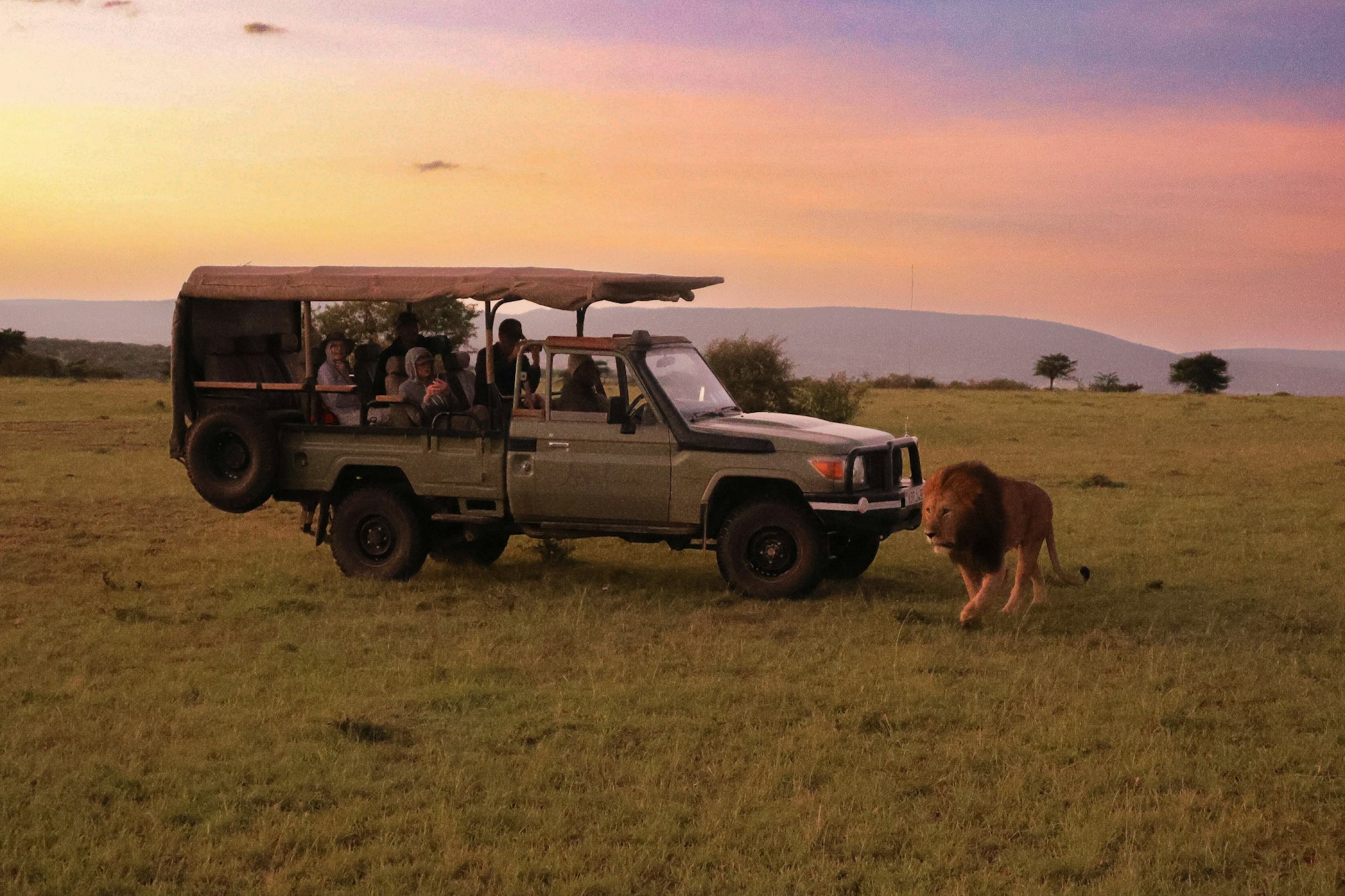
The Mara packs more big cats into a small area than almost anywhere in Africa, and from July to October the Great Migration arrives, with wildebeest crossing the Mara River. Lions, cheetahs and leopards are seen year-round, so the months outside the migration are a quieter, cheaper option for cat photography.
- 2026 fee: $100 per foreign adult per day from January to June, $200 per day from July to December (Masai Mara park fees).
- Conservancies: private conservancies next to the reserve, like Naboisho, cap vehicle numbers and often allow off-road driving and night drives. For photographers, that means fewer cars in your frame.
- River crossings: herds can wait at the bank for hours. Pick an operator who will sit and wait, and bring water and patience.
Browse Masai Mara safaris on Viator Browse Masai Mara safaris on GetYourGuide
Also on Klook
Klook lists a 4-day private safari in the Maasai Mara National Reserve, departing from Nairobi and operated by Jossec Tours and Safaris. It is a general safari, not a photography-led trip, so check the itinerary, vehicle and window-seat arrangements before you book.
See the Maasai Mara 4-day private safari on Klook
Serengeti, Tanzania
 Save
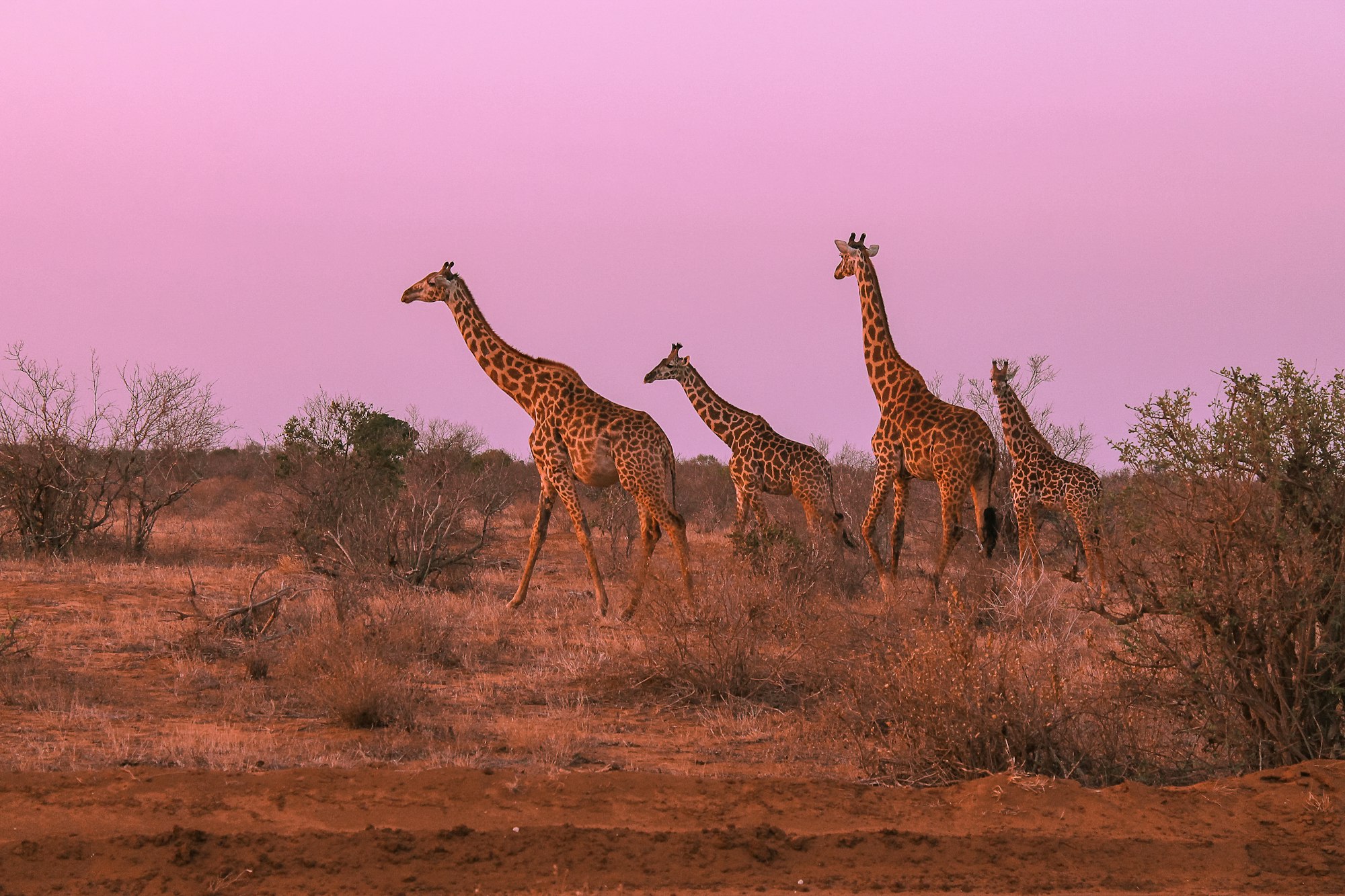
SaveThe Serengeti is huge, and where you go depends on the month. From about January to March the herds calve on the southern plains around Ndutu, peaking in February, which brings predators in close. From July to October the herds are in the far north around the Mara River (Africa Geographic migration guide).
- 2026 fee: the conservation fee for foreign adults was $70 per day in peak season plus 18% VAT, about $83, under the TANAPA tariff that ran to June 30, 2026 (TANAPA fee schedule). TANAPA can revise fees each July, so confirm the current rate with your operator. Camps inside the park add a concession fee.
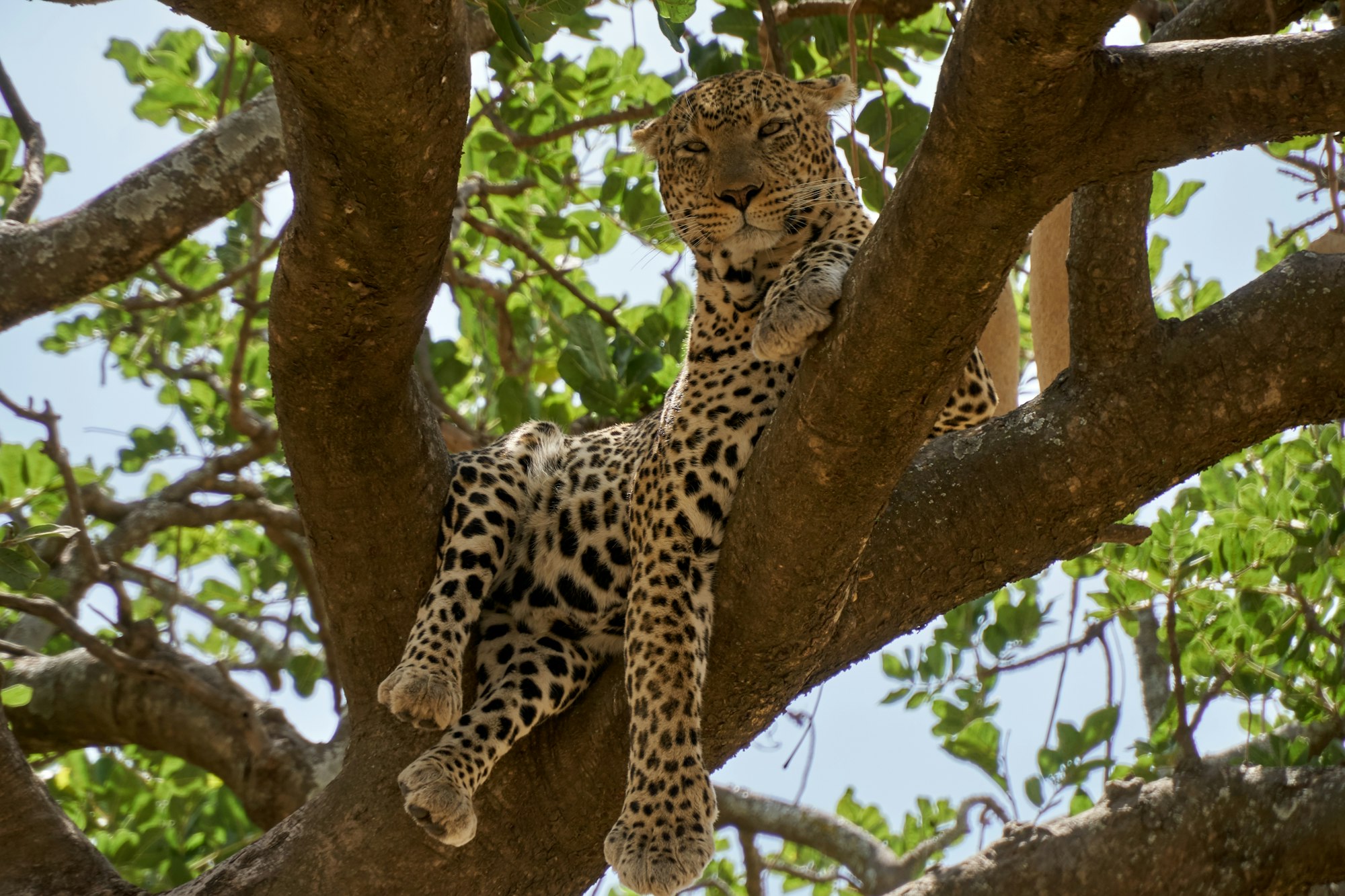
- Leopards: the central Serengeti around Seronera is known for leopards resting in the sausage and acacia trees.
- Combine: most Tanzania trips pair the Serengeti with the Ngorongoro Crater, which has its own separate fees.
 Save
SaveBrowse Serengeti safaris on Viator Browse Serengeti safaris on GetYourGuide
Also on Klook
Klook lists a 3-day safari with game drives in the Serengeti and an early-morning drive in Ngorongoro Crater, with hotel pick-up from Arusha or Karatu. The listing includes camping stays, so check the accommodation and what is included before you book. It is not a photography-led trip.
See the Serengeti and Ngorongoro 3-day safari on Klook
Kruger and the private reserves, South Africa
Kruger is the easiest big-game safari to plan on your own. You can self-drive on paved and gravel roads and stay in park rest camps. The private reserves on its western edge, like Sabi Sand, are famous for relaxed leopards and allow off-road tracking, at a much higher price.
- 2026 fee: the daily conservation fee for international adults is R602 until October 31, 2026 (SANParks).
- Best months: the dry winter, roughly May to September, when the bush thins out and animals gather at water.
- Self-drive tip: gates open and close at set times, so the best light at dawn and dusk is only reachable if you sleep inside the park.
Browse Kruger safaris on Viator Browse Kruger safaris on GetYourGuide
Also on Klook
Klook lists a safari day tour to the Kruger area departing from Cape Town, with breakfast and lunch buffet and local game lodge guides. At 12hr 45min it is a long day, and a general safari rather than a photo trip. For serious wildlife photography a multi-day stay near the park gives you far more time in good light.
See the Kruger day safari from Cape Town on Klook
Photo safari vs a regular safari
 Save
Save- Seats: a photo safari guarantees you a window or open side. Regular safaris often fill every seat.
- Time: photographers need to stay with a sighting and be out at first light. Ask if the driver will wait, and if early starts and late returns are allowed.
- Vehicle: open or pop-top vehicles, bean bags and space for long lenses. Ask what they provide.
- Group size: three or four photographers per vehicle is the sweet spot.
Want more than the Big Five? See our wildlife photography tours guide for jaguars, gorillas, tigers and polar bears.
Lenses and gear
- Main lens: a 100-400mm or 150-600mm zoom. Most safari subjects are 20-100 meters away.
- Wide lens: a 24-70mm or 24-105mm for elephants close to the car and animals in the landscape.
- Two bodies: swapping lenses in dusty vehicles gets dust on your sensor. Two bodies solve both problems.
- Bean bag: rests on the window frame and steadies long lenses better than a monopod.
- Backup: copy cards every night. Our photo storage guide covers the options.
Camera settings for safari
- Still animals: 1/500s, aperture wide open, auto ISO.
- Running cats and birds in flight: 1/2000s or faster, continuous autofocus, animal-eye detection on.
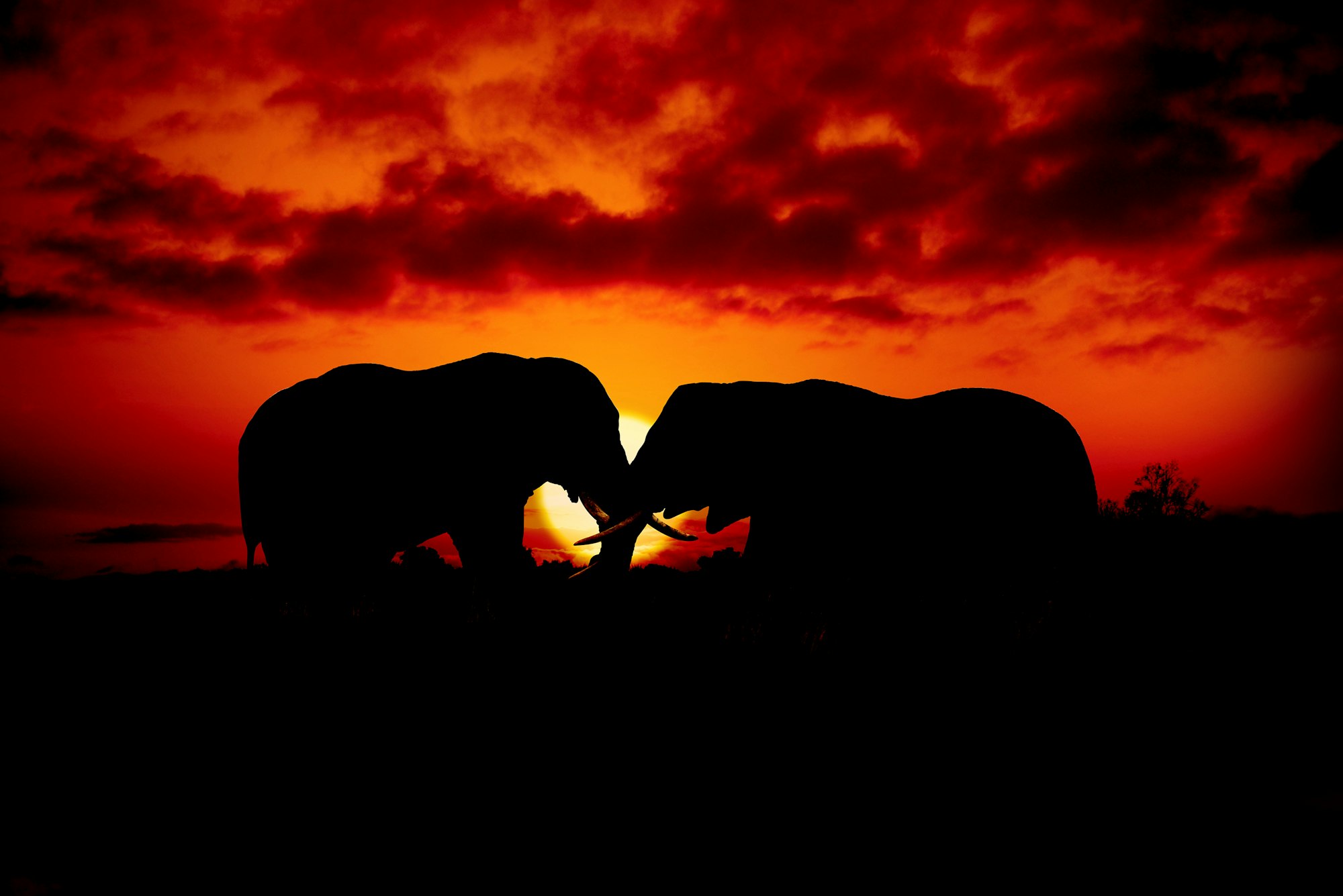
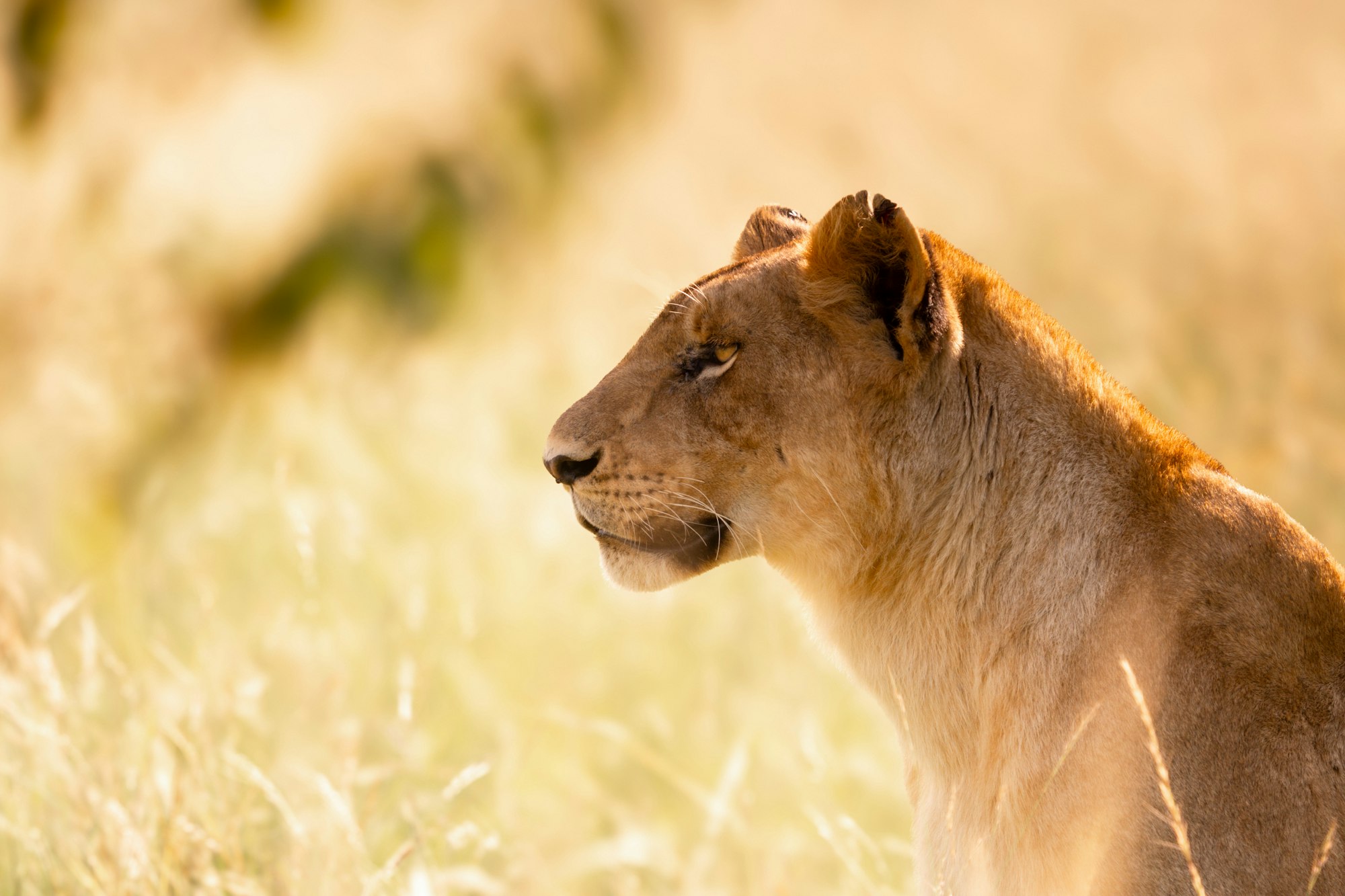
- Golden hour silhouettes: expose for the sky and let the animal go black.
 Save
SaveFAQ
What is the best month for a safari photography tour?
July to October for the Masai Mara and northern Serengeti, when the migration crosses the Mara River. February for calving in the southern Serengeti. May to September for Kruger.
How much are Masai Mara park fees in 2026?
$100 per foreign adult per day from January to June and $200 per day from July to December.
What lens do I need for an African safari?
A 100-400mm zoom covers most sightings. Add a 24-70mm or 24-105mm for close animals and landscapes.
Is Kenya or Tanzania better for safari photography?
Kenya’s Mara is smaller and more concentrated, with private conservancies that cap vehicles. Tanzania’s Serengeti is far bigger, with calving season in February and fewer vehicles in remote areas. Both are excellent; pick by month.