New York City (NY) vs Chicago (IL) vs Los Angeles (CA): Honest Comparison and a Clear Winner
–
Side-by-Side Spec Comparison
Before diving into use cases and recommendations, here is a direct specification comparison. Use this table as a quick reference when you need to compare a specific attribute.
| Specification | New York City | Chicago | Los Angeles |
|---|---|---|---|
| Photography style | Street, architectural skyline, portrait, documentary | Architecture (Chicago School), skyline, urban landscape | Lifestyle, sunset, celebrity culture, beach, urban nature |
| Best light season | September–November (crisp air, clear skies) | March–May / September–October (off-peak, clean air) | Year-round — 284 sunny days per year |
| Iconic shot | DUMBO / Brooklyn Bridge, Top of the Rock, Central Park | Millennium Park Bean, Chicago River from the riverwalk, skyline from Adler Planetarium | Griffith Observatory with downtown, Venice Beach, Malibu coast |
| Architecture photography | Excellent — Art Deco, Beaux-Arts, contemporary | Best in US — Chicago School, modernist, and contemporary skyline | Good — Arts District murals, Dingbats, Getty Center |
| Street photography | Best in the US — density, diversity, energy | Good — downtown and neighborhoods less dense than NYC | Challenging — car-centric city; Beverly Hills / Echo Park for pedestrian areas |
| Natural light quality | Good — coastal diffusion from both rivers | Good — Lake Michigan moderates light color | Exceptional — Mediterranean quality; golden hour is 45+ min daily |
| Cost of photography trip | Expensive — hotels $200-500/night; permits for commercial work | Moderate — hotels $150-350/night | Expensive — hotels $200-450/night, parking challenging |
| Drone photography | Very restricted — Class B airspace over Manhattan | Restricted downtown; accessible at Burnham Harbor | More accessible in hills/coast areas; check LAANC |
Real-World Use Cases: Which Option Wins for Your Situation?
Specifications only tell part of the story. Here is how each option stacks up for specific photography scenarios:
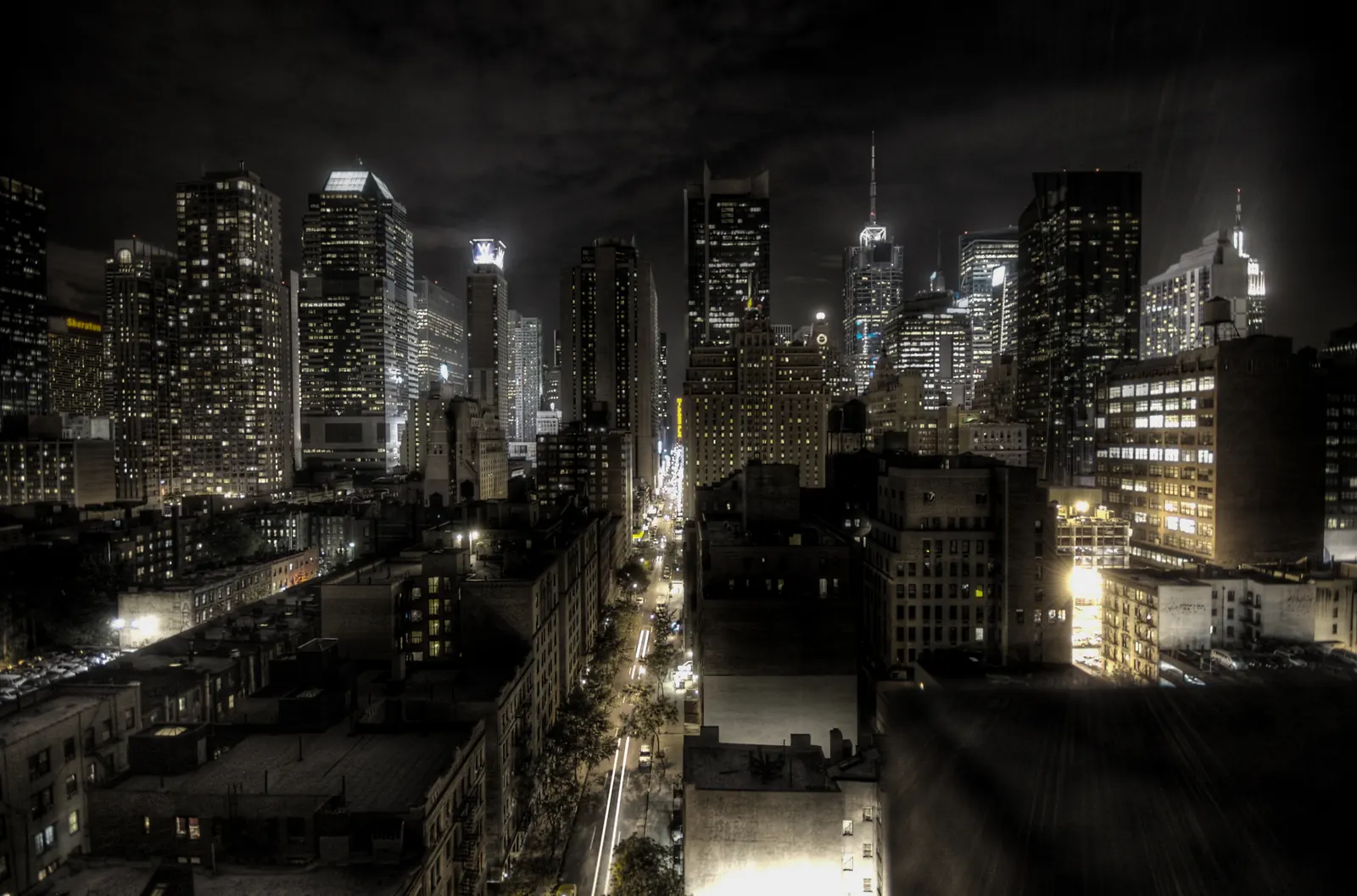 Save
Save| Your Situation | Best Choice | Why |
|---|---|---|
| Street and documentary photographer | New York City | The unmatched density, diversity of faces, and 24-hour energy makes NYC the world’s finest street photography city. Brooklyn, Queens, and the Bronx add layers that Manhattan alone can’t provide. |
| Architecture photographer | Chicago | The Chicago Architecture River Cruise is the single best architecture photography experience in the US. The density of historically significant buildings (Sullivan, Adler, Foster, Piano) in one square mile is unrivaled globally. |
| Lifestyle and portrait photographer | Los Angeles | The quality of natural light in LA is exceptional — 284 sunny days and the low-humidity atmosphere creates clean, golden-hour light that makes every outdoor portrait glow. Venice, Silver Lake, and Malibu provide spectacular backdrops. |
| Landscape / nature photographer | Los Angeles | LA is deceptively nature-rich: Malibu Creek State Park, Griffith Park’s eastern ridgeline, Point Dume at sunset, and a 2-hour drive to the Joshua Tree desert. |
| First-time US city photography trip | Chicago | Chicago is more manageable than NYC, with cleaner sightlines, more accessible skyline viewpoints, and a walkable lakefront that lets you cover architectural highlights in 2-3 days without logistical complexity. |
Pricing Breakdown
All three are expensive US cities for travel. New York: hotel + food + transport runs $300-600/day in Manhattan. Chicago: $200-450/day is typical in the Loop. Los Angeles: $250-500/day — accommodation is often cheaper than NYC but car rental ($50-80/day) is nearly mandatory. All three cities require advance booking during peak seasons (NYC: anytime; Chicago: summer lakefront events; LA: summer/award season).
Alternatives Worth Considering
Before you commit to either option, these alternatives may better suit your specific needs:
- San Francisco: Fog-draped bridges, Victorian Painted Ladies, and the Bay — an extraordinary photography city, though very expensive and with unpredictable summer fog
- New Orleans: French Quarter architecture, street culture, Mardi Gras, and jazz clubs — the richest documentary photography city in the US outside New York
- Portland or Seattle: Pacific Northwest light quality, accessible mountains and coast — excellent for photographers wanting urban + nature in the same trip
Frequently Asked Questions
Which city is best for solo night photography?
Chicago is the safest option for solo night photography — the Riverwalk and lakefront are well-lit and patrolled. New York’s Brooklyn Bridge at 2 a.m. is also generally safe; avoid Central Park at night.
Which has the best skyline photography?
Chicago’s skyline photographed from Adler Planetarium at dusk is among the most technically perfect urban skylines in the world — flat horizon, reflective lake, and consistent architectural height. New York’s skyline from Brooklyn Bridge Park is more dramatic but harder to isolate.
Do I need a permit for photography in these cities?
Personal/editorial photography on public property requires no permit in any US city. Commercial photography (paid shoots with models or for advertising) requires location permits and insurance in all three cities.
What time of year has the best fall foliage in NYC’s Central Park?
Late October to early November for peak color. The Reservoir and Mall are the best locations; weekday mornings have manageable crowds even during peak foliage.
The Bottom Line
Our recommendation: New York for sheer density and street photography; Chicago for architecture; Los Angeles for light and lifestyle. The best choice ultimately depends on your specific shooting style, budget, and existing kit. Use the use-case table above as your primary decision framework — find your most common scenario and choose the option that wins there. Both options in this comparison are used by working professional photographers; you cannot make a wrong choice if it aligns with your actual workflow.