Best Photography Tours in Greece: Athens and Santorini Compared
Updated
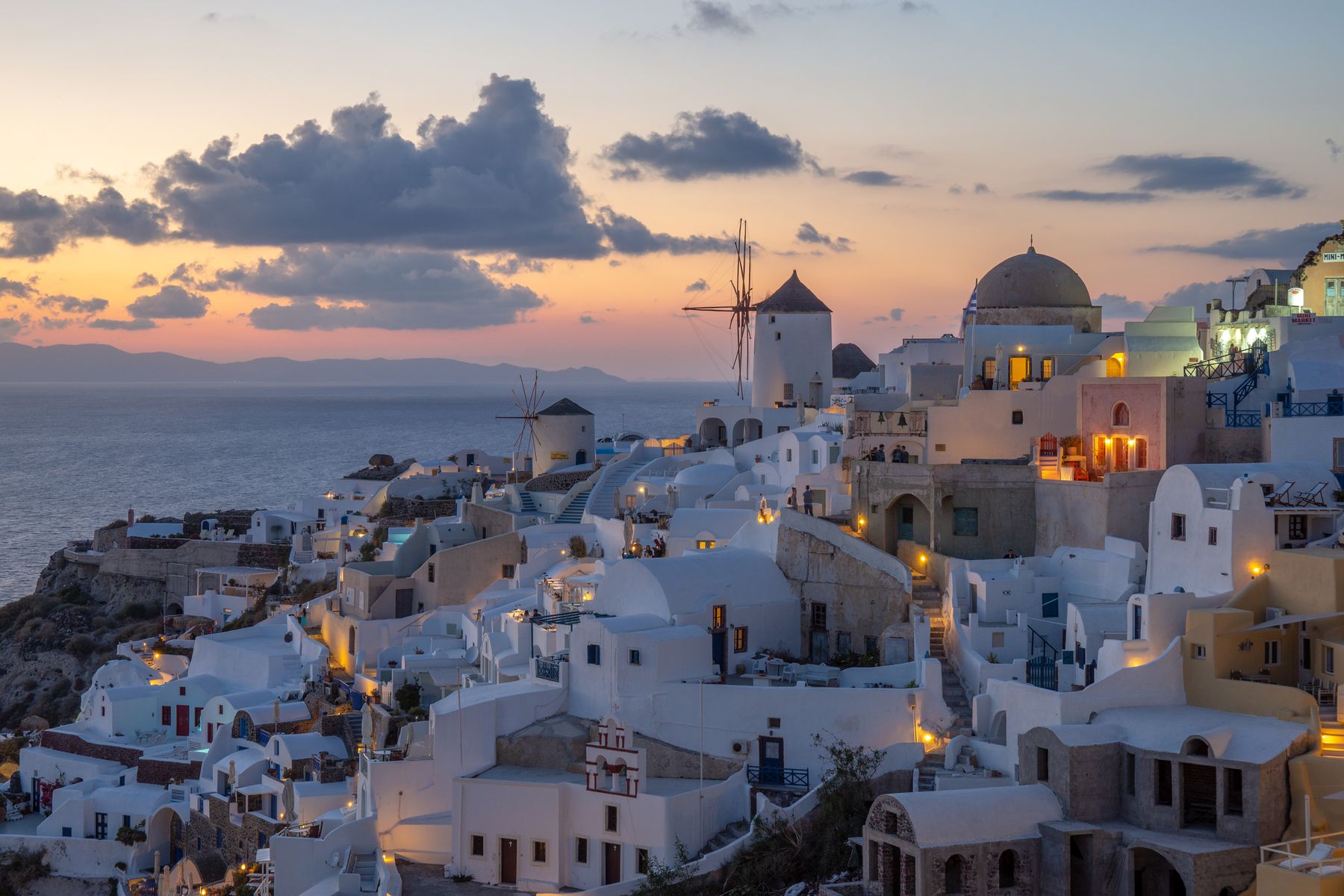
Greece has two places that draw almost every photographer: Athens, with the Acropolis above the old streets, and Santorini, with its white villages on the caldera rim. Both have plenty of photo-themed tours online. This guide compares seven of them from Viator, GetYourGuide and Klook, and separates the ones that teach you to shoot from the ones that send a photographer to shoot you.
The listings were researched in October 2026. These are not tours Edin has personally taken, and everything below comes from each operator page and its traveler reviews. No fixed prices are quoted, because totals change with date, group size and hours booked. Check the live page before you plan around any figure.
 Save
SaveLearning to shoot or being photographed
Search results mix two products under one label. On a photography tour in the teaching sense, a photographer walks with you, suggests viewpoints and settings, and you use your own camera. On a photo shoot, a photographer takes pictures of you and your group in a pretty place and sends the edited files later. Santorini has many more of the second kind. Athens has more of the first.
Neither is better. They answer different questions. If you want to improve your own pictures, look for words like learn, tips and techniques, and for a bring-your-camera note. If you want good pictures of yourselves together, look for a number of edited photos and a delivery time. Where a page does not say which it is, ask before you pay.
Light matters more than the tour name. Both places are crowded around sunset, and a short session at the wrong hour gives you flat light and many other people in your frames. Ask which time of day the operator would pick, and whether it changes with the season.
1. Athens photography tour on Viator
Viator lists Athens Photography Tour as a two to three hour small-group walk, supplied by Athens Photo Tour. The page shows 37 reviews, a 4.9 average, and says 97 percent of travelers recommend it. It offers morning, afternoon or evening departures, and caps a booking at four people.
This is the teaching kind. The overview says you learn tips and techniques from a professional photographer guide and capture details many amateurs miss. Reviewers describe an evening walk up to a view of the Parthenon as the sun set, then night shots in the streets, with advice on spots and frames. One reviewer says the guide also took photos of the two of them.
Read the mixed review too. One traveler from 2022 wrote that it was not really a tour, because the whole session stayed in one spot. The listing also lists museum and archaeological entrance fees among its inclusions, which does not fit a street and viewpoint walk, so ask exactly what is covered. The meeting point is chosen at booking and the tour ends where it begins.
Check the Athens photography tour on Viator
2. Santorini photo safari on Viator
Photo Safari Santorini Top Places is a private tour of about four hours with pickup, supplied by Pigaia Travel. The page shows 20 reviews and a 4.7 average, and says 90 percent of travelers recommend it. It is offered in English.
The overview describes a drive to well-known places and hidden spots, with stops at Oia, Firostefani and the red and black sand beaches, tailored to your schedule. It says to bring your camera, so this leans toward shooting for yourself. The inclusions list a vehicle, water, hotel, port or airport pickup and a driver, and also a photographer. The reviews praise the guide for local knowledge and for making extra stops, but they do not mention a photographer taking pictures. That leaves it unclear whether you get a photographer or a driver and guide, so ask.
The inclusions also mention a cable car ticket as an extra cost. Cruise passengers are picked up at the top of the cable car, not at the port. Pickup otherwise runs from a restaurant meeting point near the port or from your own hotel, so confirm which applies before you book.
Check the Santorini photo safari on Viator
 Save
Save3. Santorini walking photo shoot on Viator
Santorini Walking Tour with a Personal Photographer lasts one to two hours, with 125 reviews and a 4.9 average. The page says 97 percent of travelers recommend it and marks it as likely to sell out. It is a private session priced per group of up to four.
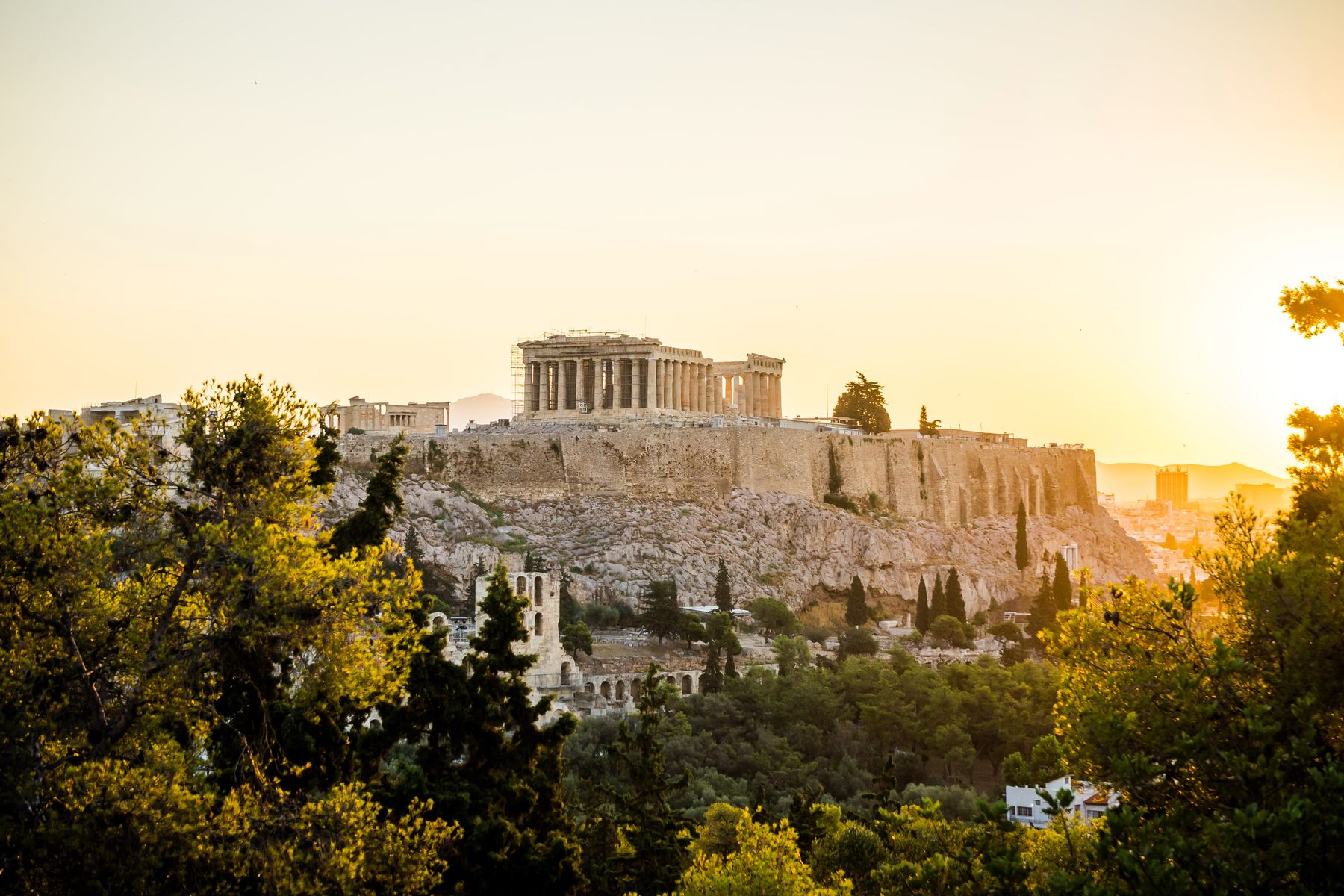
This is the photo shoot kind. A photographer takes pictures of your party in Oia in the morning and Imerovigli later in the day, against whitewashed houses, blue domes and caldera views. The page says you receive 25 edited images for each hour of the shoot, in an online gallery within three days. You can pick the duration and a morning or evening session. Taxi fees are listed as included when needed.
The reviews are warm and consistent, and they focus on the photographer being relaxed and good at posing. None describes learning camera skills. Choose it if you want a record of the trip with everyone in it. A short session in a busy village also means you should ask which hour avoids the worst of the crowds.
Check the Santorini walking photo shoot on Viator
4. Santorini tour with a photographer on GetYourGuide
Tour Santorini with a Professional Photographer is a private four hour tour supplied by Greece Holiday Tours, with pickup and a customizable route. It shows a 5.0 rating from seven reviews, and the newest of them are from 2021, so the evidence is thin and dated.
Your guide is also the photographer, in a minivan with a driver. The page suggests starting in Oia and posing with the windmill or the caldera behind you. You receive at least 30 edited photographs within 14 days. That is a smaller set than the Viator walking session offers per hour, but this one includes four hours of touring and transport in a private vehicle.
Treat this as a private island tour with photos, not a teaching tour. Bring comfortable shoes and clothes for wind, and swimwear if you want beach stops. Because the reviews are older, confirm the operator is still running and ask for recent examples of the photos.
See the Santorini tour with a photographer on GetYourGuide
5. Athens night photography tour on GetYourGuide
Athens by Night: Photography Tour with a Pro Photographer runs for about 90 minutes, supplied by Nasir Javed Photography. It is marked as a new activity and has no reviews yet, so nothing here has been tested by other travelers.
It is the clearest teaching listing in the group for night work. The page says you learn night photography techniques, get individual guidance in a small group and visit handpicked spots for illuminated landmarks, historic architecture and lively streets. It suits all skill levels. The meeting point is Kotzia Square in central Athens. The page tells you to bring a camera, comfortable shoes, and a tripod. Light rain does not cancel it, and the page says wet streets make good reflections.
The honest caveat is the lack of reviews and the short duration. Ninety minutes of night walking leaves little time for the Acropolis hill itself, and the page does not say which locations are on the route. Ask for the route and the group size before you book.
See the Athens night photography tour on GetYourGuide
 Save
Save6. Oia blue dome photoshoot on Klook
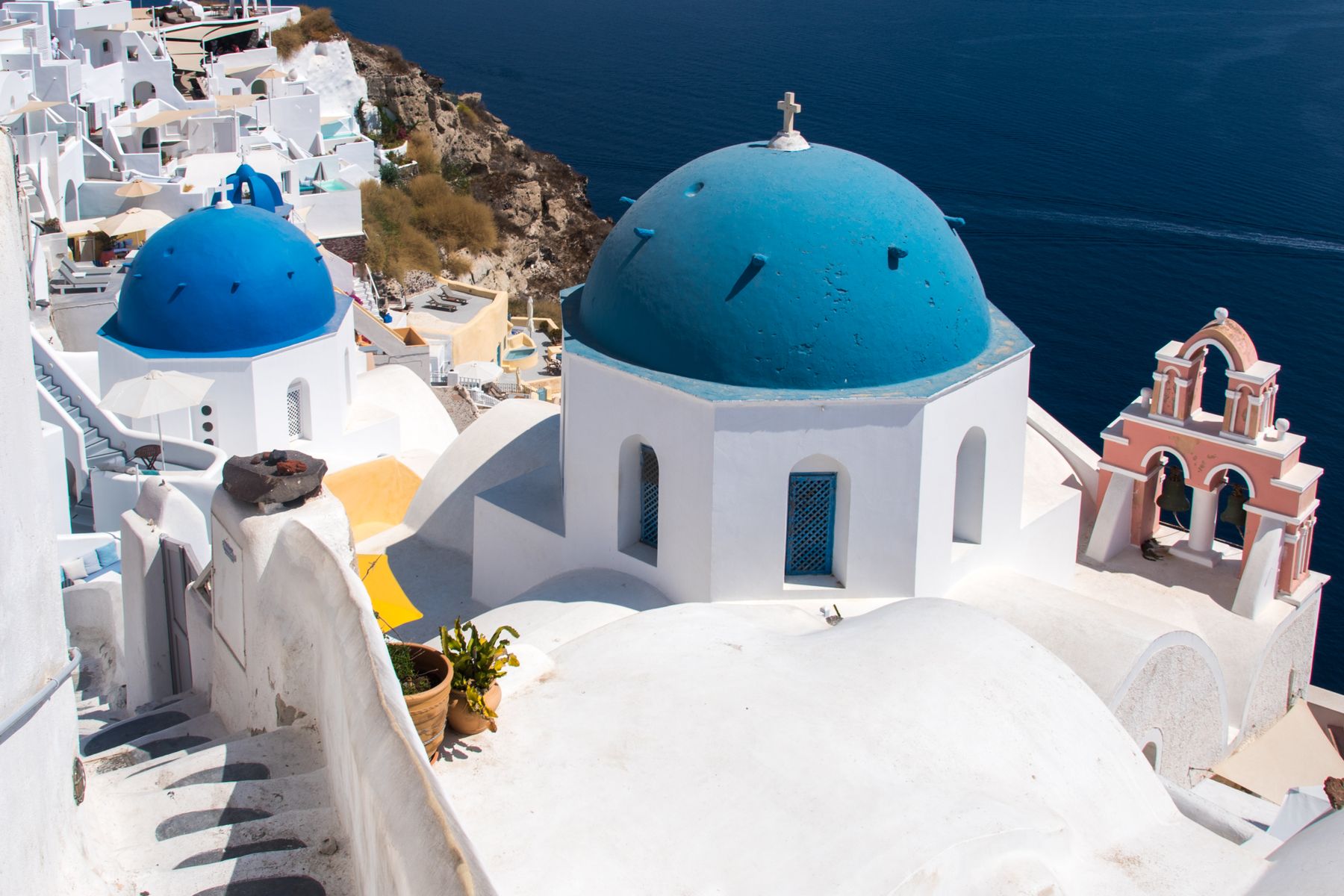
Santorini Blue Dome and Oia Photoshoot is a one hour private session in English, supplied by a local photographer. You meet at a location in Oia, near the church named on the page. The highlights promise the blue domes, hidden alleys, spots away from the crowds and a collection of edited images.
This is another photo shoot, and a short one. The page does not say how many pictures you get or when, so ask before booking. Because the pitch is quiet spots away from the busy tourist areas, ask what time of day it runs, since sunset is when Oia fills up.
Compare the Oia blue dome photoshoot on Klook
7. Acropolis walking tour on Klook
Athens Acropolis Half-Day Small Group Cultural Walking Tour, titled Exploring Athens on its page, is a three hour 50 minute tour for up to 15 people with a licensed guide. It starts at a store on Ermou Street, and the page lists skip-the-line entry, the Parthenon, the Erechtheion and the Temple of Athena Nike.
It is not a photography tour, and nothing on the page mentions a photographer. What it gives a photographer is access without a ticket queue, a guide who explains the monuments and a fixed schedule. A group of 15 is large for shooting, so expect to take pictures in the gaps rather than set up shots. Check the start times, because the page offers several.
Compare the Acropolis walking tour on Klook
How to compare them
To learn, compare the Viator Athens tour, capped at four people with a teaching pitch, and the GetYourGuide night tour, which is newer and untested. To be photographed, compare the Viator Santorini walking session, which has by far the most reviews, the Klook one hour Oia session and the GetYourGuide four hour island tour.
The Viator photo safari sits in the middle, a private island drive for people who want to shoot for themselves, with unclear photographer terms. The Klook Acropolis walk is the plain sightseeing choice for Athens.
Ask each operator the same questions. Do I use my camera or does the photographer shoot me? How many edited photos do I get, and by when? What time of day do you recommend, and why? What is the group size? What is covered if I want an entrance ticket or a cable car? Several pages above are vague on these points, and one lists inclusions that do not match its own description.
Do not treat the sample photos on this page as proof of what any tour will deliver. They show the place and its light. They are illustrative and not a guaranteed stop on any tour.
Light, gear and practical planning
In Athens the best light is the hour before sunset, when the Acropolis glows and the old streets are in shade, and the first hour after dark if you have a tripod. Midday is harsh and hot. In Santorini, early morning is far quieter than sunset, and the village lanes are narrow, so the light bounces around the white walls and fills the shadows.
Pack light for both. One wide-to-standard zoom handles streets and villages, and a short telephoto helps you pick details off the Acropolis rock or the caldera. Bring a small tripod for night work in Athens. Wear shoes with grip, because the marble and cobbles are slippery and Santorini has many steps.
Be careful with other people. Both places are busy and lived in, so ask before photographing residents, and do not block narrow lanes or steps for a shot. Follow staff and signs at archaeological sites about where cameras, tripods and drones are allowed, since rules can change.
If you want to compare other cities first, the international cities photography guides are a good place to start. A tour earns its place in Greece when it saves you time with logistics or finds you a quiet hour in a crowded place, and it is poor value if you only want the same sunset picture everyone else is taking.
Greece photography tour FAQ
Are there photography tours in Athens and Santorini?
Yes, but they are two kinds. Some teach you to shoot with your own camera, and some send a photographer to take pictures of you. The listings compared here include both, so read the description for which one you are booking.
Which listing has the most reviews?
On the pages compared here, the Viator Santorini walking photo shoot has 125 reviews and the Viator Athens photography tour has 37. The GetYourGuide Athens night tour is new and has none yet.
How many photos do I receive?
It varies. The Viator Santorini walking page lists 25 edited images per hour within three days, and the GetYourGuide island tour lists at least 30 within 14 days. The Klook Oia page does not say, so ask.
Is there a tour that teaches night photography in Athens?
The GetYourGuide night tour says you learn night techniques in a small group, but it is new and has no reviews. The Viator Athens tour offers an evening departure, and reviewers describe night shots on it.
When is the best time to photograph Santorini and the Acropolis?
Early morning is quieter in Santorini, and the hour before sunset gives the best light in Athens. Weather and crowds change plans, so read the cancellation terms before you book.
Planning the rest of your shoot? Our Athens photography spots guide and Santorini photography spots guide map the locations, and the Santorini photography guide covers the island in full.
Recommended Gear for a City Photography Tour
If your tour allows personal camera gear, a small kit can help with low-light streets and changing weather. Check the operator’s tripod policy and your camera mount before buying. B&H Photo Video and Amazon options are linked below.
| What & Why | B&H | Amazon |
|---|---|---|
Fujifilm X100VI Compare this option with your current kit. Check compatibility and the product details before buying. | Shop B&H → | Shop Amazon → |
Sony FE 35mm f/1.4 GM (Sony E-mount) Check the camera mount before buying. Choose a focal length that fits the photos you plan to make. | Shop B&H → | Shop Amazon → |
Peak Design Aluminum Travel Tripod Check the load rating, packed size and local tripod rules before buying. | Shop B&H → | Shop Amazon → |
OP/TECH USA 18-inch Rainsleeve Compare this option with your current kit. Check compatibility and the product details before buying. | Shop B&H → | Shop Amazon → |
B&H and Amazon links are affiliate links. We earn a small commission on purchases at no extra cost to you.