For the underlying mechanics behind every choice below, our aperture photography guide is the fastest way to get fluent.
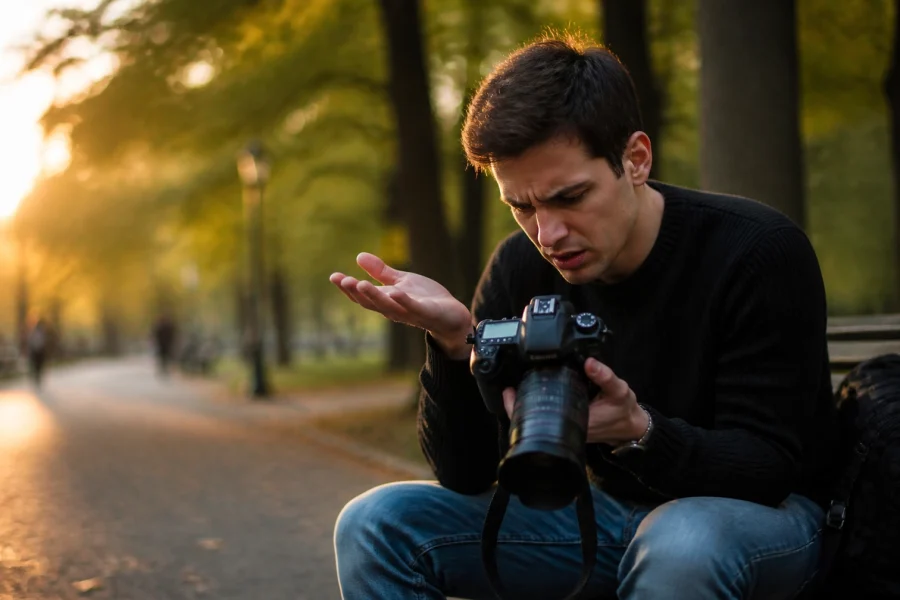
If you have ever felt like your photography has hit a brick wall, you are not alone. We have all been there: standing on a busy street corner, camera in hand, watching the world go by and feeling absolutely zero inspiration. You want to take that "decisive moment" shot, but everything looks gray, boring, and recycled. The secret to breaking out of this funk isn't buying a new lens (though we all love gear); it is giving yourself a mission.
Street photography is about more than just walking around and hoping something cool happens. It is about training your eye to see the extraordinary in the ordinary. By using specific street photography ideas and creative projects, you force your brain to filter out the noise and focus on the art. Whether you are a beginner or a seasoned pro, these 20 projects will push your boundaries, sharpen your skills, and likely result in the best photos you’ve taken all year.
Why Projects Matter for Street Photographers
Most photographers fail because they lack a plan. They wander aimlessly, get tired, and go home with 500 photos of nothing in particular. When you start a "project," you give yourself a goal. You aren't just "shooting street"; you are "hunting for shadows" or "documenting red hats." This constraints-based approach actually makes you more creative. It is a psychological trick that forces you to solve visual puzzles.
If you are looking to level up your technical game while working on these projects, check out our photography tutorials for deep dives into everything from composition to post-processing.
1. Shadow Play
Shadows are the soul of street photography. Instead of looking for subjects, look for light. Find a high-contrast area: like a narrow alley or a street with tall buildings: where the sun creates long, dark shapes. Your goal is to wait for a person to walk through those shadows. Don't worry about the person’s face; focus on the shape their silhouette makes against the pavement. This project teaches you to prioritize light over subject matter.
2. The Puddle Reflection
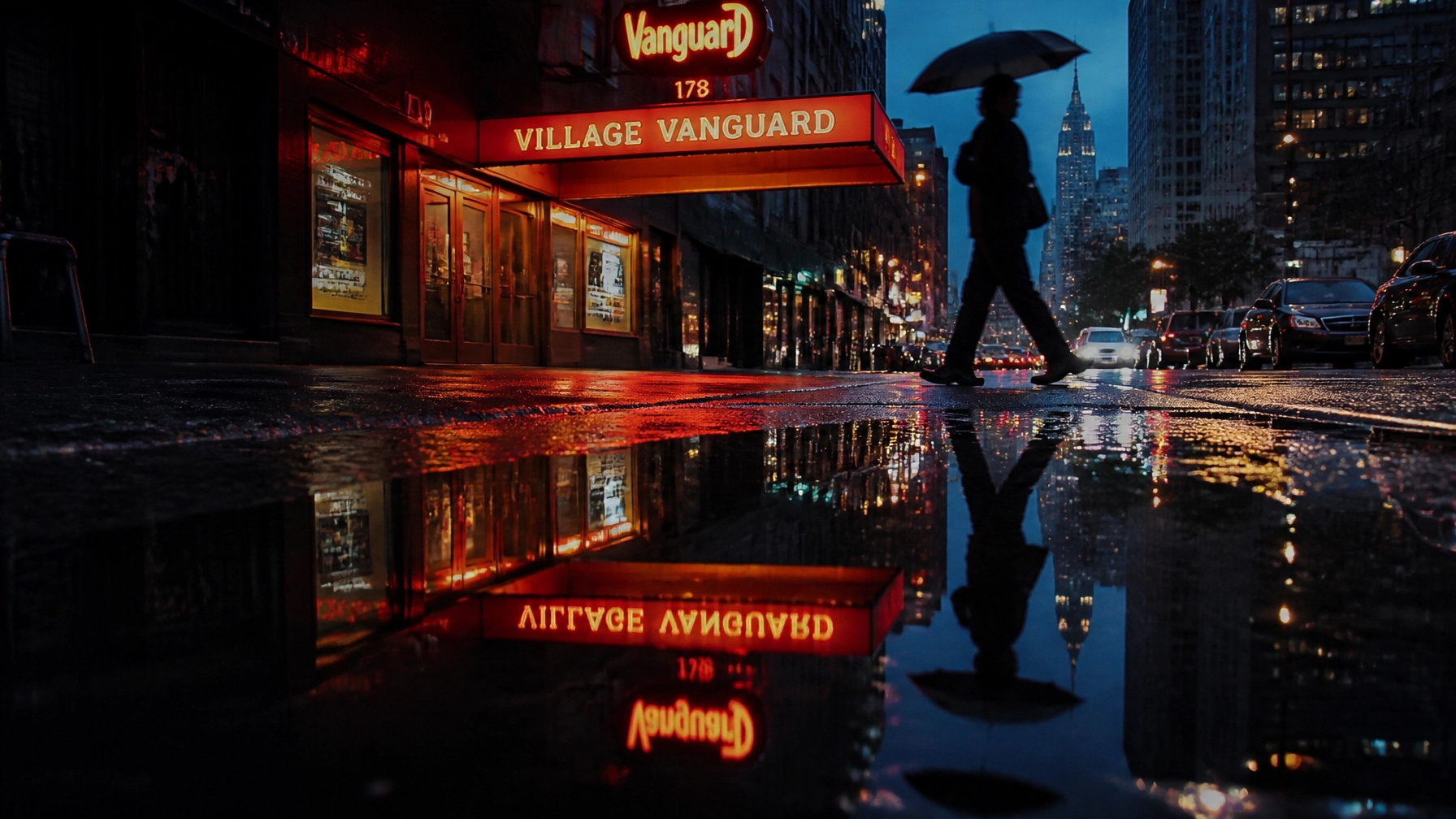
Rainy days are a street photographer’s best friend. Don't hide inside when the clouds open up. Grab your gear and head out to find puddles. Get your camera as low as possible (almost touching the water) and use the puddle as a natural mirror. The goal is to capture the reflection of the city lights or commuters. If you’re worried about your settings, especially on a mirrorless setup, look at these Sony a6700 settings for street photography to get the most out of your sensor in tricky lighting.
3. Motion Blur and Panning
Freeze-framing everything is easy. Capturing the feeling of movement is hard. Set your shutter speed to something slow: try 1/15th or 1/30th of a second: and follow a moving subject (like a cyclist or a bus) with your camera as they pass. If you do it right, the subject will be relatively sharp while the background turns into a beautiful, streaky mess. It takes practice, but it’s addictive.
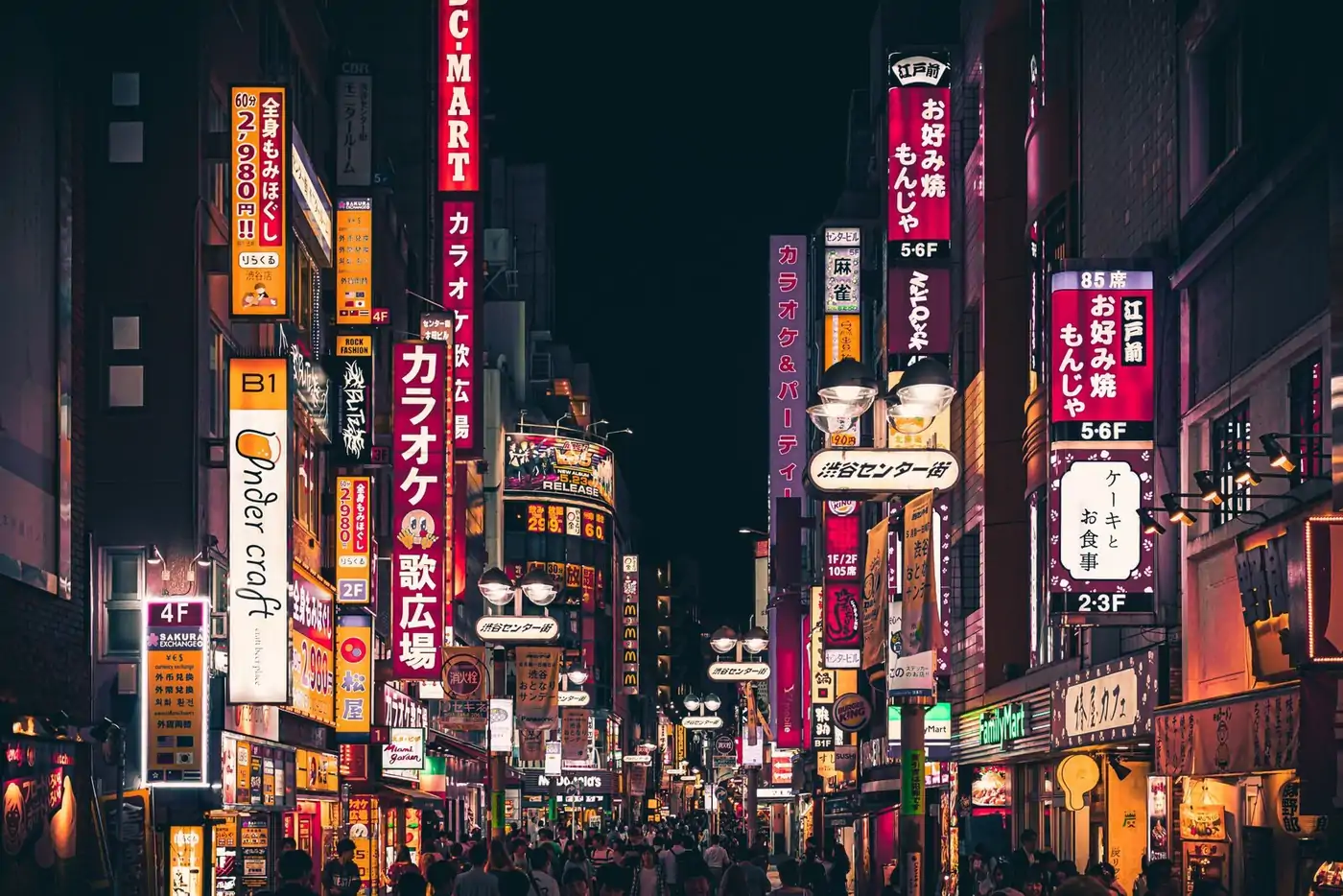
4. The "One Color" Challenge
This is one of the most effective ways to train your eye. Pick a color: let’s say red: and for the next two hours, you are only allowed to photograph things that are red. A red mailbox, a red scarf, a red car, a red sign. This forces you to scan the environment differently. You stop seeing "people" and start seeing "spots of color." It’s a great exercise for improving your compositional awareness.
5. High-Angle Perspectives
Stop shooting everything at eye level. It’s what everyone sees. Get high. Find a parking garage, a pedestrian bridge, or a rooftop café. Looking down on the street turns the world into a flat canvas. People become graphic elements, and the lines on the road become geometric frames. It’s a literal change in perspective that can revitalize your portfolio.
6. Low-Angle (Worm's Eye) View
On the flip side, try getting low. Use a flip-out screen if your camera has one and put your lens inches from the ground. This makes pedestrians look like giants and adds a sense of drama to even the most mundane sidewalk. It also helps you include more of the foreground, which creates a sense of depth that eye-level shots often lack.
7. Street Portraits (The Big Ask)
This is the one that terrifies everyone. Stop a stranger and ask if you can take their photo. Don’t just snap and run; engage with them. Tell them you like their hat or their expression. Most people are actually flattered. This project is as much about building your social confidence as it is about photography. If you want to see how a pro handles people and portraits, Edin Fine Art has some incredible examples of how to capture the human spirit.
8. Minimalism in the City
Cities are cluttered. Your job for this project is to simplify. Find a blank wall, a clear sky, or a simple architectural detail and wait for a single subject to enter the frame. Use negative space to make your subject pop. The goal is to remove everything that doesn't need to be there until you are left with a clean, powerful image.
9. Layers and Depth
Instead of a single subject, try to capture three layers of interest: a foreground element, a middle-ground subject, and a background context. Maybe you shoot through a shop window (foreground), capturing a person walking by (middle ground), with a famous landmark in the distance (background). This makes your photos feel like a story rather than just a snapshot.
10. Night Street Photography (Neon and Glow)
When the sun goes down, the vibe changes. The harsh light of day is replaced by the soft glow of neon signs and street lamps. Focus on the colors. Night photography can be noisy, so don't be afraid to embrace it. If you need to clean up those high-ISO shots later, using a powerful editor like Luminar can help you keep the details sharp while managing the grain.
11. The "Decisive Moment" (Candid)
Inspired by Henri Cartier-Bresson, this project is about timing. It’s not just about what is in the frame, but when it happens. Look for interactions: a laugh, a pointed finger, a jump over a puddle. You need to anticipate the action before it happens. This requires patience and a high shutter speed. Don’t fall into the trap of common errors here; read about the 7 mistakes you’re making with street photography to make sure you're ready when the moment strikes.
12. Animals of the Street
Street photography isn't just for humans. Stray cats, dogs on leashes, and even pigeons can be fascinating subjects. They often provide a bit of humor or irony to a city scene. Try to get down to their eye level to make them the heroes of the story.
13. Signs and Typography
The city is screaming at us with words. Use signs, billboards, and graffiti to add a layer of commentary to your photos. Sometimes the text on a sign can perfectly contrast with what a person is doing nearby. This "juxtaposition" is a classic street photography technique that never gets old.
14. Shooting Through Glass
Windows, bus stops, and cafe fronts offer amazing opportunities. You get reflections, distortions, and a layer of separation between you and the subject. It adds a "voyeuristic" feel that is very common in high-end street art. Plus, it’s a great way to practice focusing through multiple layers.
15. Hands and Gestures
Forget faces for a day. Focus entirely on hands. Hands telling a story, hands holding a cigarette, hands gesturing in a heated conversation, hands clutching a shopping bag. Gestures are universal and can often be more expressive than a face. It’s a great way to practice detail-oriented photography.
16. Public Transport
Buses, subways, and trains are gold mines for street photographers. People are in a "liminal" state: they are between places, often lost in thought. The lighting is usually dramatic, and the framing of windows and doors is built-in. Just be respectful of people's space in tight quarters.
17. The "One Lens" Project
If you usually carry a zoom, switch to a prime. If you usually shoot wide, try a telephoto. Using only one focal length for a week forces you to "zoom with your feet." You start to see the world through that specific field of view. For more tips on gear and focal lengths, PhotoGuides.org has some excellent resources for choosing the right kit for the job.
18. Backlighting (The Halo Effect)
Position yourself so the sun is behind your subject. This creates a "rim light" or halo effect around their hair and clothes. It’s a beautiful, ethereal look that can make a grimy street scene feel like a dream. It requires careful exposure: you’ll likely need to underexpose to keep the highlights from blowing out completely.
19. Street Art as a Backdrop
Find a piece of interesting street art or a colorful mural. Now, wait. Your goal is to find a person who either perfectly matches the art or hilariously contrasts with it. This is a game of patience, often called the "fishing" technique. You’ve found the background; now wait for the fish to swim into the frame.
20. Following a Subject
Pick someone interesting (at a distance) and walk in the same direction for a block or two. Don't be a stalker, but observe how they interact with the world. Do they stop at a newsstand? Do they look at their watch? This "process" shooting helps you find a series of shots rather than just one-offs. For more inspiration on building a series, check out Edin Chavez’s blog where he shares his personal street journeys and photo essays.
Gear and Settings for Street Photography Projects
While the project is the most important part, having your gear set up correctly helps you focus on the art rather than the buttons.
The Best Lens for Street Photography
Most street photographers prefer a 35mm or 50mm (full-frame equivalent). These lenses are close to how the human eye sees the world. They aren't so wide that they distort the edges, and they aren't so long that you feel disconnected from the scene. If you are shooting with a cropped sensor, a 23mm or 35mm lens will give you that classic look.
Recommended Camera Settings
- Aperture Priority (A/Av): Set your aperture to f/8 on a sunny day. This gives you a deep depth of field, so you don't have to worry as much about missing focus on a moving subject.
- Auto ISO: Set a minimum shutter speed (like 1/250s) to ensure you freeze motion, and let the ISO float. Modern cameras handle noise incredibly well, so don't be afraid of ISO 1600 or 3200.
- Back-Button Focus: This separates the shutter release from the focus, allowing you to lock focus on a spot and wait for someone to walk into it without the camera hunting when you press the button.
Post-Processing Your Street Projects
Once you get home, the project isn't over. Editing is where you refine your vision. Maybe your "one color" project needs a little boost in saturation, or your "shadow play" needs the blacks crushed for more drama.
I highly recommend using Luminar for street photography. It has some incredible AI tools that can selectively enhance textures or fix lighting issues without you having to spend hours masking. It’s perfect for the "fast-paced" nature of street work.
If you are feeling stuck on how to organize these shots into a cohesive portfolio, take a look at our 25 creative street photography ideas to refresh your portfolio. It’s a great companion piece to this list.
Final Thoughts on Street Projects
The most important thing to remember is that these projects are for you. You don't have to post every single shot to Instagram. In fact, some of the best learning happens when you take a "failure" and figure out why it didn't work.
Street photography is a marathon, not a sprint. By focusing on these 20 ideas, you are building a visual vocabulary that will serve you for years. You’ll start to see shadows where you used to see pavement. You’ll start to see reflections where you used to see mud. That is the real magic of street photography: it changes the way you see the world even when you don't have a camera in your hand.
So, pick one project from this list, grab your favorite lens, and get out there. The street is waiting.